
Search Results
Keyword:NDA
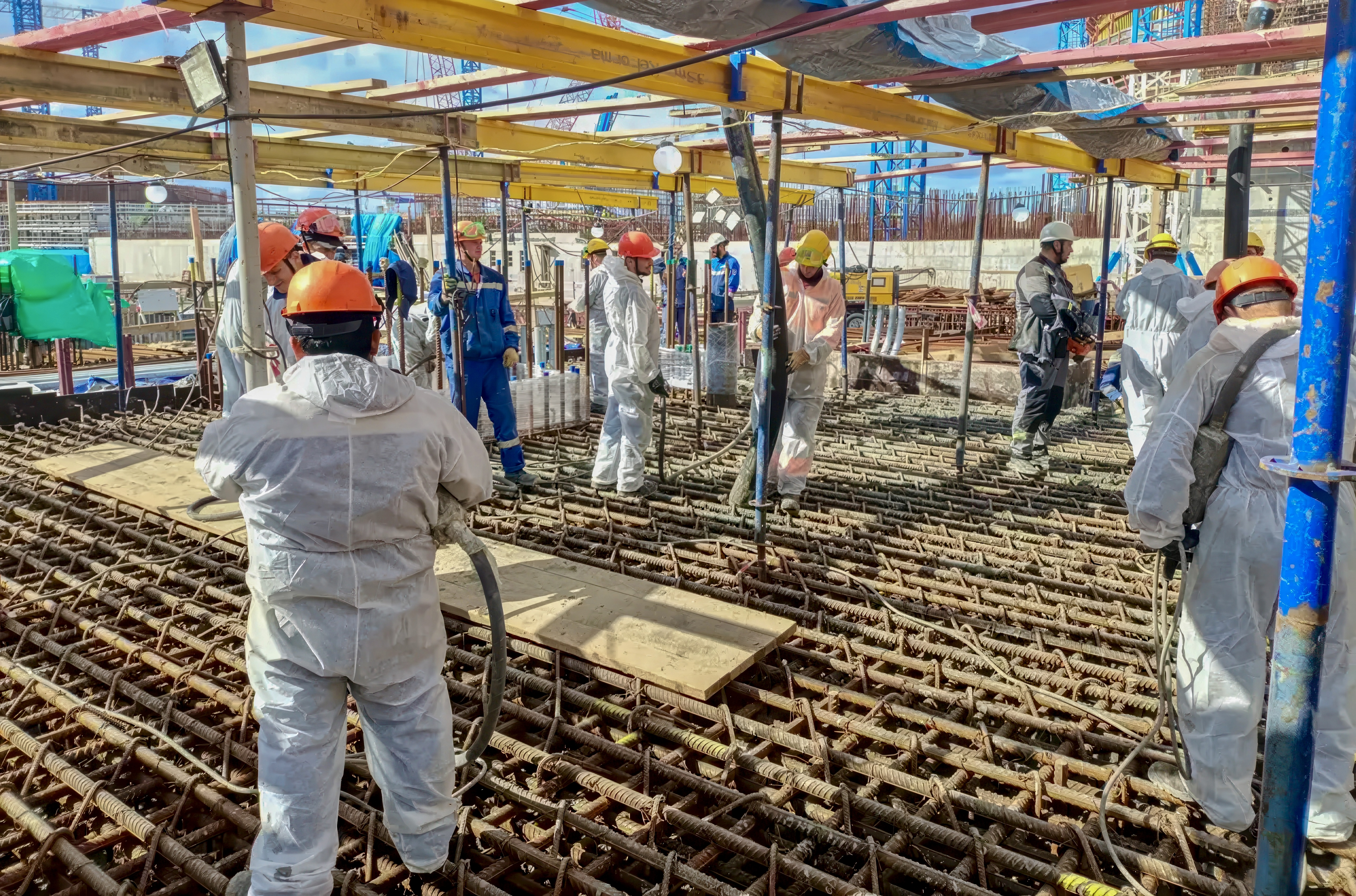
First concrete poured for turbine building foundation of Unit 3 VVER-1200 at Leningrad NPP Phase II
On September 9, 2026, concrete pouring began for the foundation of the turbine building of Unit 3 VVER-1200 at Leningrad NPP Phase II in Russia. Construction workers have completed the pouring of the central section of the future foundation, with concrete consumption approaching 5,000 cubic meters. This pour is the first stage of construction of the foundation structure for this building. According to the plan, the contractor will use nearly 5,000 tonnes of rebar and more than 20,000 cubic meters of high-strength concrete to build a monolithic foundation slab 2.5 meters high and more than 8,000 square meters in area. The related operations are currently being carried out simultaneously in 7 construction zones. Konstantin Khudyakov, head of the Leningrad NPP project at TITAN-2 Holding (TITAN-2), said that the foundation construction of the turbine building places high demands on concrete quality, pouring technology and curing conditions, especially in the first few days after pouring, when it is necessary to focus on controlling on-site temperature and humidity and preventing mechanical damage. After the concrete reaches design strength, the contractor will, together with the owner, use non-destructive testing methods to inspect the structure, including ultrasonic testing; at the same time, specimens made from the same batch of concrete will also be subjected to compressive tests on a hydraulic press to confirm that the foundation is capable of bearing the loads of walls, floors, piping and large operating equipment.
2026-09-10
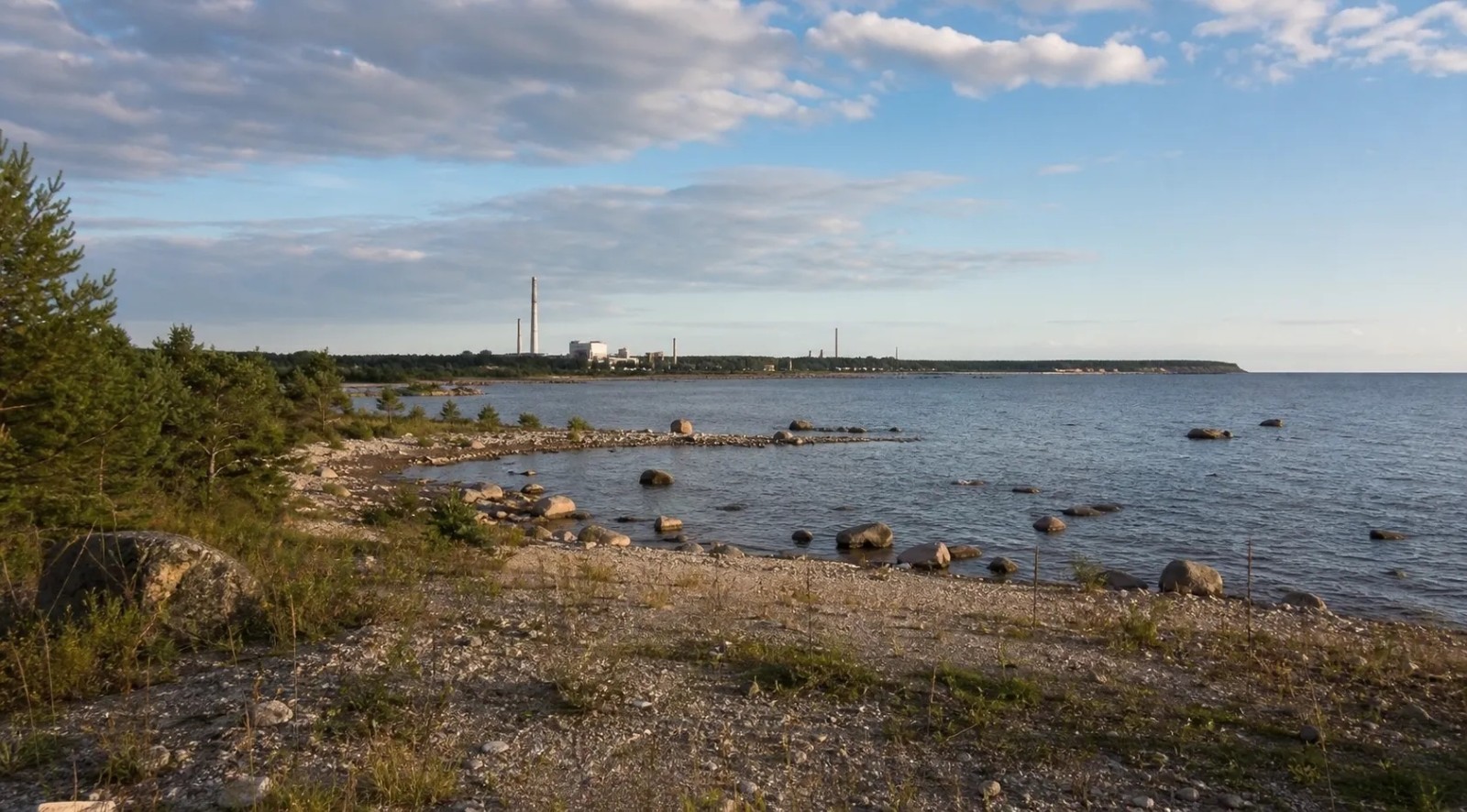
Estonia expects to identify preliminary nuclear power plant site by spring
Estonia's Ministry of Economic Affairs and Communications expects that by spring, the site selection analysis for a nuclear power plant will have progressed sufficiently to identify preliminary candidate sites. Currently, authorities are evaluating six potential locations in the coastal areas of Kunda and Lüganuse-Toila, with three candidate sites in each area. Agnes Lihtsa, adviser to the ministry's Land and Spatial Policy Department, stated that relevant authorities have developed a site evaluation framework containing 40 indicators, drawing on recommendations from the International Atomic Energy Agency. The evaluation covers nuclear safety requirements, geological and hydrological conditions, cooling water availability, potential impacts on the natural environment, and socio-economic factors. Lihtsa said that cooling water conditions are a key factor in site selection.
2026-09-09

Indian, Russian Leaders to Meet Ahead of BRICS Summit; Talks on New Nuclear Power Plants on Agenda
Kremlin spokesman Dmitry Peskov confirmed on September 8 that Indian Prime Minister Narendra Modi and Russian President Vladimir Putin will meet this Friday, ahead of the 18th BRICS Leaders' Summit scheduled for September 12-13 in New Delhi. Peskov stated that Russia is awaiting negotiations with India on new nuclear power plants. He also noted that the two leaders maintain close contact and are able to discuss sensitive issues in bilateral relations in an open and constructive manner. The Indian side has not yet issued an official statement regarding the bilateral meeting between Modi and Putin. India holds the presidency of the 2026 BRICS Summit. This year's summit will be held at the India Exposition Centre in New Delhi under the theme "Building Resilience, Innovation, Cooperation, and Sustainable Development." During the summit, participants will exchange views on shared priorities and related global and regional issues.
2026-09-09
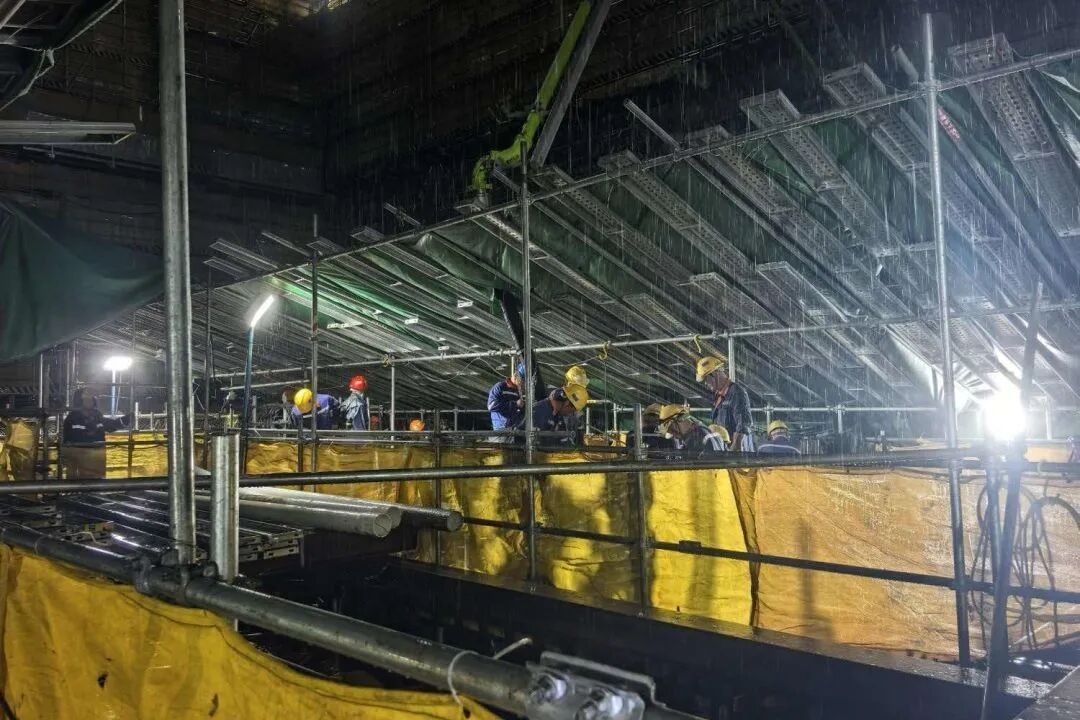
Concrete Placement Completed for Turbine Foundation Base Slab of Unit 5 Conventional Island at Ningde Nuclear Power Phase II
At 13:09 on September 2, the large-volume concrete placement for the turbine foundation base slab at elevation +15.95 meters in the conventional island building of Unit 5 of the Ningde Nuclear Power Project Phase II was completed. The placement lasted approximately 46 hours, marking phased progress in the main civil construction of the conventional island for this unit and creating conditions for subsequent installation of turbine-generator equipment. The placement commenced at 15:37 on August 31 and was carried out in a single continuous pour, with a cumulative concrete volume of 2,456 cubic meters. The turbine foundation base slab is a critical load-bearing structure in the conventional island of a nuclear power plant, supporting the loads of the turbine-generator unit and auxiliary equipment. It demands high structural precision, construction quality, and overall stability, and its forming quality will affect subsequent equipment installation accuracy and unit operational reliability.
2026-09-05
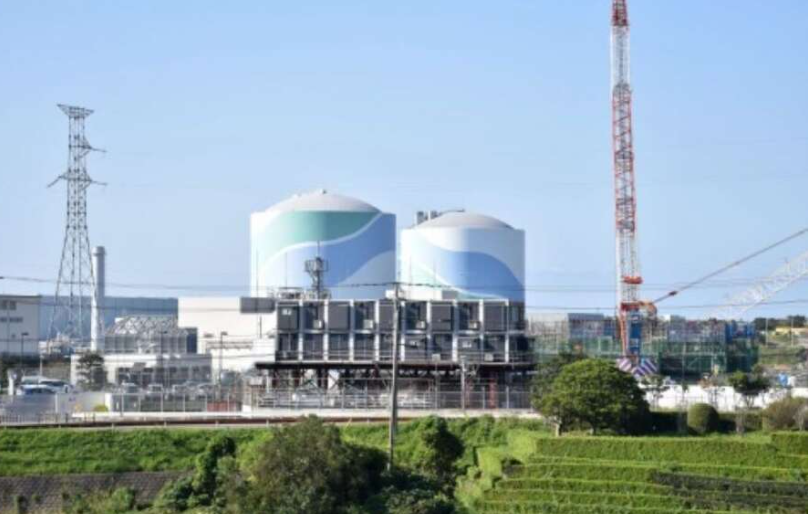
New Fuel Delivery Completed at Japan's Sendai Nuclear Power Plant
Kyushu Electric Power Co. announced on September 2 that new fuel required for Units 1 and 2 of Japan's Sendai Nuclear Power Plant has been delivered. The transport operation began on August 30, 2026, and concluded on September 2. According to information released by Kyushu Electric Power, the new fuel delivered this time was manufactured by Nuclear Fuel Industries, Ltd. Specifically, Unit 1 of the Sendai Nuclear Power Plant received 24 new fuel assemblies transported in 12 shipping containers, while Unit 2 received 28 new fuel assemblies transported in 14 shipping containers. The new fuel transport was carried out using a combination of land and sea routes. Kyushu Electric Power stated...
2026-09-03
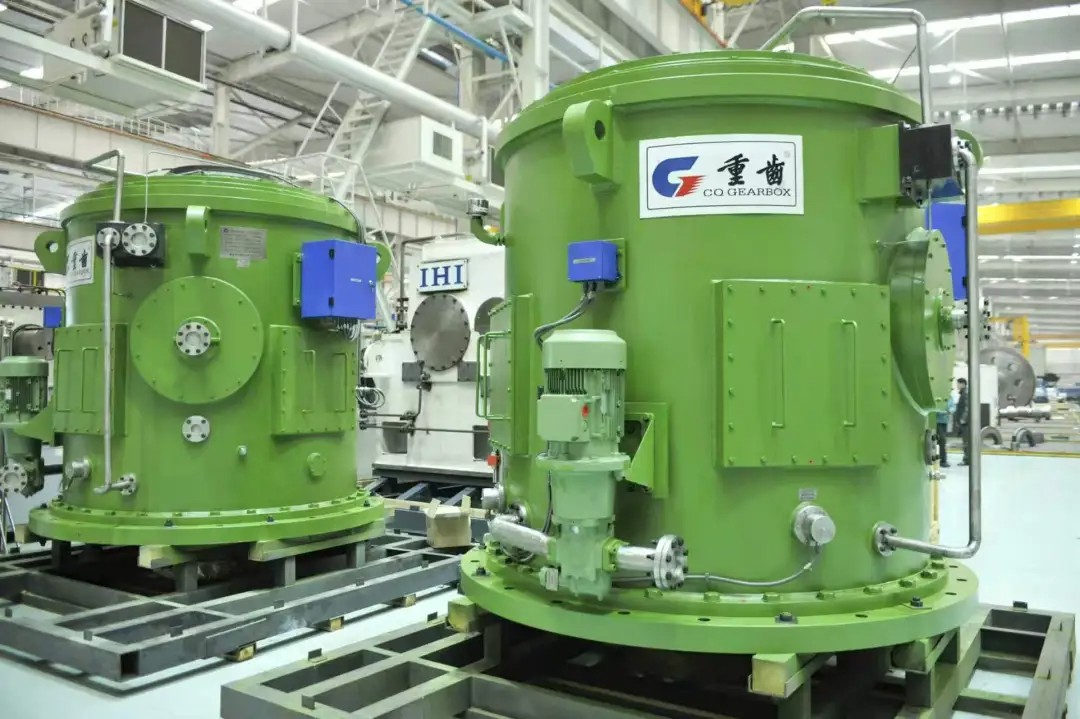
Chongchi Company Leads the Formulation of National Standard for Gearboxes Used in Nuclear Power Seawater Circulation Pumps
Recently, the inaugural working group meeting for the national standard "Design Specification for Vertical Gearboxes Used in Nuclear Power Seawater Circulation Pumps," led by Chongchi Company, was successfully held. The convening of this meeting is not merely a technical specification discussion but also represents a significant leap for Chongchi Company from product manufacturing to rule-setting, marking a new stage where core nuclear power equipment enters the phase of "leading the definition." Leading the formulation of this national standard fully demonstrates Chongchi Company's technical strength and reflects its industrial responsibility. Only by consolidating the technical experience gained during R&D into standards can reproducible and scalable technical references be provided for the technological advancement and industrial upgrading of the entire industry.
2026-09-03

Uzbekistan's Integrated Nuclear Power Plant Completes Reactor Building Foundation Pit Excavation
The press service of the President of Uzbekistan announced on September 2 that the integrated nuclear power plant project being built by Rosatom has completed the excavation of the reactor building foundation pit, with over 1 million cubic meters of earth removed in total. President of Uzbekistan Shavkat Mirziyoyev was briefed on the progress of the nuclear power plant construction. The project was officially launched in June this year, and construction workers have already completed site excavation at the 100-hectare construction and installation base, pouring 916 cubic meters of foundation concrete. A total of 450 workers and 100 pieces of equipment are involved in the construction at the site, with a total project investment of $9.5 billion...
2026-09-03

Concrete Placement Completed for Raft Foundation of Circulating Water Pit on North Side of 5BMX Turbine Generator Building at Fangchenggang Nuclear Power Plant
On August 30, the concrete placement for the raft foundation of the circulating water pit on the north side of the 5BMX turbine generator building at the Fangchenggang Nuclear Power Plant in Guangxi, undertaken by China Energy Engineering Group Anhui Electric Power Construction No.2 Engineering Co., Ltd., was completed. The total concrete volume placed was 796 cubic meters, with two truck-mounted concrete pumps operating simultaneously, and the work was completed in approximately 22 hours. The circulating water pit raft foundation is a key underground structure of the turbine hall. This mass concrete placement was carried out using the horizontal layered pouring method. The project department made advanced overall arrangements, refined the construction plan, and organized safety and technical briefings for construction. During the placement, project personnel performed their respective duties with coordinated collaboration, efficiently advancing concrete transport, placement, vibration, surface finishing, curing, and other tasks. Dedicated personnel were assigned for on-site supervision to strictly control key parameters such as pouring speed, vibration depth, and slump, and to rigorously implement safety and quality control measures, ensuring the entire construction process was safe, controllable, and quality-compliant. Ultimately, this critical civil construction milestone was successfully completed, laying a solid foundation for the subsequent circulating water system construction and the overall structural construction of the turbine hall.
2026-09-02

U.S. Proposes Clearer Groundwater Protection Standards for In-Situ Uranium Recovery Sites
The U.S. Nuclear Regulatory Commission (NRC) on September 1 proposed a rule aimed at establishing clearer groundwater protection standards for communities surrounding in-situ uranium recovery sites, while streamlining the process for extending decommissioning deadlines for radioactive materials facilities and nuclear reactors, reducing redundant administrative steps without compromising safety. The rule addresses two aspects under NRC oversight. First, it proposes risk-informed regulatory standards for protecting drinking water near in-situ uranium recovery facilities, designed to guard against both radiological and non-radiological contamination. In-situ uranium recovery is a method of uranium extraction that involves injecting solution into uranium-bearing ore bodies to dissolve underground uranium resources and pump them to the surface for recovery. Second, it proposes to simplify the process for facility owners to apply for extensions of decommissioning deadlines. The NRC stated that current time requirements are relatively rigid and may lead to premature license termination; the proposed changes aim to reduce applicant costs, improve regulatory efficiency, and provide clearer expectations for communities and facility operators.
2026-09-02

China-led International Standard for Estimating RBE-Weighted Absorbed Dose from Acute Exposure Approved for Initiation
According to the International Organization for Standardization (ISO), the international standard ISO25600 "Estimation Method for RBE (Relative Biological Effectiveness)-Weighted Absorbed Dose from Acute Exposure," led by the China Institute of Atomic Energy, has been officially approved for initiation. This is a general methodology international standard led by China in the global field of nuclear and radiation emergency dose assessment. It can provide important support for the rapid estimation and evaluation of acute doses, decision-making on emergency protective actions, international notification and communication, as well as emergency training, exercises, and scientific research, helping to strengthen the scientific rigor and timeliness of global nuclear emergency response, and enhance response capability and standardization. Nuclear and radiation emergency response is a vital guarantee for the sustained and healthy development of the nuclear energy industry...
2026-08-31
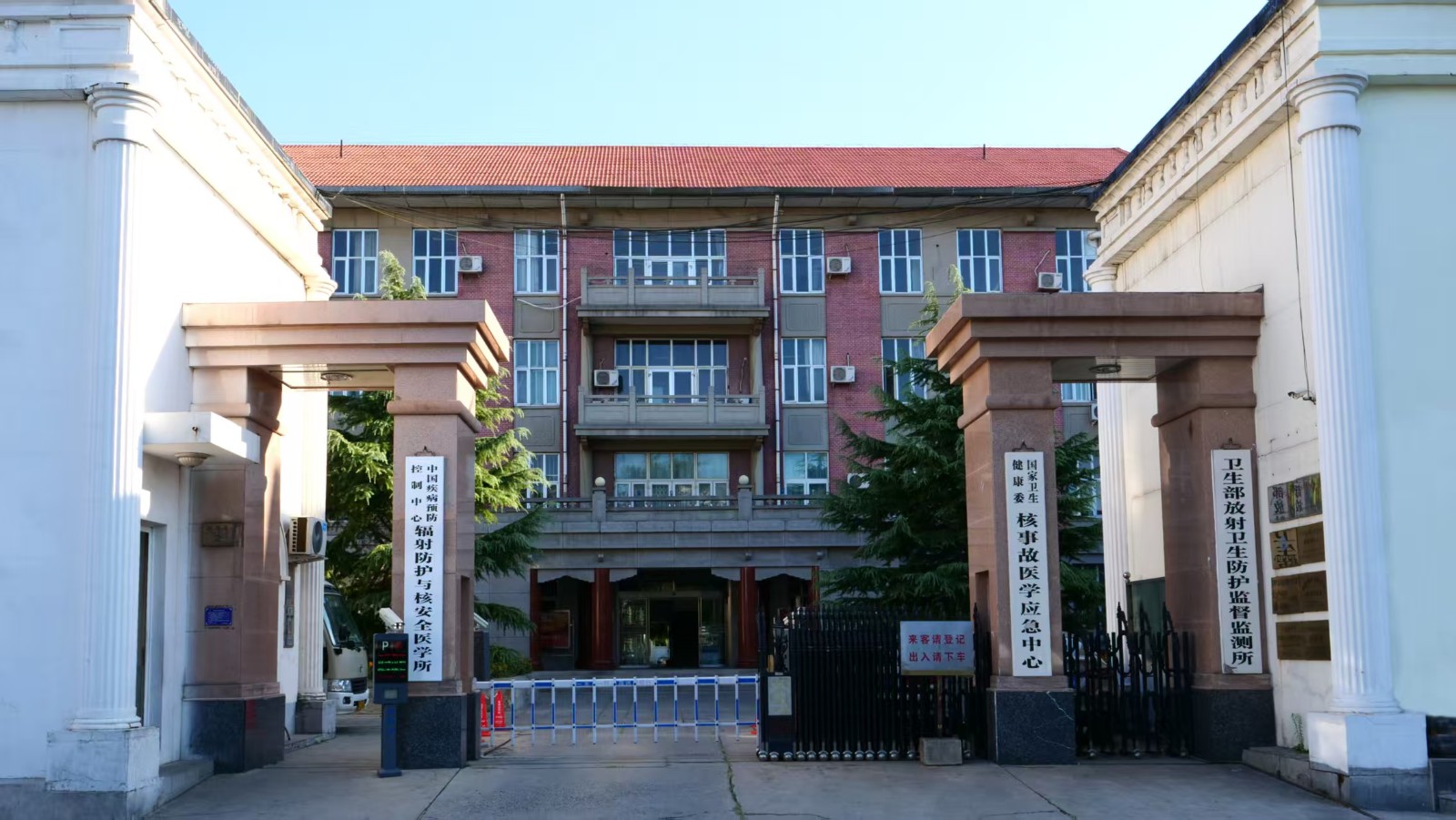
Two Projects of the National Natural Science Foundation of China Approved for the National Institute for Radiological Protection, China CDC
On August 26, the National Natural Science Foundation of China (NSFC) announced the review results of the centralized application projects for the fiscal year 2026. The National Institute for Radiological Protection, China CDC, was approved for two NSFC projects, with research directions covering radon exposure monitoring, radiological health, and screening of lung cancer-related biomarkers. Among the approved projects, the proposal titled "New Strategy for Radon Exposure Monitoring: Visualization and Mechanism Study of Adsorption-Detection Integrated Gold Nanoparticle Materials" submitted by Associate Researcher Song Yanchao received support from the Department of Mathematical and Physical Sciences; the proposal titled "Preliminary Study and Validation of Screening Lung Cancer-Related Biomarkers in Radon-Exposed Miners Based on Methylation Chips and RNA-seq" submitted by Assistant Researcher Zhang Pinhua received support from the Department of Health Sciences.
2026-08-31
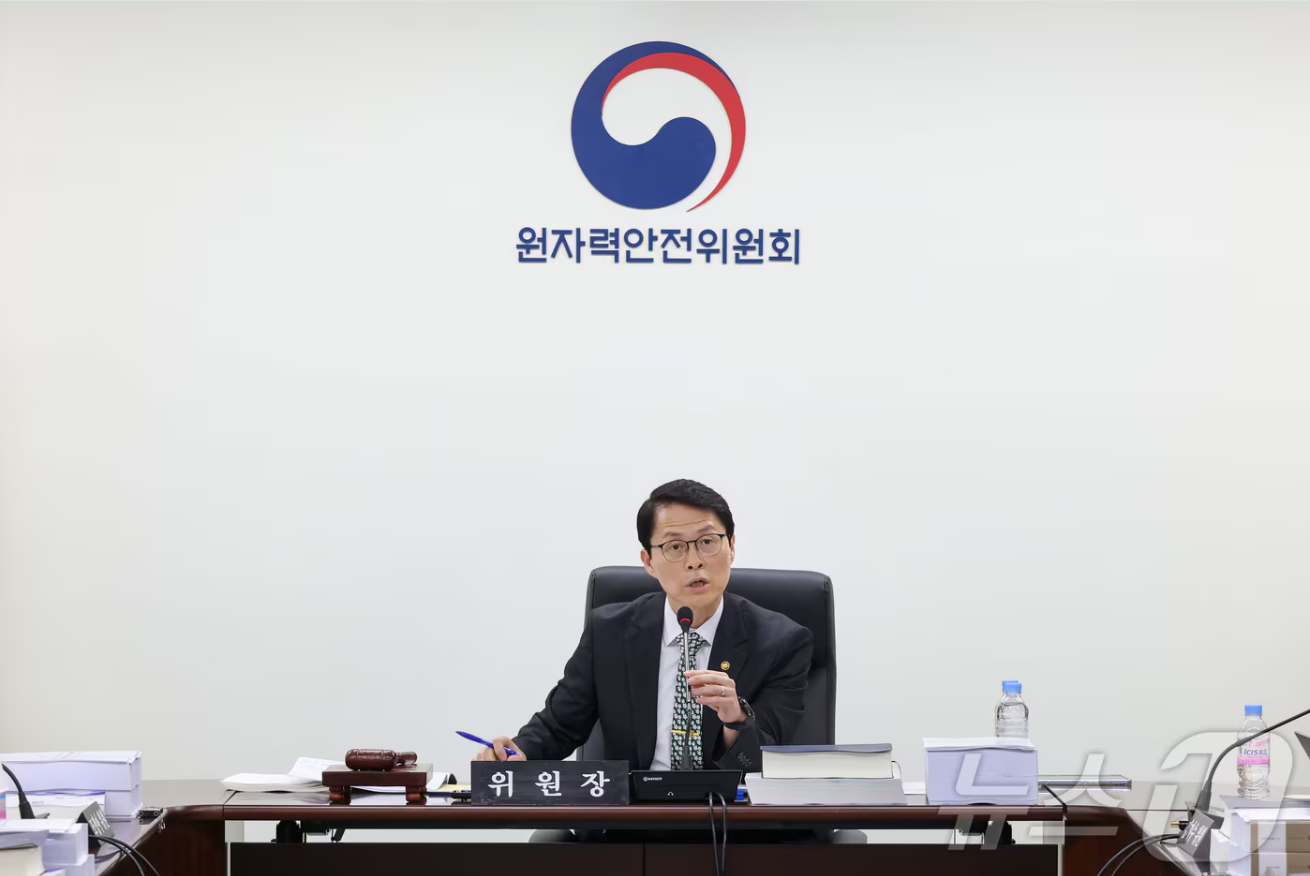
South Korea Launches Standard Design Approval Review for i-SMR
The Nuclear Safety and Security Commission (NSSC) of South Korea is set to initiate a safety review of the standard design approval application for the innovative Small Modular Reactor (i-SMR). This project is part of the small modular reactor research and development program led by the South Korean government. The NSSC stated on August 28 that, at its 13th meeting of 2026 held on August 27, the Korea Institute of Nuclear Safety (KINS) reported on the review plan for the i-SMR standard design approval application. KINS had previously conducted a suitability review of the standard design approval application documents submitted in February of this year and determined that the documents met the conditions for entering the safety review phase, thereby establishing a subsequent review plan. The standard design approval system is designed to...
2026-08-28
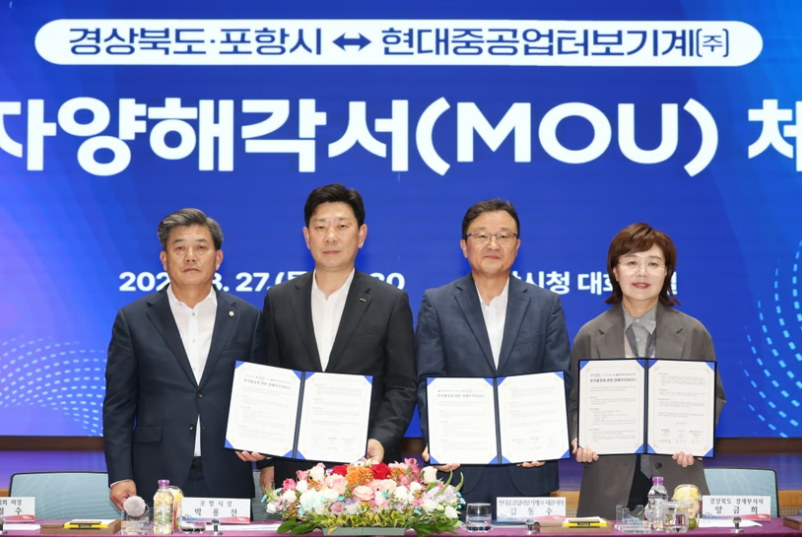
South Korea's Pohang to Build Core Component Factory for Small Modular Reactors
The city of Pohang and North Gyeongsang Province recently signed a memorandum of understanding with Hyundai Heavy Industries Turbomachinery Co., Ltd. to build a large-scale production plant for eco-friendly turbomachinery and core components for small modular reactors (SMRs) at the fourth comprehensive industrial complex in Pohang's Yeongil Bay, with an investment of approximately 100 billion KRW. Under the agreement, Hyundai Heavy Industries Turbomachinery plans to carry out the project between 2026 and 2029, constructing related production facilities on a 101,128-square-meter site within the complex. Upon completion, the project is expected to create approximately 100 new jobs and boost the local manufacturing sector...
2026-08-28
Antares and Standard Nuclear Sign Multi-Year TRISO Fuel Supply Agreement
Antares Nuclear, Inc. of the United States recently announced that it has signed a binding multi-year fuel supply agreement with Standard Nuclear to secure advanced nuclear fuel supply for its compact microreactor program. Under the agreement, Standard Nuclear will supply up to 8 metric tons of uranium (MTU) of tristructural isotropic particle fuel, or TRISO fuel, to Antares Nuclear by 2035. This fuel will be used in the microreactor currently being developed by Antares. Designed for demanding operating environments such as ground-based and space applications, this class of reactors aims to provide reliable power for national defense, aerospace, and off-grid critical infrastructure...
2026-08-28

NSF Funds $30 Million Turbulence Research Center Focused on Predictive Modeling for Fusion Energy
The U.S. National Science Foundation (NSF) has established a new Science and Technology Center with a total funding of $30 million, focusing on the understanding and prediction of turbulence. The project targets application scenarios such as fusion energy, astrophysics, and hypersonic flight, aiming to tackle the challenges of cross-scale turbulence modeling and prediction in complex physical systems. Researchers and students from San José State University (SJSU) will participate in the related research. This is a three-dimensional simulated turbulent velocity field at the core collapse point of a massive star before a supernova explosion. Image credit: S. Couch, based on research by Fields and Couch published in The Astrophysical Journal, Volume 921, Page 28.
2026-08-27