
Search Results
Keyword:NI
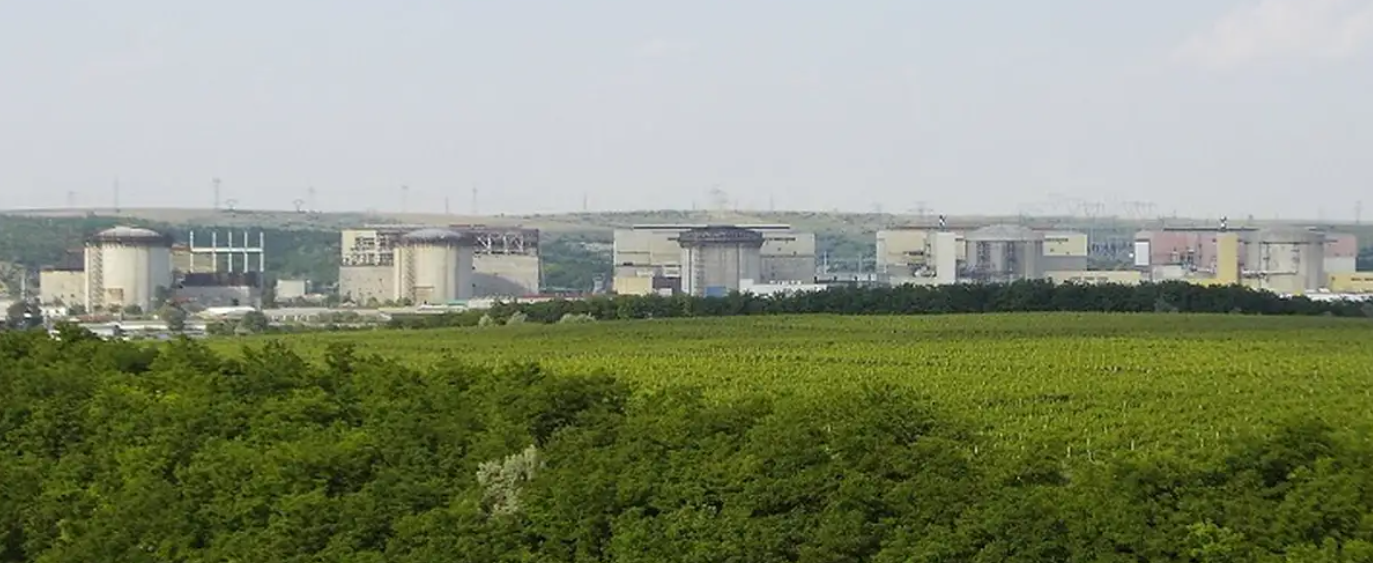
Danube River water levels continue to drop, Romania's only nuclear power plant to shut down completely
Affected by prolonged drought and high temperatures, the water level of the Danube River has been continuously declining, impacting the operation of multiple nuclear power plants along its banks. Romanian authorities have confirmed that both units of the country's only nuclear power plant, the Cernavodă Nuclear Power Plant, will be completely shut down to prevent damage to the cooling system. Romania's Acting Prime Minister Ilie Bolojan has called on residents and large industrial users to voluntarily reduce electricity consumption, especially by controlling the load between 8:00 PM and 11:00 PM. He stated that Romania often faces electricity shortage pressure during this period. Bolojan noted that the Danube River flow rate during the same period in previous years was typically 3,900 to 4,500 cubic meters per second, but it has now dropped to 1,600 cubic meters per second, and is expected to continue decreasing in the coming days.
2026-07-30
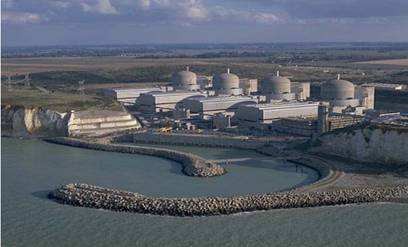
Public Meeting Held on Restart Plan for Three Mile Island Unit 1
As electricity demand from AI-related data centers rises, multiple locations across the United States are reassessing the value of nuclear reactors originally slated for decommissioning. Recently, the restart plan for Unit 1 of the Three Mile Island Nuclear Power Plant in eastern Pennsylvania has entered the public engagement phase. The Three Mile Island plant has long been under scrutiny due to the 1979 accident at Unit 2, which involved a nuclear fuel meltdown and the release of radioactive materials. The proposed restart involves the adjacent Unit 1, which has been in the decommissioning process since 2019. Upon restart, it will operate under the name "Crane Clean Energy Center." On July 28, the U.S. Nuclear Regulatory Commission...
2026-07-30
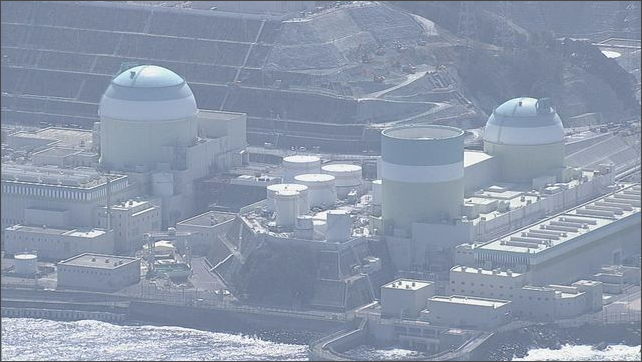
Japan's Ikata Nuclear Power Plant Unit 1 Decommissioning Plan to Enter Second Phase
The Environmental Safety Management Committee for the Ikata Nuclear Power Plant, established by the Ehime Prefectural Government, recently held a meeting to review the progress of the decommissioning plan for Unit 1 of the Ikata Nuclear Power Plant. The unit ceased operation in 2016 and is currently in the decommissioning implementation phase. Unit 1 of the Ikata Nuclear Power Plant is operated by Shikoku Electric Power Co. The company began decommissioning the unit in 2017, planning to carry out the work in four phases over a total period of approximately 40 years. Currently, the first phase has been largely completed, primarily involving the removal of nuclear fuel. Shikoku Electric Power Co. has applied to the Japanese central government to enter the second phase, which involves dismantling equipment around the reactor area, and has...
2026-07-30
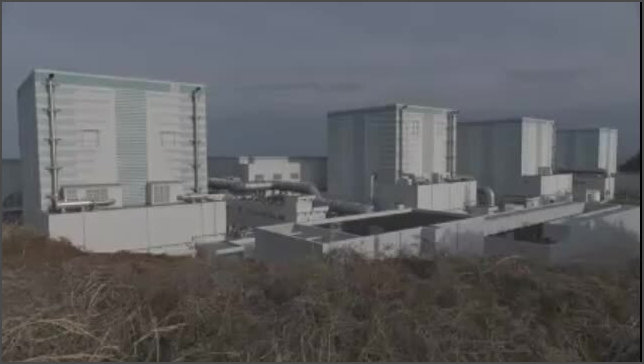
TEPCO says cooling interruption of spent fuel pool at Fukushima Daini Unit 1 due to human error
Tokyo Electric Power Company (TEPCO) announced on July 29 that the event in April 2026, where the spent fuel pool cooling system at Unit 1 of the Fukushima Daini Nuclear Power Plant was shut down for approximately 32 hours, was determined to be caused by human error. At the time of the incident, the plant was in the decommissioning phase. On April 5, a fault alarm was triggered by the cooling water circulation pump of Unit 1 at Fukushima Daini. After on-site personnel confirmed smoke from the equipment, the pump was stopped, resulting in an interruption of the spent fuel pool cooling system for about 32 hours. TEPCO previously stated that the cause was damage to the cable connecting the pump motor. According to TEPCO's latest explanation, the cable melting may be related to the installation method when the cable was replaced in 2012...
2026-07-30
NextEra and Brookfield Plan $100 Billion Data Center Campus at Former Paducah Uranium Enrichment Site in the U.S.
NextEra Energy and Brookfield Asset Management plan to develop a data center campus and supporting power generation facilities with a total investment exceeding $100 billion at a federally owned former uranium enrichment site in Paducah, Kentucky, USA. The project is located on or near the U.S. Department of Energy (DOE) Paducah site. According to relevant announcements, the campus is expected to provide over 1.2 gigawatts of data center computing capacity and deliver up to 1.8 gigawatts of power to the grid. The project is scheduled to begin operations in 2028 and reach full development approximately four years later; other information indicates that overall construction is expected to be completed around 2031.
2026-07-30

Denison Phoenix In-Situ Recovery Uranium Mine Enters Full Construction Phase
Denison Mines Corp. of Canada announced on July 28 that the Phoenix in-situ recovery uranium mine, part of the Wheeler River uranium project in northern Saskatchewan, Canada, has completed site preparation and transitioned from the preliminary engineering phase to full construction. Current project priorities include initiating the installation of the freeze wall around the Phase I mine. According to the company's disclosure, since site preparation and preliminary engineering began in March 2026, the project has substantially completed site clearing, advanced several time-critical civil works, and constructed construction management facilities. A temporary construction camp has also been installed and put into operation, increasing the on-site accommodation capacity of the Wheeler River project to nearly 400 people, providing conditions for the subsequent increase in construction personnel...
2026-07-29
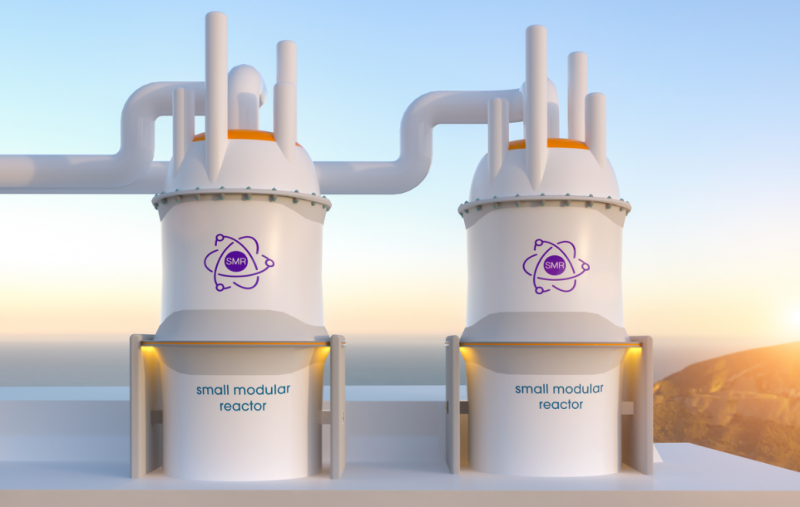
Romanian National Nuclear Power Company Responds to Review Comments on the Doicești SMR Project
SN Nuclearelectrica SA (SNN) responded on July 28 to the content involving the Doicești Small Modular Reactor (SMR) project in the summary of a report by the Romanian Prime Minister's supervisory body. The company stated that strategic nuclear energy projects should be comprehensively evaluated based on technological maturity, economic conditions, and regulatory requirements. Such projects remain in a complex development phase, with schedules and plans subject to updates as engineering, licensing, and technical verification work progresses. SNN noted that the initial development plan for the Doicești SMR project was based on information available at the project's launch, with an estimated timeline jointly developed with technology partners NuScale and Fluor (...
2026-07-29
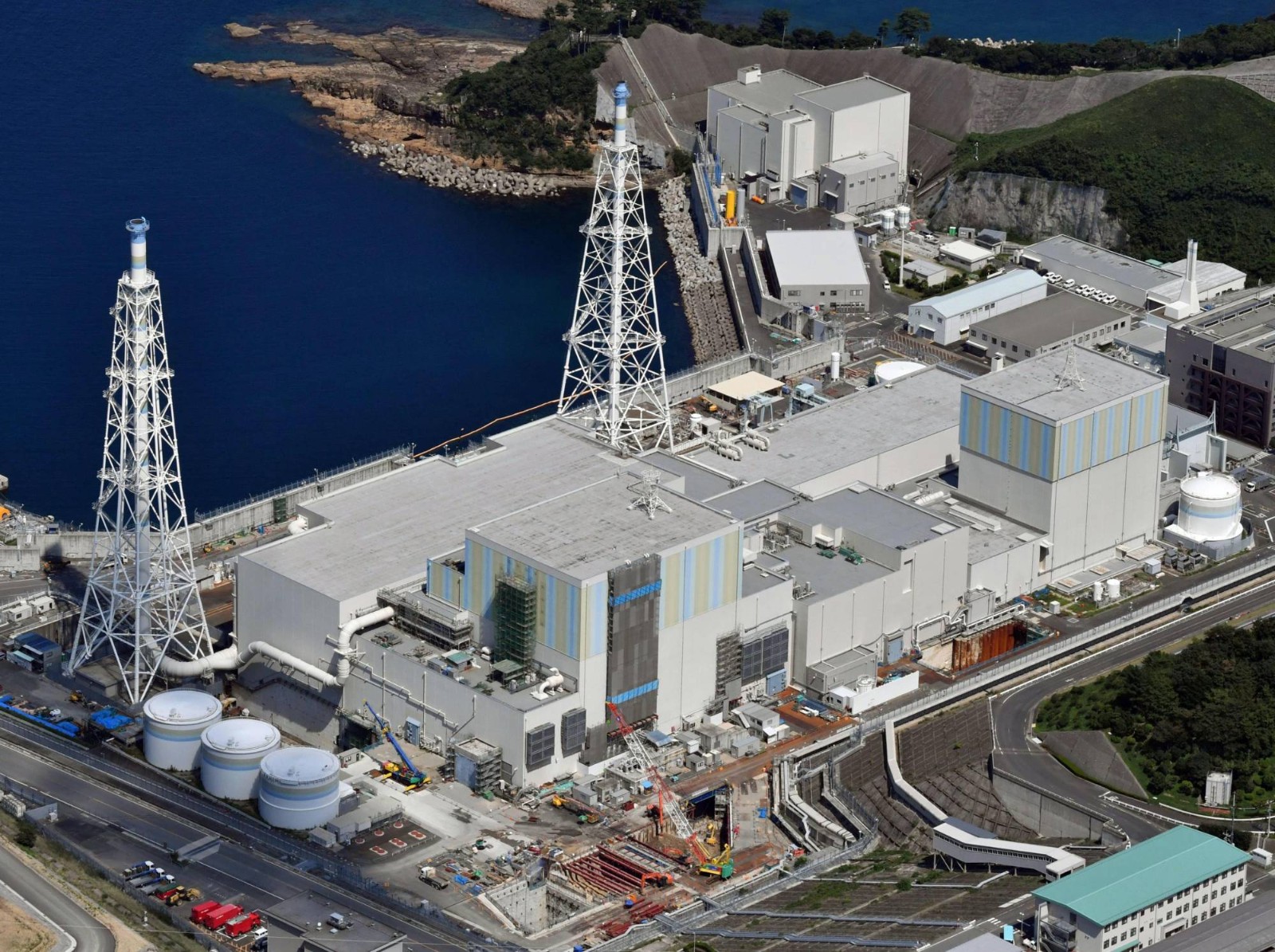
Chugoku Electric Power Submits Third Amendment to Reactor Installation Change Permit Application for Shimane Nuclear Power Plant Unit 3 to Regulatory Authority
Chugoku Electric Power Co., Inc. announced on July 29 that it had submitted the third amendment to the reactor installation change permit application for Unit 3 of the Shimane Nuclear Power Plant to the Nuclear Regulation Authority (NRA) on the same day. The company stated that this amendment adjusts the application content for related equipment at the plant based on previous review findings. This includes reclassifying certain equipment already installed for Unit 2, such as the emergency response center, for shared use between Unit 2 and Unit 3. According to reports, Chugoku Electric Power had previously submitted two amendments to the reactor installation change permit application for Unit 3 of the Shimane Nuclear Power Plant, on December 22, 2021, and June 29, 2022, respectively.
2026-07-29
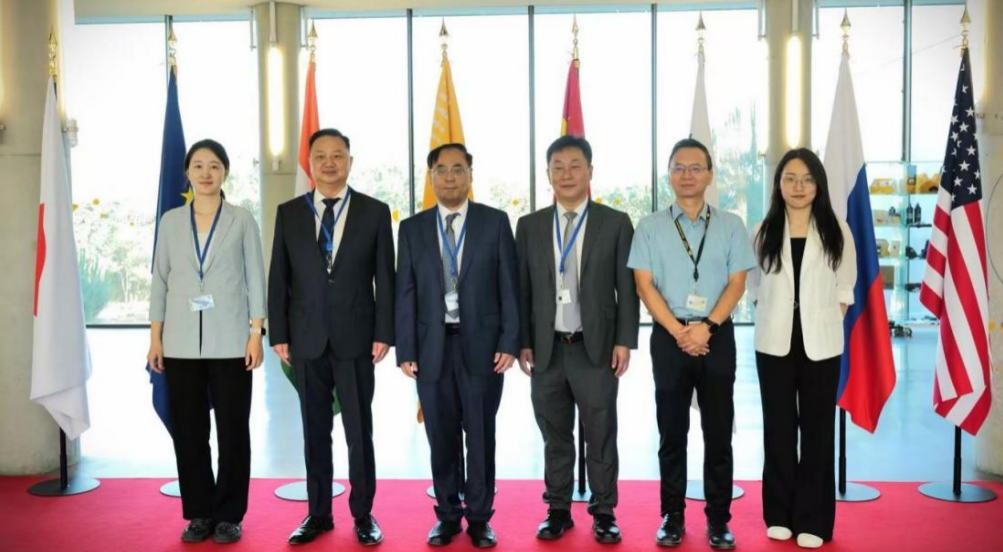
Chinese Delegation Attends 2026 Annual Meeting on Implementation of Bilateral Cooperation Agreement between Ministry of Science and Technology and ITER Organization
On July 7-8, 2026, the 2026 Annual Meeting on Implementation of the Bilateral Cooperation Agreement between the Ministry of Science and Technology (MOST) and the ITER Organization was held at the ITER Organization Headquarters. Deputy Director Yan Xiaohong of the Nuclear Fusion Center led the Chinese delegation to the meeting. The Chinese delegation conducted in-depth exchanges with senior ITER management and relevant department heads on topics including project progress, personnel dispatch, public outreach and science education, and international schools. During the meeting, both sides agreed that the ITER Project has made significant progress since the 2024 baseline update. ITER Deputy Director-General Kamada highly commended the outstanding performance of the Chinese consortium in the assembly of the tokamak, noting that the installation efficiency of individual sectors has more than tripled, playing a core role in advancing the project's critical path. China expressed its commitment to further deepening comprehensive cooperation with the ITER Organization and contributing Chinese strength to the successful implementation of the ITER Project.
2026-07-15
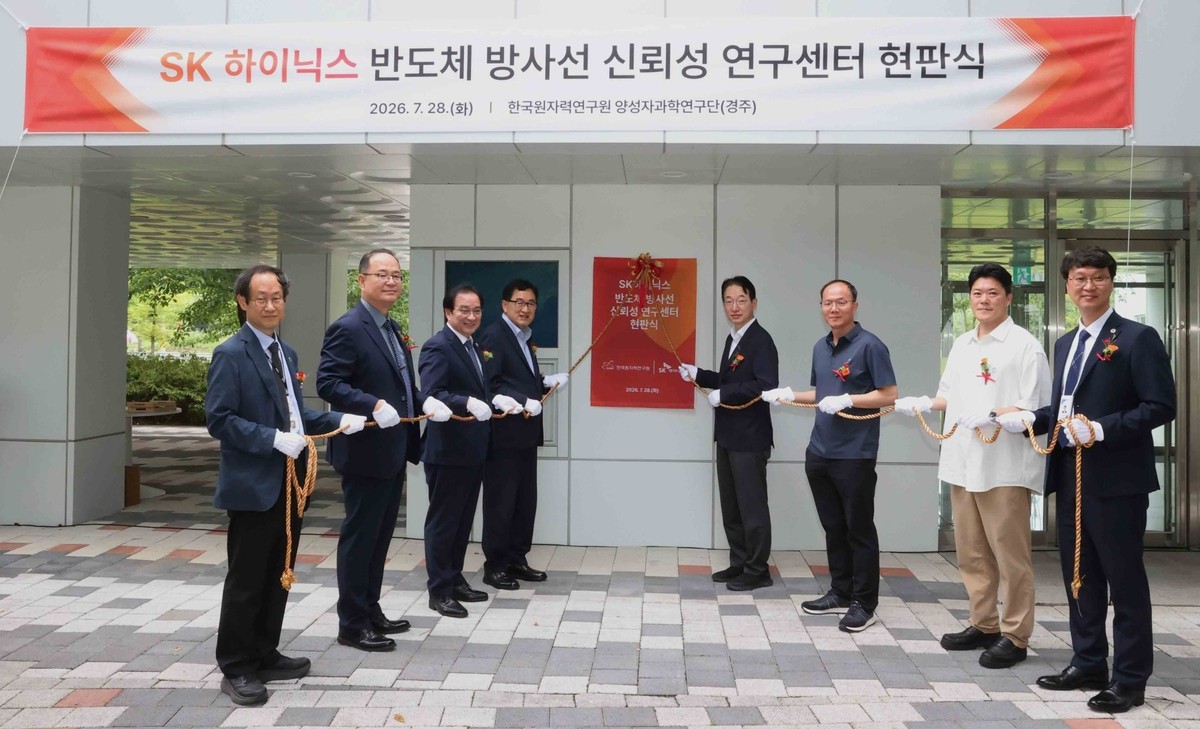
Korea Atomic Energy Research Institute and SK Hynix to Jointly Use Proton Accelerator and Other Facilities for Semiconductor Radiation Reliability Research
The Korea Atomic Energy Research Institute announced on July 29 that its Proton Science Research Group has signed a mutual cooperation agreement with SK Hynix to jointly utilize research facilities such as the proton accelerator to advance research on semiconductor radiation reliability. According to the agreement, the two parties will conduct joint research on proton beams and neutron beams generated by the proton accelerator and the HANARO research reactor, and explore methods to simulate real atmospheric and cosmic radiation environments using high-energy proton beams, gamma-ray beams, and neutron beams for radiation impact assessment of semiconductors and other products. In outer space and high-altitude aircraft flight environments, the shielding effect of the atmosphere and magnetic field against cosmic radiation is relatively weakened. After being exposed to cosmic radiation, semiconductors may experience malfunctions or damage. Therefore, semiconductors used in mobile devices such as automobiles and satellites need to have their radiation resistance verified before being put into use.
2026-07-29
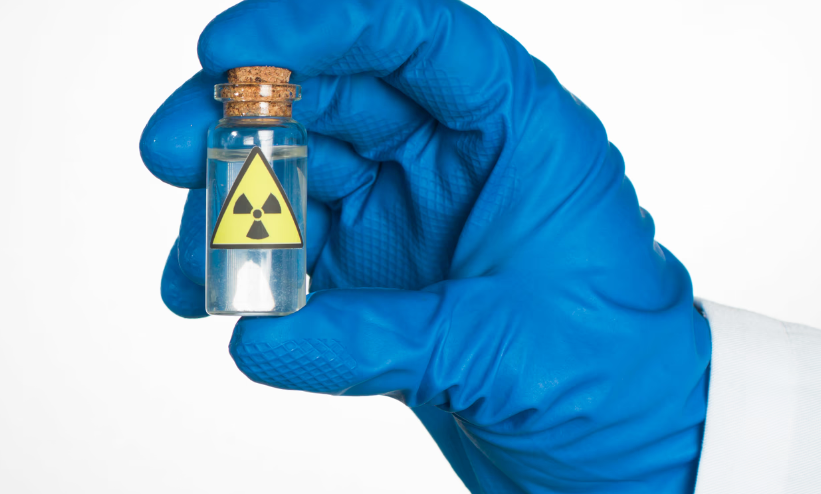
Urenco Isotopes Collaborates on EMIS Test Facility to Strengthen Europe's Enriched Lanthanide Isotope Supply Chain
On July 28, 2026, Urenco Isotopes announced a collaboration with RI Research Instruments to advance the construction of a dedicated Electromagnetic Isotope Separation (EMIS) test facility, aiming to strengthen the future European supply chain for enriched lanthanide elements and meet the growing demand for high-purity stable isotopes in scientific research and potential medical isotope applications. Lanthanides are rare earth metals, and their isotopes may be used in the future for cancer diagnosis and treatment. Currently, reliable sources of high-purity lanthanide stable isotopes remain limited, with the supply chain concentrated among a few producers, and Europe's local supply capacity is relatively insufficient. Under the collaboration arrangement, RI Research Instruments...
2026-07-29
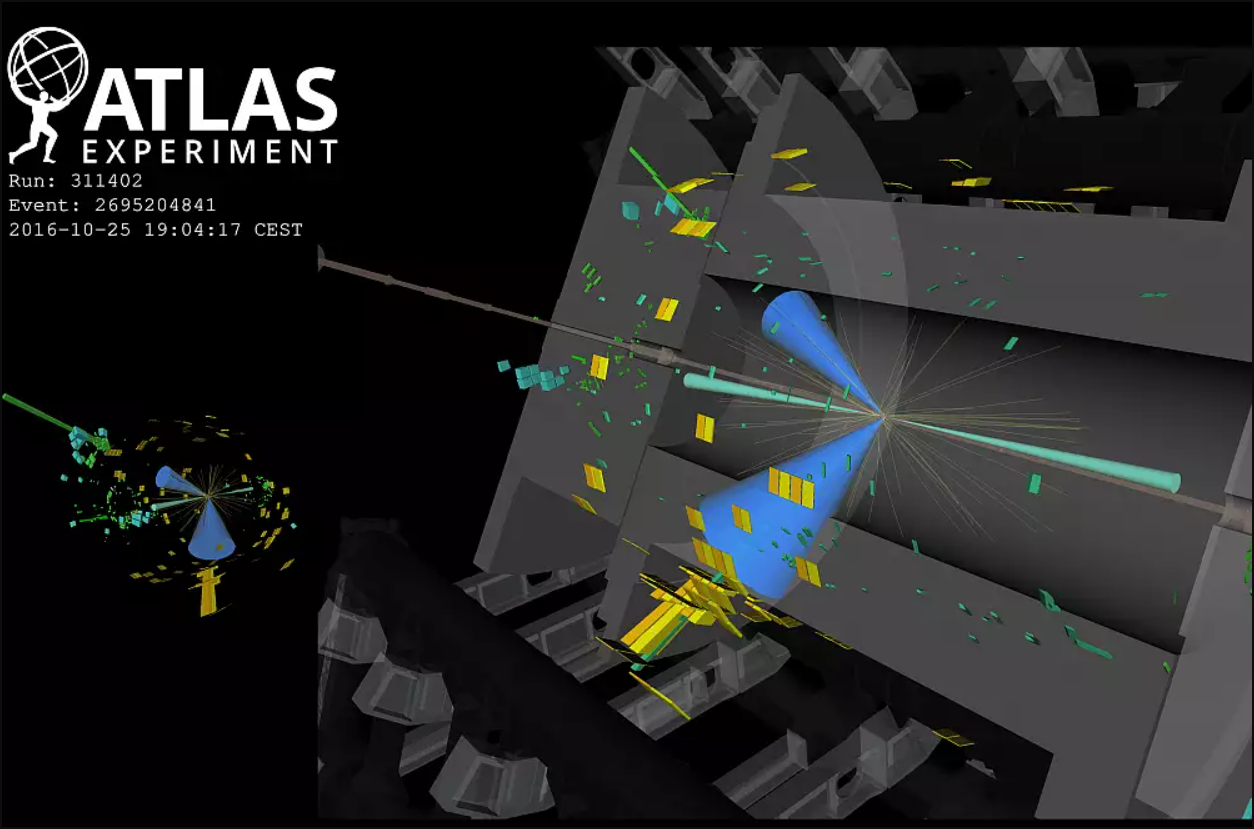
Indiana University Team Participates in Large Hadron Collider Detector Upgrade
On July 28, 2026, physicists from Indiana University are participating in an international scientific collaboration to install new particle detector components at the Large Hadron Collider (LHC) at CERN, located near Geneva, Switzerland, to enhance scientists' ability to study the fundamental building blocks of the universe. The Large Hadron Collider is currently the world's largest particle accelerator, which helps researchers explore the structure of matter and fundamental interactions by colliding protons at near-light speeds and analyzing the particles produced in the collisions. Indiana University is a member of the ATLAS experiment collaboration, which comprises approximately 245 institutions from over 40 countries, with thousands of scientists...
2026-07-29

EU Releases 2026–2027 Nuclear Research and Training Work Programme: Focusing on Safety, Innovation, and Capacity Building
Recently, the European Commission officially released the "2026-2027 European Atomic Energy Community (Euratom) Research and Training Work Programme" (hereinafter referred to as the Euratom Programme). This programme is a continuation and deepening of the Euratom work plan for 2021-2025, setting out the strategic directions, priorities, and funding actions for nuclear research in the next two years. This article systematically reviews the core content of the Euratom Programme, providing a detailed introduction from multiple dimensions, including the strategic framework, annual guidelines, specific actions in various research areas, other supporting measures, and budget arrangements, aiming to offer a comprehensive reference for domestic nuclear safety regulation and technical support work. Overall Strategy...
2026-07-29
"Magnetically Confined Fusion Burning Plasma" Selected as One of the Frontier Scientific Issues for 2026 by the China Association for Science and Technology
The main forum of the 28th Annual Meeting of the China Association for Science and Technology (CAST) was held in Beijing on July 15. During the forum, a list of major scientific questions, engineering and technical challenges, and industrial technology is
2026-07-27
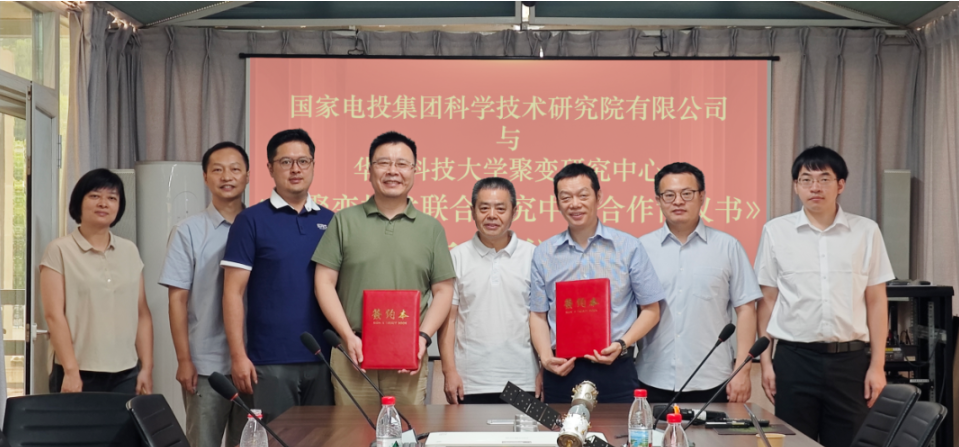
Academia Sinica and Huazhong University of Science and Technology sign a cooperation agreement to jointly establish a joint research center for nuclear fusion technology.
On July 22, the Central Research Institute and Huazhong University of Science and Technology (HUST) signed a cooperation agreement in Wuhan to establish a Joint Research Center for Nuclear Fusion Technology. Fan Sheng, Party Secretary and Chairman of the
2026-07-27