
Search Results
Keyword:Nuclear
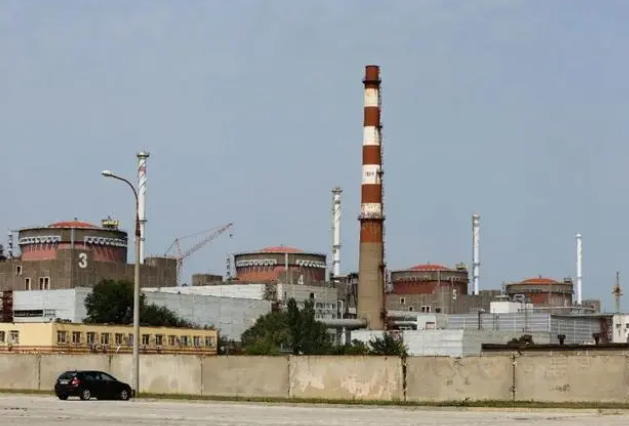
Zaporizhzhia Nuclear Power Plant Briefly Loses External Power, Restored via 330 kV Line
The International Atomic Energy Agency (IAEA) reported on August 4 that the Zaporizhzhia Nuclear Power Plant briefly lost external power supply that day. This marked the 24th occurrence of external power interruption at the plant since the outbreak of the related conflict. According to the report, the plant lost connection with the Ferrosplavnaya-1 transmission line, currently the only one still in service, in the afternoon, and emergency diesel generators provided backup power thereafter. The IAEA stated that the cause of the incident remains unclear. The plant management said the brief external power interruption was related to a technical fault in the automatic control system, and power supply was restored in less than an hour. Currently, the plant's auxiliary power is supplied by the 330 kV Fer...
2026-08-05
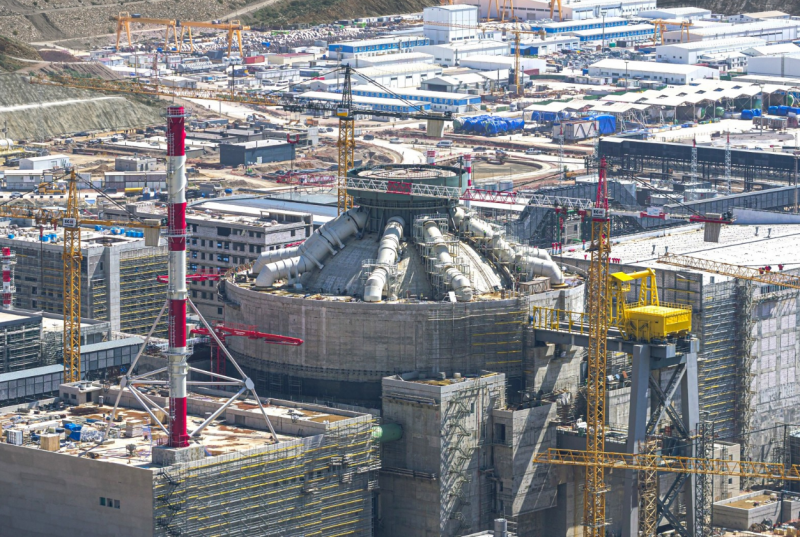
Turkey's Akkuyu Nuclear Power Plant Unit 1 Expected to Begin Power Generation by End of Year
Turkish Energy Minister Alparslan Bayraktar stated on August 4 that Unit 1 of the Akkuyu Nuclear Power Plant is planned to begin power generation by the end of this year. Bayraktar said that the startup process for the plant's first reactor is being accelerated, with Turkish and Russian sides concentrating efforts to advance related work, aiming to complete preparations and initiate trial power generation before year-end. He also noted that approximately 2,000 tests need to be completed before the plant goes into operation. Currently, these testing activities are underway...
2026-08-05
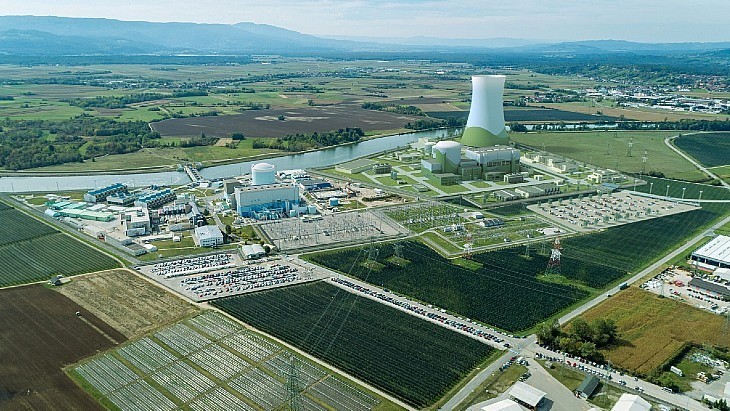
Krško Nuclear Power Plant Operates at Full Capacity; Low Sava River Water Level May Affect Unit Output
Slovenia's Krško Nuclear Power Plant continues to operate at full capacity, but due to low water levels and elevated water temperatures in the nearby Sava River, a reduction in reactor power cannot be ruled out in the future. The plant stated that it is utilizing its cooling tower system and operating in compliance with environmental restrictions related to the Sava River. Due to insufficient recent precipitation, the Sava River's water level remains low, and river water temperatures are also staying in a higher range. Plant management also noted that increased cooling demands have already had a certain impact on the unit's power generation efficiency. Krško Nuclear Power Plant has notified relevant authorities in Slovenia and Croatia that if environmental restrictions are further tightened, it may be necessary to...
2026-08-05
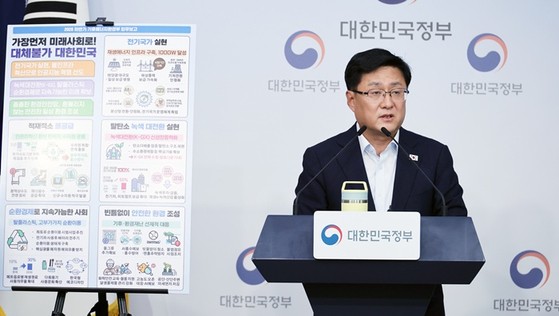
South Korea to Launch Hearings on 12th Power Supply and Demand Plan, New Nuclear Projects Under Review
South Korea's Ministry of Climate, Energy and Environment stated on August 4 that the government will advance procedures for the 12th Basic Plan for Power Supply and Demand, with the issue of new nuclear power plants to be included in public discussion and subsequent review. Kim Sung-hwan, Minister of Climate, Energy and Environment of South Korea (Photo source: Yonhap) South Korea's Climate Change Minister Kim Sung-hwan stated that the format and number of sessions for the public hearings on the 12th Basic Plan for Power Supply and Demand will be finalized this week, with plans to accelerate related procedures starting next week. Under the current schedule, the government intends to form a planning proposal in September or October and submit it for review through established procedures after completing public consultation. Regarding the issue of new nuclear power plants, Kim Sung-hwan stated...
2026-08-05
Mitsubishi Heavy Industries to Fully Develop Small Modular Reactors, Targeting Commercialization in Japan
Against the backdrop of the Japanese government's push to expand nuclear energy utilization, Mitsubishi Heavy Industries has decided to proceed with full-scale development of Small Modular Reactors (SMRs), with the goal of achieving commercial application in Japan. This is seen as a significant step forward by a Japanese private enterprise toward the practical deployment of SMRs. The Basic Energy Plan approved by Japan's Cabinet last year calls for maximizing the use of nuclear energy. At a ministerial meeting held last week, the Japanese government once again confirmed its commitment to advancing the research, development, and deployment of next-generation nuclear reactors. SMRs represent one of the technology pathways for next-generation nuclear reactors. Due to their smaller unit size and higher degree of modularization, the industry generally...
2026-08-05
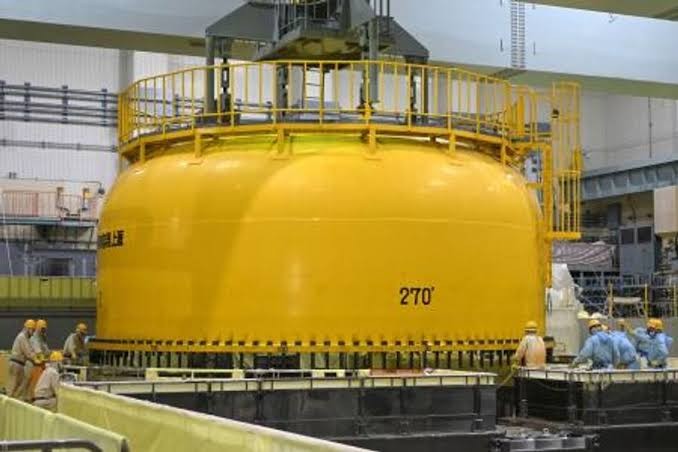
Shimane Nuclear Power Plant Unit 2 Completes Fuel Replacement and Installs Containment Vessel Head
Chugoku Electric Power Co. on August 4 disclosed the installation work of the containment vessel head for Unit 2 of the Shimane Nuclear Power Plant. The unit is currently undergoing periodic inspection, with major procedures such as nuclear fuel replacement already completed. Unit 2 of the Shimane Nuclear Power Plant, located in Matsue City, Japan, was restarted two years ago. Chugoku Electric Power Co. halted the unit's operation in February this year and has been conducting periodic inspections as scheduled. To date, all 560 nuclear fuel assemblies in the unit have been removed, and safety confirmation of the reactor core has been completed. Approximately 120 of these fuel assemblies were replaced with new nuclear fuel assemblies, followed by the phase of resetting related equipment and confirming seal integrity...
2026-08-05
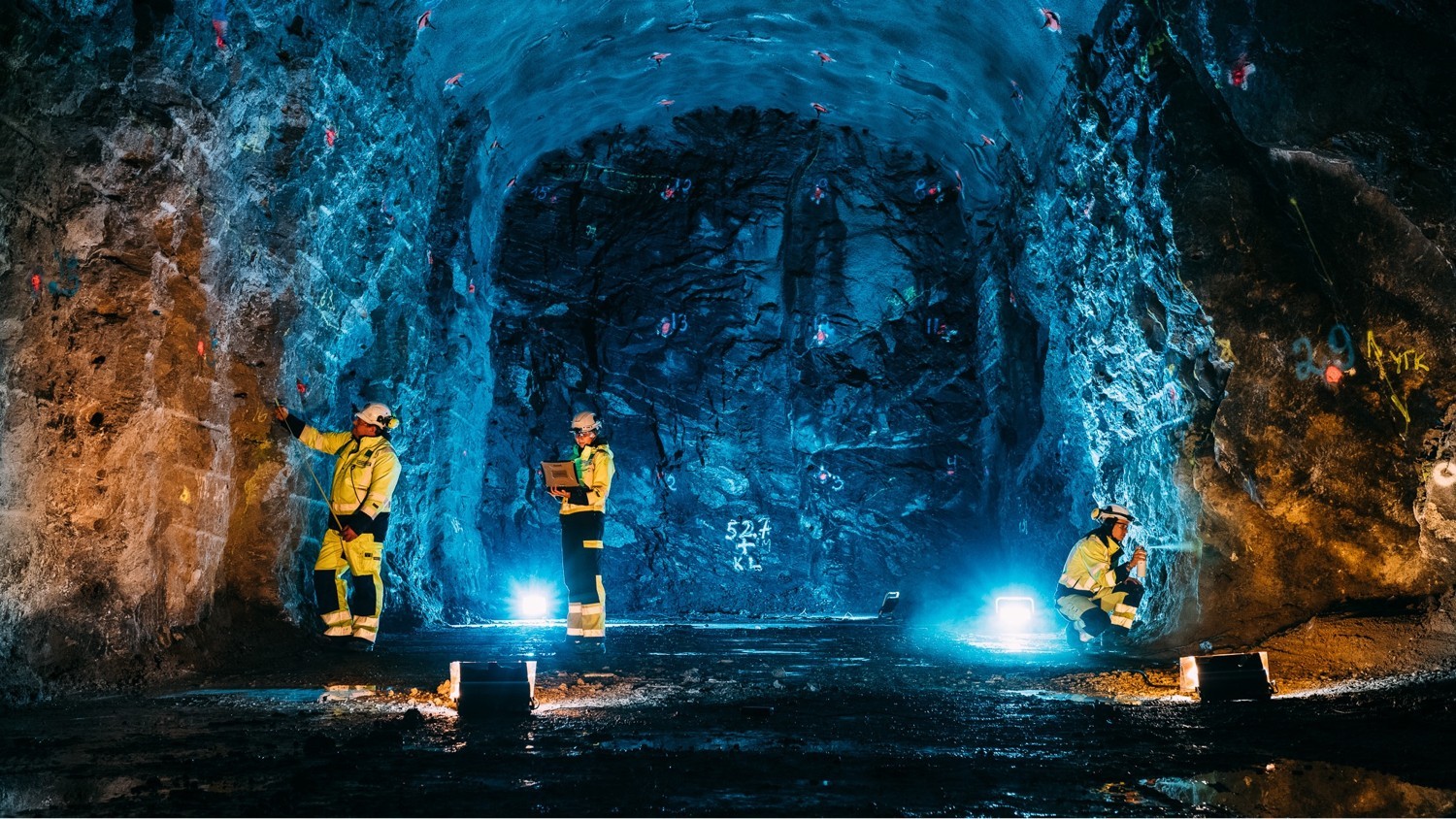
Finland's Olkiluoto Spent Nuclear Fuel Final Disposal Facility Passes Regulatory Safety Assessment
The Radiation and Nuclear Safety Authority of Finland (STUK) released a safety assessment report on August 4, concluding that Posiva's spent nuclear fuel encapsulation plant and final disposal facility at Olkiluoto, Finland, meets the safety requirements for an operating license. This conclusion brings the project, regarded as the world's first industrial-scale geological final disposal facility for spent nuclear fuel, one step closer to obtaining government approval for operation. The facility is located on Olkiluoto Island in the municipality of Eurajoki, southwestern Finland, and is designed to dispose of spent nuclear fuel generated by the Olkiluoto nuclear power plant units of Teollisuuden Voima Oyj (TVO) and the Loviisa nuclear power plant units of Fortum. Posiva submitted its operating license application in December 2021...
2026-08-05
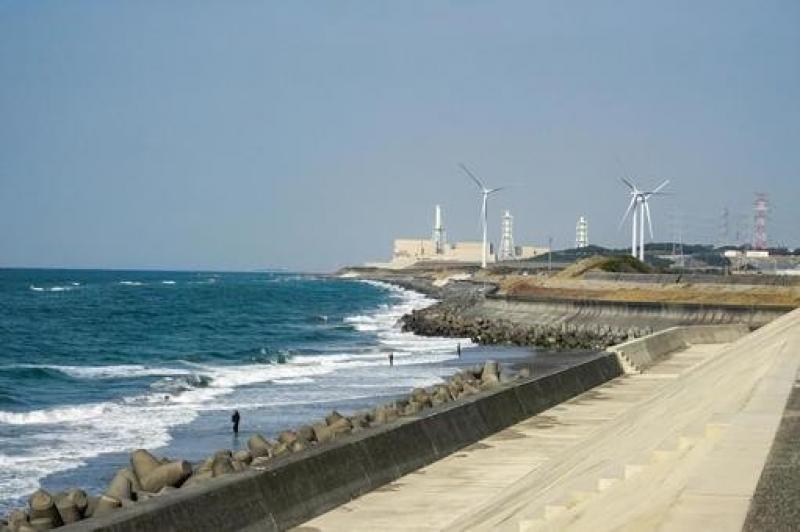
Approximately 13,000 liters of water found in Unit 3 of Hamaoka Nuclear Power Plant; Chubu Electric continues investigation into data falsification
Japan's Chubu Electric Power announced on August 4 that water accumulation totaling approximately 13,000 liters was found in the turbine building and related areas of Unit 3 at the Hamaoka Nuclear Power Plant. The company stated that the accumulated water contains no radioactive substances and is currently investigating the specific cause. According to Chubu Electric Power, at around 11:00 a.m. on the 4th, a worker from a partner company discovered approximately 5 liters of water in a passageway on the northwest side of the first basement floor of the turbine building adjacent to the reactor building of Unit 3. Subsequently, company personnel continued on-site inspections and confirmed at around 3:00 p.m. the same day that approximately 13,000...
2026-08-05
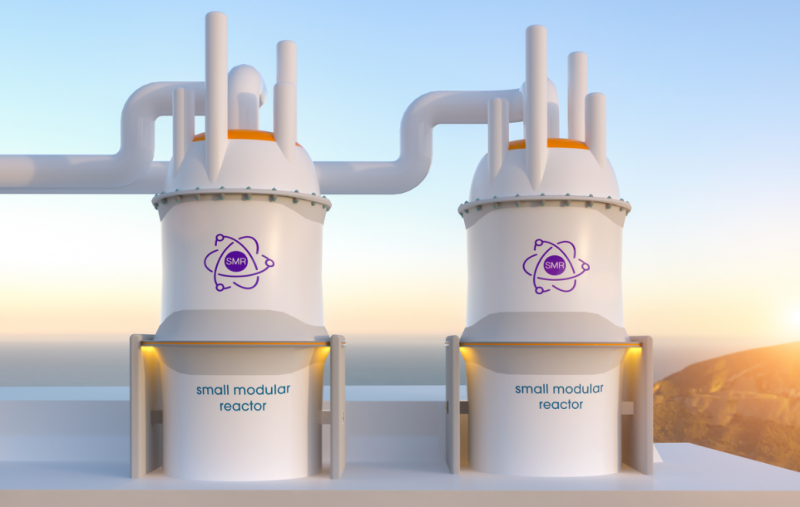
South Korea Designates SMR and MMR as National Strategic Technologies; South Gyeongsang Province Says It Will Promote Transition of Nuclear Power Companies
South Gyeongsang Province said on August 4 that it welcomes the South Korean government's designation of Small Modular Reactors (SMR) and Micro Modular Reactors (MMR) as national strategic technologies in the 2026 tax reform plan. Under the relevant arrangement, the South Korean government will revise the Special Tax Treatment Control Act and its enforcement decree to include industries related to small modular reactors of 300 MW or less and micro modular reactors of 20 to 30 MW class within the scope of national strategic technologies. Going forward, companies conducting R&D on SMR and MMR technologies or investing in related facilities will be eligible for higher tax credits for R&D and facility investment. South Gyeongsang Province believes that this policy will provide an opportunity for local nuclear power companies to transition into the SMR...
2026-08-05

South Korea Accelerates Safety Reviews of Long-Term Operating Nuclear Reactors and Advances Licensing of First Spent Fuel Dry Storage Facility
The Nuclear Safety and Security Commission (NSSC) of South Korea stated at its second-half work report meeting on August 4 that it will accelerate safety reviews of long-term operating nuclear reactors while simultaneously advancing regulatory efforts such as licensing systems for spent fuel dry storage facilities and small modular reactors. Under the plan, the NSSC will conduct safety inspections on nine reactors applying for continued operation, with review standards referencing newly built nuclear power plants and confirming safety margins in consideration of the characteristics of long-term unit operation. Among these, whether Kori Nuclear Power Plant Units 3 and 4 will be approved for continued operation in the second half of this year, and whether Hanbit Nuclear Power Plant Units 1 and 2 will be approved for continued operation in the first half of next year, are the near-term review priorities...
2026-08-05
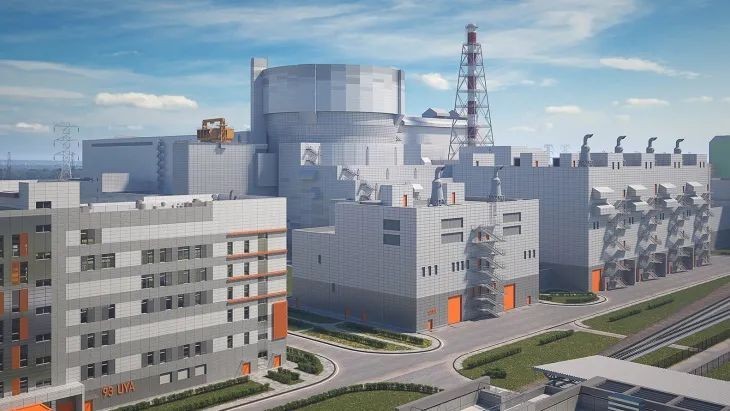
Hungary's Paks Nuclear Power Plant may fully resume operations in about a week
Hungarian authorities stated that if weather forecasts hold true, rainfall in the Danube basin areas of Austria and Germany on Thursday will raise river water levels, and the Paks Nuclear Power Plant may fully resume operations in about a week. Hungarian Prime Minister Péter Magyar said on social media that if meteorological and hydrological calculations are accurate and significant precipitation occurs in the relevant Danube basin regions, water levels are expected to rise to the level required for plant operation. At that point, the turbines and units at the Paks Nuclear Power Plant can be restarted. Located along the Danube River in Hungary, the plant's unit operations are closely linked to river hydrological conditions...
2026-08-05
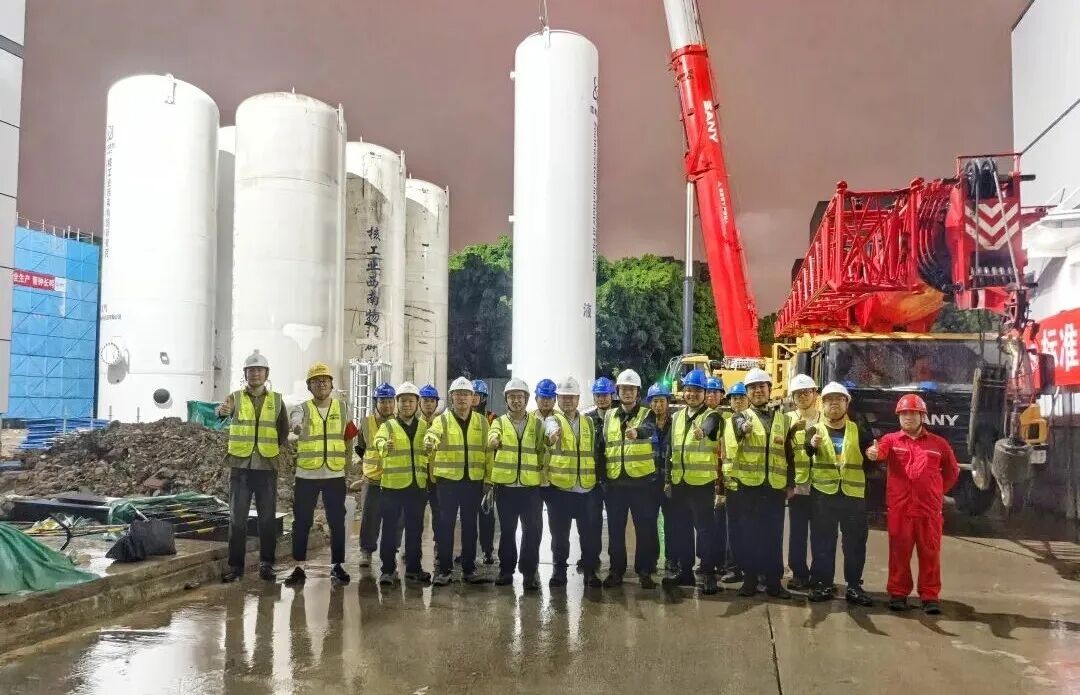
Lifting Task of Large Storage Tanks in Cryogenic System Tank Area of HL-3 Upgrade Project Successfully Completed
On August 4, the lifting task of large storage tanks in the cryogenic system tank area of the HL-3 upgrade project, undertaken by the Southwestern Institute of Physics (SWIP), was successfully completed. After two days and one night of continuous efforts, a total of 14 large storage tanks were precisely positioned, including 6 medium-pressure high-purity helium storage tanks of 100 cubic meters each, 2 cryogenic liquid nitrogen storage tanks of 100 cubic meters each, and 6 auxiliary helium storage tanks, with a total lifting tonnage exceeding 200 tons. The achievement of this key milestone marks significant phased progress in the installation of cryogenic system equipment. Once the cryogenic system is completed, it will provide stable and reliable cooling capacity for the neutral beam injection system and the toroidal cryopumps of the HL-3 device, effectively enhancing the neutral beam injection efficiency and...
2026-08-05
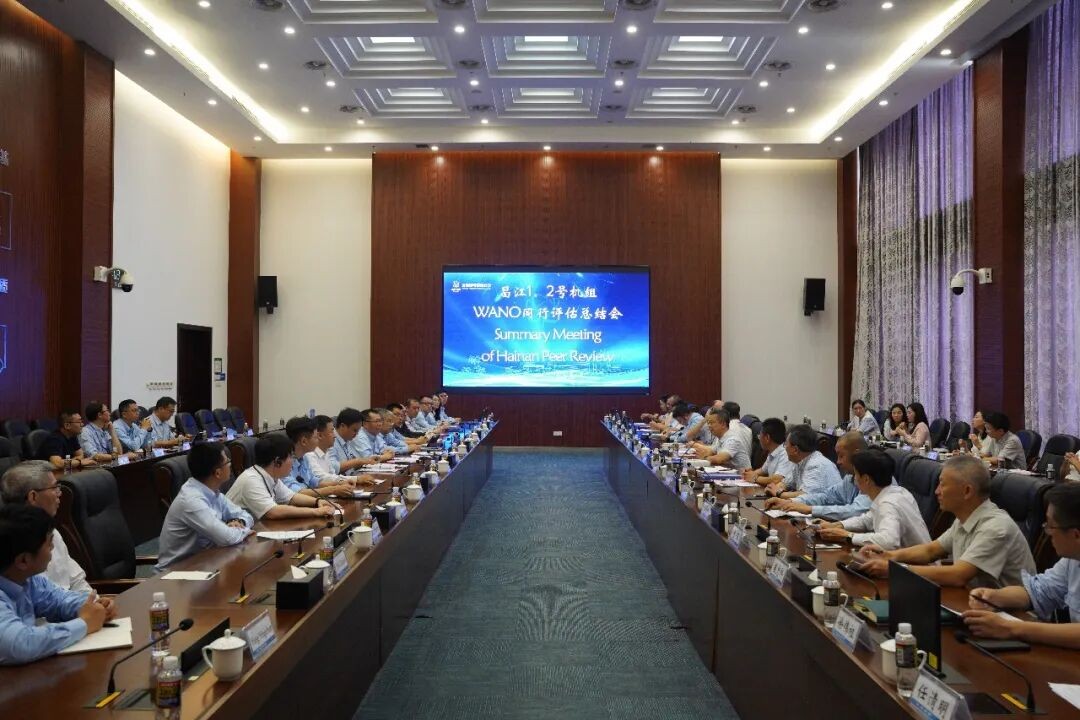
WANO Peer Review Successfully Conducted for Hainan Nuclear Power Units 1 and 2
From July 13 to 31, the World Association of Nuclear Operators (WANO) conducted a three-week operational peer review of Hainan Nuclear Power Units 1 and 2. The review involved 22 industry experts from 5 countries and regions, who carried out a comprehensive and systematic assessment of Hainan Nuclear Power across ten core areas including organizational management, operations, maintenance, and technology, through various methods such as on-site observations, personnel interviews, and document reviews. In addition, the expert team conducted a special evaluation of the plant's nuclear safety culture status and the implementation of Significant Operating Experience Reports (SOER). At the review summary meeting, the review team announced the assessment results and provided professional recommendations for the plant's continuous improvement. ...
2026-08-05
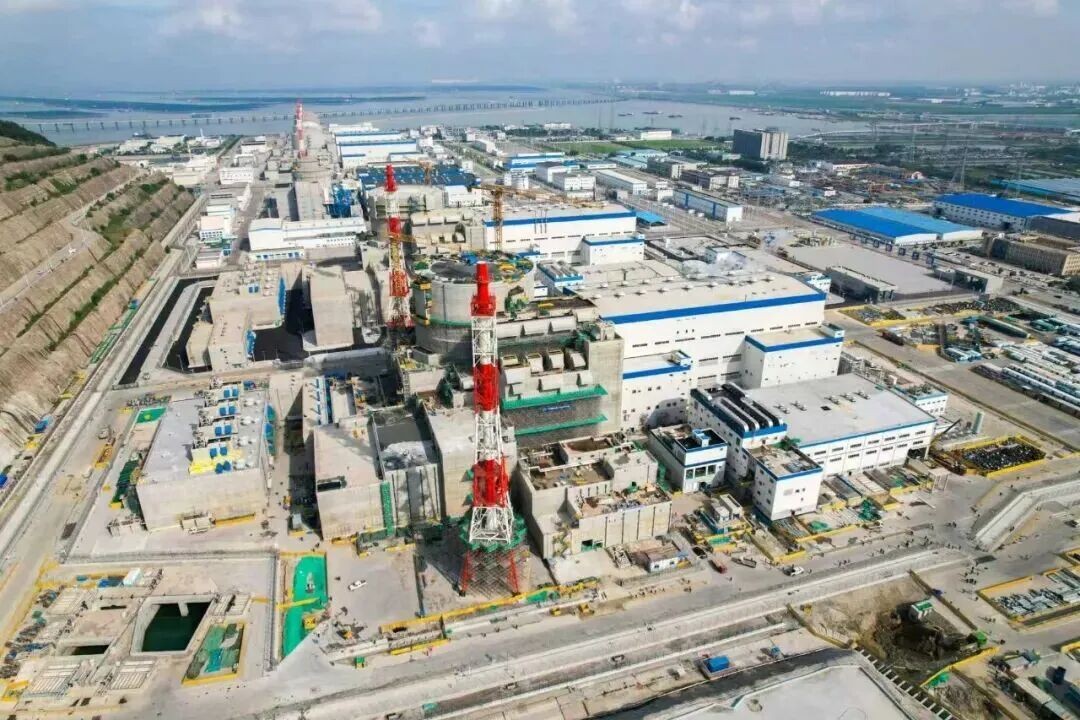
Cold Functional Test of Tianwan Nuclear Power Plant Unit 8 Successfully Completed
On August 3, the cold functional test (hereinafter referred to as the "cold test") of Tianwan Nuclear Power Plant Unit 8, constructed by China Nuclear Industry 23 Construction Co., Ltd. (CNI23), was successfully completed, marking the official transition of the unit from the engineering installation phase to the system commissioning and testing phase, laying a solid foundation for subsequent hot functional test, reactor fuel loading, and grid connection. The cold test is the first comprehensive commissioning test after a nuclear power unit enters the system commissioning phase and is one of the important milestone nodes in nuclear power plant engineering construction. Its main purpose is to verify the integrity and leak-tightness of the pressure boundary, including primary loop pipeline welds, equipment, and high-pressure sections of connected systems, comprehensively inspect on-site installation quality, and precisely identify potential hazards. It serves as the first comprehensive and systematic "physical examination" of the reactor before its operation.
2026-08-05
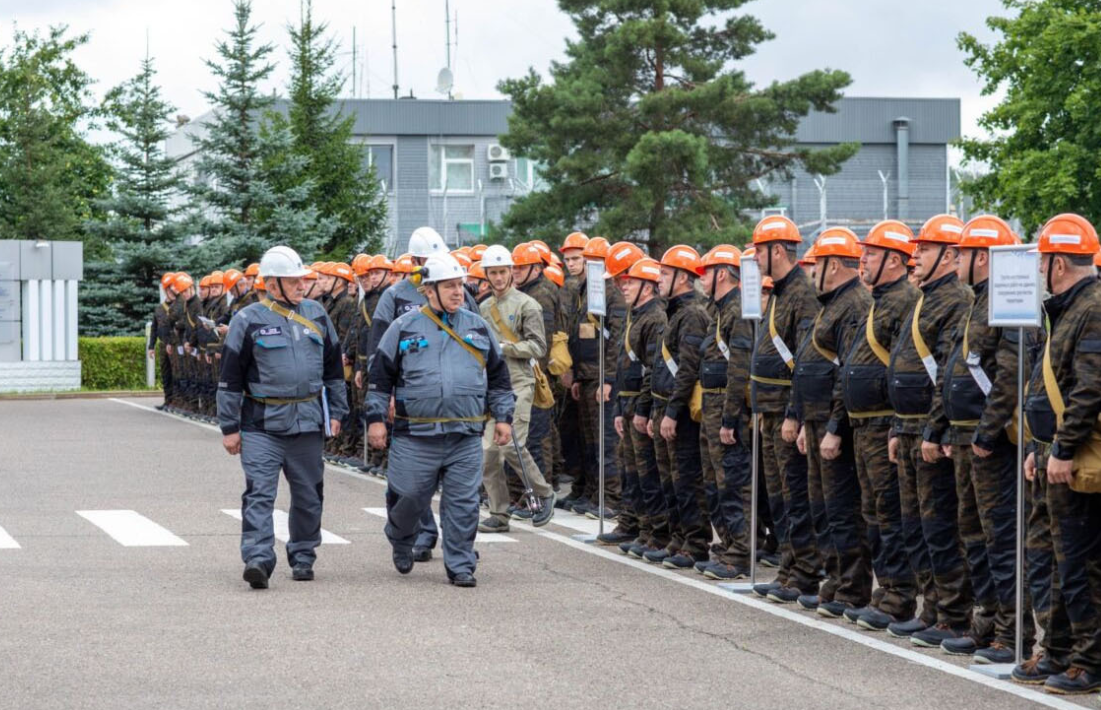
Smolensk NPP Successfully Conducts Emergency Drill Multi-Agency Coordination Tests Response Capabilities
On August 3, the Smolensk Nuclear Power Plant successfully conducted an accident response drill, with the participation of the Nuclear Power Plant Emergency Assistance Team (OPAS) of Rosenergoatom and emergency service departments. The drill brought together nuclear power plant staff, the crisis center team of Rosatom, local fire departments, medical institutions, and government representatives from the city of Smolensk and the Yelnya district. During the drill, all parties focused on practicing key tasks such as the alert and preparation of emergency response forces under non-routine conditions, organizing protective measures for personnel and local residents, and monitoring unit status and safety levels. The drill also included simulated fire...
2026-08-04