
Search Results
Keyword:Nuclear Power Corporation of India Limited
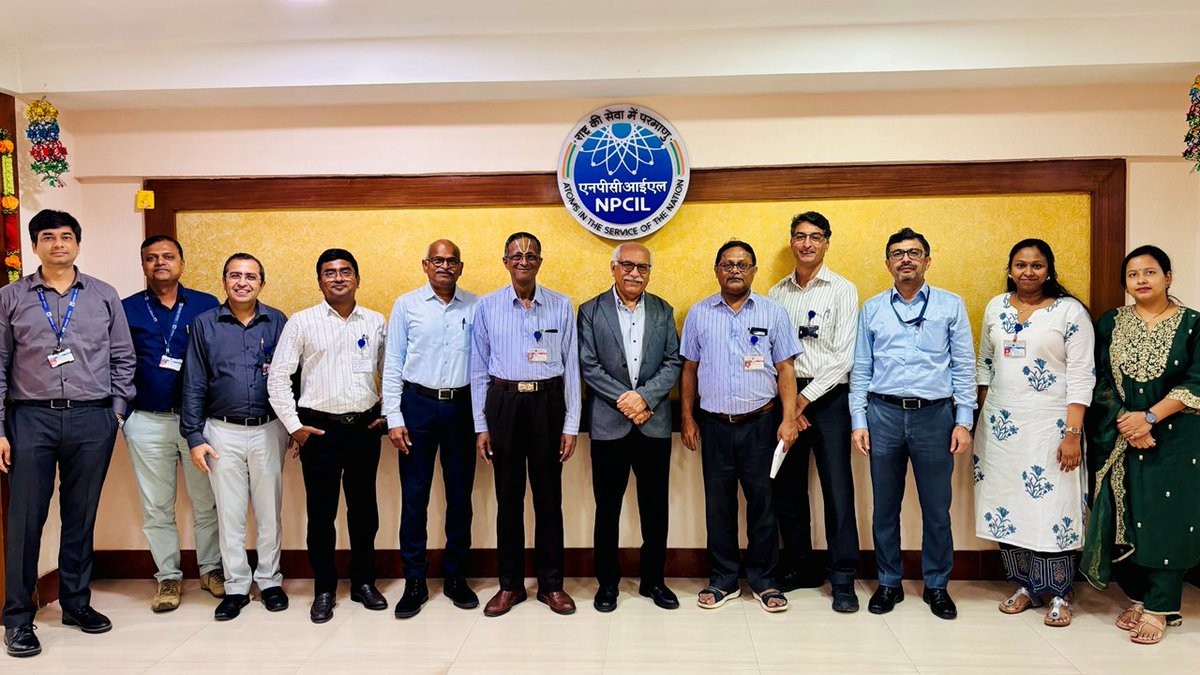
NPCIL Participates in WANO Performance Monitoring Pilot Program
Nuclear Power Corporation of India Limited (NPCIL) recently voluntarily participated in the new Corporate Enhanced Performance Monitoring Program proposed by the World Association of Nuclear Operators (WANO) to further enhance nuclear safety levels and operational performance. According to relevant information, as part of this pilot program, experts from the WANO Tokyo Centre visited NPCIL from August 10 to 14, 2026. The program focuses on nuclear safety and performance at the overall organizational level of nuclear power operators, aiming to promote the establishment of a more systematic performance management mechanism through continuous monitoring and improvement. During this visit, the expert team expressed recognition of NPCIL's planning and practices in promoting a culture of continuous improvement in nuclear safety and nuclear power plant operational performance...
2026-08-22
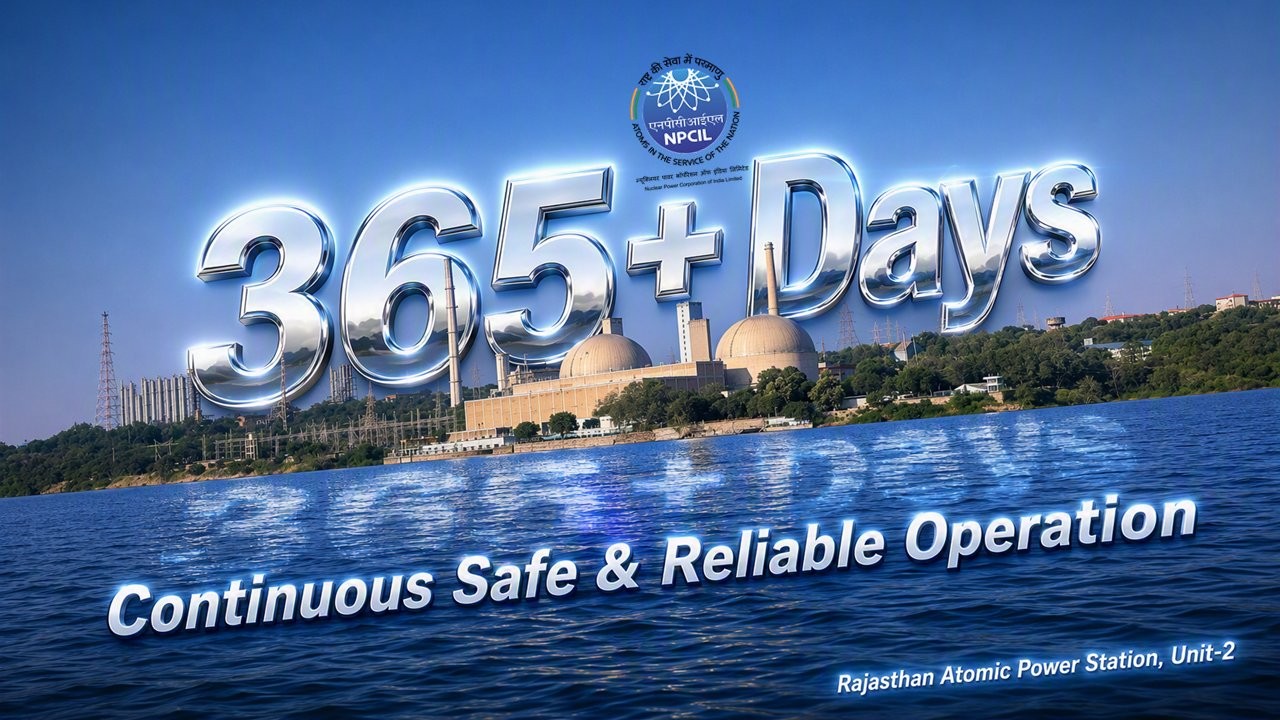
Rajasthan Atomic Power Station Unit 2 Achieves First Full Year of Continuous Operation
Rajasthan Atomic Power Station Unit 2 (RAPS-2) achieved one full year of continuous operation on August 15, 2026. This marks the first time the unit has completed a full year of uninterrupted operation since it was commissioned, coinciding with India's 80th Independence Day. RAPS-2 is operated by the Nuclear Power Corporation of India Limited (NPCIL) and is one of the oldest pressurized heavy water reactor (PHWR) units still in operation by the company. This milestone of one full year of continuous operation is regarded as a significant reflection of the unit's operational management and equipment maintenance standards. Relevant information indicates that this operational record reflects the sustained commitment of Units 1 and 2 at the Rajasthan Atomic Power Station in safety culture, aging management, technical support, and operational organization, and also demonstrates the collaborative efforts of the on-site operations, maintenance, engineering, and support teams in ensuring stable unit operation.
2026-08-19