
Search Results
Keyword:Thailand
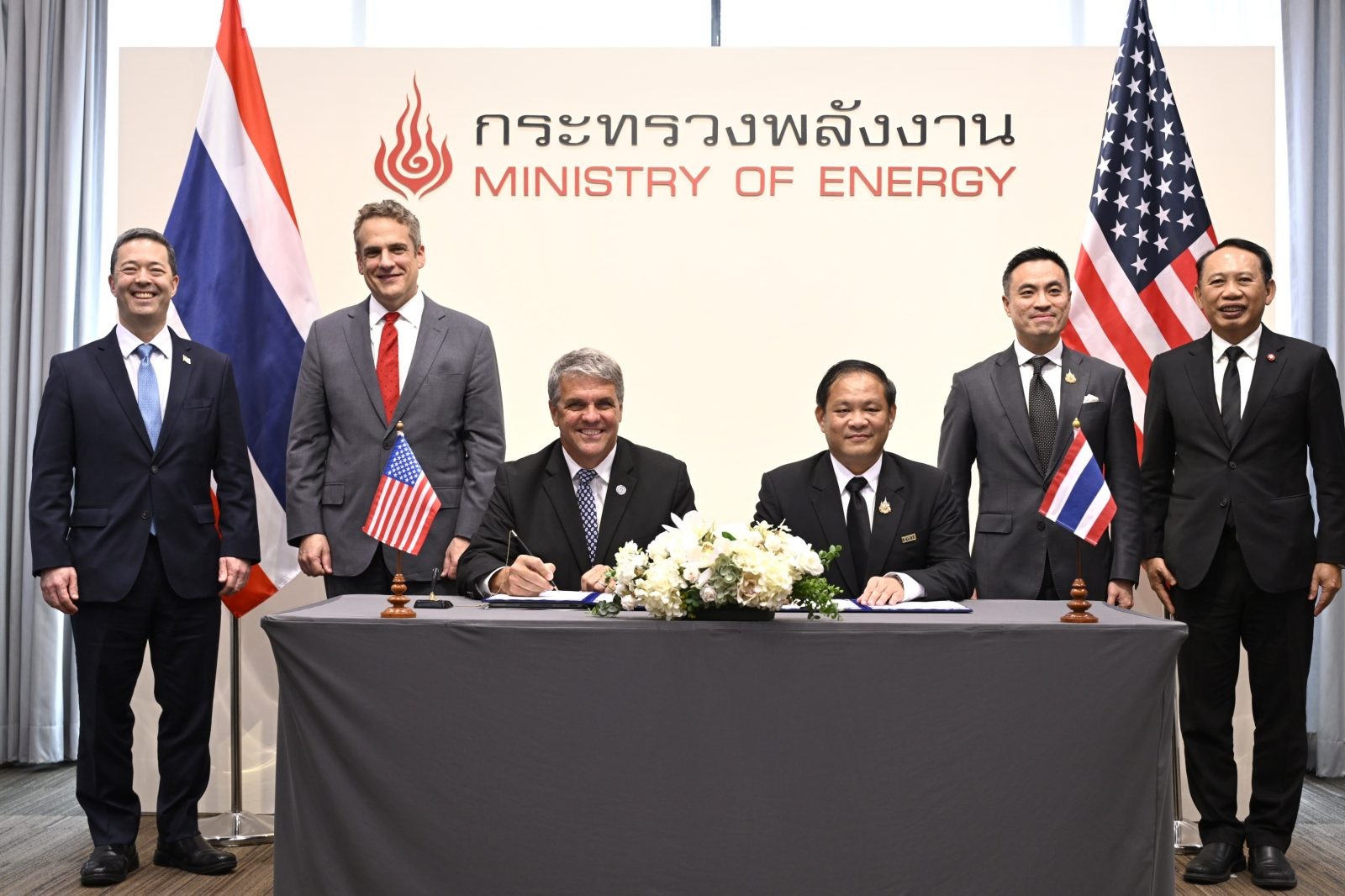
U.S. Trade and Development Agency (USTDA): Promoting U.S. Civil Nuclear Energy Technology, Supporting Thailand's First Nuclear Power Project
On September 14, the U.S. Trade and Development Agency (USTDA) announced the promotion of U.S. civil nuclear energy technology to support Thailand in assessing the feasibility of building its first nuclear power project. USTDA signed a feasibility study agreement with the Electricity Generating Authority of Thailand (EGAT) aimed at conducting a technical analysis of U.S. small modular reactor (SMR) technology. The project is planned to have a generating capacity of approximately 600 megawatts (600 MW), sufficient to meet the electricity needs of hundreds of thousands of households. As Thailand's economy grows, demand for reliable power is increasing to support broader economic development. For the United States, this cooperation advances our commitment to innovation and leadership in advanced civil nuclear energy. This is part of the U.S. 'nuclear...
2026-09-16

Thailand Advances SMR Regulatory and Public Engagement Preparations, Plans to Commission First Unit by 2037
From September 9 to 11, 2026, the U.S. Department of State held the FIRST and Thailand Stakeholder Engagement Workshop in Bangkok. The workshop was co-hosted by the Thailand Institute of Nuclear Technology (TINT) and the Electricity Generating Authority of Thailand (EGAT), aiming to support Thailand's preliminary preparations for small modular reactors (SMRs), with a focus on transparent communication, public trust, and stakeholder engagement. The FIRST program, whose full name is Foundational Infrastructure for the Responsible Use of Small Modular Reactor Technology, was initiated by the U.S. Department of State and mainly supports relevant countries in...
2026-09-12
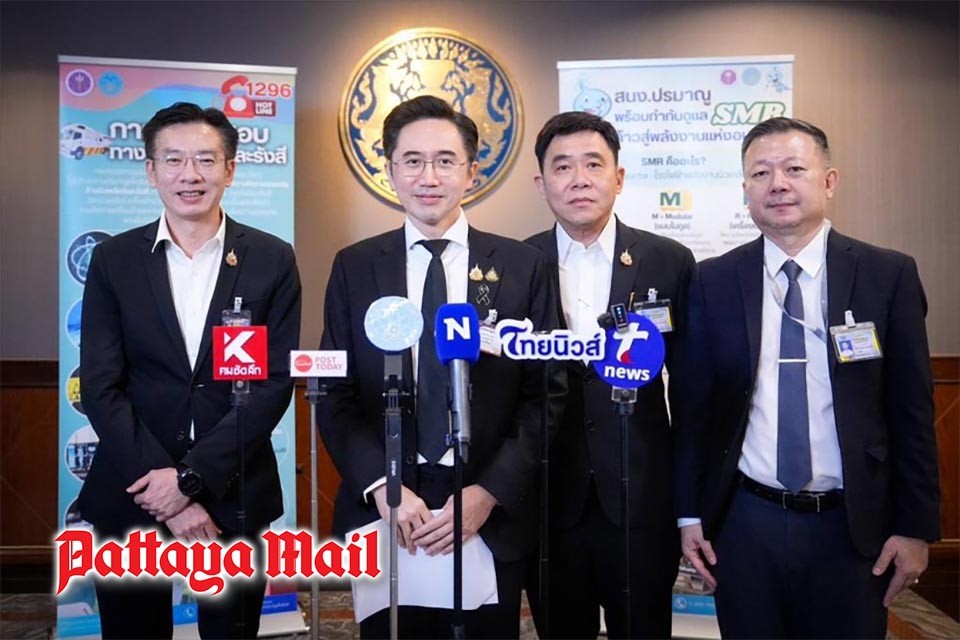
Thailand Advances SMR Regulatory Preparedness to Strengthen Energy Security
On September 8, 2026, Thailand's Deputy Prime Minister and Minister of Higher Education, Science, Research and Innovation, Yodchanan Wongsawat, chaired the second meeting of the Nuclear Energy for Peace Committee in 2026 at Government House. The meeting discussed Thailand's long-term nuclear energy strategy and preparatory work on the regulatory framework, talent development, and industrial supply chain for Small Modular Reactors (SMRs). The Thai government emphasized that these efforts constitute preliminary capacity building and do not imply a decision to construct nuclear power plants. The meeting approved an SMR regulatory policy framework, which draws on relevant standards of the International Atomic Energy Agency (IAEA)...
2026-09-09
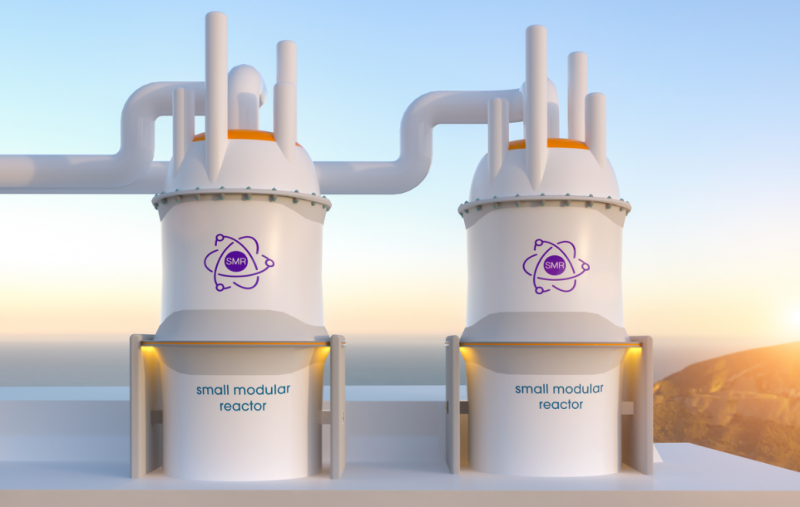
Thailand Plans to Include Small Modular Reactors in Power Development Plan, Targeting 9 GW by 2050
Thailand's new draft Power Development Plan (PDP) is expected to be released in September and enter the public consultation phase. All four power supply scenarios under discussion incorporate small modular reactors (SMRs) and large-scale energy storage systems, covering the planning period from 2026 to 2050. According to the draft's vision, Thailand plans to connect its first 300 MW-class small modular reactor to the national power grid by 2037, with nuclear power installed capacity reaching 9,000 MW by 2050. Based on a single-unit capacity of 300 MW, this target is roughly equivalent to approximately 30 reactors of similar scale, though the actual number may be adjusted depending on technology pathways and electricity demand. The main objectives of the new plan include reducing greenhouse...
2026-08-27

Wang Min, Deputy Director of the China International Nuclear Fusion Energy Program Execution Center, Led a Delegation to Thailand and Malaysia to Attend China-Thailand and China-Malaysia Bilateral Science and Technology Cooperation Consultations on Nuclear Fusion
To fully implement the spirit of China's Belt and Road Initiative, implement the Memorandum of Understanding between China and Thailand on jointly strengthening nuclear fusion exchange and cooperation, and advance research and development cooperation in the field of nuclear fusion between China and Thailand and between China and Malaysia, the China-Thailand and China-Malaysia bilateral science and technology cooperation consultations on nuclear fusion were held in Bangkok and Kuala Lumpur respectively from July 27 to 30. Wang Min, Deputy Director of the Nuclear Fusion Center, led a delegation to attend the meetings. At the China-Thailand consultation, the two sides engaged in in-depth discussions on their respective national fusion research and development progress, how to implement the newly signed Memorandum of Understanding on jointly strengthening nuclear fusion exchange and cooperation, and matters such as jointly conducting fusion physics experimental research, personnel exchange visits, and talent cultivation based on the TT-1 tokamak device donated by China.
2026-08-03
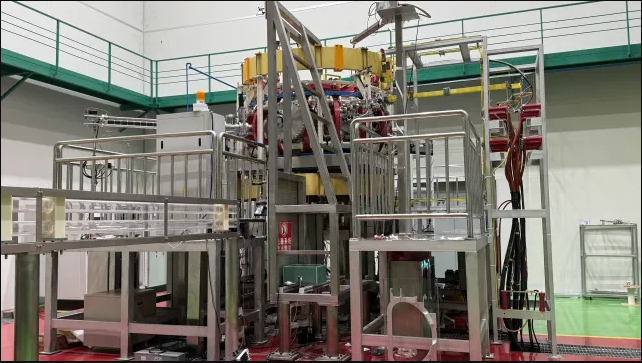
IAEA Launches New Project to Advance Research Network on Small and Medium-Sized Fusion Devices
The International Atomic Energy Agency recently launched a new Coordinated Research Project, aiming to further strengthen the global network of small and medium-sized fusion devices, supporting multinational coordinated experiments, diagnostic technology development, and personnel training, providing a platform for cultivating the next generation of fusion researchers. The Tokamak TT-1 device at the Thailand Institute of Nuclear Technology (TINT) has long participated in the IAEA Coordinated Research Project on the network of small and medium-sized fusion devices, contributing to international cooperation, research, and capacity building. (Photo: JP Cayol/IAEA) This project builds upon a previous five-year collaborative research program. The previous project was named Small and Medium-Sized Magnetic Confinement...
2026-07-30