
Search Results
Keyword:U.S.

Three Top U.S. Universities Form Academic Consortium to Bridge Nuclear Workforce Gap
Recently, the University of Tennessee, Knoxville, Arizona State University, and Purdue University jointly established the New Nuclear Academic Consortium (NNAC), aiming to build a national collaborative network to address the growing workforce shortage in the U.S. nuclear energy sector. With surging U.S. electricity demand and the accelerated deployment of small modular reactors (SMRs) and microreactors, the industry's demand for interdisciplinary talent with backgrounds in systems engineering, supply chain management, thermodynamics, and nuclear safety regulation...
2026-10-20
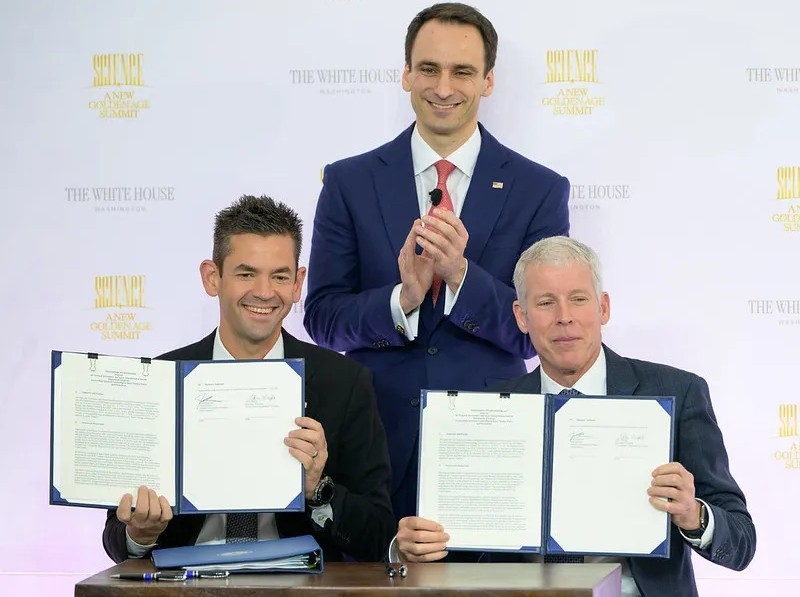
NASA and the U.S. Department of Energy Sign Memorandum of Understanding to Accelerate Space Nuclear Power and Propulsion Technologies
The National Aeronautics and Space Administration (NASA) and the U.S. Department of Energy (DOE) formally signed a landmark Memorandum of Understanding (MOU) during a summit hosted by the White House Office of Science and Technology Policy (OSTP), establishing a comprehensive framework for cooperation between the two parties in the fields of space nuclear power and nuclear propulsion systems, aimed at replacing and revising two previously reached related agreements. The memorandum is titled "Accelerating American Leadership in Space Nuclear Power and Propulsion,"...
2026-10-18
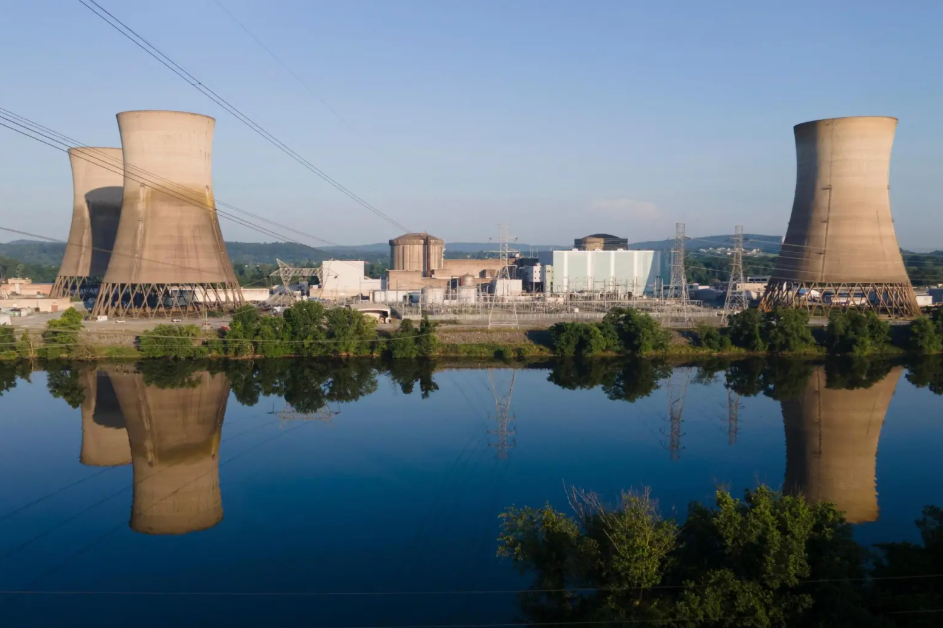
U.S. Plans Massive Funding to Restart Three Decommissioned Nuclear Power Plants to Meet AI Computing Demand
Recently, the United States is experiencing an unprecedented wave of nuclear power restarts, with plans to revive three commercial nuclear power plants that have been shut down, in order to meet surging electricity demand and the computing power needs of large data centers. The three nuclear power plants are the Palisades Nuclear Plant in Michigan, the Crane Clean Energy Center at Three Mile Island in Pennsylvania, and the Duane Arnold Energy Center in Iowa. The U.S. Department of Energy (DOE) will provide up to $4.4 billion in loan guarantees to restore a total of 2.25...
2026-10-17

ABS and U.S. Department of Energy Sign Memorandum of Understanding to Comprehensively Advance Maritime Applications of Commercial Nuclear Energy Technology
Recently, the American Bureau of Shipping (ABS) and the Office of Nuclear Energy of the U.S. Department of Energy (DOE) formally signed a Memorandum of Understanding (MoU) aimed at jointly advancing the deep application and industrial deployment of commercial nuclear energy technology in the maritime sector. Under the agreement, both parties will jointly manage the newly established Maritime Nuclear Applications Group (MNAG), providing comprehensive support for projects at the technical, regulatory, economic, and policy levels. It is understood that this collaboration covers floating platform nuclear energy systems, nuclear-powered commercial vessels, and the ports, shipyards, and industrial bases required to support the construction, operation, and maintenance of...
2026-10-15
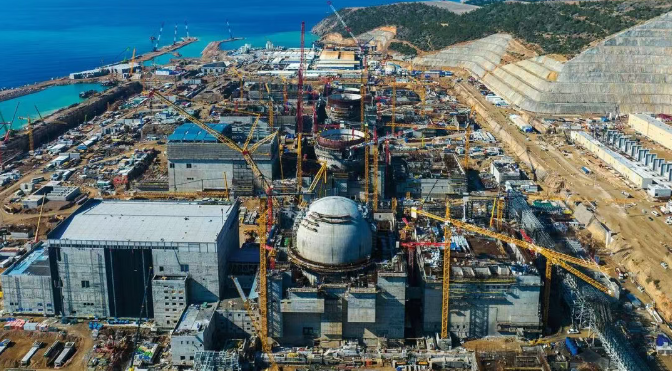
MIPT and U.S. Partners Develop Precise Method for Calculating Nuclear Power Plant Seismic Resistance
Recently, the Science Communication Center of the Moscow Institute of Physics and Technology (MIPT) reported that Russian and American researchers have jointly developed a method capable of precisely calculating the seismic resistance of nuclear power plants, taking into account the heterogeneous structure of reinforced concrete, including the presence of individual rebar within walls and domes. The new method helps improve nuclear power plant safety by accounting for differences in how different types of seismic waves act on reinforced concrete. Alena Favorskaya, a lead researcher at MIPT, stated that the study explicitly identifies metal rebar as heterogeneities in the computational domain rather than averaging them; the grid-characteristic method (gr...
2026-10-13
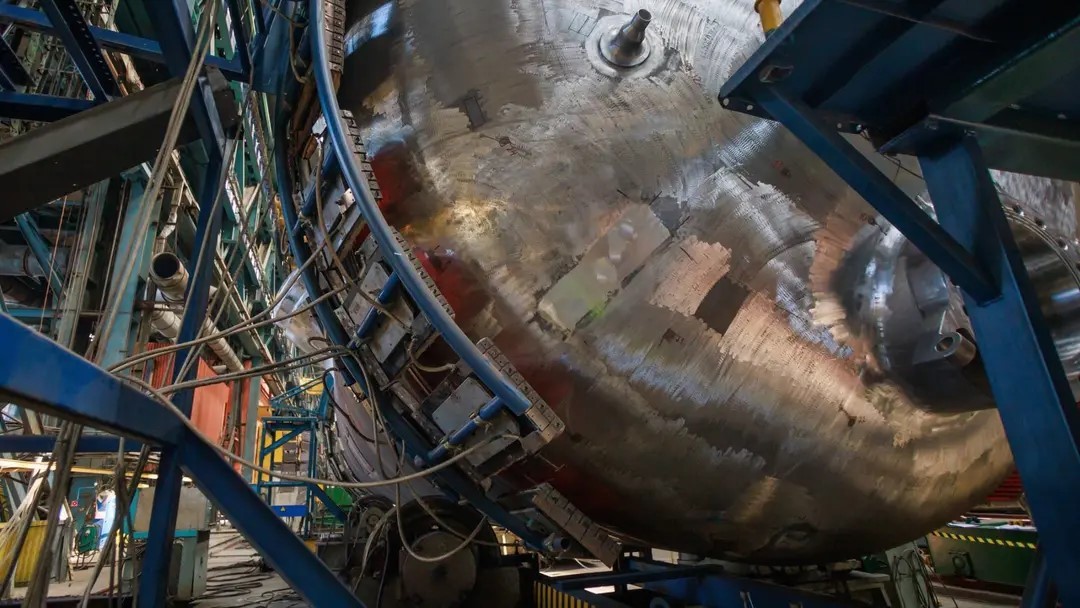
US-based Terrestrial Energy Proposes Phased Construction Model to Accelerate Deployment of 390 MW Integrated Molten Salt Reactor
Fourth-generation advanced nuclear developer Terrestrial Energy has recently formally submitted to the U.S. Nuclear Regulatory Commission (NRC) a topical report for the Thermal and Electric Facility (TEF) of its Integrated Molten Salt Reactor (IMSR) project. The document proposes a dual-track regulatory review model aimed at allowing key non-nuclear power components of the plant to proceed with construction and enter commercial operation before a full nuclear facility license is obtained. If this regulatory approach is approved by federal regulators, it will effectively break through the economic and approval obstacles that have long constrained the development of the nuclear power industry. In traditional nuclear power projects, because regulatory...
2026-10-12
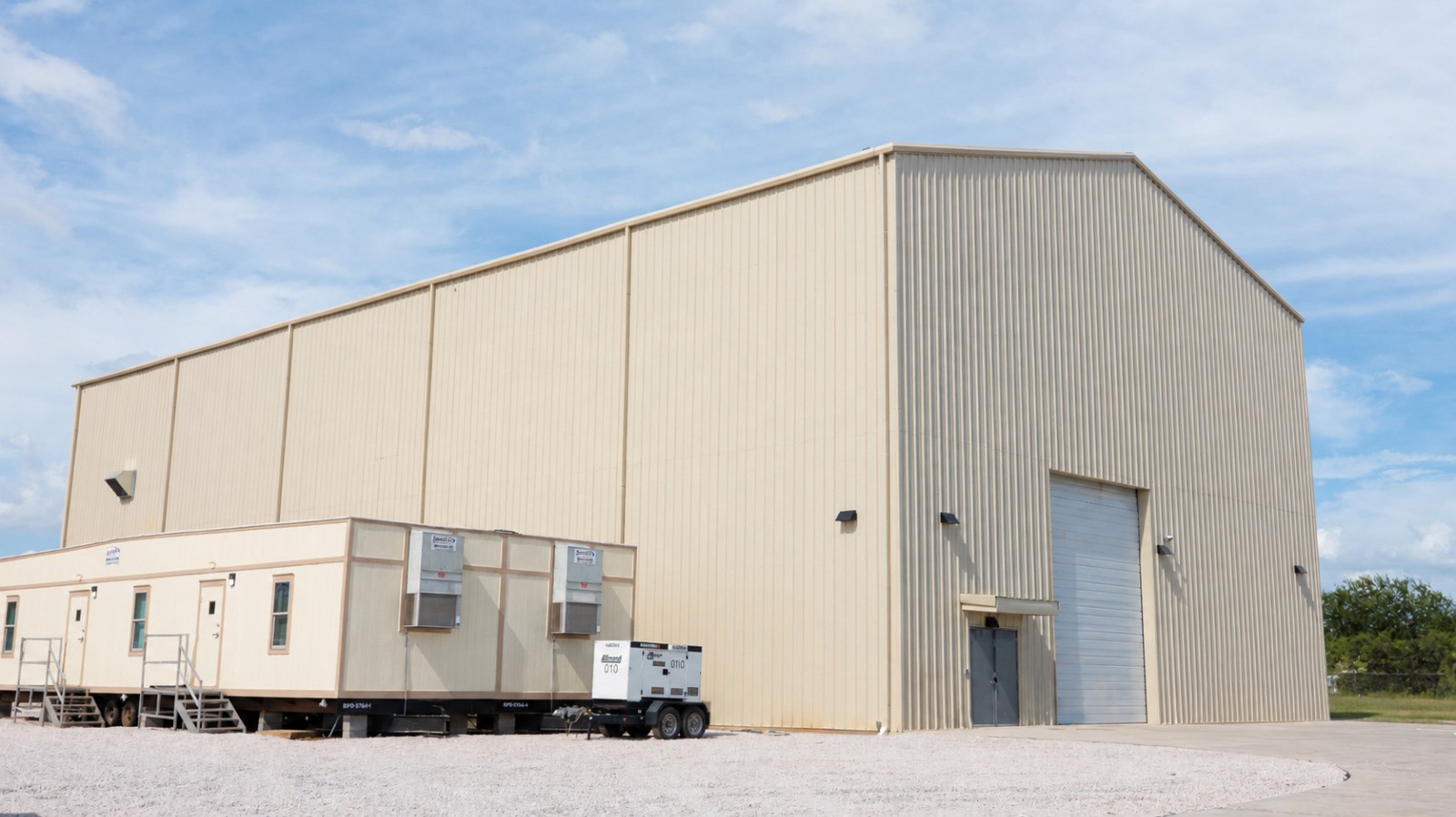
U.S. Department of Energy Approves Last Energy Microreactor Safety Analysis Report: Texas A&M University PWR-5 Demonstration Reactor Enters Final Pre-Operational Review
The U.S. Department of Energy (DOE) has formally approved the Documented Safety Analysis (DSA) submitted by nuclear startup Last Energy for its proposed test microreactor at the Texas A&M-RELLIS campus (Texas A&M-RELLIS). This approval marks the official transition of the microreactor demonstration project into the Operational Readiness Review phase, which is also the final key regulatory step before obtaining authorization for initial criticality and formally commencing operation. The Documented Safety Analysis is the most central and detailed final safety assessment document in the U.S. Department of Energy's approval framework, following the Preliminary Safety Analysis Document approved in May 2026...
2026-10-12
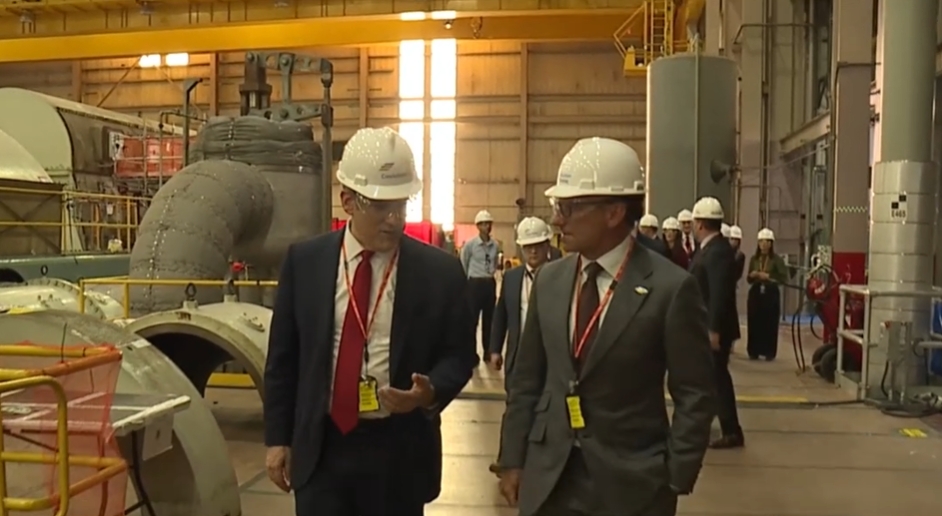
U.S. Department of Energy Deputy Secretary Visits Three Mile Island Nuclear Plant, Targeting Official Restart and Grid Connection in 2027
The Deputy Secretary of the U.S. Department of Energy (DOE) recently conducted an on-site inspection of Unit 1 at the Three Mile Island Nuclear Plant in Pennsylvania. As the core platform for the plant's restart plan, the renamed Crane Clean Energy Center is currently pushing forward engineering preparations at full speed, with the goal of officially restarting and connecting to the grid in 2027. Facing rapidly rising baseload power demand in Pennsylvania and across the entire Mid-Atlantic region, the restart project has secured more than $1 billion in federal dedicated investment and policy-based financial support. Three Mile Island Unit 1 was retired early in 2019 due to insufficient market economics under the impact of natural gas power generation at the time...
2026-10-11

Oklo's Groves Isotope Test Reactor Achieves First Criticality, Fifth Reactor in U.S. Department of Energy Test Reactor Program Successfully Started
The Groves Isotope Test Reactor under Oklo, an advanced nuclear fission company in the United States, has officially achieved first criticality. The U.S. Department of Energy (DOE) confirmed that the reactor successfully reached criticality at 9:19 p.m. Eastern Time on Wednesday at the Groves site in Lockhart, Texas, becoming the fifth advanced test reactor to achieve criticality under the DOE's dedicated authorization and regulatory pathway. The Groves Isotope Test Reactor has a thermal power of 15 megawatts (MWt) and adopts an atmospheric-pressure water-cooled pool-type reactor design. It is led by Oklo Isotopes, a subsidiary of Oklo focused on medical and industrial isotope production...
2026-10-11
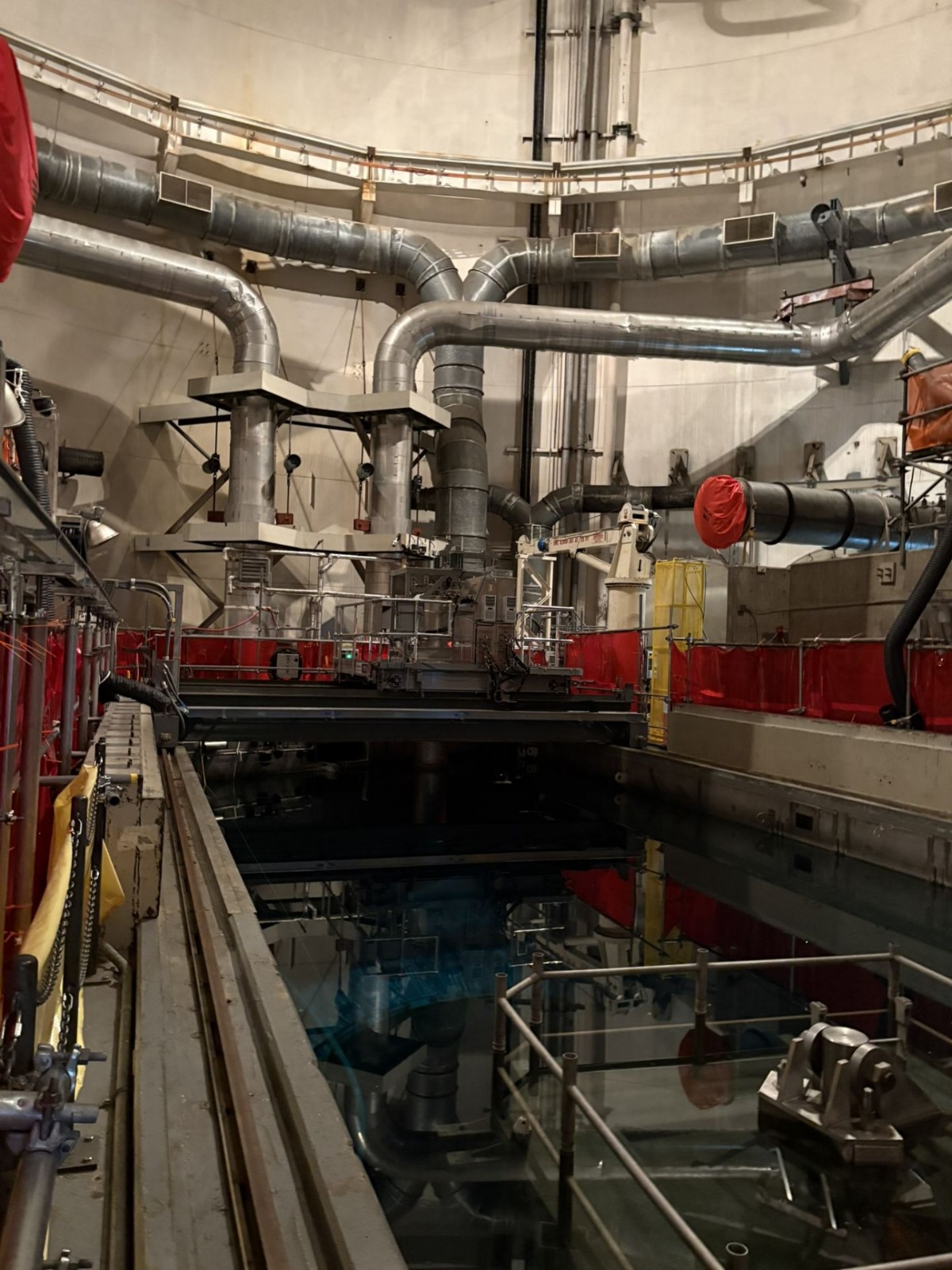
U.S. NRC Expedites Review of License Amendment for Palisades Nuclear Plant Fuel Loading Tilt Incident: Advancing Vanguard SMR Construction Permit Review in Parallel
The U.S. Nuclear Regulatory Commission (NRC) is reviewing an emergency operating license amendment request (LAR) submitted by Holtec International. The request was triggered by a nuclear fuel loading tilt incident at the Palisades Nuclear Power Plant (Palisades NPP) in Covert, Michigan, during its restart process, which has resulted in the temporary suspension of some on-site restart recovery operations. According to the application documents publicly available in the NRC's public records system, fuel assembly number DD41 tilted after being released by the fuel handling machine. The lower nozzle of the assembly remains in the core grid position H-1, but the upper portion forms an approximately 30-degree tilt angle with the core plate...
2026-10-09
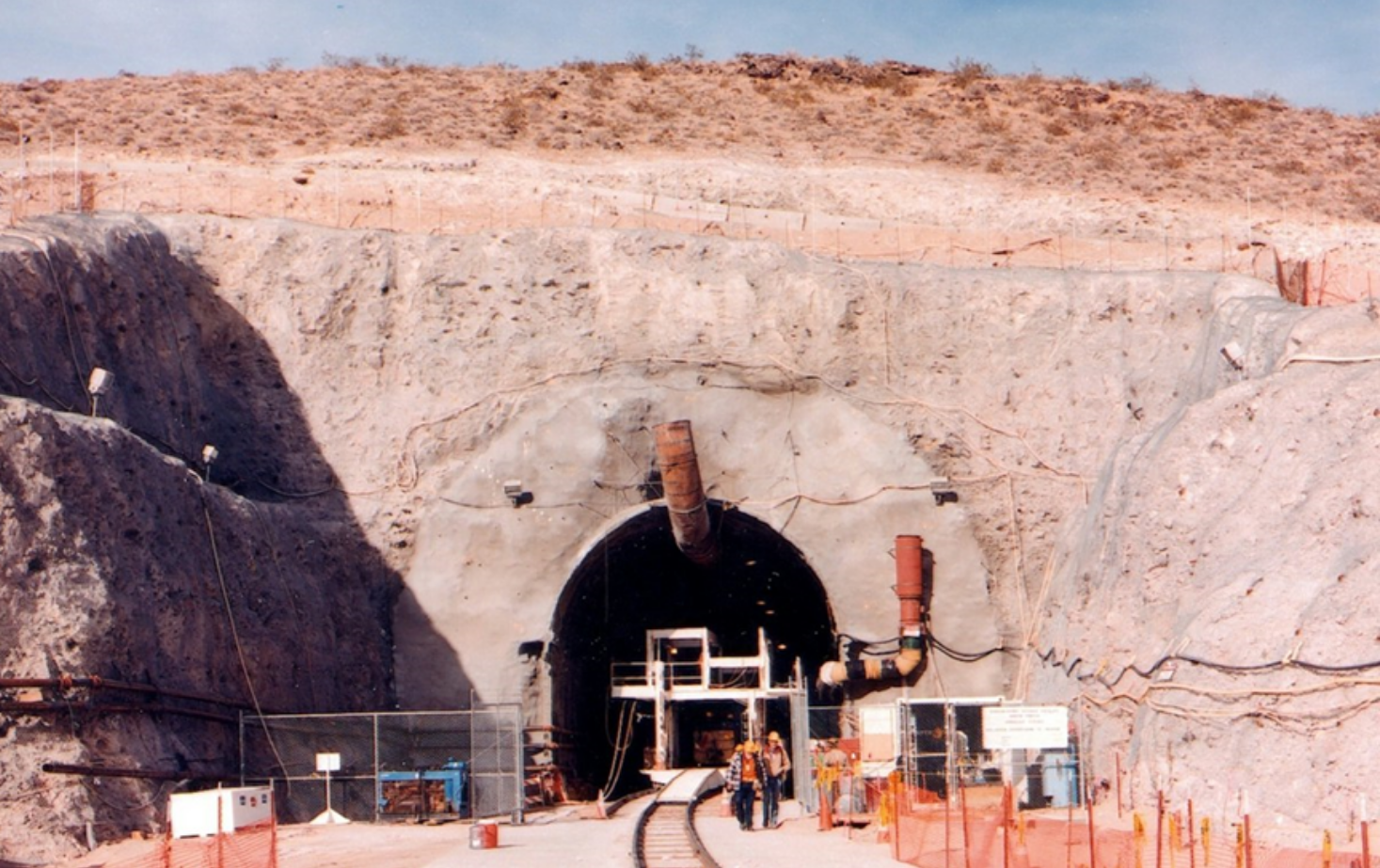
Controversy Over U.S. Nuclear Waste Repository Siting Draws Renewed Attention: Historical Decision Alleged to Have Relied Excessively on Cost Estimates
The issue of siting a U.S. nuclear waste repository has once again drawn attention. A reanalysis of the U.S. Department of Energy's (DOE) 1986 candidate site evaluation report points out that the key factor determining the priority siting of a nuclear waste repository at that time was not fully verified differences in long-term safety performance among the sites, but mainly estimates of repository construction and operating costs and spent fuel transportation costs. This analysis argues that the relevant cost data had considerable uncertainty, yet played a decisive role in the final ranking, causing the technical evaluation to present a clearer ordering of advantages and disadvantages than the actual evidence supported. The debate over U.S. nuclear waste repository siting has lasted for decades. The 1982 Nuclear Waste Policy...
2026-10-09

NASA and U.S. Department of Energy Sign Memorandum of Understanding: Opening a New Era in Space Nuclear Energy Exploration
According to reports, the National Aeronautics and Space Administration (NASA) and the U.S. Department of Energy (DOE) signed a Memorandum of Understanding (MoU) on October 8, 2026, at the Golden Age Summit held at the Donald J. Trump Institute for Peace in Washington, D.C., to advance new nuclear technologies for space exploration. NASA Administrator Jared Isaacman and Energy Secretary Chris Wright attended the signing ceremony. It is understood that the memorandum aims to strengthen the two agencies' cooperation in nuclear technology development...
2026-10-09
U.S. Department of Energy Plans to Provide Vistra with $4.2 Billion Conditional Loan to Support Power Uprates and Life Extensions at Operating Nuclear Plants: Safeguarding Nearly 4 GW of Baseload Power to Meet Surging Electricity Demand from AI Data Centers
The U.S. Department of Energy (DOE) announced a conditional loan commitment of up to $4.2 billion to Vistra Corp., an independent power producer headquartered in Irving, Texas. The funds will be dedicated to financing power uprates and equipment modernization projects at three of Vistra's nuclear power plants located in Pennsylvania and Ohio——Beaver Valley, Davis-Besse, and Perry——to meet the explosive growth in electricity demand driven by artificial intelligence and data centers. According to the project plan, this technical upgrade project is expected to add a cumulative 433 megawatts (MW) of nuclear generating capacity, and...
2026-10-08
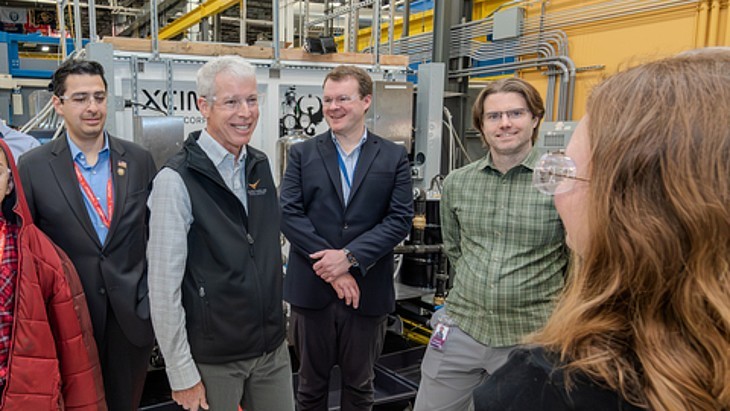
Laser Fusion Startup Xcimer Receives Up to $30.5 Million in Milestone-Based Funding from U.S. Department of Energy
U.S. excimer laser inertial confinement fusion company Xcimer Energy recently announced that it has reached an agreement with the U.S. Department of Energy (DOE) to receive up to $30.5 million in funding support through the DOE's Milestone-based Fusion Development Program. The funds will be disbursed in installments based on the progress achieved toward predetermined R&D milestones. Previously, in June 2026, the U.S. Department of Energy formally approved the preliminary conceptual design and technology development roadmap milestones for Xcimer's fusion power plant architecture, Athena. The Athena architecture is specifically designed for continuous operation, industrial-scale capacity, and a self-sustaining fuel cycle...
2026-10-08
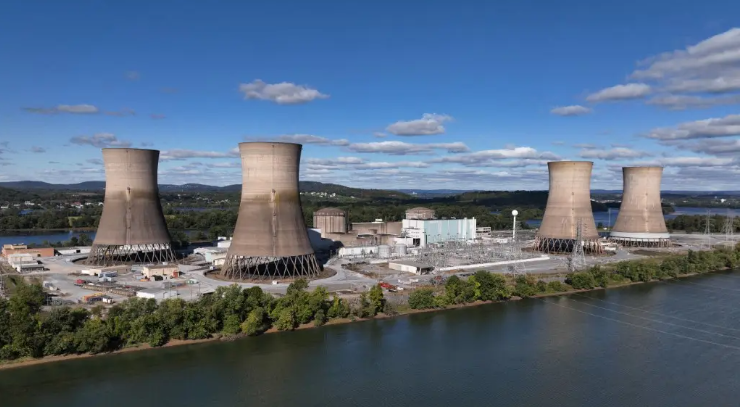
U.S. Department of Energy Commits $4.2 Billion Loan to Support Vistra Nuclear Plant Expansion and Upgrade
On October 5, 2026, the Office of Energy Dominance Financing of the U.S. Department of Energy (DOE) announced a commitment to provide a conditional loan of up to $4.2 billion to fund the expansion and modernization of nuclear power plants owned by Vistra Corp. in Pennsylvania and Ohio. It is understood that this investment aims to implement U.S. President Donald Trump's executive order on revitalizing the nuclear industrial base. U.S. Secretary of Energy Chris Wright stated that by increasing the power generation of existing nuclear power plants, affordable...
2026-10-06