
Search Results
Keyword:bioremediation

Russian Academy of Sciences Reveals Mechanism of Microbial Bioremediation Reducing Actinide Content in Groundwater
September 1, 2026 news: Researchers from the Vernadsky Institute of Geochemistry and Analytical Chemistry of the Russian Academy of Sciences, in collaboration with the Frumkin Institute of Physical Chemistry and Electrochemistry of the Russian Academy of Sciences and other institutions, studied the biogeochemical mechanisms affecting the distribution of actinides such as uranium, plutonium, and neptunium during bioremediation of nitrate-contaminated groundwater. Radionuclide-contaminated groundwater is a significant environmental issue in areas associated with nuclear fuel cycle facilities. Long-lived actinides such as uranium, plutonium, and neptunium, once released into the environment, can migrate over considerable distances with groundwater. Bioremediation, which alters geochemical conditions by stimulating natural microbial processes in the subsurface environment, is considered a potential approach for remediating contaminated zones...
2026-09-02
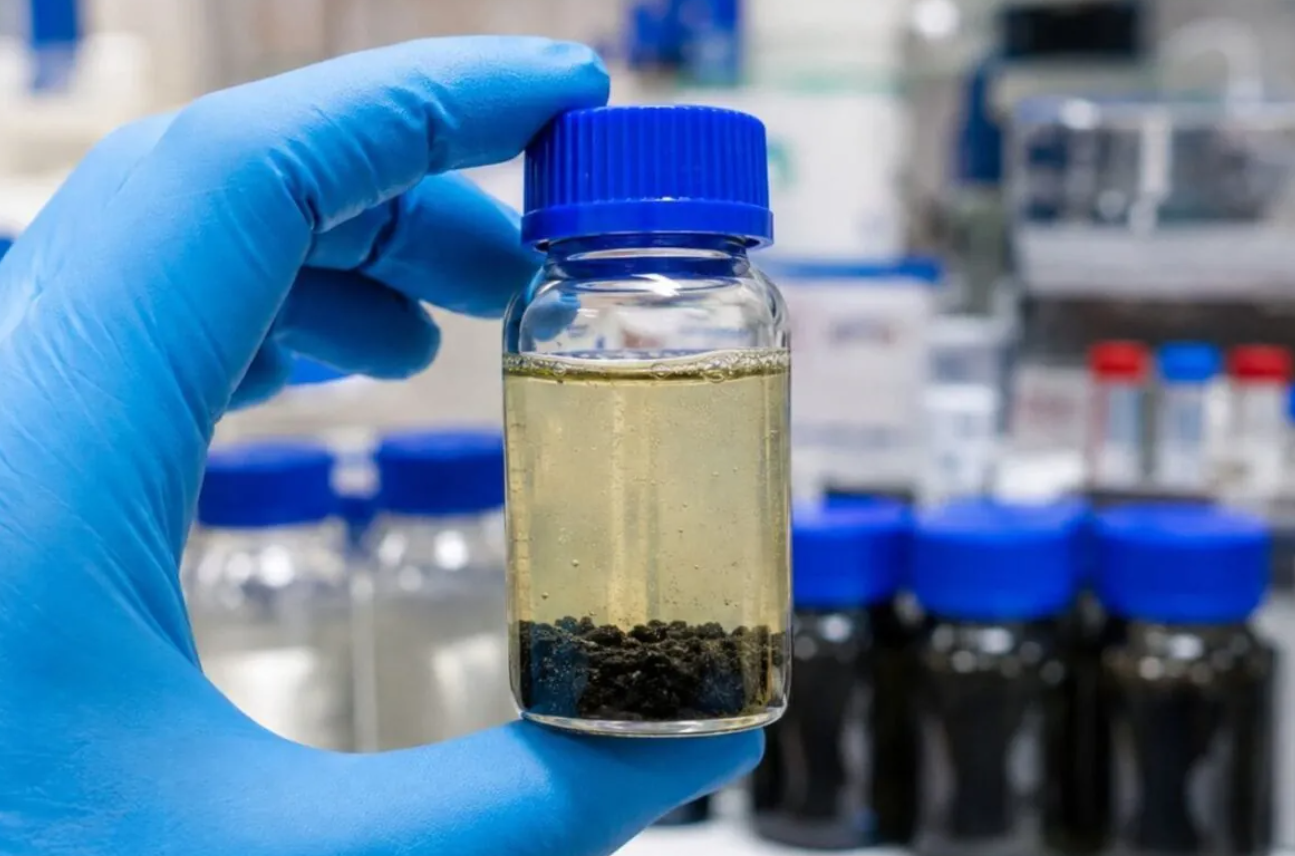
German-Grenoble Joint Experiment: Bacteria Immobilize 96% of Uranium in Mine Water, Offering New Insights for Legacy Uranium Mine Remediation
More than three decades after the closure of the Schlema-Alberoda legacy uranium mine in Saxony, Germany, remediation pressure continues unabated. After the mine workings were flooded, the water still contains approximately 1 milligram of uranium per liter, far exceeding the World Health Organization's provisional guideline value of 0.03 milligrams per liter for drinking water. This means that even though mining has long ceased, contaminated water must still be treated over the long term to prevent radioactive metals from migrating with groundwater into rivers or drinking water sources. A team involving the Helmholtz-Zentrum Dresden-Rossendorf in Germany, the University of Grenoble, and other institutions conducted experiments directly using real water samples from the mine and achieved noteworthy results: after 130...
2026-08-10
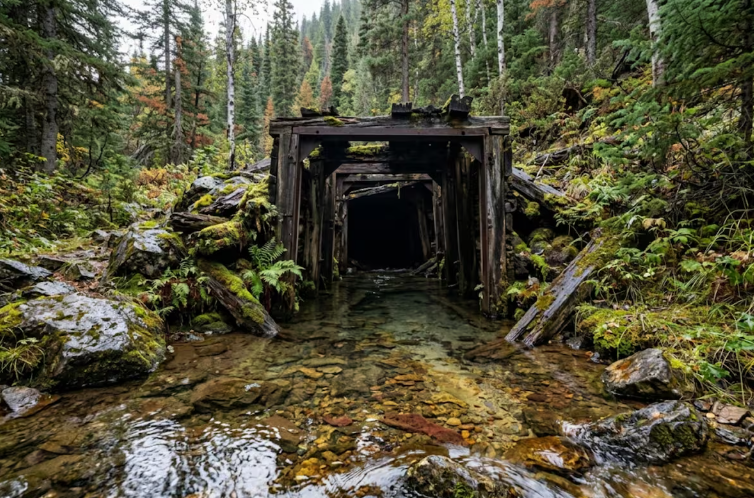
Studies in Germany and Spain have found that bacteria can promote the immobilization of uranium contamination.
Researchers from Germany and Spain have recently discovered a type of bacteria inhabiting the waters of an abandoned uranium mine that can participate in uranium immobilization, converting dissolved uranium into a solid form with lower mobility. This find
2026-07-27