
Search Results
Keyword:neutron imaging
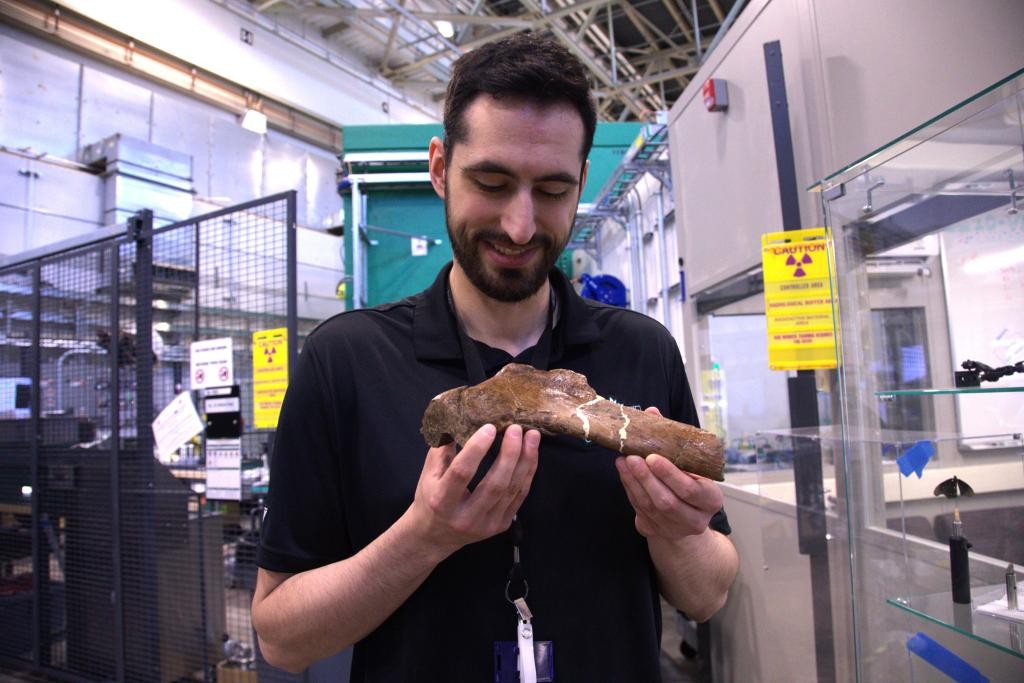
ORNL Neutron Imaging Technology Reveals Healed Rib Fracture in Tyrannosaurus Rex Fossil
Neutron imaging technology at the U.S. Department of Energy's Oak Ridge National Laboratory (ORNL) has helped researchers from the University of Regina in Canada and other institutions observe rare healing signs inside the fossilized bones of a Tyrannosaurus rex, providing new insights into ancient life from approximately 66 million years ago. The subject of this study is a fractured rib from "Scotty," the largest Tyrannosaurus rex skeleton ever discovered. Researchers found that this rib preserved a wound-healing process rarely seen in the fossil record: after the fracture occurred, iron-rich blood entered the injured area and formed a network of blood vessels to promote healing; however, before the rib had fully healed, Scotty died and was preserved in a salt marsh environment, which slowed the decomposition of the remains...
2026-09-07
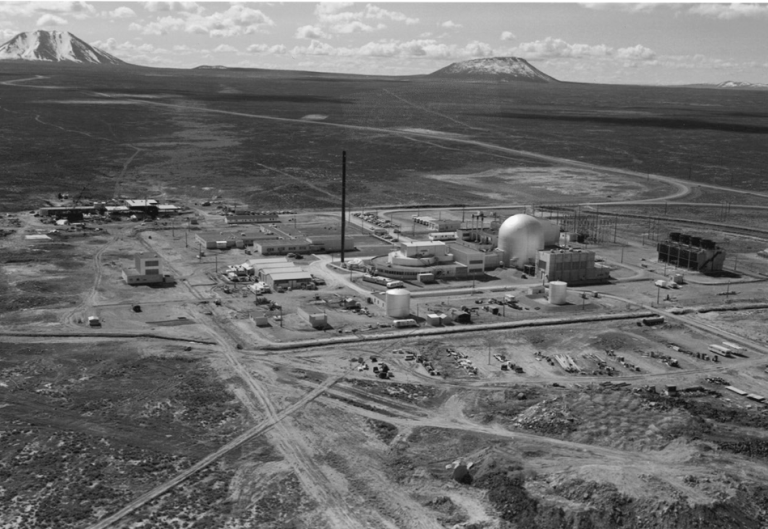
Idaho National Laboratory's Hot Fuel Examination Facility Named U.S. Nuclear Historic Landmark
The American Nuclear Society (ANS) recently designated the Hot Fuel Examination Facility (HFEF) at Idaho National Laboratory (INL) as a Nuclear Historic Landmark. Since becoming operational in 1975, the facility has conducted post-irradiation examination of nuclear fuel and materials, and continues to support research on advanced reactors, commercial nuclear fuel, and related energy security. HFEF is located within the Materials and Fuels Complex (MFC) at Idaho National Laboratory and houses the largest inert-atmosphere hot cell in the United States dedicated to nuclear materials research. The hot cell operates in an argon environment and features approximately 4-foot-thick shielding walls, enabling remote, non-destructive, and high-precision examination of highly irradiated fuel and material samples while reducing worker radiation exposure.
2026-08-13
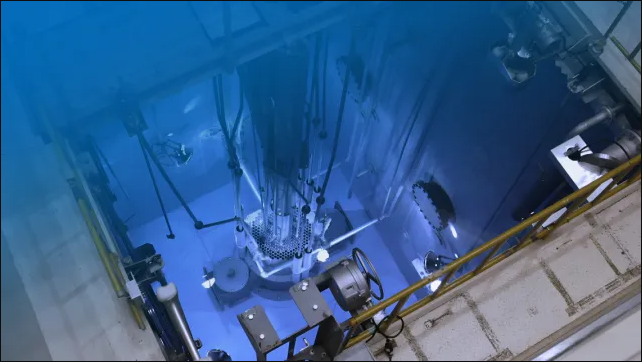
228 Research Reactors Worldwide in Operation, Supporting Medical Isotope Production and Neutron Science Innovation
According to the International Atomic Energy Agency on August 7, research reactors continue to drive innovation in science, medicine, and industry worldwide. Currently, 228 research reactors are in operation across 54 countries, with another 23 under construction or in the planning stage. Unlike nuclear reactors used for power generation, these reactors primarily produce neutrons to support medical, industrial, agricultural, geological, forensic, and nuclear science research. A research reactor pool photographed from above. (Photo: IAEA) In the medical field, research reactors are a vital source of medical radioisotopes. Among them, technetium-99m is widely used for diagnosing cancer and diseases of the heart, brain, and bones; a large number of medical diagnostic and therapeutic procedures worldwide rely on this isotope. Other radioisotopes such as iodine-131 are also used in the treatment of cancer and thyroid diseases. The IAEA states that radioisotopes produced by research reactors serve millions of patients globally and are an essential component of modern nuclear medicine systems.
2026-08-09