
Search Results
Keyword:nuclear medicine

FDA Grants Breakthrough Therapy Designation to JBS-003 for Guiding De-escalated Radiotherapy in HPV-Positive Oropharyngeal Cancer
On September 1, Juniper Biosciences announced that the U.S. Food and Drug Administration (FDA) has granted Breakthrough Therapy Designation to its hypoxia tracer JBS-003. The product, 18F-Fluoromisonidazole (FMISO), is intended to identify tumor hypoxia and guide de-escalated radiotherapy in patients with HPV-positive oropharyngeal cancer (OPC). JBS-003 is licensed from Memorial Sloan Kettering Cancer Center (MSK). According to information released by the company, the tracer is based on F-MISO PET molecular imaging technology and can visualize specific hypoxic features within tumors. Tumor hypoxia is considered to be associated with radioresistance; by imaging hypoxic regions, clinicians can stratify patients by risk and...
2026-09-02
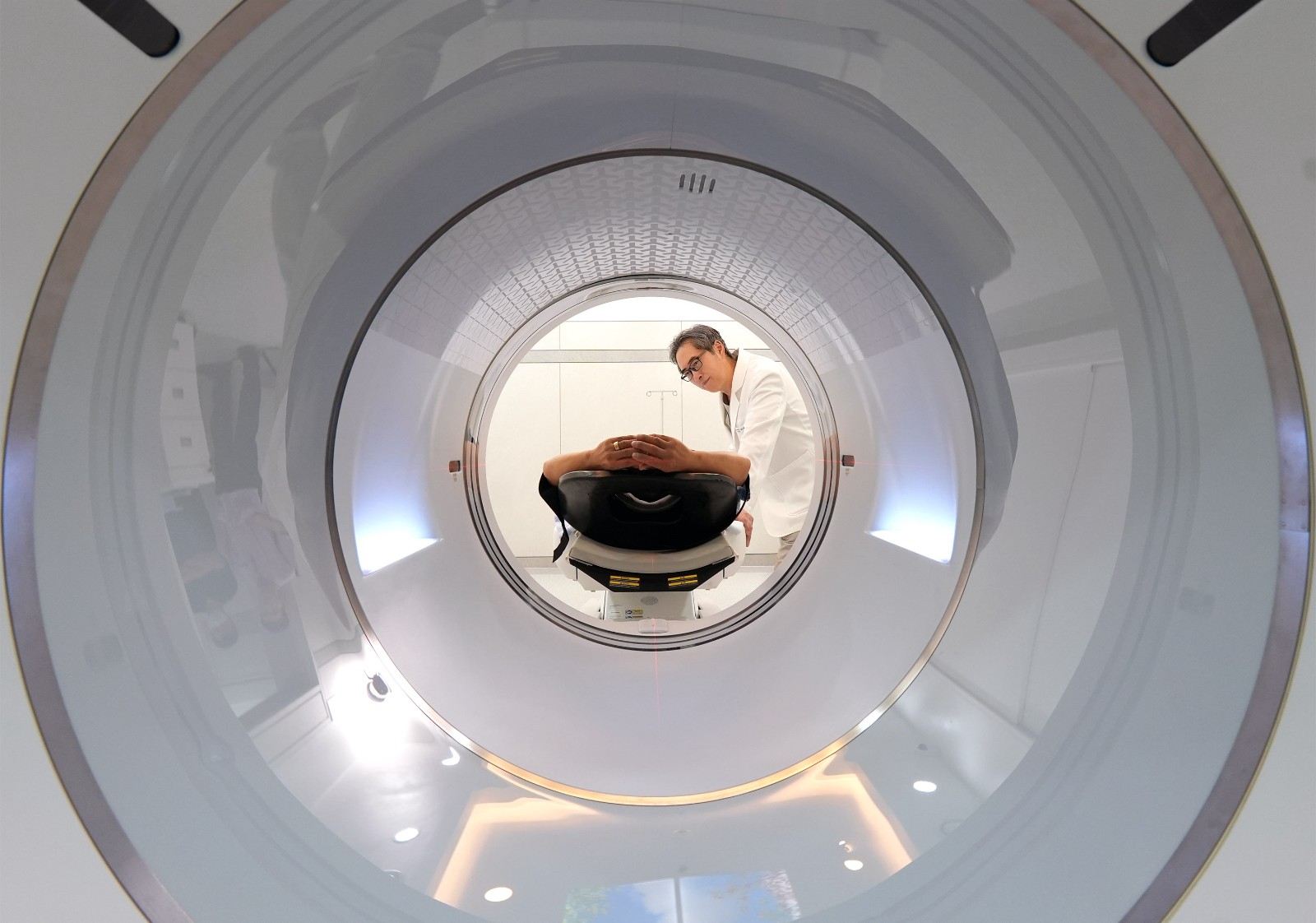
Dankook University Hospital Introduces Next-Generation Digital PET-CT System to Enhance Precision Diagnosis of Cancer and Other Diseases
Dankook University Hospital announced on September 1 that it has introduced GE HealthCare's next-generation digital PET-CT system, the OMNI Legend 32, to enhance precision diagnostic capabilities for a wide range of diseases, including cancer, brain disorders, and cardiac conditions. PET-CT is an important nuclear medicine diagnostic imaging modality. During the examination, a radiopharmaceutical is injected into the patient, and the system observes metabolic activity through positron emission tomography (PET) while simultaneously confirming anatomical structures via computed tomography (CT), thereby providing imaging evidence for clinical diagnosis. According to the hospital, the newly introduced OMNI Legend 32 employs AI-based image reconstruction technology to visualize small lesions with greater clarity, assisting physicians in making more accurate assessments...
2026-09-01
Beijing Jiluntai's ¹⁷⁷Lu-JLT003 Injection Receives IND Approval for Treatment of Integrin αvβ3-Positive Malignant Tumors
Beijing Jiluntai Pharmaceutical Co., Ltd. has recently achieved progress in radiopharmaceutical R&D. Its self-developed Class 1 innovative therapeutic radiopharmaceutical ¹⁷⁷Lu-JLT003 Injection (generic name: ¹⁷⁷Lu-AB-3PRGD2) has obtained the Clinical Trial Approval (IND) from the Center for Drug Evaluation (CDE) of the National Medical Products Administration (NMPA), intended for the treatment of integrin αvβ3-positive malignant tumors. ¹⁷⁷Lu-AB-3PRGD2 is a therapeutic radiopharmaceutical targeting integrin αvβ3. Integrin αvβ3 is highly expressed on various solid tumor cells and tumor neovascular endothelial cells, while showing low expression in normal tissues, a characteristic that...
2026-09-01

Bayer Presents Phase III Data for Iodine-124 PET Tracer: High Sensitivity Shown in Cardiac Amyloidosis Diagnosis
At the 2026 European Society of Cardiology Congress, Bayer presented results from the Phase III REVEAL study of its investigational PET radiotracer iodine-124 evuzamitide (I-124 evuzamitide). Data showed that the tracer met the study's primary endpoints in diagnostic sensitivity and specificity when used for imaging in patients with suspected cardiac amyloidosis. The REVEAL study, sponsored by Brigham and Women's Hospital, is a multicenter, open-label, single-arm Phase III clinical trial conducted at 18 sites in the United States, enrolling 170 adult patients with suspected cardiac amyloidosis. Following a single intravenous injection of I-124 evuzamitide, subjects underwent cardiac and...
2026-09-01
Defence Therapeutics Expands Radiopharmaceutical R&D Program to Evaluate Alpha and Beta Emitter Applications
MONTREAL, Quebec, Canada — Biotechnology company Defence Therapeutics Inc. recently announced the expansion of its radiopharmaceutical R&D program to include α and β radioisotopes in its evaluation scope, further validating the application potential of its proprietary Accum® technology in precision oncology. Defence Therapeutics is a publicly traded biotechnology company developing next-generation oncology treatments centered on its Accum® precision drug delivery platform. The company stated that the Accum® technology is designed to facilitate the entry of drug payloads into the intracellular compartment, thereby improving delivery efficiency. This expansion of the radiopharmaceutical program...
2026-09-01
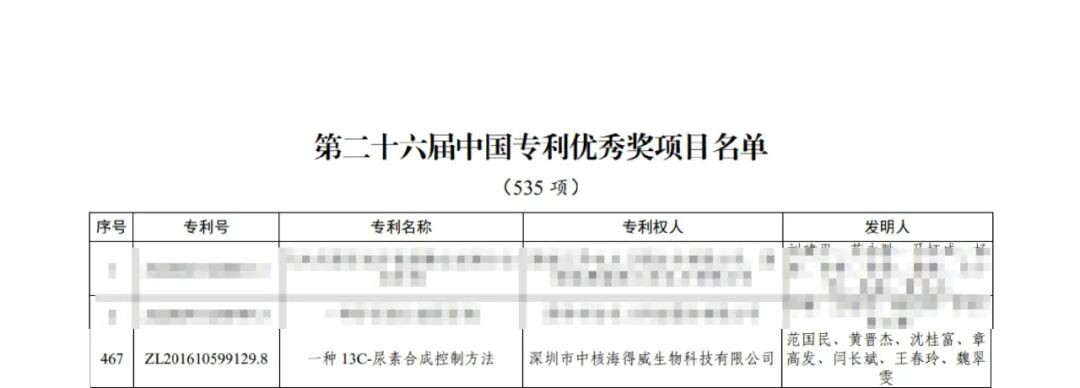
CNNC Headway's 13C-Urea Synthesis Control Method Patent Wins China Patent Excellence Award
On August 28, the China National Intellectual Property Administration officially released the decision on the 26th China Patent Award, and CNNC Headway's invention patent "A 13C-Urea Synthesis Control Method" won the China Patent Excellence Award. This patented technology addresses key technical bottlenecks in the batch production of carbon [13C]-urea API, establishing a set of synthesis control methods that provide technical support for the large-scale and stable production of the relevant API. The application of this technology helps enhance the self-sufficiency capability of the domestic urea [13C] breath diagnostic industry chain. CNNC Headway has long been deeply engaged in the breath diagnostic field, with sustained investment in innovative R&D, quality control, clinical adaptation, and industry chain layout...
2026-09-01
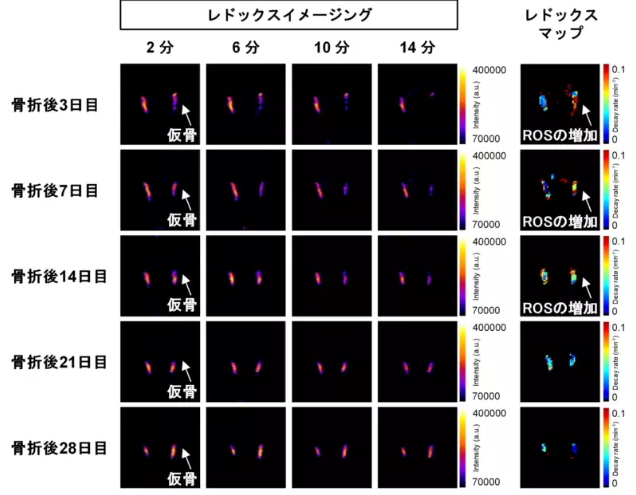
Japanese research team visualizes cellular metabolic changes during fracture healing using hyperpolarized MRI
August 21, 2026, Gifu Pharmaceutical University and Gifu University announced that a multi-institutional Japanese research team successfully visualized changes in the redox state of skeletal progenitor cells during fracture healing in living mice using hyperpolarized magnetic resonance imaging technology. The findings were published online on August 15, 2026, in the British academic journal *npj Imaging*. The study was led by Takuya Kubo, a graduate student in the Department of Pharmacology at Gifu Pharmaceutical University, Professor Eiichi Hinoi, and related research teams at Gifu University, in collaboration with the University of Tokyo, Osaka University, the Research Institute of National Rehabilitation Center for Persons with Disabilities, and other institutions. After a fracture occurs, a tissue called a...
2026-08-31

Chonnam National University Hospital in Hwasun, South Korea, Adopts Deepnoid's Chest X-ray AI Interpretation Solution "M4CXR"
Deepnoid announced on August 31 that it has signed a supply contract with Chonnam National University Hospital in Hwasun, South Korea, to provide the hospital with its AI-based chest X-ray preliminary opinion generation solution, M4CXR. This contract is part of the "AI Medical System Support Project for Regional Responsible Medical Institutions" promoted by the Ministry of Health and Welfare of South Korea. Chonnam National University Hospital in Hwasun plans to improve the work efficiency of medical staff in interpreting chest X-ray images and further enhance the quality of medical services through the introduction of M4CXR. A representative from the Hwasun branch of Chonnam National University Hospital stated that introducing a generative AI-based image interpretation support system is of great significance for improving the quality of public medical services...
2026-08-31
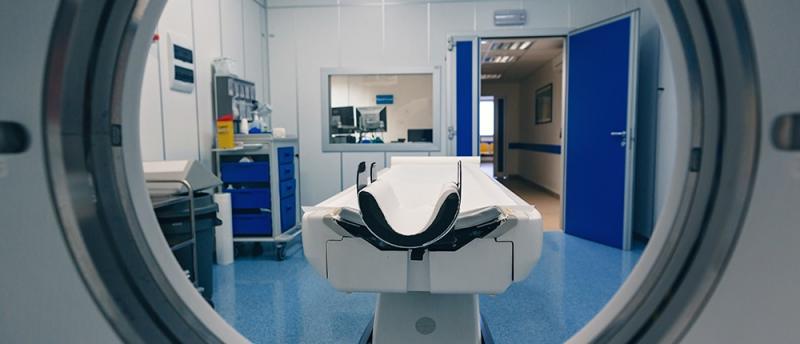
Assam, India, Plans to Introduce Proton Beam Therapy for Cancer Treatment at a Public Hospital
Cancer treatment capabilities in Assam, India, are set to be upgraded. Assam Chief Minister Himanta Biswa Sarma announced that the state cabinet has approved the introduction of a proton beam therapy system at Gauhati Medical College Hospital. Once the project is completed, Assam will become the third region in India to offer proton beam therapy, and the hospital will be the first public hospital in India to be equipped with this technology. Currently, proton beam therapy is already in use at the Tata Memorial Centre in Mumbai and the Apollo Proton Cancer Centre in Chennai. The facility planned at Gauhati Medical College Hospital will become the third such treatment center in India. Proton beam therapy is an advanced form of radiotherapy used to treat cancer and certain non-cancerous tumors. Unlike conventional radiation therapy, which typically uses X-rays, proton therapy delivers precise irradiation to the tumor area using high-energy positively charged particles—protons. As proton beams enter the body, they release energy, causing DNA damage to cells. Healthy cells generally possess some capacity for repair, whereas cancer cells are less able to repair themselves, thereby inhibiting their growth and proliferation and helping to destroy tumor tissue.
2026-08-31

Leo Cancer Care and GE HealthCare Announce Collaboration to Advance Upright Radiotherapy Workflow Integration
Leo Cancer Care recently announced a commercial collaboration with GE HealthCare, focusing on GE HealthCare's advanced imaging solutions and intelligent radiotherapy software, with plans to apply related technologies to Leo Cancer Care's future upright radiotherapy systems to streamline patient and data workflows from simulation to treatment delivery. Under the collaboration framework, the two parties will explore integration pathways between GE HealthCare's intelligent radiotherapy software iRT and Leo Cancer Care's future upright radiotherapy solutions. iRT is an AI-assisted software developed for radiotherapy settings, primarily used to connect information, workflows, and applications across different systems, helping healthcare institutions simplify complex processes, enable patients to enter radiotherapy more promptly, and reduce clinician burden.
2026-08-30
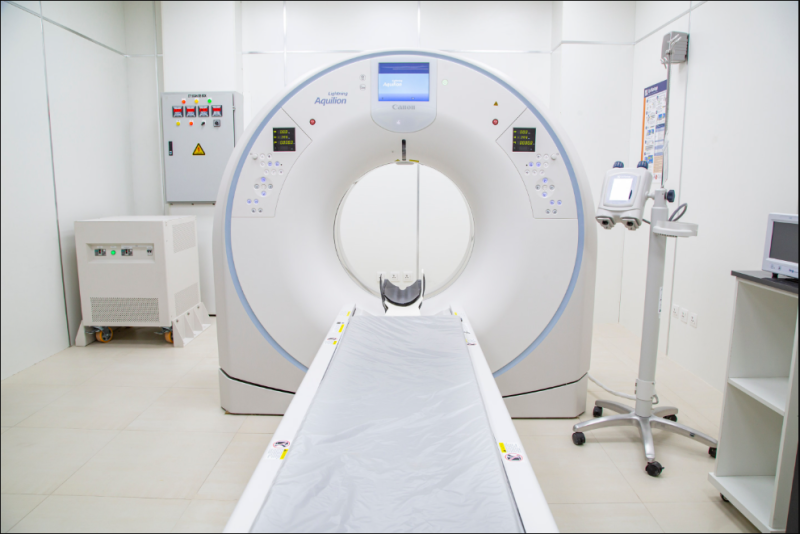
Blueprint for Proton Therapy Center in Southeastern Busan, South Korea Unveiled to Address Regional Gap in Cancer Treatment Resources
The blueprint for the proton therapy center at the Southeastern Regional Nuclear Medicine Center in Gijang-gun, Busan, South Korea, was recently unveiled. The project is expected to help bridge the gap in cancer treatment resources between the Seoul metropolitan area and non-capital regions, and to promote the application of proton accelerators in high-tech industries. According to information from Gijang-gun, Busan, and the Southeastern Regional Institute of Radiation Medicine on August 29, the Busan Institute of Science and Technology Higher Education recently published a service report titled "Establishment of Promotion Strategy and Implementation Plan for the Southeastern Proton Therapy Center," which includes the construction blueprint and feasibility analysis of the center. The Southeastern Regional Institute of Radiation Medicine is advancing related preparatory work in response to the research and development review by the Ministry of Science and ICT in the second half of this year...
2026-08-30

CNNC Changchun Nuclear Medicine Base Obtains Production License
On August 28, the Jilin Provincial Drug Administration approved and issued the "Radiopharmaceutical Production License" to Changchun Atomic Hi-Tech Pharmaceutical Co., Ltd. (hereinafter referred to as "Changchun Hi-Tech"), a subsidiary of Atomic Hi-Tech under China Isotope & Radiation Corporation (CIRC). The acquisition of this license marks that Changchun Hi-Tech is now fully qualified for the production of technetium-labeled drugs. Radiopharmaceuticals are characterized by short half-lives, high transportation requirements, and strict time sensitivity. Long-distance transportation not only increases transportation and time costs but also poses greater challenges to the stability and timeliness of clinical medication. With the production qualification, Changchun Hi-Tech will be able to complete the production and distribution of technetium-labeled drugs locally in Jilin Province, which will help improve the clinical use of nuclear medicine in the Northeast region...
2026-08-29
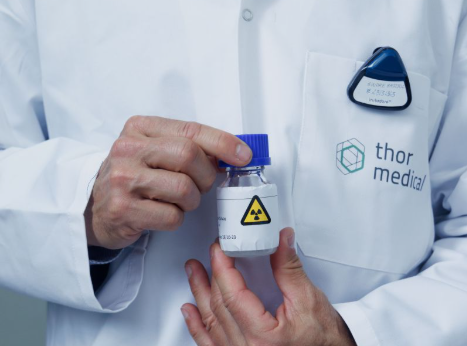
Thor Medical Advances AlphaOne Commercial Production in H1, Completes First Customer Deliveries of Lead-212 Isotope
Thor Medical ASA, a supplier of high-purity isotopes to the radiopharmaceutical industry, announced its H1 2026 results on August 28. The company stated that its AlphaOne facility has completed mechanical construction on time and on budget and has entered commercial production, marking the start of a new phase focused on scaling output, increasing customer deliveries, and growing revenue. Thor Medical CEO Jasper Kurth said that with the completion of the first customer product deliveries from AlphaOne, the company has established a solid commercial foundation in a rapidly growing market, and the next step is to advance the execution plan around capacity expansion, customer deliveries, and revenue growth to support the development of next-generation precision cancer therapies...
2026-08-28
Russian Thorium-Based Radiopharmaceuticals Expected Within 1-2 Years
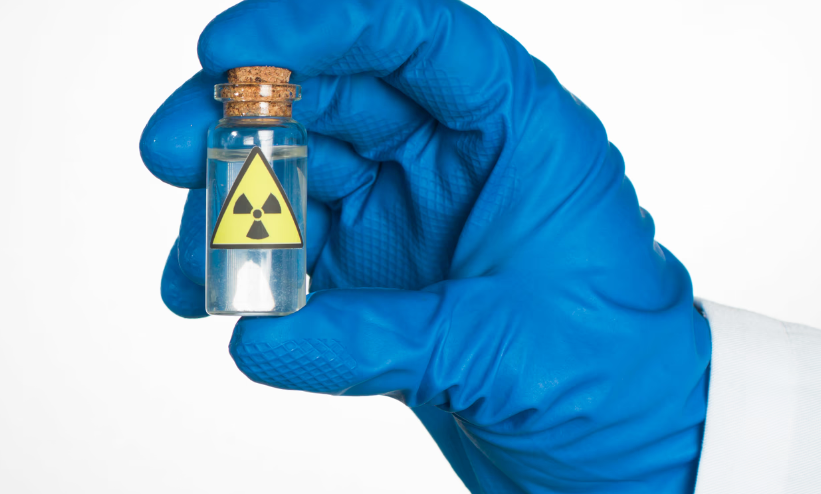
On August 27, Igor Korobko, Professor of the Russian Academy of Sciences and Director of the Department of Medical and Scientific Development in Healthcare of the Russian Ministry of Health, stated at the Technoprom Forum held in Novosibirsk that thorium-based drugs for precision radionuclide therapy of tumors are expected to become available in Russia within the next 1 to 2 years. Korobko noted that tumor treatment still requires support from more available isotopes. For example, when patients develop resistance to actinium-related therapies, clinical practice necessitates the use of different isotopes for treatment. He stated that Russia is advancing the development of related therapies domestically and expects to have thorium-based drugs within the next year or two. Currently, actinium-225 is considered one of the more promising radionuclides...
2026-08-28
Russia Plans to Complete Development of First Domestic Proton Beam Therapy Cyclotron by 2027
Russian scientists plan to complete the development of the country's first domestically produced proton beam therapy cyclotron by 2027, with commissioning to begin in the same year. This progress was announced by Sergey Gertzog, CEO of the Russian National Institute of Electronics and Atomic Energy (NIIEFA), at the recent Technoprom forum held in Novosibirsk. A proton beam therapy cyclotron is a type of charged particle accelerator that uses magnetic and electric fields to accelerate protons to high-energy states, reaching speeds of one-half to two-thirds the speed of light. The accelerated proton beam can target cancerous tumor areas with relative precision for oncological treatment. According to the schedule outlined in Gertzog's report...
2026-08-28