
Search Results
Keyword:nuclear medicine
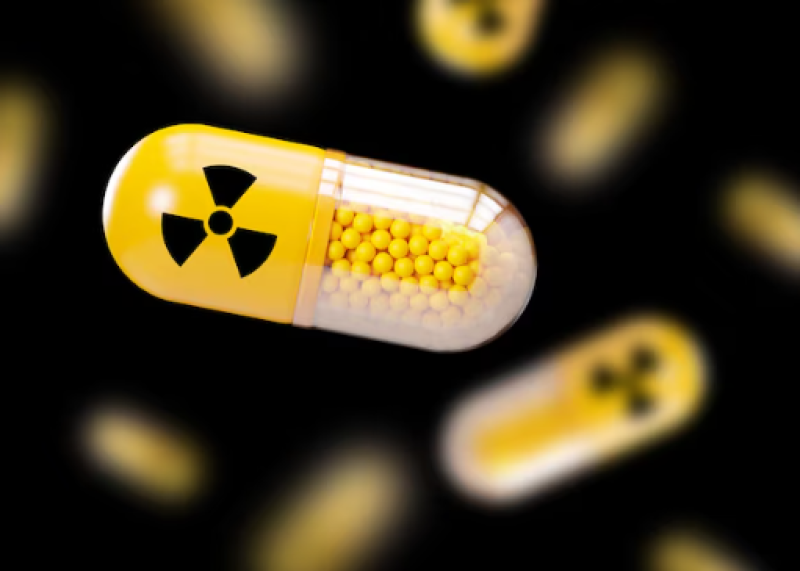
Russia Advances Radiopharmaceutical Development, Plans to Expand into Diagnostics and Treatment of Heart Disease and Other Conditions
Rosatom is developing radiopharmaceuticals for the diagnosis and treatment of neurodegenerative diseases, heart disease, and rheumatic conditions, further expanding the application of radionuclide technology in medicine. During the 13th International Technology Development Forum Technoprom-2026 held in Novosibirsk, Sergei Surov, Director of the Department of Radionuclide Products and Nuclear Medicine at Rosatom's Science Division, stated that the company is advancing the development of these drugs. Radiopharmaceuticals typically contain radioactive isotopes, i.e., radionuclides, and are currently used in medicine primarily for the diagnosis and treatment of various cancers. Surov noted that the new development directions mean...
2026-08-28

Russia and Egypt Plan to Cooperate on Construction of Nuclear Medicine Center and Radiopharmaceutical Plant
Alexey Likhachev, CEO of Rosatom, recently stated that Russia and Egypt are expanding cooperation in non-energy nuclear technologies, with one of Egypt's key priorities being the construction of a high-performance nuclear medicine center based on a research reactor. According to reports, the project will adopt a comprehensive approach, including a radiopharmaceutical production plant, isotope production facilities, and modern diagnostic systems based on PET and SPECT technologies. Some diagnostic systems will use Russian equipment. Once completed, the project is expected to conduct up to 30,000 diagnostic examinations annually and provide treatment services for 400 patients. Construction of the medical facility is expected to begin as early as 2027...
2026-08-28
Bristol Myers Squibb to Invest $173 Million in New Radiopharmaceutical Plant in Indiana, USA
Bristol Myers Squibb's RayzeBio will build a new radiopharmaceutical production facility in Whitestown, Indiana, USA, with an investment of $173 million. The project will be located at the Anson Industrial Park in Boone County, with construction planned to begin this year, complementing RayzeBio's existing operational radiopharmaceutical plant in Indianapolis. According to information released by the state of Indiana, the new facility will cover approximately 225,000 square feet. Bristol Myers Squibb expects the two production sites to add 100 new positions by the end of 2029, with annual salaries for new positions expected to exceed $130,000. Bristol Myers Squibb acquired San Diego-based RayzeBio in 2023 for $4.1 billion...
2026-08-28
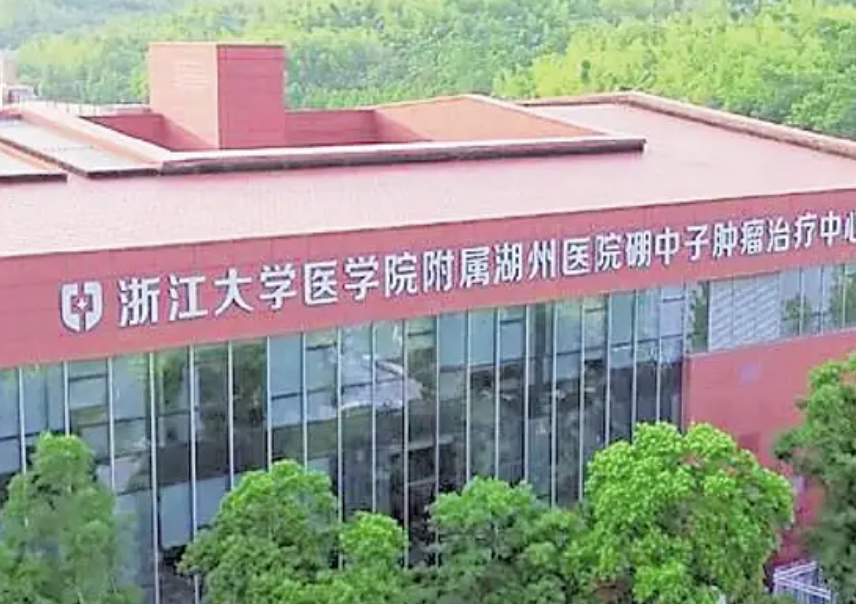
Huzhou, Zhejiang Launches Phase I "Drug-Device Combination" Clinical Trial for the Province's First BNCT System
Recently, the Boron Neutron Tumor Treatment Center at Huzhou Hospital Affiliated to Zhejiang University School of Medicine has drawn attention with the introduction of the province's first Boron Neutron Capture Therapy (BNCT) system. Previously, the system had already initiated a Phase I BNCT drug-device combination clinical trial. According to the system developer, Huapeng Neutron Technology (Hangzhou) Co., Ltd., BNCT is a radiotherapy technique combining drugs and devices, with its core lying in the coordinated use of boron-containing drugs and neutron irradiation. After entering the human body, the boron-containing drug can be absorbed by tumor cells; subsequent neutron beam irradiation triggers a localized reaction to achieve targeted radiotherapy against tumor cells. Unlike conventional radiotherapy, which typically employs fractionated irradiation over a longer treatment course, BNCT emphasizes selective targeting of tumor cells, aiming to reduce damage to surrounding healthy tissues and lower radiotherapy-related side effects such as hair loss and immunosuppression.
2026-08-27

Moffitt Cancer Center in the U.S. Launches $600 Million Radiopharmaceutical Program
Moffitt Cancer Center in Tampa, Florida, recently announced the launch of a new radiopharmaceutical program, planning to accelerate radiopharmaceutical research, development, and clinical translation through a total infrastructure investment of $600 million. The program will be advanced at the Speros campus of Moffitt Cancer Center in Pasco County, Florida. The campus spans 775 acres, and the related investment will support the development of radiopharmaceutical research and development capabilities, including the construction of new radiochemistry laboratories within the Moffitt Discovery and Innovation Center, which opens this fall. The innovation center has a building area of approximately 255,000 square feet. The program funding will also support the planned comprehensive theranostics center...
2026-08-27
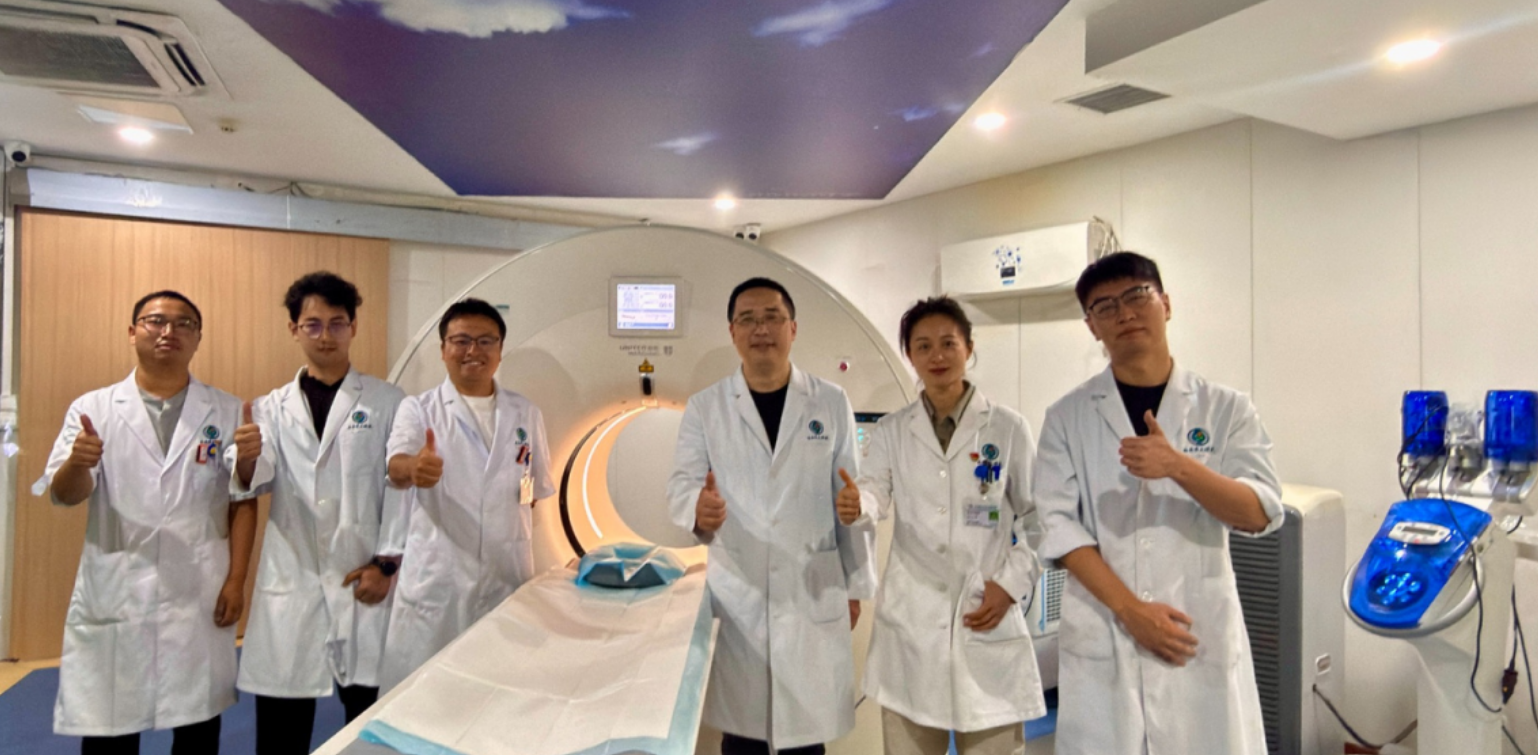
Department of Nuclear Medicine at the Affiliated Hospital of Southwest Medical University Completes Its First PET/CT-Guided Interventional Puncture Procedure
From August 21 to 22, Professor Sun Long from the PET Center of the First Affiliated Hospital of Xiamen University was invited to the Department of Nuclear Medicine at the Affiliated Hospital of Southwest Medical University for academic exchange, and on the following day provided on-site guidance for the hospital's first PET/CT-guided interventional puncture procedure. The successful completion of this procedure marks a new clinical practice milestone for the department in the field of interventional nuclear medicine. On August 21, Professor Sun Long delivered a special lecture titled "Exploration of Clinical Integrated Application of Diagnostic Nuclear Medicine and Interventional Nuclear Medicine Based on the PET Platform," focusing on how the PET platform extends from disease diagnosis and precise localization to interventional diagnosis and treatment. Drawing on clinical practice and typical cases, he introduced the application of interventional nuclear medicine in lesion...
2026-08-27

Lanzhou Taiji Completes Key Commissioning of First Domestic Multi-Ion Therapy Device HiTS400
The first domestically produced multi-ion therapy device HiTS400, independently developed by Lanzhou Taiji and installed at Shandong Cancer Hospital, recently completed phased joint commissioning. After one week of operational testing, all beam parameters of the device met or exceeded contractual requirements, laying the foundation for subsequent clinical registration work. According to reports, HiTS400 is a medical ion accelerator independently developed by Lanzhou Taiji with full intellectual property rights. It can stably deliver four ion species: C^6+, H^+, He^2+, and O^8+, and is equipped with multi-angle fixed treatment nozzles and a lightweight superconducting heavy-ion rotating gantry, integrating modulated scanning technology to advance the development and application of multi-ion combined therapy devices. On August 14, 2026, the device obtained an amendment to its Radiation Safety License from the Ministry of Ecology and Environment, granting qualification for commissioning and operation. In the early morning of August 20, the equipment achieved stable acceleration and precise extraction of carbon ion beams. Measured data show that the particle number after synchrotron acceleration reached 3.26E9 ppp, the terminal particle number reached 3.02E9 ppp, the extraction efficiency was 92%, and beam stability was no less than 95%.
2026-08-26
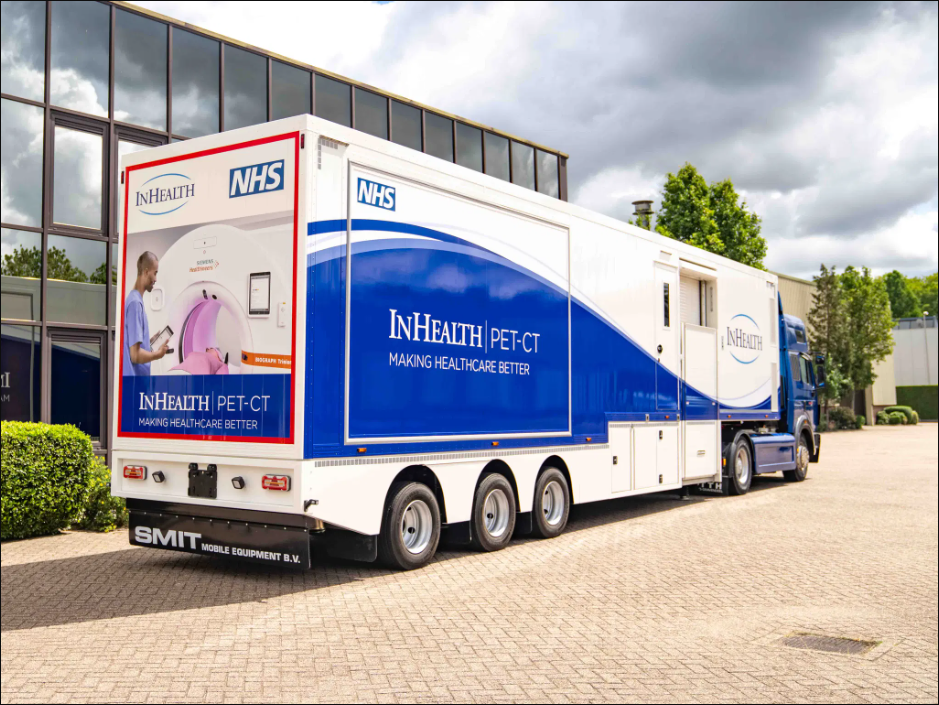
UK's InHealth Deploys Europe's First Mobile Biograph Trinion PET/CT System
InHealth, a UK independent diagnostic service provider, has recently completed the first patient scan using Europe's first mobile Biograph Trinion PET/CT system. The system, supplied by Siemens Healthineers, is now in clinical use at Wrexham Maelor Hospital in northeast Wales to support cancer-related molecular imaging examinations. PET/CT is an important imaging technology in oncology diagnosis and treatment, applicable to the diagnosis, staging, treatment planning, and therapy response monitoring of various cancer types. Deploying the Biograph Trinion PET/CT system on a mobile platform means that advanced molecular imaging services can be delivered into clinical settings with greater flexibility, helping to improve patient access to...
2026-08-26
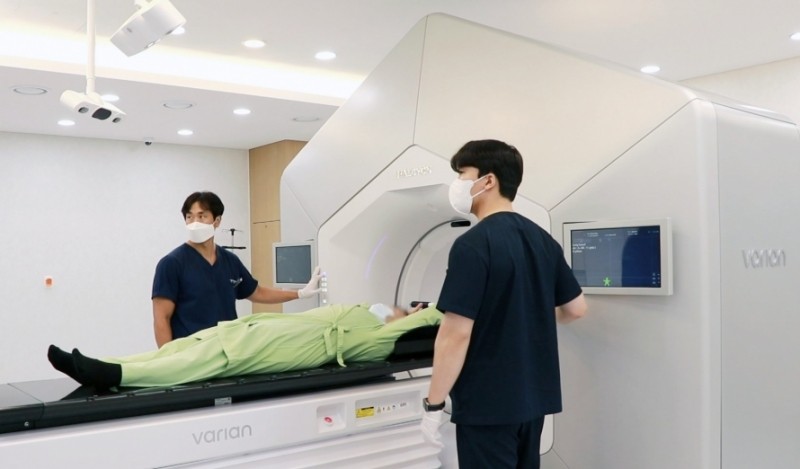
Korea's Gil Medical Center Expands Application of Markerless Surface-Guided Radiation Therapy
Gachon University Gil Medical Center in South Korea announced on August 26 that it is expanding the clinical application of markerless surface-guided radiation therapy (SGRT) to enhance the precision and comfort of radiation therapy for cancer patients. According to the hospital, the proportion of markerless SGRT in its radiation therapy procedures has increased from 28% in the first half of 2025 to 37% in the first half of 2026. This change indicates that this treatment-assistive technology, which reduces the burden of skin marking on patients, is gaining broader clinical adoption. Markerless SGRT is an advanced technique used for patient positioning and monitoring during radiation therapy. Unlike conventional methods, patients do not need to retain target line markings on their skin; the treatment system can assist in confirming patient positioning through surface guidance, enabling radiation to be delivered more accurately to the target area.
2026-08-26

South Korean lawmaker calls for heavy ion therapy center in Daejeon to ease regional cancer treatment disparities
South Korean lawmaker Park Yong-gap recently called on the government to support the construction of a heavy ion therapy center in the central region of Daejeon, aiming to improve access to advanced radiation therapy for cancer patients outside the capital area and promote a balanced distribution of regional medical resources. Park stated that heavy ion therapy centers are often referred to as "dream cancer treatment centers." Compared with conventional radiation therapy, heavy ion therapy and proton therapy can target cancer cells more precisely while minimizing impact on surrounding normal tissues, making them advanced particle therapy technologies drawing attention in the current cancer treatment field. According to him, the relevant treatment centers currently in operation in South Korea are mainly concentrated in the capital area, including the heavy ion therapy center at Sinchon Severance Hospital of Yonsei University...
2026-08-26
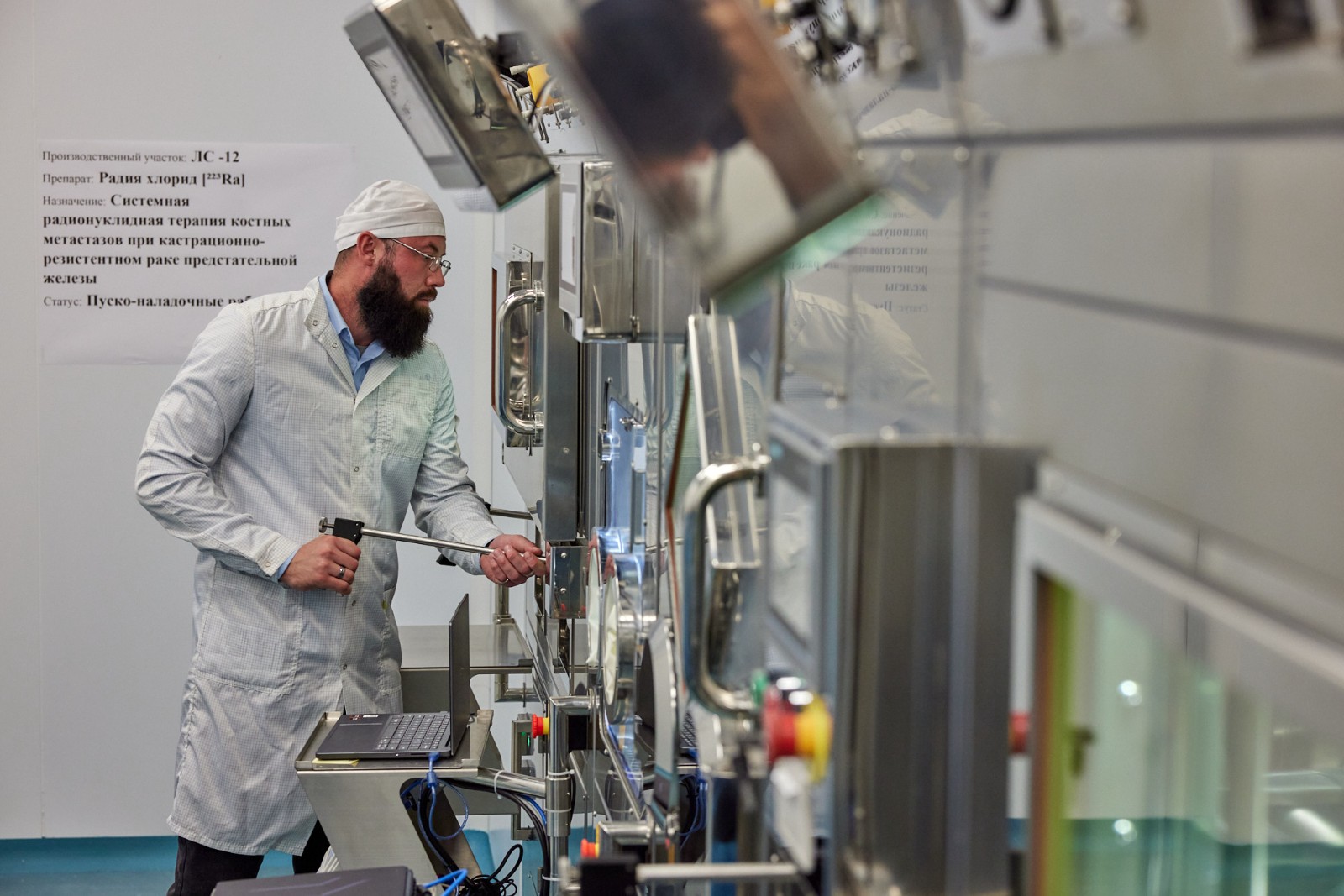
Two production lines at radiopharmaceutical plant in Russia's Kaluga Region enter trial production
Rosatom recently announced that two production lines at its modern radiopharmaceutical manufacturing facility in the Kaluga Region have entered trial production. The facility, built in accordance with the Eurasian Economic Union's international Good Manufacturing Practice (GMP) standards, is equipped with high-level production equipment and is designed to supply safe, quality-controlled radiopharmaceuticals to the market. According to reports, Rosatom's subsidiary enterprises currently produce more than ten registered diagnostic and therapeutic radiopharmaceuticals, involving isotopes such as iodine-123, iodine-131, technetium-99m, and samarium-153. The new plant's production plan is based on the demand for radioisotope products from Russian medical institutions through 2030. The company...
2026-08-26
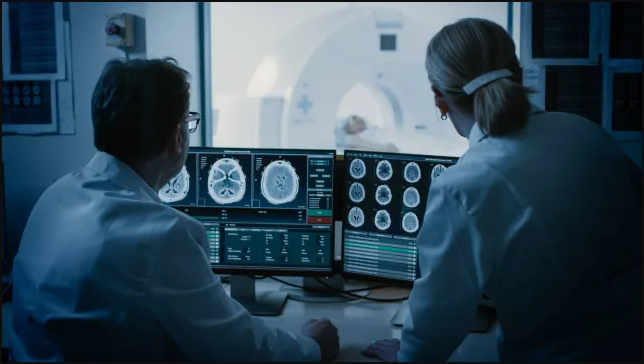
IAEA Study: Five-Star Rating System Can Improve CT Imaging Safety and Reduce Unnecessary Radiation Exposure
A new study led by the International Atomic Energy Agency (IAEA) in collaboration with Massachusetts General Hospital and Harvard Medical School in Boston, USA, shows that a five-star rating system can help hospitals optimize image quality, reduce radiation dose, and decrease unnecessary patient radiation exposure in computed tomography (CT) examinations. The study has been published in the European Journal of Radiology. CT imaging uses X-rays to obtain detailed images of internal body structures and is an important tool in diagnosing a wide range of diseases. The study notes that CT image quality is closely related to radiation dose—higher doses typically reduce image noise and improve clarity, but do not always yield additional diagnostic value. How to minimize radiation exposure while ensuring diagnostic accuracy is key to optimizing CT examination protocols.
2026-08-26

Molecular Partners Advances DLL3 Radiopharmaceutical MP0712 to Higher Dose Cohort
Swiss clinical-stage biotechnology company Molecular Partners AG recently announced its business progress and financial results for the first half of 2026. The company stated that its DLL3-targeting radioactive DARPin therapy MP0712 has advanced to the second therapeutic dose level in a U.S. multicenter Phase 1/2a clinical study, and patient enrollment for the new dose cohort is currently underway. MP0712 is a radiopharmaceutical targeting the tumor-associated antigen DLL3, carrying a therapeutic alpha-emitting radionuclide lead-212 (Pb-212) payload, co-developed by Molecular Partners and Orano Med, primarily for small cell lung cancer and other neuroendocrine tumors. According to the company's disclosure, the first dose cohort of MP0712...
2026-08-26
South Korea's SEC Joins National R&D Project for Active Dose Distribution Control Radiotherapy Equipment
South Korean electron beam source technology company SEC announced on August 25 that it has been selected as a joint research institution for the world's best active dose distribution control radiotherapy machine R&D project, and will participate in the development of core technologies related to next-generation radiotherapy equipment. The project is a newly established task under the Global Flagship Medical Device R&D Program of the South Korean government's medical device R&D fund, with a duration of 6 years and 6 months, starting from July this year and planned to continue until December 2032. The total project budget is 35.2 billion KRW, of which 28 billion KRW is government funding. Radexel serves as the lead institution, with SEC participating as a joint research institution. Other participating organizations include the Korea Atomic Energy Research Institute, Korea Testing Laboratory...
2026-08-25
South Korean team develops biodegradable microgel for localized radiation therapy
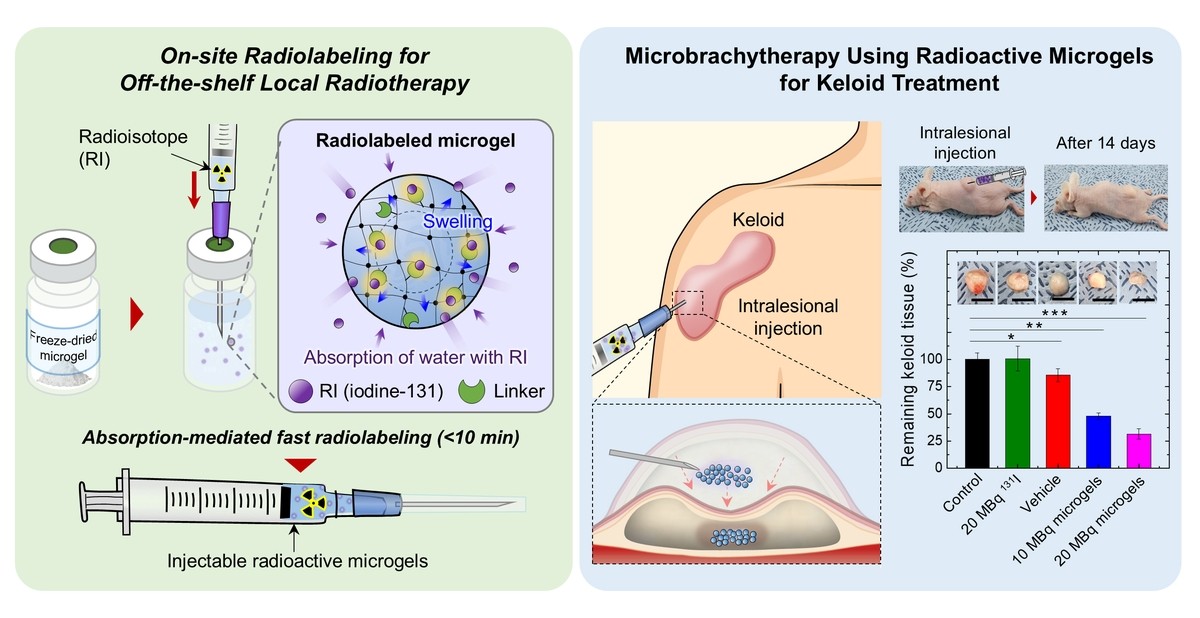
Pusan National University announced on August 25 that a research team led by Professor Yang Seung-yun from the Department of Biomaterials Science, in collaboration with Professor Kim Hoon-soo from the Department of Dermatology and Professor Kim Geun-young from the Department of Nuclear Medicine at Pusan National University Hospital, as well as SNBIA Co., Ltd., has developed a precision localized radiation therapy technology based on biodegradable radioactive isotope materials for the treatment of refractory keloids that tend to recur after surgery. Conceptual diagram of precision treatment technology for refractory keloids. Provided by Pusan National University. Keloids are caused by abnormal proliferation of fibroblasts and excessive accumulation of collagen after skin injury. Existing treatment methods include surgery, steroid injections, laser therapy, etc., but...
2026-08-25