
Search Results
Keyword:nuclear power cooling
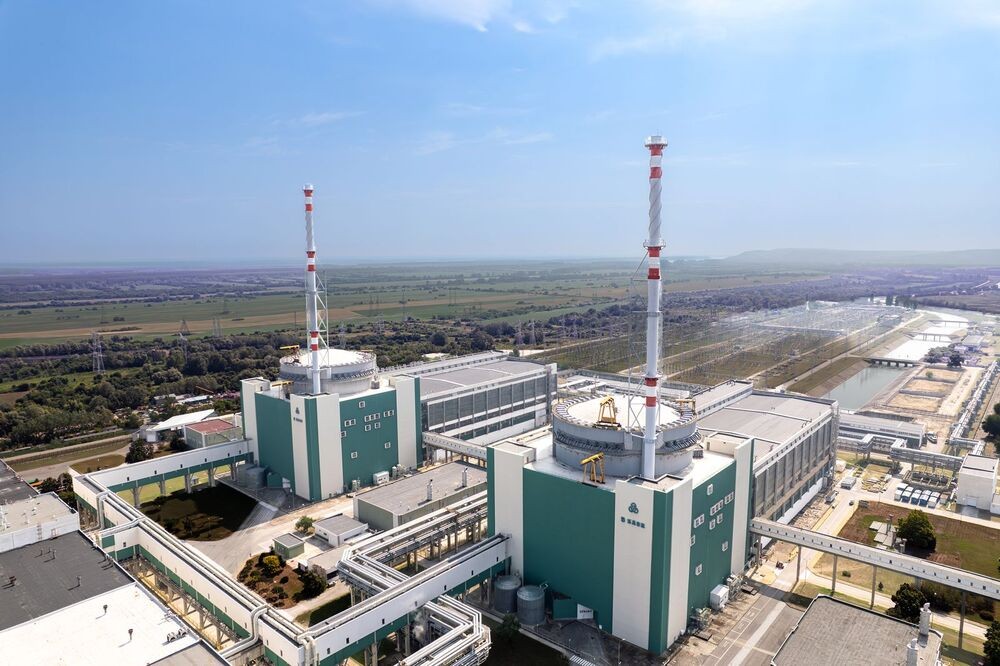
Bulgarian Environmental Groups Demand Public Review of Water Engineering Project Near Kozloduy Nuclear Power Plant
WWF Bulgaria has called for the prompt public disclosure of the technical plans and final design selection for the proposed hydraulic structures near the Kozloduy Nuclear Power Plant, as well as for public discussions to be organized before construction work begins in the Danube riverbed. The organization stated that the purpose of the proposed project is to raise local water levels during prolonged droughts and historically low Danube water levels, ensuring the stable operation of the Kozloduy Nuclear Power Plant's cooling system. The organization has sent an open letter to Bulgaria's Minister of Energy, Minister of Transport and Communications, and Minister of Environment and Water, raising these demands. WWF Bulgaria noted that the Danube is an international waterway, and any engineering intervention involving the riverbed requires careful assessment of environmental, socio-economic, hydro-morphological, and transboundary impacts. Given the complexity of the factors involved in the project, relevant analyses, model results, and design justifications should be made public in a timely manner and subjected to transparent public discussion.
2026-08-27

Hungary Plans to Build Bottom Sills on the Danube to Ensure Cooling Water for Paks Nuclear Power Plant
Hungarian authorities stated that the government has decided to construct bottom sills in the Danube section near the Paks Nuclear Power Plant to raise local water levels and ensure water intake conditions for reactor cooling. In a video address, Péter Magyar said that the relevant works will commence immediately, with bottom sills to be built between the two banks of the Danube. He noted that if the Paks Nuclear Power Plant were to suspend operations, Hungary would incur costs of approximately 137 million euros per month; in contrast, the measures to raise water levels involve a one-time investment, with an estimated cost of 16.5 million euros. The Paks Nuclear Power Plant is a key source of electricity for Hungary. According to currently disclosed information, among the plant's 8 turbines, the second one was started on the evening of August 10, with current power generation at 480 MWh, compared to a planned output of 2000 MWh...
2026-08-13
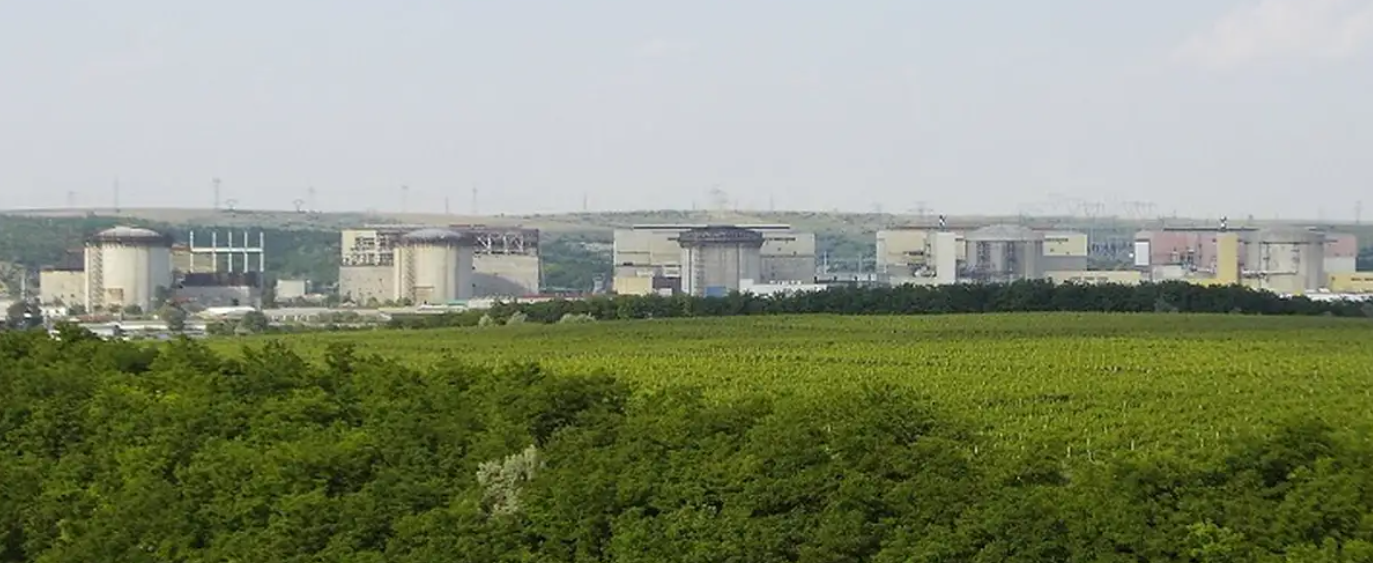
Romania postpones sinking barges to guide water flow, safeguarding cooling water supply for Cernavodă Nuclear Power Plant
Romania has recently taken emergency measures to address the impact of the persistently declining Danube River water level on the water supply to its nuclear power plant. On August 5 local time, Romanian authorities stated that four barges would be sunk in the Danube River to guide water flow into the water intake channel related to the cooling water supply of the Cernavodă Nuclear Power Plant. Cernavodă is Romania's only nuclear power plant. Affected by drought and the low water level of the Danube, the plant's water intake conditions are under pressure. On August 3, the Romanian military used approximately 180 kilograms of explosives to blast and clear a rock formation in the Danube riverbed, aiming to improve the water flow channel, ensure the cooling water source for units in operation, and prevent the nuclear units from being forced to shut down due to insufficient water supply...
2026-08-06
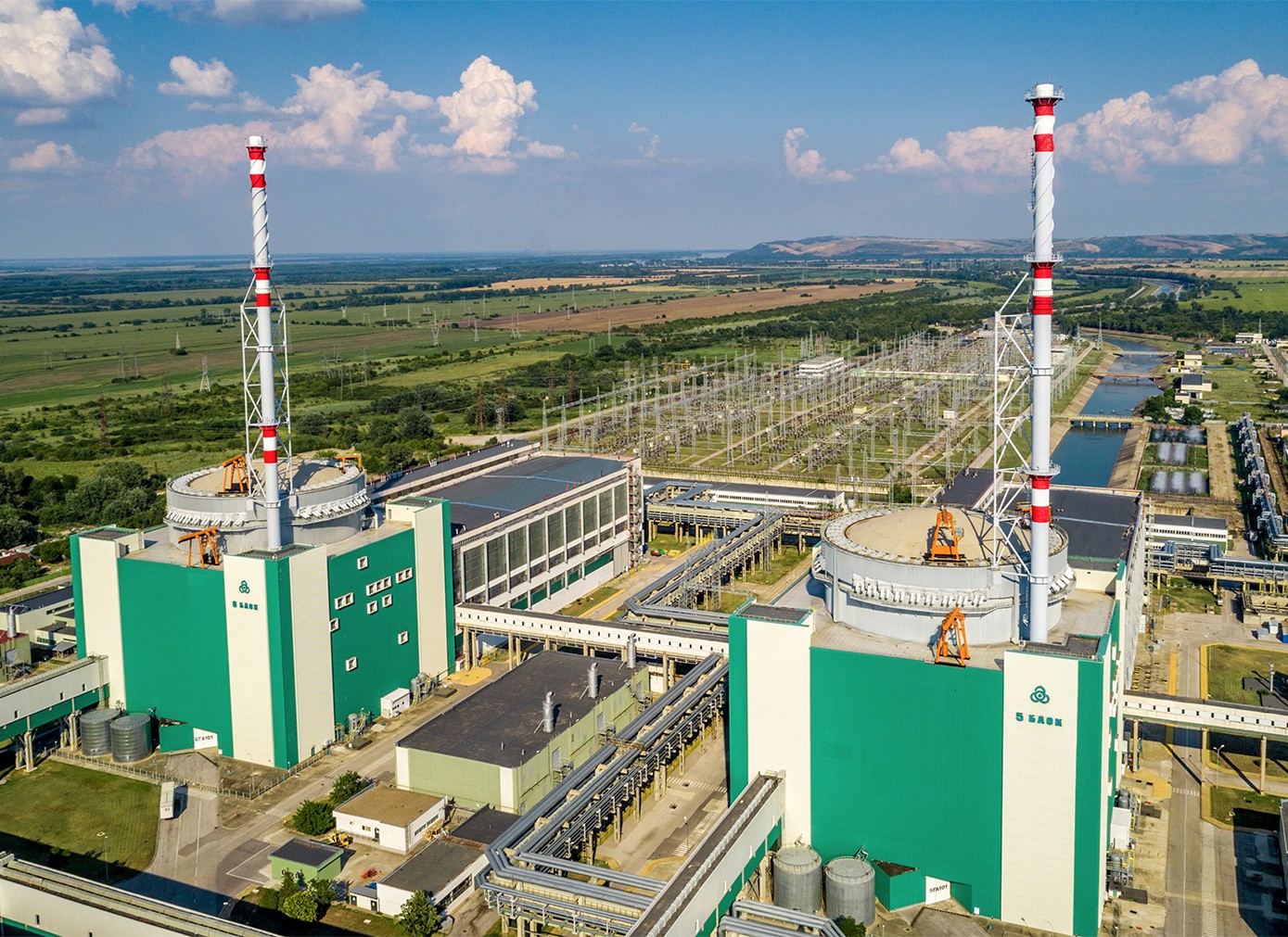
Two Units of Kozloduy NPP Operating at Full Capacity as Scheduled
On July 30, Kozloduy NPP stated that its two units are currently operating at full capacity in accordance with the power generation plan. Affected by the persistently low water level of the Danube River, the plant established a special working group in early July and activated relevant response measures to ensure the safe and reliable operation of the units under conditions of prolonged river water level decline. Kozloduy NPP is maintaining close communication with the Executive Agency for Exploration and Maintenance of the Danube River to continuously track water level trends. Monitoring data from recent days show that the Danube River water level has dropped to its lowest in recent decades...
2026-07-31