
Search Results
Keyword:nuclear safety
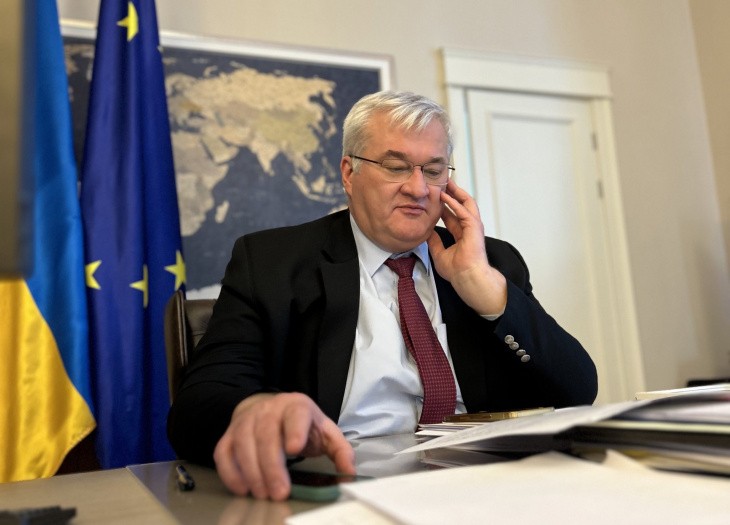
Ukrainian Foreign Minister and IAEA Director General Discuss Zaporizhzhia Nuclear Power Plant Safety in Phone Call
Ukrainian Foreign Minister Andrii Sybiha said on August 22 that he had a phone call with International Atomic Energy Agency (IAEA) Director General Rafael Grossi, during which the two sides focused on the current nuclear safety situation in Ukraine, particularly the safety status of the Zaporizhzhia Nuclear Power Plant. Sybiha stated that the Zaporizhzhia Nuclear Power Plant is currently under Russian control, and the related military presence remains a major source of nuclear safety risk. The two sides exchanged views on issues related to the plant and emphasized the need for close coordination based on respect for Ukraine's sovereignty and international law. Sybiha also noted that he values Grossi's personal engagement in relevant matters, as well as...
2026-08-24
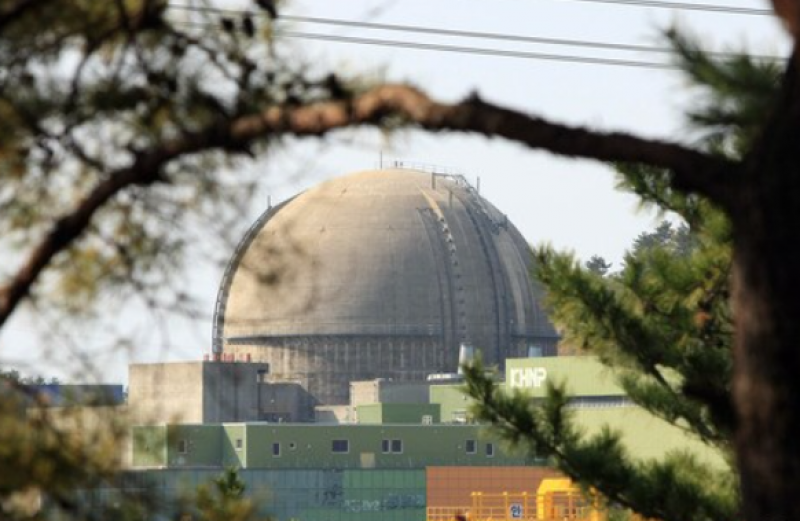
Magnitude 3.1 Earthquake in South Korea Does Not Affect Safety of Nuclear Facilities
On August 23, the Nuclear Safety and Security Commission (NSSC) of South Korea reported that at 6:43 a.m. that day, a magnitude 3.1 earthquake occurred approximately 21 kilometers northwest of Haenam County, South Jeolla Province, South Korea. It was confirmed that all nuclear reactors and related nuclear facilities in South Korea were operating stably, with no abnormalities detected. The nuclear facility closest to the epicenter was the Hanbit Nuclear Power Plant, approximately 83.2 kilometers away. The peak ground acceleration recorded at this plant during the earthquake was 0.0032g, far below its seismic design basis of 0.2g, and it is expected that the safety of the facility will not be affected. The Hanbit Regional Office of the NSSC has conducted emergency safety inspections at the Hanbit Nuclear Power Plant site...
2026-08-24
Calm Prevails Around Iran's Bushehr Nuclear Power Plant
Alexey Likhachev, Director General of Rosatom, stated on August 22 that the situation in the area surrounding Iran's Bushehr Nuclear Power Plant remains calm. Speaking to reporters in Moscow, Likhachev said the Bushehr plant has remained largely quiet. He noted that over the past few months, no concerning incidents have occurred at the plant itself, in its vicinity, or in related towns. Located in southern Iran, the Bushehr Nuclear Power Plant is a key nuclear facility for the country. According to Likhachev, no abnormal signals have been detected in the operation and security situation of the plant and its surrounding areas.
2026-08-24
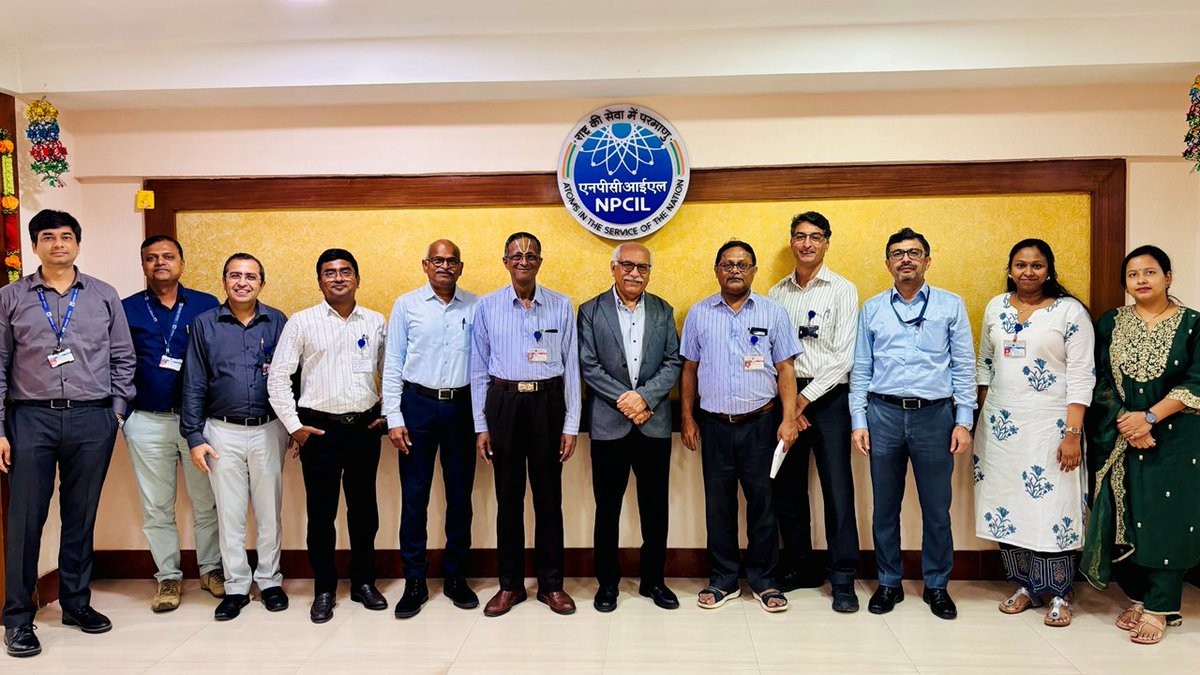
NPCIL Participates in WANO Performance Monitoring Pilot Program
Nuclear Power Corporation of India Limited (NPCIL) recently voluntarily participated in the new Corporate Enhanced Performance Monitoring Program proposed by the World Association of Nuclear Operators (WANO) to further enhance nuclear safety levels and operational performance. According to relevant information, as part of this pilot program, experts from the WANO Tokyo Centre visited NPCIL from August 10 to 14, 2026. The program focuses on nuclear safety and performance at the overall organizational level of nuclear power operators, aiming to promote the establishment of a more systematic performance management mechanism through continuous monitoring and improvement. During this visit, the expert team expressed recognition of NPCIL's planning and practices in promoting a culture of continuous improvement in nuclear safety and nuclear power plant operational performance...
2026-08-22
Uzbekistan Approves Radiation Accident Emergency Procedures for Nuclear Power Plants
Uzbekistan has approved radiation accident emergency procedures for nuclear power plants, specifying the handling procedures when nuclear power plants face the threat of or actually experience radiation accidents. The document was approved by the Industrial, Radiation and Nuclear Safety Committee under the Cabinet of Ministers, registered with the Ministry of Justice, and entered into force on August 20. The procedures apply to the siting, design, construction and operation stages of nuclear power plants, covering the conditions for activating emergency states, radiation dose rate criteria, operational information reporting processes, and requirements for emergency rescue organizations. According to the procedures, the emergency states of nuclear power plants are divided into two levels: emergency preparedness and emergency condition. When the former is activated, it generally means that the safe operation limits or conditions of the nuclear power plant have been exceeded, while the ionizing radiation dose rate has reached the corresponding threshold. If external natural or man-made events such as earthquakes, explosions, fires, or floods occur at the site and affect safety-related systems or safe operating conditions, an "emergency preparedness" state may also be declared.
2026-08-22
Uzbekistan and Kazakhstan Strengthen Nuclear Safety Cooperation Dialogue
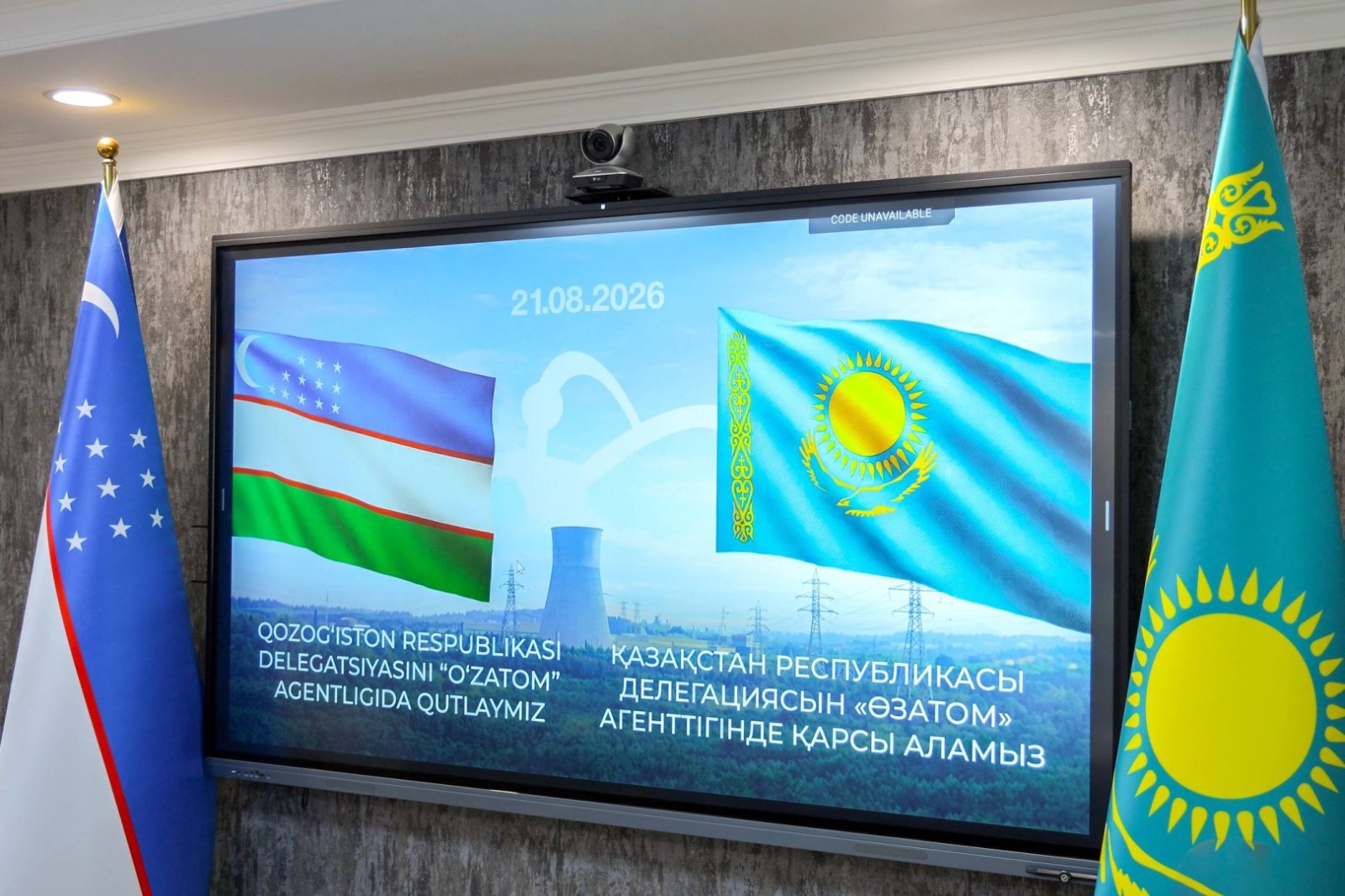
Uzbekistan and Kazakhstan recently held working talks on nuclear safety, radiation safety, and environmental safety, during which the two sides exchanged views on technical and environmental issues related to the construction and future operation of Uzbekistan's nuclear power plant, and discussed strengthening cooperation on the peaceful use of nuclear energy in Central Asia. The talks were attended jointly by representatives of relevant Uzbek ministries and agencies and a Kazakh delegation. The Kazakh delegation was led by Mansur Oshurbayev, Deputy Minister of the Ministry of Ecology and Natural Resources of Kazakhstan. Uzbekistan's atomic energy agency...
2026-08-22
Slovakia to Seek Seat on IAEA Board of Governors
Slovakia will seek a seat on the Board of Governors of the International Atomic Energy Agency (IAEA) during the Agency's General Conference in Vienna in September. The Slovak delegation will be led by Foreign Minister Juraj Blanár. Blanár stated that Slovakia is highly dependent on nuclear energy, and securing a seat on the Board would help the country play a greater role in decision-making related to nuclear safety and energy security. Slovakia also plans to use this opportunity to promote innovative nuclear technology applications, including small modular reactors, and to continue strengthening international cooperation in the peaceful uses of nuclear energy. If elected, the Chair of the Slovak Nuclear Regulatory Authority, Marta Žiaková, is expected to represent Slovakia at relevant IAEA Board of Governors meetings.
2026-08-23

Ghana Acquires Nuclear Power Plant Simulator to Advance Nuclear Talent Training
The Ghana Atomic Energy Commission (GAEC) has installed a nuclear power plant simulator at its simulation center for personnel training, operational procedure drills, and safety capacity building, in preparation for Ghana's future nuclear power program. The facility allows trainees to familiarize themselves with plant control, operations, and emergency response procedures in a controlled environment before the actual construction of a nuclear power plant. George Kofi Appiah, Manager of the Localization and Stakeholder Support Center at the GAEC Nuclear Power Institute, stated that the simulator will help Ghana develop the professional capabilities needed to safely operate nuclear facilities. The remarks were made during a media professionals' tour organized by the Nuclear Power Ghana (NPG)...
2026-08-23
South Korea Approves Restart of Shin-Kori Unit 1
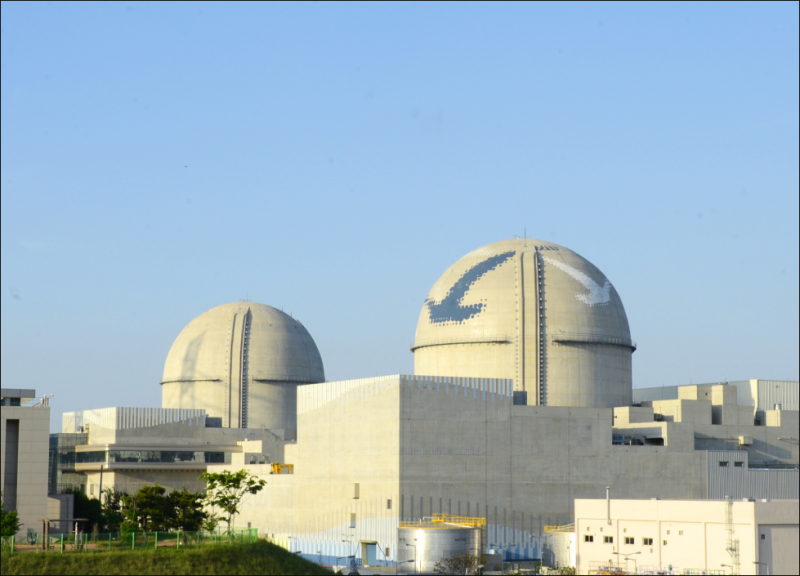
The Nuclear Safety and Security Commission (NSSC) of South Korea announced on August 21 that it has approved the restart of Shin-Kori Unit 1, located in Ulju County, Ulsan. The unit has been under routine inspection since July 2. On the same day, the commission approved the unit to reach criticality. Criticality refers to the state in which a sustained nuclear fission chain reaction can be maintained within the reactor core, with a balanced neutron population. Once criticality is achieved, the reactor can gradually resume operation under safely controlled conditions. The NSSC stated that this routine inspection involved 98 inspection items required before the reactor could reach criticality, of which 86 have been completed, confirming that the unit meets the conditions for safely achieving criticality.
2026-08-22
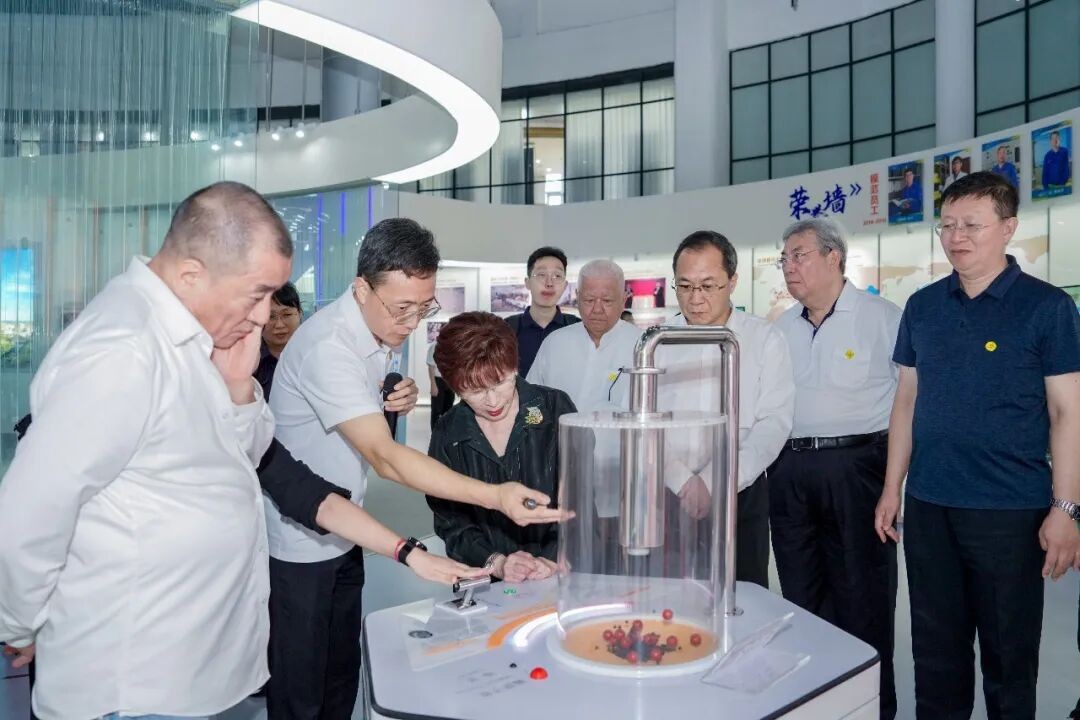
Hung Hsiu-chu, Former Chairman of the Chinese Kuomintang, Visits CGN Yangjiang Nuclear Power Base
From August 15 to 19, the Second Cross-Strait Folk Customs and Sports Festival - Nanhai (Yangjiang) Fishing Season Opening Folk Culture Exchange Activity was held in Yangjiang. Prior to the event, Hung Hsiu-chu, former Chairman of the Chinese Kuomintang and Chairwoman of the China Youth Eagle Peace Education Foundation, led a delegation to visit the CGN Yangjiang Nuclear Power Base on August 15 for an on-site inspection of the nuclear power industry's development achievements. Yang Jianbing, Secretary of the Party Committee and Chairman of Yangjiang Nuclear Power, accompanied the delegation throughout the visit and provided explanations. Zhao Yu, Second-Level Inspector of the Liaison Bureau of the Taiwan Work Office of the CPC Central Committee and the Taiwan Affairs Office of the State Council, Pan Jianyong, Deputy Director of the Taiwan Affairs Office of the Guangdong Provincial Party Committee, Lu Yixian, Secretary of the Yangjiang Municipal Party Committee and Director of the Standing Committee of the Municipal People's Congress, and Li Kun, Secretary of the Yangdong District Party Committee, accompanied the visit. During the visit, Hung Hsiu-chu and her delegation...
2026-08-21
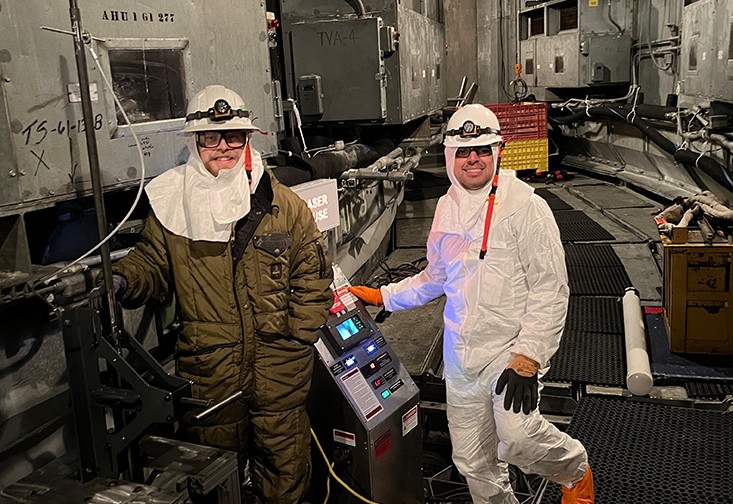
U.S. University Develops Laser De-icing Technology for Nuclear Power Plant Safety System Maintenance
An engineering team at the University of South Florida has developed a customized laser de-icing technology to address the issue of ice basket adhesion in the maintenance of critical safety systems at nuclear power plants. After four years of research, design, and testing, the technology has completed field testing at two nuclear power plants operated by the Tennessee Valley Authority (TVA). Developed jointly by Ahmed Vaselbehagh, Professor of Mechanical and Aerospace Engineering at the University of South Florida, and postdoctoral researcher Ty Hagan, the technology is primarily aimed at ice condenser systems used in certain nuclear power plants in the United States, Japan, and Finland...
2026-08-21

South Korea Amends Nuclear Safety Act to Clarify Safety Responsibilities of Nuclear Facility Operators
The National Assembly of South Korea passed a partial amendment to the Nuclear Safety Act at its 438th special session on August 20, marking the first time that nuclear-related business operators' primary responsibility for nuclear facility safety has been explicitly established at the legal level. This move signifies that South Korea's nuclear safety management system will further transition from a licensing and regulation-centered approach to a responsibility system aligned with the safety principles of the International Atomic Energy Agency (IAEA). The amendment was proposed by South Korean lawmaker Oh Se-hee. Prior to the revision, South Korea's Nuclear Safety Act primarily established safety standards and regulatory procedures around reactor construction and operating licenses, nuclear material use, and radioactive waste management facility operations, but lacked...
2026-08-21
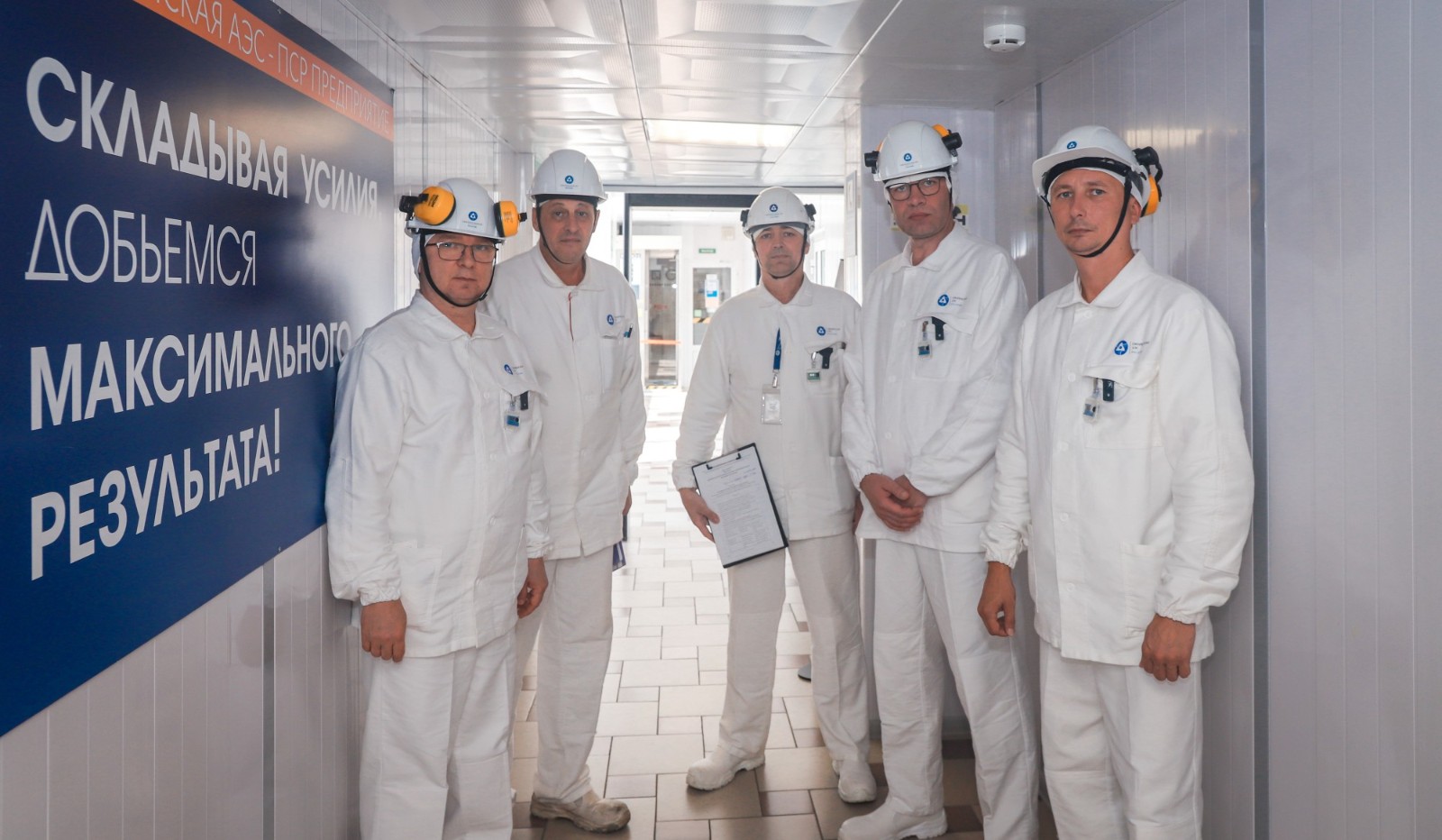
Organizational Diagnostic Assessment Completed at Russia's Smolensk Nuclear Power Plant
Russia's Smolensk Nuclear Power Plant has recently completed an organizational diagnostic assessment under a support mission of the WANO Moscow Centre. The assessment was carried out by a team of eight experts from the WANO Moscow Centre, Rosenergoatom, Beloyarsk Nuclear Power Plant, and Atomflot, among other organizations. Organizational diagnostics is a type of assessment that WANO has been conducting in recent years, focusing not on a single topic but on a comprehensive review of the plant from the organizational and operational perspective. The assessment covered areas including employee...
2026-08-21
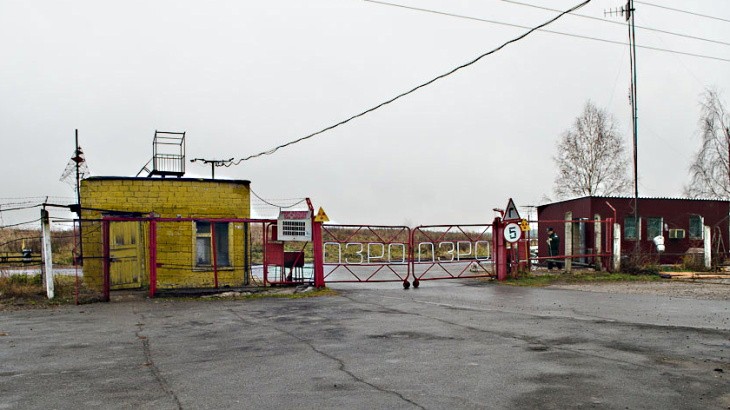
Ukraine Approves Expansion of Buryakivka Radioactive Waste Disposal Facility
The State Nuclear Regulatory Inspectorate of Ukraine (SNRIU) has approved the construction of a new disposal facility at the Buryakivka radioactive waste disposal site for the disposal of low- and intermediate-level radioactive waste generated during the cleanup of the Chernobyl nuclear accident. The Buryakivka radioactive waste disposal facility is located within the Chernobyl Exclusion Zone and is one of Ukraine's key facilities for managing radioactive waste associated with the Chernobyl accident. Built as part of priority emergency measures following the accident, the facility was commissioned in 1987 and primarily receives low- and intermediate-level radioactive waste from the Chernobyl region. Currently, the facility is operated by the Central...
2026-08-20
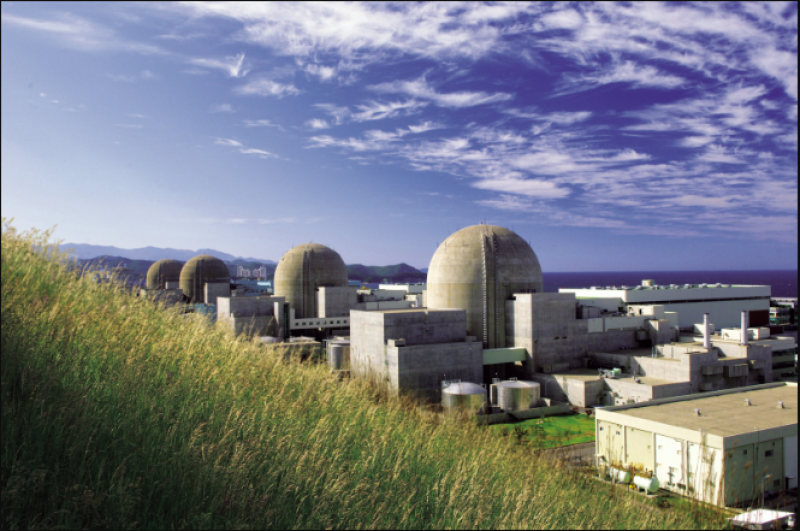
Automatic Shutdown of Unit 4 at South Korea's Hanul Nuclear Power Plant, Regulator Launches Investigation
The Nuclear Safety and Security Commission (NSSC) of South Korea reported on August 19 that Korea Hydro & Nuclear Power Co., Ltd. (KHNP) had reported the same day that Unit 4 of the Hanul Nuclear Power Plant, located in Uljin County, North Gyeongsang Province, automatically shut down at approximately 8:50 a.m. The NSSC stated that Unit 4 of the Hanul Nuclear Power Plant is currently in a stable condition. No abnormal alarms were triggered by on-site radiation monitors, and no leakage of radioactive materials to the outside environment has been detected. According to the notification, the NSSC's regional office for the Hanul Nuclear Power Plant is conducting inspections of on-site safety conditions. The regulatory body also plans to dispatch an investigation team comprising experts from the Korea Institute of Nuclear Safety (KINS) to the site to further confirm the cause of the automatic shutdown and related safety conditions.
2026-08-19