
Search Results
Keyword:nuclear safety
Europe and Central Asia Strengthen Regional Cooperation on Radioactive Waste Management
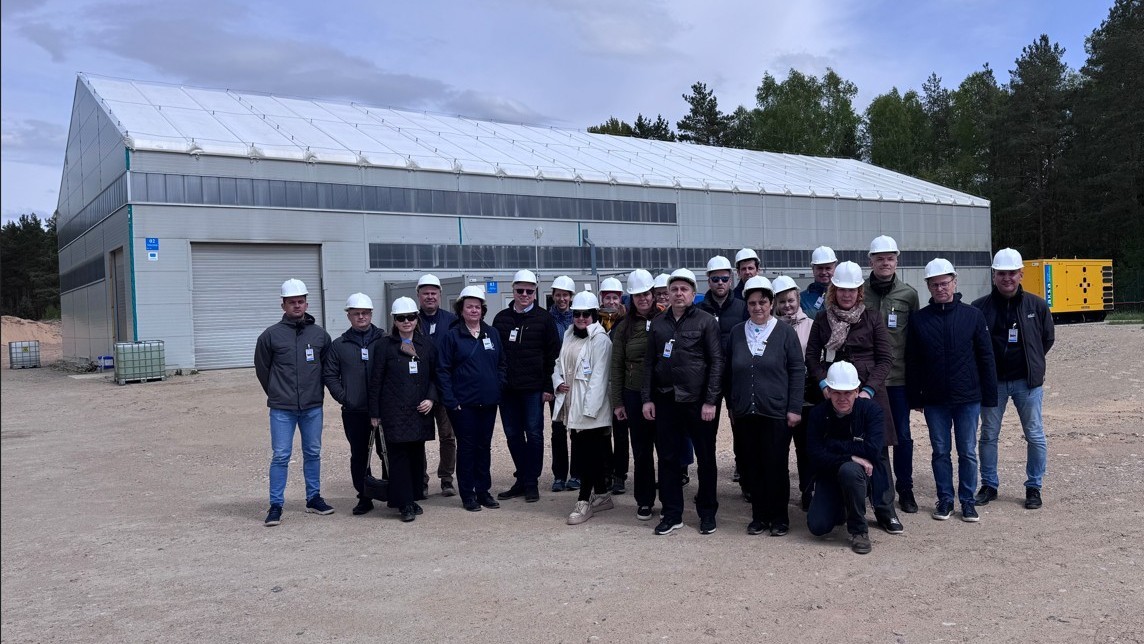
The International Atomic Energy Agency (IAEA) recently stated that over the past two years it has trained more than 200 experts in Europe and Central Asia, supporting relevant countries in enhancing their safe radioactive waste management capabilities and developing long-term management strategies tailored to their national circumstances. IAEA representatives visited storage and disposal facilities in Lithuania to observe successful radioactive waste management practices firsthand. (F. Dragolici/IAEA) Radioactive waste originates from the application of nuclear technology in energy, medicine, industry, research, and other fields. Under safety management requirements, countries are responsible for the full lifecycle of radioactive waste, covering generation, characterization, treatment, conditioning, storage, and final disposal in licensed disposal facilities.
2026-09-09
Ukraine's Zaporizhzhia Nuclear Power Plant says restoring second external power line is critical to nuclear safety
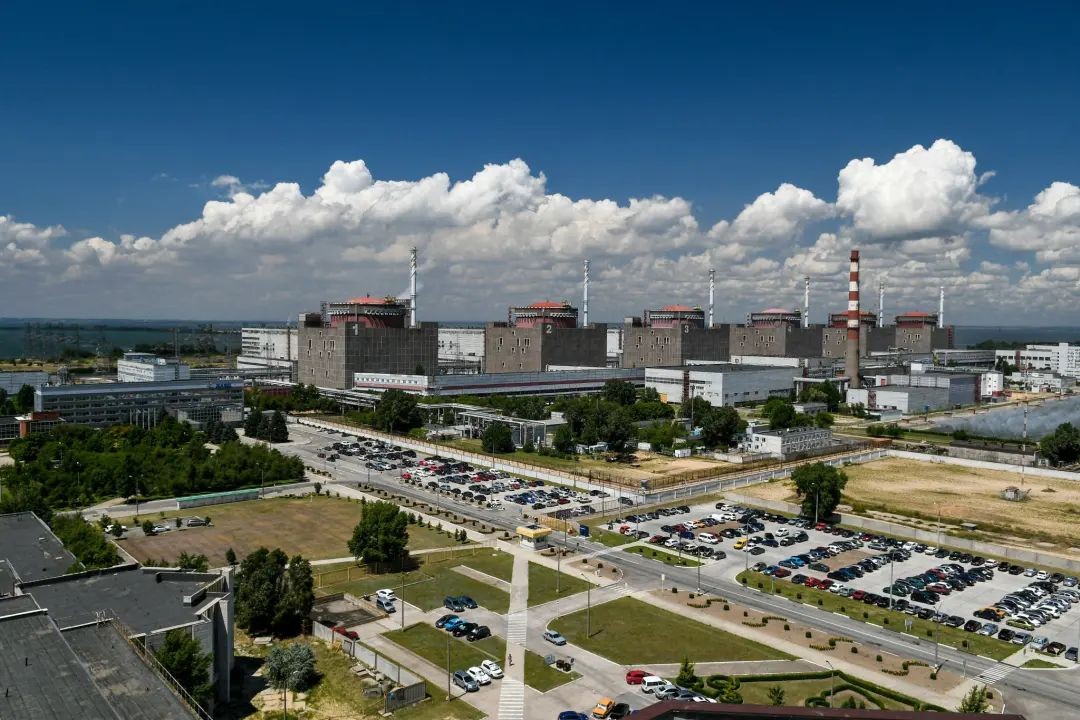
On September 7, the Zaporizhzhia Nuclear Power Plant stated that restoring and commissioning the second external power transmission line—the 750 kV Dniprovska line—is critical to improving the reliability of the plant's power supply and enhancing nuclear and radiation safety levels. The plant also proposed that a systematic supply of fuel for backup diesel generators needs to be ensured. The Zaporizhzhia Nuclear Power Plant stated that after the 330 kV Ferrospravnaya-1 transmission line restored external power supply, the radiation conditions at the plant and surrounding areas remained stable, within the range of natural background levels. The plant also stated that following the restoration of external power supply, the backup diesel generators have been switched to standby mode. In its statement, the plant said that the Ferrospravnaya-1...
2026-09-09
Romania's Cernavoda Nuclear Power Plant to Remain Offline Until at Least September 18 Due to Low Danube River Levels
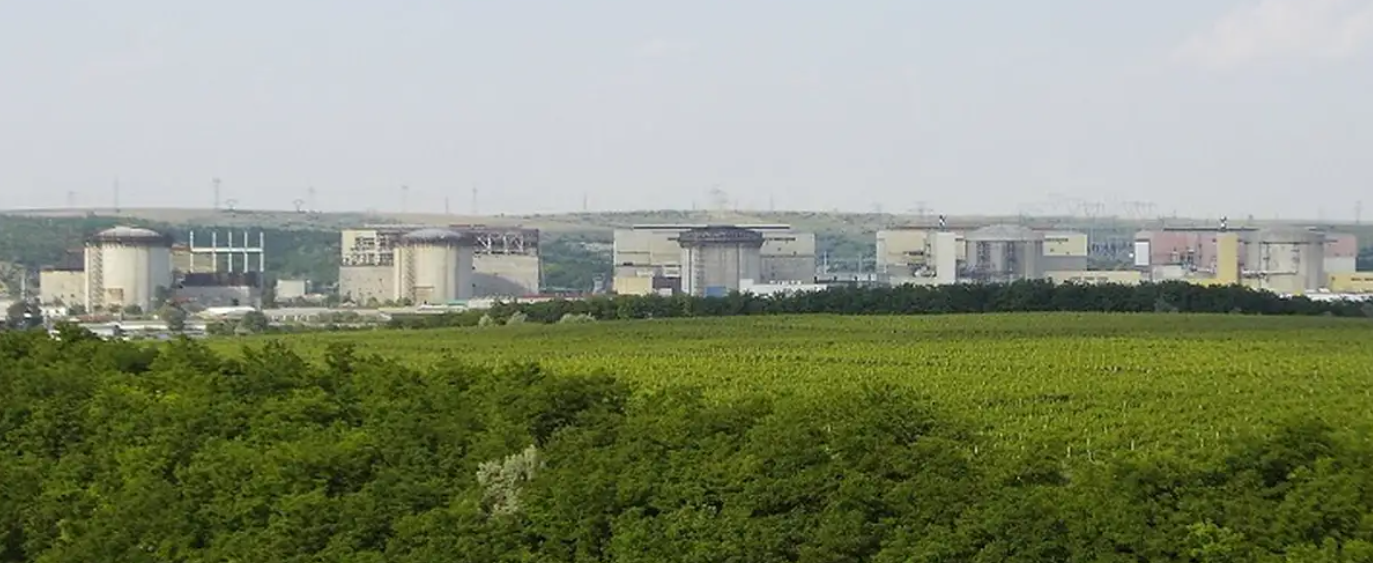
On September 8, Romania's Cernavoda Nuclear Power Plant was expected to remain offline until at least September 18 due to low water levels in the Danube River. Emil Macovei, Technical Director of Nuclearelectrica, the operator of the Cernavoda plant, stated that over the next 10 days, the Danube's water volume would still be insufficient to support the restart of either of the plant's two units. Romania's Antena 3 television channel quoted him as saying that current hydrological conditions do not yet meet the requirements for unit operation. Cristian Busoi, Secretary of State at Romania's Ministry of Energy, said that predictions regarding the plant's restart timeline were "rather optimistic," and the ministry is currently unable to provide a definitive date for resuming operations. He confirmed that...
2026-09-09
Zaporizhzhia Nuclear Power Plant Restores External Power Supply
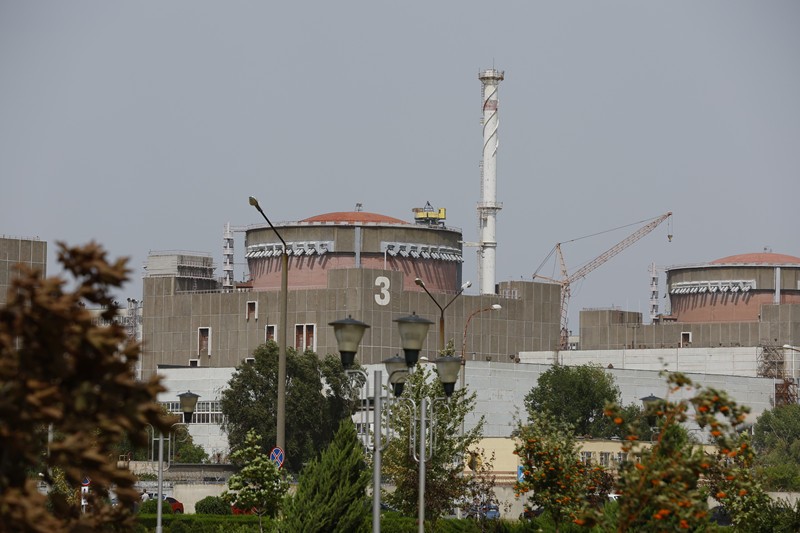
The Zaporizhzhia Nuclear Power Plant (ZNPP) has resumed receiving external electricity via the 330 kV Ferrospravnaya-1 transmission line. Previously, since August 20, the plant had relied on backup diesel generators to maintain essential on-site power for a duration of 19 days. Alexey Likhachev, Director General of Rosatom, stated that the plant has switched from diesel generator power to external power supply and is currently operating normally. The Zaporizhzhia NPP reported that following the restoration of the Ferrospravnaya-1 line, the backup diesel generators have been placed on standby. Rafael...
2026-09-08
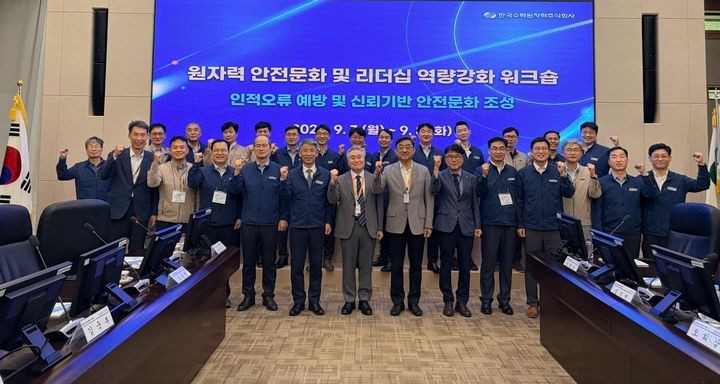
KHNP Hosts Nuclear Safety Culture and Leadership Workshop
Korea Hydro & Nuclear Power (KHNP) announced on September 8 that it held the "2026 Nuclear Safety Culture and Leadership Enhancement Workshop" at its headquarters from September 7 to 8, with discussions focused on building a safety culture oriented toward nuclear power plant sites and strengthening management-level safety leadership. Approximately 40 people attended the workshop, including Cho Seok-jin, Vice President of Safety Technology at KHNP, as well as relevant officials from the headquarters and each nuclear power plant. Participants shared best practices and improvement items in safety culture development at each plant and discussed how to more effectively implement safety requirements in frontline operations and management processes. The workshop also covered major accident prevention...
2026-09-08
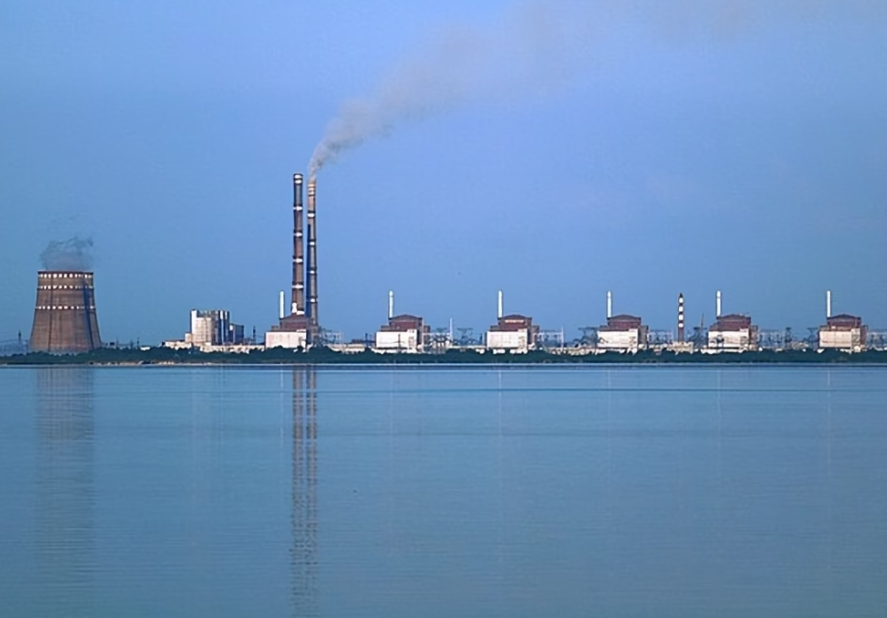
Ukraine's Zaporizhzhia Nuclear Power Plant Initiates Repair of External Power Transmission Lines
The Zaporizhzhia Nuclear Power Plant announced on September 5 that it has initiated repair and restoration work on its external power supply lines to ensure their normal operation. The plant stated that the repair and restoration efforts have commenced and are expected to be completed smoothly, with the Ferrosplavnaya-1 transmission line anticipated to resume operation as soon as possible. Currently, plant staff are monitoring all safety parameters around the clock. The plant stated that the situation on site is under control. ...
2026-09-07
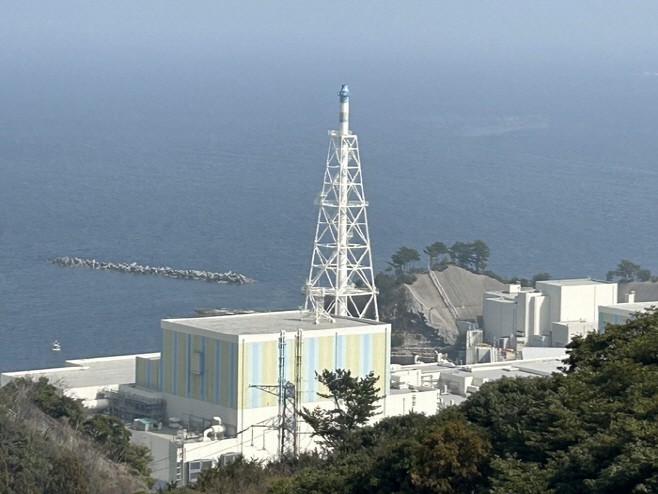
Tottori Prefecture nuclear safety advisory council approves safety of MOX fuel plan for Shimane Unit 2
The Tottori Prefecture Nuclear Safety Advisory Council held a meeting in Yonago City on September 6 and submitted an opinion on the MOX fuel power generation project planned by Chugoku Electric Power Co. for Unit 2 of the Shimane Nuclear Power Station. The opinion stated that, based on explanations provided by Chugoku Electric Power Co. and the Japanese government, the safety of the project can be ensured. The Shimane Nuclear Power Station is located in Matsue City, Shimane Prefecture. Chugoku Electric Power Co. plans to use mixed oxide fuel, or MOX fuel, consisting of uranium and plutonium, in Unit 2. This type of power generation is also referred to as plutonium thermal power generation in Japan. The opinion also...
2026-09-07
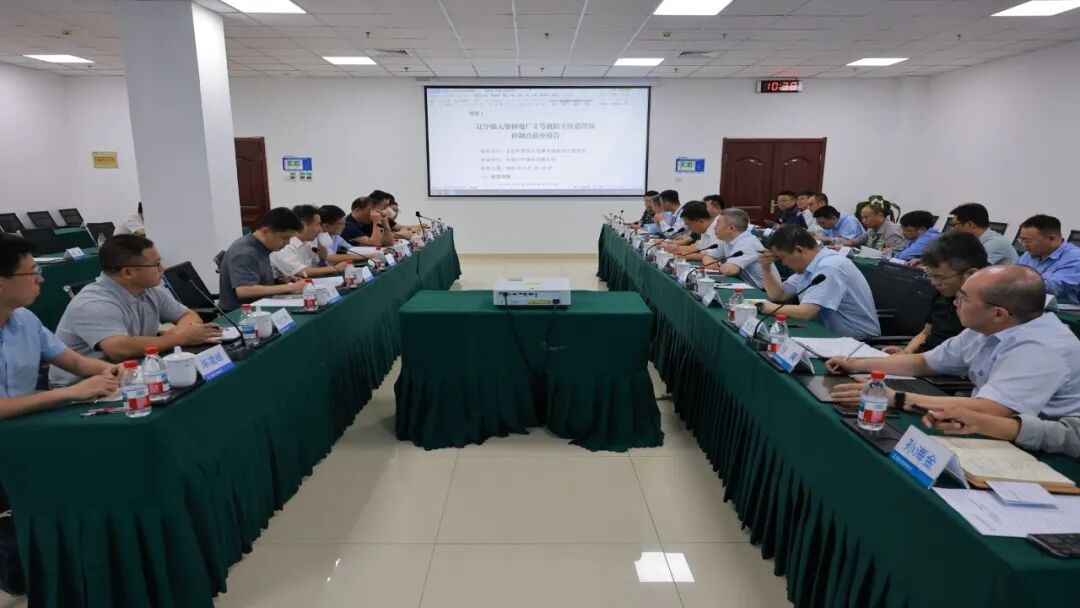
Release of the Main Piping Welding Control Point for Unit 2 of Xudabao Nuclear Power Plant
Recently, the Northeast Regional Office of Nuclear and Radiation Safety Supervision under the Ministry of Ecology and Environment (hereinafter referred to as the Northeast Office) organized an inspection team to conduct an inspection at the main piping welding control point for Unit 2 of Xudabao Nuclear Power Plant. Experts from the East China Regional Office of Nuclear and Radiation Safety Supervision, the South China Regional Office of Nuclear and Radiation Safety Supervision, the Nuclear and Radiation Safety Center, the China Machinery Productivity Promotion Center, the Shanghai Nuclear Safety Review Center, the Suzhou Nuclear Safety Center, and other organizations participated in the inspection. As a critical component of the reactor coolant pressure boundary, the welding quality of the main piping is directly related to the construction quality and operational safety of the nuclear power unit. In strict accordance with relevant procedural requirements, the inspection team conducted a comprehensive inspection covering the implementation of the operating organization's quality assurance program, quality control of important items and activities, and preparation for main piping welding through on-site inspections, document reviews, and personnel interviews...
2026-09-05
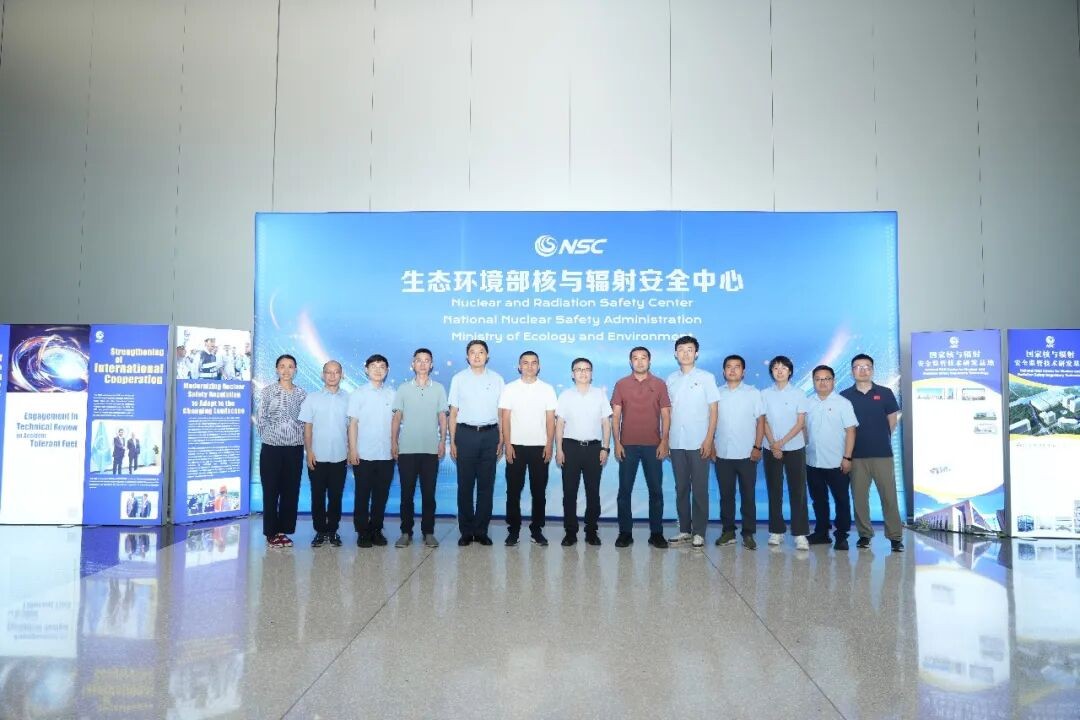
China and Uzbekistan Deepen Cooperation in Nuclear Safety Regulatory Training
Since the National Nuclear Safety Administration and the Industrial, Radiation and Nuclear Safety Committee of Uzbekistan signed a Memorandum of Understanding (MoU) on nuclear safety cooperation at the beginning of the year, the two sides have continued to deepen their cooperation in the field of nuclear and radiation safety regulation. As an important measure to implement the MoU, the Nuclear and Radiation Safety Center of the Ministry of Ecology and Environment has successively organized two special training sessions for Uzbek nuclear safety regulators and convened China-Uzbekistan technical exchange activities on nuclear safety regulation. In June, the first training session focused on China's regulatory oversight of civil nuclear safety equipment. Experts from the Nuclear and Radiation Safety Center and the Northeast Regional Office of Nuclear and Radiation Safety Supervision delivered a four-week special training program for Uzbek trainees based on regulatory practices, covering China's...
2026-09-05
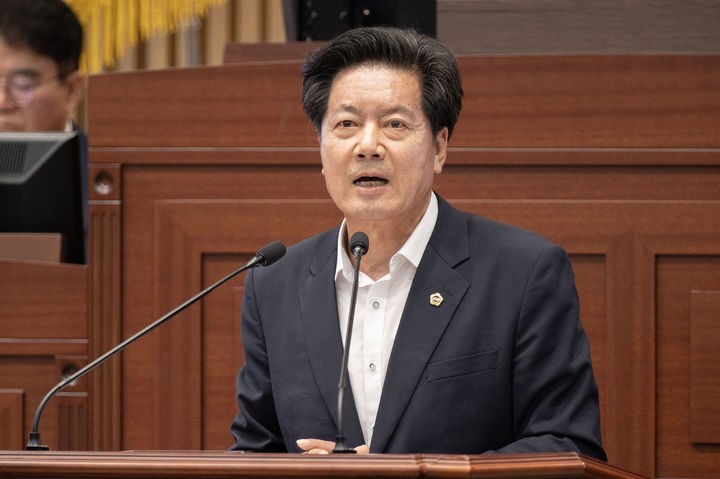
Gyeongsangbuk-do lawmakers demand stronger nuclear power plant accident notification and oversight
On September 3, Gyeongsangbuk-do lawmaker Kim Jae-jun spoke at the 365th provisional session of the Gyeongsangbuk-do Council, criticizing the delayed notification and inadequate response to the recent boric acid solution leak at Unit 6 of the Hanul Nuclear Power Plant, and calling for stronger resident safety protection mechanisms in areas with concentrated nuclear power plants. Kim stated that on August 3, a boric acid solution containing radioactive materials leaked from Unit 6 of the Hanul Nuclear Power Plant during spent fuel transfer, but local residents were not informed of the incident until approximately three weeks after it occurred. He argued that Korea Hydro & Nuclear Power (KHNP) failed to disclose information about the incident promptly and transparently, undermining residents' trust in nuclear safety management...
2026-09-04
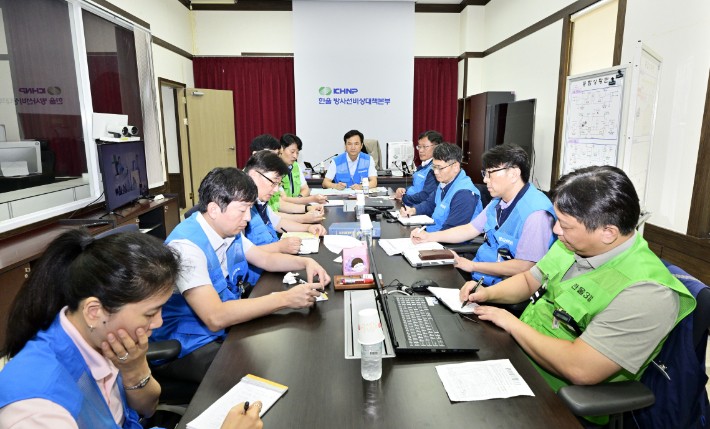
Radiation Emergency Drill Conducted at Unit 6 of South Korea's Hanul Nuclear Power Plant
Korea Hydro & Nuclear Power (KHNP) recently conducted a comprehensive radiation disaster prevention drill at Unit 6 of its Hanul Nuclear Power Plant to test the emergency response system and on-site handling capabilities under radiation emergency conditions. According to the Hanul Nuclear Power Plant, the drill was held on September 3, organized in accordance with the evaluation guidelines established by the Korea Institute of Nuclear Safety (KINS) and based on the National Radiation Emergency Plan. The drill scenario was not disclosed in advance, and the evaluation methods were also adjusted, with a focus on verifying the unit's response capabilities under actual emergency scenarios. During the drill, all emergency personnel of Unit 6 at Hanul Nuclear Power Plant participated in the response. The scenario simulated a casualty incident occurring within the controlled area, with medical rescue operations organized, and a 3.2 MW mobile generator was used to inspect the operational capability of emergency facilities.
2026-09-04
The Fifth Meeting of 2026 on the Construction of the Nuclear Power Safety and Health Archive System Convened
Recently, the Working Group on the Construction of the Nuclear Power Safety and Health Archive System held its fifth promotion meeting of 2026 and thematic subgroup meetings. Representatives from all member units of the working group and relevant organizations attended the meetings. The meetings discussed the progress of informatization construction, computing resource allocation, data governance and sharing, and R&D of digital and intelligent applications for the nuclear power safety and health archive system. Live demonstrations were conducted on the functional implementation of the health archive information systems on both the regulatory side and across various corporate groups. The achievements in system construction were summarized on a phased basis, existing issues were reviewed, and near-term work tasks were deployed. The meetings noted that the construction of the nuclear power safety and health archive system is an important endeavor in promoting the transformation of nuclear safety management and regulatory mechanisms. At present, data governance has achieved initial results, the data verification mechanism has been effectively implemented, and the development of application scenarios is being steadily advanced, creating conditions for the continued improvement of the system. The meetings required that: first, continue to adhere to a goal-oriented and problem-oriented approach, focus on the fundamental functions of the system, concentrate efforts on further addressing shortcomings in a targeted manner, and steadily advance system construction; second, in light of pilot application results, promptly conduct reviews and summaries, comprehensively identify difficulties, bottlenecks, and weak links, and improve the system's operational effectiveness across the entire process; third, continue to coordinate and advance various tasks including data benchmarking and warehousing, frontline demand research, and scenario development and implementation, making every effort to ensure the high-quality completion of the nuclear power safety and health archive system, thereby contributing to the continuous improvement of the operational safety and construction quality of nuclear power plants in China.
2026-09-04
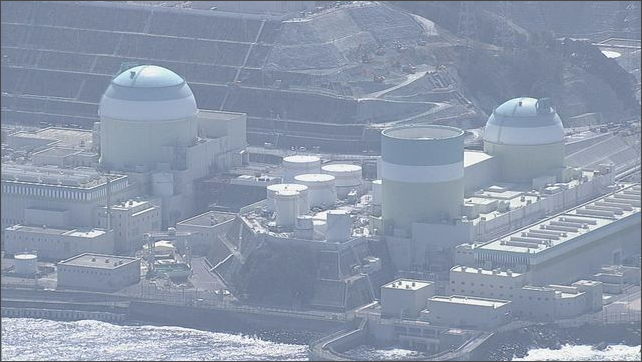
Second Phase of Decommissioning for Unit 1 of Japan's Ikata Nuclear Power Plant Approved by Prefectural Committee
The Environmental Safety Management Committee for the Ikata Nuclear Power Plant in Ehime Prefecture, Japan, held a meeting in Matsuyama City on September 2 to discuss plans by Shikoku Electric Power to proceed with the second phase of decommissioning for Unit 1 of the Ikata Nuclear Power Plant. The unit, located in Ikata-cho, Ehime Prefecture, is currently in the process of being decommissioned. The decommissioning of Unit 1 at the Ikata Nuclear Power Plant has been divided into four main phases. Shikoku Electric Power had previously conducted prior consultations with Ehime Prefecture and Ikata-cho regarding the transition to the next phase, obtained local consent, and submitted relevant applications to Japan's Nuclear Regulation Authority (NRA). In July of this year, the NRA approved the application...
2026-09-03
External power supply interruption at Zaporizhzhia Nuclear Power Plant has lasted for 14 days
Yashina, head of communications at the Zaporizhzhia Nuclear Power Plant, stated that the external power supply interruption at the plant has lasted for 14 days, with power currently provided by diesel generators, and that on-site personnel are still able to ensure the safe condition of the plant. According to an earlier statement from the plant, on August 20, the "Ferroalloy-1" power line was damaged, causing the external power supply interruption at the Zaporizhzhia Nuclear Power Plant. The damage site is located in an area where repair work cannot currently be carried out. After the loss of external power, the plant activated its backup power system. Fuel reserves remain available on site, but to conserve these reserves and maintain stable equipment operation, the operating mode of the diesel generators needs to be optimized. Yashina stated that the plant has been powered by diesel generators for 14 consecutive days...
2026-09-03

Declaration of the Council of Heads of State of the Shanghai Cooperation Organization on Strengthening Multilateral Partnership in Nuclear Safety and Nuclear Security
The member states of the Shanghai Cooperation Organization (hereinafter referred to as the SCO), based on historical ties, a century-old tradition of good neighborliness, and mutual respect, declare their commitment to the SCO Charter, the Charter of the United Nations, and the universally recognized principles and norms of international law, including respect for sovereignty, territorial integrity, and non-interference in internal affairs. Upholding the Shanghai Spirit of mutual trust, mutual benefit, equality, consultation, respect for diversity of civilizations, and pursuit of common development, they confirm that the responsibility for nuclear security rests entirely with each state, and note that the responsibility for nuclear safety rests with the operators of nuclear facilities and the states in which such facilities are located. They attach great importance to nuclear safety and nuclear security issues, which are important elements of international security directly affecting the lives of the peoples of SCO member states, and express deep concern over the illicit trafficking of nuclear materials and other radioactive substances, threats to nuclear facilities and infrastructure (including computer security), and the risk of nuclear terrorism...
2026-09-02