
Search Results
Keyword:passive safety
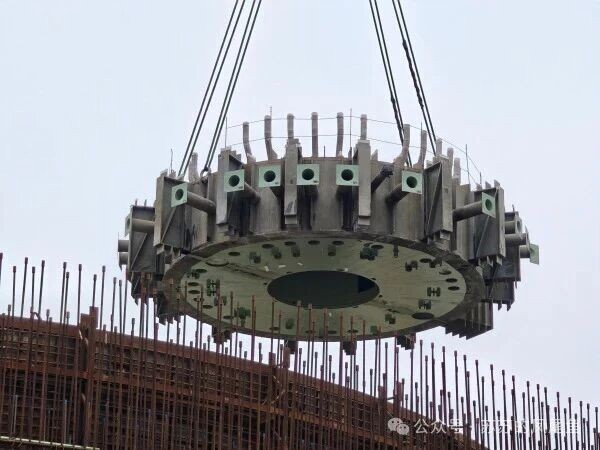
Installation of key components of the core catcher for Unit 4 of Leningrad NPP Phase II completed
The under-construction Unit 4 of Leningrad NPP Phase II has recently reached a key engineering milestone: the engineering team of the general contractor TITAN-2 successfully positioned and secured the maintenance platform and cantilever truss of the core catcher (the core passive safety system molten core retention device) precisely in the reactor shaft. The two large components weigh 78 tonnes and 148 tonnes respectively. Following the installation of the first batch of components (the catcher vessel and internal filler materials) in the summer of this year, another breakthrough has been achieved in the assembly of large structures for this core safety facility. As the core barrier of the defense-in-depth system of the Generation III+ pressurized water reactor (VVER-1200), the core catcher is mainly used under severe accident conditions...
2026-10-25
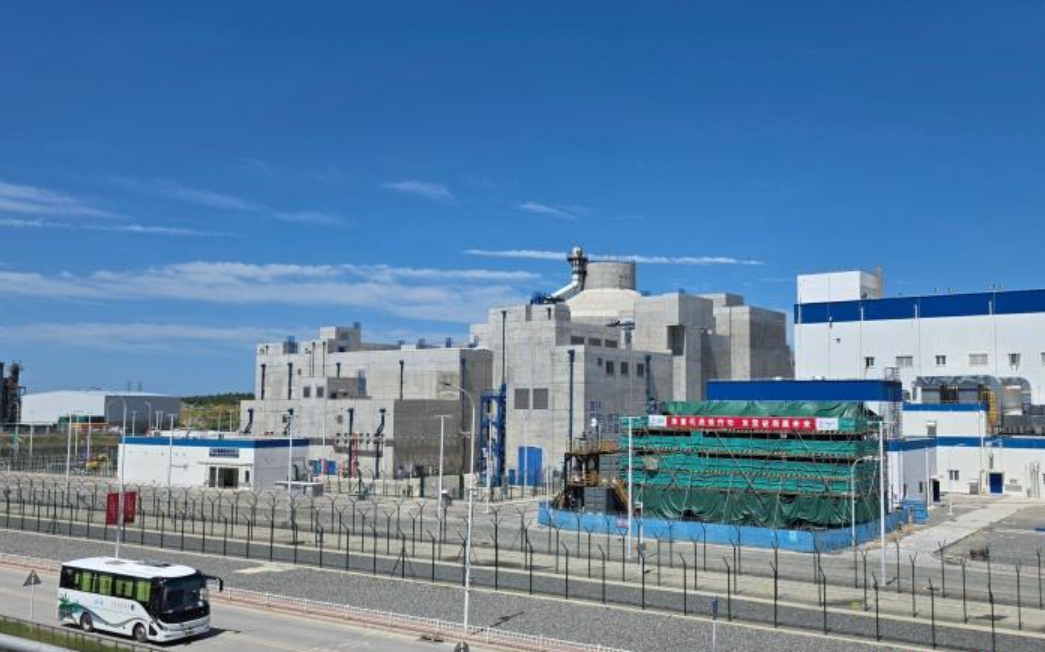
"Linglong One" Global First-of-a-Kind Unit Enters Hot Functional Testing Sprint Toward Fuel Loading: Hainan Nuclear Power Details Fully Passive Safety and Multi-Layer Defense Logic
At the Hainan Changjiang Nuclear Power Base, the highly anticipated Linglong One multi-purpose modular small pressurized water reactor global first-of-a-kind demonstration project is in the hot functional testing phase, making an all-out sprint toward the goals of first core nuclear fuel loading and grid-connected power generation within the year. As the world's first onshore commercial modular small reactor to pass the International Atomic Energy Agency's generic safety review, its safety margins and engineering design logic have drawn widespread industry attention. Currently, the civil engineering works of the Linglong One unit have been fully completed, and the installation and commissioning of core main equipment are essentially ready. Following the completion of cold functional testing in October 2025, the ongoing hot functional testing is raising the primary loop system temperature and pressure to near actual rated operating conditions...
2026-10-02
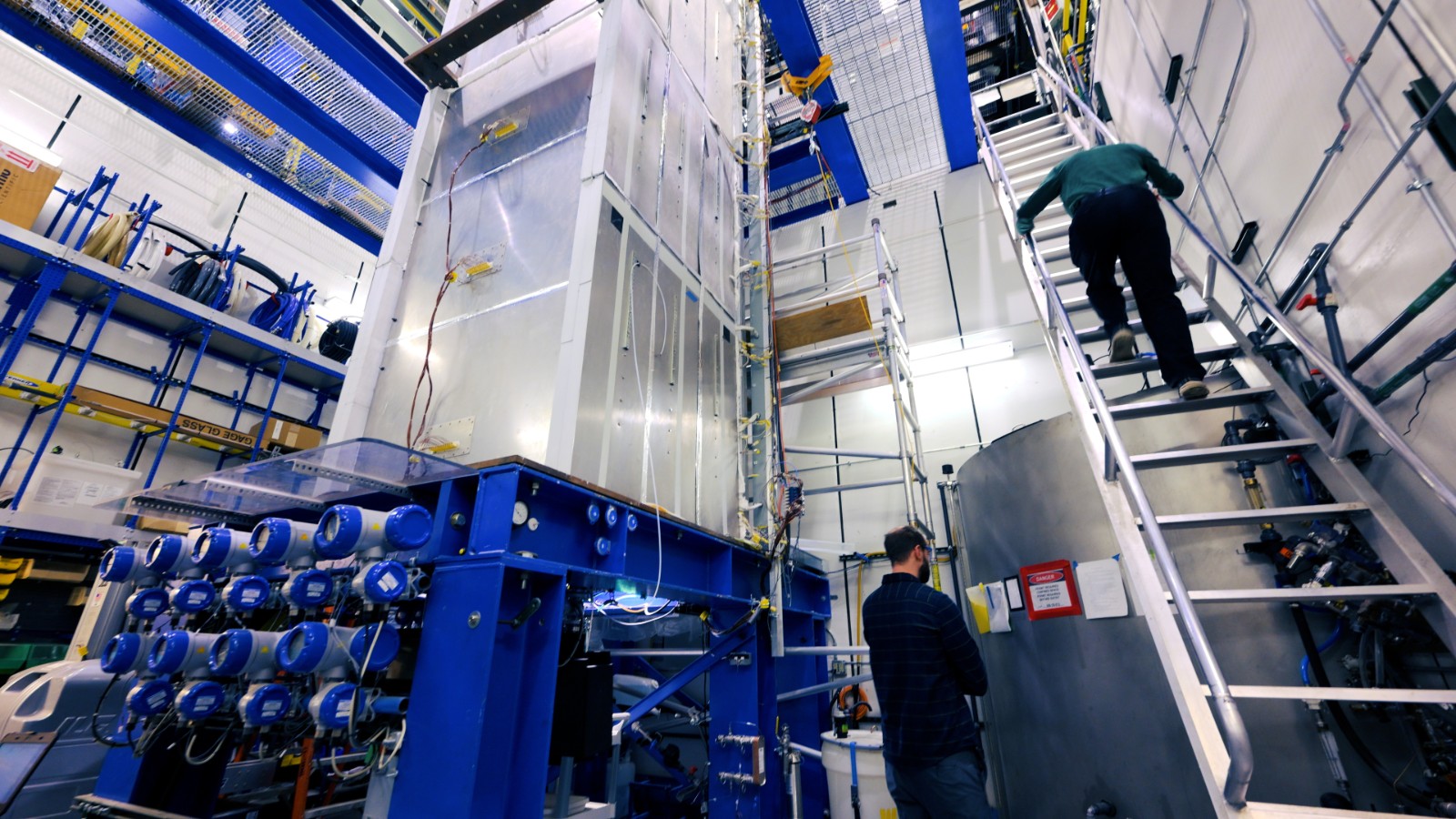
Argonne National Laboratory Achieves Latest Research Progress in Advanced Reactor Passive Safety, Revealing Flow Characteristics of Reactor Cavity Cooling System Using NSTF Facility
A research team at Argonne National Laboratory, under the U.S. Department of Energy (DOE), has achieved the latest research progress on passive shutdown decay heat removal mechanisms for next-generation advanced nuclear reactors. Under unplanned reactor shutdown or sudden emergency accident conditions, nuclear fuel continues to release decay heat. Ensuring continuous and reliable heat removal under complete power loss and without manual intervention is a core issue in the inherent safety design of Generation IV advanced reactors. The Argonne research team recently focused on the transient thermal-hydraulic response characteristics of key passive heat removal systems under realistic dynamic decay heat curves. This...
2026-09-30