
Search Results
Keyword:restart
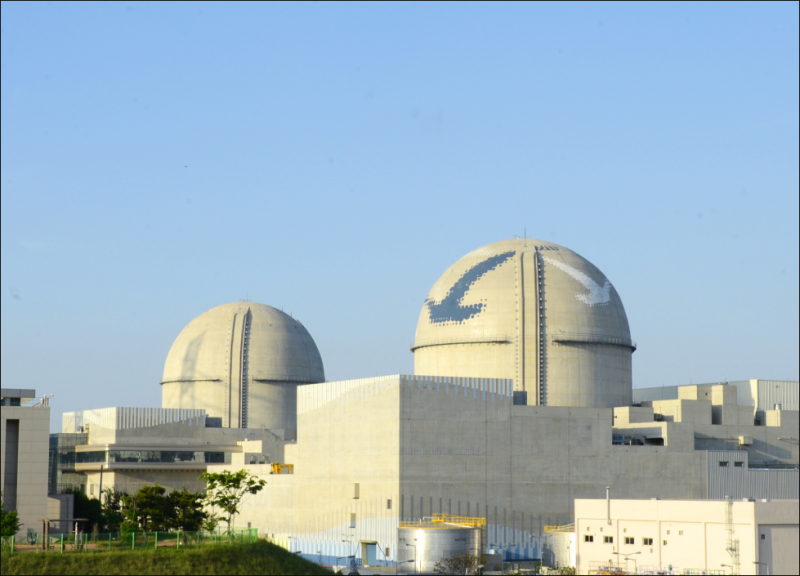
South Korea Approves Restart of Shin-Kori Unit 1
The Nuclear Safety and Security Commission (NSSC) of South Korea announced on August 21 that it has approved the restart of Shin-Kori Unit 1, located in Ulju County, Ulsan. The unit has been under routine inspection since July 2. On the same day, the commission approved the unit to reach criticality. Criticality refers to the state in which a sustained nuclear fission chain reaction can be maintained within the reactor core, with a balanced neutron population. Once criticality is achieved, the reactor can gradually resume operation under safely controlled conditions. The NSSC stated that this routine inspection involved 98 inspection items required before the reactor could reach criticality, of which 86 have been completed, confirming that the unit meets the conditions for safely achieving criticality.
2026-08-22
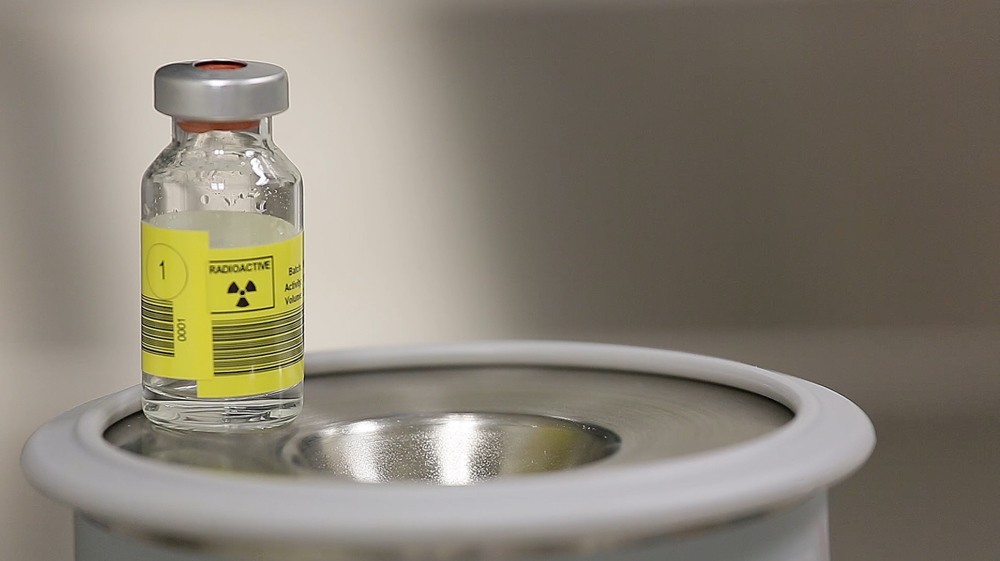
Iran Restarts Cyclotron to Boost Supply of Radiopharmaceuticals for Cancer Diagnosis and Treatment
Iranian nuclear industry experts have recently resumed operation of a cyclotron used in nuclear medicine, which can produce radioisotopes needed for cancer diagnosis and treatment. According to plans, by the end of Iran's Seventh Development Plan, i.e., March 2029, Iran will have seven such centers to expand domestic supply capacity for medical radioisotopes. A cyclotron is a type of particle accelerator that can be used to produce nuclear medicine radioisotopes and further prepare radiopharmaceuticals. These drugs can be used for the detection, diagnosis, and monitoring of malignant tumors. Data shows that related products produced domestically in Iran include FDG and F-PSMA, primarily serving nuclear medicine diagnosis and treatment for various cancers...
2026-08-21
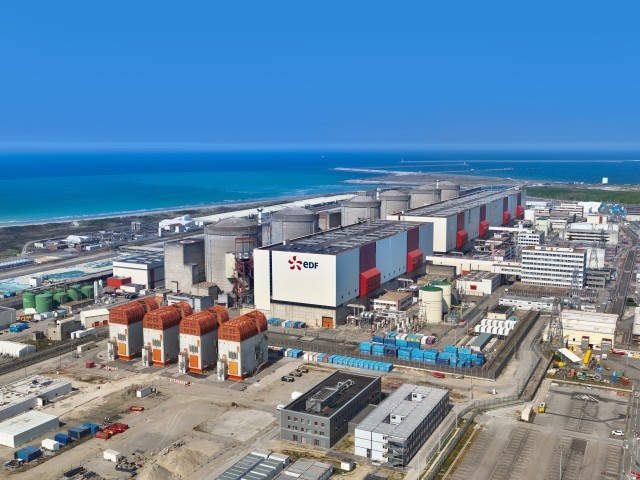
Unit 3 of France's Gravelines Nuclear Power Plant Reconnected to Grid, Unit 4 Remains Shut Down
According to EDF on August 18, Unit 3 of the Gravelines Nuclear Power Plant in northern France was reconnected to the national grid at 3:55 a.m. local time on August 18. The unit had been automatically shut down at 7:43 p.m. on August 10 in accordance with established safety protection procedures due to a large influx of jellyfish into the seawater pump station filtration system. The Gravelines Nuclear Power Plant has a total of six units. On August 10, a large number of jellyfish entered the pump station used to draw seawater for cooling nuclear facilities, affecting equipment such as pre-filters and filter drums. In accordance with operating procedures, Units 3 and 4 were automatically shut down; the operating team also shut down Unit 2 and reduced Unit 1's power to 50% to adapt to changing site conditions. Unit 5 was...
2026-08-20
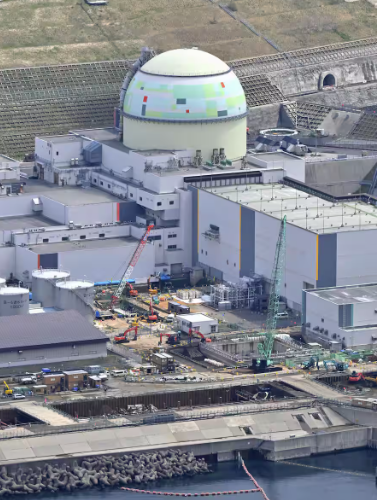
Eight economic organizations in Hokkaido urge early restart of Tomari Nuclear Power Plant Unit 3 and electricity price reduction
On August 19, eight economic organizations in Hokkaido, including the Hokkaido Economic Federation, submitted a request to Hokkaido Electric Power Company (HEPCO), urging the company to promote the early restart of Unit 3 at the Tomari Nuclear Power Plant and to reduce electricity prices as soon as possible after restart, while ensuring that safety measures are given priority. On the same day, Hiroshi Fujii, Chairman of the Hokkaido Economic Federation and Chairman of Hokkaido Electric Power Company, and Mitsuharu Yasuda, Chairman of the Hokkaido Chamber of Commerce and Industry and Chairman of Hokuyo Bank, along with other heads of economic organizations, visited HEPCO's headquarters in Sapporo and presented the request to HEPCO President Susumu Saito. The request states that the Tomari Nuclear Power Plant is of great significance for Hokkaido's economic growth and decarbonization efforts...
2026-08-20
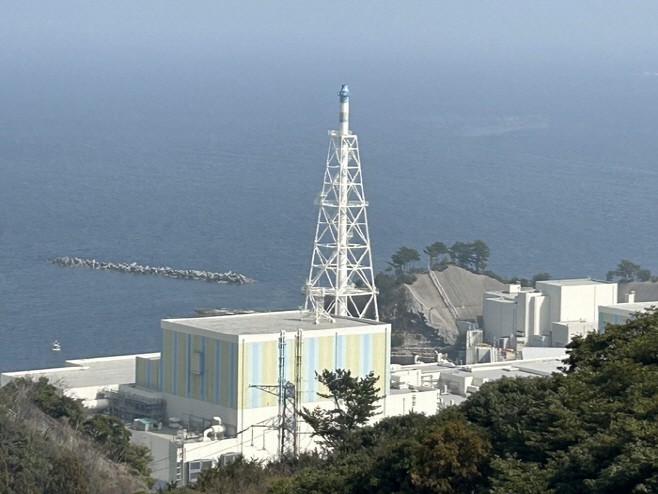
Restart of Shimane Nuclear Power Plant Unit 2 Delayed to August 19
Chugoku Electric Power announced that the restart of power generation at Shimane Nuclear Power Plant Unit 2 has been postponed from the originally scheduled August 18 to August 19. Unit 2 of the Shimane Nuclear Power Plant has been shut down since February this year for routine inspections. After approximately six months of inspections, the reactor was started on August 13, and power generation was originally planned to resume on August 18 after reaching criticality, the state of a sustainable nuclear fission chain reaction. On August 18, at a special committee meeting on Shimane Nuclear Power Plant measures held in Matsue City, Chugoku Electric Power explained that the restart of power generation was delayed by one day, mainly because the restart process requires careful progression and additional time is needed to confirm the status of related equipment...
2026-08-19
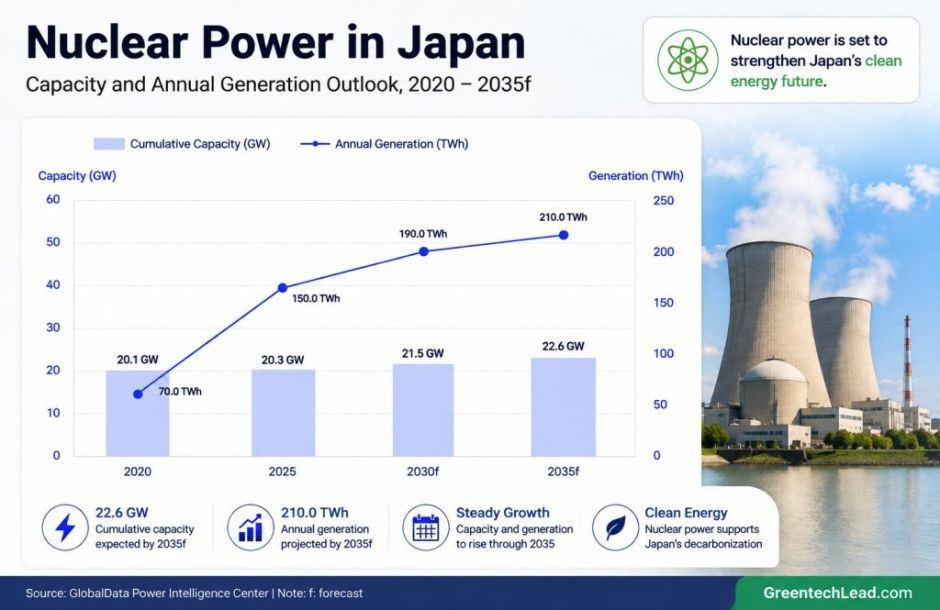
Japan's Nuclear Power Revival Enters Supply Chain Rebuilding Phase, with Spent Fuel and Engineering Capacity as Key Constraints
As Japan advances energy security, reduces dependence on fossil fuel imports, and expands low-carbon electricity supply, the focus of the country's nuclear power market is shifting from mere reactor restarts to a comprehensive supply chain rebuild covering manufacturing, operations and maintenance, life extension, fuel cycle, and waste management. GlobalData estimates Japan's nuclear power generation at 101.0 TWh in 2025 and projects it to increase to 123.3 TWh by 2035. Japan's policy target is to maintain nuclear power at approximately 20% to 22% of the electricity generation mix. Based on total annual electricity demand of approximately 1,050 TWh, a 20% nuclear share corresponds to about 210 TWh, while a 22% share corresponds to about 231 TWh. Compared with the 2025 nuclear generation figure of 101.0 TWh, the estimated gap is approximately 109 TWh to 130 TWh.
2026-08-18
Survey of Japanese 18-year-olds: Nearly 60% support restarting or replacing nuclear reactors that meet safety standards
A survey of young people around age 18 in Japan shows that nearly 60% of respondents support restarting nuclear power plants that meet safety standards or replacing existing reactors with new units; meanwhile, over 70% of respondents have expectations or some expectations for advanced innovative reactors. The 18-year-old awareness survey conducted by the Nippon Foundation asked respondents to choose which of two statements was closer to their own view: one being that nuclear power plants meeting safety standards should be restarted or replaced with new units; the other being that nuclear power should not be relied upon due to accident risks and radioactive waste issues. The results showed that 28.5% of respondents said their view was "close" to the first statement, and 29.8...
2026-08-16
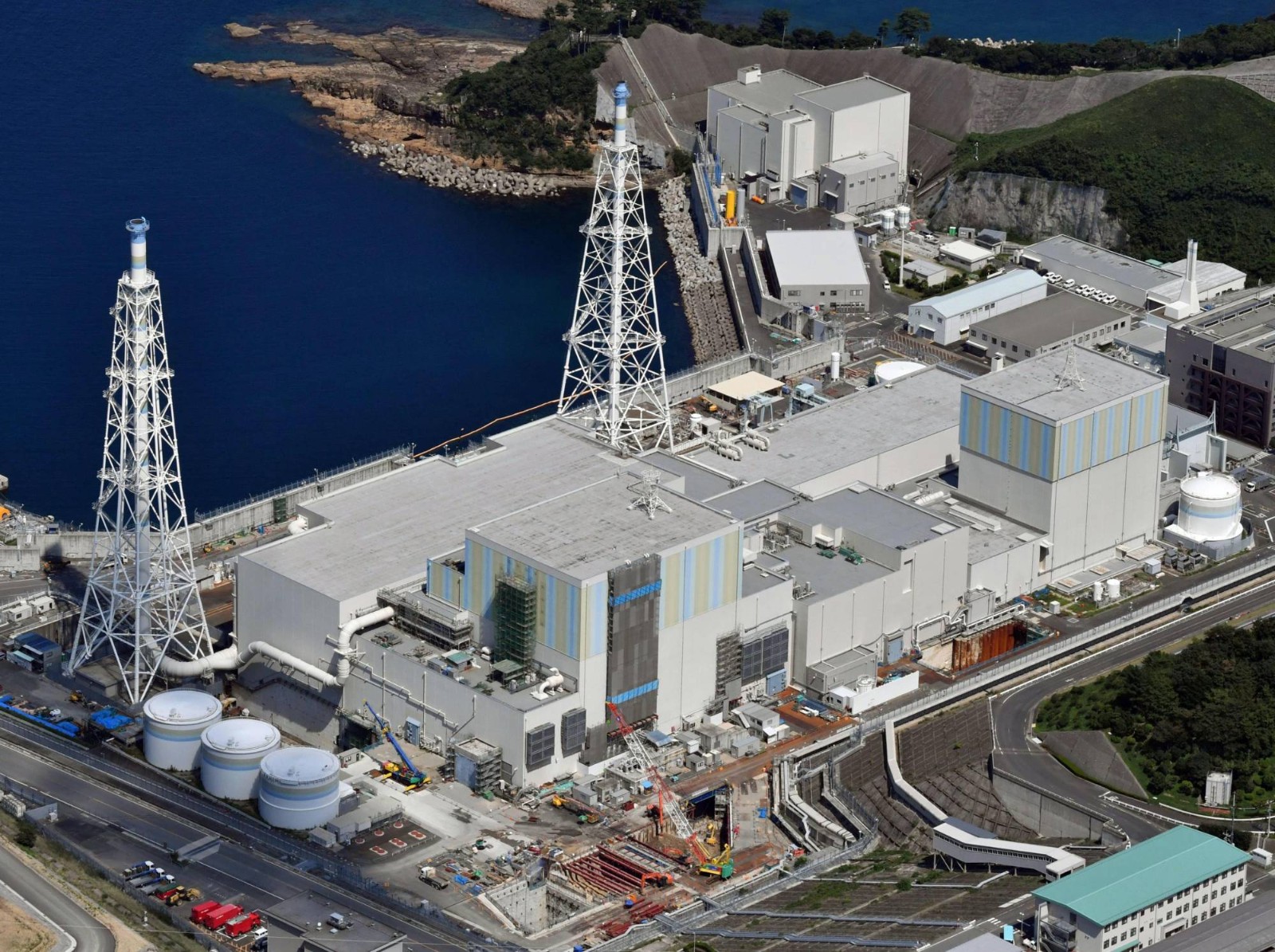
Shimane Nuclear Power Station Unit 2 restarted and reached criticality
Chugoku Electric Power Co. announced on August 13 that it started up the reactor of Unit 2 at the Shimane Nuclear Power Station at 10:00 that day, and the unit reached a critical state at 12:14. Unit 2 of the Shimane Nuclear Power Station is a boiling water reactor with a rated electrical output of 820,000 kilowatts. Criticality refers to the state in which nuclear fission reactions in the reactor core can be sustained, and is one of the key milestones in the unit restart process. According to the plan, the unit will resume power generation, i.e., synchronize the generator to the grid, on August 18, 2026, and is expected to resume commercial operation on September 16, 2026. Chugoku Electric Power Co. stated that it will continue to prioritize safety and steadily advance all subsequent procedures.
2026-08-13
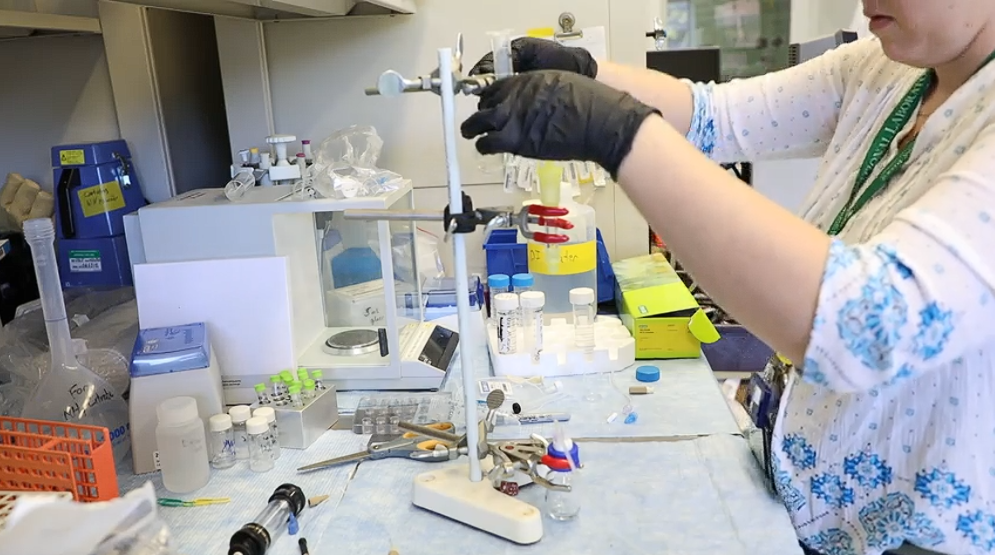
US Oak Ridge National Laboratory Restarts Tungsten-188/Rhenium-188 Generator Production to Support Targeted Cancer Therapy Research
The US Department of Energy's Oak Ridge National Laboratory (ORNL) recently restarted and upgraded its tungsten-188/rhenium-188 (W-188/Re-188) generator manufacturing operations to meet the demand for the rare medical isotope rhenium-188 in targeted cancer therapy research. The laboratory last manufactured such generators in 2011. Radiochemist Becca Hores demonstrated the assembly process of the W-188/Re-188 generator. Depending on radioactivity levels, these generators must be assembled in gloveboxes or hot cells. Image credit: Maggie Gregg/Oak Ridge National Laboratory, US Department of Energy. Rhenium-188 is produced by the radioactive decay of tungsten-188. ORNL irradiates tungsten-186 in the High Flux Isotope Reactor (HFIR) to produce tungsten-188...
2026-08-12
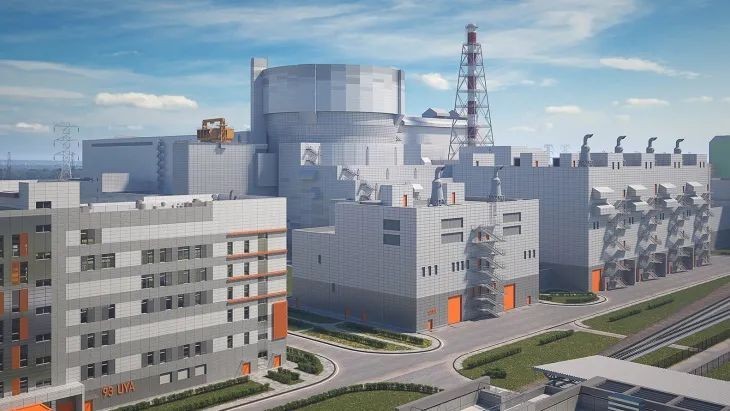
Danube Water Levels Recover, Hungary Restarts Second Turbine at Paks Nuclear Power Plant
On August 10, as the Danube River's water levels recovered, Hungary began restarting a previously constrained turbine at the Paks Nuclear Power Plant. The Paks plant uses Danube water for cooling and normally supplies nearly half of Hungary's electricity. Due to heatwaves and persistent drought, the Danube's water levels fell to historic lows in recent weeks, reducing the plant's generating capacity to about 10%, with only one of its eight turbines remaining operational. According to available information, Hungarian Prime Minister Péter Magyar stated on the 10th that the Danube's water level had risen 19 centimeters from the low point recorded last week, and that restart work on the second turbine at the Paks plant had begun, with power generation expected to resume by Monday evening. He also previously mentioned...
2026-08-11
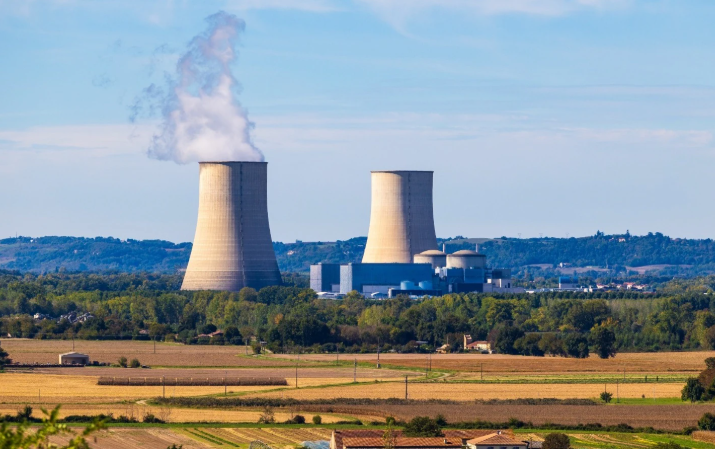
After only 4 days of restart, Unit 2 of France's Golfech Nuclear Power Plant shut down again due to Garonne River water temperature approaching limit
On the evening of August 8, French utility EDF (Électricité de France) once again shut down Unit 2 of the Golfech Nuclear Power Plant, just four days after the unit had been restarted. The direct cause of this shutdown was that the water temperature of the Garonne River was expected to reach 28°C on August 9, hitting the local operational limit. Since Unit 1 had already been taken offline for maintenance and fuel replacement, the closure of Unit 2 left both reactors at the Golfech plant simultaneously out of service, with the station temporarily ceasing power generation. Located in the Tarn-et-Garonne department of France, the Golfech Nuclear Power Plant was commissioned between 1991 and 1994, and features two 1,300 MW pressurized water reactor units. It draws cooling water from the Garonne River and dissipates heat through natural-draft cooling towers. According to EDF dat...
2026-08-10
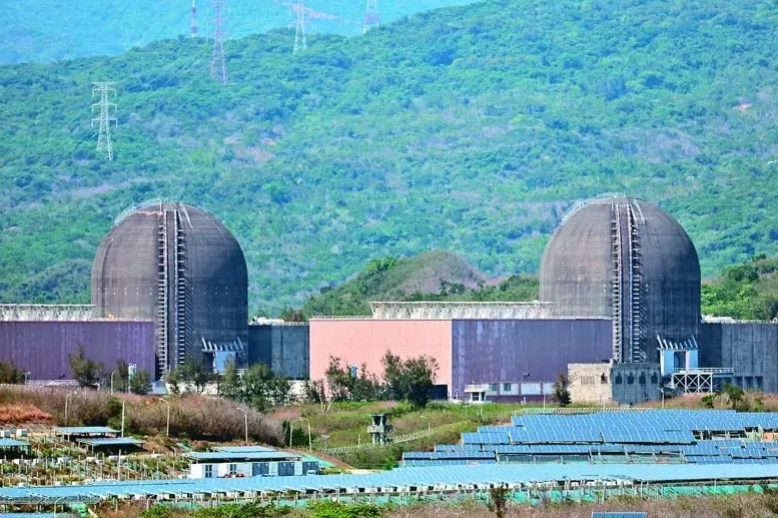
Taiwan's Nuclear Plant No. 3 safety inspection schedule extended to 2029, nuclear restart progress faces uncertainty
The latest report from the Audit Department shows that the actual progress of Taiwan's nuclear restart may be lower than expected by the public. Although the Ministry of Economic Affairs has determined that Nuclear Plant No. 2 and Nuclear Plant No. 3 are feasible for restart, and Taipower's restart plan for Nuclear Plant No. 3 has been submitted to the Nuclear Safety Commission for review, a gap has emerged in the progress of the critical self-conducted safety inspections. Although the five self-conducted safety inspection contracts for Nuclear Plant No. 3 have been awarded, the contract performance period may be extended to July 2029, casting uncertainty over the original goal of completing document review by the end of 2028. Nuclear Plant No. 3 is currently regarded as the plant with the best chance of advancing toward restart, but its restart process still must clear multiple hurdles including safety review, aging assessment, aging management, and related document review...
2026-08-10
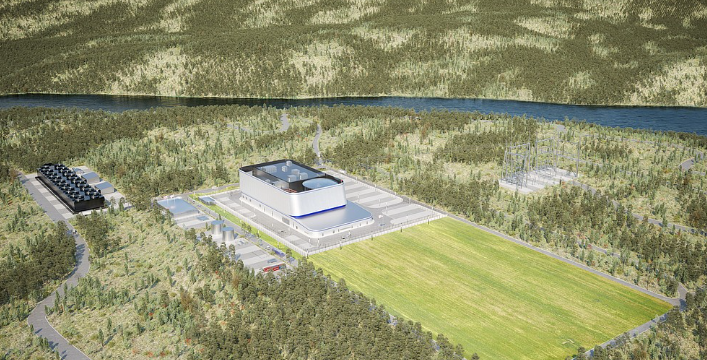
Tennessee Valley Authority (TVA) Restarts Nuclear Plant Plans to Build New Small Modular Reactors
The Tennessee Valley Authority (TVA) plans to build Small Modular Reactors (SMRs) at the abandoned Bellefonte Nuclear Plant, receiving $400 million in federal funding support. This initiative aims to meet growing electricity demand and leverage advanced nuclear energy technology. The project will adopt NuScale's Small Modular Reactor technology, with an expected total installed capacity of up to 6,000 megawatts. TVA Interim CEO Mike Skaggs stated that the Bellefonte Nuclear Plant is an ideal site for building these small reactors, as the site already possesses the necessary infrastructure and cooling water resources. Small modular react...
2026-08-06
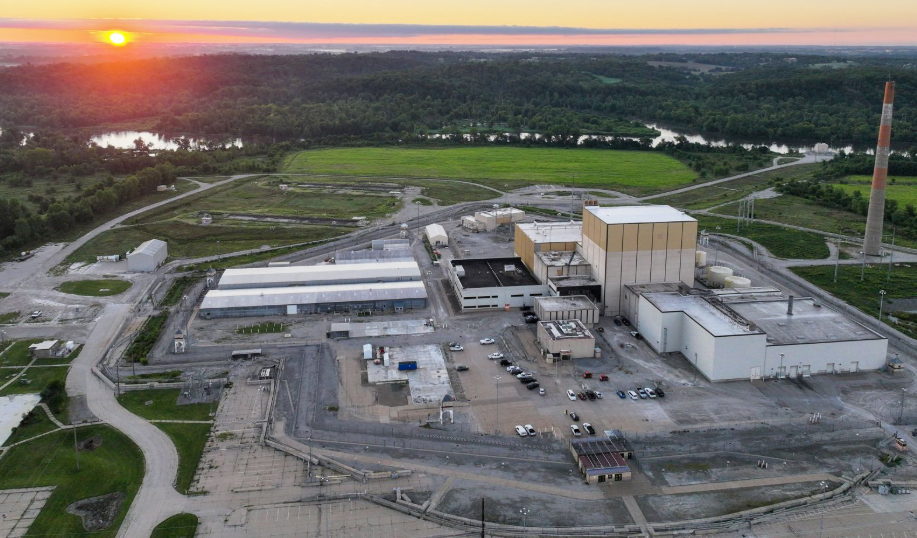
NRC Preliminary Assessment Finds No Significant Environmental Impacts from Duane Arnold Nuclear Plant Restart
The U.S. Nuclear Regulatory Commission (NRC) has issued a draft environmental assessment for the restart of the Duane Arnold nuclear power plant, preliminarily concluding that the project would not result in significant environmental impacts. NextEra Energy plans to restart the Duane Arnold nuclear power plant in Palo, Iowa, as early as 2029, and has made significant progress. The U.S. Department of Energy's Office of Energy Advantage Financing participated as a cooperating agency in drafting the environmental assessment, as the department is considering providing financial support for the restart project. According to a notice in the Federal Register, NRC staff evaluated the potential impacts of restarting the 615-megawatt Duane Arnold nuclear power plant on land use, meteorology, air quality and...
2026-08-05
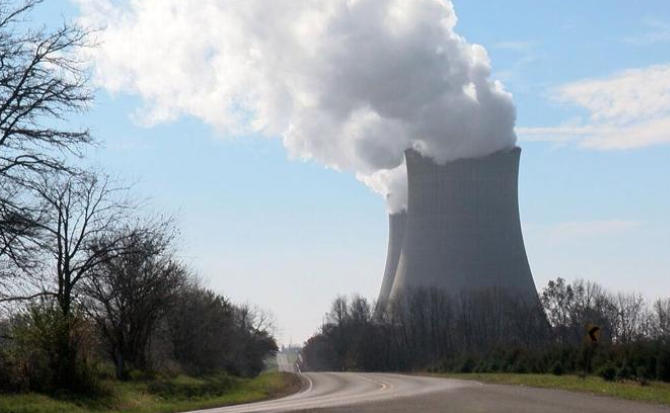
Illinois Restarts Nuclear Power in Bid to Address Energy Challenges
Illinois is actively exploring nuclear energy to address potential electricity shortages. Governor Pritzker signed an executive order requiring agencies to study adding at least 2 gigawatts of energy supply, enough to power 2 million homes or 20 large data centers. Earlier, in January of this year, the state passed the Clean and Reliable Grid Affordable Act, lifting a nearly four-decade ban on building new large-scale nuclear plants. This move aims to ensure stability of power supply and affordability of prices, especially amid growing energy demand. Illinois's nuclear development is not without challenges. For a long time, the United States has lacked a solution for safely storing nuclear waste...
2026-08-02