
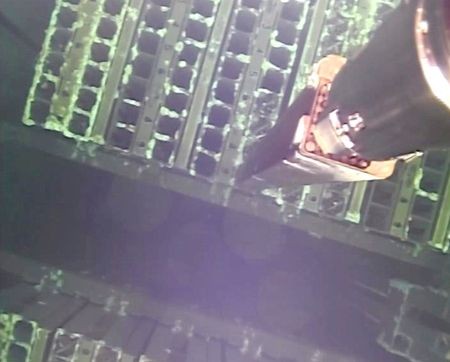
Removal of Highly Radioactive Spent Fuel Begins at Unit 2 of Fukushima Daiichi Nuclear Power Station
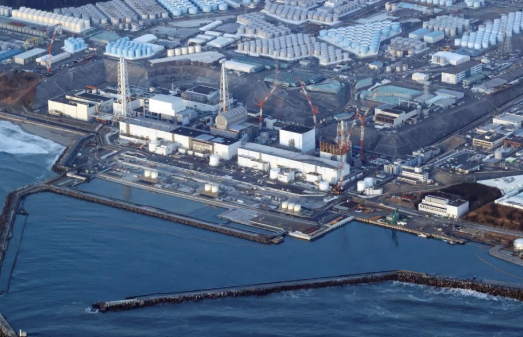
Tokyo Electric Power Company Holdings (TEPCO) said on August 17 that it has begun removing spent fuel assemblies with high radiation levels from the spent fuel pool of Unit 2 at the Fukushima Daiichi Nuclear Power Station in northeastern Japan, the site of a severe nuclear accident. Last month, TEPCO removed 28 unused nuclear fuel assemblies from the Unit 2 spent fuel pool. Compared with spent fuel, these unused fuel assemblies pose relatively lower risks. The company plans to complete the removal of spent fuel from Unit 2 by the end of fiscal year 2028. To date, the Unit 2 spent fuel pool contains a total of 587 spent fuel assemblies, of which TEPCO has completed the removal of...
2026-08-18
Multiple regions in Japan demand nuclear power operators strengthen safety management and information disclosure
On August 17, Keisuke Yokoo, the new chairman of Tokyo Electric Power Company (TEPCO), visited the Niigata Prefectural Government and met with Niigata Governor Hideyo Hanazumi. Yokoo assumed his post in June, becoming the first chairman of TEPCO to come from a financial institution. The meeting is seen as an arrangement for the new TEPCO management, following its official launch, to communicate with local governments on nuclear safety and trust rebuilding. Yokoo stated that, as the party responsible for the Fukushima Daiichi nuclear accident, TEPCO will always bear in mind that there is no end to safety and will continuously improve the safety level of its nuclear power plants. He also expressed his commitment to ensuring the safe operation of the Kashiwazaki-Kariwa Nuclear Power Plant. Hanazumi said at the meeting...
2026-08-18
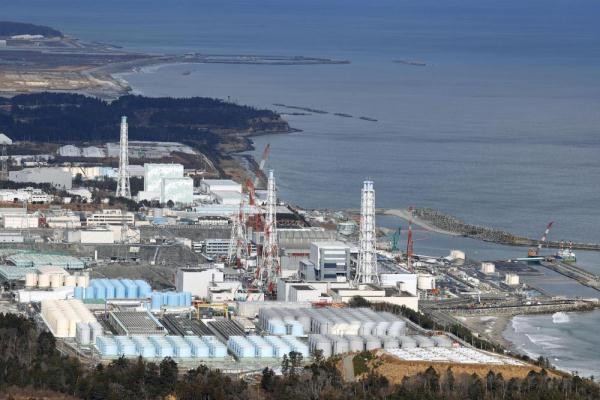
Fire alarm triggered for fifth time at Fukushima Daiichi Nuclear Power Station in August; no fire confirmed on site
At 7:14 a.m. on August 18, a fire alarm was triggered on the first basement floor of the turbine building of Unit 5 at the Fukushima Daiichi Nuclear Power Station. Tokyo Electric Power Company (TEPCO) stated that after fire department personnel arrived and conducted inspections, no fire was confirmed on site at 7:55 a.m. Readings from radiation monitoring stations around the plant showed no significant fluctuations. This was the fifth time a fire alarm had been triggered at the Fukushima Daiichi Nuclear Power Station since the beginning of August. Previously, related alarms had occurred on August 8 at the maintenance building for Units 5 and 6, on August 12 at the emergency diesel generator room for the high-pressure core spray system of Unit 6, on August 13 at the main administration building, and on August 15 at the southwest stairwell of the turbine building of Unit 5. After each of the above alarms was triggered, the fire department confirmed that no fire had occurred...
2026-08-18
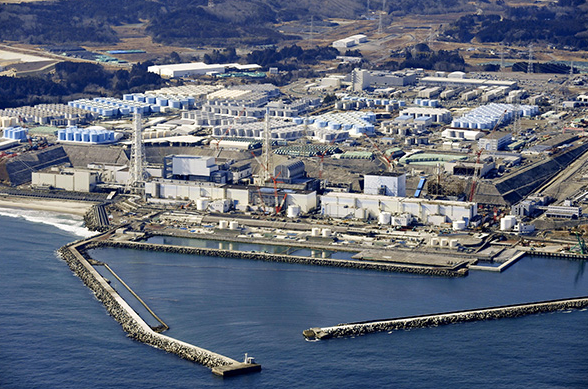
22nd Round of Fukushima Daiichi Nuclear Power Station ALPS Treated Water Discharge Completed
Tokyo Electric Power Company (TEPCO) stated on August 17 that the 22nd round of ALPS treated water discharge from the Fukushima Daiichi Nuclear Power Station had been completed by the afternoon of the same day (local time). This round of discharge began on July 30, with a total of 7,888 tonnes of ALPS treated water released. According to information released by TEPCO, the total amount of radioactive tritium contained in the water discharged in this round was approximately 1.3 trillion becquerels. This is the 4th round of ALPS treated water discharge from the Fukushima Daiichi Nuclear Power Station in Japan's fiscal year 2026. Japan began discharging ALPS treated water from the Fukushima Daiichi Nuclear Power Station in August 2023. To date, 22 rounds of discharge have been carried out, with a cumulative discharge volume of approximately 173,000 tonnes...
2026-08-18
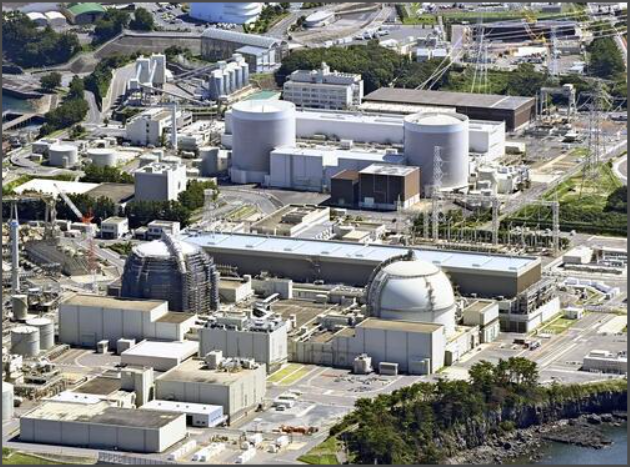
4.4-Magnitude Earthquake Hits Fukuoka Area; Kyushu Electric Says No Abnormalities at Genkai and Sendai Nuclear Plants
At around 6:37 a.m. on August 17, an earthquake struck the Fukuoka area of Fukuoka Prefecture, Japan, with a maximum seismic intensity of 4, a focal depth of approximately 10 kilometers, and a magnitude of 4.4. Kyushu Electric Power Co. (KEPCO) subsequently announced that the operational status of its Genkai and Sendai nuclear power plants was unaffected, with no abnormalities detected in the relevant units. According to Kyushu Electric Power, Unit 4 of the Genkai Nuclear Power Plant in Saga Prefecture continued normal operation, while Unit 3 was undergoing periodic inspection; Units 1 and 2 of the Sendai Nuclear Power Plant in Kagoshima Prefecture continued normal operation. The company stated that no impact on power supply had been confirmed. During the earthquake, Itoshima City in Fukuoka Prefecture...
2026-08-17
Survey of Japanese 18-year-olds: Nearly 60% support restarting or replacing nuclear reactors that meet safety standards
A survey of young people around age 18 in Japan shows that nearly 60% of respondents support restarting nuclear power plants that meet safety standards or replacing existing reactors with new units; meanwhile, over 70% of respondents have expectations or some expectations for advanced innovative reactors. The 18-year-old awareness survey conducted by the Nippon Foundation asked respondents to choose which of two statements was closer to their own view: one being that nuclear power plants meeting safety standards should be restarted or replaced with new units; the other being that nuclear power should not be relied upon due to accident risks and radioactive waste issues. The results showed that 28.5% of respondents said their view was "close" to the first statement, and 29.8...
2026-08-16
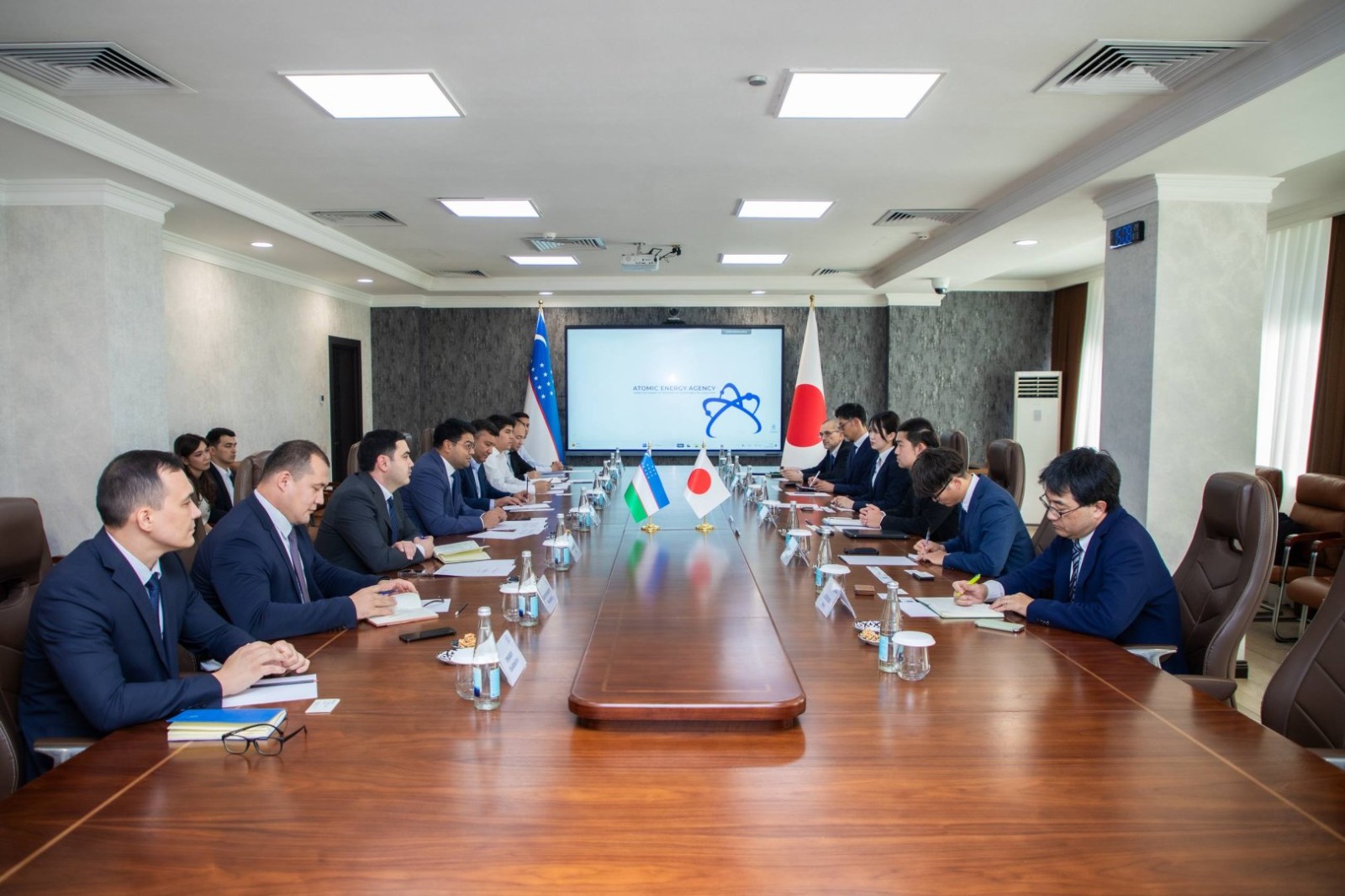
Uzbekistan and Japan Discuss Expanding Cooperation in Peaceful Uses of Nuclear Energy
The Atomic Energy Agency of Uzbekistan recently held talks with a Japanese delegation, with both sides exchanging views on expanding cooperation in the peaceful uses of nuclear energy, focusing on nuclear technology, joint projects in related industries, and energy security cooperation. The Japanese delegation comprised representatives from Japan's Ministry of Economy, Trade and Industry (METI), the Japan Organization for Metals and Energy Security (JOGMEC), and ITOCHU Corporation, led by Abe Yoshimitsu, Deputy Director of the Nuclear Energy International Cooperation Office at METI. During the talks, both sides explored possibilities for advancing cooperation in nuclear technology applications, collaboration in related industries, and experience exchange. The Japanese side expressed its willingness to continue dialogue with Uzbekistan in the peaceful uses of nuclear energy on the basis of mutual respect and common interests, and to promote practical cooperation. The Atomic Energy Agency of Uzbekistan (Uzatom) stated that it would continue to expand international cooperation with countries and organizations possessing experience in the peaceful application of nuclear technology. Uzbekistan and Japan already have a foundation for cooperation in the nuclear energy and uranium resource sectors. ITOCHU Corporation previously signed a uranium concentrate supply agreement with Navoi Mining and Metallurgy Combinat, and JOGMEC has also been involved in the development of uranium deposits in Uzbekistan. In December 2025, during Uzbek President Shavkat Mirziyoyev's visit to Japan, both sides confirmed directions for expanding cooperation, including the export of critical minerals and the introduction of advanced technologies. The current talks continue the momentum of bilateral cooperation in the energy and resource sectors.
2026-08-14
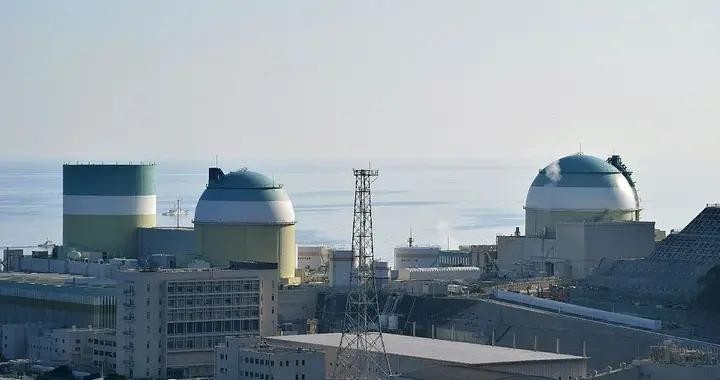
Small Amount of Ash Leakage from Miscellaneous Solid Waste Incineration Equipment at Japan's Ikata Nuclear Power Plant
Shikoku Electric Power Co. reported on August 13 that at approximately 10:25 a.m. that day, an operator from a partner company discovered ash-like material beneath the ceramic filter of the operating miscellaneous solid waste incineration equipment inside the miscellaneous solid waste incinerator building at Ikata Nuclear Power Plant. The area is a controlled zone. On-site investigation confirmed that the fallen material was incineration ash, and the leakage was confirmed to have stopped. Workers also found localized cracks in the rubber components of the glove box beneath the ceramic filter. Temporary sealing measures were taken to prevent further leakage. According to the report, the leaked incineration ash remained within the building and was fully recovered. The leakage amount was 0.3 grams, with a radioactivity...
2026-08-13
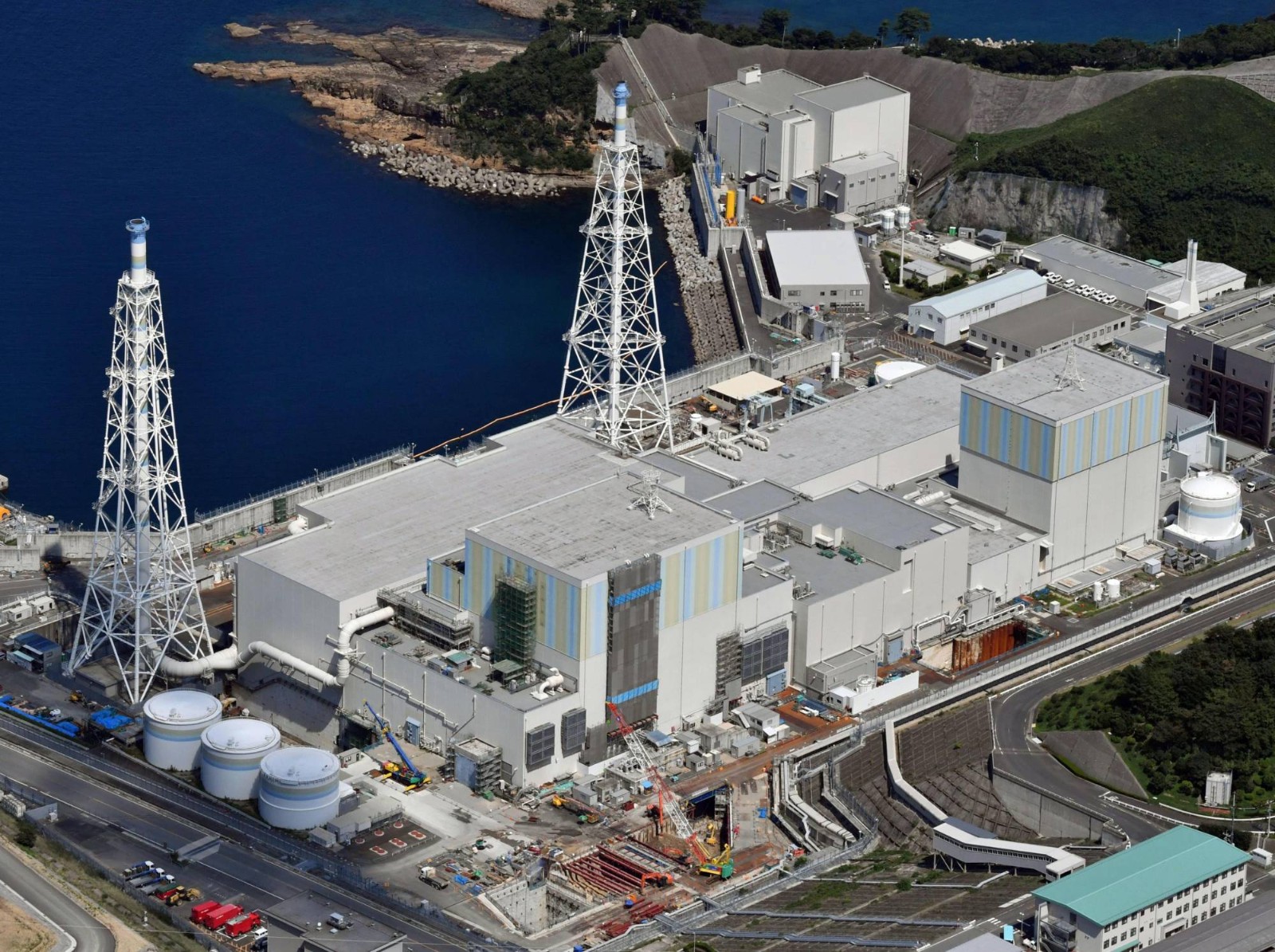
Shimane Nuclear Power Station Unit 2 restarted and reached criticality
Chugoku Electric Power Co. announced on August 13 that it started up the reactor of Unit 2 at the Shimane Nuclear Power Station at 10:00 that day, and the unit reached a critical state at 12:14. Unit 2 of the Shimane Nuclear Power Station is a boiling water reactor with a rated electrical output of 820,000 kilowatts. Criticality refers to the state in which nuclear fission reactions in the reactor core can be sustained, and is one of the key milestones in the unit restart process. According to the plan, the unit will resume power generation, i.e., synchronize the generator to the grid, on August 18, 2026, and is expected to resume commercial operation on September 16, 2026. Chugoku Electric Power Co. stated that it will continue to prioritize safety and steadily advance all subsequent procedures.
2026-08-13
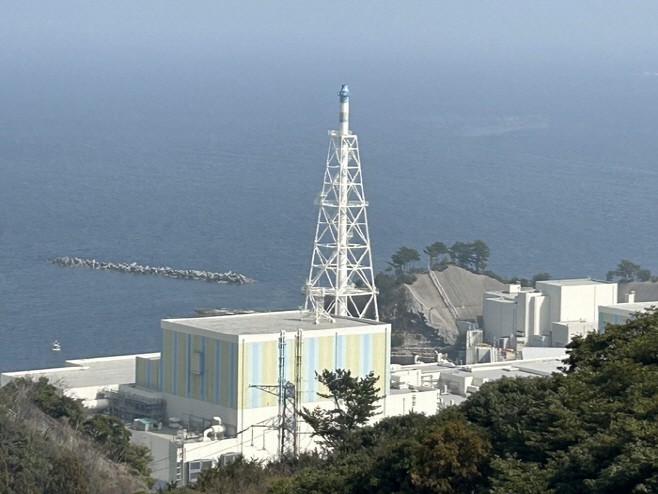
Shimane Nuclear Power Station Unit 2 completes containment vessel-related repairs, scheduled to resume commercial operation on the 16th of next month
The Shimane Nuclear Power Station Unit 2, located in Matsue City, Japan, is scheduled to resume commercial operation next month. Recently, part of the reactor containment vessel repair work at the unit was opened to the public, showcasing key construction steps before the resumption of operation. Unit 2 of the Shimane Nuclear Power Station resumed operation in December two years ago. Since February this year, the unit has been shut down for routine operational inspections. In accordance with relevant legal requirements, nuclear power units must undergo equipment disassembly inspections and replacement of related components within 13 months after the previous inspection is completed. On August 3, a dedicated crane was used on site to lift a cover weighing approximately 60 tons to the top of the reactor containment vessel. Workers completed the tightening of 120 bolts that day...
2026-08-13
TEPCO and JAPC invite eight power companies to participate in spent fuel transport
August 12 news, Tokyo Electric Power Company (TEPCO) and Japan Atomic Power Company (JAPC) invited eight other Japanese power companies that own nuclear power plants on the 10th to consider participating in the transport of spent fuel to the Mutsu City interim storage facility in Aomori Prefecture. Mutsu City has agreed to expand the scope of operating entities involved in the transport. The interim storage facility is operated by Recyclable-Fuel Storage Company (RFS), jointly established by TEPCO and JAPC, and is primarily used for temporary storage of spent fuel generated from nuclear power plants before reprocessing. The eight invited companies are Hokkaido Electric Power Company (Hokkai...
2026-08-13
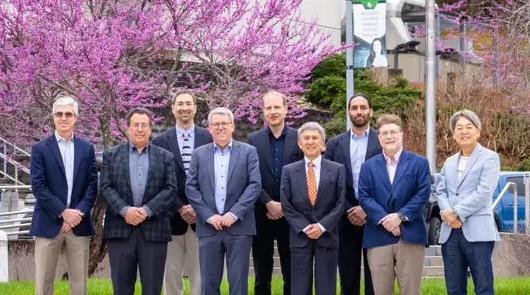
Kyoto Fusioneering and Oak Ridge to Build World's First Fusion Blanket Verification Facility UNITY-3
Kyoto Fusioneering (KF), a Japanese fusion energy engineering company, announced that it will jointly build a facility named UNITY-3 with the U.S. Oak Ridge National Laboratory (ORNL) to verify the breeding blanket technology required for commercial fusion power plants. The project is described as the world's first facility dedicated to breeding blanket demonstration, and KF will also relocate its U.S. business base to Oak Ridge, Tennessee. The project has received support from the U.S. Department of Energy's relevant roadmap, Tennessee's nuclear energy supply chain investment fund, and the DOE, indicating that the fusion industry is shifting from purely plasma physics breakthroughs toward engineering, system integration, and supply chain development. The breeding blanket is a critical component for deuterium-tritium fusion power...
2026-08-12
Japan's Mutsu Spent Fuel Interim Storage Facility May Expand Participants; KEPCO and Hokuriku Electric Power Say They Are Considering
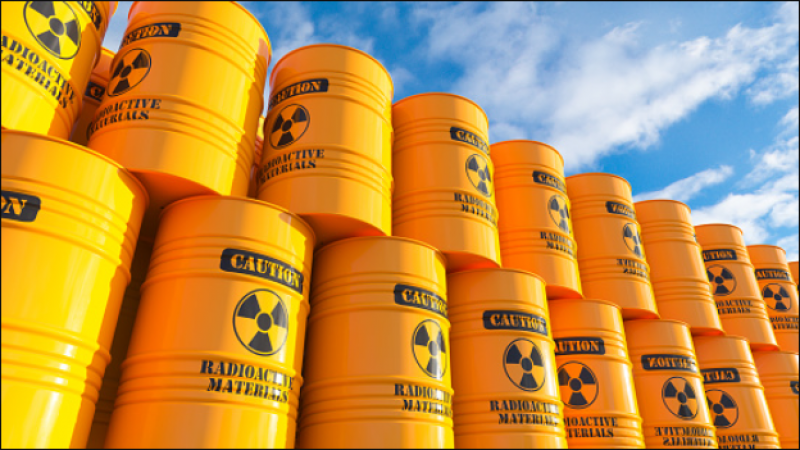
Tokyo Electric Power Company (TEPCO) and Japan Atomic Power Company (JAPC) began contacting eight other domestic electric power companies that own nuclear power plants on August 10, asking whether they would be interested in participating in the expansion of the entities responsible for transporting spent fuel to the interim storage facility in Mutsu City, Aomori Prefecture. Among the eight companies contacted, Kansai Electric Power Company (KEPCO) and Hokuriku Electric Power Company indicated in response to the inquiries that they are considering whether to participate. In December 2025, TEPCO and JAPC had submitted a proposal to Aomori Prefecture and Mutsu City regarding the expansion of operating entities, and at that time they had also sought the intentions of these eight companies...
2026-08-12
Automatic Shutdown of Unit 3 at Oi Nuclear Power Plant During Operation; Kansai Electric Power to Investigate Cause from the 12th
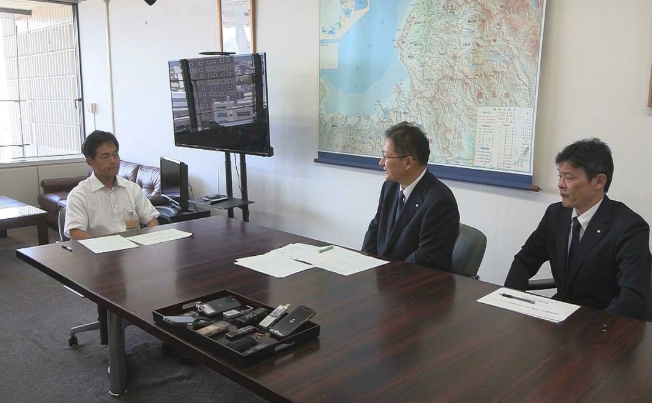
Unit 3 of the Oi Nuclear Power Plant in Fukui Prefecture, Japan, experienced an automatic shutdown during operation in the early hours of the 9th. Operator Kansai Electric Power stated that the fault is related to an internal abnormality in the generator and plans to formally begin a cause investigation from the 12th. Currently, there is no clear timeline for when the unit can resume operation. According to reports, an alarm related to loss of magnetic field occurred inside the generator used for power generation at the time of the incident, after which the generator stopped, and the reactor in operation also automatically shut down. On the 10th, Kansai Electric Power visited the Fukui Prefectural Government to apologize for the fault and report on subsequent response measures. Yuichiro Sakamoto, head of the Fukui Prefecture Disaster Prevention and Safety Division, pointed out that following a steam leak fault at Mihama Nuclear Power Plant Unit 3 in May this year, an unexpected emergency shutdown of a reactor in operation occurring within a short period may undermine public trust in nuclear safety. Local government authorities have demanded that the operator promptly identify the cause and implement measures to prevent similar issues from recurring.
2026-08-11
Japan's MEXT to Establish Industry-Academia-Government Collaboration Platform to Strengthen Nuclear Energy Human Resource Development
Japan's Ministry of Education, Culture, Sports, Science and Technology (MEXT) plans to launch a new initiative for nuclear energy human resource development, with the core approach being the establishment of an industry-academia-government collaborative organization within the Japan Atomic Energy Agency (JAEA). This organization will undertake coordination functions such as institutional design and budget allocation, and will promote closer cooperation mechanisms among universities, research institutions, and the industrial sector regarding nuclear energy education and practical training. Based on publicly available information, this arrangement is not merely about adding training courses, but rather an attempt to build a cross-sectoral human resource development platform. JAEA possesses research reactors, experimental facilities, and long-accumulated technical resources; incorporating these resources into the educational system will help bridge the gap between university classroom instruction and actual nuclear engineering field practice...
2026-08-11
Kyoto Fusioneering to Relocate U.S. Headquarters to Oak Ridge
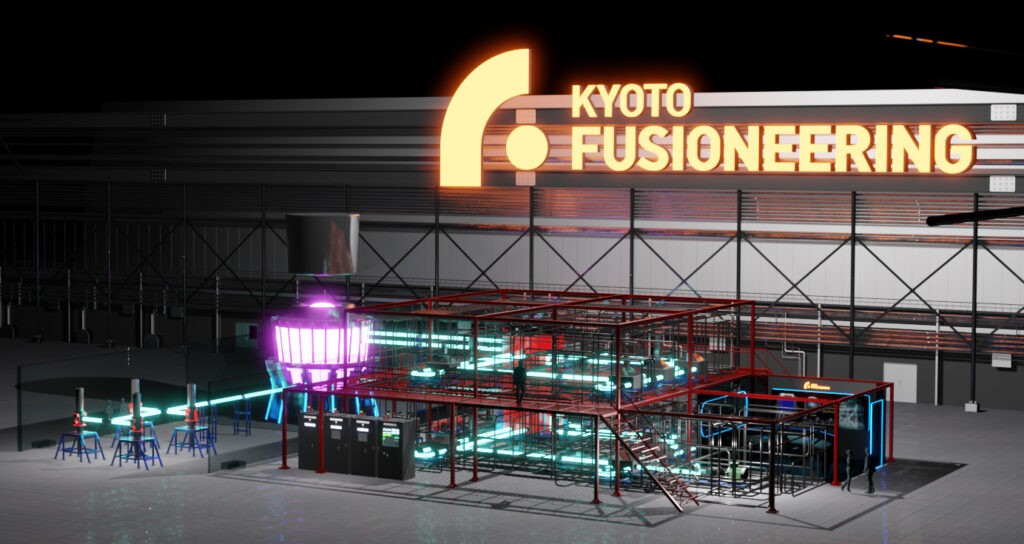
Kyoto Fusioneering (KF) will relocate its U.S. headquarters to Oak Ridge, Tennessee, investing $46.9 million in Anderson County and creating 51 new jobs. The project will build critical fusion testing infrastructure, with a focus on supporting the development of the fusion nuclear testing facility UNITY-3. UNITY-3 is planned to be built at Oak Ridge National Laboratory (ORNL) through a public-private partnership. The facility has received support from the U.S. Department of Energy (DOE) and has been listed as a national priority in its final "Fusion Science and Technology Roadmap." According to the plan, UNITY-3 will employ a deuterium-tritium (D-T) fusion neutron source to validate tritium breeding capabilities and related performance under conditions approaching a real fusion nuclear environment...
2026-08-11
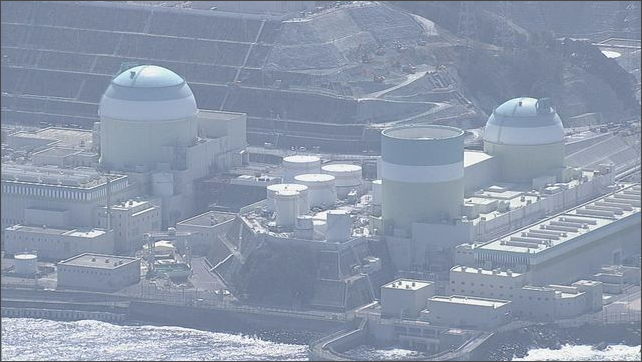
Ikata Nuclear Power Station Reports 5 Notifiable Events in July, None Causing Radiological Environmental Impact
Shikoku Electric Power Co. reported on August 10 that the five events reported to Ehime Prefecture, Ikata Town, and relevant local governments from the Ikata Nuclear Power Station in July 2026 did not fall under legally required reporting events and caused no radiological impact on the environment. The five events were as follows: On July 3, an employee of a partner company at the Ikata Nuclear Power Station experienced physical discomfort at an office location in a non-controlled area and was transported by ambulance at 17:18 that day. The employee was conscious at the time and experienced no radiation exposure or radioactive contamination. On July 16, during the decommissioning process of Unit 2 at the Ikata Nuclear Power Station, seawater leakage was discovered at the flange of the seawater outlet pipe of emergency diesel generator 2B in the reactor auxiliary building. After maintenance personnel determined that a detailed inspection of the flange was required, the leak point was isolated, and the leakage was confirmed to have stopped at 15:38 that day. The maximum estimated volume of leaked seawater was approximately 7 cubic meters, all of which was recovered in the floor drain sump within the building and did not flow outside. Subsequent inspection revealed a through-hole approximately 7 mm in diameter at the flange, and the station replaced the flange and confirmed water flow integrity, restoring normal conditions at 14:05 on July 17. This event did not affect the unit or cause radiological environmental impact, and further investigation into the cause will be conducted.
2026-08-10
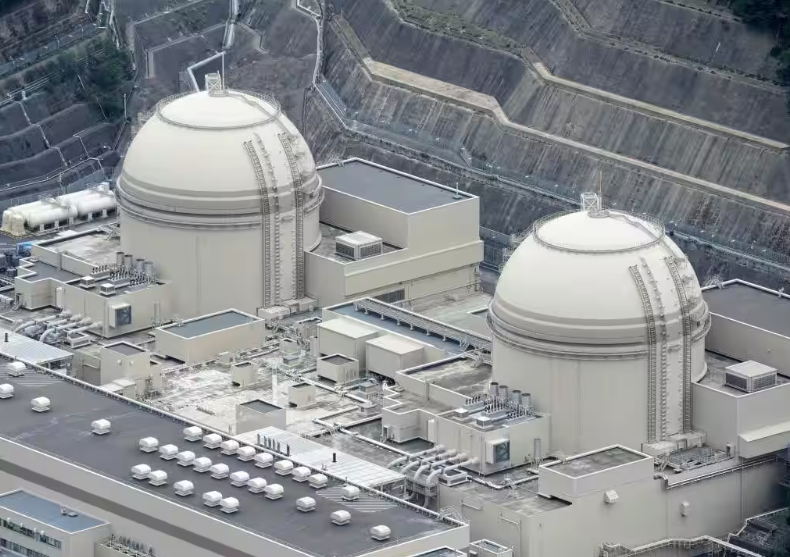
Unit 3 of Japan's Ohi Nuclear Power Plant Automatically Shuts Down
Kansai Electric Power Co. announced in the early hours of the 9th that Unit 3 of the Ohi Nuclear Power Plant, located in Ohi Town, Fukui Prefecture, Japan, automatically shut down during operation. The unit has a generating capacity of 1.18 million kilowatts. According to Kansai Electric Power, at around 23:56 on the 8th, an alarm was triggered at the unit, indicating that the generator had lost the conditions required to produce a magnetic field. Subsequently, the generator automatically stopped operating, and the reactor also automatically shut down. Preliminary information suggests that the anomaly may involve the exciter, a device used to establish the magnetic field for the generator. Kansai Electric Power stated that no radioactive material leakage occurred as a result of this incident, and there was no radiological impact on nearby personnel or the environment. The cause of the malfunction...
2026-08-10
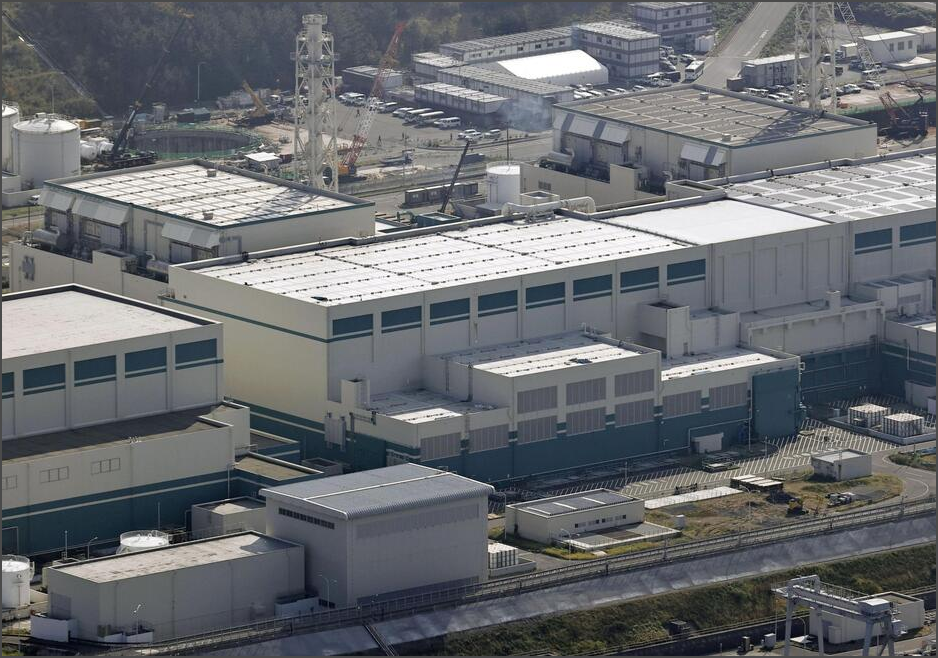
Another access control irregularity at Kashiwazaki-Kariwa Nuclear Power Station: exit gate fails to intercept unauthorized passage
Tokyo Electric Power Company (TEPCO) announced on August 7 that an irregularity related to access control occurred at the Kashiwazaki-Kariwa Nuclear Power Station. An operator improperly used his own ID card to allow a colleague who had left his ID card in the central control room to pass through the gate and exit. TEPCO stated that the access control system failed to display an error message at the time and was unable to prevent this unauthorized passage. According to disclosed information, the incident occurred during the exit process and involves management matters related to nuclear material protection. TEPCO has not yet publicly disclosed the specific date of the incident, the identities of the personnel involved, the detailed reasons why the system failed to trigger an alarm, or subsequent disciplinary actions and preventive measures. Kashiwazaki-Kariwa...
2026-08-08
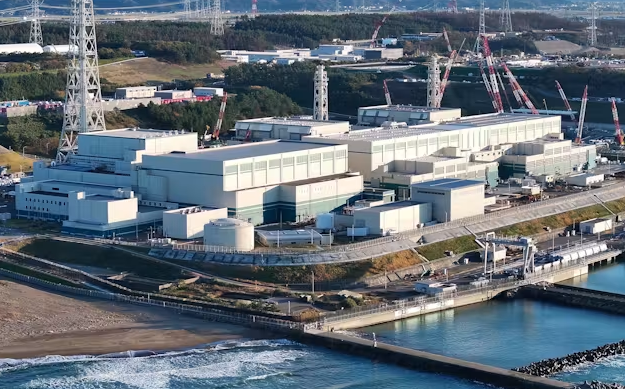
Rising Seawater Temperatures Prompt New Nuclear Safety Rules: TEPCO Sets Temporary Shutdown Criteria for Kashiwazaki-Kariwa Plant
Tokyo Electric Power Company Holdings announced on August 7 that it has established a set of self-determined criteria for evaluating whether to temporarily halt nuclear reactor operations at the Kashiwazaki-Kariwa Nuclear Power Plant in Niigata Prefecture, in response to rising seawater temperatures in the surrounding area. These criteria are not mandatory requirements directly imposed by external regulatory authorities, but rather proactive measures voluntarily implemented by TEPCO based on safe operational needs. According to the conditions announced by TEPCO, the company will consider temporarily shutting down the relevant nuclear facilities when the 7-day average seawater temperature in the waters surrounding the plant exceeds 31 degrees Celsius, when water temperatures above 34 degrees Celsius are observed, or when water temperatures above 33 degrees Celsius persist for 12 hours. These numerical thresholds indicate that seawater temperature has been incorporated as a key variable in nuclear power plant operational risk management.
2026-08-08
Mutsu City Requests Submission of Revised Plan for 5,000-Ton Transport to Spent Fuel Interim Storage Facility
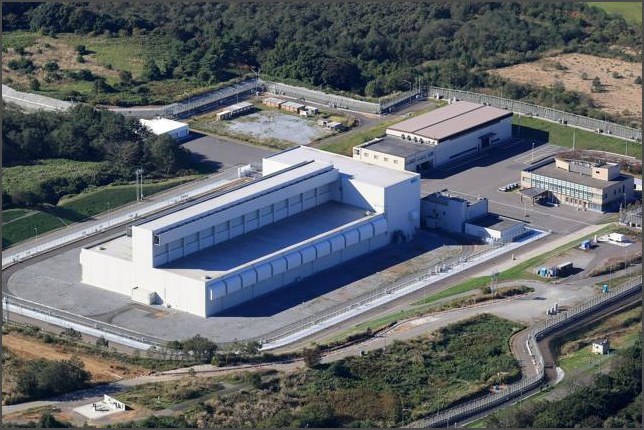
On August 7, Tomoya Yamamoto, Mayor of Mutsu City, Aomori Prefecture, Japan, met with representatives of Recycle Fuel Storage (RFS) and its co-investors Tokyo Electric Power Company Holdings (TEPCO HD) and Japan Atomic Power Company (JAPC), requesting the three parties to submit a revised mid-to-long-term spent nuclear fuel transport plan, with consideration given to inter-operator cooperation. The plan may involve accepting spent nuclear fuel from other electric power companies. The facility in question, located in Mutsu City, Aomori Prefecture, is currently Japan's only interim spent fuel storage facility situated outside a nuclear power plant site. Under the existing siting agreement, the facility's acceptance scope...
2026-08-08
Reading Ranking
- 1 Chubu Electric Power Company withdraws regulatory review application for Hamaoka Nuclear Power Plant reactors
- 2 NRA Commissioner Inspects Radiation Management at Shimane Nuclear Power Station
- 3 Uzbekistan and Japan Discuss Expanding Cooperation in Peaceful Uses of Nuclear Energy
- 4 Japan Extends Deadline for Mandatory Anti-Terrorism Facility Installation at Nuclear Power Plants
- 5 Japan Explains Plan for Spent Fuel Interim Storage Facility in Kaminoseki Town
- 6 Fukushima Daiichi Nuclear Power Station begins 23rd discharge of treated nuclear-contaminated water
- 7 Japan to Build Fusion Tritium Fuel Research Base in Aomori Prefecture
- 8 Japan's Tomari Nuclear Power Plant Plans New Low-Level Radioactive Waste Processing Facility
- 9 Mutsu City Requests Submission of Revised Plan for 5,000-Ton Transport to Spent Fuel Interim Storage Facility
- 10 Japan's Ikata Nuclear Power Plant Unit 1 Decommissioning Plan to Enter Second Phase
- 11 Survey of Japanese 18-year-olds: Nearly 60% support restarting or replacing nuclear reactors that meet safety standards
- 12 South Korea's POSCO Group Invests in Japanese Fusion Company Kyoto Fusion Engineering
- 13 22nd Round of Fukushima Daiichi Nuclear Power Station ALPS Treated Water Discharge Completed
- 14 Japan Selects Four Companies for Fusion Power Program
- 15 Japan's Nuclear Regulation Authority Begins Revising Seismic Motion Evaluation Guidelines