
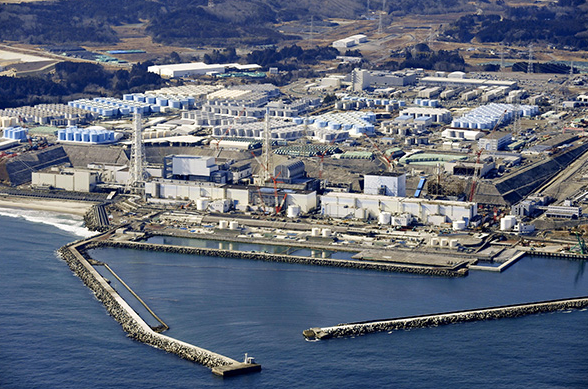
Japan considers expanding reuse of decontaminated soil from Fukushima
Japan's Environment Minister Ishihara stated after a Cabinet meeting on September 1 that the government is considering and coordinating efforts to continue the decontaminated soil reuse project from Fukushima Prefecture at government offices and other locations in other regions, in order to raise public awareness of the relevant systems and safety management approaches. Following the Fukushima Daiichi Nuclear Power Station accident, large volumes of soil removed during decontamination operations in Fukushima Prefecture are currently stored at an interim storage facility within the prefecture. Under Japanese law, this soil must be finally disposed of outside the prefecture by March 2045. To reduce the volume of final disposal, the Japanese government is promoting the reuse of decontaminated soil with lower radiation levels. Late last month, construction work was carried out at national government joint office buildings in Sendai City and Saitama City, with soil for flower beds and other areas delivered to the sites. This marked the first time decontaminated soil was reused at such government facilities outside the Tokyo region.
2026-09-03
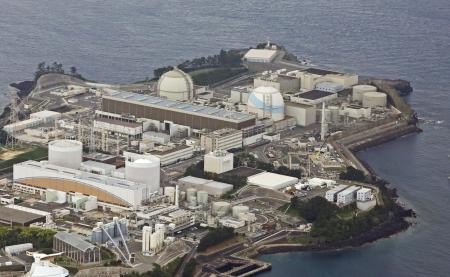
Unit 4 of Japan's Genkai Nuclear Power Plant Receives 72 New Fuel Assemblies
Kyushu Electric Power Co. announced on September 1, 2026, that Unit 4 of the Genkai Nuclear Power Plant has completed the receipt of a batch of new fuel. The new fuel was processed and shipped by Mitsubishi Nuclear Fuel Co., Ltd., with transportation carried out from August 27 to September 1, 2026. According to Kyushu Electric Power, the new fuel delivered to Unit 4 of the Genkai Nuclear Power Plant consists of 72 fuel assemblies, transported in 36 shipping containers via both land and sea routes. Two control rod assemblies were also transported along with this batch of fuel. Fuel used in nuclear power plants...
2026-09-02
Japan Approves Adjusted Tsunami Height Assessment for Genkai Nuclear Power Plant
At its regular meeting held on September 2, Japan's Nuclear Regulation Authority (NRA) formally approved Kyushu Electric Power Co.'s assessment of the maximum potential tsunami height at the Genkai Nuclear Power Plant site in Saga Prefecture. Under this adjustment, the maximum tsunami height on the northwest side of the Genkai plant site has been raised to 14 meters; previously, the maximum tsunami height on the north side of the site was 6 meters. The NRA determined that the ground surface on the northwest side of the Genkai plant site is covered by bedrock with an elevation of 16 meters, and therefore no additional disaster prevention measures are required even under the new tsunami height assessment. In July, the NRA had already approved the review report draft submitted by Kyushu Electric Power...
2026-09-02

Lightbridge Multi-Zone Fuel Element Granted Japanese Patent, Covering Fuel Assemblies and 3D Printing Manufacturing Methods
Advanced nuclear fuel technology company Lightbridge Corporation recently announced that its Japanese patent application for a multi-zone fuel element has been granted by the Japan Patent Office. The patent covers the fuel element design, fuel assemblies incorporating the design, and methods of producing the element via additive manufacturing, i.e., 3D printing. According to the disclosure, the patent involves a fuel rod composed of three layers of different materials. The thickness of the three layers can vary along the length of the fuel rod, thereby regulating fuel performance at different positions in the reactor to enhance reactor operating performance and safety margins. In addition to the fuel rod itself, the patent also covers fuel assemblies for mounting these fuel rods.
2026-09-02
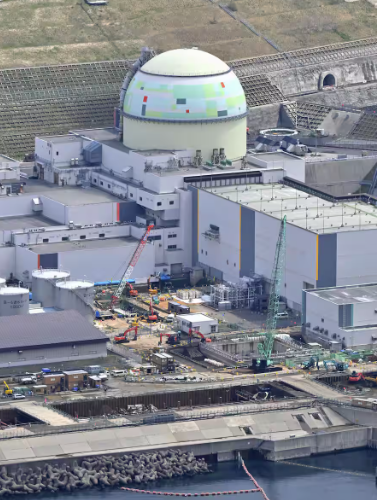
Japan's Tomari Nuclear Power Plant Plans New Low-Level Radioactive Waste Processing Facility
Hokkaido Electric Power Company (HEPCO) recently announced plans to construct a new low-level radioactive waste processing facility within the premises of the Tomari Nuclear Power Plant in Hokkaido, Japan, to handle approximately 12,000 drums of low-level radioactive waste currently stored on site. According to HEPCO, the new facility will sort waste such as paper and metal, reduce its volume through fine shredding or compression, and then solidify it by pouring mortar into the waste drums. After processing, the waste will undergo radioactivity level testing before being transported to the disposal center in Rokkasho Village, Aomori Prefecture. Previously, the Tomari plant had stored this type of waste in 200-liter drums without further processing. The proposed facility will have an annual processing capacity of over 1,000 drums, feature a three-story structure, and cover a total floor area of approximately 4,600 square meters.
2026-09-02
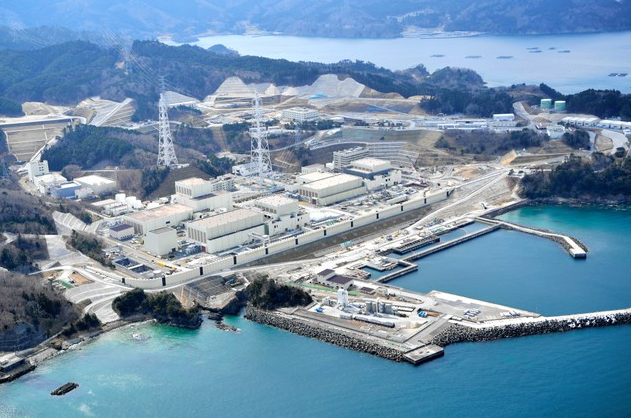
Japan's Onagawa Nuclear Power Station Unit 2 Plans to Replace Hydrogen Concentration Monitoring Equipment
Tohoku Electric Power has consulted with Miyagi Prefecture, Ishinomaki City, and Onagawa Town in advance regarding a change to the method of monitoring hydrogen concentration inside the containment vessel under severe accident conditions at Unit 2 of the Onagawa Nuclear Power Station. The company plans to submit an application to amend the reactor installation license to the Nuclear Regulation Authority (NRA) of Japan on the 2nd. Unit 2 of the Onagawa Nuclear Power Station is located in Onagawa Town and Ishinomaki City, Miyagi Prefecture. Tohoku Electric Power previously installed a total of four hydrogen concentration detectors inside and outside the reactor containment vessel of this unit, intended to monitor changes in hydrogen concentration within the containment vessel in the event of a severe accident. In 2025, some of these detectors experienced malfunctions. In the same year...
2026-09-02
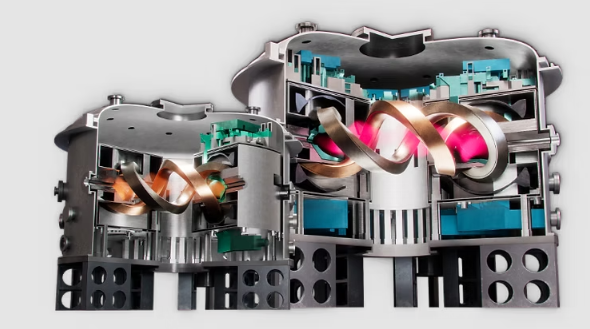
Japan's Helical Fusion Technology Selected as Candidate for METI's Fusion Demonstration Program
Helical Fusion Co., Ltd. has recently been selected as a final candidate for the fusion power demonstration project support program by Japan's Ministry of Economy, Trade and Industry (METI). The program aims to align with Japan's national fusion strategy, advancing fusion energy into the demonstration phase by the 2030s and building the technical foundation for subsequent commercialization. The left image shows Helix HARUKA, Helical Fusion's integrated demonstration device; the right image shows Helix KANATA, Helical Fusion's fusion test plant. Under the current arrangement, the program will provide approximately 60 billion yen in government funding over three years through 2028, supporting private-sector R&D across multiple fusion technology...
2026-09-01
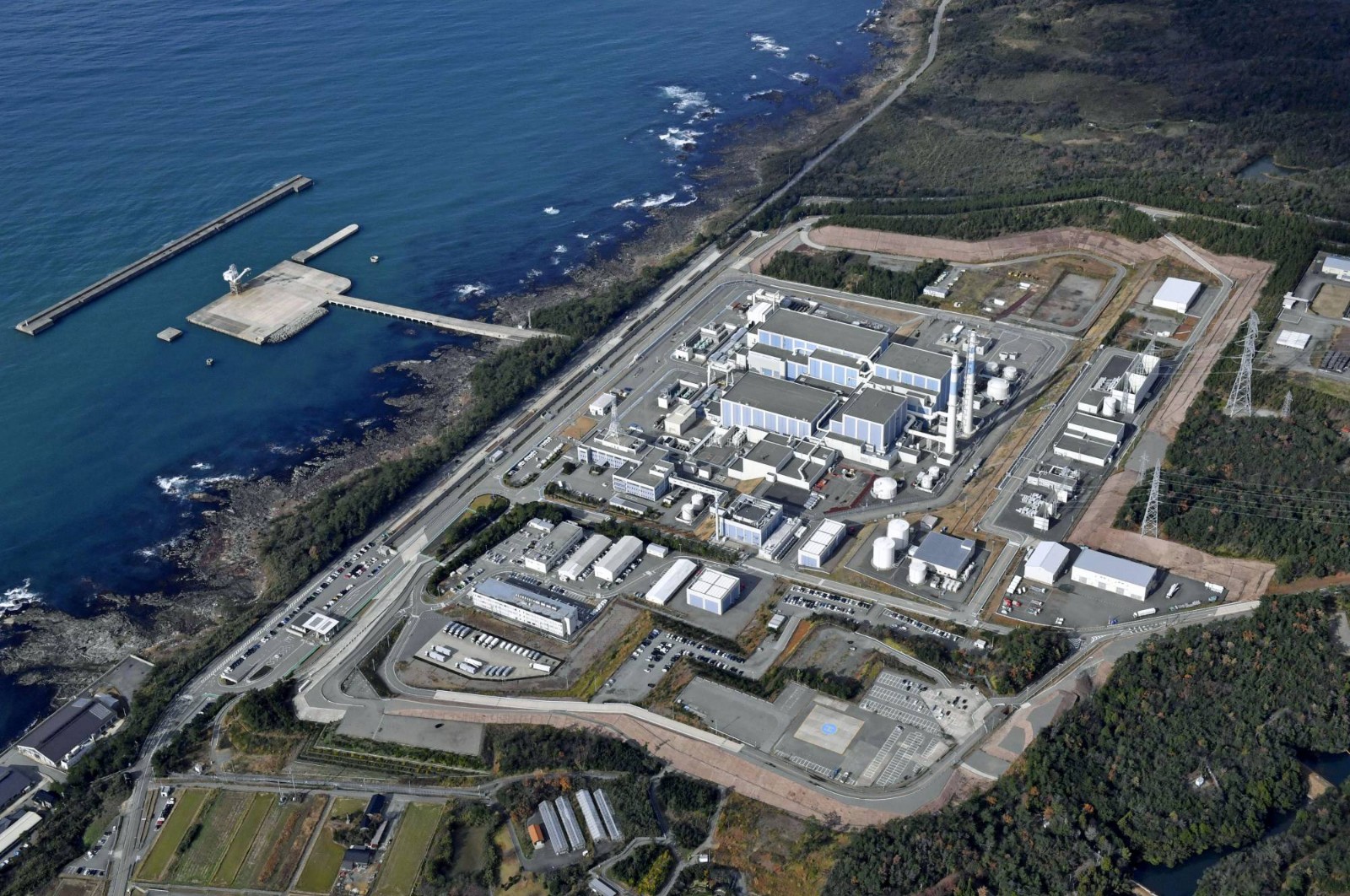
Hokuriku Electric Power Submits Revised Nuclear Disaster Prevention Business Plan for Shika Nuclear Power Station
Hokuriku Electric Power Company announced on August 31 that it has submitted revisions to the "Nuclear Operator Disaster Prevention Business Plan" for the Shika Nuclear Power Station to the Prime Minister of Japan and the Nuclear Regulation Authority for filing. The plan is formulated under Japan's Act on Special Measures Concerning Nuclear Emergency Preparedness, and primarily stipulates the operations required of nuclear power stations in nuclear disaster prevention, emergency response, post-nuclear-disaster response, as well as preventing the occurrence and escalation of nuclear disasters and promoting recovery efforts. Hokuriku Electric Power stated that consultations with Ishikawa Prefecture, Shika Town, and Toyama Prefecture have been completed for this revision. Under relevant Japanese laws and regulations, nuclear power...
2026-09-01
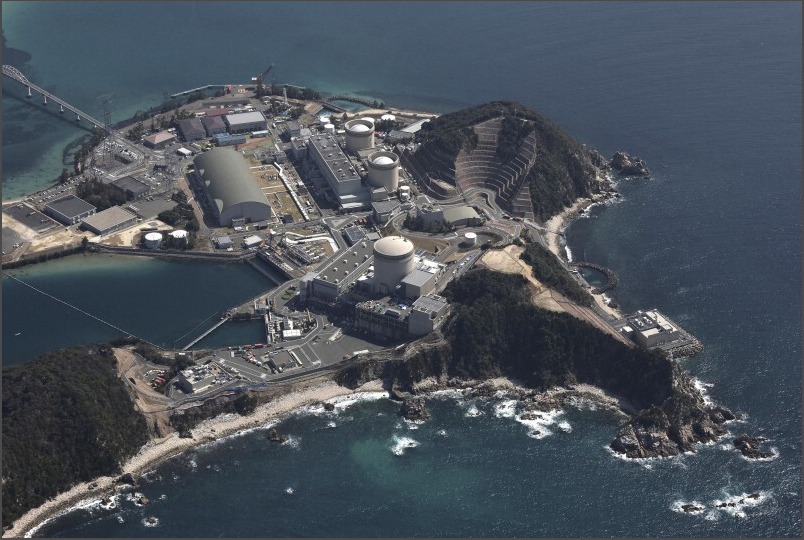
Japan's Mihama Nuclear Power Station Unit 3 Plans Grid Connection on September 15
Kansai Electric Power announced on September 1, 2026, that work related to the periodic inspection of Unit 3 at Japan's Mihama Nuclear Power Station is progressing as planned. Based on the progress of the inspection and the status of corrective measures for the steam leakage issue in the high-pressure turbine, the unit is scheduled to be connected to the grid on September 15. Unit 3 of Mihama Nuclear Power Station is a pressurized water reactor unit with a rated electrical output of 826 MW and a rated thermal output of 2,440 MW. On May 8 this year, the unit underwent a manual reactor shutdown after steam leakage was confirmed in the high-pressure turbine. From June 16, the unit entered its 29th periodic inspection. Kansai Electric Power stated that, in response to the steam leakage in the high-pressure turbine, the upper cylinder sealing cover has been replaced based on the results of the cause investigation, and multiple measures such as the development of relevant guidelines are being advanced.
2026-09-01
Japan Plans to Introduce Physical AI into Fukushima Daiichi Nuclear Power Station Decommissioning
The Japanese government and Tokyo Electric Power Company (TEPCO) are preparing to introduce Physical AI technology into the decommissioning operations at the Fukushima Daiichi Nuclear Power Station to enhance the autonomous operational capabilities of robots in high-radiation environments. This technology enables artificial intelligence to autonomously control robots based on on-site conditions, performing tasks such as inspection, data collection, and cleanup. To advance this effort, an advisory organization involving the government, businesses, universities, and research institutions is planned to be established within the year, with discussions centered on technology development, equipment application, and on-site verification. The organization is expected to be led by relevant government ministries and TEPCO, and will include AI startups, robot manufacturers, and university researchers.
2026-09-01
Kansai Electric Power Applies to Build Dry Cask Storage Facilities for Spent Fuel
Kansai Electric Power Company (KEPCO) announced on August 31 that it has submitted an application to Japan's Nuclear Regulation Authority (NRA) seeking approval for the design and construction plans of dry cask storage facilities for spent fuel at its Mihama and Takahama nuclear power plants in Fukui Prefecture. The company plans to begin construction in 2027 and aims to complete the facilities by 2029. This application covers the first-phase construction at the Mihama and Takahama nuclear power plants. KEPCO had previously planned to build a total of four dry cask storage facilities for spent fuel at three nuclear power plants within Fukui Prefecture, including the Mihama, Takahama, and Ohi nuclear power plants. Currently, the related project at the Ohi nuclear power plant and the second-phase construction at the Takahama nuclear power plant remain...
2026-09-01
Fukushima Daiichi Nuclear Power Station begins 23rd discharge of treated nuclear-contaminated water
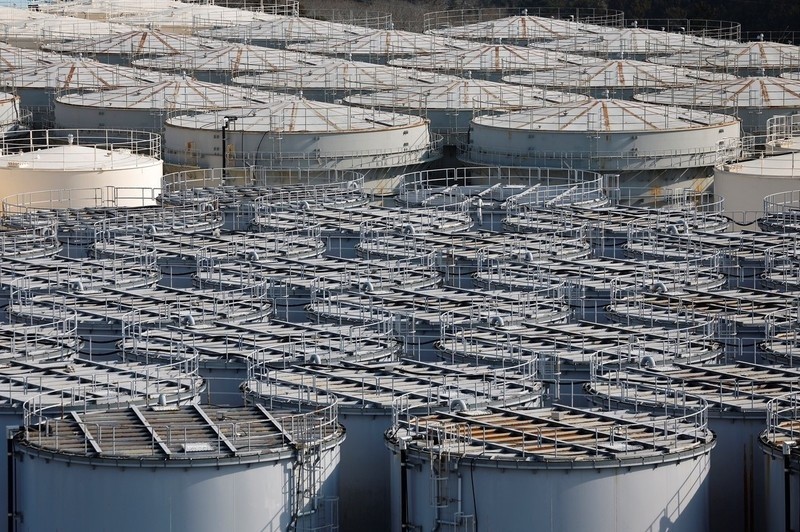
At 11:29 on August 31, Fukushima Daiichi Nuclear Power Station began its fifth discharge of treated nuclear-contaminated water in fiscal year 2026 and the 23rd overall. The operation is scheduled to last 19 days, concluding on September 18, with an estimated discharge of approximately 7,800 tonnes of nuclear-contaminated water diluted with seawater, equivalent to the capacity of about 8 storage tanks. The total tritium content is estimated at approximately 1.2 trillion becquerels. The reactors of Units 1 to 3 at Fukushima Daiichi still contain nuclear fuel that melted and solidified during the accident, known as fuel debris. Groundwater and rainwater that come into contact with this fuel debris form contaminated water. Since the discharge of treated nuclear-contaminated water began in August 2023, Fukushima Daiichi has cumulatively released approximately 173,000 tonnes, equivalent to about 173 storage tanks' capacity.
2026-09-01
Japan Requests Hitachiomiya City in Ibaraki Prefecture to Conduct Literature Survey for High-Level Radioactive Waste Disposal Site
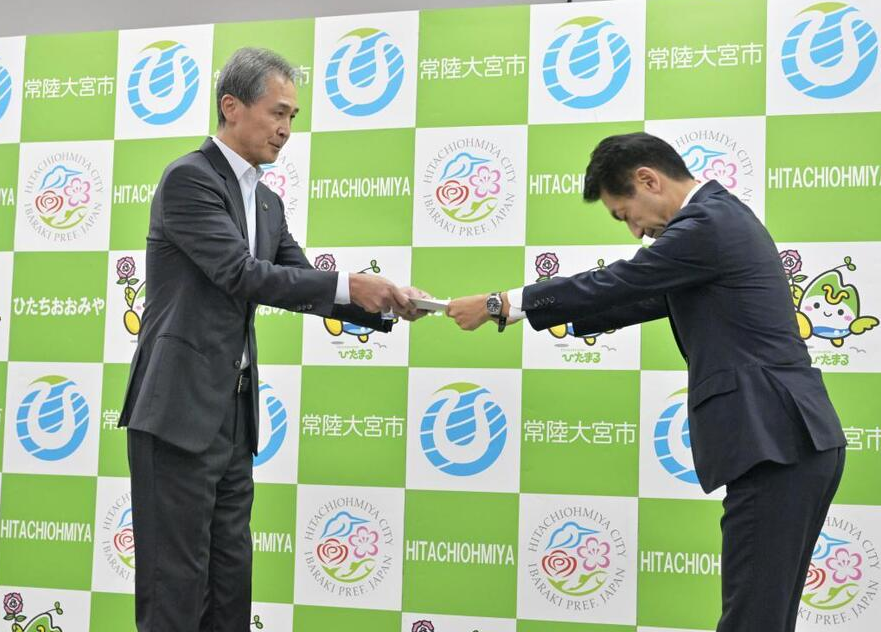
Japan's Ministry of Economy, Trade and Industry (METI) on August 31 requested Hitachiomiya City in Ibaraki Prefecture to conduct a literature survey, as the first step in siting a final disposal facility for high-level radioactive waste generated from nuclear power plant operations. If Hitachiomiya City agrees, it will become the fifth municipality in Japan to accept such a literature survey, and the second time the Japanese government has proactively requested a survey from a local government, following Minamitorishima in Ogasawara Village, Tokyo. On the same day, Takashi Kume, Vice Commissioner of Japan's Agency for Natural Resources and Energy, visited the Hitachiomiya City government and submitted the survey request to Mayor Sadanori Suzuki. Suzuki stated that he personally takes a positive stance toward accepting the literature survey, and noted that the city faces issues such as rapid population decline and a weak local economy, adding that if the area has favorable geological conditions, participating in the national geological disposal policy would be of "significant importance." He said he would make a decision after hearing the views of the city assembly, with the matter possibly being discussed at the regular assembly meeting as early as September.
2026-09-01
Japan Plans to Include Hitachiomiya, Ibaraki Prefecture, in Nuclear Waste Disposal Site Selection Survey
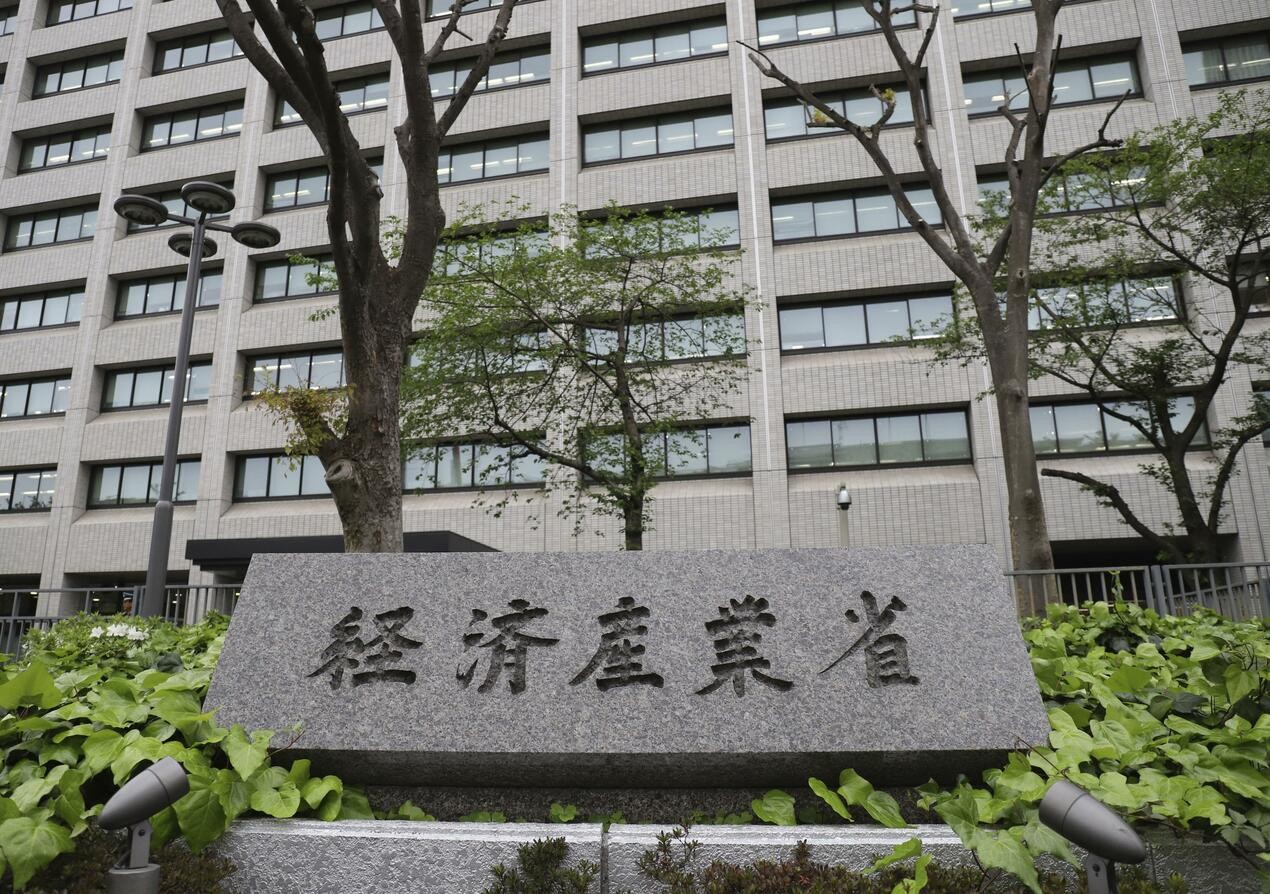
According to sources familiar with the matter on August 31, Japan's Ministry of Economy, Trade and Industry is considering conducting a preliminary survey in Hitachiomiya, Ibaraki Prefecture, to designate the city as one of the potential candidate sites for a final disposal facility for high-level radioactive waste. The relevant plan is expected to be submitted to the Hitachiomiya municipal government. If the local government accepts the plan, Hitachiomiya will become the fifth location in Japan to undergo such a preliminary survey. The site selection process for Japan's high-level radioactive waste disposal facility involves multiple stages, and the entire screening process typically takes several years. The proposed preliminary survey is an early step to determine whether the area meets the conditions for further evaluation...
2026-08-31
Japan nuclear waste, geological disposal, literature survey, Hitachiomiya City
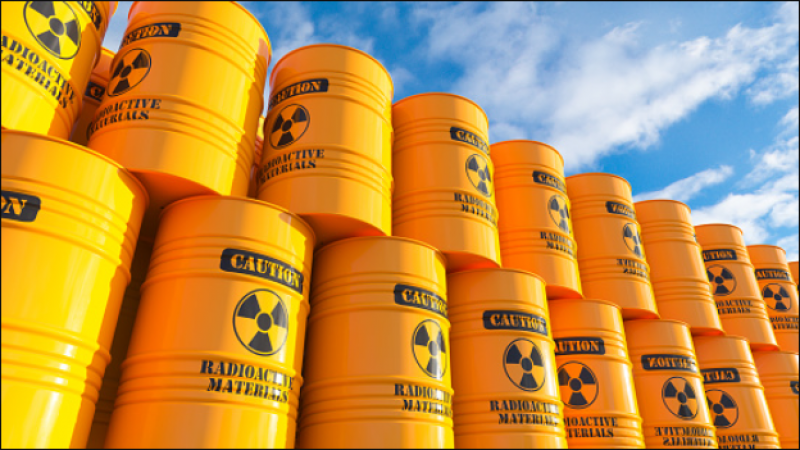
Japan's Ministry of Economy, Trade and Industry (METI) is in the final stages of coordination regarding the site selection process for the final disposal of high-level radioactive waste, with plans to request Hitachiomiya City in Ibaraki Prefecture to conduct a literature survey. The literature survey is the first phase of Japan's screening process for selecting a final disposal site for high-level radioactive waste generated from nuclear power generation. It primarily relies on existing literature and materials to assess whether candidate areas have safety concerns such as volcanoes and active faults. Hitachiomiya City is located in the northwestern part of Ibaraki Prefecture, bordering Tochigi Prefecture, with a population of slightly over 35,000. The city does not face the sea, with the Kuji River and Naka River flowing through its territory. Forests account for approximately 60% of the city's total area, and agriculture and manufacturing are the main industries. In recent years, the city has been promoting tourism and emerging industries leveraging the natural environment, while also facing challenges such as population decline, aging, and fiscal pressure.
2026-08-31
Decontaminated soil from Fukushima used in flower beds at Saitama municipal government building
Decontaminated soil generated after the Fukushima Daiichi Nuclear Power Station accident was transported on August 30 to a government building in Saitama City, Japan, and used in a reuse project for on-site flower beds. The work took place at the Saitama Shintoshin Joint Government Building in Chuo Ward, Saitama City. Approximately one cubic meter of decontaminated soil was brought to the site, where workers dug holes in the flower beds, filled the soil to a depth of about 20 centimeters, and then covered it with approximately 20 centimeters of ordinary soil. Similar decontaminated soil reuse work was carried out on August 29 at the Sendai Joint Government Building in Miyagi Prefecture. Apart from demonstration projects within Fukushima Prefecture, this is the second reuse case conducted outside the Tokyo area. On the day of the work, approximately...
2026-08-31
Japan to Establish New Decontamination Base in Okuma, Fukushima
Japan's Ministry of the Environment has decided to establish a new work base in Okuma Town, Fukushima Prefecture, in the next fiscal year to coordinate decontamination and house demolition work in difficult-to-return zones following the accident at Tokyo Electric Power Company (TEPCO)'s Fukushima Daiichi Nuclear Power Station, aiming to accelerate environmental recovery in the affected areas. Within seven municipalities surrounding the Fukushima Daiichi Nuclear Power Station, approximately 309 square kilometers have been designated as difficult-to-return zones. These areas remain under strict control, with restrictions on residential habitation and entry, and evacuation orders remain in effect. Within the difficult-to-return zones, the Japanese government has established "specified return residential areas" and plans to advance decontamination, house demolition, and other measures based on residents' intentions to return. The proposed new base in Okuma Town will be responsible for on-site management and project coordination, with approximately 30 staff members expected to be assigned, and the relevant branch office currently located in Hirono Town will be relocated to Okuma Town.
2026-08-30
Japanese Nuclear Regulator Inspects Horonobe Geological Disposal Research Facility for High-Level Radioactive Waste
On August 28, Shinya Nagasaki and other members of Japan's Nuclear Regulation Authority (NRA) inspected an underground research facility in Horonobe Town, Japan. The facility, operated by the Japan Atomic Energy Agency (JAEA), conducts technical research on deep geological disposal of high-level radioactive waste. Geological disposal of high-level radioactive waste involves encapsulating the waste and burying it deep underground, achieving long-term isolation through engineered and natural geological barriers. During the inspection, Nagasaki and his delegation examined test facilities used to evaluate the corrosion resistance of iron containers. The tests simulate the environment of containers holding heat-generating radioactive waste after being buried underground...
2026-08-30
Japan's Fukui Prefecture Approves KEPCO's Construction of Dry Cask Storage Facilities for Spent Fuel
Fukui Prefecture Governor Tatsuji Sugimoto announced on August 28 that he approved Kansai Electric Power Company's (KEPCO) plan to construct dry cask storage facilities for spent fuel within the premises of the Mihama and Takahama nuclear power plants in Fukui Prefecture. The decision was made in accordance with the safety agreement between Fukui Prefecture and KEPCO. KEPCO plans to apply to the Nuclear Regulation Authority (NRA) for approval of the relevant design and construction plans as early as August 31. KEPCO plans to build dry cask storage facilities at three nuclear power plants in Fukui Prefecture to temporarily store spent fuel and prepare for future transport to an interim storage facility outside Fukui Prefecture. Among these, the plans for the Mihama and Takahama nuclear power plants...
2026-08-29
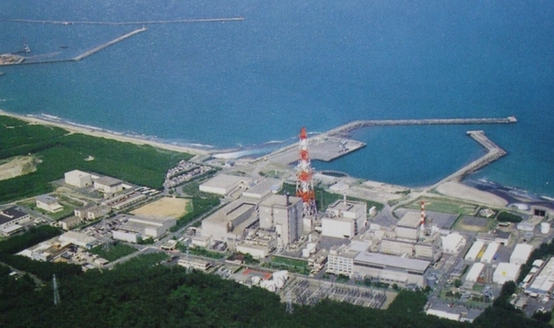
Further Delay in Completion of Safety Measures at Japan's Tokai Daini Nuclear Power Plant
Japan Atomic Power Company (JAPC) announced on August 28 that the safety measure works required for the restart of the Tokai Daini Nuclear Power Plant in Tokai Village, Ibaraki Prefecture, are now expected to be completed between October 2028 and March 2029 (the second half of fiscal 2028), delayed from the original target of December 2026. This marks the fourth postponement of the completion schedule for the plant's safety measures. One of the key projects among the safety measures at Tokai Daini is the construction of a seawall approximately 17 meters high to protect against tsunamis. In June 2023, defects including incomplete concrete filling and deformed rebar were discovered in the seawall's foundation works, and related construction was subsequently suspended. JAPC has since applied to the Nuclear Regulation Authority (NRA)...
2026-08-29
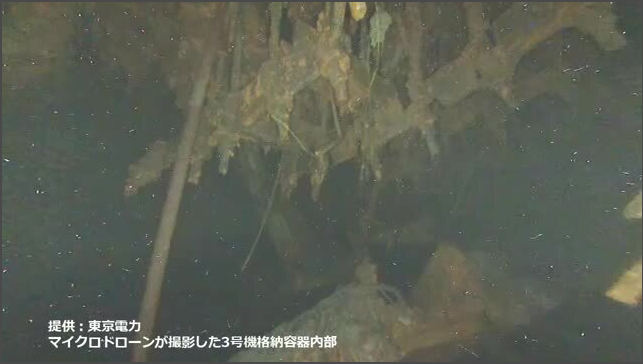
Hole of about 3 meters confirmed at bottom of reactor pressure vessel of Unit 3 at Fukushima Daiichi Nuclear Power Station
Tokyo Electric Power Company (TEPCO) announced on August 27 that a hole approximately 3 meters in diameter has been confirmed at the bottom of the reactor pressure vessel of Unit 3 at the Fukushima Daiichi Nuclear Power Station. The pressure vessel is a steel container that held nuclear fuel before the accident, with a cylindrical shape and a diameter of about 5.5 meters. This is the first time since the core meltdown accident at Units 1 to 3 of the Fukushima Daiichi Nuclear Power Station in 2011 that the specific size and shape of such a hole have been confirmed on the pressure vessel. The hole is believed to be related to the falling of melted nuclear fuel during the 2011 accident. After the accident, the containment vessel of Unit 3 has maintained a relatively high water level for an extended period, and access routes into the containment vessel are limited. TEPCO previously used a micro drone measuring approximately 12 centimeters per side...
2026-08-28
Reading Ranking
- 1 Chubu Electric Power Company withdraws regulatory review application for Hamaoka Nuclear Power Plant reactors
- 2 NRA Commissioner Inspects Radiation Management at Shimane Nuclear Power Station
- 3 Uzbekistan and Japan Discuss Expanding Cooperation in Peaceful Uses of Nuclear Energy
- 4 Japan Extends Deadline for Mandatory Anti-Terrorism Facility Installation at Nuclear Power Plants
- 5 Fukushima Daiichi Nuclear Power Station begins 23rd discharge of treated nuclear-contaminated water
- 6 Japan to Build Fusion Tritium Fuel Research Base in Aomori Prefecture
- 7 Japan Explains Plan for Spent Fuel Interim Storage Facility in Kaminoseki Town
- 8 Mutsu City Requests Submission of Revised Plan for 5,000-Ton Transport to Spent Fuel Interim Storage Facility
- 9 22nd Round of Fukushima Daiichi Nuclear Power Station ALPS Treated Water Discharge Completed
- 10 Japan's Ikata Nuclear Power Plant Unit 1 Decommissioning Plan to Enter Second Phase
- 11 Japan's Nuclear Regulation Authority Begins Revising Seismic Motion Evaluation Guidelines
- 12 South Korea's POSCO Group Invests in Japanese Fusion Company Kyoto Fusion Engineering
- 13 Survey of Japanese 18-year-olds: Nearly 60% support restarting or replacing nuclear reactors that meet safety standards
- 14 Japan Selects Four Companies for Fusion Power Program
- 15 Japan's Tomari Nuclear Power Plant Plans New Low-Level Radioactive Waste Processing Facility