Registration
REGISTER FOR THE CONFERENCE
Registration
REGISTER FOR THE CONFERENCE
 Apply to Exhibit
APPLICATION FOR EXHIBITION
Apply to Exhibit
APPLICATION FOR EXHIBITION
 Sponsorship
SPONSORSHIP APPLICATION
Sponsorship
SPONSORSHIP APPLICATION
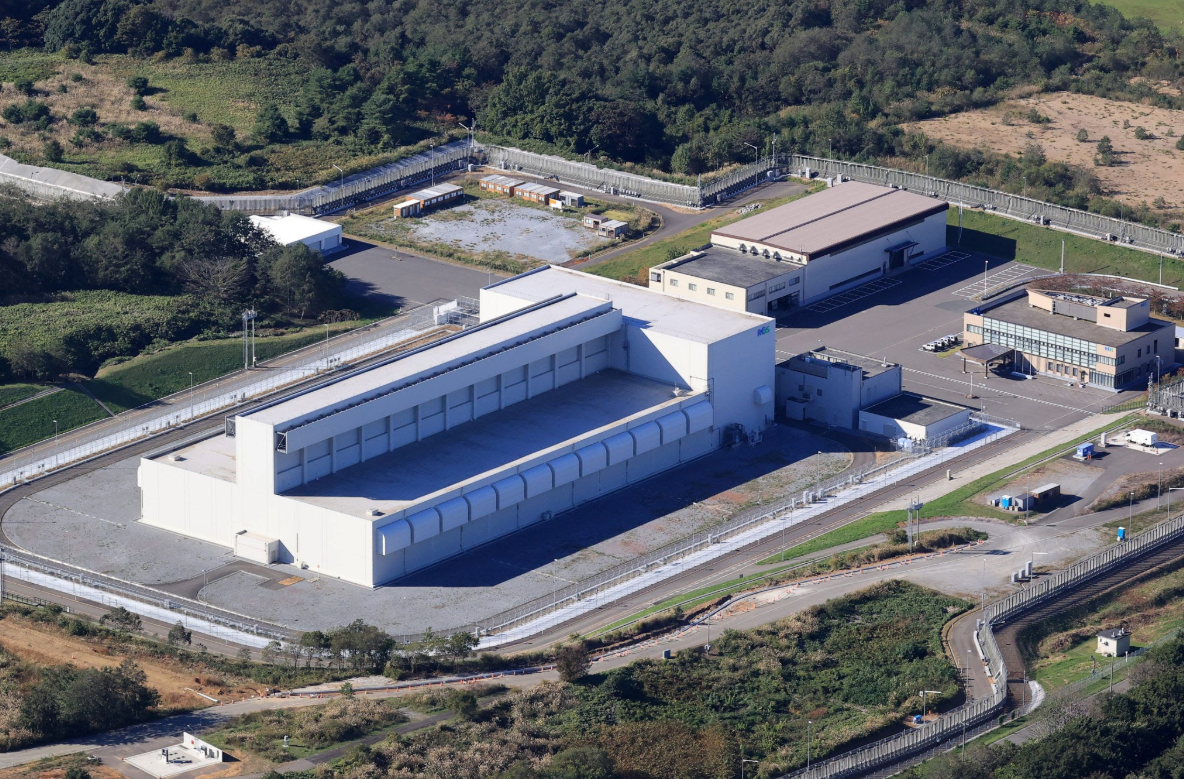
Kansai Electric Power and Tohoku Electric Power Plan to Participate in Spent Fuel Interim Storage Facility in Mutsu, Aomori Prefecture, Japan
Kansai Electric Power Co. and Tohoku Electric Power Co. have expressed their intention to participate in the use of the spent fuel interim storage facility located in Mutsu, Aomori Prefecture, northeastern Japan. Currently, the interim storage facility only accepts spent fuel from nuclear power plants of Tokyo Electric Power Company Holdings (TEPCO) and Japan Atomic Power Co. After the mayor of Mutsu agreed to consider allowing the facility to accept spent fuel from other electric power companies, the situation underwent a major shift. Subsequently, Tokyo Electric Power Company and Japan Atomic Power Co. reached out to the other eight electric power companies in Japan that operate nuclear power plants to solicit their interest in jointly participating in the use of the interim storage facility.
2026-09-16

Ontario Power Generation Nuclear Waste Management Facility Second Quarter Performance Report Released
2026-09-16

Kazakhstan Delivers National Statement at the 70th IAEA General Conference, Outlining Nuclear Energy Development Strategy
2026-09-16

Eagle Nuclear Energy Corp. Expands Government Affairs and Uranium Advisory Capabilities to Support the U.S. Domestic Nuclear Fuel Supply Chain
2026-09-16

Slovenské elektrárne launches extended outage of Unit 2 at Mochovce
2026-09-16

Terrestrial Energy Submits Graphite Topical Report to U.S. Nuclear Regulatory Commission, Advancing Integrated Molten Salt Reactor Licensing Process
2026-09-16

Syria Places 73 Tonnes of Uranium Under IAEA Safeguards
2026-09-16

South Korea and Kazakhstan Sign Nuclear Energy Agreement, Deepening Cooperation on Critical Minerals and Strategic Industries
2026-09-16

Armenia and the IAEA discuss the extension of the Metsamor Nuclear Power Plant and the selection of the reactor type for a new nuclear power plant
2026-09-16
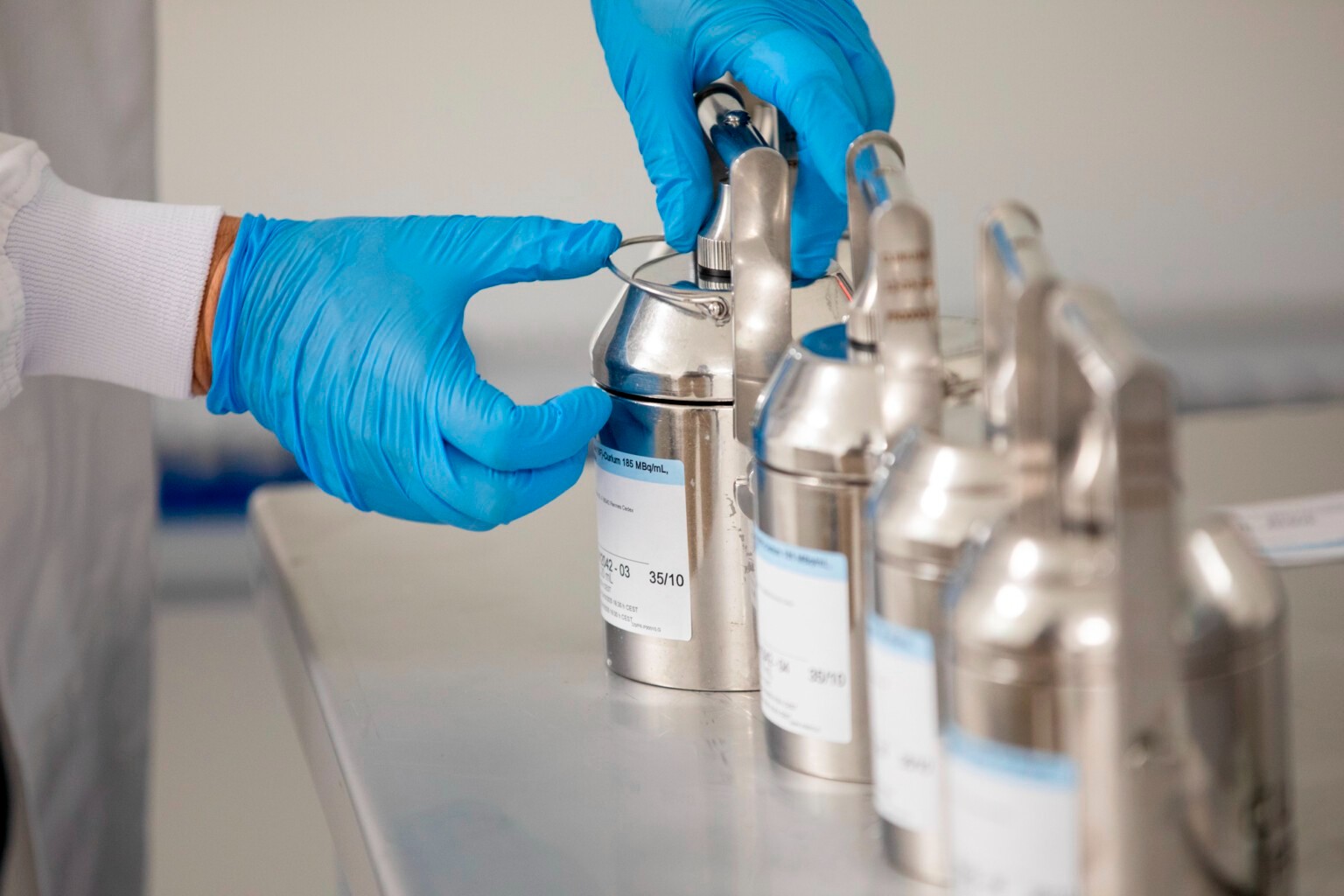
Radiopharmaceutical company Curium recently announced that its developed lutetium-177 (Lu-177) dotatate injection (trade name: Bexlutry) has received formal approval from the U.S. Food and Drug Administration (FDA). The drug is indicated for the treatment of somatostatin receptor-positive adult gastroenteropancreatic neuroendocrine tumors (GEP-NETs). The specific indication scope includes various neuroendocrine tumors occurring in the adult foregut, midgut, and hindgut. Bexlutry is an advanced radioligand therapy whose mechanism of action lies in its ability to specifically bind to somatostatin receptors highly expressed on the surface of such tumors. Through this precise binding, the drug can deliver...
2026-09-16
DeVry University and Pulse Radiology Institute (Pulse Radiology Institute) recently announced a partnership to jointly launch a new associate degree specialization in Magnetic Resonance Imaging (MRI) technology. This degree program innovatively combines DeVry University's flexible and convenient online theoretical courses with Pulse Radiology Institute's mature clinical training model and its network of college and healthcare partners across the United States. The core purpose of launching this hybrid training program is to address the staffing shortage crisis currently facing the healthcare industry. According to data published by the American Society of Radiologic Technologists (ASRT), the current vacancy rate for MRI technologists is as high as 1...
2026-09-16
A scientific team led by the Universitat Politècnica de Catalunya (UPC) in Barcelona and the European Synchrotron Radiation Facility (ESRF) has successfully revealed the nanoparticle chemical reactions that created the distinctive shimmering iridescent effect in 9th-century Islamic ceramic painting. The related research findings have been published in the academic journal Science Advances. Centuries before the rise of modern nanotechnology, 9th-century Abbasid potters were already able to produce ceramics with vivid colors such as gold, red, brown, or yellow and a metallic luster. This technique for creating the iridescent effect originated in the Near East during the Abbasid period and subsequently spread throughout the entire Islamic world.
2026-09-16
The IAEA's Rays of Hope initiative aims to expand access to cancer care, drive innovation, and build partnerships to narrow the global gap in cancer treatment. Every year, cancer claims more than 10 million lives, and that number is expected to nearly double by 2050. While many cancers are treatable, especially when detected early, timely diagnosis and life-saving treatment are unevenly distributed around the world. Low- and middle-income countries often lack modern medical imaging and radiotherapy equipment, trained oncologists, research capacity, and basic services. More than half of cancer cases occur in these countries, and nearly two-thirds...
2026-09-16
Rosatom will cooperate with the Ministry of Emergency Situations of Kyrgyzstan to restore the site of the former Kristall plant to a safe state using Russian engineering and environmental technologies. In Tashkumyr, the capital of Kyrgyzstan, Rosatom held an information session with local residents, public representatives and experts to present the upcoming work at the Kristall plant. Rosatom experts presented the work stages, technical solutions and environmental monitoring system. The site has stored up to 155 tonnes of toxic chemicals for about 15 years. These chemicals are kept in process tanks left after the production line was shut down and pose a potential hazard to the surrounding area....
2026-09-16
Siemens Healthineers announced that the company will make an investment of nearly $44 million at its PET detector center in Rockford, Tennessee, to increase production capacity for PET/CT equipment. This investment marks the completion of the company's construction project at the center, which is aimed at meeting growing demand for PET/CT technology and supporting new product lines launched in the U.S. and international markets. In the Rockford expansion project, approximately 40,000 square meters of building area were added, increasing the total campus footprint to 97,000 square meters, while 7,500 square meters of existing buildings were also renovated. The campus is Siemens Healthineers' only...
2026-09-15
The U.S. Food and Drug Administration (FDA) has approved a new brain tumor imaging agent developed by Australian pharmaceutical company Telix, the company announced on Monday. The product, called Pixclara, is a radioactive diagnostic drug used in combination with positron emission tomography (PET) imaging. Its primary use is to help doctors distinguish between recurrent brain tumors and harmless changes caused by prior treatment. The FDA approval comes after Telix faced an FDA rejection last year due to insufficient evidence. Kevin Richardson, CEO of Telix Precision Medicine, said in a statement: "As the first FDA-approved PET imaging drug for glioma (a type of brain tumor), Pixclara will provide physicians in the United States with more definitive diagnoses and greater confidence in patient treatment planning."
2026-09-15