

Korea's Eugene MS Wins KRW 11.4 Billion Order for ITER Core Components
Korea's Eugene MS announced on August 31 that it has signed a contract with the Korea Institute of Fusion Energy (KFE) to produce and supply the second batch of vacuum vessel port sealing flanges for the International Thermonuclear Experimental Reactor (ITER). The contract is valued at approximately KRW 11.4 billion, equivalent to about 44% of Eugene MS's 2025 revenue of KRW 25.9 billion. The contract period runs through December 2030. Under the arrangement, the sealing flanges will be delivered to the ITER Organization in three batches, with final inspection and related procedures scheduled for completion by June 30, 2031. The ITER vacuum vessel port sealing flanges consist of large fasteners and other components...
2026-08-31
France's ITER research program may start before 2034
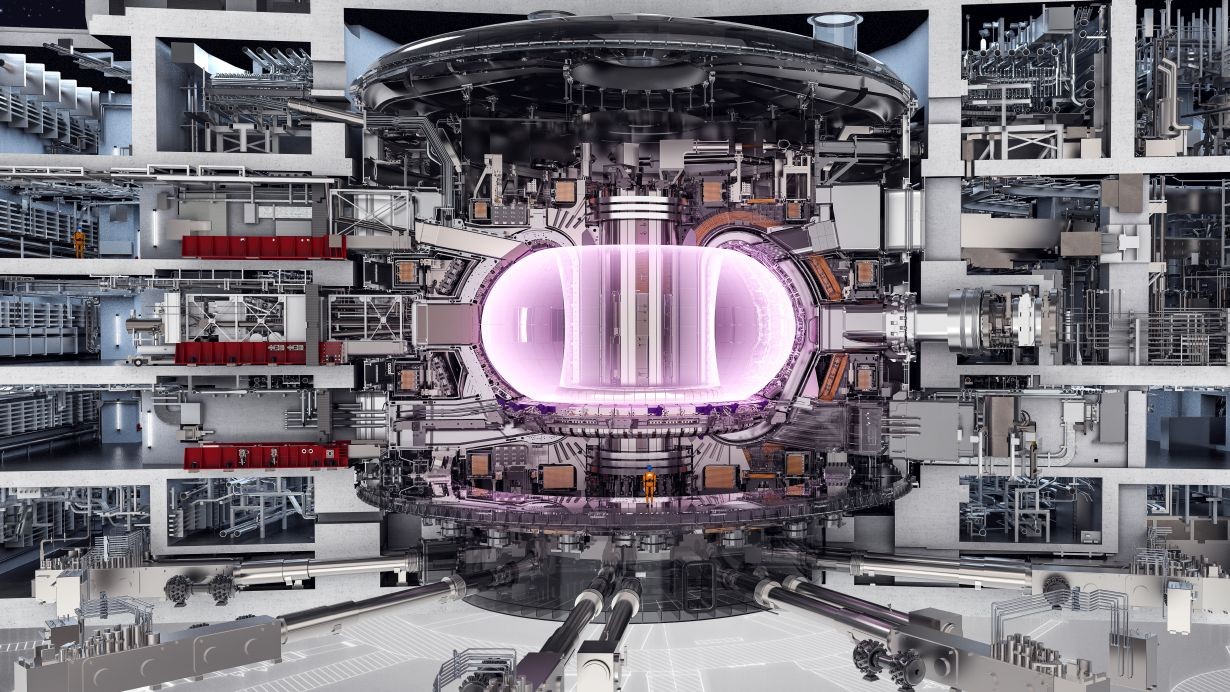
Scientific preparation work for the International Thermonuclear Experimental Reactor (ITER) is currently about 7 months ahead of the original schedule, and the research program may start earlier than the previously set target of 2034. Anatoly Krasilnikov, Director of the ITER Project Center at Rosatom, revealed this progress during the Technoprom-2026 forum. Krasilnikov stated that the project team no longer uses the milestone term "first plasma," but has instead adjusted the objective to "start of the research program," with a target date of 2034. Based on the current progress, the work is 7 months ahead of schedule, and there is a possibility of achieving the goal ahead of time...
2026-08-28
Japan Completes Cryogenic Test of World's Largest Superconducting Toroidal Field Coil for ITER
Japan's National Institutes for Quantum Science and Technology (QST) and Toshiba Corporation announced on August 25 that they had successfully completed the first cryogenic current test of the world's largest superconducting toroidal field coil at the construction site of the International Thermonuclear Experimental Reactor (ITER). The test was conducted at an operating temperature of approximately minus 269 degrees Celsius, marking a critical technical milestone before ITER's commissioning. The superconducting toroidal field coil, also known as the TF coil, installed in the test facility is a key component of ITER's superconducting magnet system, used to generate the strong magnetic field required to confine plasma. During the test, the team cooled the coil from room temperature to cryogenic conditions, confirmed its transition to the superconducting state, and for the first time achieved stable conduction of 10,000 amperes of current while the coil was in the superconducting state.
2026-08-25
Chinese Team Achieves Full Technical Chain Integration in Wall Treatment for the World's Largest "Artificial Sun"
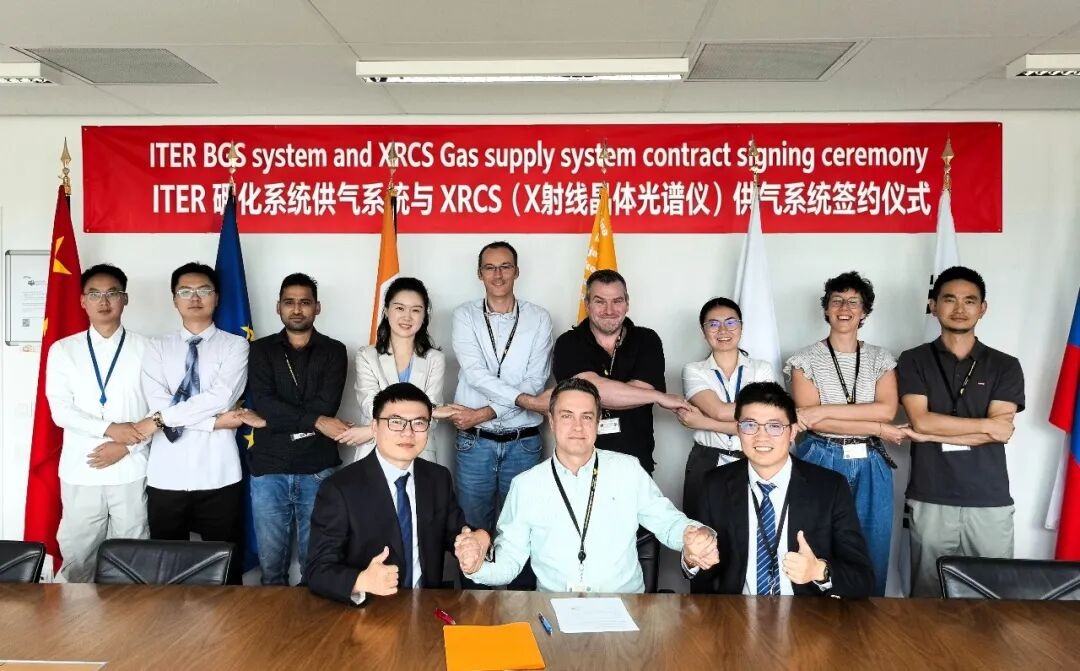
Recently, the team from the Southwestern Institute of Physics under the China National Nuclear Corporation (CNNC) has made significant progress in the wall treatment technology of the International Thermonuclear Experimental Reactor (ITER): not only successfully passing the Delta Final Design Review (Delta FDR) for the supplementary design of the Glow Discharge Cleaning (GDC) system permanent electrode project, but also, leading and jointly with CNI23, winning the bid and signing contracts in France for the design and manufacture of the boronization system and the X-ray Crystal Spectrometer (XRCS) gas supply system. This marks a new expansion of the Chinese team's core technology in ITER wall treatment, extending the scope from the original glow discharge cleaning to boronization wall treatment, achieving a full technical chain from impurity removal to surface pre-treatment...
2026-08-15
ITER Tokamak Advances Assembly in France, Fusion Experiment Targets 150 Million Degree Celsius Plasma
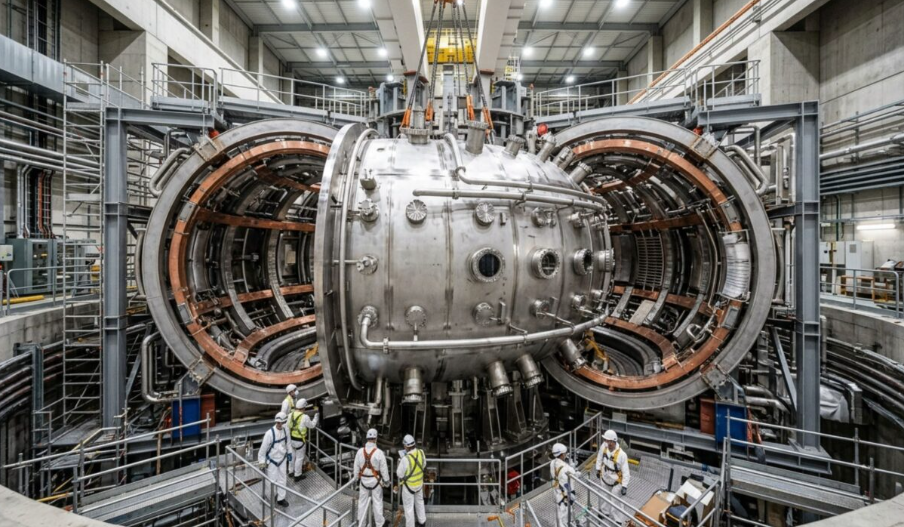
The ITER tokamak being assembled in southern France is one of the most closely watched large-scale experimental devices in global nuclear fusion research. The machine weighs approximately 23,000 tonnes in total and adopts a donut-shaped toroidal structure, using strong magnetic fields to confine high-temperature plasma, with the goal of replicating on Earth the conditions for fusion reactions that occur inside stars. Its plasma volume is approximately 830 cubic meters, far exceeding previous tokamak devices, and it is therefore expected to validate the key physics and engineering technologies required for future commercial fusion reactors. ITER adopts the toroidal tokamak structure because charged particles can move along toroidal paths under strong magnetic fields, thereby minimizing direct contact with the device's inner walls...
2026-08-14
ITER Test Blanket Modules Enter Key Phase of Preliminary Design Review
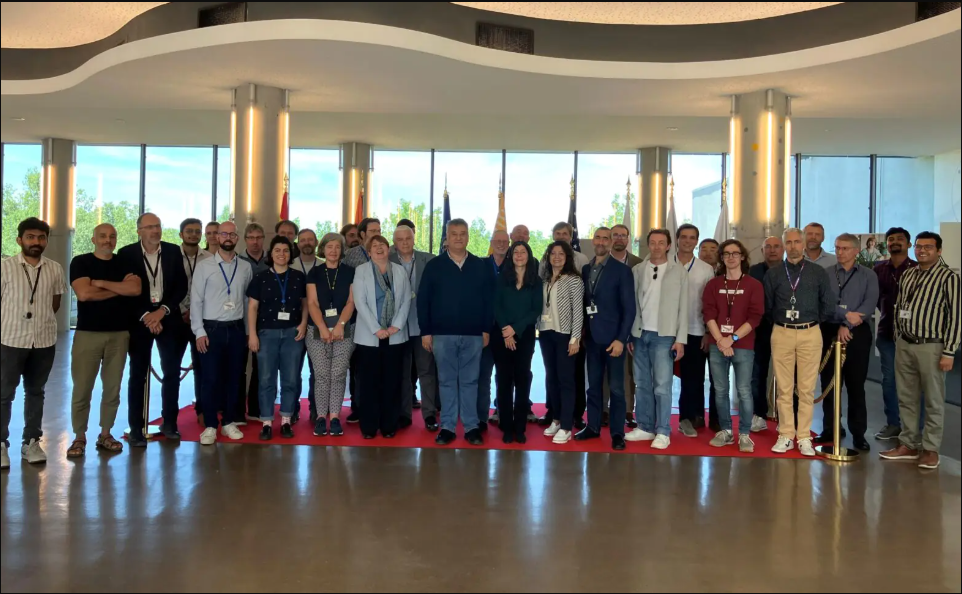
The International Thermonuclear Experimental Reactor (ITER) Test Blanket Module (TBM) project is advancing a key technology validation effort in the field of fusion energy. The Test Blanket Modules address the breeding blanket requirements of future fusion power plants, aiming to validate tritium breeding concepts under reactor operating conditions, providing a technical foundation for fusion fuel cycle self-sufficiency. Group photo at the European TBM Preliminary Design Review meeting held at ITER Headquarters. F4E-ITER Organization In a fusion reaction, deuterium and tritium fuse and release high-energy neutrons. When high-energy neutrons enter a lithium-containing blanket, they can interact with lithium to produce new tritium, which then re-enters the fuel cycle. Due to the scarcity of natural tritium resources, the breeding blanket is...
2026-08-07
Progress and Cost Performance Management of the ITER Project Enhancement
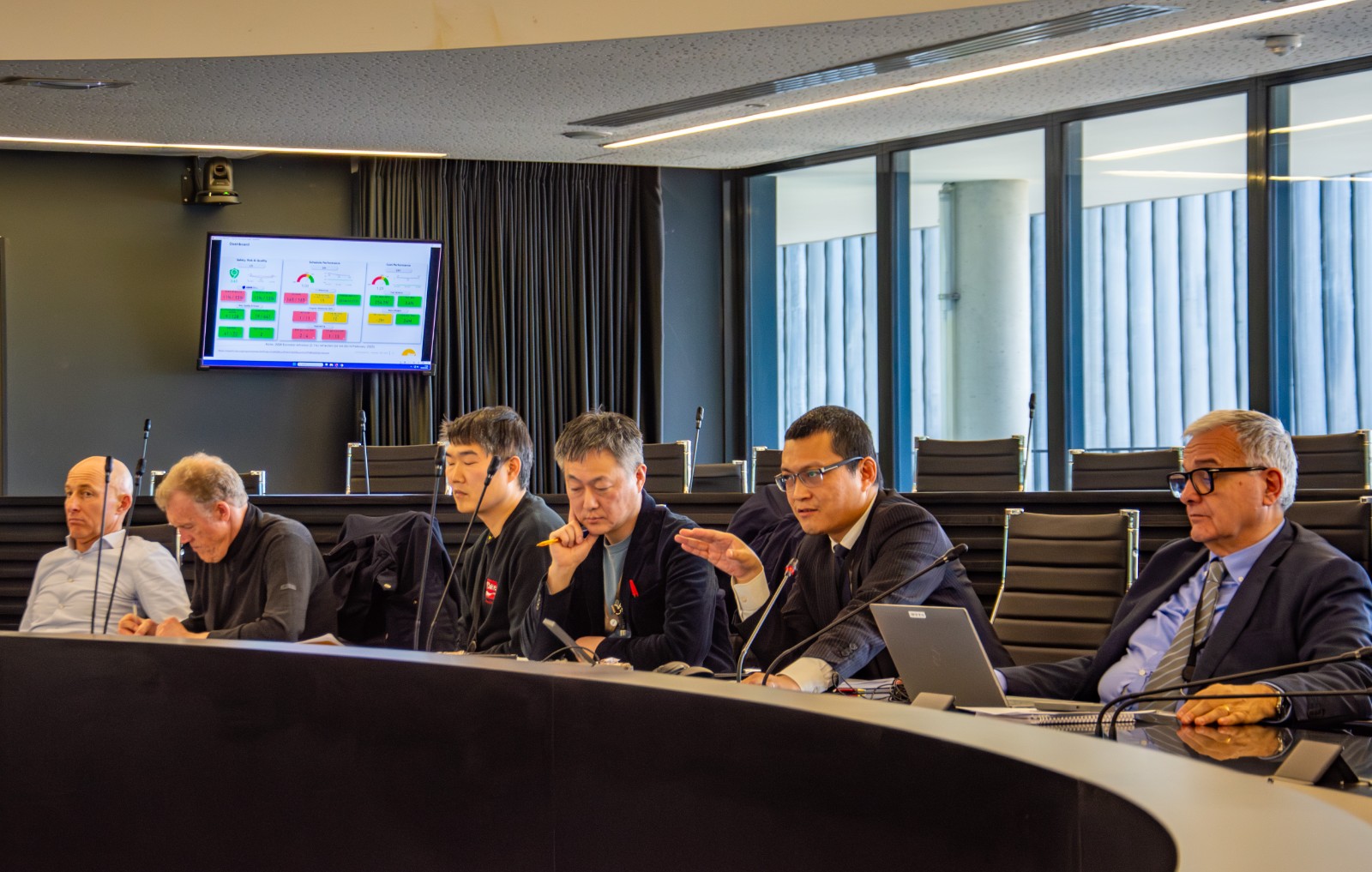
The ITER Organization reported on July 29 that, regarding the construction progress and cost control of the International Thermonuclear Experimental Reactor (ITER), the project team has established a more detailed monthly tracking mechanism, and regularly reports key performance indicators, updated estimates at completion, and milestone trend analyses to the ITER Council. The ITER project is large in scale with complex interfaces; management efforts involve not only overall schedule and budget but also continuous assessment of thousands of activities including design, manufacturing, component installation, commissioning, and operational readiness. For tasks on the critical path, even delays of a few weeks can have cascading effects on multiple construction work packages. To identify...
2026-08-03
QST completes first gyrotron 170 GHz microwave output test at ITER site
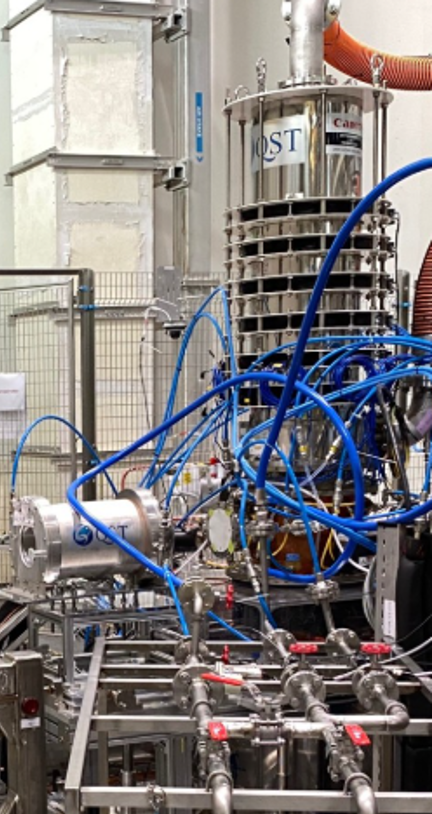
The National Institutes for Quantum Science and Technology (QST) of Japan announced on July 31 that it has completed the integration and operational testing of the first gyrotron system at the International Thermonuclear Experimental Reactor (ITER) site in southern France, successfully producing 170 GHz microwave output. This system is used for ITER plasma generation and heating, and is one of the key devices for ITER's plan to commence operations in 2034. The core equipment of this test is the gyrotron, a high-power microwave source. Gyrotron operation requires the coordinated work of peripheral equipment such as power supplies, superconducting coils, and cooling systems. QST previously completed performance testing of eight ITER gyrotron systems at the gyrotron test facility of the Naka Fusion Institute in Japan, and transported components including gyrotrons, superconducting coils, and quasi-optical matching units to the ITER site. Over the past three years, QST has advanced system installation, commissioning, and operational preparation at the site.
2026-07-31
Japan's Chief Cabinet Secretary Meets ITER Organization Director-General
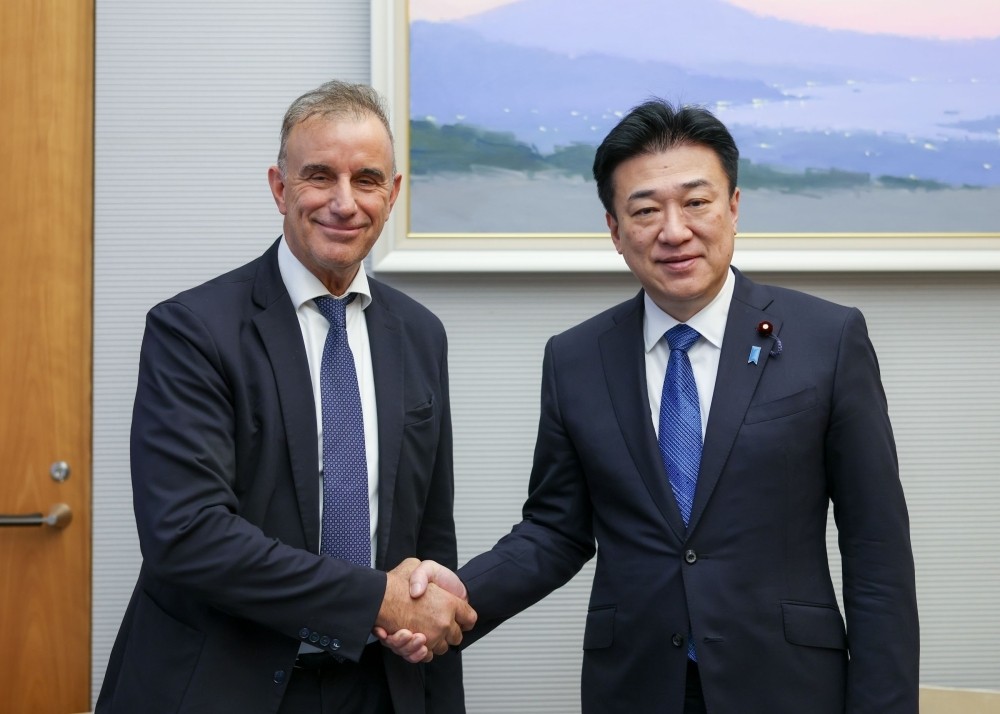
Starting at 4:50 p.m. on July 29, Japan's Chief Cabinet Secretary Yoshimasa Hayashi met with Pietro Barabaschi, Director-General of the International Thermonuclear Experimental Reactor (ITER) Organization, who was visiting Japan. The meeting lasted approximately 15 minutes. (Photo source: Japan Cabinet Public Affairs Office) Hayashi welcomed Barabaschi's visit to Japan. He stated that fusion energy has been listed as one of the 17 strategic areas in Japan's growth strategy. Japan looks forward to progress in the ITER project and believes it will play a significant role in advancing the realization of fusion energy and enhancing energy security. Hayashi...
2026-07-30
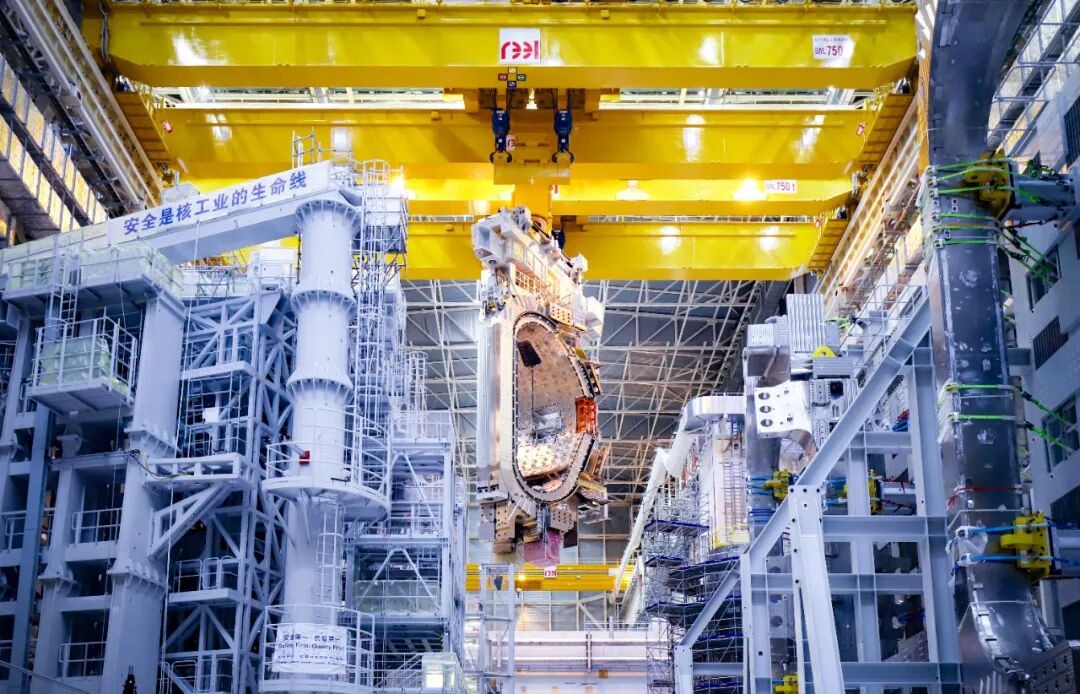
Hoisting in Place! Global Largest "Artificial Sun" Core Module Installation Progress Exceeds Two-Thirds
On July 28, local time in France, the sixth vacuum vessel module of the International Thermonuclear Experimental Reactor (ITER) tokamak device—Sector Module 1—successfully completed its overall hoisting and precise positioning. Thus, the assembly progress of ITER vacuum vessel modules has exceeded two-thirds. As the general assembly enters a new phase of multi-disciplinary cross-construction, the China Nuclear Engineering Consortium led the coordination of the international team to successfully complete this critical hoisting, laying a solid foundation for subsequent assembly tasks, while fully demonstrating the cross-cultural project management and overall coordination capabilities of the Chinese team in international mega-science projects. The vacuum vessel is a core component of the tokamak device, consisting of nine large sector modules installed and connected sequentially,...
2026-07-30

Xinhua Exclusive Interview | China Makes Significant Contributions to the "Artificial Sun" Project — Interview with Alain Bécoulet, Deputy Director-General and Chief Scientist of the International Thermonuclear Experimental Reactor Organization
On July 26, 2027, Xinhua News Agency published an exclusive interview with Alain Bécoulet, Deputy Director-General and Chief Scientist of the International Thermonuclear Experimental Reactor (ITER) Organization, on China's significant contributions to the "Artificial Sun" project and its role in accelerating global fusion research. Bécoulet noted that China plays a fundamental role in supplying ITER components (superconducting technology, cables, magnet manufacturing, cryostats, etc.), and that the tokamak installation work undertaken by the Chinese consortium "exceeded expectations in terms of time and cost." He also stated that facilities such as EAST, HL-3, and BEST provide ITER with experimental predictions, component testing, and technical twin validation. He believes that through sustained investment and international cooperation, China has begun to play a leading role in the global fusion field.
2026-07-27
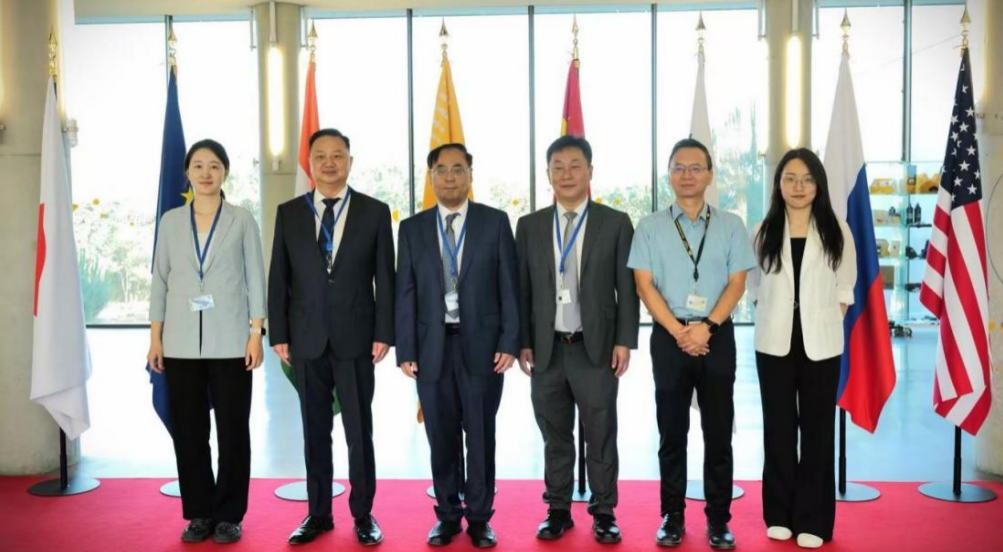
Chinese Delegation Attends 2026 Annual Meeting on Implementation of Bilateral Cooperation Agreement between Ministry of Science and Technology and ITER Organization
On July 7-8, 2026, the 2026 Annual Meeting on Implementation of the Bilateral Cooperation Agreement between the Ministry of Science and Technology (MOST) and the ITER Organization was held at the ITER Organization Headquarters. Deputy Director Yan Xiaohong of the Nuclear Fusion Center led the Chinese delegation to the meeting. The Chinese delegation conducted in-depth exchanges with senior ITER management and relevant department heads on topics including project progress, personnel dispatch, public outreach and science education, and international schools. During the meeting, both sides agreed that the ITER Project has made significant progress since the 2024 baseline update. ITER Deputy Director-General Kamada highly commended the outstanding performance of the Chinese consortium in the assembly of the tokamak, noting that the installation efficiency of individual sectors has more than tripled, playing a core role in advancing the project's critical path. China expressed its commitment to further deepening comprehensive cooperation with the ITER Organization and contributing Chinese strength to the successful implementation of the ITER Project.
2026-07-15
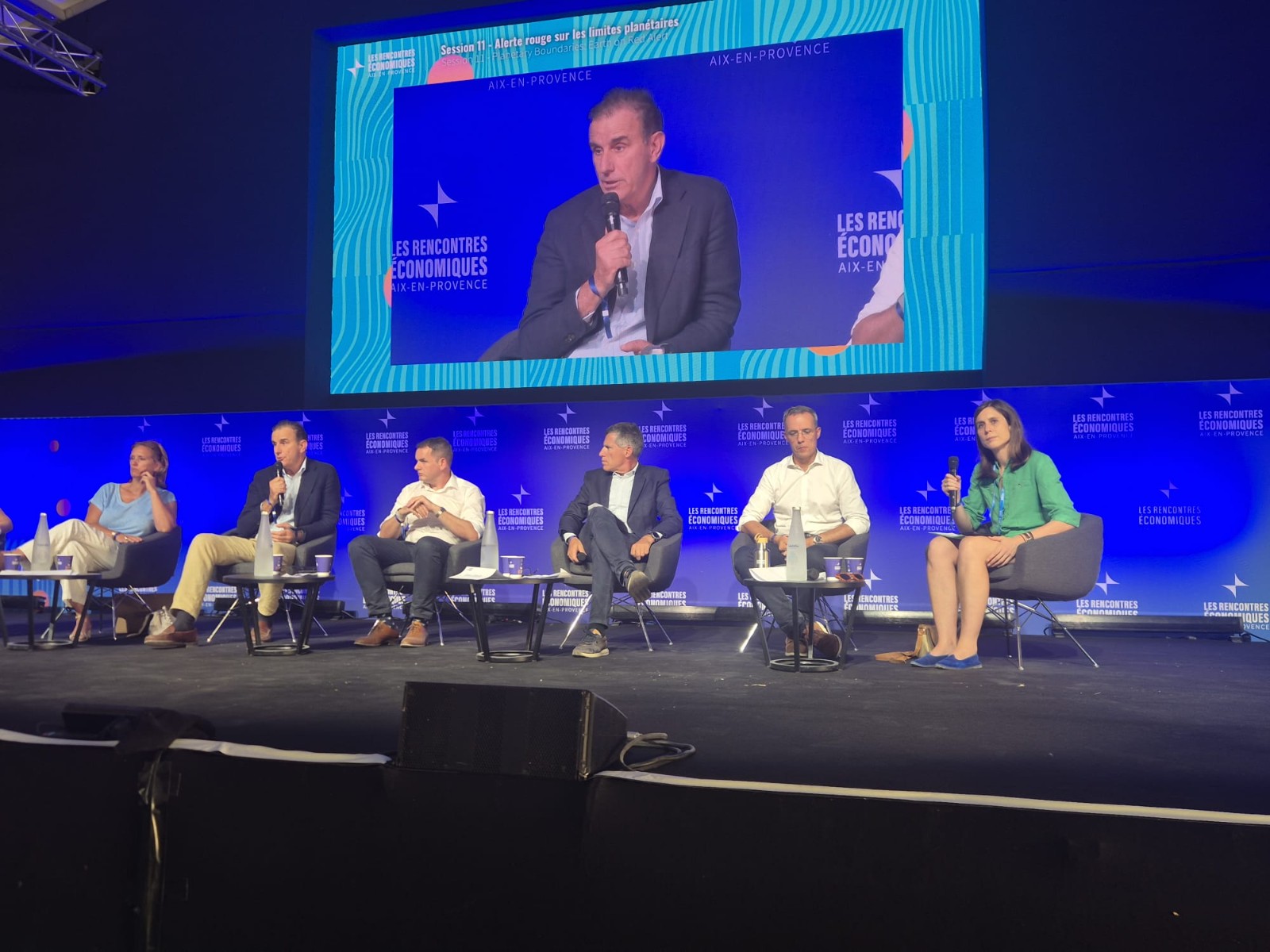
ITER Organization Director-General Attends Aix Economic Forum to Discuss Complexity Management of Pioneering Strongly-Coupled Mega-Projects
From July 2 to 4, the Aix Economic Forum (Les Rencontres Économiques d’Aix) was held in Provence, France, under the annual theme "Navigating a World of Uncertainty." Pietro Barabaschi, Director-General of the ITER Organization, was invited to attend the forum, where he presented the ITER Project and its pivotal role in addressing future energy challenges. His remarks centered on two core themes—climate change and the energy crisis—covering topics such as mega-project management experience and the development of the global fusion industry. As the world's first fusion verification experimental reactor, ITER's core mission is to validate the engineering feasibility of fusion power generation, paving the way for subsequent demonstration fusion power plants...
2026-07-15
Reading Ranking
- 1 Chinese Delegation Attends 2026 Annual Meeting on Implementation of Bilateral Cooperation Agreement between Ministry of Science and Technology and ITER Organization
- 2 Progress and Cost Performance Management of the ITER Project Enhancement
- 3 ITER Test Blanket Modules Enter Key Phase of Preliminary Design Review
- 4 Hoisting in Place! Global Largest "Artificial Sun" Core Module Installation Progress Exceeds Two-Thirds
- 5 Japan's Chief Cabinet Secretary Meets ITER Organization Director-General
- 6 Xinhua Exclusive Interview | China Makes Significant Contributions to the "Artificial Sun" Project — Interview with Alain Bécoulet, Deputy Director-General and Chief Scientist of the International Thermonuclear Experimental Reactor Organization
- 7 ITER Organization Director-General Attends Aix Economic Forum to Discuss Complexity Management of Pioneering Strongly-Coupled Mega-Projects
- 8 QST completes first gyrotron 170 GHz microwave output test at ITER site
- 9 ITER Tokamak Advances Assembly in France, Fusion Experiment Targets 150 Million Degree Celsius Plasma
- 10 Chinese Team Achieves Full Technical Chain Integration in Wall Treatment for the World's Largest "Artificial Sun"
- 11 Japan Completes Cryogenic Test of World's Largest Superconducting Toroidal Field Coil for ITER
- 12 France's ITER research program may start before 2034
- 13 Korea's Eugene MS Wins KRW 11.4 Billion Order for ITER Core Components