
Kazakh scholars call for integrated radioecological monitoring system in border regions amid Central Asian nuclear power development
 Scan to share
As energy demand continues to grow in Central Asian countries, nuclear power is becoming an important direction in regional energy policy. Kazakhstan has decided to build its own nuclear power plant, while neighboring countries such as Uzbekistan are also advancing or preparing similar projects. Nuclear energy is regarded as a key option for ensuring electricity supply and reducing greenhouse gas emissions, but its development cannot be limited to the construction of power plants alone. It must be accompanied by a comprehensive ecological and radiation safety assurance system, particularly in areas where cross-border impacts may exist.
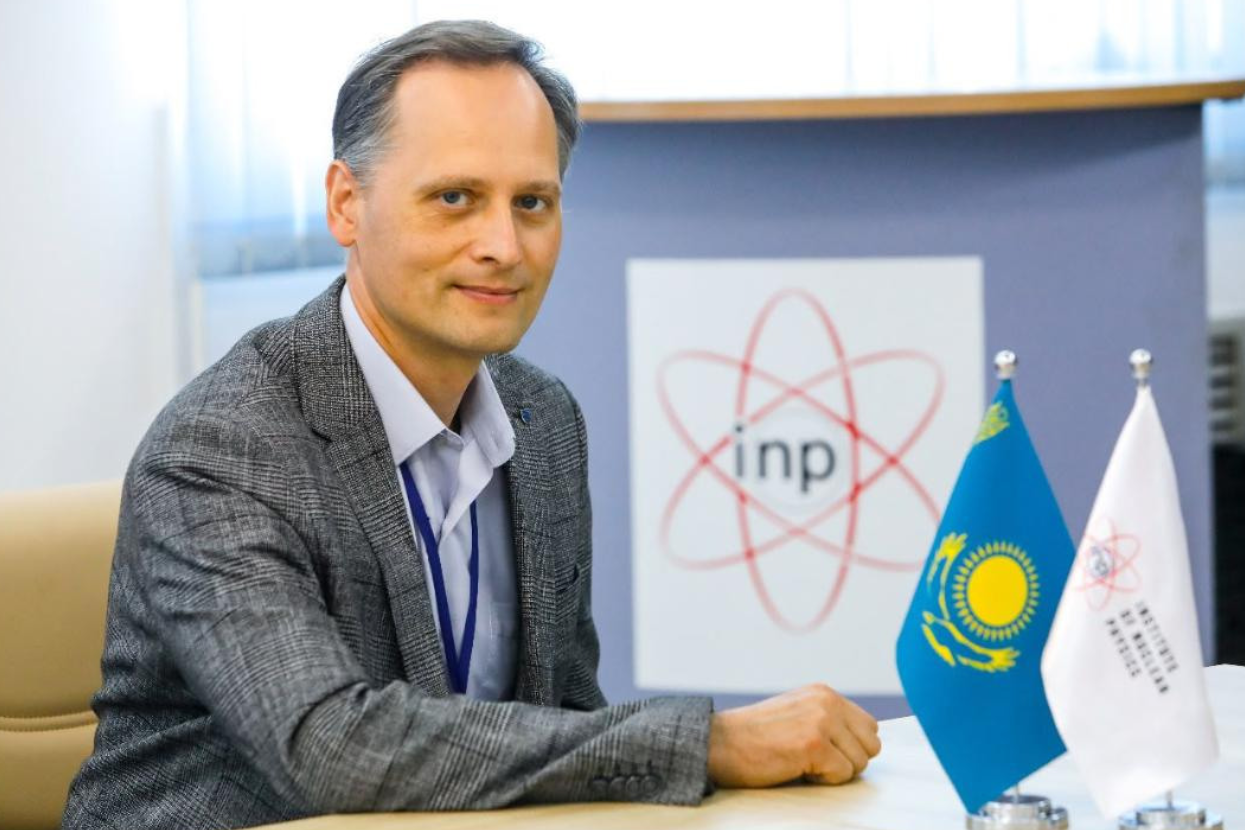
Although modern nuclear power plants are designed in accordance with strict international safety standards, environmental monitoring cannot be predicated on the probability of accidents. The impact of large industrial facilities on the surrounding environment requires long-term, continuous, and independent assessment, and air currents, water transport, and sediment changes can all cross national borders. Therefore, organizations such as the International Atomic Energy Agency recommend that countries establish routine monitoring systems to promptly detect any anomalous changes in the radiation environment. For Kazakhstan, whose southern regions border countries developing nuclear energy projects, the practical significance of border radioecological monitoring is even more pronounced.
The most urgent task at present is not to identify sources of pollution, but to determine the "zero point" or "baseline" radiation background of the natural environment before new nuclear facilities become operational. These baseline data will serve as an important reference for assessing environmental changes in the future. Without systematic surveys conducted in advance, even if changes in radiation or geochemical indicators are detected years later, it will be difficult to accurately determine whether they stem from the impact of newly built projects or have always existed in the natural environment. Therefore, establishing a reliable database before nuclear power projects are officially commissioned is the scientific prerequisite for subsequent environmental assessment and liability determination.
Kazakhstan currently has a national radiation monitoring system, and relevant institutions are conducting radioecological research in areas such as the "LIRA" facility at the Karachaganak oil field and the former Semipalatinsk nuclear test site. However, the number of existing monitoring points is limited, serving primarily routine monitoring of specific domestic regions, and the observation density in border areas remains insufficient to support refined analysis. In the future, high-precision analytical equipment should be used to conduct comprehensive testing of natural and artificial radionuclides in soil, water bodies, bottom sediments, vegetation, and atmospheric fallout, while incorporating chemical composition analysis to form a more complete ecological picture of the border regions.
Modern radioecology should shift from "reactive response" to "preventive action." Kazakhstan possesses the scientific foundation for conducting such research, including expertise in analytical experimentation, radioecology, radiochemistry, nuclear physics, and environmental monitoring. The next steps could include adding monitoring points, expanding the range of indicators, introducing rapid drone-based surveys, establishing online data collection stations, and utilizing artificial intelligence to process monitoring data, thereby improving the efficiency and forward-looking capacity of the national radiation monitoring system. Border radioecological monitoring is not merely an environmental protection measure, but also an important component of national security and public trust building.
Disclaimer: Information republished from partner media, institutions or other websites is provided for reference and communication purposes only. It does not imply endorsement of its views or verification of its accuracy. Please contact us if any content infringes rights or requires correction.