
Scheduled Maintenance Launched for Units 3 and 4 of Kursk Nuclear Power Plant
 Scan to share
Starting August 11, 2026, Russia's Kursk Nuclear Power Plant launched scheduled routine maintenance on Units 3 and 4. On the same day, the plant also commenced annual maintenance and preventive upkeep of the heat network at the standby boiler house. The operations are scheduled to continue until August 22.
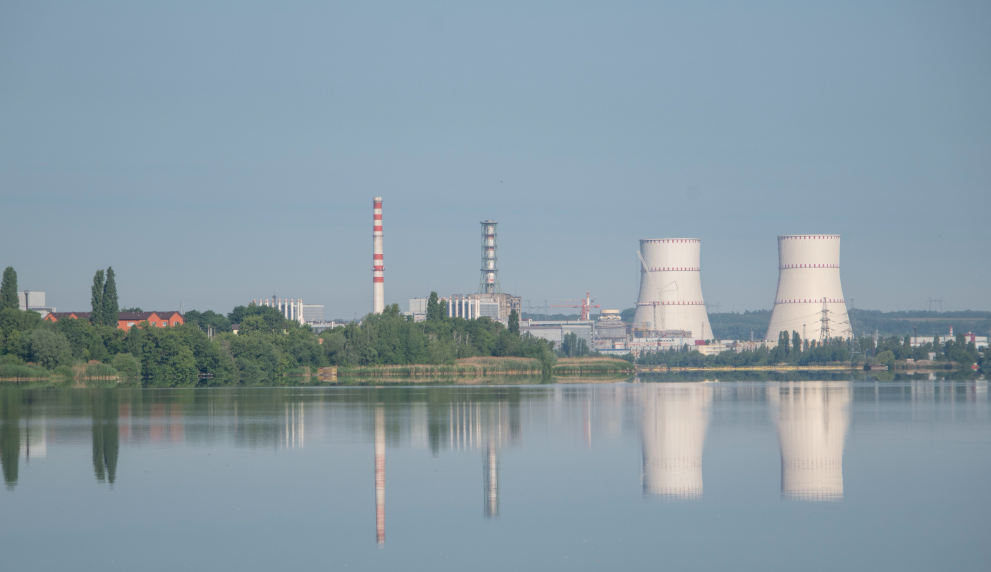
Due to the maintenance schedule, hot water supply in the city of Kurchatov has been temporarily interrupted. The Kursk Nuclear Power Plant stated that this is the first time in nearly 50 years of plant operation that local hot water supply has been temporarily suspended due to related maintenance. Hot water supply to Kurchatov will be restored after the maintenance is completed.
Alexey Leonov, Deputy Chief Engineer for Operations of the main building at Kursk NPP, said that the plant is currently undergoing significant changes, including the decommissioning of units that have reached their design service life and the commissioning of new units. These changes are transforming the ways thermal energy is produced and delivered to consumers, and also require modernization of the plant and related city infrastructure. He noted that this maintenance cycle is relatively short, and the schedule has been arranged to minimize impact on residents' daily lives. In recent years, the plant has taken measures to avoid scheduling maintenance on Units 3 and 4 during the winter season.
According to reports, the Kursk NPP is advancing measures to supply heat to the Kurchatov city heat network from the new units of Kursk NPP-2. Once implemented, this plan will help avoid complete interruptions of hot water supply in the future.
Currently, Unit 7 (VVER-TOI) at Kursk NPP is operating at power in accordance with the dispatch schedule; Units 1 and 2 (RBMK) are in a non-power-generating state as they have reached their specified service life; and Units 3 and 4 (RBMK) are under scheduled maintenance. The radiation background at the Kursk NPP site and surrounding areas remains at levels corresponding to normal unit operation and does not exceed natural background values.
Disclaimer: Information republished from partner media, institutions or other websites is provided for reference and communication purposes only. It does not imply endorsement of its views or verification of its accuracy. Please contact us if any content infringes rights or requires correction.