
Search Results
Keyword:5
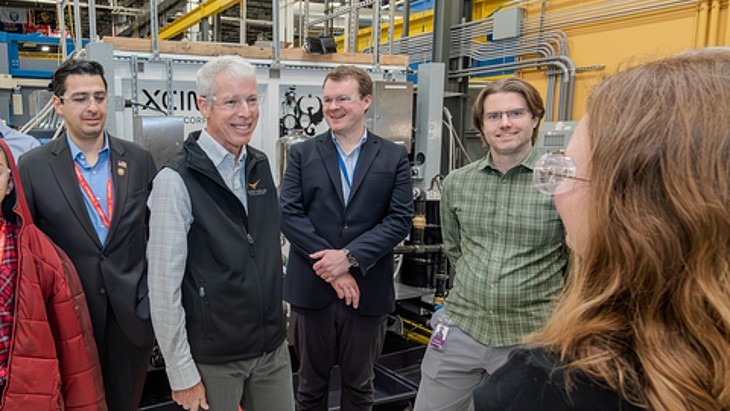
Laser Fusion Startup Xcimer Receives Up to $30.5 Million in Milestone-Based Funding from U.S. Department of Energy
U.S. excimer laser inertial confinement fusion company Xcimer Energy recently announced that it has reached an agreement with the U.S. Department of Energy (DOE) to receive up to $30.5 million in funding support through the DOE's Milestone-based Fusion Development Program. The funds will be disbursed in installments based on the progress achieved toward predetermined R&D milestones. Previously, in June 2026, the U.S. Department of Energy formally approved the preliminary conceptual design and technology development roadmap milestones for Xcimer's fusion power plant architecture, Athena. The Athena architecture is specifically designed for continuous operation, industrial-scale capacity, and a self-sustaining fuel cycle...
2026-10-08
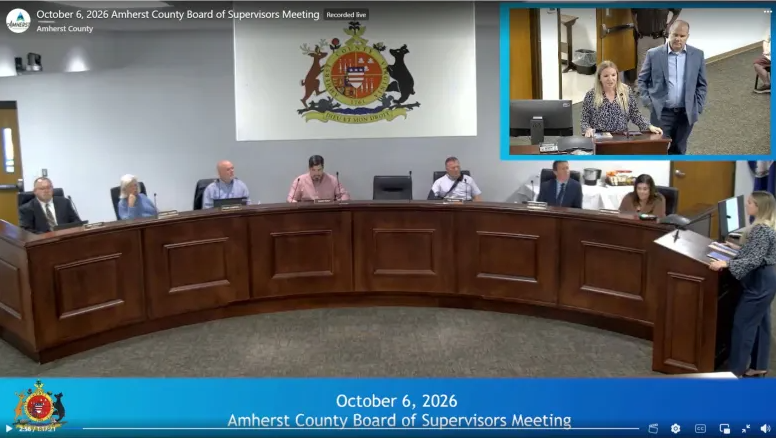
US-based Geenex Power Unveils SMR Nuclear Plan for Amherst County, Virginia: Up to 650 MW Capacity, Construction Targeted for 2030
Charlotte, North Carolina-based clean energy developer Geenex Power officially announced on October 6, 2026, that it plans to build an advanced small modular reactor (SMR) nuclear project with a capacity of up to 650 megawatts — Beck Creek Energy — in Amherst County, Virginia. During the routine public inquiry session held by the Amherst County Board of Supervisors on Tuesday, Geenex Project Development Manager Delany Bolton and Director of External Affairs Chris Hallameyer...
2026-10-07
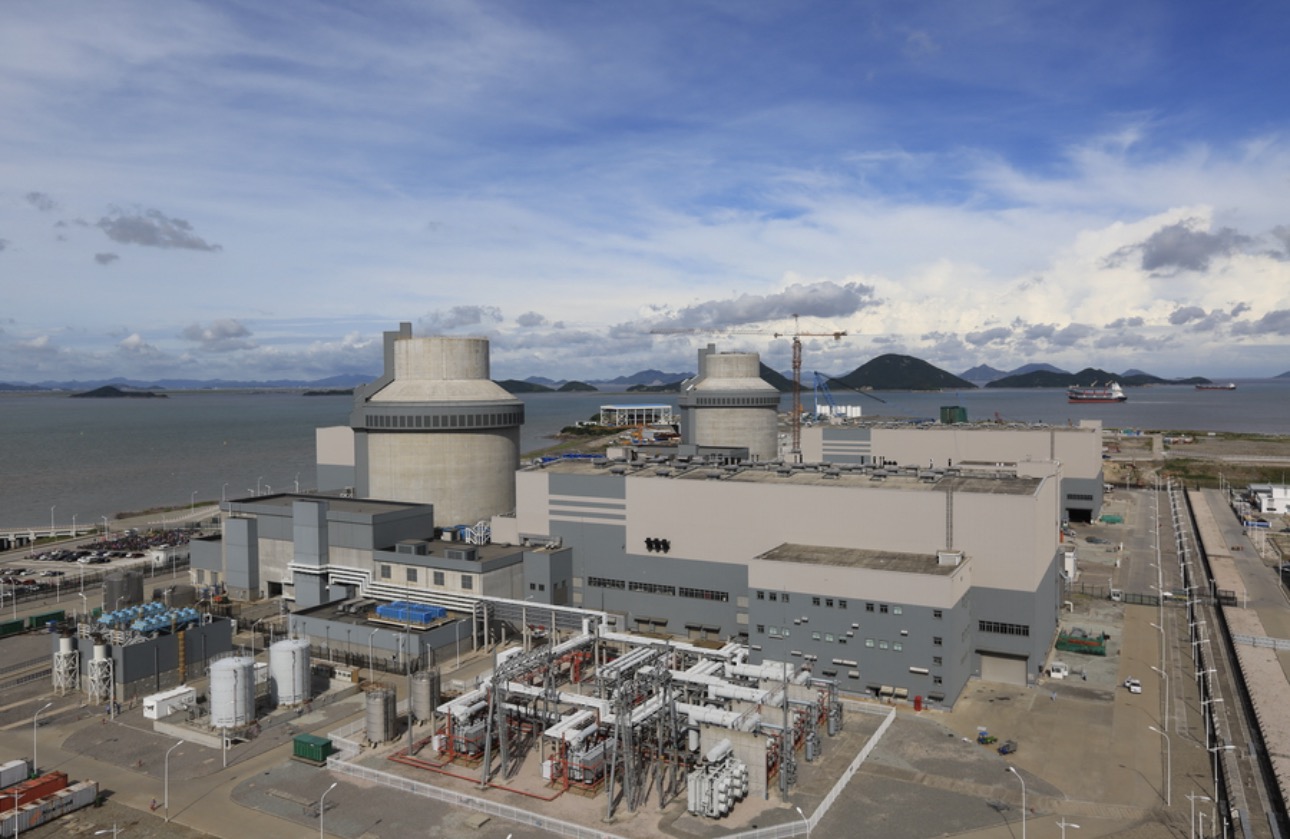
Cumulative safe power generation of China's Sanmen Nuclear Power Phase I exceeds 150 billion kWh
According to reports, as of 00:00 on October 5, 2026, the cumulative safe power generation of Units 1 and 2 of China's Sanmen Nuclear Power Phase I exceeded 150 billion kWh. It is reported that Sanmen Nuclear Power Phase I is among the world's first AP1000 third-generation nuclear power units to be completed and put into operation, and Unit 1 officially entered commercial operation in 2018. As one of the world's first AP1000 third-generation nuclear power projects, Sanmen Nuclear Power Phase I has exemplary significance in technical verification and the accumulation of operating experience. The AP1000 adopts a passive safety system and is designed to maintain a safe state for an extended period after an accident without relying on external power sources or manual intervention. In terms of environmental benefits, since being put into operation, Sanmen Nuclear Power Phase I has cumulatively saved more than 42 million tons of standard coal and reduced carbon dioxide emissions by more than 110 million tons. This clean electricity is continuously transmitted to East China and the Yangtze River Delta region, helping to promote the low-carbon transformation of the energy structure while ensuring a stable regional power supply. Compared with thermal power of the same scale, nuclear power does not produce atmospheric pollutants such as sulfur dioxide, nitrogen oxides, and soot, and has a long-term effect on improving regional air quality. According to the planning of the Sanmen Nuclear Power Base, construction of the remaining units will also be advanced. After all units at the base are completed, annual power generation can reach 60 billion kWh, which will further enhance the zero-carbon electricity supply capacity of East China and accumulate experience for the large-scale and standardized construction of China's coastal nuclear power bases.
2026-10-05
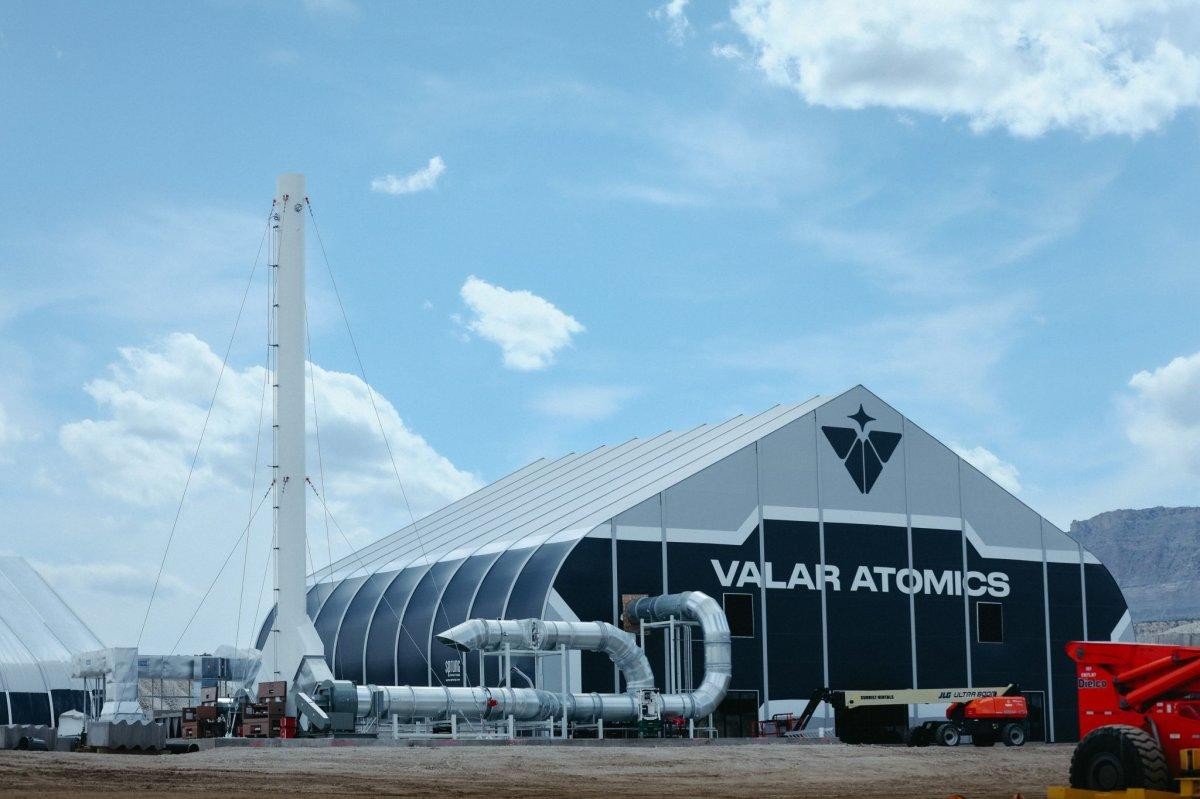
US-based Valar Atomics Plans to Deploy 456 Gas-Cooled Nuclear Reactors in Utah: Building a Dedicated 9.6 GW Power Supply System for a Supercomputing Data Center
US energy startup Valar Atomics has officially submitted a proposal for the construction of an ultra-large-scale industrial park named Project Beehive. The project is planned to be sited on federal and state land near Price, Utah, covering an area of approximately 9,000 acres. The entire project plans to deploy 456 small gas-cooled nuclear reactors in a clustered configuration, with an expected total installed generating capacity reaching an astonishing 9.6 gigawatts (GW). This scale is more than twice Utah's current average grid-wide generation load of 4 GW and approaches its summer peak demand of nearly 10 GW. This ultra-dense...
2026-10-03
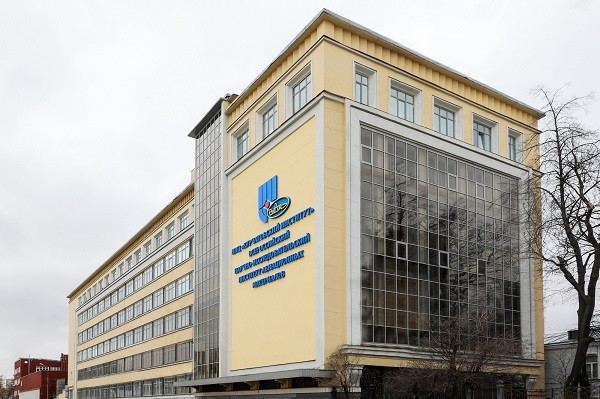
Russia's Kurchatov Institute to Receive 5.7 Billion Rubles in Fiscal Budget Support: Focusing on Controlled Thermonuclear Fusion and Advanced Plasma Technology R&D
The National Research Centre "Kurchatov Institute" will receive approximately 5.7 billion Rubles in dedicated funding support from the Russian federal budget during the period from 2027 to 2029. This fiscal allocation will be specifically used to advance key technology breakthroughs in Controlled Thermonuclear Fusion, as well as the R&D and experimental validation of innovative Plasma Technologies. The above funding plan is explicitly stated in the draft explanatory document of the 2027–2029 federal budget bill published in the electronic database of the Russian State Duma...
2026-10-03
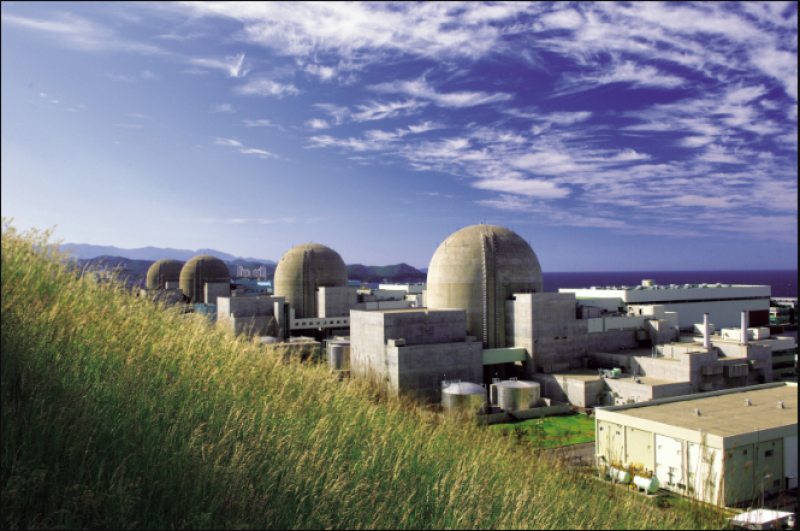
Hanul Unit 6 in South Korea commences its 15th planned preventive overhaul
Korea Hydro & Nuclear Power (KHNP)'s Hanul Nuclear Power Site announced that its Hanul Unit 6 was officially disconnected from the grid at 10:00 a.m. on September 30, fully launching its 15th planned preventive overhaul lasting approximately 72 days. Hanul Unit 6 is a 1,000-megawatt-class pressurized water reactor (PWR) with a rated electrical power of 1,000 megawatts. During this planned maintenance window, the operations and maintenance team will carry out routine nuclear fuel assembly refueling operations as scheduled, and conduct comprehensive preventive maintenance and performance testing on the reactor primary coolant system, engineered safety features, and conventional island critical...
2026-10-04

MOST Sets the Pathway for Hard-Core Science and Technology Breakthroughs in the "15th Five-Year Plan": Comprehensive and Systematic Deployment of Major Basic Research on Controlled Nuclear Fusion to Solidify the Foundation of Future Strategic Energy
At the series-themed press conference on "Getting Off to a Good Start in the '15th Five-Year Plan'" held by the State Council Information Office, the Ministry of Science and Technology officially released the top-level design and core breakthrough roadmap for building a science and technology powerhouse over the next five years. When outlining the layout for major science and technology breakthroughs and original innovation, Minister of Science and Technology Yin Hejun explicitly emphasized that, in strengthening the strategic depth of basic research, China will closely anchor itself to the frontiers of the global energy revolution and, centering on underlying scientific bottlenecks in key fields such as energy and materials, comprehensively and systematically deploy major basic research tasks including controlled nuclear fusion (Controlled Nuclear Fusion), so as to seize the future...
2026-09-30
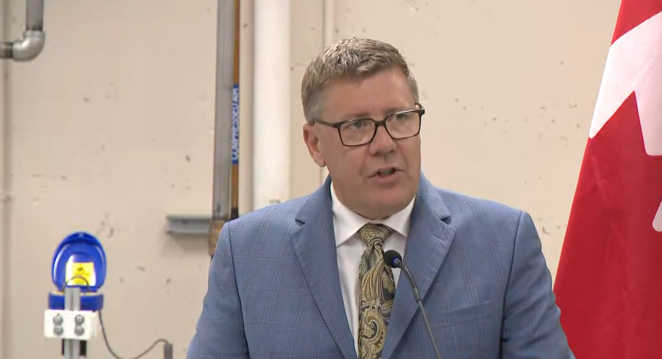
Saskatchewan, Canada Releases Long-Term Nuclear Energy Strategy: Plans to Build 2,600 MW of Nuclear Power by 2050
Scott Moe, Premier of Saskatchewan, Canada, officially announced the province's long-term nuclear energy development plan in Saskatoon on September 29, establishing a strategic goal of building at least 2,600 megawatts (MW) of nuclear power capacity by 2050. Moe emphasized that nuclear energy is not only a zero-carbon clean baseload power source, but also a "nation-building opportunity" that empowers economic growth for generations, will create high-end jobs across the province, attract multinational capital, and ensure long-term electricity stability for households and industry. According to the plan, four core pillars have been established: 1. Build a highly resilient power foundation supporting long-term economic growth: Rely on non-intermittent zero-carbon nuclear energy to address the electricity load gap brought about by society-wide electrification...
2026-09-30
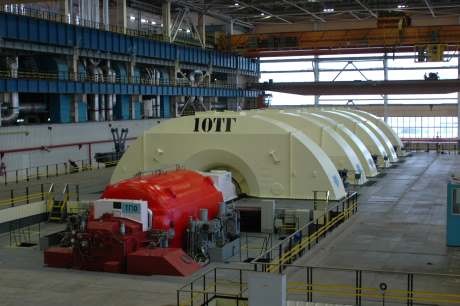
Bulgarian Regulator: Kozloduy Units 5 and 6 Expected to Operate Until 2049 and 2051
Tsanko Bachiyski, Chairman of the Bulgarian Nuclear Regulatory Agency (NRA), told media at the Kozloduy site that as long as the operational safety of the units is continuously verified and ensured, the currently operating Units 5 and 6 of the Kozloduy Nuclear Power Plant will be approved for continued long-term service. It is understood that the current life extension assessment reports indicate that, based on the current technical and physical condition of the units and the implementation of planned maintenance and upgrade measures, Unit 5 has the engineering potential to operate until 2049, while Unit 6 is expected to operate until 2051; the final actual operating life of the units will strictly...
2026-09-28
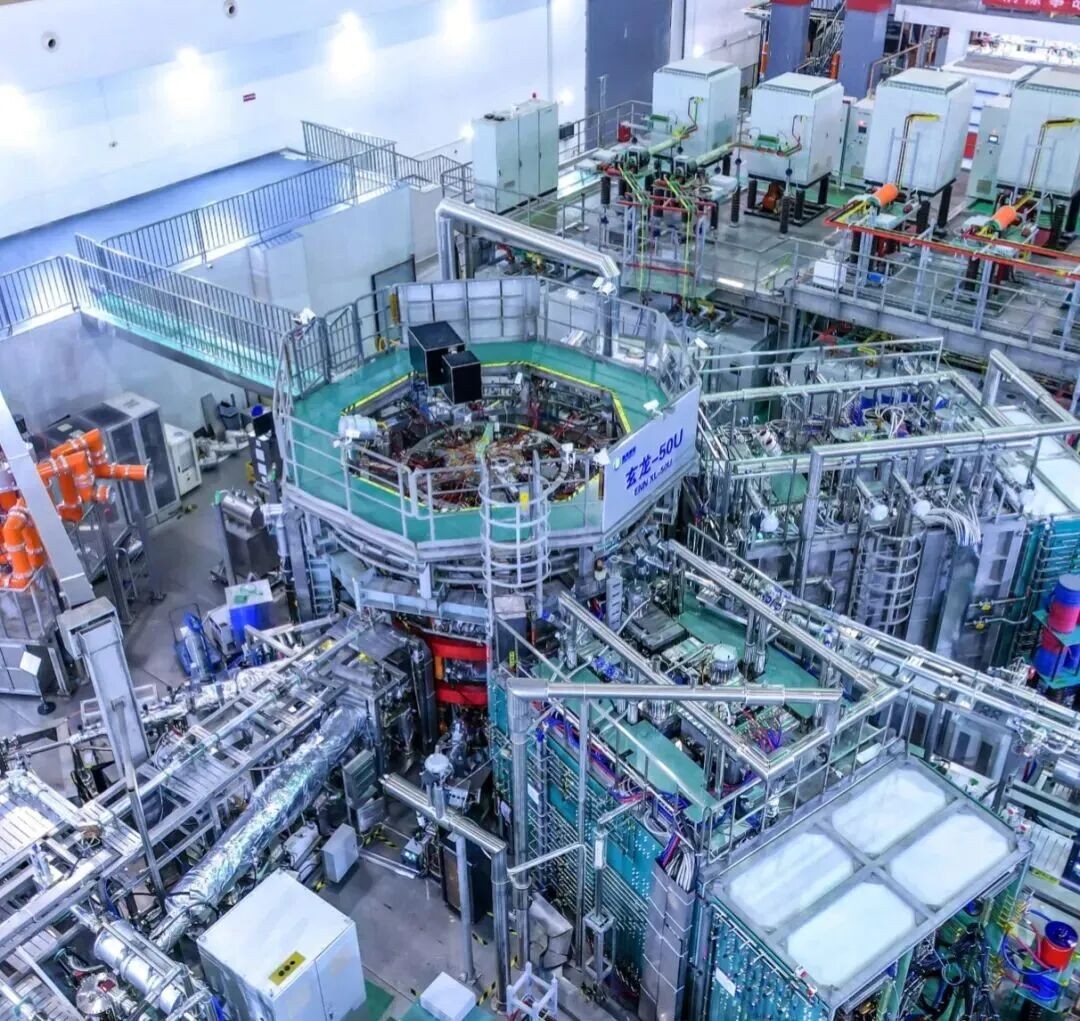
ENN's "Xuanlong-50U" Device Successfully Achieves Hydrogen-Boron Fusion Reaction
In late September 2026, ENN achieved a major breakthrough in the commercialization of hydrogen-boron fusion: the Xuanlong-50U device achieved a hydrogen-boron fusion reaction. This is the first time a global commercial fusion company has achieved a hydrogen-boron fusion reaction on its own device, and also the first time China's magnetic confinement fusion device has achieved a clean neutron-free fusion reaction with advanced fuels (hydrogen-boron, deuterium-helium-3). Hydrogen-boron fusion has commercialization advantages such as being neutron-free, having abundant and easily accessible fuel, and low cost. Its product is helium (α particles), but compared with deuterium-tritium fusion, it requires higher reaction temperature and triple product, and more demanding reaction conditions. In this experiment, the ENN fusion team, through the synergy of high-energy neutral beam injection and radio-frequency waves, greatly increased the non-thermal equilibrium fast proton fraction at the first resonance peak of the hydrogen-boron reaction...
2026-09-28
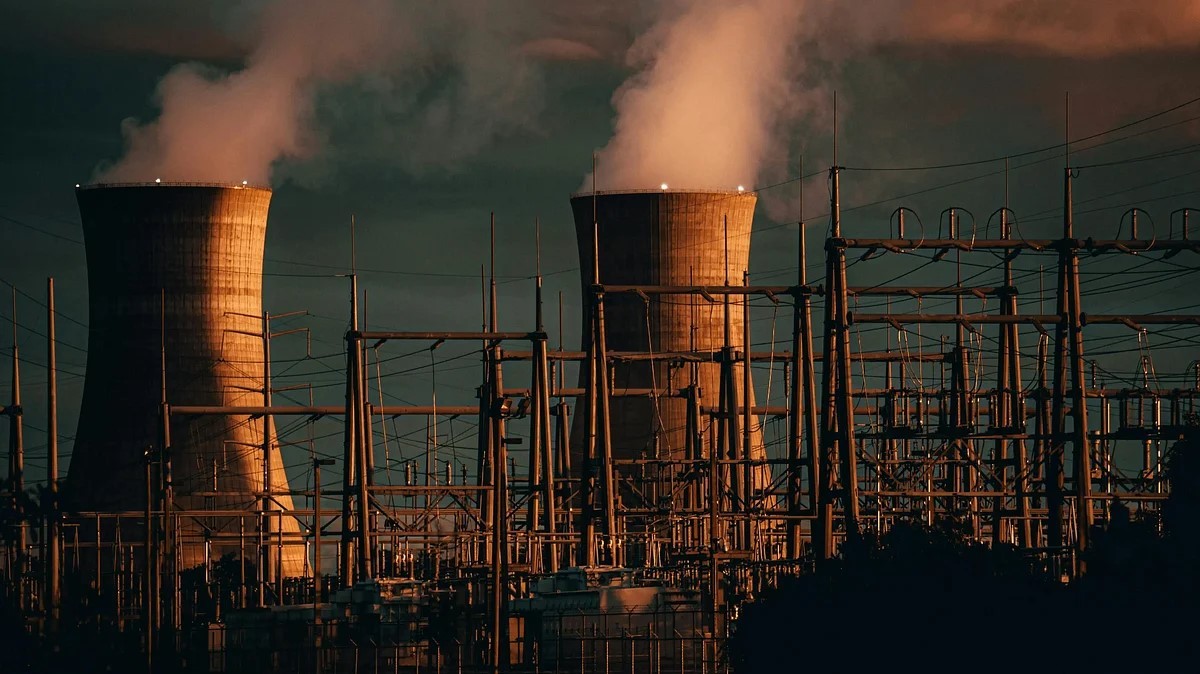
US Senate Weighs $50 Billion Nuclear Energy Integrated Campus Plan, Aiming to Link Advanced Reactors, Waste Recycling, and AI Computing Centers
The Senate Committee on the Environment and Public Works held a hearing on Wednesday to examine a federal plan totaling $50 billion. The plan proposes funding the construction of three regional future Nuclear innovation campuses, using abundant zero-carbon energy supply to attract heavy manufacturing and computing centers to cluster there, while also building radioactive waste storage and disposal facilities within the campuses in a coordinated manner. At the committee hearing, the American Nuclear Society Nuclear Waste Policy Task Force...
2026-09-24
South Korea Deeply Integrates 50 Years of Nuclear Power Design Experience with Artificial Intelligence
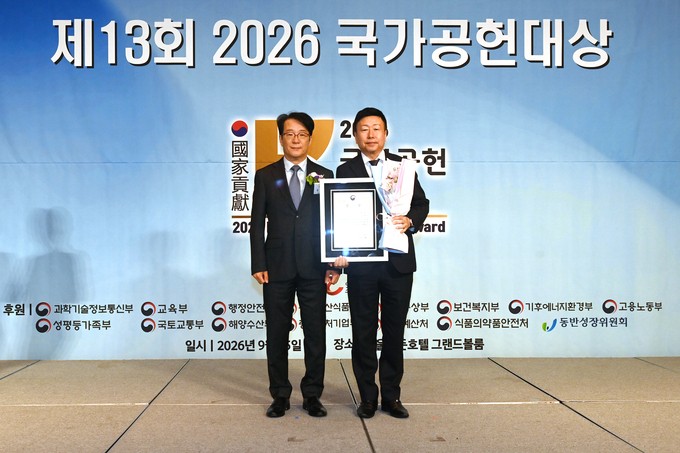
KEPCO E&C has deeply integrated its 50 years of accumulated technology and data in the nuclear power design field with artificial intelligence (AI), and its digital transformation strategy is being comprehensively accelerated. At the 2026 National Contribution Awards ceremony, KEPCO E&C received the Minister of Trade, Industry and Energy Award in the AI innovation category. This award aims to recognize the company's outstanding achievements in organically combining nuclear power design experience with technical materials and successfully applying them to business innovation and safety management technology R&D in the power generation and energy sectors. Among the most notable achievements is NEXA, an autonomous generative AI platform developed specifically for power plant design. The platform ensures...
2026-09-20

Italy may restart nuclear power generation by 2035
Italian Minister of Environment and Energy Security Gilberto Pichetto Fratin stated that the Italian government does not rule out the possibility of restarting domestic nuclear power generation by 2035. If mass production of nuclear reactors begins by the end of this decade, their construction time could be shortened to three to four years. This might allow Italy to begin generating electricity in 2034 or 2035. The bill aims to establish the legal framework needed for Italy to build new nuclear reactors. Since the referendum held after the 1987 Chernobyl nuclear accident and the closure of the last nuclear power plants in 1990, Italy has consistently prohibited nuclear energy. However, geopolitical uncertain...
2026-09-20
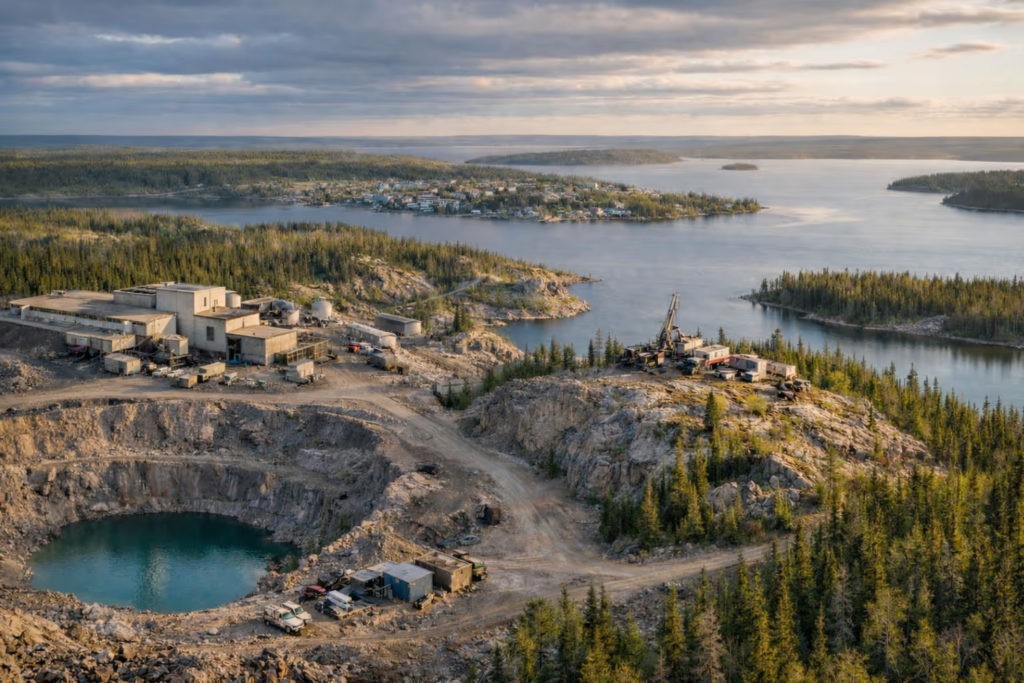
Canadian uranium exploration company Triton Uranium advances Atlas project, identifies 46.56 million pounds of potential uranium resources
Canadian uranium exploration company Triton Uranium recently announced that it has completed four technical reports compliant with NI 43-101 and S-K 1300 standards for its Atlas project located in Saskatchewan. The reports indicate that satellite mineralized occurrences and exploration target areas within the project area exhibit low-grade open-pit potential resources of up to 46.56 million pounds of triuranium octoxide (U₃O₈). This major technical breakthrough comes as the United States and Canada accelerate the construction of a continent-wide critical minerals supply chain under the U.S.-Canada Critical Minerals Action Plan. Meanwhile, Canada is fully advancing its nuclear energy strategy, with new reactor construction, small modular reactor (SMR) development, and the refurbishment of existing units...
2026-09-17

FDA Grants 510(k) Clearance to Emboliner System for TAVR Procedures
The U.S. Food and Drug Administration (FDA) has approved Emboliner, a cardiac protection system from Emboline, for percutaneous coronary intervention (TAVR) and other cardiac procedures. The device is designed to capture and remove embolic material generated during TAVR, protecting vital organs such as the brain and kidneys. The Emboliner system uses a dual-layer annular filter to cover the brain and systemic arteries, designed to intercept and clear debris generated during TAVR procedures. Unlike other embolic protection devices that only shield selected cerebral vessels, this design allows the central lumen of the TAVR delivery system to pass through the filter, effectively enhancing the scope of protection. The FDA's decision follows a comprehensive clinical evaluation of Embol...
2026-09-17