
Search Results
Keyword:AI
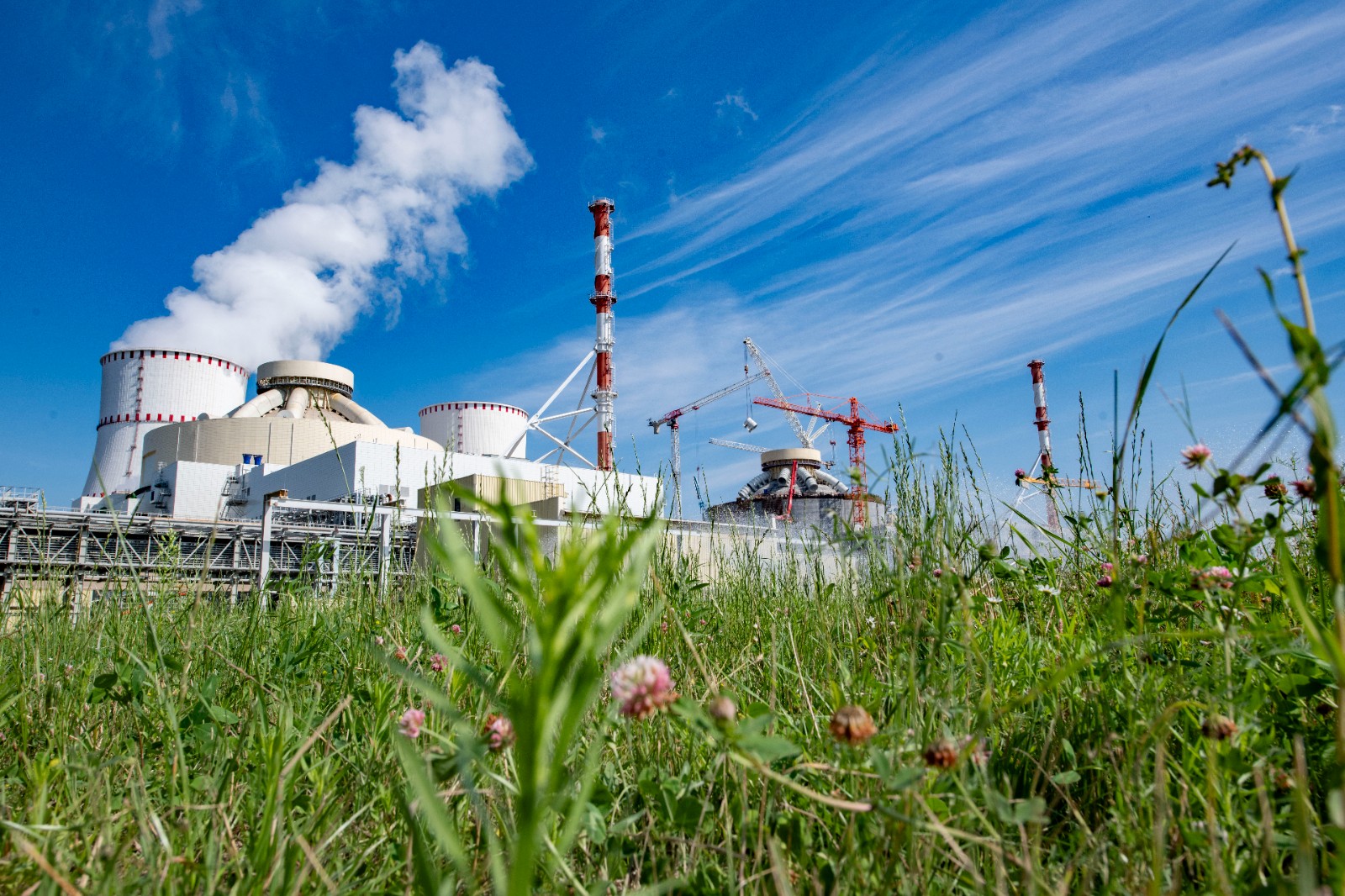
Unit 3 of Russia's Kursk Nuclear Power Plant resumes operation after short-term maintenance
Rosatom reported on August 27 that Unit 3 of the Kursk Nuclear Power Plant has resumed operation after completing short-term unscheduled maintenance. Rosatom stated that Unit 4 of the Kursk Nuclear Power Plant remains under planned preventive maintenance. The announcement did not disclose the specific reasons for or the duration of the maintenance on Unit 3. Meanwhile, construction of new units at the Kursk Nuclear Power Plant continues to progress. The new units employ modern VVER-TOI reactor technology, with the first unit already commissioned and generating electricity...
2026-08-28
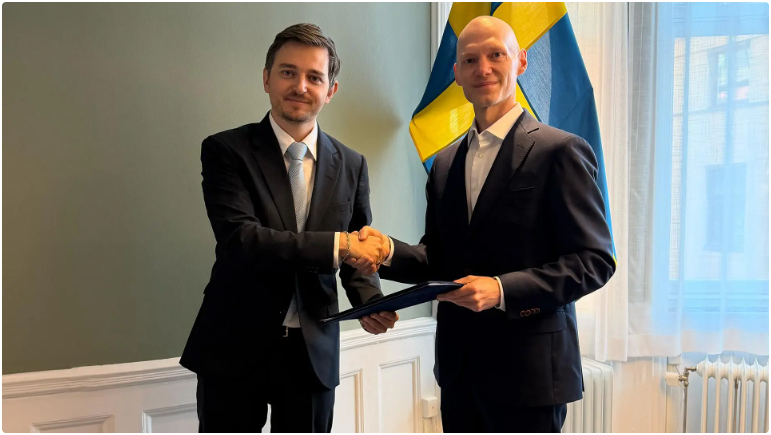
Sweden's Oskarshamn New Nuclear Project Applies for State Aid
NuCore Energi AB, a project company under Fortum, has submitted a state aid application to the Swedish government to initiate consultations on the framework and conditions for a new nuclear power project in Oskarshamn municipality. The project is planned to proceed near the existing Oskarshamn Nuclear Power Plant, with options covering small modular reactors (SMRs) and large reactors, with a total installed capacity expected to range between 1,200 MW and 3,400 MW. NuCore Energi submitted the state aid application on August 27, 2026. In the photo, from left to right: NuCore Energi CEO Laurent Leveugle and Minister Niklas Wykman. Fortum...
2026-08-28
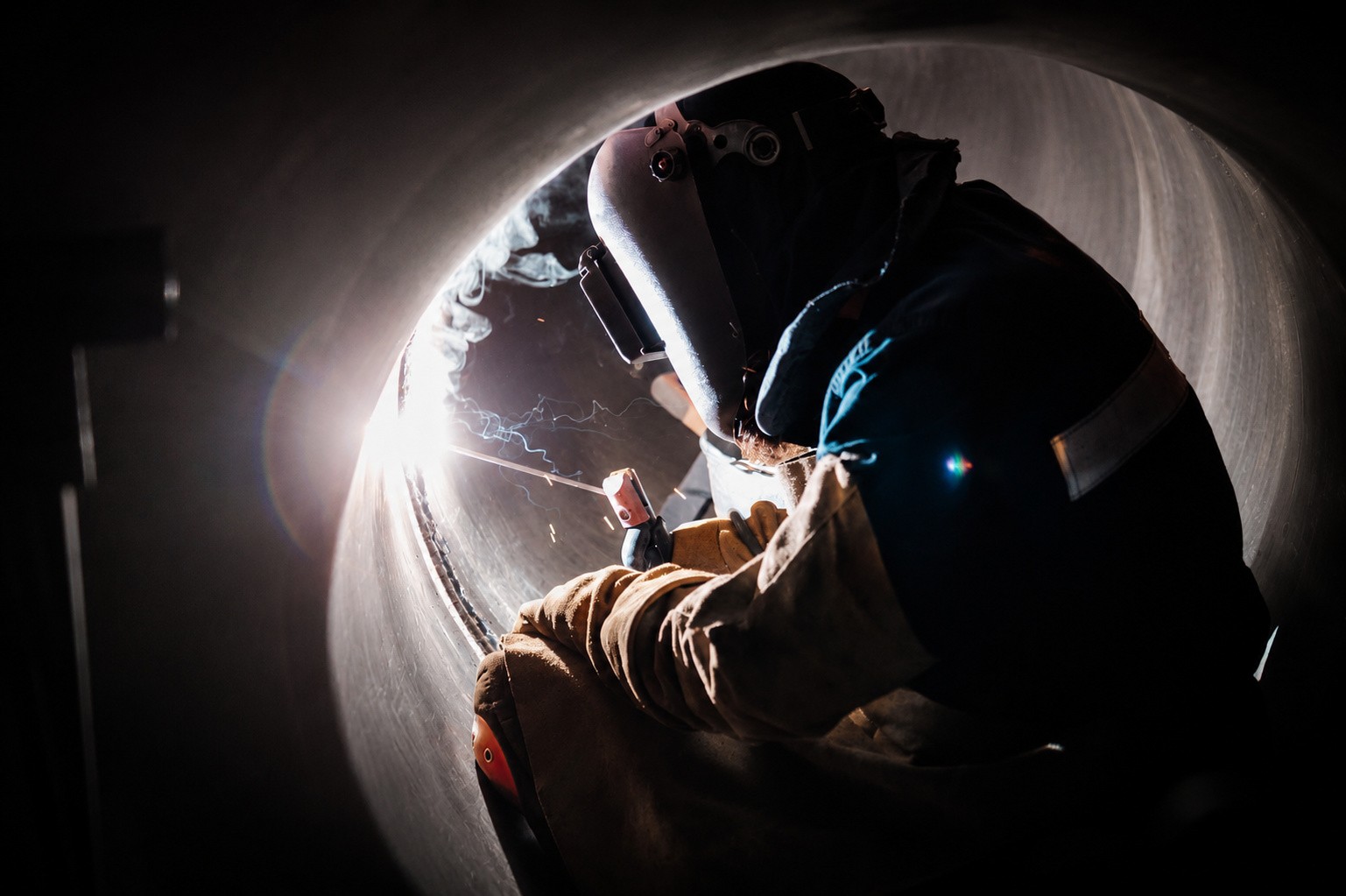
Welding of main circulation pipeline completed for Unit 2 of Turkey's Akkuyu NPP
On August 27, welding of the main circulation pipeline was completed for Unit 2 of Turkey's Akkuyu Nuclear Power Plant. The pipeline connects the reactor, steam generators, and main circulation pumps, and is one of the key components forming the primary circuit system of the reactor facility. The welding work lasted 73 days and involved welding 32 pipe joints. Engineering technicians, welders, fitters, pipe cutters, non-destructive testing personnel, heat treatment personnel, and quality inspection personnel participated in the relevant operations. During construction, each process step proceeded according to the established technological workflow, and welded joints had to pass inspection before moving to the next stage. According to reports, all welded joints underwent high-temperature heat treatment to relieve internal stress in the metal and ensure compliance with design performance requirements.
2026-08-28
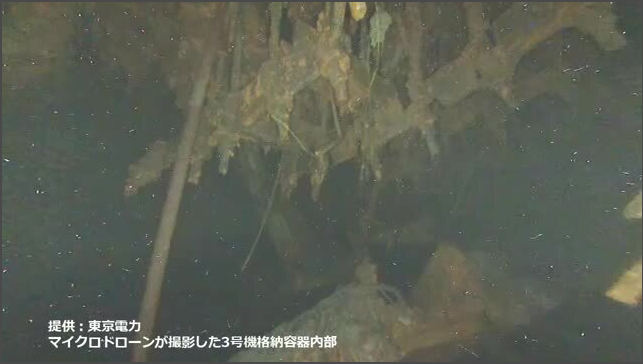
Hole of about 3 meters confirmed at bottom of reactor pressure vessel of Unit 3 at Fukushima Daiichi Nuclear Power Station
Tokyo Electric Power Company (TEPCO) announced on August 27 that a hole approximately 3 meters in diameter has been confirmed at the bottom of the reactor pressure vessel of Unit 3 at the Fukushima Daiichi Nuclear Power Station. The pressure vessel is a steel container that held nuclear fuel before the accident, with a cylindrical shape and a diameter of about 5.5 meters. This is the first time since the core meltdown accident at Units 1 to 3 of the Fukushima Daiichi Nuclear Power Station in 2011 that the specific size and shape of such a hole have been confirmed on the pressure vessel. The hole is believed to be related to the falling of melted nuclear fuel during the 2011 accident. After the accident, the containment vessel of Unit 3 has maintained a relatively high water level for an extended period, and access routes into the containment vessel are limited. TEPCO previously used a micro drone measuring approximately 12 centimeters per side...
2026-08-28
Fukui Prefecture in Japan Aims to Promote Local Utilization of Nuclear Power
On the 27th, Fukui Prefecture in Japan held a co-creation meeting to exchange views on development measures for areas hosting nuclear power plants. The meeting confirmed a new policy aimed at promoting the local use of electricity generated by nuclear plants to drive related industrial development, including attracting large-scale data centers and other high-power-consuming businesses. Fukui Prefecture has held co-creation meetings for the past five consecutive years, with participants including the Fukui Prefectural Government, local governments in areas within the prefecture hosting nuclear plants, Japan's central government, and representatives of electric power companies. The meeting focused on how to combine the stable power supply and carbon-dioxide-free operation of nuclear plants with regional industrial revitalization...
2026-08-28
Japan's Tokai No. 2 Nuclear Power Plant Seawall Reinforcement Plan Receives Basic Approval
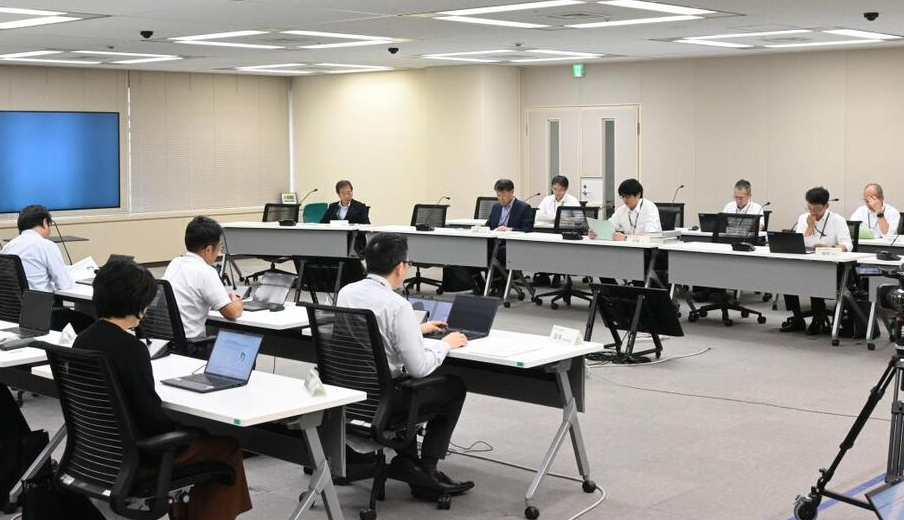
Japan's Nuclear Regulation Authority (NRA) held a review meeting on the 27th local time and basically approved the seawall structural modification plan for the Tokai No. 2 Nuclear Power Plant submitted by Japan Atomic Power Company (JAPC). The plant is located in Tokai Village, Ibaraki Prefecture, Japan, and the relevant seawall is an important component of the safety measures required for restart, with foundation defects having been discovered during construction. According to JAPC's explanation, the modification plan does not remove the underground foundation where defects were found, but instead adds pile foundations around it and uses cement-based materials to reinforce the ground. Regarding this plan, JAPC submitted an assessment of the seawall's seismic and tsunami resistance performance after modification, concluding that the structurally adjusted seawall can still fulfill the functions required of a tsunami protection facility.
2026-08-28
South Korea's Pohang to Build Core Component Factory for Small Modular Reactors
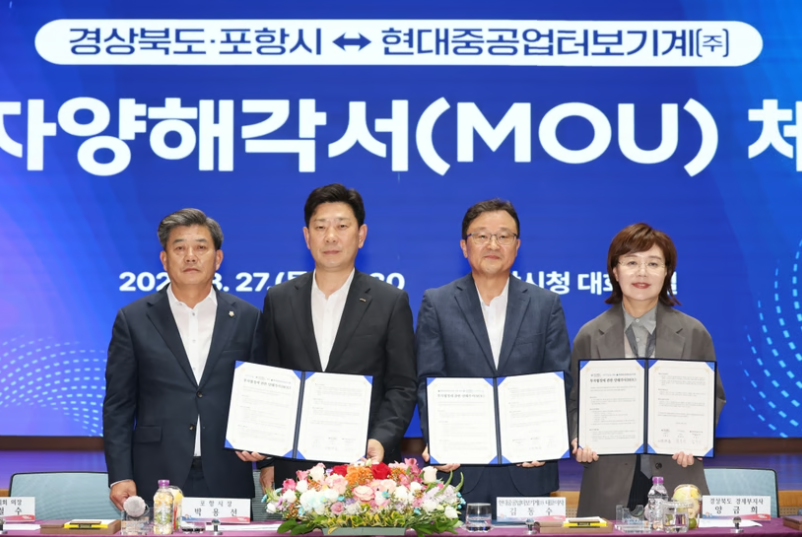
The city of Pohang and North Gyeongsang Province recently signed a memorandum of understanding with Hyundai Heavy Industries Turbomachinery Co., Ltd. to build a large-scale production plant for eco-friendly turbomachinery and core components for small modular reactors (SMRs) at the fourth comprehensive industrial complex in Pohang's Yeongil Bay, with an investment of approximately 100 billion KRW. Under the agreement, Hyundai Heavy Industries Turbomachinery plans to carry out the project between 2026 and 2029, constructing related production facilities on a 101,128-square-meter site within the complex. Upon completion, the project is expected to create approximately 100 new jobs and boost the local manufacturing sector...
2026-08-28
Bruce Power Aims to Generate Over CAD 13.3 Billion in Economic Impact in Canada Over Next 18 Months
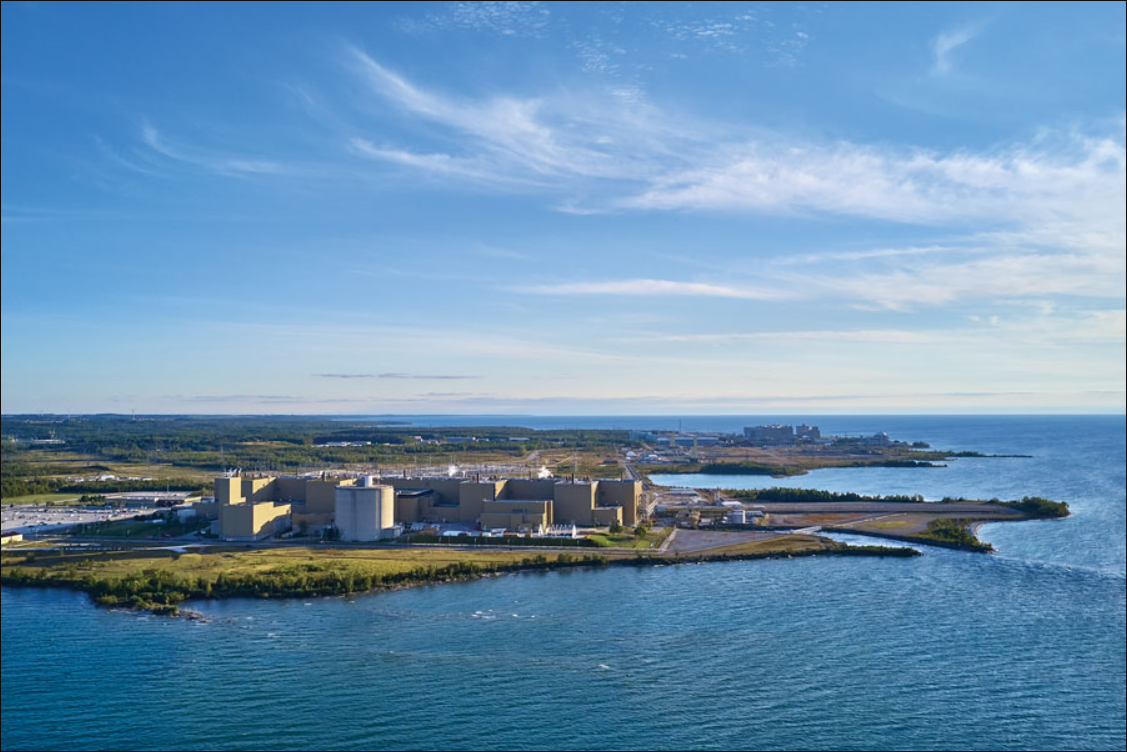
Bruce Power recently stated that over the next 18 months, the company expects to generate more than CAD 13.3 billion in economic impact across Canada, with related investments primarily stemming from its nuclear plant operations and life extension programs, supporting businesses and jobs in Ontario and other regions of Canada. Bruce Power stated that since launching the "Canada First" program in 2025, the company has invested over CAD 6.6 billion in Canada between January 2025 and June 2026, and plans to invest an additional CAD 7.7 billion by the end of 2027. The company noted that its spending within Canada accounts for more than 95% of total expenditures. As a nuclear operator located in Bruce County, Ontario...
2026-08-28
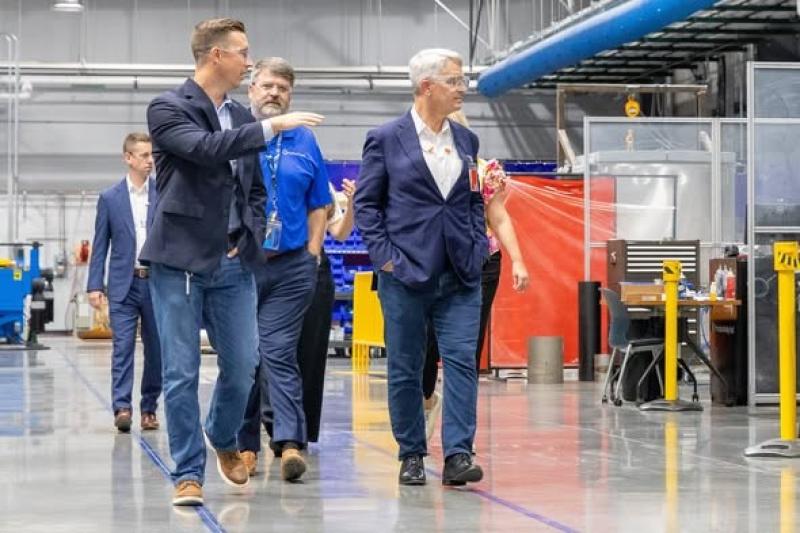
NNSA Administrator Brandon Williams Visits Kairos Power to Review SMR Technology
Kairos Power, a U.S. small modular reactor developer, recently announced that Brandon Williams, Administrator of the National Nuclear Security Administration (NNSA), has visited the company's Manufacturing Development Campus in Albuquerque, New Mexico, to review its readiness for advanced reactor deployment. According to Kairos Power, Williams and his delegation toured the campus's advanced manufacturing, fuel development, molten salt production, modular systems, and large-scale hardware verification facilities. The campus serves as a key base for the company's advancement of fluoride salt-cooled high-temperature reactor technology and also supports the engineering validation and manufacturing capability development required for future reactor deployment.
2026-08-27
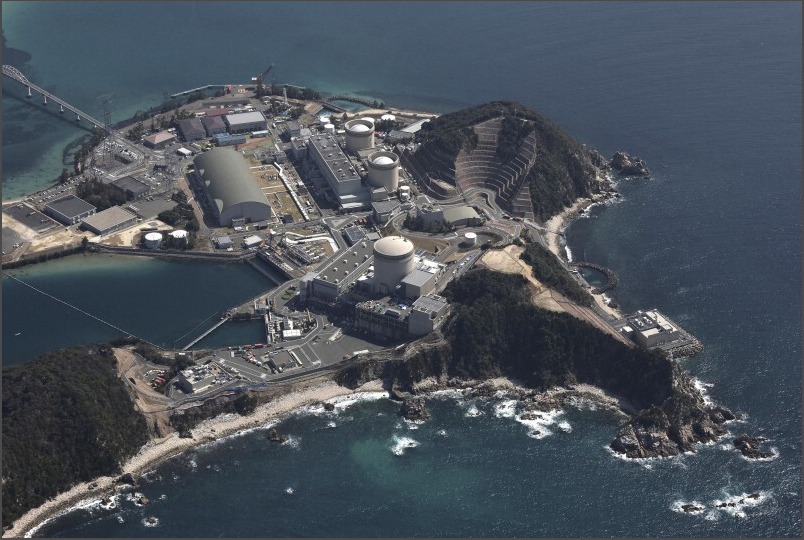
Kansai Electric Power Revises Nuclear Emergency Disaster Prevention Business Plans for Three Nuclear Power Plants
Kansai Electric Power Co., Inc. announced on August 27 that it has revised the nuclear operator disaster prevention business plans for the Mihama, Takahama, and Oi nuclear power plants in accordance with Japan's Act on Special Measures Concerning Nuclear Emergency Preparedness, and filed them with the Prime Minister and the Nuclear Regulation Authority on the same day. The revisions pertain to nuclear emergency disaster prevention arrangements at the three nuclear power plants. Kansai Electric Power stated that it will continue to ensure the safety of the nuclear power plants and enhance nuclear emergency disaster prevention measures in accordance with the relevant plans. According to the documents, the consultation period prior to the revisions was from May 13 to July 30, 2026, totaling 79 days. The consultation parties included the local governments where the nuclear power plants are located and related neighboring local governments.
2026-08-27
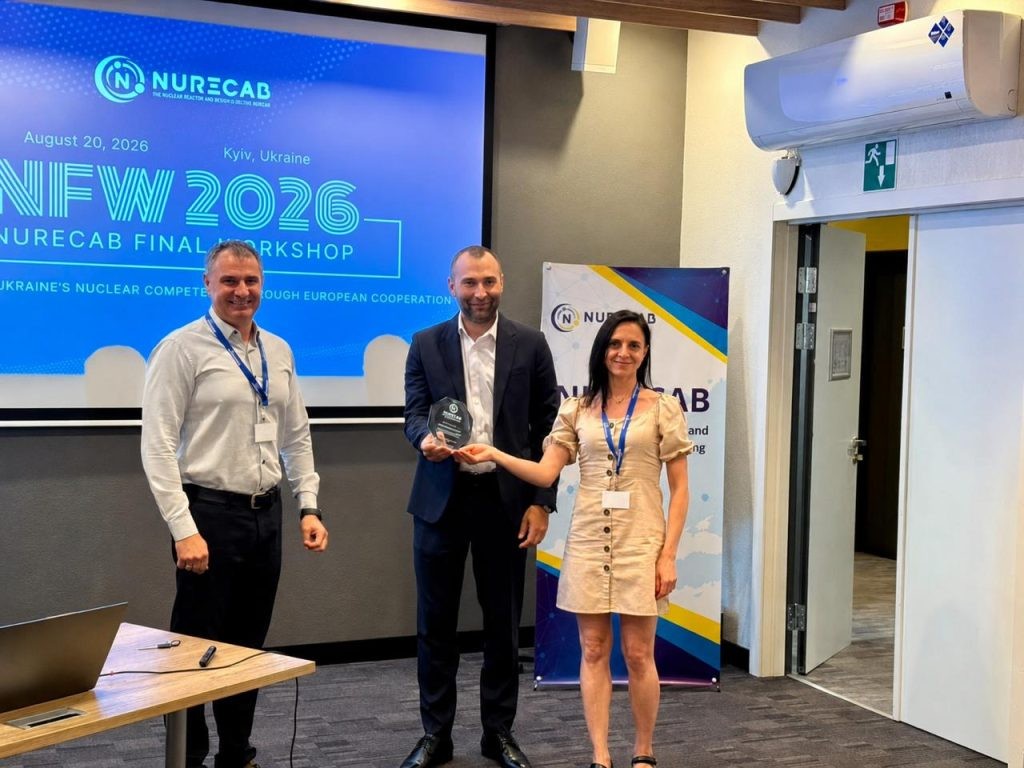
Ukraine's Nurecab Nuclear Capacity Building Project Completes First Implementation Cycle
On August 20, 2026, the final seminar of the international project Nurecab (Nuclear Capacity Building in Ukraine through European Cooperation) was held in Kyiv. The project is funded by the European Union through the Euratom Research and Training Programme and is incorporated into the Horizon Europe framework. The seminar was held in a hybrid format, with a total of 76 experts, researchers, educators, and representatives of national institutions participating, of whom 26 attended in person in Kyiv and 50 joined via video link. The meeting showcased the project's implementation results and facilitated discussions on nuclear energy education in Ukraine, the development of nuclear science, and...
2026-08-27

South Korea's Daewoong Pharmaceutical Partners with Promedius to Promote AI Osteoporosis Screening Solution Using Chest X-rays
Daewoong Pharmaceutical announced on August 27 that it has signed a sales, distribution, and joint promotion agreement with Promedius, a medical imaging AI company, to promote Osteo Signal, an AI-based osteoporosis risk screening solution using chest X-rays, in South Korea. This partnership also marks Daewoong Pharmaceutical's expansion from its existing osteoporosis treatment business into the AI-assisted diagnostics field. Under the agreement, Daewoong Pharmaceutical will leverage its business network covering medical institutions across South Korea, along with its sales and marketing capabilities, to bring the solution into more clinical settings. Promedius will provide medical imaging AI technical support to assist in its deployment in real-world medical environments.
2026-08-27
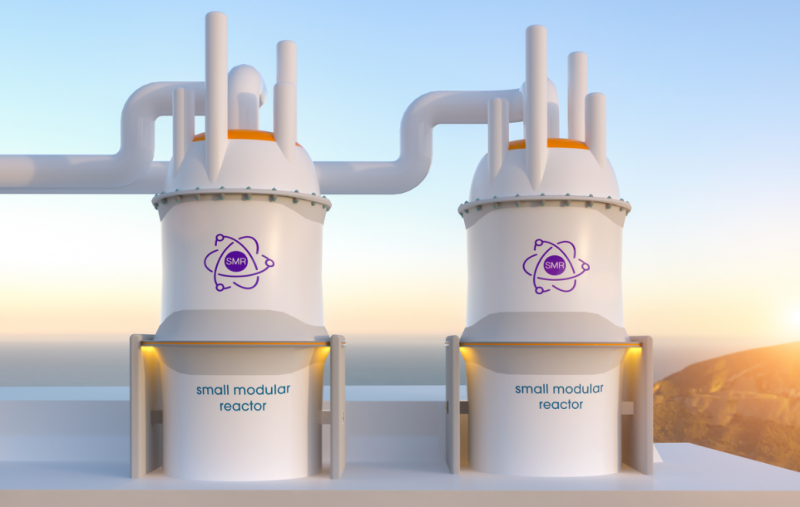
Thailand Plans to Include Small Modular Reactors in Power Development Plan, Targeting 9 GW by 2050
Thailand's new draft Power Development Plan (PDP) is expected to be released in September and enter the public consultation phase. All four power supply scenarios under discussion incorporate small modular reactors (SMRs) and large-scale energy storage systems, covering the planning period from 2026 to 2050. According to the draft's vision, Thailand plans to connect its first 300 MW-class small modular reactor to the national power grid by 2037, with nuclear power installed capacity reaching 9,000 MW by 2050. Based on a single-unit capacity of 300 MW, this target is roughly equivalent to approximately 30 reactors of similar scale, though the actual number may be adjusted depending on technology pathways and electricity demand. The main objectives of the new plan include reducing greenhouse...
2026-08-27

U.S. SuperCritical Materials Corp. Completes Independent Engineering Assessment of Seawater Uranium Extraction Platform
SuperCritical Materials Corp. announced on August 26 that Kellogg Brown & Root (KBR) has completed an independent engineering assessment of its seawater uranium extraction platform. The assessment covered the uranium extraction platform, deployment architecture, offshore operation plans, uranium recovery process, commercialization pathway, and key engineering conditions required for future large-scale deployment. The assessment reviewed SuperCritical Materials' conceptual production plan. Under this plan, the system would use approximately 10,000 metric tons of adsorbent and operate on a continuous 21-day deployment cycle, capable of supporting a uranium processing facility with an annual output of 1.85 million pounds of triuranium octoxide (U3O8)...
2026-08-27
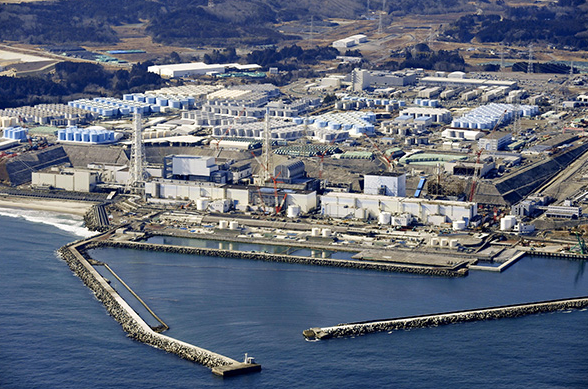
TEPCO replaces faulty motor of robotic arm at Fukushima Daiichi Unit 2
Tokyo Electric Power Company (TEPCO) began replacing the faulty motor of the robotic arm used for fuel debris retrieval trials at Unit 2 of the Fukushima Daiichi Nuclear Power Station on August 26. The robotic arm, approximately 22 meters long, is planned for use in the third fuel debris retrieval trial. During a previous operational inspection inside the reactor building of Unit 2, TEPCO found that the motor driving the robotic arm had malfunctioned, preventing the brake from releasing and the arm from extending. As the robotic arm is already installed on site, workers will enter the "front chamber" in front of the containment vessel to perform the replacement manually. The company stated that radiation levels in the work area will be strictly controlled to prevent workers from receiving excessive exposure. After this replacement, TEPCO will...
2026-08-27