
Search Results
Keyword:Al
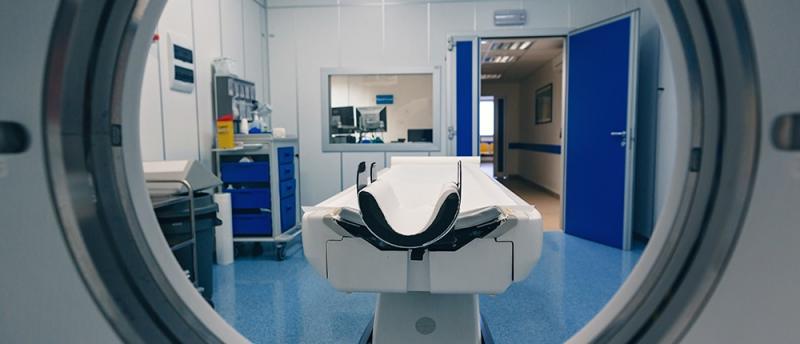
Assam, India, Plans to Introduce Proton Beam Therapy for Cancer Treatment at a Public Hospital
Cancer treatment capabilities in Assam, India, are set to be upgraded. Assam Chief Minister Himanta Biswa Sarma announced that the state cabinet has approved the introduction of a proton beam therapy system at Gauhati Medical College Hospital. Once the project is completed, Assam will become the third region in India to offer proton beam therapy, and the hospital will be the first public hospital in India to be equipped with this technology. Currently, proton beam therapy is already in use at the Tata Memorial Centre in Mumbai and the Apollo Proton Cancer Centre in Chennai. The facility planned at Gauhati Medical College Hospital will become the third such treatment center in India. Proton beam therapy is an advanced form of radiotherapy used to treat cancer and certain non-cancerous tumors. Unlike conventional radiation therapy, which typically uses X-rays, proton therapy delivers precise irradiation to the tumor area using high-energy positively charged particles—protons. As proton beams enter the body, they release energy, causing DNA damage to cells. Healthy cells generally possess some capacity for repair, whereas cancer cells are less able to repair themselves, thereby inhibiting their growth and proliferation and helping to destroy tumor tissue.
2026-08-31
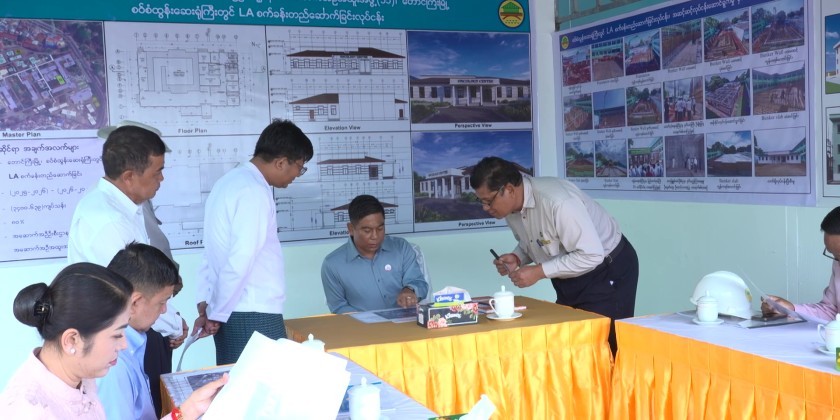
Construction of Radiotherapy Room at Sao San Tun Hospital in Taunggyi, Myanmar, Approximately 80% Complete
On August 30, 2026, the Chief Minister of Shan State, Myanmar, U Sai Tin Soe, accompanied by relevant officials, inspected the construction of the radiotherapy room at Sao San Tun Hospital in Taunggyi. The radiotherapy room is a single-story reinforced concrete building with a floor area of 95 feet × 52 feet, and the project is currently approximately 80% complete. During the inspection, officials from the building department reported on the project's construction progress, and the Chief Minister gave instructions on subsequent work and coordinated the necessary support. On the same day, the Chief Minister and his delegation also inspected the site for a planned five-story expansion building at the hospital and discussed related construction arrangements. Once completed, the radiotherapy room will be used to enhance the hospital's medical service capacity for radiotherapy-related care. ...
2026-08-31
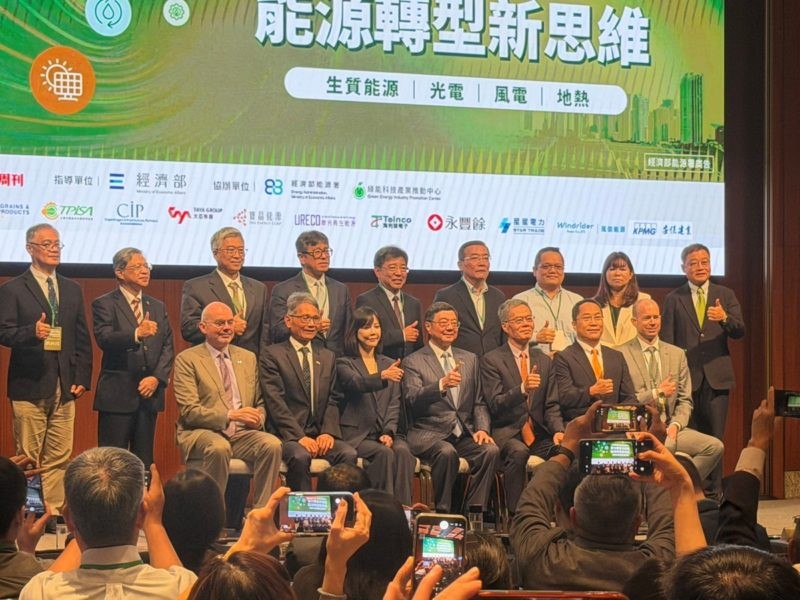
Taiwan plans to include small modular reactors and nuclear fusion in new energy exploration
Taiwan's administrative agency head Cho Jung-tai stated on August 26 that, in response to the rapid global development of energy technologies, Taiwan maintains an open attitude toward new nuclear energy technologies and has gradually invested in research and evaluation of directions such as small modular reactors (SMRs) and nuclear fusion. Relevant budgets have been included in discussions, and the central government's general budget for the next fiscal year also plans to allocate funds for engaging with and tracking global nuclear fusion technology progress. Cho Jung-tai stated at a new energy forum that day that, for Taiwan, energy types that have not yet entered large-scale commercial application or whose research and development technologies are still immature can all be regarded as targets for new energy exploration. In addition to technologies such as geothermal, small hydropower, and hydrogen energy, new nuclear energy has also been listed as a direction for future sustained observation and research...
2026-08-31

India's Nuclear Power Expansion Drives Mechanical Seal Demand; Sealmatic Positions Itself in Nuclear-Grade Supply Chain
August 29, 2026 - Sealmatic India Ltd. is leveraging its in-house mechanical seal technology and nuclear application quality certifications to expand into India's nuclear energy equipment supporting market. As India advances its nuclear power capacity expansion, demand for highly reliable mechanical seals in reactors and related pumping systems is expected to grow steadily. Although mechanical seals are not among major primary equipment such as reactors, pumps, or turbines, they play a critical role in the safe, reliable, and continuous operation of nuclear power plants. These products are primarily used in systems including main coolant, reactor coolant, auxiliary feedwater, and emergency core cooling pumps, where seal reliability, operational integrity...
2026-08-31

India's Tata Consulting Engineers Calls for Expanded Private Sector Participation in Nuclear Energy R&D
Amit Sharma, Managing Director and Chief Executive Officer of Tata Consulting Engineers (TCE), said that India's Department of Atomic Energy (DAE) should focus more on national strategic objectives and engage in deeper collaboration with the private sector in nuclear power generation-related fields. Sharma stated that TCE has partnered with India's nuclear program for over five decades. The DAE's original core mission was to serve national strategic needs rather than directly undertake power generation. He believes the DAE could draw on the experience of the Indian Space Research Organisation (ISRO) in promoting private sector development, allowing enterprises greater scope for participation in nuclear energy R&D.
2026-08-31

India and Uzbekistan Agree to Establish Long-Term Uranium Supply Arrangement
India and Uzbekistan held leader-level talks in Tashkent on August 30, deciding to elevate bilateral relations to a comprehensive strategic partnership and agreeing to establish an arrangement for long-term uranium supply from Uzbekistan to India, strengthening cooperation between the two countries in the field of civil nuclear energy. Following talks with Uzbek President Shavkat Mirziyoyev, Indian Prime Minister Narendra Modi stated that the two sides would establish a long-term uranium supply arrangement. The specific scale, duration, and implementation mechanism of the arrangement have not yet been announced. India has in recent years continued to diversify its nuclear fuel sources, and Uzbekistan is an important uranium resource country in Central Asia...
2026-08-31
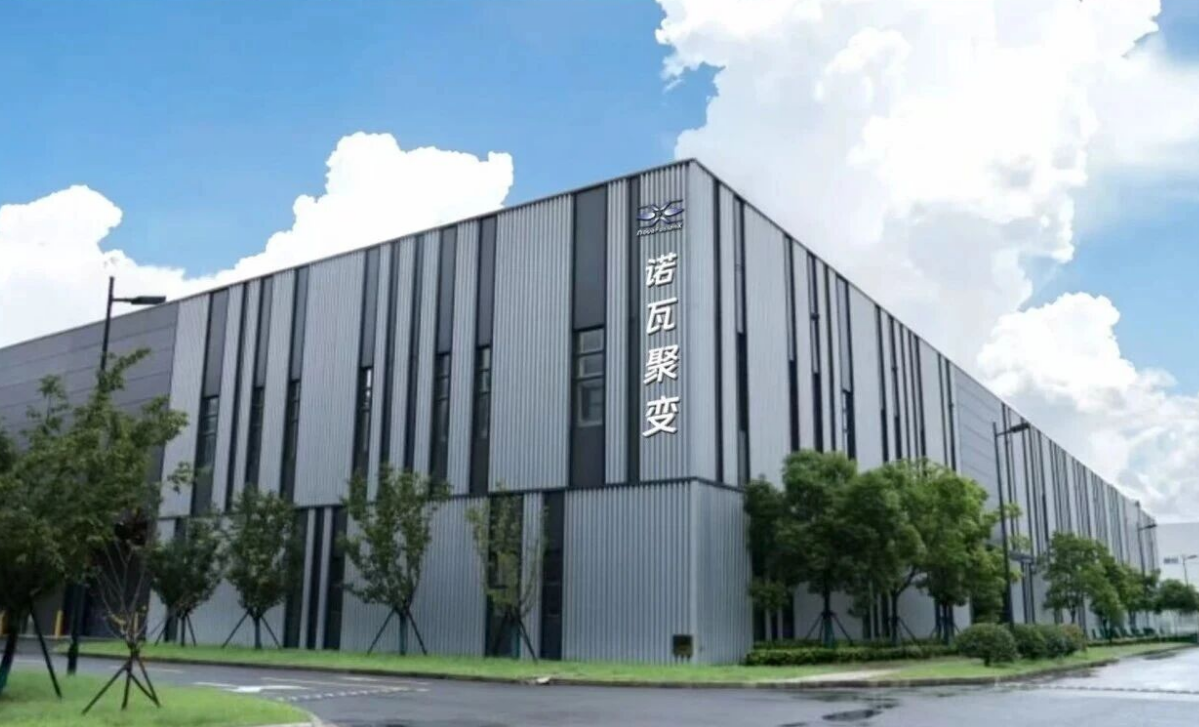
Nova Fusion Completes RMB 1.2 Billion Pre-A Series Financing
Nova Fusion Energy Technology (Shanghai) Co., Ltd. recently announced the completion of its Pre-A series financing totaling RMB 1.2 billion, comprising both the Pre-A round and Pre-A+ round. The company stated that within 16 months since its establishment, it has completed a RMB 500 million angel round, a RMB 700 million angel+ round, and this round of financing, bringing cumulative fundraising to RMB 2.4 billion with a post-investment valuation exceeding RMB 10 billion. In this round, Meituan Longzhu and Hillhouse Ventures continued their participation, while Lenovo Capital and Guozhong Capital joined as new strategic investors. The company stated that the funds from this round will primarily be used for new device construction, key technology iteration, industrial base preparation, and subsequent fusion energy output verification efforts. Nova Fusion focuses on field-reversed configuration (FRC) small...
2026-08-31
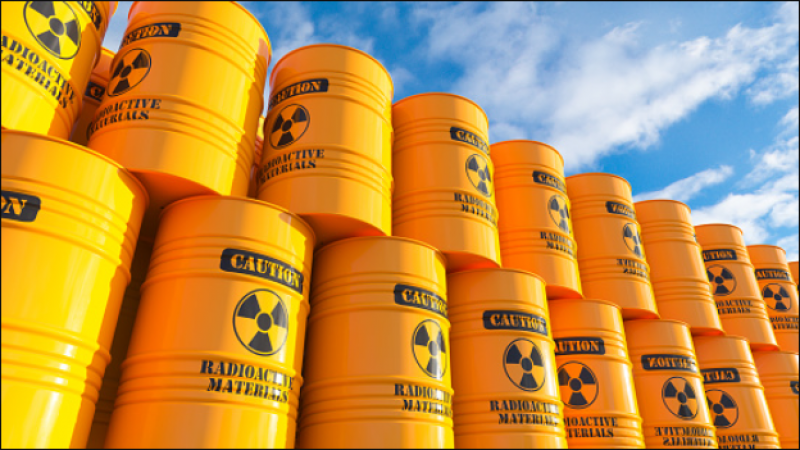
Japan nuclear waste, geological disposal, literature survey, Hitachiomiya City
Japan's Ministry of Economy, Trade and Industry (METI) is in the final stages of coordination regarding the site selection process for the final disposal of high-level radioactive waste, with plans to request Hitachiomiya City in Ibaraki Prefecture to conduct a literature survey. The literature survey is the first phase of Japan's screening process for selecting a final disposal site for high-level radioactive waste generated from nuclear power generation. It primarily relies on existing literature and materials to assess whether candidate areas have safety concerns such as volcanoes and active faults. Hitachiomiya City is located in the northwestern part of Ibaraki Prefecture, bordering Tochigi Prefecture, with a population of slightly over 35,000. The city does not face the sea, with the Kuji River and Naka River flowing through its territory. Forests account for approximately 60% of the city's total area, and agriculture and manufacturing are the main industries. In recent years, the city has been promoting tourism and emerging industries leveraging the natural environment, while also facing challenges such as population decline, aging, and fiscal pressure.
2026-08-31
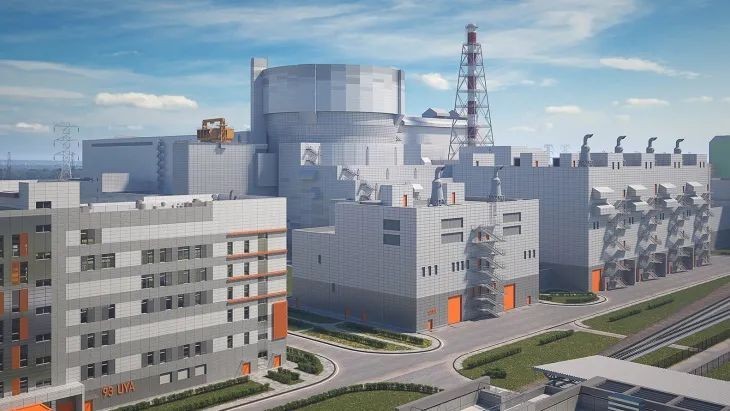
Hungary Plans Additional ~EUR 300 Million in Funding for Paks II Nuclear Power Plant
The Hungarian government plans to allocate an additional HUF 111.6 billion, equivalent to approximately EUR 305.5 million, to the Paks II nuclear power plant project. The funds have been included in the draft amendment to the 2026 budget, which is expected to be submitted to the Hungarian Parliament for review. According to the budget document, financial support for the Paks II project through the end of 2026 will increase from HUF 95 billion to HUF 206.6 billion, approximately EUR 565.5 million. Based on relevant calculations, over the past 12 years, the Hungarian government has directly allocated HUF 628.7 billion, exceeding EUR 1.7 billion, to the project; with the inclusion of this budget arrangement, cumulative financial support will exceed EUR 2.2 billion. The Paks II nuclear power plant involves the participation of Russia's State Atomic Energy Corporation (Rosatom)...
2026-08-31
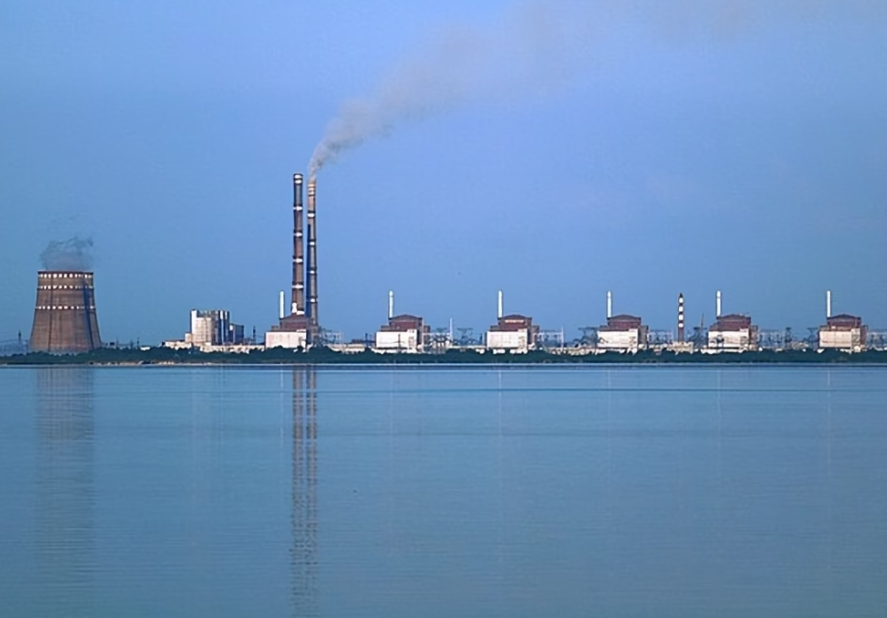
Zaporizhzhia Nuclear Power Plant Relies on Emergency Diesel Generators to Maintain Operations
The International Atomic Energy Agency (IAEA) recently stated that the Zaporizhzhia Nuclear Power Plant (ZNPP) has been relying on emergency diesel generators to maintain critical safety systems for over a week following the interruption of its external power supply. After inspections by the agency's on-site expert team, it was confirmed that as of the 23rd local time, the plant's diesel reserves could support approximately 10 days of operation, approaching the minimum regulatory requirement. According to the IAEA, the Zaporizhzhia Nuclear Power Plant lost its connection to the only remaining 330 kV Peresopravna-1 external transmission line starting on the 20th. Subsequently, the plant activated multiple emergency diesel generators to power critical equipment, including the six reactors and pumps related to spent fuel cooling and storage. The IAEA...
2026-08-31
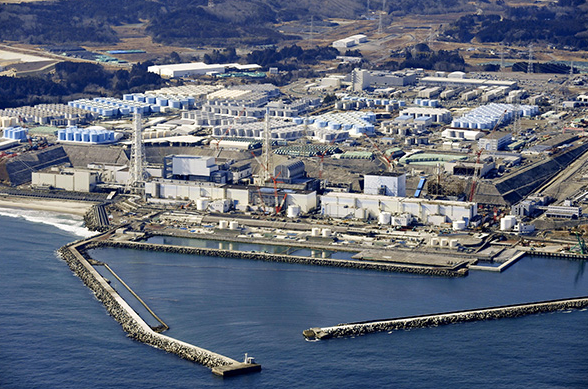
Decontaminated soil from Fukushima used in flower beds at Saitama municipal government building
Decontaminated soil generated after the Fukushima Daiichi Nuclear Power Station accident was transported on August 30 to a government building in Saitama City, Japan, and used in a reuse project for on-site flower beds. The work took place at the Saitama Shintoshin Joint Government Building in Chuo Ward, Saitama City. Approximately one cubic meter of decontaminated soil was brought to the site, where workers dug holes in the flower beds, filled the soil to a depth of about 20 centimeters, and then covered it with approximately 20 centimeters of ordinary soil. Similar decontaminated soil reuse work was carried out on August 29 at the Sendai Joint Government Building in Miyagi Prefecture. Apart from demonstration projects within Fukushima Prefecture, this is the second reuse case conducted outside the Tokyo area. On the day of the work, approximately...
2026-08-31
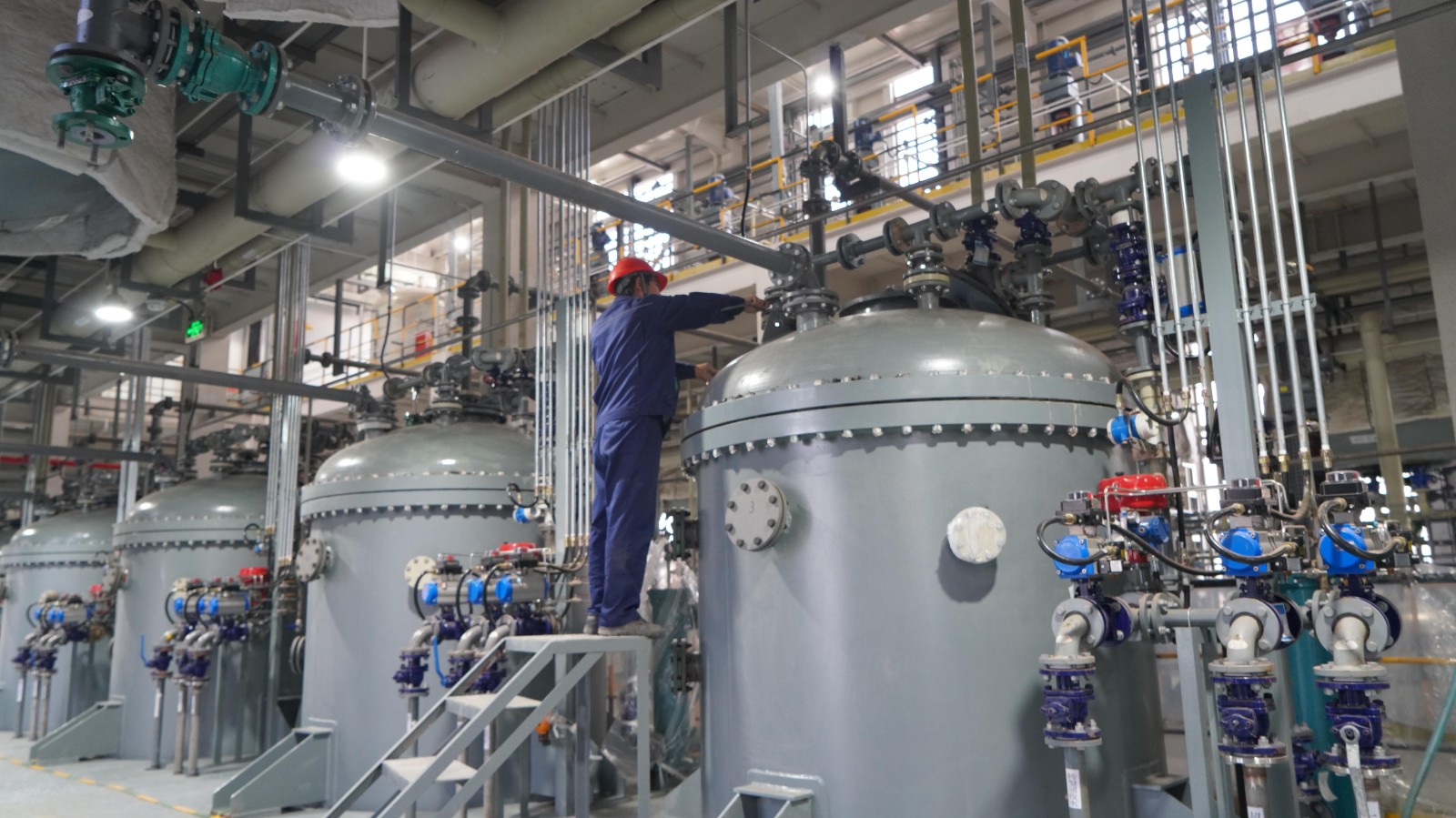
Domestically Produced Nuclear-Grade Resins Fully Verified and Ready for Use
On August 28, China General Nuclear Power Group (hereinafter referred to as CGN) announced that five nuclear-grade resin products developed under its leadership have all been put into engineering application, with a cumulative total of 12 batches used at nuclear power plants including Daya Bay, Ningde, Yangjiang, Taishan, and Hongyanhe. Among them, the first product has been operating stably for over three years in the steam generator blowdown system (APG system) of nuclear power plants, with key performance indicators comprehensively outperforming imported counterparts of the same category, and the domestic nuclear-grade resin production line. Nuclear-grade resins are known as the "kidneys" of nuclear power water treatment systems, serving as core materials that ensure stable water chemistry indicators of nuclear power units and prevent equipment corrosion. For a long time, these materials have been highly dependent on imports, posing supply security risks such as long delivery cycles, unstable batch quality, and rising prices year by year.
2026-08-29

Leo Cancer Care and GE HealthCare Announce Collaboration to Advance Upright Radiotherapy Workflow Integration
Leo Cancer Care recently announced a commercial collaboration with GE HealthCare, focusing on GE HealthCare's advanced imaging solutions and intelligent radiotherapy software, with plans to apply related technologies to Leo Cancer Care's future upright radiotherapy systems to streamline patient and data workflows from simulation to treatment delivery. Under the collaboration framework, the two parties will explore integration pathways between GE HealthCare's intelligent radiotherapy software iRT and Leo Cancer Care's future upright radiotherapy solutions. iRT is an AI-assisted software developed for radiotherapy settings, primarily used to connect information, workflows, and applications across different systems, helping healthcare institutions simplify complex processes, enable patients to enter radiotherapy more promptly, and reduce clinician burden.
2026-08-30
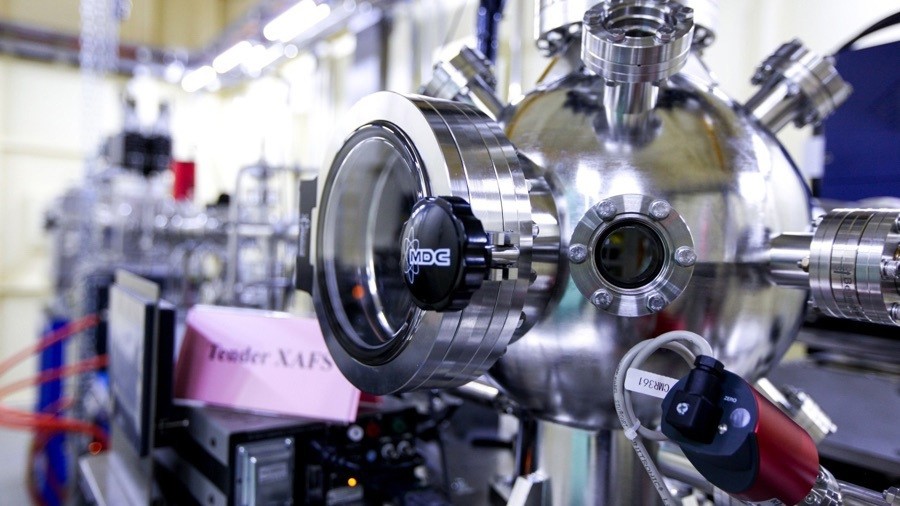
China's First Enterprise-Level Synchrotron Radiation Technology Application Research Platform Inaugurated in Shanghai
The Sinopec Shanghai Synchrotron Radiation Facility Energy and Chemical Science Laboratory, invested by Sinopec and jointly built with the Shanghai Advanced Research Institute of the Chinese Academy of Sciences, and based on the Shanghai Synchrotron Radiation Facility (SSRF) major scientific infrastructure, was recently inaugurated in Shanghai Zhangjiang Science City. This laboratory is the first enterprise-level synchrotron radiation technology application research platform in China. According to reports, the laboratory consists of three beamline stations and auxiliary laboratories, and will provide technical support and services for basic scientific research conducted by Sinopec and public users, with a focus on oil and gas exploration and development, petroleum refining and chemical engineering, and new energy and new materials. Once the platform is completed, it will help enhance the enterprise's capabilities in forward-looking and fundamental research, and provide scientific research support for cultivating new quality productive forces in China's energy and chemical industry.
2026-08-29
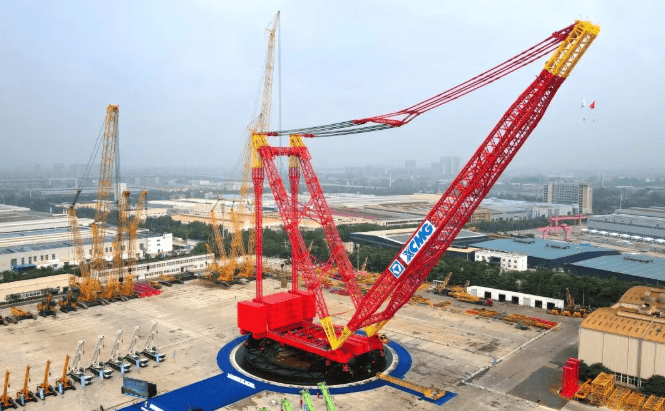
World's First 14,000-Ton-Class Ring Crane Rolls Off Production Line, Capable of Supporting Full-Module Lifting for HPR1000 2.0
Recently, XCMG's world's first 14,000-ton-class ring crane officially rolled off the production line. Su Zimeng, President of China Construction Machinery Association; Wang Guohua, Member of the Party Committee and Vice President of Sinopec Engineering (Group) Co., Ltd., as well as Party Secretary and General Manager of its Lifting and Transportation Company; and Yang Dongsheng, Chairman of XCMG Group and XCMG Machinery and Party Secretary, attended the launch ceremony. Xia Dechang, General Manager and Party Secretary of XCMG Crane Machinery Division, announced the successful rollout of the equipment. According to reports, the 14,000-ton-class ring crane was developed to meet the lifting needs of ultra-large and ultra-heavy equipment in major projects such as nuclear power, petrochemical, and marine engineering, with a focus on serving integrated lifting scenarios for large modules. The equipment achieves full-industry-chain...
2026-08-29