
Search Results
Keyword:C
GAO Report Urges DOE-EM to Learn from Canada, UK, France, and Belgium in Reshaping Nuclear Waste Cleanup Strategy
The U.S. Government Accountability Office (GAO) noted in a new report that countries such as Canada, France, and the United Kingdom have taken proactive measures in recent years to accelerate nuclear waste cleanup. The report recommends that the U.S. Department of Energy's Office of Environmental Management (DOE-EM) engage in strategic exchanges with these countries to identify and evaluate alternative approaches that could reduce risks, lower costs, or expedite cleanup activities. Currently, DOE-EM estimates its cleanup mission could cost between $641 billion and $840 billion and may not be completed until 2100. The report found that while DOE-EM has some level of exchange with other countries on nuclear cleanup, such exchanges are not strategic and lack proactive learning...
2026-08-04

UT-ORNL Recruits Radiopharmaceutical Scientist to Advance Integrated Cancer Diagnosis and Treatment
The University of Tennessee and Oak Ridge National Laboratory jointly announced that Dr. Carolyn Anderson has been appointed to the UT-ORNL Governor's Chair in Nuclear Medicine: Radiopharmaceutical Therapy. Anderson officially assumed the position on August 1, serving concurrently as a professor in the Department of Nuclear Engineering at the University of Tennessee, Knoxville, and as a researcher in the Isotope Science and Enrichment Directorate at Oak Ridge National Laboratory. She is an internationally renowned pioneer in the field of radiopharmaceutical science, having worked at institutions such as the University of Washington, the University of Pittsburgh, and the University of Missouri. Dr. Anderson's research focuses on developing compounds that can identify cancer earlier, assess treatment efficacy, and deliver radiation directly to tumors...
2026-08-04

Germany Achieves First Capture of Argon Nuclei at 30% Speed of Light with Electron Cooling
On August 3, researchers at the GSI Helmholtz Centre for Heavy Ion Research in Germany successfully decelerated and captured fully ionized argon ions (^36Ar^18+) for the first time using the HITRAP highly charged ion trap facility. These ions, having lost all their electron shells, can be regarded as bare nuclei, with an initial velocity of approximately 30% of the speed of light. The research findings have been published in the journal Physical Review X. The interior of the radiofrequency resonator that slows down the ions is where highly charged ions are typically produced via particle accelerators and formed under strong electric fields and high-energy conditions. Since these ions are generated at extremely high velocities, they must first be stopped, captured, and cooled before precision physics measurements can be conducted. The research team stated that this experiment achieved, for the first time, the entire process from producing highly charged ions to storing them in a special trap for at least 11 seconds.
2026-08-04

Cosmic Rays "Probe" Soil Moisture from Above: Colorado State University Innovates Soil Moisture Monitoring Technology
Researchers at Colorado State University are utilizing a mobile cosmic-ray neutron rover to explore a novel soil moisture monitoring method. This technology is expected to provide data support for hydrological research, particularly in assessing the impacts of wildfires on landscapes. The rover is reportedly capable of estimating soil moisture over large areas by measuring changes resulting from the interaction of cosmic rays from outer space with hydrogen atoms in the soil. Unlike traditional sensors that only capture near-surface data at a limited number of points, or the coarse resolution of satellite remote sensing, this technology offers a mesoscale dataset that falls between the two, enabling more accurate mapping of moisture distribution...
2026-08-04
DuChemBio Completes Supply Chain for Prostate Cancer Radiopharmaceutical
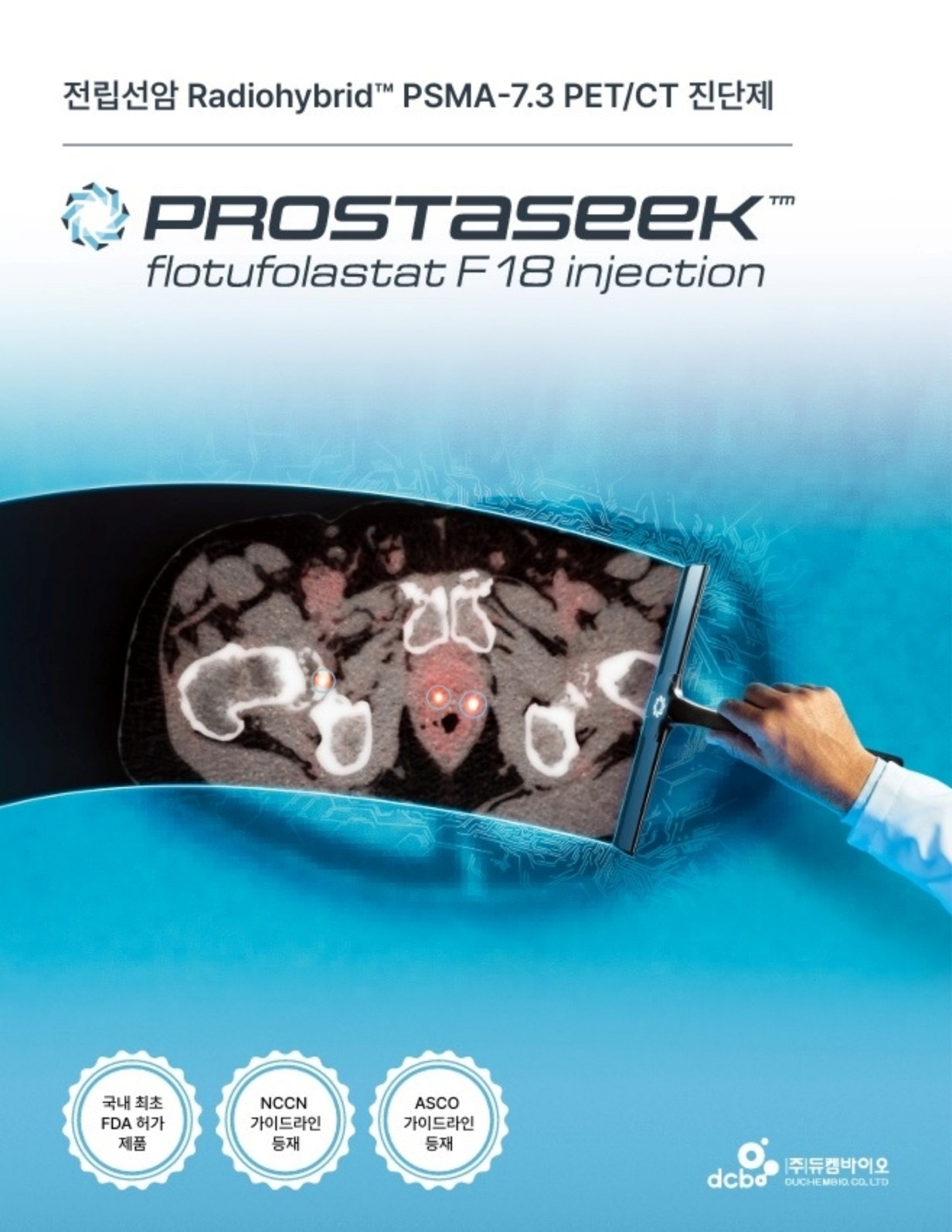
DuChemBio, a Korean radiopharmaceutical company, announced on August 4 that it has completed the supply chain for ProstaSeek (active ingredient: 18F-plotupolastat), a radiopharmaceutical for prostate cancer diagnosis, in the Yeongnam and Honam regions. The drug targets prostate-specific membrane antigen (PSMA), and all tertiary general hospitals in both regions that perform PET-CT scans and provide prostate cancer diagnosis and treatment have been included in its supply scope. According to data from the National Cancer Registry of the Korean Ministry of Health and Welfare, new prostate cancer cases reached 22,640 in 2023, accounting for 7.8% of all cancer cases and ranking sixth in male cancer incidence; with the increasing adoption of PSMA-targeted therapy, the demand for precise diagnosis before prostate cancer treatment is also growing rapidly.
2026-08-04
Water Leak at Pipe Joint of Primary Cooling Pump in Unit 2 of Takahama Nuclear Power Plant; Kansai Electric Confirms No Radioactive Impact
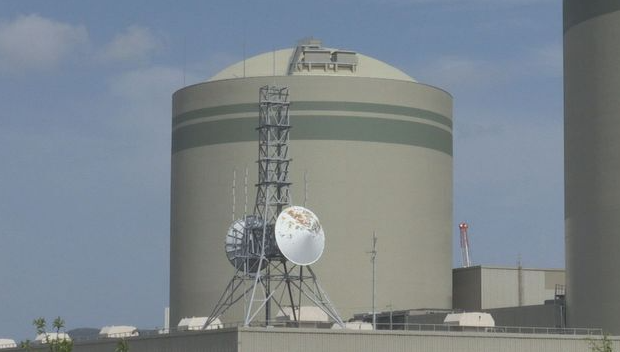
Kansai Electric Power announced on August 3 that a water leak was found at a cooling water pipe joint in Unit 2 of the Takahama Nuclear Power Plant in July. According to Kansai Electric Power, an inspection crew discovered the issue during a check inside the intermediate building on July 11, with a leak volume of approximately 3.4 liters, and repairs were carried out on the 14th. The leak occurred at the pipe connection of the No. 1 cooling water pump during a periodic inspection. The pipe has an outer diameter of 2 centimeters, is secured by threaded fittings, and was sealed with sealing tape. Kansai Electric Power preliminarily determined that the leak may have been caused by tape deterioration due to friction or insufficient wrapping. Currently, Kansai Electric Power re-wrapped the sealing tape on the 14th, and Unit 2 of the Takahama Nuclear Power Plant resumed normal operation on July 16, with no other abnormalities identified to date. It is worth noting that the taped section had undergone a disassembly inspection in 2018, when the plant was in a long-term shutdown state.
2026-08-04
Vietnam Electricity Group Plans to Train Over 2,000 Specialists for Ninh Thuan 1 Nuclear Power Project
Vietnam Electricity Group (EVN) has launched a talent assurance program for the Ninh Thuan 1 Nuclear Power Project, aiming to train over 2,000 specialists for the construction, operation, and maintenance of the facility. As Vietnam's first nuclear power project, the Ninh Thuan 1 Nuclear Power Project must simultaneously address key issues such as the legal framework, project financing, restructuring of implementing agencies, and acceleration of investment preparation while advancing human resource readiness. EVN stated that it is cooperating with the Ministry of Education and Training, international nuclear technology partners, and relevant institutions with nuclear energy experience to develop a systematic education and training program for Ninh Thuan 1 Nuclear Power Project personnel. According to preliminary arrangements, the project management organization will require approximately 400 personnel, responsible for construction investment, technical,...
2026-08-04
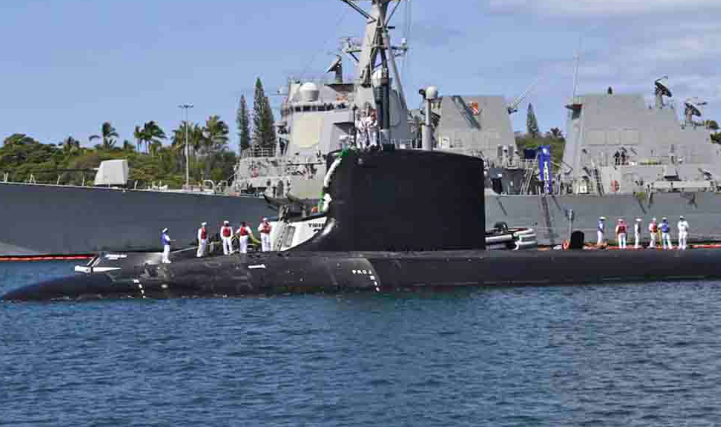
U.S. Navy Virginia-class nuclear submarine USS Vermont departs Yokosuka on August 1
The U.S. Virginia-class nuclear submarine USS Vermont departed Yokosuka Port on August 1. The city of Yokosuka disclosed the information on August 3. It is reported that USS Vermont entered Yokosuka Port on July 24 and departed at 1:49 p.m. on August 1. This port call was for crew rest, resupply, and maintenance. USS Vermont is one of the Virginia-class nuclear submarines, with hull number SSN-792. This was the second time USS Vermont entered Yokosuka Port. The first visit was on December 9, 2024. The previous port call also focused on rest, resupply, and maintenance. Since the beginning of this year, seven U.S. nuclear-powered vessels have visited Yokosuka Port...
2026-08-04
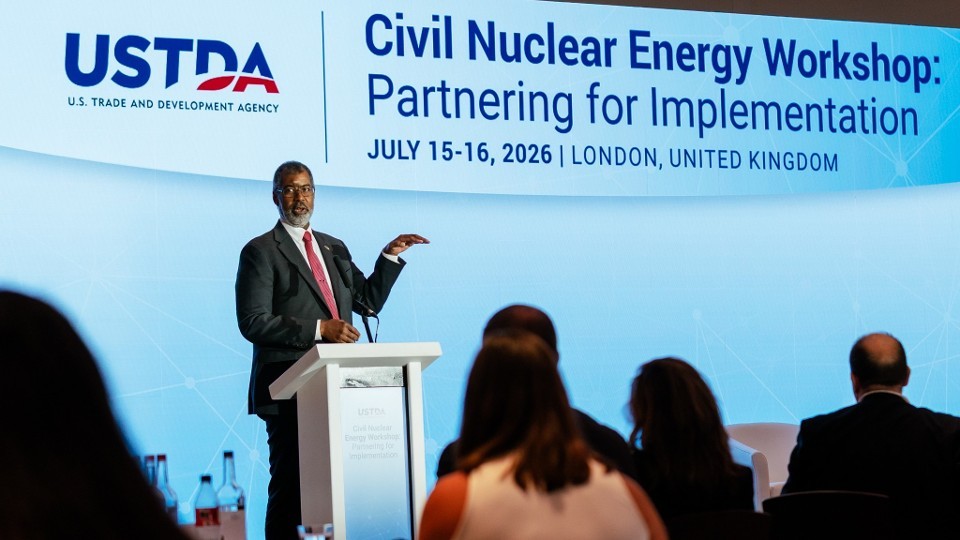
OECD Nuclear Energy Agency Director-General Attends Civil Nuclear Energy Workshop in London
William D. Magwood IV, Director-General of the OECD Nuclear Energy Agency (NEA), attended the U.S. Trade and Development Agency (USTDA) Civil Nuclear Energy Workshop held in London, United Kingdom, on July 15-16. Themed "Collaborative Advancement of Implementation," the workshop brought together government officials, industry representatives, and international stakeholders from Europe, Eurasia, and beyond to discuss how international cooperation can support the delivery of nuclear energy projects. Magwood delivered a keynote address at the opening ceremony and subsequently engaged in a conversation with Maria Korsnick, President and Chief Executive Officer of the Nuclear Energy Institute (NEI)...
2026-08-04
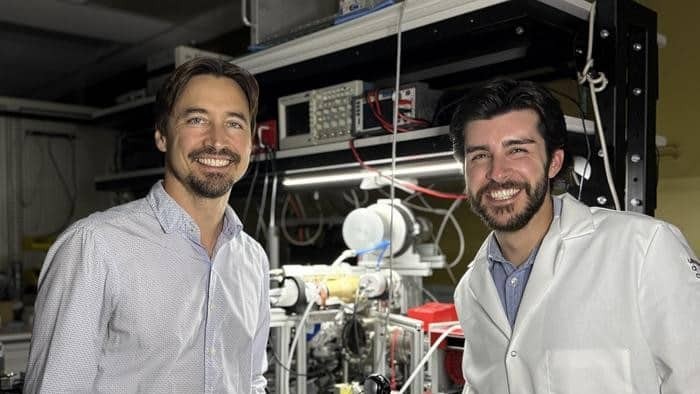
Study Shows Sustained Deuterium Fusion in Palladium and Titanium Metal Foils at Ultra-Low Energies
U.S. researchers have observed a low-energy deuterium fusion phenomenon in thin palladium and titanium metal foils: when the incident deuteron energy drops to levels where fusion reactions are generally expected to weaken significantly or even nearly cease, the reactions continue to occur. Experiments show that as incident energy decreases, the fusion rate does not continue to decline exponentially but instead enters a plateau region below approximately 2 keV. At the lowest detectable energy, the measured low-energy fusion rate exceeds predictions from isolated-nucleus models by more than 10^18 times. Image courtesy of Marina Light/University of California, Davis. The related research was conducted by teams at the University of California, Davis and Lawrence Berkeley National Laboratory...
2026-08-04
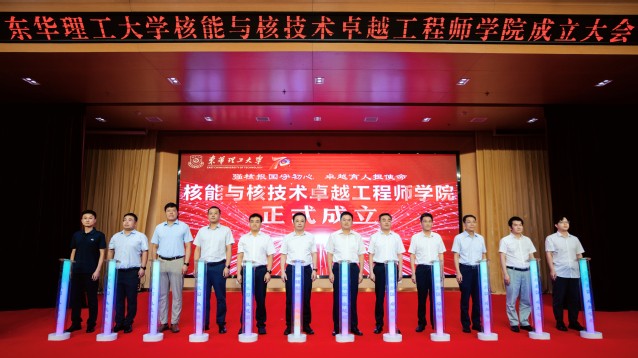
East China University of Technology Establishes School of Excellence in Nuclear Energy and Nuclear Technology Engineering
On August 1, East China University of Technology held the inauguration ceremony of the School of Excellence in Nuclear Energy and Nuclear Technology Engineering and the first meeting of its inaugural council at Guanglan Campus. Xiao Qian, member of the Party Committee of the Education and Work Commission of the Jiangxi Provincial Committee and Deputy Director of the Provincial Department of Education, Zhang Fuqing, Secretary of the Party Committee of East China University of Technology, Xia Fei, Deputy Secretary of the University Party Committee, and Li Mangen, member of the Standing Committee of the University Party Committee and Vice President, attended the ceremony. The meeting specially invited Zhao Zhongsheng, Associate Researcher at Tsinghua University and Deputy Secretary-General of the Chinese Society of Academic Degrees and Graduate Education, and Li Binghong, Researcher and Executive Dean of the School of Excellence in Engineering at Shenyang University of Technology, to deliver special reports. In his speech, Xiao Qian extended congratulations on the establishment of the School of Excellence in Nuclear Energy and Nuclear Technology Engineering at East China University of Technology. He pointed...
2026-08-04
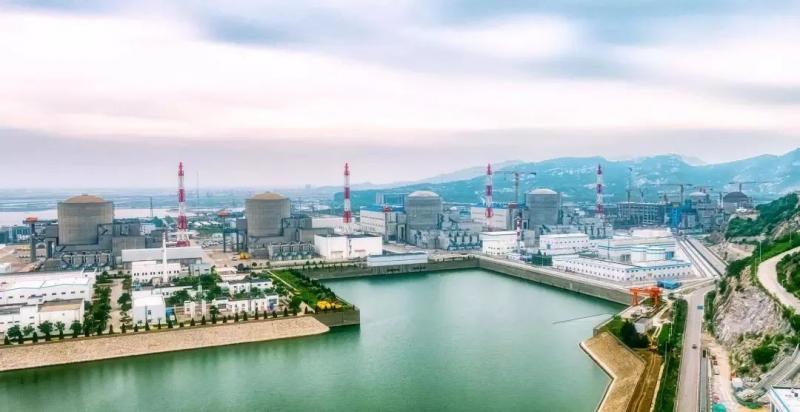
China's installed nuclear power capacity reaches 135 million kW
According to the National Energy Administration: As of now, there are a total of 120 nuclear power units in operation and approved for construction in mainland China, with an installed capacity of 135 million kW, maintaining the world's largest overall scale. Among them, 62 units are in operation with an installed capacity of 66.14 million kW, ranking second in the world and accounting for 1.6% of the country's total installed power capacity; 58 units are approved for construction with an installed capacity of 69.51 million kW, ranking first in the world. In recent years, the share of nuclear power generation in China's national energy structure has remained stable at around 5%. In 2025, the national nuclear power generation reached 485.2 billion kWh, accounting for 4.6% of total electricity generation. The "15th Five-Year Plan Carbon Peak Action Plan" specifies that by 2030, the installed capacity of nuclear power in operation should reach approximately 110 million kW. To address more...
2026-08-04
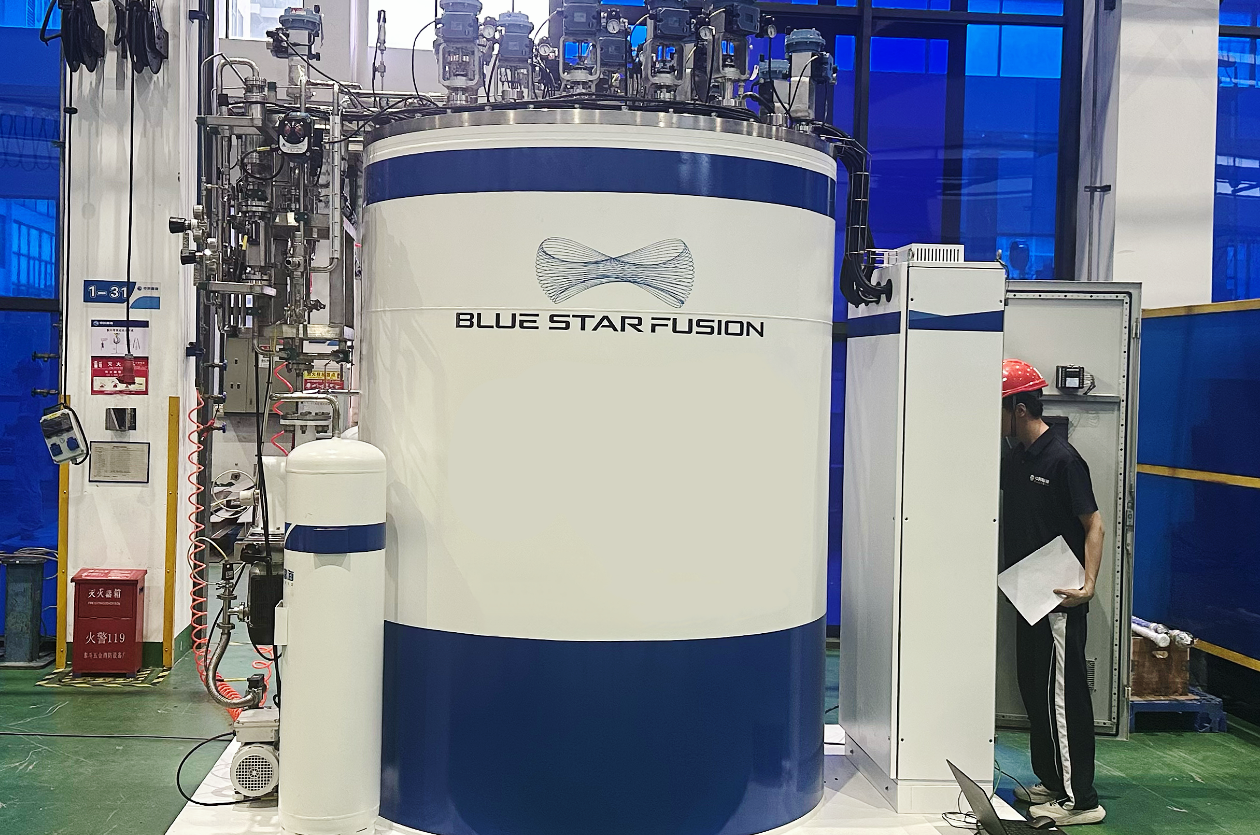
BlueStar Fusion Completes "Angel+" Round Financing, High-Temperature Superconducting Stellarator Project Moves to Engineering Implementation Phase
Recently, Hefei BlueStar Fusion Technology Co., Ltd. (BlueStar Fusion, hereinafter referred to as "BlueStar Fusion") completed an Angel+ round of financing on the scale of several hundred million RMB, with a post-investment valuation exceeding 3 billion RMB. Following the completion of this financing round, the company will continue to advance the verification of key components, engineering manufacturing, and full-system integration of the high-temperature superconducting stellarator, with the goal of initiating the construction of the Phase I high-temperature superconducting stellarator system by 2027. BlueStar Fusion was established in August 2025 and is primarily engaged in the R&D and engineering of high-temperature superconducting stellarator technology. The company has assembled a professional team of nearly 100 members, covering fusion physics, superconducting magnets, structures and precision manufacturing, cryogenic engineering, artificial intelligence, and other disciplines. Ex...
2026-08-04
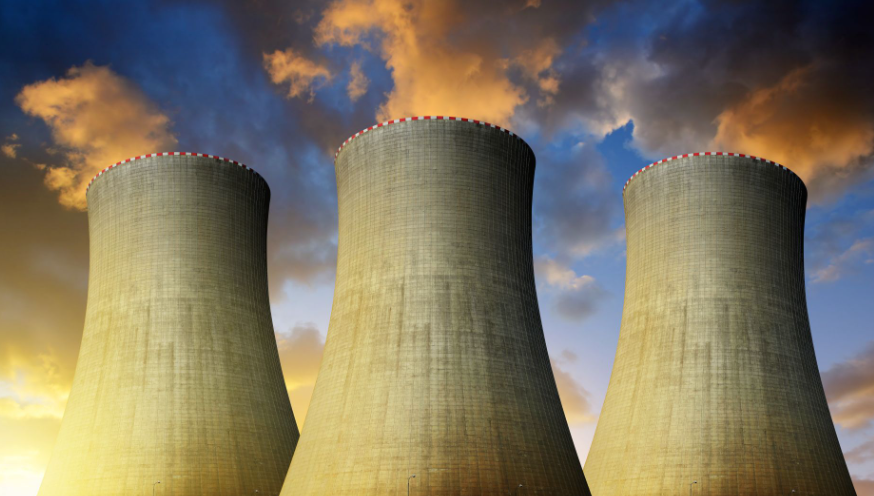
Romania purchases nuclear electricity from Ukraine via Moldova to fill gap left by Cernavoda Unit 1 outage
Romanian state-owned nuclear power company Nuclearelectrica announced on August 3 that it purchased electricity from Ukraine, using Moldova's state-owned power supplier Energocom as an intermediary. Although the specific transaction amount is confidential, the price will be determined at market rates. This purchase is intended to compensate for the power gap caused by the shutdown of Unit 1 at the Cernavoda Nuclear Power Plant, thereby mitigating the impact on Romania's energy market. According to the statement, the purchase price will reference official prices on regional spot exchanges, particularly during peak demand hours from 7 PM to 10 PM. Given the widespread heatwave and tight electricity demand currently affecting Romania and Europe, the market...
2026-08-04
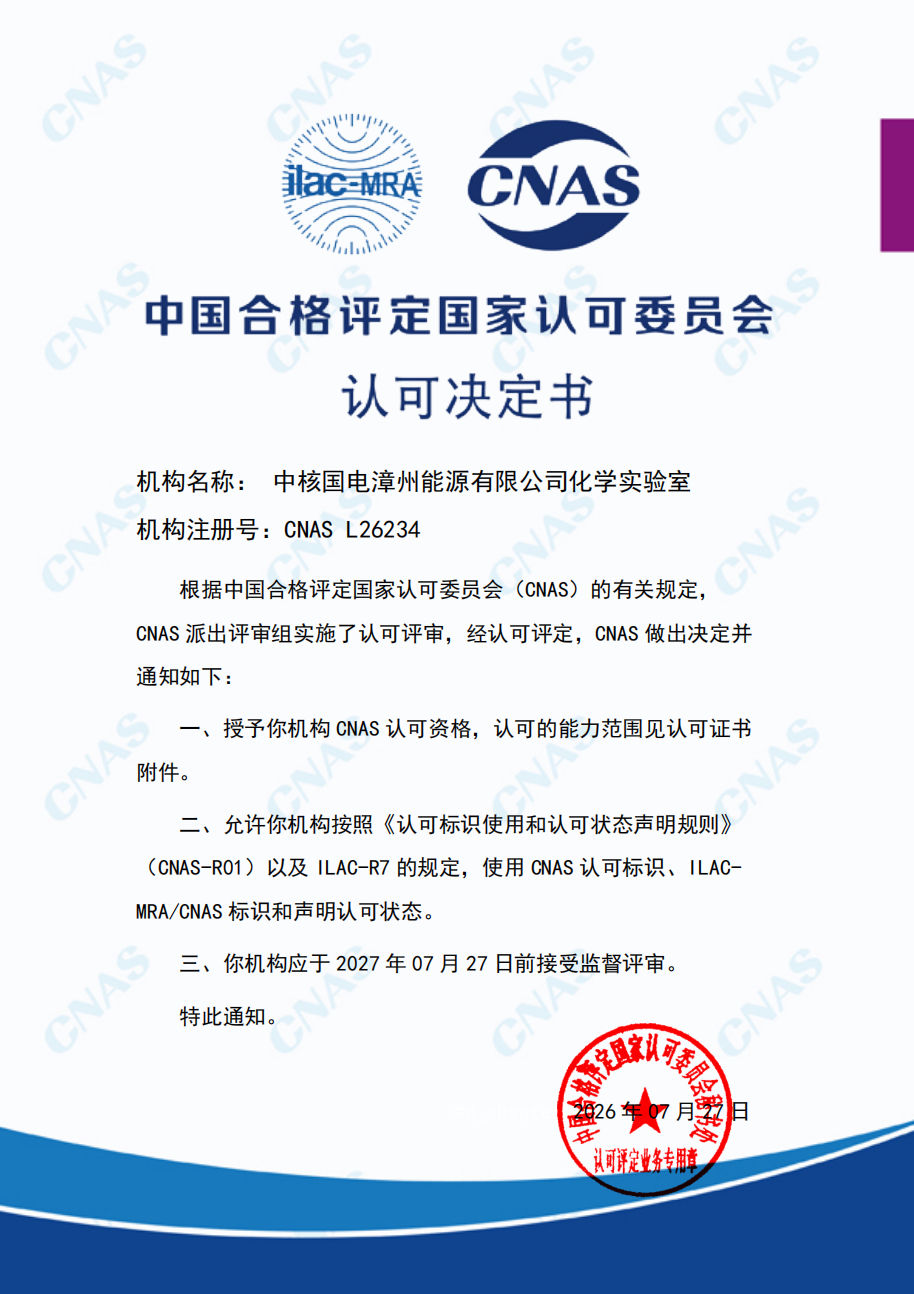
Zhangzhou Energy Chemistry Laboratory Receives CNAS Accreditation
Recently, the Zhangzhou Energy Chemistry Laboratory received the laboratory accreditation certificate issued by the China National Accreditation Service for Conformity Assessment (CNAS). CNAS is the national accreditation body designated by the State Administration for Market Regulation in accordance with the Regulations of the People's Republic of China on Certification and Accreditation and the Measures for the Supervision and Administration of Accreditation Bodies, and its accreditation results can achieve international mutual recognition under the Mutual Recognition Arrangement of the International Accreditation Forum. The company's chemistry laboratory strictly benchmarked against CNAS-CL01:2018 "Accreditation Criteria for the Competence of Testing and Calibration Laboratories," and solidly advanced various foundational tasks including the preparation of system documents, implementation of quality control, enhancement of personnel skills, and metrological traceability of equipment. After trial operation, internal audit...
2026-08-04