
Search Results
Keyword:CT

Aegis to Develop Digital Twin Control Platform for Marine Nuclear Hybrid Energy with Ontario Tech University
Aegis Critical Energy Defence Corp. announced on August 12 that it will undertake a multi-year research collaboration with Ontario Tech University through the Mitacs Accelerate program. The project, valued at CAD 480,000, aims to develop and test a digital twin-based control platform to support the safe, reliable, and robust operation of small modular reactor and micro modular reactor (SMR/MMR) hybrid energy systems in marine environments. Under the project arrangement, the research team will simulate changing loads, system faults, and...
2026-08-13
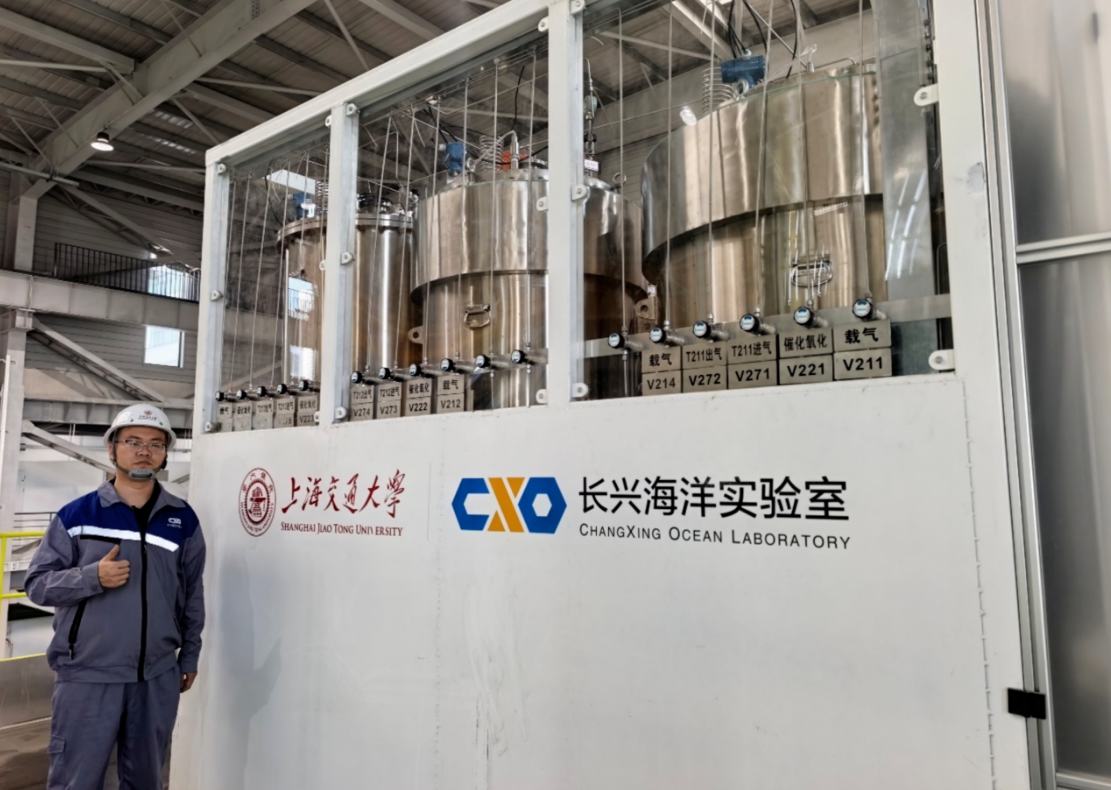
Full-Process Commissioning of Major Marine Isotope Separation Pilot Facility
Shanghai Jiao Tong University's Changxing Ocean Laboratory is dedicated to building a quasi-industrial research platform for high-end marine equipment. The Marine Isotope Separation Applied Research Center, focusing on the industrial context of isotope production, separation, and application, and supported by the ministerial-level Isotope Separation Science and Technology Center, conducts research and development of key isotope separation technologies and engineering equipment for Generation III reactors, Generation IV reactors, and fusion reactors, establishing an innovative platform integrating R&D, testing, validation, data, and technical services. Major research facility: Recently, the construction of the hundred-ton-per-year light water hydrogen isotope separation pilot platform has achieved phased results, with the system facility undergoing full-process commissioning. The platform adopts a self-developed water distillation coupled with cryogenic hydrogen isotope separation process, achieving large-scale efficient separation and enrichment of hydrogen isotopes from light water. The platform's outcomes hold broad engineering application value in fields such as pressurized water reactor wastewater treatment, deuterium-tritium isotope separation, fusion tritium plant operation, and heavy water/heavy hydrogen production. At 18:00 on August 4, 2026, at the Marine Isotope Separation Applied Research Center of Changxing Ocean Laboratory, the hundred-ton-per-year light water hydrogen isotope separation pilot facility was commissioned through its full process! The commissioning and operation of this pilot facility was undertaken by the Marine Isotope Separation Applied Research Center, with all departments coordinating collaboratively, making meticulous arrangements, and dedicating full efforts. During the operation, the team successively overcame multiple challenges including tight schedules, heavy workloads, and persistent high temperatures. This achievement not only fully validated the stability and reliability of the process platform but also demonstrated the researchers' responsibility and commitment in rising to challenges and persevering diligently. In the next phase, the project technical team will continue to deepen process optimization based on existing achievements, focus on advancing continuous and stable facility operation, accelerate engineering application, and provide strong support for breakthroughs in key core technologies in China's hydrogen isotope separation field.
2026-08-13
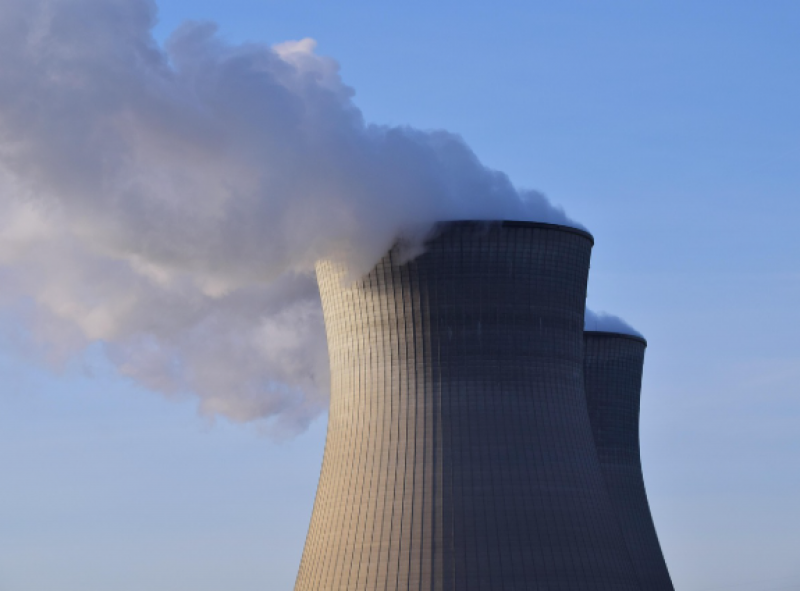
Climate change impact assessment to be conducted for new nuclear power plant in Yeongdeok, South Korea
South Korea's Ministry of Climate, Energy and Environment announced on August 12 that the proposed Yeongdeok nuclear power plant will undergo a climate change impact assessment in parallel with the strategic environmental impact assessment procedure. The assessment will be conducted in accordance with the Framework Act on Carbon Neutrality and the Environmental Impact Assessment Act, focusing on reviewing the project's alignment with higher-level plans such as the Nationally Determined Contributions (NDC), and evaluating greenhouse gas emissions and mitigation measures during the construction and operation phases. The assessment will cover the entire lifecycle of the nuclear power plant, from construction to operation. While the nuclear power generation process itself emits almost no greenhouse gases, emissions will still arise from large-scale civil engineering works, operation of construction equipment, and the production and transportation of building materials...
2026-08-13
Rosatom Starts Preparations for Long-Lead Equipment Contracts at Primorskaya NPP
The engineering division of Rosatom recently announced that preparations for signing long-lead equipment manufacturing contracts for the Primorskaya Nuclear Power Plant have commenced, covering the reactor building, turbine hall, core catcher, and other major system components. According to the announcement, the scope of contract preparation includes key equipment such as main reactor building equipment, turbine hall equipment, the Automated Process Control System (APCS) for the units, and the core catcher. Long-lead equipment typically has extended manufacturing cycles and represents a critical element that must be secured early in the pre-construction phase of a nuclear power project. Currently, the project is also advancing multiple public tender preparation efforts, including site vertical layout planning,...
2026-08-13
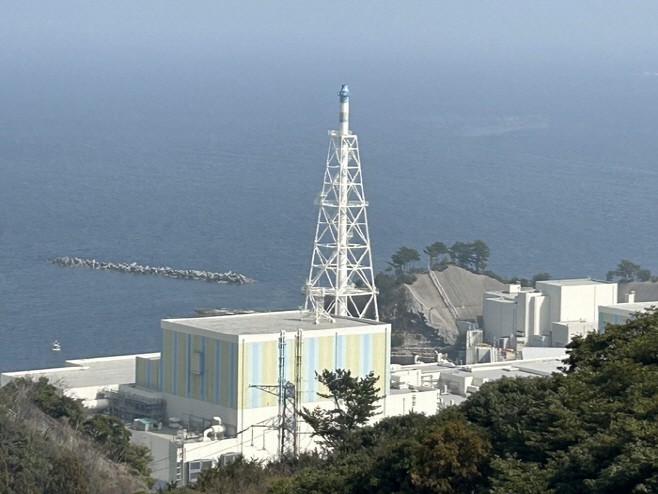
Shimane Nuclear Power Station Unit 2 completes containment vessel-related repairs, scheduled to resume commercial operation on the 16th of next month
The Shimane Nuclear Power Station Unit 2, located in Matsue City, Japan, is scheduled to resume commercial operation next month. Recently, part of the reactor containment vessel repair work at the unit was opened to the public, showcasing key construction steps before the resumption of operation. Unit 2 of the Shimane Nuclear Power Station resumed operation in December two years ago. Since February this year, the unit has been shut down for routine operational inspections. In accordance with relevant legal requirements, nuclear power units must undergo equipment disassembly inspections and replacement of related components within 13 months after the previous inspection is completed. On August 3, a dedicated crane was used on site to lift a cover weighing approximately 60 tons to the top of the reactor containment vessel. Workers completed the tightening of 120 bolts that day...
2026-08-13
TEPCO and JAPC invite eight power companies to participate in spent fuel transport
August 12 news, Tokyo Electric Power Company (TEPCO) and Japan Atomic Power Company (JAPC) invited eight other Japanese power companies that own nuclear power plants on the 10th to consider participating in the transport of spent fuel to the Mutsu City interim storage facility in Aomori Prefecture. Mutsu City has agreed to expand the scope of operating entities involved in the transport. The interim storage facility is operated by Recyclable-Fuel Storage Company (RFS), jointly established by TEPCO and JAPC, and is primarily used for temporary storage of spent fuel generated from nuclear power plants before reprocessing. The eight invited companies are Hokkaido Electric Power Company (Hokkai...
2026-08-13

Strengthen Flood Season Self-Inspection and Prevention, Safeguard Radiation Safety of Radioactive Waste Storage
As the southwestern region enters the main flood season, multiple rounds of heavy rainfall have frequently occurred across Sichuan, Chongqing, Yunnan, and Guizhou, with continuously escalating risks of flooding and waterlogging backflow, putting the radiation safety of urban radioactive waste temporary storage facilities to the test. The Ministry of Ecology and Environment's Southwest Regional Office of Nuclear and Radiation Safety Supervision (hereinafter referred to as the Southwest Office) has focused on advance warning and source prevention, urging urban radioactive waste temporary storage facilities in the southwestern region (hereinafter referred to as waste storage facilities) to conduct flood season self-inspections and proactively identify and rectify safety hazards through on-site inspections, online coordination, and work reminders. The Southwest Office has adhered to early planning, early deployment, and early action, conducting special pre-flood-season studies to arrange flood prevention work and urging all waste storage facilities to firmly establish bottom-line and extreme thinking...
2026-08-13

South Korea Sets 2035 Commercialization Target for Small Modular Reactors
The Ministry of Science and ICT (MSIT) of South Korea announced on August 12 its "Seven Future Growth Engines SEED" promotion plan, designating small modular reactors, nuclear fusion, and next-generation renewable energy as key focus areas for the future clean energy sector. Among these, nuclear power-related content primarily centers on the commercialization of small modular reactors, research and development of non-light water reactor-type reactors, nuclear fuel supply security, and fusion demonstration power generation. According to the plan, South Korea will advance the development of light water reactor-type small modular reactors, targeting commercialization in Gijang County, Busan by 2035. The innovative small modular reactor (i-SMR) will undergo detailed design through public-private cooperation starting next year...
2026-08-13

HD Hyundai Chairman to Meet Bill Gates to Advance SMR Cooperation
HD Hyundai Chairman Chung Ki-sun will meet Bill Gates, who is visiting South Korea, on August 14, with the two sides planning discussions on cooperation in small modular reactors (SMRs). Gates, co-founder of Microsoft, also serves as chairman of TerraPower, a U.S. small modular reactor company. This will be the latest round of communication between Chung and Gates on related cooperation, following their meeting earlier this year at the Davos Forum in Switzerland. HD Hyundai and TerraPower have been steadily strengthening cooperation in SMR and advanced reactor manufacturing in recent years. In November 2022, HD Korea Shipbuilding & Marine Engineering invested $30 million in TerraPower. In December 2024, HD Hyundai secured an order to manufacture the reactor vessel for TerraPower's 345 MW sodium-cooled fast reactor (SFR) to be built in Wyoming, U.S.
2026-08-13

New National Standard GB/T 18525.1-2026 — The Red Beans and Mung Beans You Eat May Have Been
Starting December 1, 2026, a new national standard concerning food safety on your dining table will officially take effect — Recently, the State Administration for Market Regulation and the Standardization Administration of China issued the 2026 No. 23 National Standard Announcement, among which the "Irradiation Technology for Agricultural Products — Part 1: Legumes and Their Products" (GB/T 18525.1-2026) is particularly noteworthy. This standard, led by the Institute of Food Science and Technology, Chinese Academy of Agricultural Sciences, will officially take effect on December 1, 2026, replacing the old standard (GB/T 18525.1-2001) that has been in use for over 20 years. When hearing the word "irradiation," many people's first reaction is: "Is it safe?" "Will food become radioactive after being irradiated..."
2026-08-13
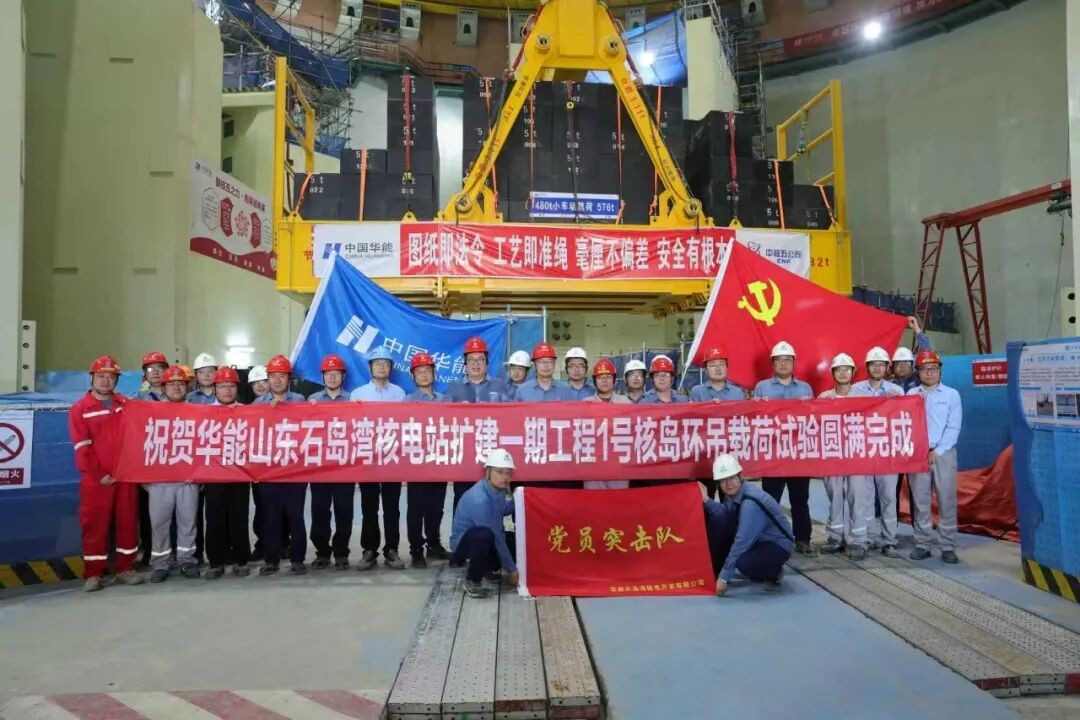
Polar Crane of Unit 1 of Shidao Bay Nuclear Power Expansion Phase I Project Officially Available
On August 12, the load test of the polar crane for Unit 1 of the Expansion Phase I Project was successfully completed, with all performance indicators fully meeting design requirements, marking that the polar crane is officially ready for use and creating favorable conditions for subsequent key tasks such as the introduction and positioning of main equipment in the nuclear island. The polar crane is the core lifting equipment in the reactor building, undertaking critical lifting and handling tasks throughout the entire lifecycle, including heavy equipment hoisting during the construction phase, refueling during shutdown and equipment maintenance during the operation phase, and equipment dismantling during the decommissioning phase. Its operational stability and reliability are directly related to the safety and quality of nuclear island installation. The success of this load test fully verified that all performance indicators of the equipment completely meet the standards for safe and reliable use...
2026-08-13

Completion of World's First Domestic CAP1000 50Hz Canned Motor Reactor Coolant Pump for Guangdong Lianjiang Nuclear Power Phase I
Recently, the world's first domestically manufactured CAP1000 50Hz canned motor reactor coolant pump for the Guangdong Lianjiang Nuclear Power Phase I project was successfully completed and ready for shipment. The completion of this equipment marks significant new progress in the independent development and localization of China's Generation III nuclear power core equipment. Harbin Electric Group provided the canned motor for this reactor coolant pump. The Guangdong Lianjiang Nuclear Power Phase I project plans to construct two domestically developed CAP1000 Generation III passive pressurized water reactor units, each with a single-unit capacity of 1.25 million kilowatts. The project is based on the independent CAP1000 Generation III passive nuclear power technology, adopts a seawater secondary circulation cooling scheme, promotes the coordinated development of nuclear power development and coastal ecological protection, and serves the green and low-carbon development needs of the Guangdong-Hong Kong-Macao Greater Bay Area. This...
2026-08-13

China's First Qualification for Radiation Health Testing and Evaluation of BNCT Equipment Approved
Recently, the Beijing Municipal Health Commission, in accordance with the "Administrative Measures for Radiation Health Technical Service Institutions" (Guoweiban ZhiJian Fa [2026] No. 1), organized experts to conduct on-site reviews of two qualification expansion applications submitted by the National Center for Occupational Safety and Health under the National Health Commission. The projects include performance testing and evaluation of Boron Neutron Capture Therapy (BNCT) equipment and thyroid iodine-131 testing. During the review process, the expert panel conducted a comprehensive examination of the center's management system, personnel allocation, instruments and equipment, and technical capabilities related to radiation health testing and evaluation through document review, technical inquiries, on-site practical operations, and simulated demonstrations...
2026-08-12
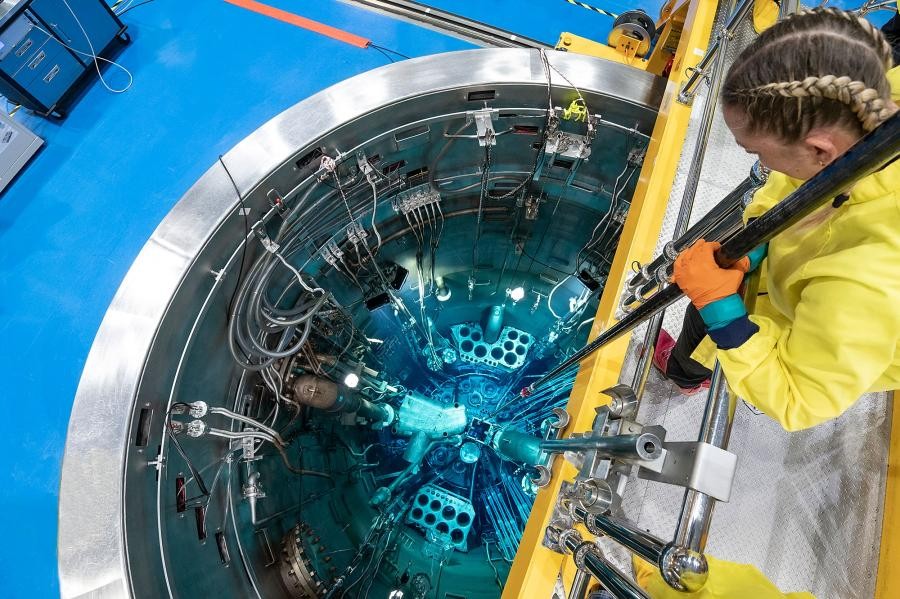
Australia's OPAL Multipurpose Reactor Marks 20 Years of Operation: Supporting Nuclear Medicine, Industrial Silicon Irradiation, and Neutron Science
The OPAL multipurpose reactor at the Lucas Heights campus of the Australian Nuclear Science and Technology Organisation (ANSTO), located south of Sydney, has marked the 20th anniversary of achieving first criticality. On August 12, 2006, OPAL achieved a self-sustaining controlled nuclear chain reaction, marking the facility's transition from the construction phase to the scientific operations phase. ANSTO stated that over the past 20 years, OPAL has become one of Australia's key nuclear science infrastructures, serving multiple fields including medicine, industry, and scientific research. OPAL is not a power reactor and is not used for electricity generation. According to available information, Australian federal law and relevant state and territory legislation prohibit the construction of nuclear power reactors, fuel fabrication, and waste disposal facilities. Unlike power reactors used for...
2026-08-12
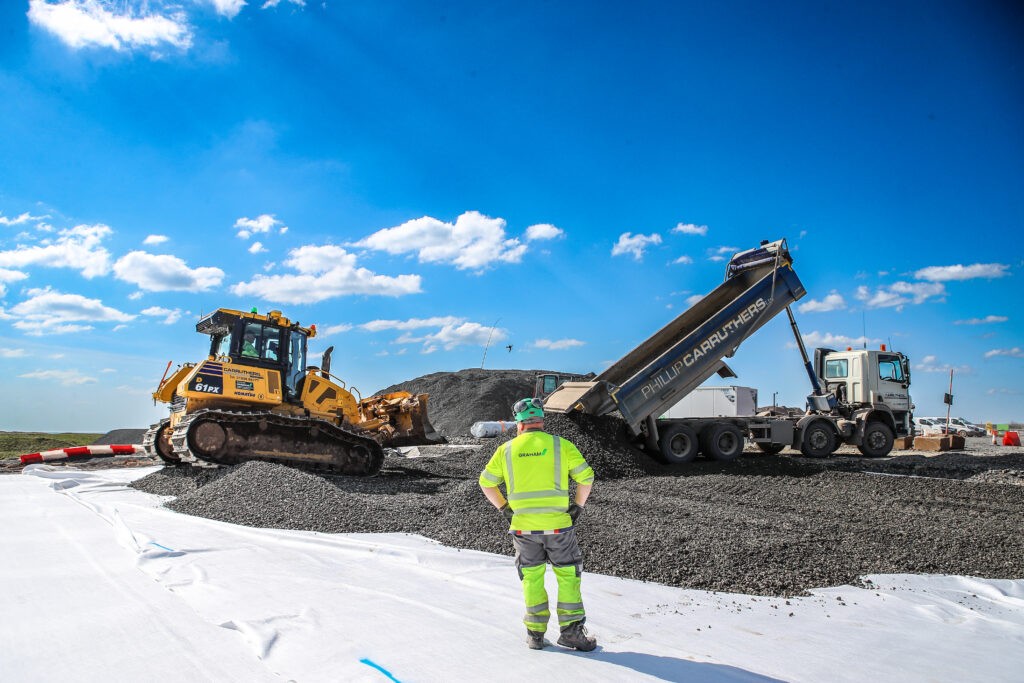
UK Low-Level Waste Repository Advances Capping Project, Rail-Transported Aggregate Exceeds 285,000 Tonnes
Nuclear Waste Services (NWS) is advancing capping-related works at the Low-Level Waste Repository on the west coast of Cumbria, UK, to strengthen long-term protection of existing disposal trenches and vaults. Since the repository began operations in 1959, it has supported the safe disposal of approximately 1 million cubic metres of low-level radioactive waste, making it a key facility in the UK's radioactive waste management system. NWS, part of the Nuclear Decommissioning Authority (NDA), is primarily responsible for consolidating the UK's radioactive waste management capabilities, providing management solutions for legacy wastes from civil and defence sectors as well as wastes arising from future new-build nuclear projects...
2026-08-12