
Search Results
Keyword:Chernobyl
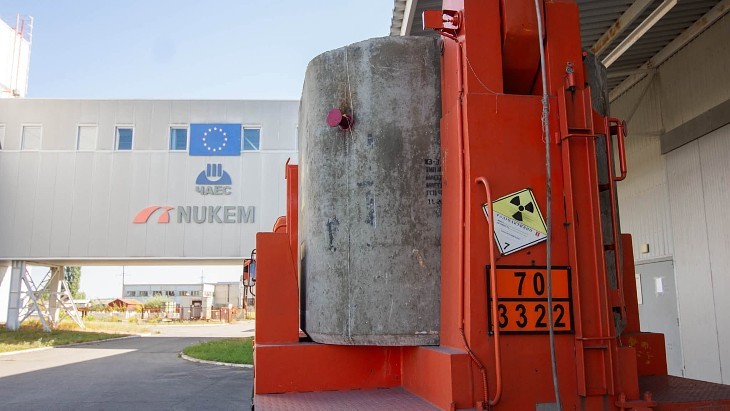
First Batch of Radioactive Waste Transported from New Chernobyl Waste Processing Facility
The Industrial Complex for Solid Radwaste Management (ICSRM) at the Chernobyl Nuclear Power Plant has officially shipped out seven containers of low- and intermediate-level radioactive waste after completing waste processing. This batch of waste has been transferred to the specially equipped Near-Surface Disposal Facility for Solid Radioactive Waste (ENDSF) for final disposal. The Industrial Complex for Solid Radwaste Management officially began operations in May this year after obtaining a license from the State Nuclear Regulatory Inspectorate of Ukraine. The new complex is primarily used to process solid radioactive waste accumulated during the operation of the Chernobyl Nuclear Power Plant, which has been stored in the solid radioactive waste storage facility since 1978. Chernobyl...
2026-09-18
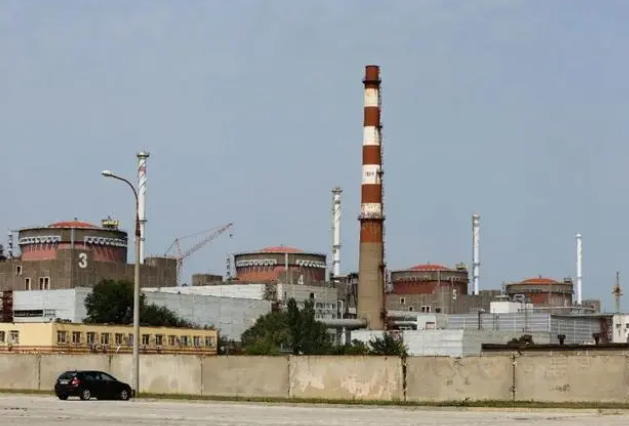
Germany to provide an additional 1 million euros to help address nuclear safety issues at the Zaporizhzhia NPP
Germany will provide an additional 1 million euros to help address nuclear safety issues at the Zaporizhzhia NPP. Recently, according to the German Federal Ministry for the Environment, the German government will provide an additional 1 million euros in aid to improve the safety level of Ukrainian nuclear power plants. Rita Schwarzelühr-Sutter, Parliamentary State Secretary at the German Federal Ministry for the Environment, is expected to formally announce this additional 1 million euros in funding on Tuesday at a meeting of the International Atomic Energy Agency (IAEA) in Vienna. Previously, Germany had cumulatively provided 7.3 million euros in financial support to the IAEA's nuclear safety and security work in Ukraine. Since...
2026-09-16
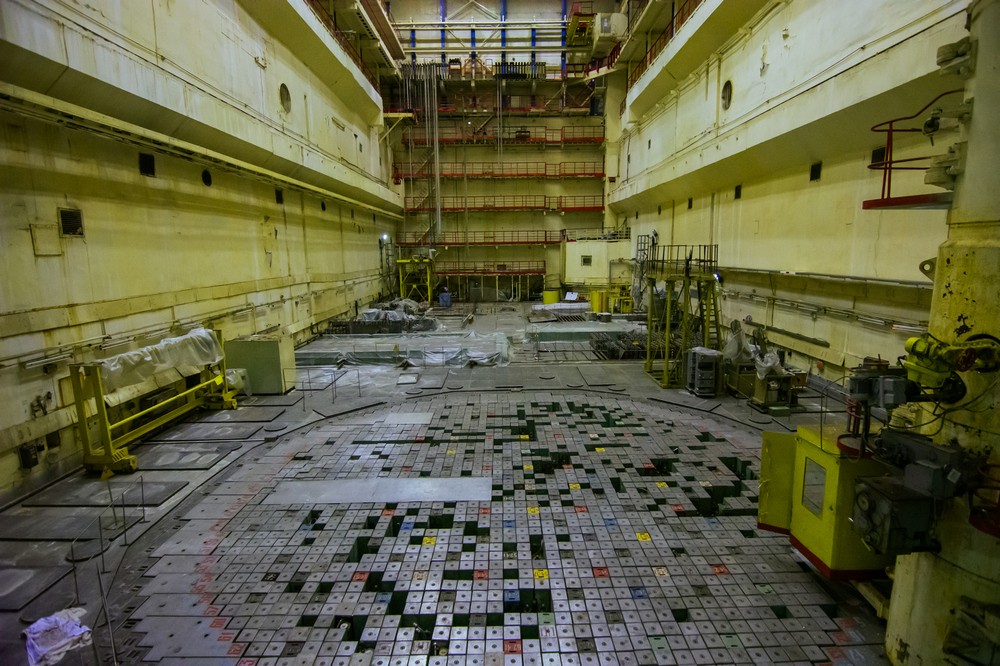
Chornobyl NPP Advances Phase 2 of Decommissioning
The decommissioning of the Chornobyl Nuclear Power Plant (ChNPP) is currently in the second of four phases, with the primary task being the final shutdown and decommissioning preparation of Reactors 1, 2, and 3. To date, ChNPP staff are advancing on-site preparation work within the protected area of the first-stage units. Among these, site preparation for Unit 2 is 94% complete, while Unit 1 stands at 44%. Related work includes dismantling systems and components within the protected area, removing thermal insulation and combustible materials, stripping electrical, signal, and control cables, and sealing wall penetrations, mounting holes, and process openings at the boundary between the protected and controlled areas, as well as installing fire-resistant panels and fire barriers on wall openings and ventilation ducts within the protected area.
2026-09-02
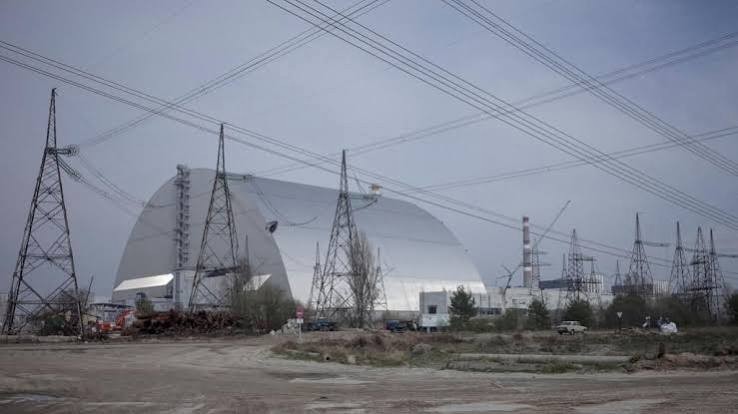
Belarus and Russia Approve Program to Address Chernobyl Accident Consequences
The Council of Ministers of the Union State of Belarus and Russia recently approved a new Union State program to jointly carry out work from 2026 to 2030 to address the long-term negative consequences of the Chernobyl Nuclear Power Plant accident. According to the resolution published on the website of the Permanent Committee of the Union State, the total funding for the program is set at 1,998.321 million Russian rubles, with funds sourced from the Union State budget. Of this amount, Russia's maximum contribution is 1,297.9904 million Russian rubles, while Belarus's maximum contribution is 700.3306 million Russian rubles. The program will support joint actions by the two countries in managing the consequences of the Chernobyl nuclear accident...
2026-08-25
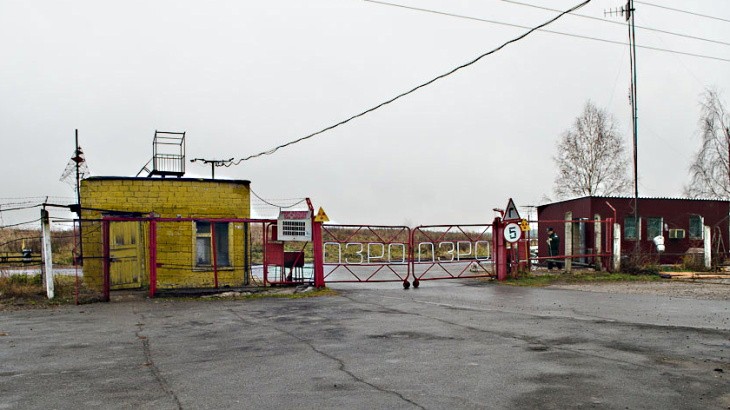
Ukraine Approves Expansion of Buryakivka Radioactive Waste Disposal Facility
The State Nuclear Regulatory Inspectorate of Ukraine (SNRIU) has approved the construction of a new disposal facility at the Buryakivka radioactive waste disposal site for the disposal of low- and intermediate-level radioactive waste generated during the cleanup of the Chernobyl nuclear accident. The Buryakivka radioactive waste disposal facility is located within the Chernobyl Exclusion Zone and is one of Ukraine's key facilities for managing radioactive waste associated with the Chernobyl accident. Built as part of priority emergency measures following the accident, the facility was commissioned in 1987 and primarily receives low- and intermediate-level radioactive waste from the Chernobyl region. Currently, the facility is operated by the Central...
2026-08-20
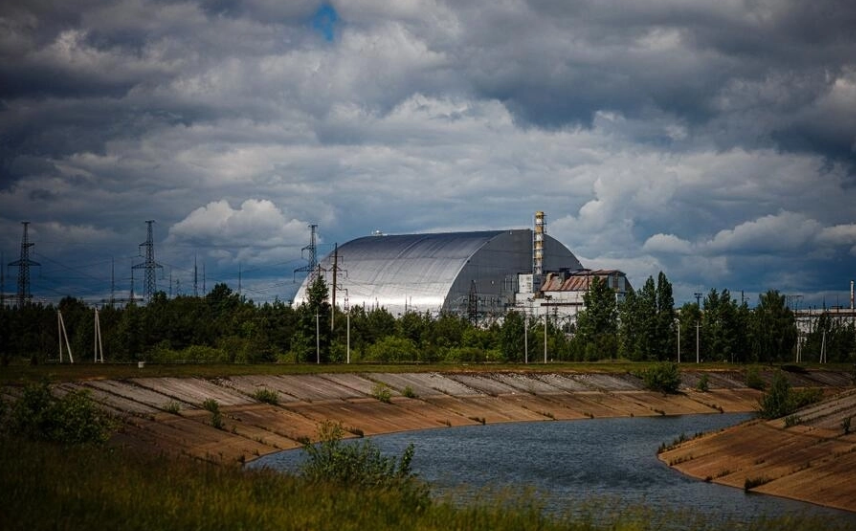
Germany pledges assistance in repairing the damaged reactor containment at the Chernobyl Nuclear Power Plant
German Environment Minister Carsten Schneider stated during his visit to Kyiv on August 18 that Germany will assist in repairing the containment structure above the damaged reactor at the Chernobyl Nuclear Power Plant. Schneider said the containment above the damaged reactor must be repaired. He also noted that this work involves high technical difficulty and complex organizational processes, requiring joint participation and coordinated efforts from the international community. According to the itinerary, Schneider plans to visit the Chernobyl Exclusion Zone during his trip to assess the current status of the relevant facilities and subsequent repair needs. The containment repair work at the Chernobyl Nuclear Power Plant involves multiple aspects including nuclear safety, radiation protection, and engineering construction, with further specific implementation arrangements still requiring additional consultation among all parties.
2026-08-19
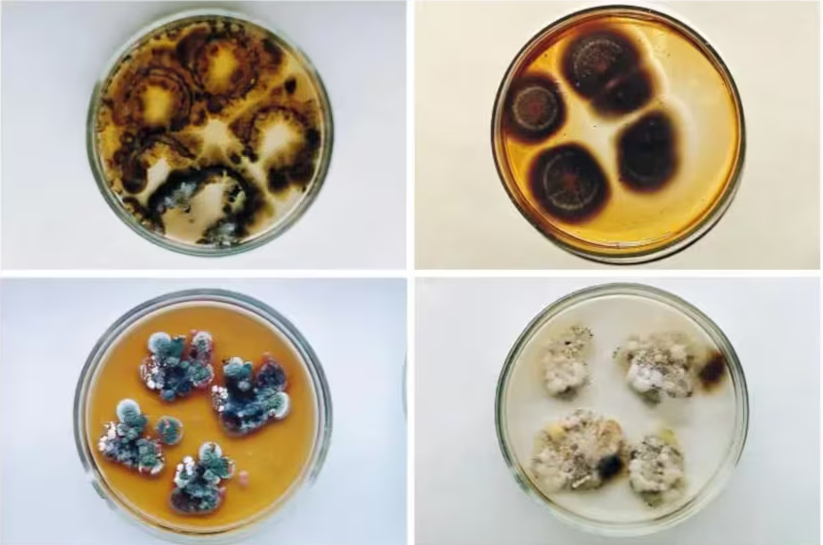
Chernobyl Black Fungi Draw Attention: Potential Value in Ionizing Radiation Tolerance and Shielding Research
Nearly four decades after the explosion of Unit 4 at the Chernobyl Nuclear Power Plant, the areas surrounding the damaged reactor remain heavily contaminated with radiation. In this high-radiation environment, researchers have discovered that a type of black fungus is not only capable of surviving but may also exhibit strong environmental adaptability, drawing continued scientific interest in its radiation tolerance mechanisms. According to available data, this fungus, scientifically known as Cladosporium sphaerospermum, has been found on the interior walls of buildings associated with the contaminated reactor at Chernobyl. Researchers point out that its deep black appearance is linked to the large amounts of melanin accumulated within its cells. Compared with ordinary organisms, this type of fungus exhibits exceptional tolerance in high...
2026-08-10