
Search Results
Keyword:Croatia
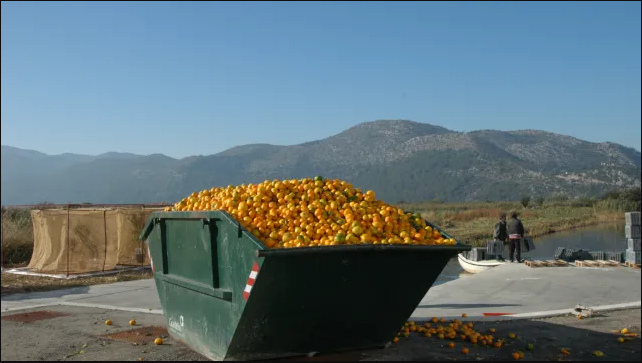
Nuclear science helps reduce global food spoilage and waste
On April 10, 2026, the International Atomic Energy Agency introduced several applications of nuclear science in reducing food spoilage and food waste. According to data from the Food and Agriculture Organization of the United Nations, approximately 1 billion tonnes of edible food are wasted globally each year, accounting for about one-fifth of the total food available to consumers. Of this, 13.2% of food is lost before reaching the retail stage, valued at approximately $400 billion; another 19% is wasted at the retail and consumption stages due to spoilage and other reasons. Food loss not only means wasted resource consumption but also exacerbates greenhouse gas emissions, pollution, and biodiversity loss. The International Atomic Energy Agency, through the Food and Agriculture Organization...
2026-04-10
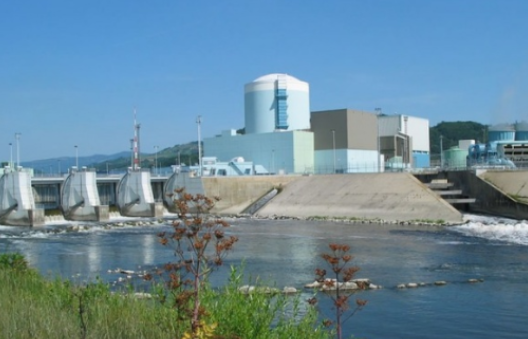
Croatia's Krško Nuclear Power Plant Only 3.4°C Away from Shutdown Threshold
Croatian Prime Minister Andrej Plenković on August 4 dismissed concerns that the Slovenia-Croatia jointly owned Krško nuclear power plant might be forced to shut down due to excessively high Sava River water temperatures, stating that power supply is secure and the situation is under control. However, the plant is actually approaching environmental cooling limits, and due to abnormally high temperatures and declining Sava River water levels, the safety limits at the Krško nuclear power plant are nearing critical thresholds. According to environmental regulations, the daily average temperature of the river at the complete mixing point must not exceed 28 degrees Celsius, and the daily temperature increase must not exceed 3 degrees Celsius. As of August 4, the Sava River in the area was 24.6 degrees Celsius, with a daily increase of 2.6 degrees Celsius, leaving only 3.4°C before the 28°C red line and 0.4°C before the 3°C daily increase red line...
2026-08-05
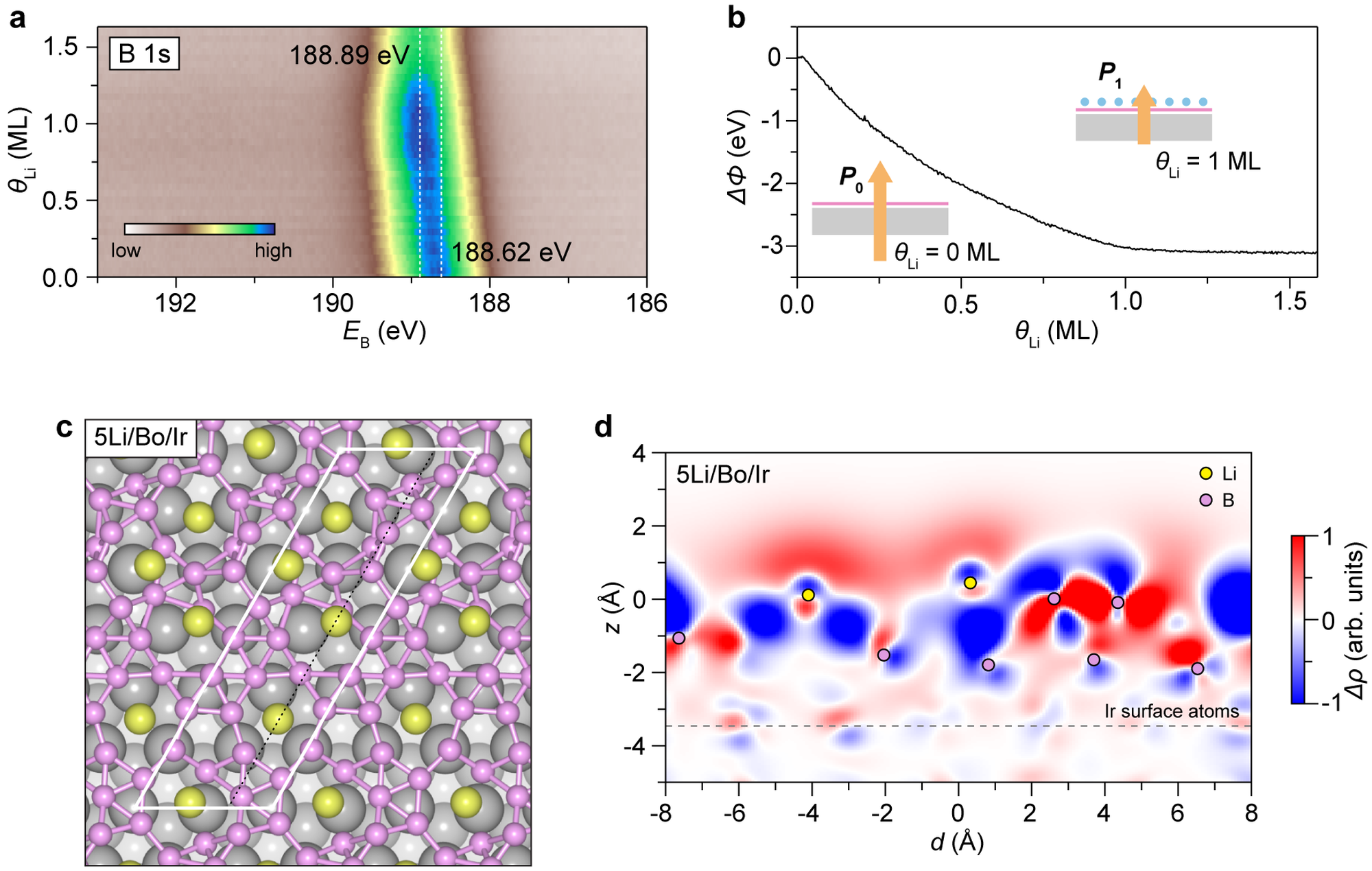
Multinational Team Reveals Mechanisms of Lithiation in Modulating the Structural and Electronic Properties of Borophene Using Synchrotron Techniques
A research team from the Institute of Physics in Zagreb, Croatia, Elettra Synchrotron in Trieste, Italy, Shimane University, and Tokyo University of Science recently conducted a study on the interaction between lithium atoms and borophene, revealing the mechanisms by which lithiation affects the atomic structure and electronic properties of borophene. The findings were published in *ACS Nano* and selected as the journal cover article. (a) Shift of the B 1s core level toward higher binding energy; (b) reduction of the sample work function due to charge transfer from Li atoms to B atoms; (c) lithium atoms (yellow) deposited on borophene (magenta) induce deformation of the borophene lattice, attributed to significant charge redistribution within the system...
2026-08-03