
Search Results
Keyword:Danube water levels
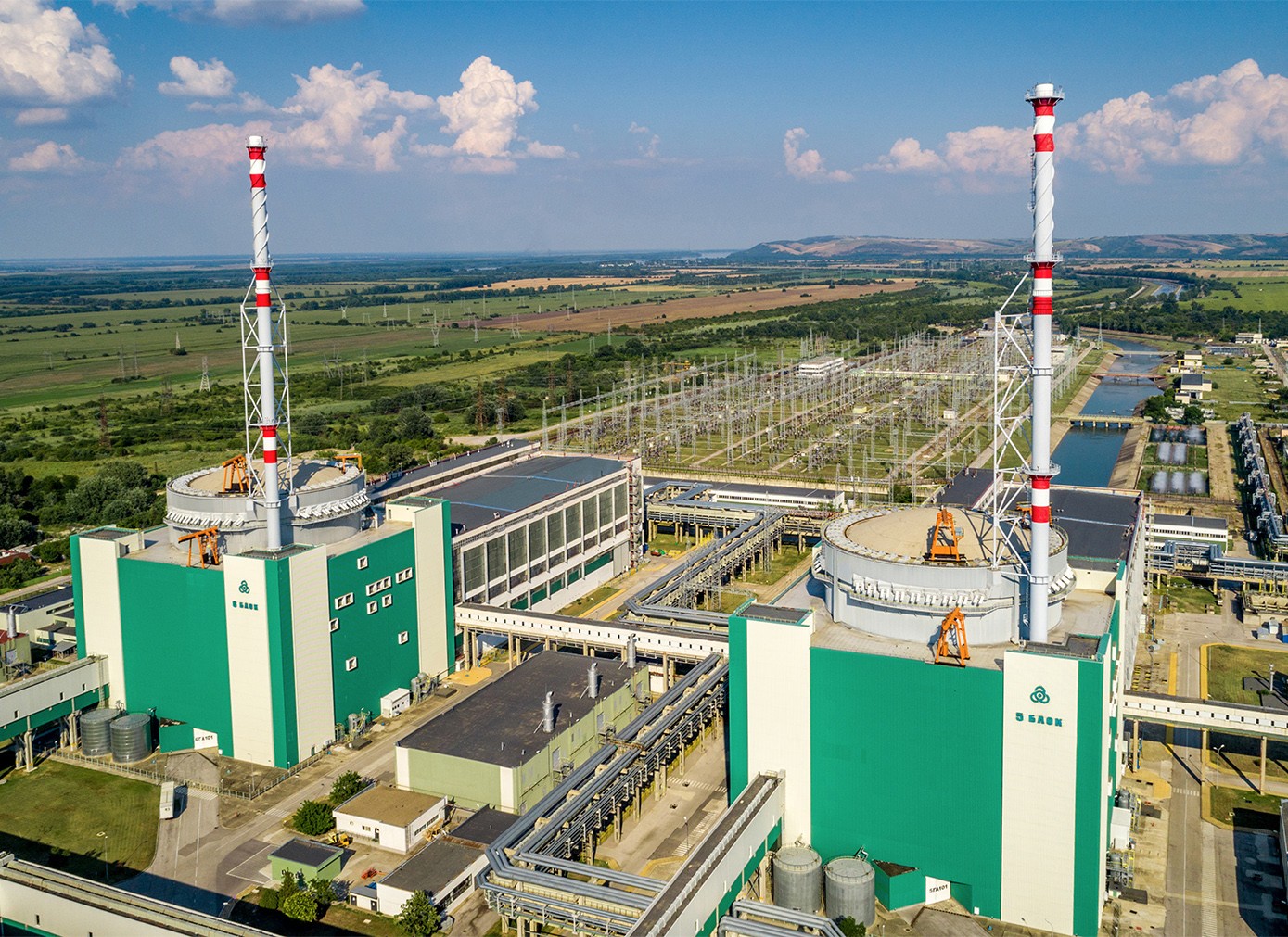
Bulgarian Energy Minister Calls for Coordinated Response to Low Danube Water Levels
Bulgarian Energy Minister Eva Petrova stated at a meeting of the National Assembly's Energy Committee in Sofia on September 2 that persistently low water levels in the Danube River have impacted the operation of nuclear power plants along its banks. While countries have taken individual response measures, there remains a need to strengthen coordination at the regional level. Petrova said the Danube is currently at extremely low water levels, leading to reduced electricity generation at nuclear power plants along the river, including Bulgaria's Kozloduy Nuclear Power Plant. She noted that relevant forecasts indicate such severe conditions may become more frequent in the future. She explained that the Kozloduy Nuclear Power Plant has...
2026-09-03
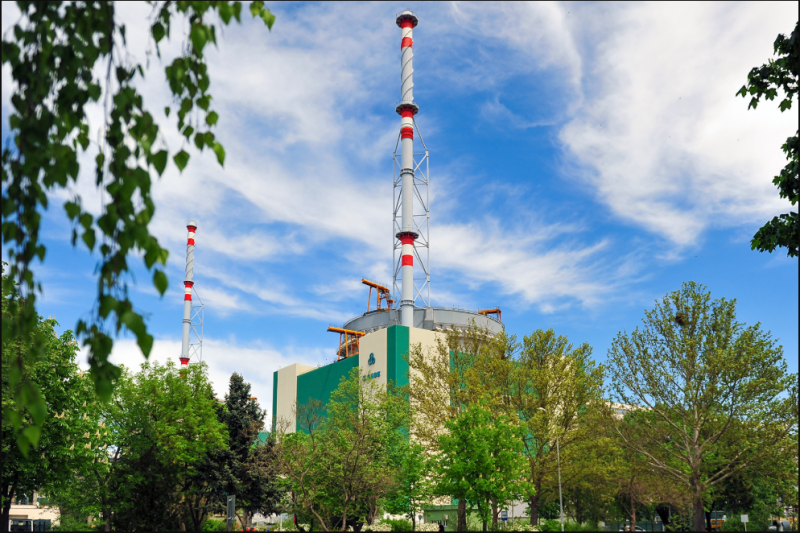
Danube Water Levels Recover, Paks Nuclear Power Plant Expected to Resume Full-Capacity Operation
According to Hungarian sources on August 19, Peter Magyar stated that due to the recovery of Danube water levels, the Paks Nuclear Power Plant is expected to resume full-capacity operation by next weekend. Magyar noted that starting from Friday, August 28, the Paks Nuclear Power Plant will be ready for full-capacity operation. The recent rise of 15 to 20 centimeters in Danube water levels has created conditions for the plant to restore its output and has also eliminated the need for operators to shut down turbines again. Relevant experts plan to restart the turbines that have not yet resumed operation as soon as possible. Previously, due to historically low Danube water levels, the operation of the Paks Nuclear Power Plant, which relies on river water for cooling, was affected, and the plant's output once dropped to approximately 10% of full capacity.
2026-08-20

Danube Water Levels Continue to Drop, Hungary's Paks Nuclear Power Plant May Reduce Output Again
Hungary's Paks Nuclear Power Plant may reduce its power generation output again early next week due to the continued decline in Danube water levels. Péter Magyar stated on social platform X that Tuesday and Wednesday will be critical periods, with the Danube water level expected to drop by another 14 to 15 centimeters, while the current level is only 9 centimeters away from the threshold that would force the shutdown of the second-to-last turbine at the Paks plant. Magyar noted that this critical phase is expected to end on August 20, when the water level in the Hungarian section of the Danube is expected to recover, influenced by inflows from the Austrian catchment area. Previously, on August 12, Magyar stated that the Hungarian government had decided to build temporary water-retention structures near the Paks Nuclear Power Plant and sink two barges to raise local water levels and ensure the plant's water intake conditions.
2026-08-17
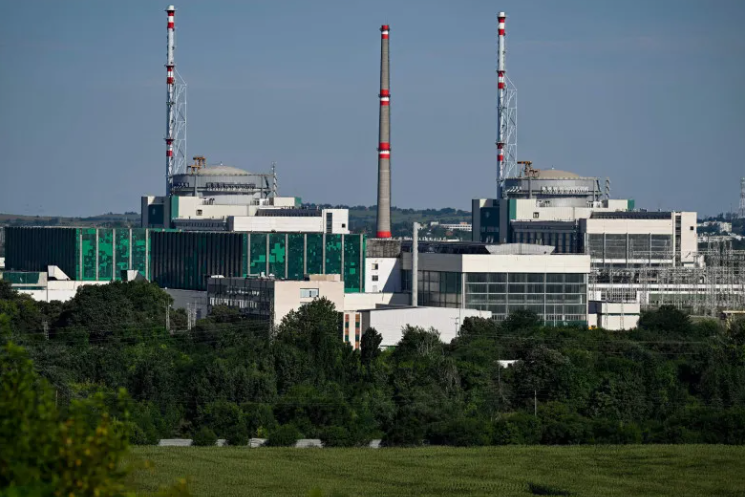
Bulgaria's Kozloduy Nuclear Power Plant Faces Shutdown Risk Due to Low Danube Water Levels
On August 11, Bulgaria's Ministry of Energy warned that the Kozloduy Nuclear Power Plant is facing the risk of reduced output or even shutdown due to the continuously declining water level of the Danube River. The plant relies on the Danube to provide cooling water for its two 1,000 MW reactors. If the water intake capacity continues to be constrained, it will directly affect the safe operation of the reactors and the stability of power supply. Bulgaria's Ministry of Energy stated that measures have been taken to ensure water supply to the cooling system, including dredging the channels connecting the Danube to coastal pumping stations to maintain the necessary flow. This summer, the Danube's water level has dropped to historic lows due to prolonged drought. Near Ruse, Bulgaria, the river's flow is already more than one meter below the safe navigation level, and it has continued to decline over the past 24 hours...
2026-08-12
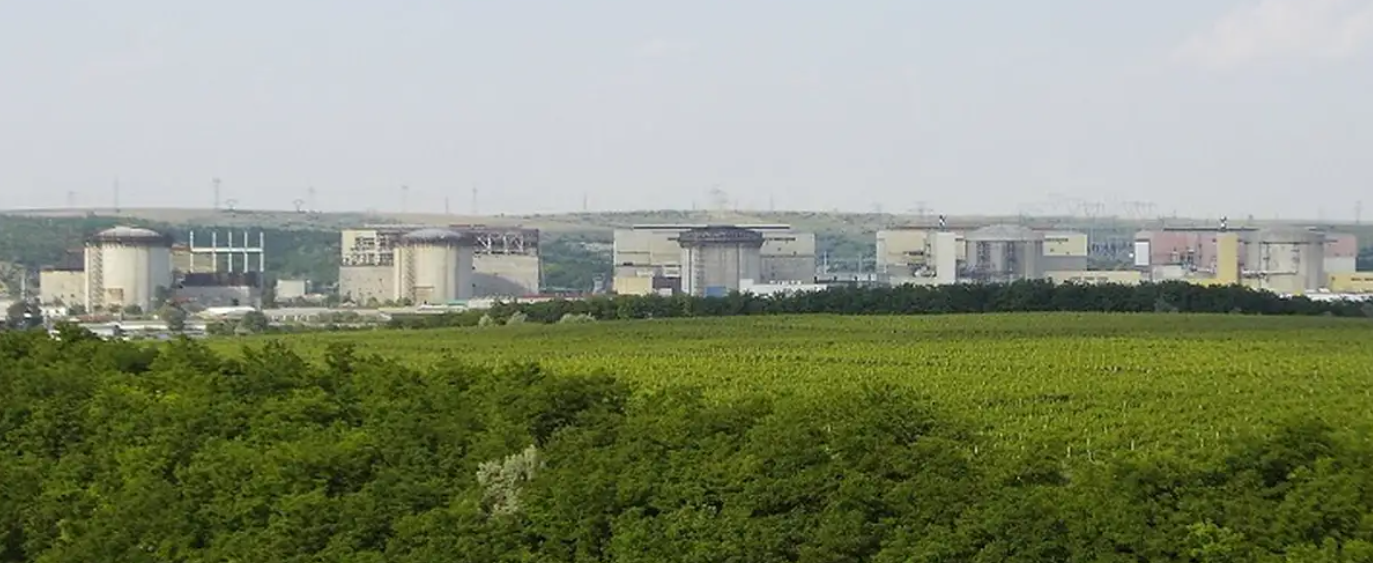
Romania's Cernavodă Nuclear Power Plant to Shut Down Completely Due to Low Danube Water Levels
Affected by persistent drought and low Danube water levels, the Cernavodă Nuclear Power Plant in Constanța County, southeastern Romania, is expected to be completely shut down within the next 48 hours. Sorin Lindasu, a representative of Romania's water utility company Apele Române, stated that based on current hydrological forecasts, the shutdown of the nuclear power plant is unavoidable and there is no other solution. On Tuesday local time, the Danube's flow rate at its Romanian estuary dropped to 1,370 cubic meters per second, below the previous historical low of 1,450 cubic meters per second. Meteorological forecasts indicate no significant rainfall in the Danube basin over the next five days. Cristian Bușoi, State Secretary of the Romanian Ministry of Energy...
2026-08-12
Danube Water Levels Recover, Hungary Restarts Second Turbine at Paks Nuclear Power Plant
On August 10, as the Danube River's water levels recovered, Hungary began restarting a previously constrained turbine at the Paks Nuclear Power Plant. The Paks plant uses Danube water for cooling and normally supplies nearly half of Hungary's electricity. Due to heatwaves and persistent drought, the Danube's water levels fell to historic lows in recent weeks, reducing the plant's generating capacity to about 10%, with only one of its eight turbines remaining operational. According to available information, Hungarian Prime Minister Péter Magyar stated on the 10th that the Danube's water level had risen 19 centimeters from the low point recorded last week, and that restart work on the second turbine at the Paks plant had begun, with power generation expected to resume by Monday evening. He also previously mentioned...
2026-08-11
Drought Lowers Danube Water Levels, Romania Plans to Restrict Industrial Power Use if Necessary
Romania's Acting Prime Minister Ilie Bolojan said after a cabinet meeting on August 6 that the government has developed a comprehensive risk prevention plan covering multiple risk scenarios, including earthquakes, public health events, and the current drought, with corresponding response measures clearly defined. Under the plan, Romania will establish a national operations center in the energy sector. Bolojan stated that the government will approve on August 7 measures by Transelectrica to take action when necessary: with 24 hours' prior notice, certain industrial users may be disconnected from the national grid. He also emphasized that power supply to ordinary citizens, apartments, and residential users will not be...
2026-08-07

Low Danube Water Levels Impact Nuclear Power Plant Operations in Romania and Hungary
On August 4, amid persistently low Danube River water levels, Romania was rushing to build temporary dikes to divert more river water toward the Cernavodă Nuclear Power Plant to secure cooling water for its remaining operational reactor. Meanwhile, Hungary stated that the only still-operating turbine unit at the Paks Nuclear Power Plant was running in a safe condition. Both Hungary's Paks Nuclear Power Plant and Romania's Cernavodă Nuclear Power Plant rely on Danube River water for cooling. Recently, the Danube's water level dropped to historic lows, leading to a significant decline in nuclear power output in both countries. Budapest and Bucharest have had to increase electricity imports and call on residents and businesses to reduce consumption to ease grid pressure...
2026-08-05
Danube Water Levels Continue to Drop, Putting Pressure on Romania's Cernavodă Nuclear Power Plant Operations
Romanian official Sorin Lindasu said on August 1 that if the Danube River water level continues to decline, the Cernavodă Nuclear Power Plant in Constanța County, southeastern Romania, may only be able to continue operating for 4 to 5 days. To ensure the water level required for continuous plant operation, relevant parties have begun implementing hydraulic engineering works on the Danube. Lindasu stated that the Danube water level is currently dropping at a rate of about 2 to 3 centimeters per day. A flow rate of 1,590 cubic meters per second has been recorded at the Baziaș inlet where the Danube enters Romanian territory, and this figure is expected to continue declining, potentially falling to about 1,450 cubic meters per second by August 7. Under these conditions, Cernavodă...
2026-08-03
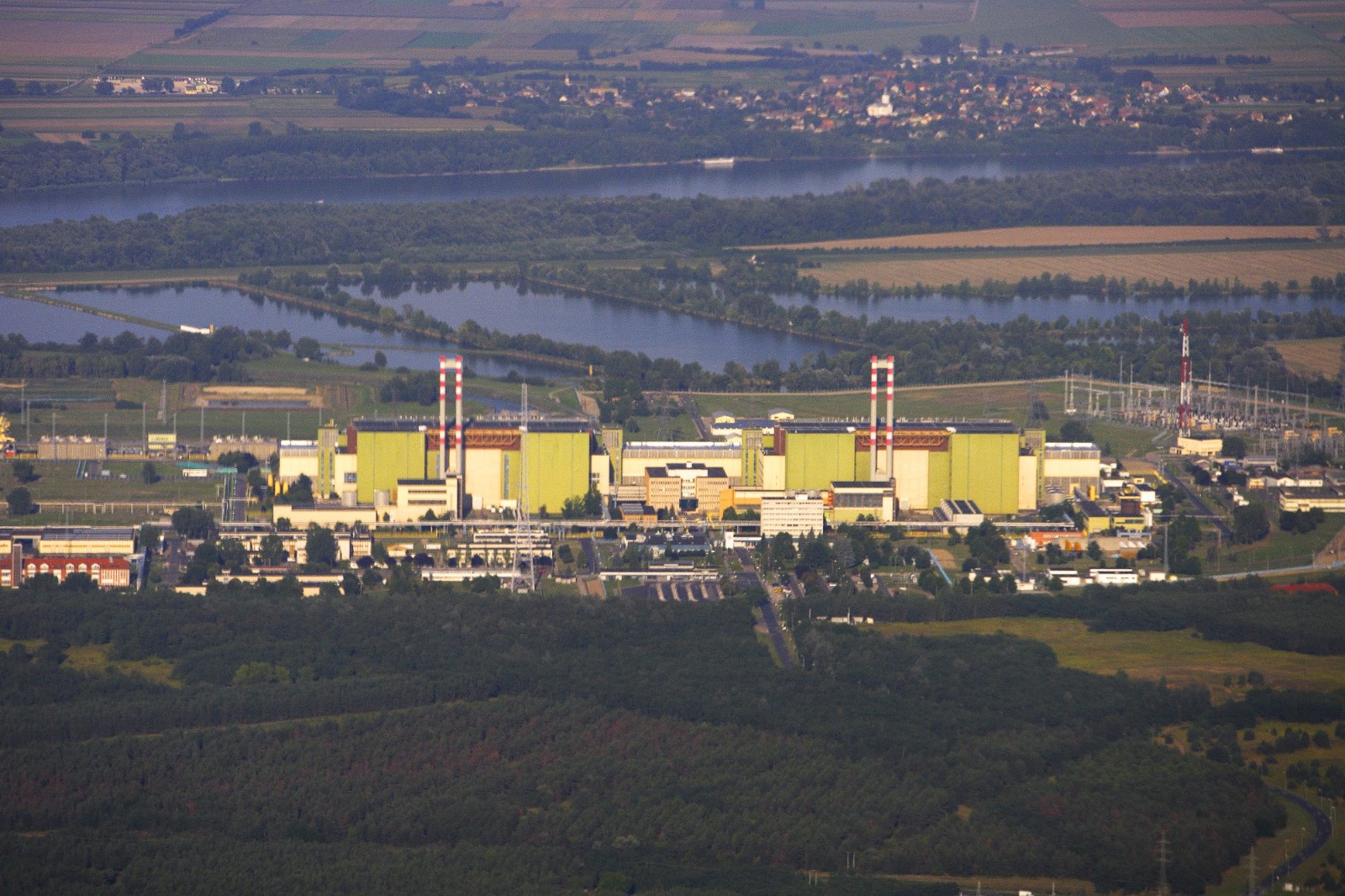
Danube water levels continue to decline, Unit 4 of Hungary's Paks Nuclear Power Plant reduces power output
Affected by persistent drought, water levels of the Danube in Hungary have dropped to low levels, impacting the operation of the Paks Nuclear Power Plant, which relies on Danube water for cooling. The plant's operator announced on July 31 that, due to a further drop in the water level at the Paks section to -126 cm, experts would reduce the power output of Unit 4 by 50% starting from 22:45 local time on July 31. The Paks Nuclear Power Plant is Hungary's only operating nuclear power plant, generating approximately half of the country's total electricity. Earlier announcements had mentioned that, due to the extremely low Danube water level, shutdowns of some units at the plant had become difficult to avoid. Peter Magyar stated on social media on July 30...
2026-08-01