
Search Results
Keyword:FIRST
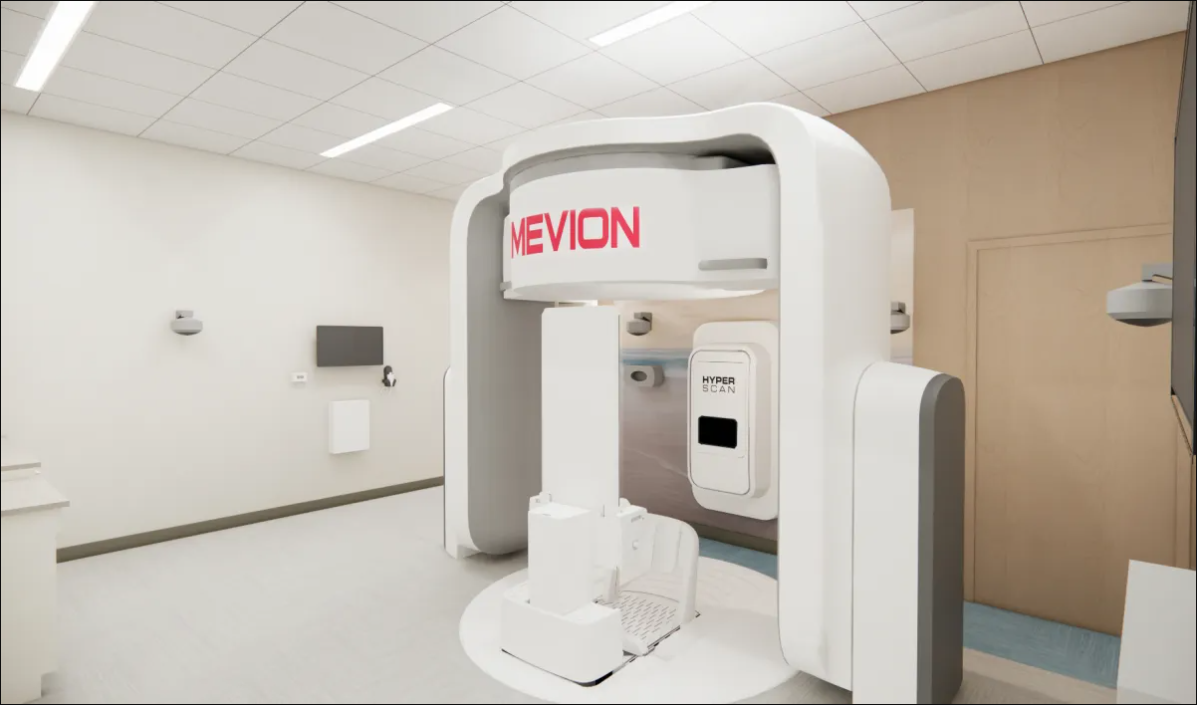
Auburn University Installs 200 MeV Superconducting Proton Accelerator to Build First University-Led Space Electronics Radiation Testing Facility in the U.S.
Auburn University's Applied Research Institute has announced the installation of a new 200 MeV superconducting proton accelerator, advancing the construction of the nation's first university-led proton testing facility dedicated to space electronics qualification. The system, a RAD-FX-200 superconducting synchrocyclotron manufactured and installed by Mevion Medical Systems, serves as the core component of Auburn University's new radiation-hardening facility. According to reports, the facility will help address gaps in U.S. space qualification testing capacity, providing radiation testing services for microelectronics to government agencies, aerospace, and defense-related industries. Systems such as satellites, missile defense interceptors, spacecraft, and launch vehicles rely on microelectronics, which may be affected by proton radiation in orbital environments. A single radiation-induced failure can cause system loss, and such failures are typically difficult to repair once in orbit...
2026-08-28
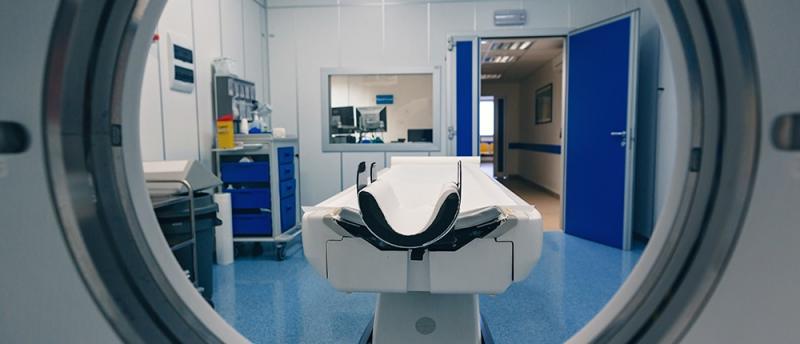
Russia Plans to Complete Development of First Domestic Proton Beam Therapy Cyclotron by 2027
Russian scientists plan to complete the development of the country's first domestically produced proton beam therapy cyclotron by 2027, with commissioning to begin in the same year. This progress was announced by Sergey Gertzog, CEO of the Russian National Institute of Electronics and Atomic Energy (NIIEFA), at the recent Technoprom forum held in Novosibirsk. A proton beam therapy cyclotron is a type of charged particle accelerator that uses magnetic and electric fields to accelerate protons to high-energy states, reaching speeds of one-half to two-thirds the speed of light. The accelerated proton beam can target cancerous tumor areas with relative precision for oncological treatment. According to the schedule outlined in Gertzog's report...
2026-08-28
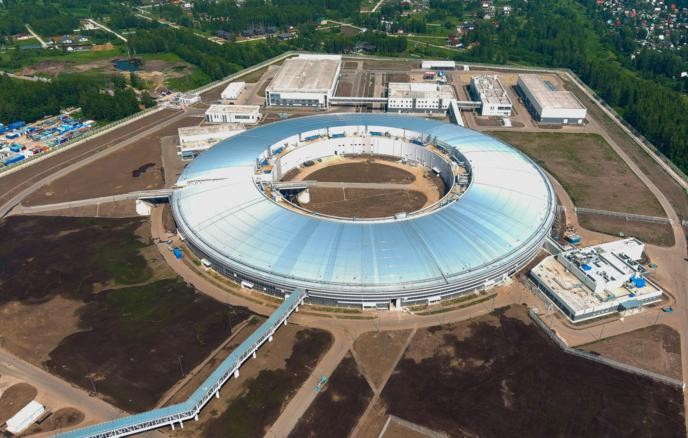
First Seven Experimental Stations of Russia's SKIF Synchrotron Planned for Commissioning in Summer 2027
The first seven scientific experimental stations at the Siberian Circular Photon Source (SKIF) shared center, located near Novosibirsk, Russia, are planned to begin beam testing in August 2027. According to the center's relevant official, all experimental station equipment has been fully installed, and experts are currently conducting commissioning work. Construction of the SKIF synchrotron was completed in June 2026. Once the project becomes operational, it will utilize synchrotron radiation to help researchers observe the internal structure of matter, obtaining high-precision data on material structure and behavior, which can serve fundamental research and related industrial R&D. As planned, the Budker Institute of Nuclear Physics of the Siberian Branch of the Russian Academy of Sciences will launch beam operation in the main storage ring in September...
2026-08-28
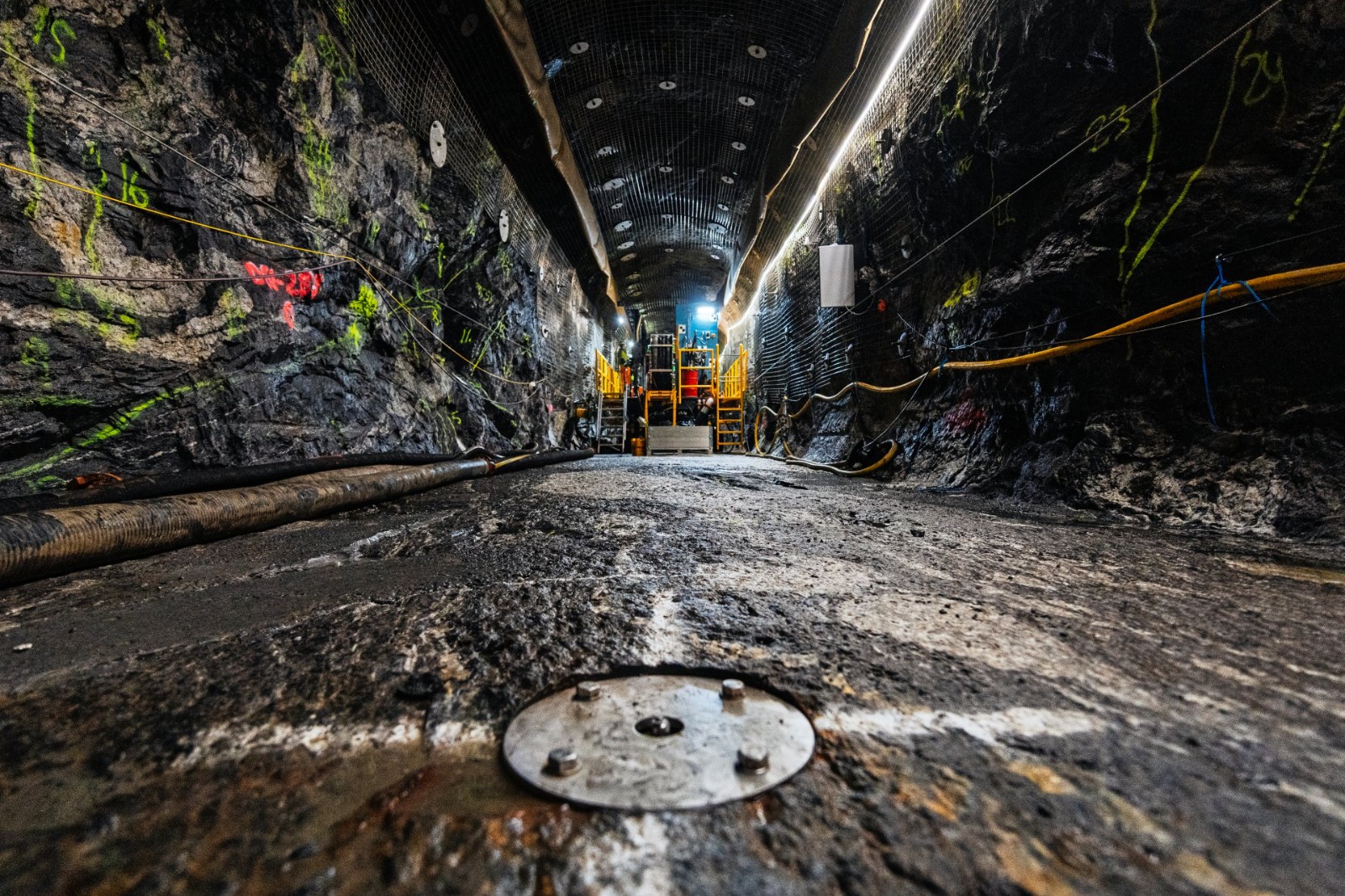
Finland's Onkalo Spent Fuel Disposal Facility Starts Drilling of First Disposal Hole
On the afternoon of August 26, 2026, Finland's Onkalo spent fuel final disposal facility commenced drilling of its first disposal hole deep in the bedrock at Olkiluoto. Posiva stated that the drilling operation is being carried out at a depth of more than 400 meters underground, with the drill bit beginning to cut into the approximately 1.9-billion-year-old Olkiluoto bedrock. Kimmo Lehtola, Posiva's Operations Construction Manager, explained that a kick-off meeting had been held the day before the operation, focusing on reviewing safety matters, technical specifications, and the detailed drilling plan. On the morning and early afternoon of the drilling day, the team completed final adjustments to the equipment, after which the drilling rig began its work. He noted that the team had previously completed...
2026-08-28

Fangchenggang Nuclear Power Station Unit 2 Completes First Ten-Year Overhaul
On the morning of August 25, Unit 2 of CGNPC Fangchenggang Nuclear Power Station successfully synchronized to the grid on its first attempt following the 7th overhaul, marking the completion of the F207 overhaul undertaken by CGNPC Service Maintenance Company. This overhaul was the first ten-year overhaul since Unit 2 was put into commercial operation. The maintenance process achieved the goal of "no indicator events in safety, quality, and schedule," and made breakthroughs in charging pump maintenance and nuclear-grade socket welding operations. During this overhaul, the nuclear-grade socket welding project was implemented on-site for the first time. To ensure work quality, the maintenance team completed preparatory work in advance, including welding procedure qualification certification, skill qualification process card review and submission, test piece welding, and non-destructive testing, all of which passed acceptance.
2026-08-28
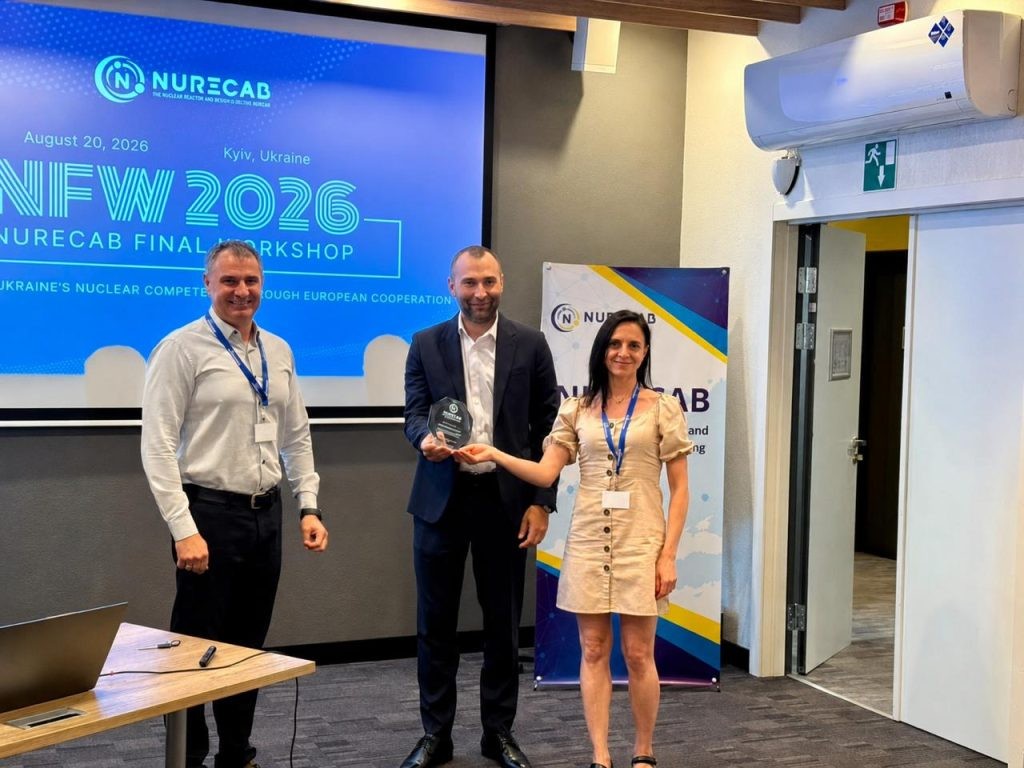
Ukraine's Nurecab Nuclear Capacity Building Project Completes First Implementation Cycle
On August 20, 2026, the final seminar of the international project Nurecab (Nuclear Capacity Building in Ukraine through European Cooperation) was held in Kyiv. The project is funded by the European Union through the Euratom Research and Training Programme and is incorporated into the Horizon Europe framework. The seminar was held in a hybrid format, with a total of 76 experts, researchers, educators, and representatives of national institutions participating, of whom 26 attended in person in Kyiv and 50 joined via video link. The meeting showcased the project's implementation results and facilitated discussions on nuclear energy education in Ukraine, the development of nuclear science, and...
2026-08-27
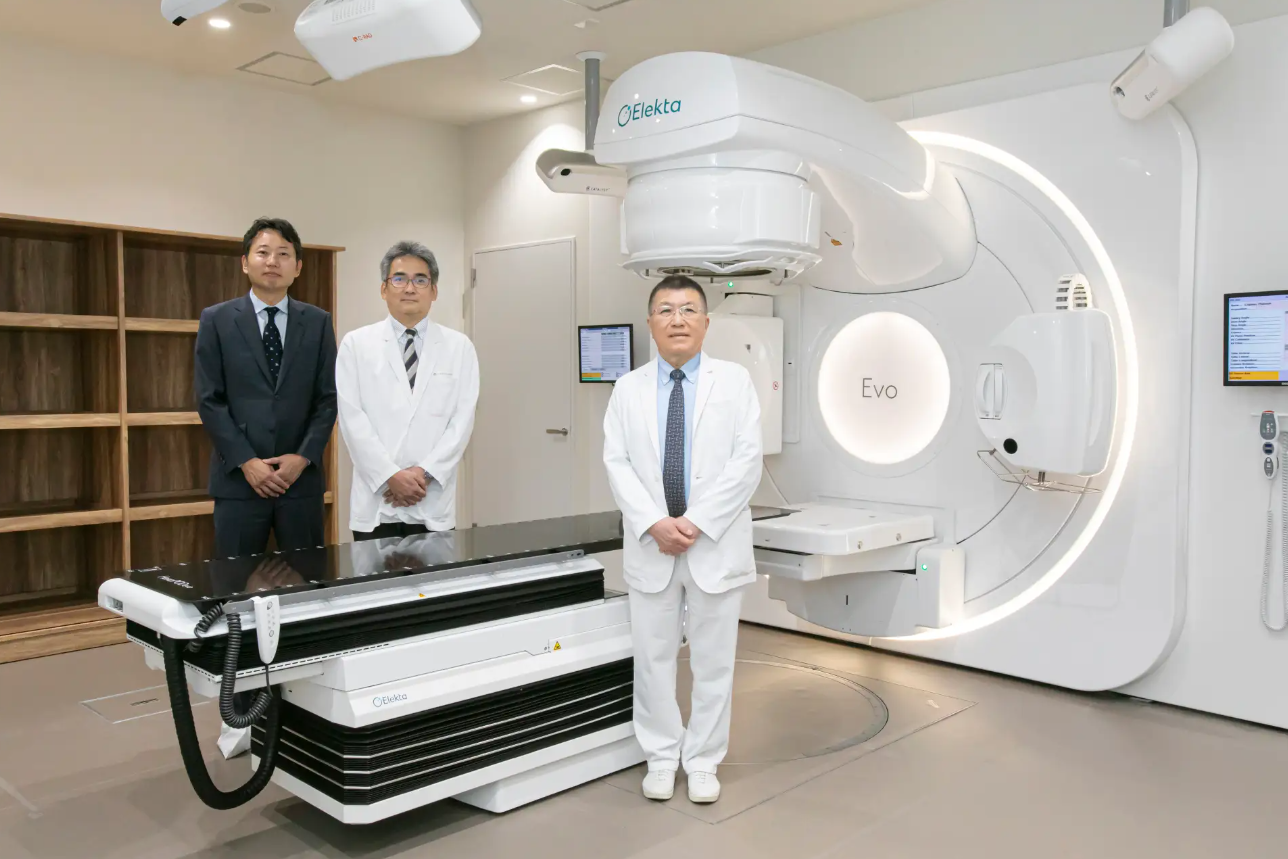
Hyogo Medical University Hospital to Launch Japan's First Elekta Evo Linear Accelerator System Treatments
Elekta K.K. announced on August 27 that its high-precision radiation therapy device, the Elekta Evo linear accelerator system, will be installed for the first time in Japan at Hyogo Medical University Hospital, with the first treatment scheduled to commence on September 24, 2026. This marks the entry of this next-generation radiation therapy system into clinical application in Japan. As the number of cancer patients increases, the demand for personalized and precise treatment in the field of radiation therapy continues to rise. The Elekta Evo is positioned as a next-generation radiation therapy system capable of covering both routine and more complex cancer treatment scenarios. The system is equipped with Iris, an AI-driven high-definition imaging technology, which enables clearer visualization of the positional relationships between organs in the patient's body...
2026-08-27
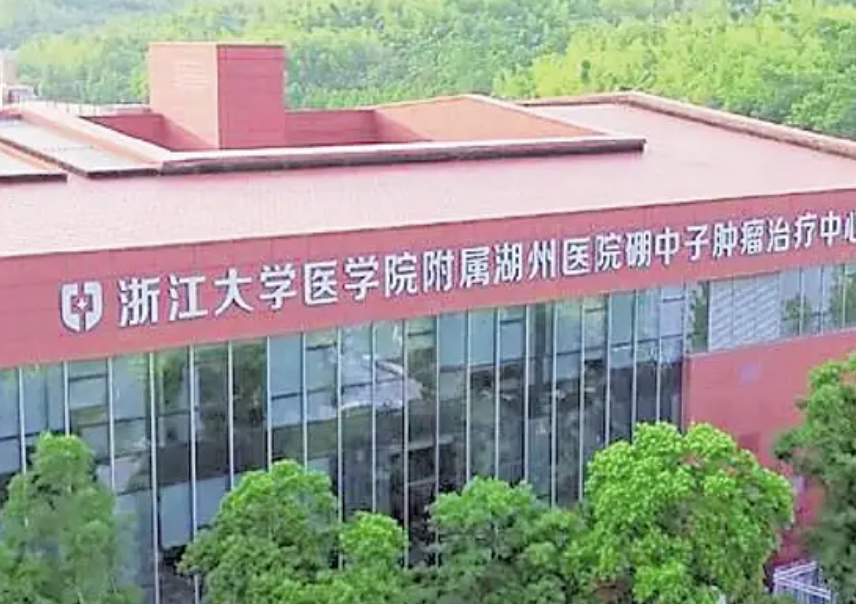
Huzhou, Zhejiang Launches Phase I "Drug-Device Combination" Clinical Trial for the Province's First BNCT System
Recently, the Boron Neutron Tumor Treatment Center at Huzhou Hospital Affiliated to Zhejiang University School of Medicine has drawn attention with the introduction of the province's first Boron Neutron Capture Therapy (BNCT) system. Previously, the system had already initiated a Phase I BNCT drug-device combination clinical trial. According to the system developer, Huapeng Neutron Technology (Hangzhou) Co., Ltd., BNCT is a radiotherapy technique combining drugs and devices, with its core lying in the coordinated use of boron-containing drugs and neutron irradiation. After entering the human body, the boron-containing drug can be absorbed by tumor cells; subsequent neutron beam irradiation triggers a localized reaction to achieve targeted radiotherapy against tumor cells. Unlike conventional radiotherapy, which typically employs fractionated irradiation over a longer treatment course, BNCT emphasizes selective targeting of tumor cells, aiming to reduce damage to surrounding healthy tissues and lower radiotherapy-related side effects such as hair loss and immunosuppression.
2026-08-27
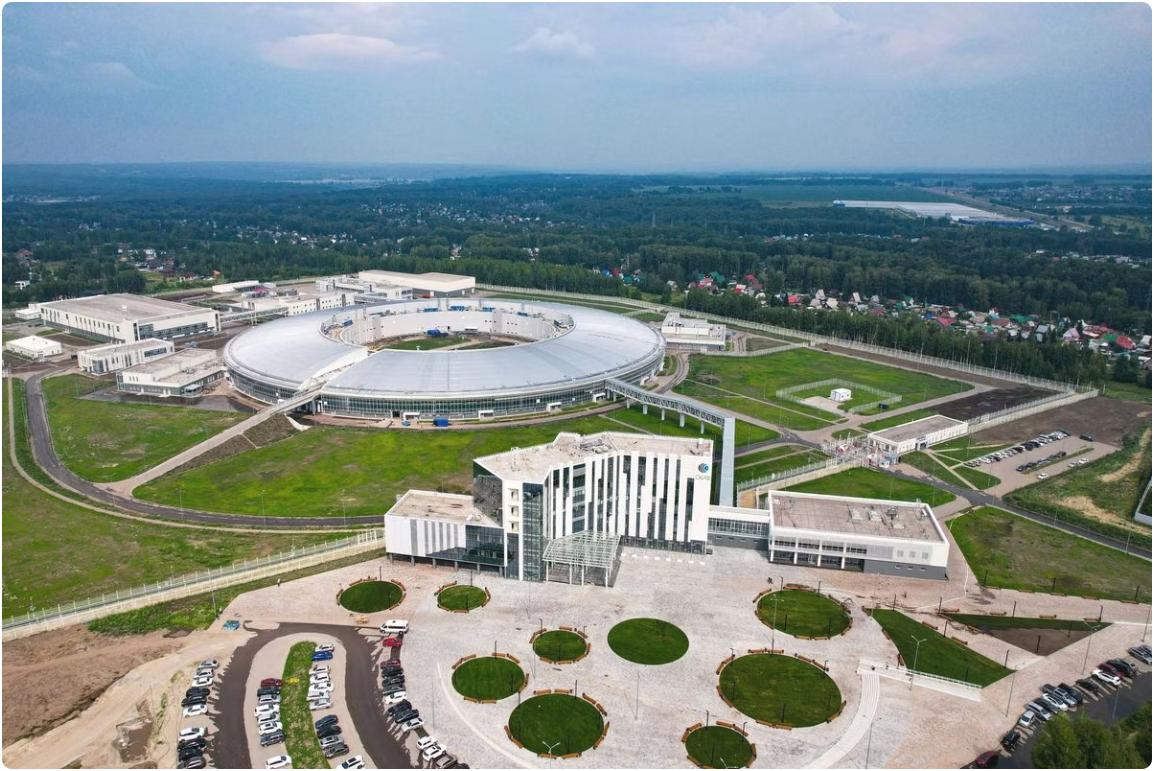
Russia's SKIF Synchrotron First Scientific User Competition Expected to Launch in Second Half of 2027
The competition to select the first research teams for the Siberian Circular Photon Source (SKIF) synchrotron in Russia is planned for the second half of 2027. Valery Bukhtiyarov, Director of the Boreskov Institute of Catalysis of the Siberian Branch of the Russian Academy of Sciences, stated at the Technoprom-2026 forum held in Novosibirsk that the first open competition will be launched in the second half of 2027. The institute is responsible for commissioning the construction of this large-scale scientific facility. Bukhtiyarov noted that SKIF is scheduled to receive synchrotron radiation and conduct its first experiments in the autumn. Construction of the facility was completed in June 2026, with an opening ceremony held in August 2026. Once operational, SKIF will use synchrotron radiation to help...
2026-08-27
Department of Nuclear Medicine at the Affiliated Hospital of Southwest Medical University Completes Its First PET/CT-Guided Interventional Puncture Procedure
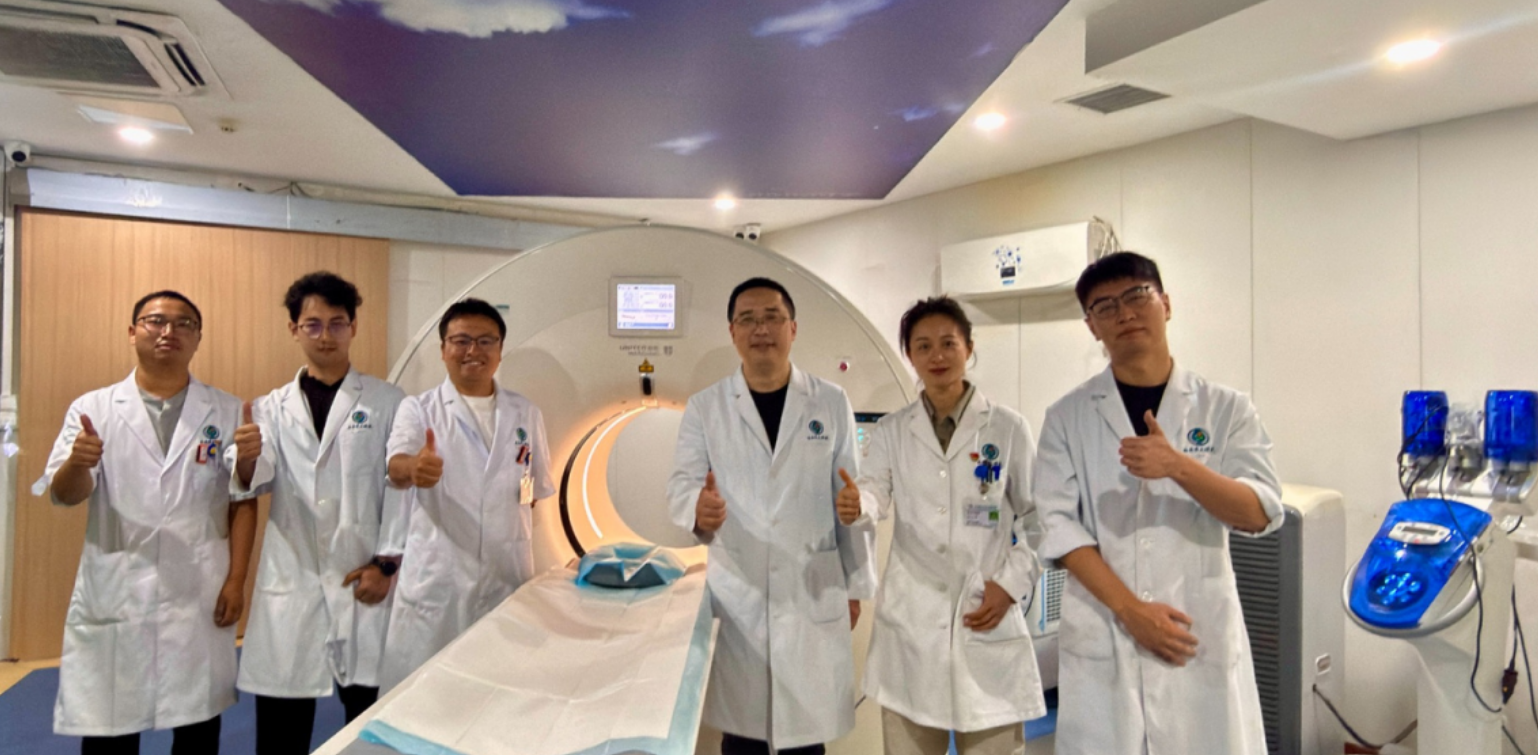
From August 21 to 22, Professor Sun Long from the PET Center of the First Affiliated Hospital of Xiamen University was invited to the Department of Nuclear Medicine at the Affiliated Hospital of Southwest Medical University for academic exchange, and on the following day provided on-site guidance for the hospital's first PET/CT-guided interventional puncture procedure. The successful completion of this procedure marks a new clinical practice milestone for the department in the field of interventional nuclear medicine. On August 21, Professor Sun Long delivered a special lecture titled "Exploration of Clinical Integrated Application of Diagnostic Nuclear Medicine and Interventional Nuclear Medicine Based on the PET Platform," focusing on how the PET platform extends from disease diagnosis and precise localization to interventional diagnosis and treatment. Drawing on clinical practice and typical cases, he introduced the application of interventional nuclear medicine in lesion...
2026-08-27

Training Launch for First Batch of Operators for Units 1 and 2 of Xudabao Nuclear Power Plant on Full-Scope Simulator
Recently, the first batch of operator training on the full-scope simulator for Units 1 and 2 of Xudabao Nuclear Power Plant was officially launched. The training program lasts 6 months, with 48 candidate Reactor Operators (ROs) and 24 candidate Senior Reactor Operators (SROs) participating. Centering on the five fundamental operator skills, the training conducts systematic hands-on exercises on the simulator platform, building a reserve of operations personnel for subsequent project construction and safe unit operation. The simulator for Units 1 and 2 can highly replicate the real working environment of the main control room and covers various operating conditions, making it an important platform for operations personnel to enhance their practical capabilities. The training is structured around five fundamental skills—close monitoring, precise control, conservative decision-making, teamwork, and knowledge mastery—integrating job conduct standards and team...
2026-08-27
Lanzhou Taiji Completes Key Commissioning of First Domestic Multi-Ion Therapy Device HiTS400
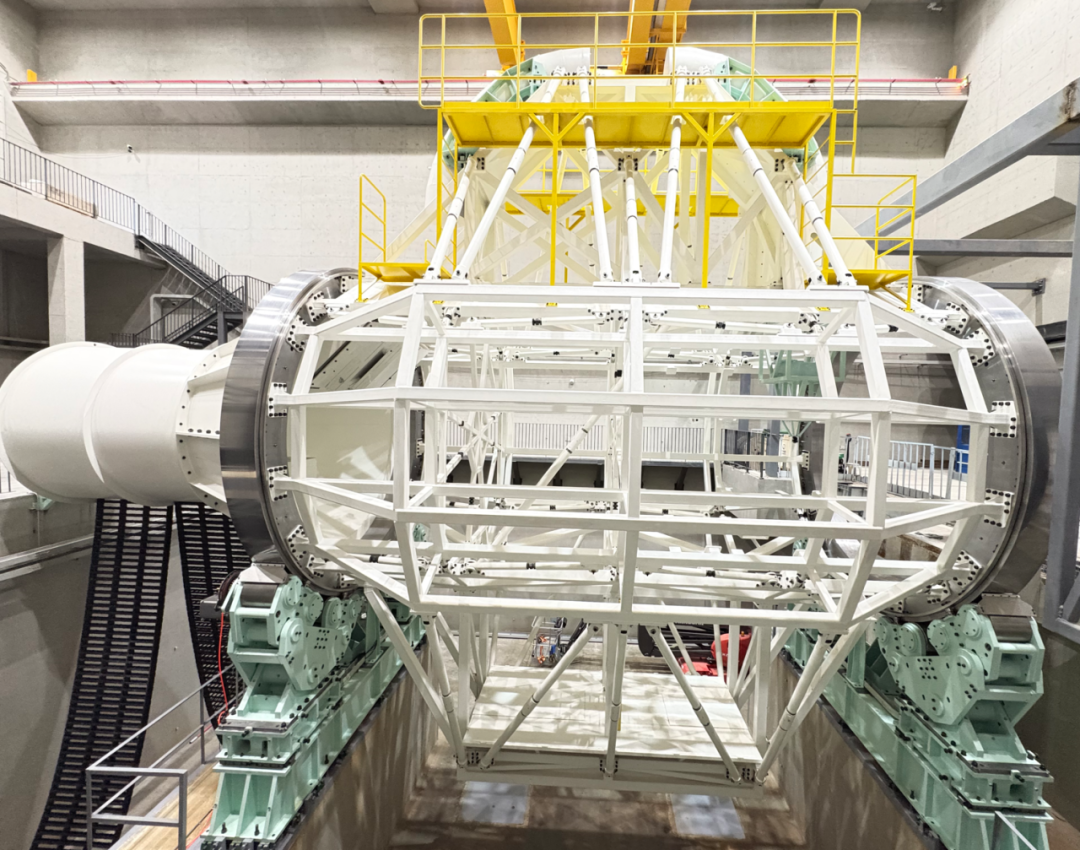
The first domestically produced multi-ion therapy device HiTS400, independently developed by Lanzhou Taiji and installed at Shandong Cancer Hospital, recently completed phased joint commissioning. After one week of operational testing, all beam parameters of the device met or exceeded contractual requirements, laying the foundation for subsequent clinical registration work. According to reports, HiTS400 is a medical ion accelerator independently developed by Lanzhou Taiji with full intellectual property rights. It can stably deliver four ion species: C^6+, H^+, He^2+, and O^8+, and is equipped with multi-angle fixed treatment nozzles and a lightweight superconducting heavy-ion rotating gantry, integrating modulated scanning technology to advance the development and application of multi-ion combined therapy devices. On August 14, 2026, the device obtained an amendment to its Radiation Safety License from the Ministry of Ecology and Environment, granting qualification for commissioning and operation. In the early morning of August 20, the equipment achieved stable acceleration and precise extraction of carbon ion beams. Measured data show that the particle number after synchrotron acceleration reached 3.26E9 ppp, the terminal particle number reached 3.02E9 ppp, the extraction efficiency was 92%, and beam stability was no less than 95%.
2026-08-26

Finland Launches Its First IAEA International Assessment of Radiation Emergency Preparedness
Finland has recently launched its first international assessment of radiation emergency preparedness. At the invitation of Finland's Ministry of Economic Affairs and Employment, an international expert team assembled by the International Atomic Energy Agency began assessing Finland's preparedness for radiation emergency response on August 25, with the work continuing through September 1. The assessment is coordinated by the Radiation and Nuclear Safety Authority of Finland. This authority also serves as the IAEA contact point and participates in this review as one of the assessed entities. The coordination group designated by Finland's Ministry of Economic Affairs and Employment is chaired by Karim Peltonen from the Radiation and Nuclear Safety Authority of Finland. The assessment employs the IAEA's Emergency Preparedness Review mechanism,...
2026-08-26

UK's InHealth Deploys Europe's First Mobile Biograph Trinion PET/CT System
InHealth, a UK independent diagnostic service provider, has recently completed the first patient scan using Europe's first mobile Biograph Trinion PET/CT system. The system, supplied by Siemens Healthineers, is now in clinical use at Wrexham Maelor Hospital in northeast Wales to support cancer-related molecular imaging examinations. PET/CT is an important imaging technology in oncology diagnosis and treatment, applicable to the diagnosis, staging, treatment planning, and therapy response monitoring of various cancer types. Deploying the Biograph Trinion PET/CT system on a mobile platform means that advanced molecular imaging services can be delivered into clinical settings with greater flexibility, helping to improve patient access to...
2026-08-26
Rare Germanium Isotope Infrared Spectral Signatures Elucidated in Detail for the First Time
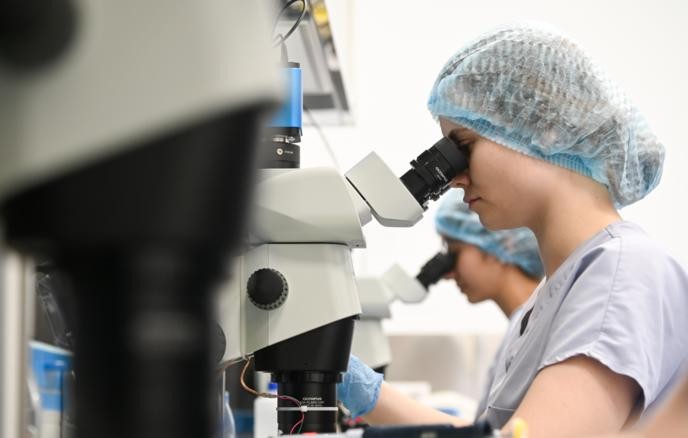
The press service of the Russian Ministry of Education and Science reported on August 25 that scientists from Tomsk Polytechnic University, in collaboration with an international research team, have for the first time conducted a detailed study of the infrared spectra of two rare germanium isotopes and identified characteristic spectral signatures that can be used to recognize the relevant isotopes in complex gas mixtures. The research team selected two highly enriched isotopes—germanium-72 and germanium-73—as the subjects of the study, recording their spectral information using a high-resolution Fourier transform spectrometer. This instrument is capable of resolving closely spaced spectral lines, providing the conditions for analyzing subtle spectral changes induced by isotopic substitution. The researchers stated that precise spectral data for different germanium isotopes remain relatively scarce in the scientific literature, and such data are of significant importance for identifying molecules in planetary atmospheres and for producing ultra-pure germanium isotopes for quantum technologies and modern electronics.
2026-08-26