
Search Results
Keyword:FIRST
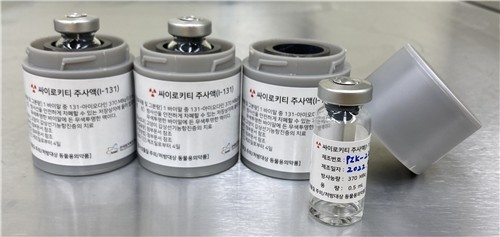
South Korea's First Animal Radiopharmaceutical Approved for the Treatment of Feline Hyperthyroidism
The Korea Atomic Energy Research Institute announced on September 10 that Thyrokitty Injection (I-131), a radiopharmaceutical for the treatment of feline hyperthyroidism developed by the research team led by Dr. Lim Jae-cheong, has obtained an animal drug manufacturing license issued by the Animal and Plant Quarantine Agency of South Korea. This is South Korea's first animal radiopharmaceutical to receive final product approval, marking the transition of related technologies that had previously been mainly at the R&D stage into clinical therapeutic application for pets. Feline hyperthyroidism is a relatively common endocrine disease in older cats, mainly characterized by excessive secretion of thyroid hormones. According to reports, approximately 10% of cats aged 10 and above may suffer from this disease. Traditional treatment methods typically require...
2026-09-10
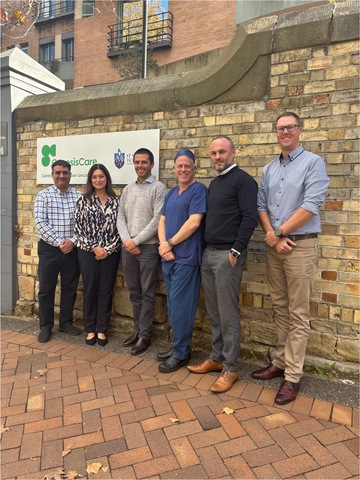
Australia's First ZAP-X Gyroscopic Radiosurgery Platform to Be Installed at St Vincent's Hospital Sydney
ZAP Surgical Systems has announced that GenesisCare will become the first cancer treatment provider in Australia to introduce the ZAP-X Gyroscopic Radiosurgery® platform. The device is expected to be installed this month at GenesisCare's center at St Vincent's Hospital in Sydney, New South Wales, with the first patients anticipated to begin treatment before the end of the year. The deployment of the ZAP-X platform will enhance GenesisCare's neuro-oncology treatment capabilities in Sydney, enabling it to deliver dedicated stereotactic radiosurgery (SRS). Previously, SRS patients were primarily treated using cobalt-60 systems and multi-purpose radiotherapy linear accelerators. The ZAP-X, in contrast, is a dedicated platform designed for non-inv...
2026-09-09

Alpha-9 Oncology Initiates Phase 1 Clinical Trial of GRPR-Targeted Radiotherapy, First Patient Dosed
Alpha-9 Oncology, a U.S. clinical-stage radiopharmaceutical company, recently announced that the first patient has been dosed in its Phase 1 clinical trial evaluating two GRPR-targeted radiopharmaceuticals. The study involves the actinium-225-labeled compound 225Ac-A9-0642 and the lutetium-177-labeled compound 177Lu-A9-0631, primarily enrolling patients with breast cancer and other solid tumors, with data expected to be released by the end of 2027. According to the company, both 225Ac-A9-0642 and 177Lu-A9-0631 target the gastrin-releasing peptide receptor (GRPR). GRPR is considered a solid tumor-associated target with potential clinical value in breast cancer and other solid tumors. 225Ac-A9-0642 is Alpha-9's first actinium-225 GRPR-targeted compound to enter clinical evaluation...
2026-09-09
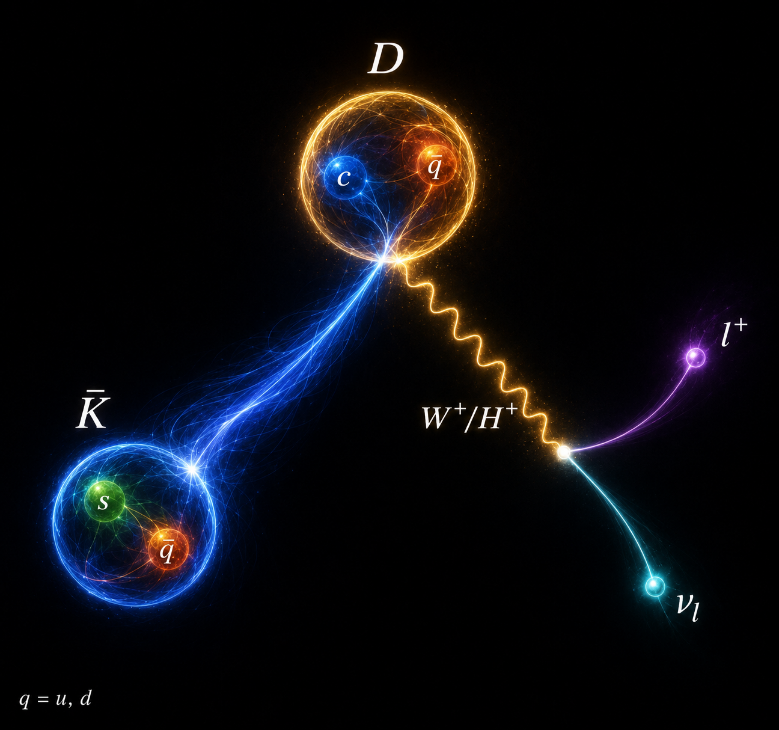
BESIII Experiment Achieves High-Precision Measurement of Charm Meson Semileptonic Decays and First Constraint on "Scalar Current"
Recently, the BESIII international collaboration utilized the world's largest near-threshold charm meson data sample to perform a combined measurement of four semileptonic decay channels: D⁰→K⁻e⁺νₑ, D⁰→K⁻μ⁺νμ, D⁺→K̄⁰e⁺νₑ, and D⁺→K̄⁰μ⁺νμ. The research team extracted the quark mixing matrix element |Vcs| with a precision better than 0.5%, determined the form factor zero-point value f₊(0) with a precision better than 0.2%, and verified lepton universality in the above processes at the 0.5% precision level. Beyond these precise determinations of Standard Model parameters, what is particularly noteworthy is that this experiment has, for the first time...
2026-09-08
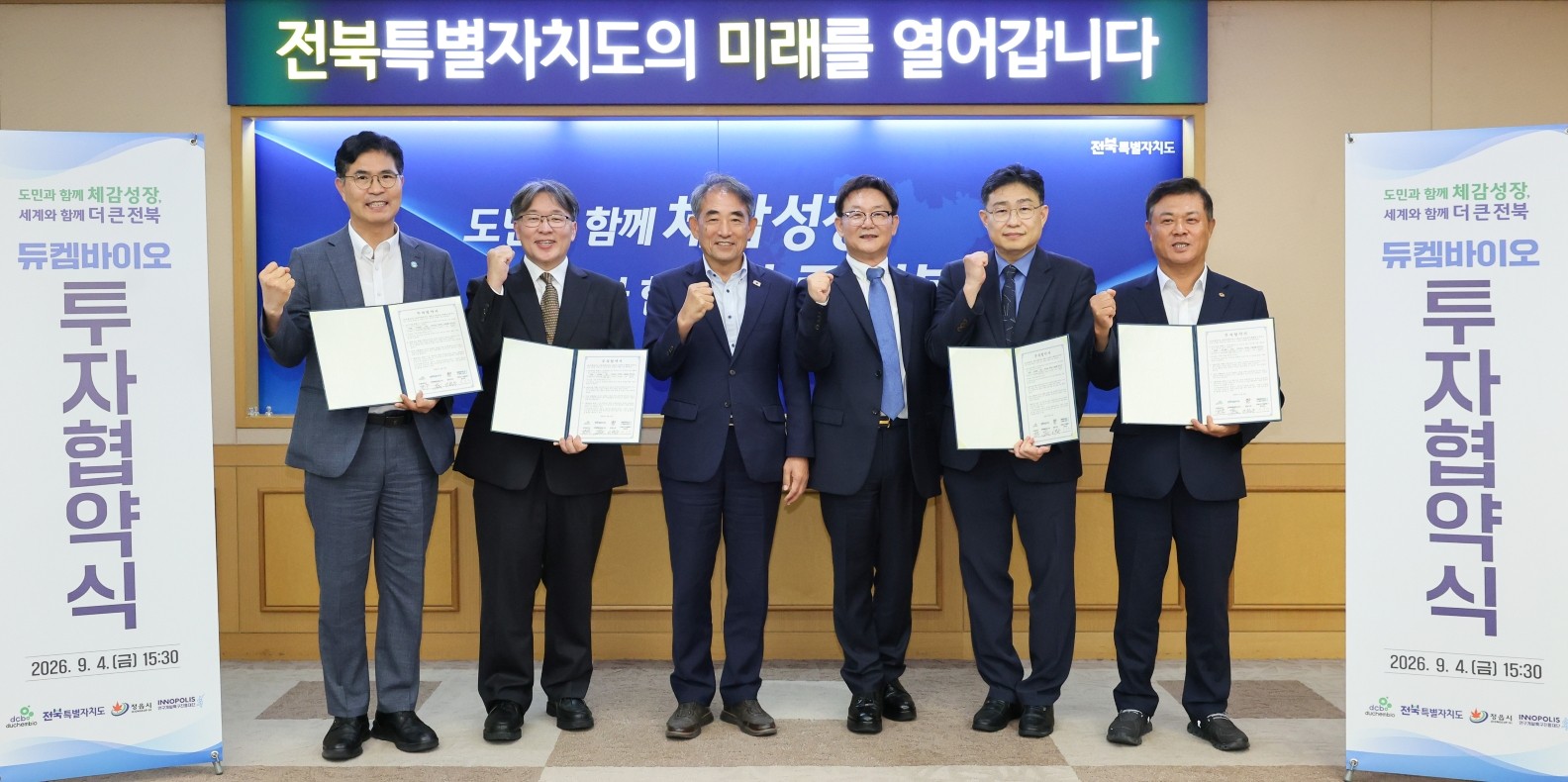
South Korea's DuChemBio to Build Country's First Radiopharmaceutical CDMO Plant
South Korean radiopharmaceutical therapy company DuChemBio will build the country's first contract development and manufacturing organization (CDMO) plant dedicated to radiopharmaceuticals, in response to growing demand for radiopharmaceuticals used in the diagnosis and treatment of cancer and neurological diseases. DuChemBio is a subsidiary of healthcare distributor Geo-Young Group. The company recently signed an investment agreement with North Jeolla Province and the city of Jeongeup to invest KRW 34.3 billion (approximately USD 25.5 million) in building a new plant in Jeongeup. The company stated that this is the largest investment since Geo-Young acquired DuChemBio. According to the plan, the new facility will integrate radioisotope production...
2026-09-08
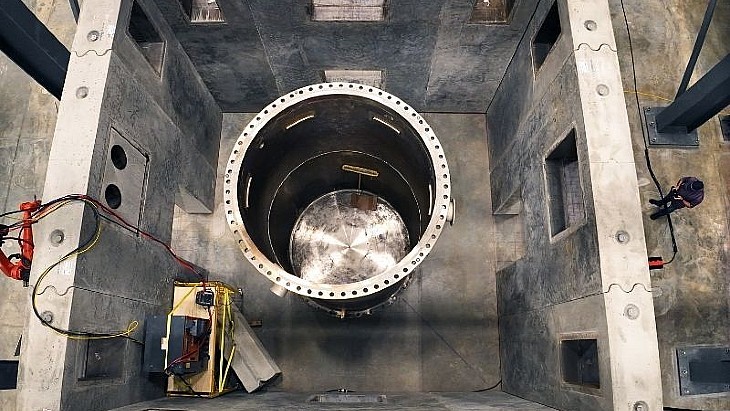
US Kairos Completes First Phase Testing of ETU 3 Reactor Model
Kairos Power announced on September 7 that its Engineering Test Unit 3 (ETU 3) has completed the first phase of testing. The testing, centered on the Hermes 2 reactor cavity model, validated the precast concrete shielding design as well as remote operation and maintenance capabilities, providing support for the design of the Hermes 2 demonstration plant and subsequent commercial units. Reactor cavity model (Image: Kairos Power) ETU 3, located in Oak Ridge, Tennessee, is part of Kairos Power's iterative development program for its fluoride salt-cooled high-temperature reactor (KP-FHR) technology. The unit is a scaled, non-nuclear mockup cavity consisting of a reactor pressure vessel and precast concrete shielding structures.
2026-09-08

UK's First TerraPower Natrium Reactor Could Generate Power by 2034
TerraPower, the US nuclear power company backed by Bill Gates, expects its Natrium sodium-cooled reactor could generate electricity in the UK as early as 2034. If the project progresses smoothly, the UK will become the company's first market for deploying this technology outside the United States. TerraPower CEO Chris Levesque said that given the company's first Natrium reactor project is scheduled for completion in 2031, the Natrium technology is highly likely to become a reality in the UK by 2034. The technology has already met relevant US regulatory requirements, and the first unit is under construction in Wyoming. In recent years, the UK has accelerated the development of small modular re...
2026-09-08
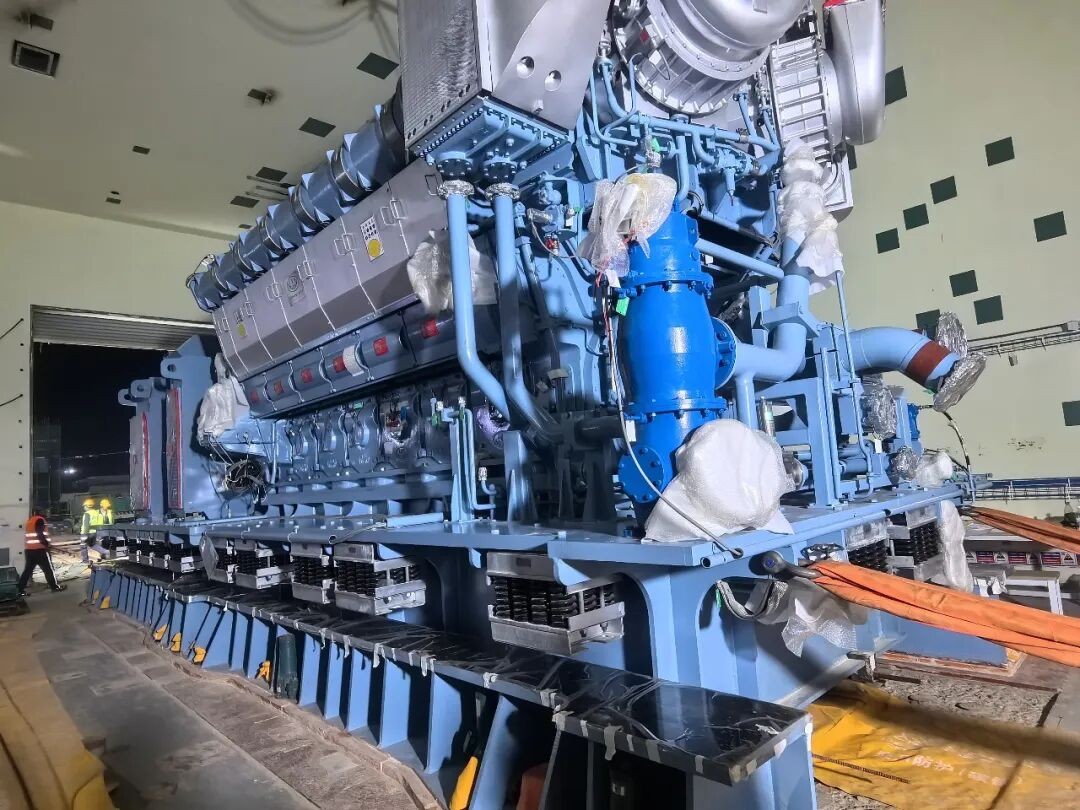
First Emergency Diesel Generator Successfully Introduced at Unit 6 of Lufeng Nuclear Power Plant
On September 4, 2026, the first emergency diesel generator for Unit 6 of Lufeng Nuclear Power Plant was successfully introduced into the diesel generator building. The emergency diesel generator is a critical required power source during the cold test phase of a nuclear power unit. The successful introduction of this equipment ensured the availability of emergency power during the cold test period, providing a solid power guarantee for the smooth execution of subsequent cold test work for Unit 6. The Installation Management Section of Lufeng Nuclear Power shifted from passive waiting to proactive action, planning the diesel generator introduction route in advance. The greatest challenge of this introduction task was the deep pit backfill adjacent to the main area of the siphon well on the west side of the diesel generator building, with a backfill depth exceeding 20 meters, a wide coverage area, and a graded aggregate demand of up to approximately 80,000 cubic meters. During construction...
2026-09-08
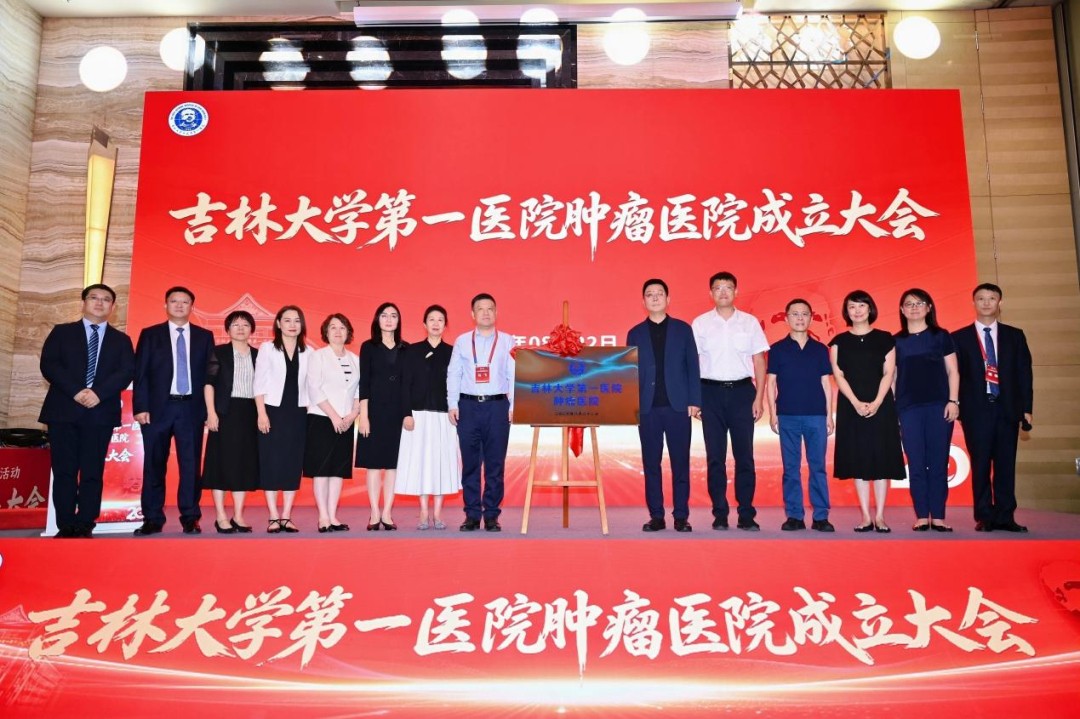
Cancer Hospital of the First Hospital of Jilin University Established, Granted Configuration Permit for Heavy Ion Radiotherapy System
Recently, the 7th Bethune Conference on New Advances in Cancer Treatment was held in Changchun, Jilin Province. The conference coincided with the 80th anniversary of Jilin University and the 20th anniversary of the Cancer Center of the First Hospital of Jilin University, aiming to establish a high-level academic exchange platform and promote the continuous improvement of cancer diagnosis and treatment capabilities in the three northeastern provinces. During the conference, the inauguration ceremony of the Cancer Hospital of the First Hospital of Jilin University was also held. According to reports, the newly established Cancer Hospital will, based on the coordinated development of the original Cancer Center, integrate three advantageous disciplines—oncology, hematology, and radiation oncology—further improve the multidisciplinary collaborative diagnosis and treatment model, promote smoother connections in cancer diagnosis and treatment processes, and enhance comprehensive treatment capabilities for difficult cancers. The conference also...
2026-09-08
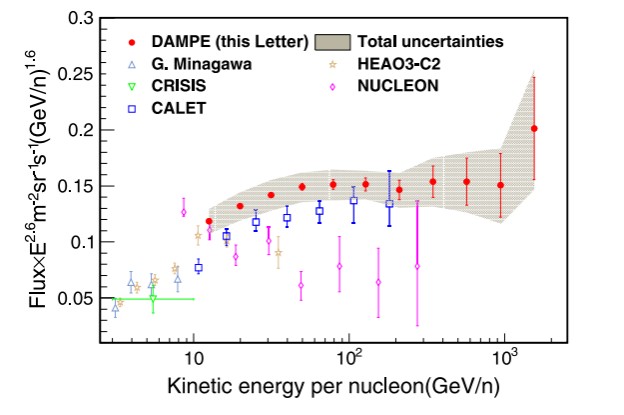
"Wukong" Detects "Super-Iron" Elements in Cosmic Rays, Achieving First High-Precision Cosmic Ray Nickel Energy Spectrum in the TeV Range
Recently, the DAMPE scientific team led by Academician Chang Jin of the University of Science and Technology of China made significant progress in direct observations of high-energy cosmic rays. Based on DAMPE on-orbit observation data, the scientific team obtained the differential flux spectrum of nickel nuclei from 10 GeV/n to 2 TeV/n. The results were published in the international academic journal *Physical Review Letters* under the title "Measurement of the Cosmic Ray Nickel Energy Spectrum from 10 GeV/n to 2 TeV/n with the DAMPE Space Mission." The origin of super-iron elements in cosmic rays has long been a challenge for the scientific community. It is generally believed that cosmic ray elements are primarily produced in nuclear fusion processes within stars, but since iron nuclei have the highest binding energy per nucleon, stellar fusion reactions typically struggle to proceed beyond elements near iron. Heavier elements than iron are generally attributed to different nucleosynthesis processes such as neutron capture. Because the abundance of super-iron elements is typically at least an order of magnitude lower than that of iron, measurements of super-iron elements in cosmic rays remain extremely scarce. Most experiments have only provided relative abundances of different elements; a few experiments have measured the differential flux spectrum of cosmic ray nickel, but with energy upper limits of only a few hundred GeV/n.
2026-09-07
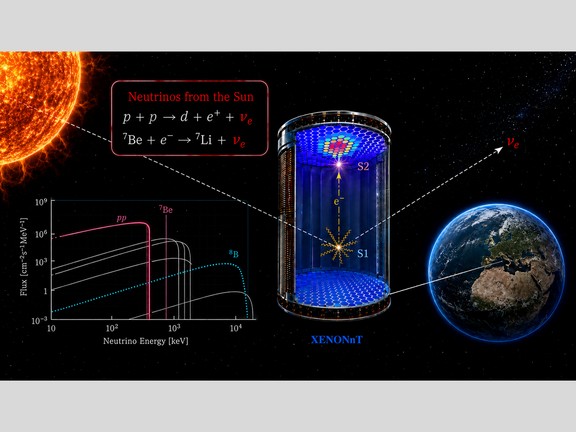
XENONnT Observes First Low-Energy Solar Neutrino-Electron Scattering Signals
Scientists of the XENON collaboration recently announced the first observation of low-energy solar neutrino scattering off electrons in the XENONnT particle detector. The results were presented at a workshop held on August 31, 2026, at the Gran Sasso National Laboratory of the Italian National Institute for Nuclear Physics. The team of Prof. Teresa Marrodán Undagoitia and Dr. Hardy Simgen from the Max Planck Institute for Nuclear Physics played a key role in the experiment. Nuclear fusion in the Sun continuously produces vast numbers of neutrinos, with hundreds of billions passing through every square centimeter of Earth each second. Because neutrinos interact with matter extremely weakly, detecting these particles...
2026-09-07
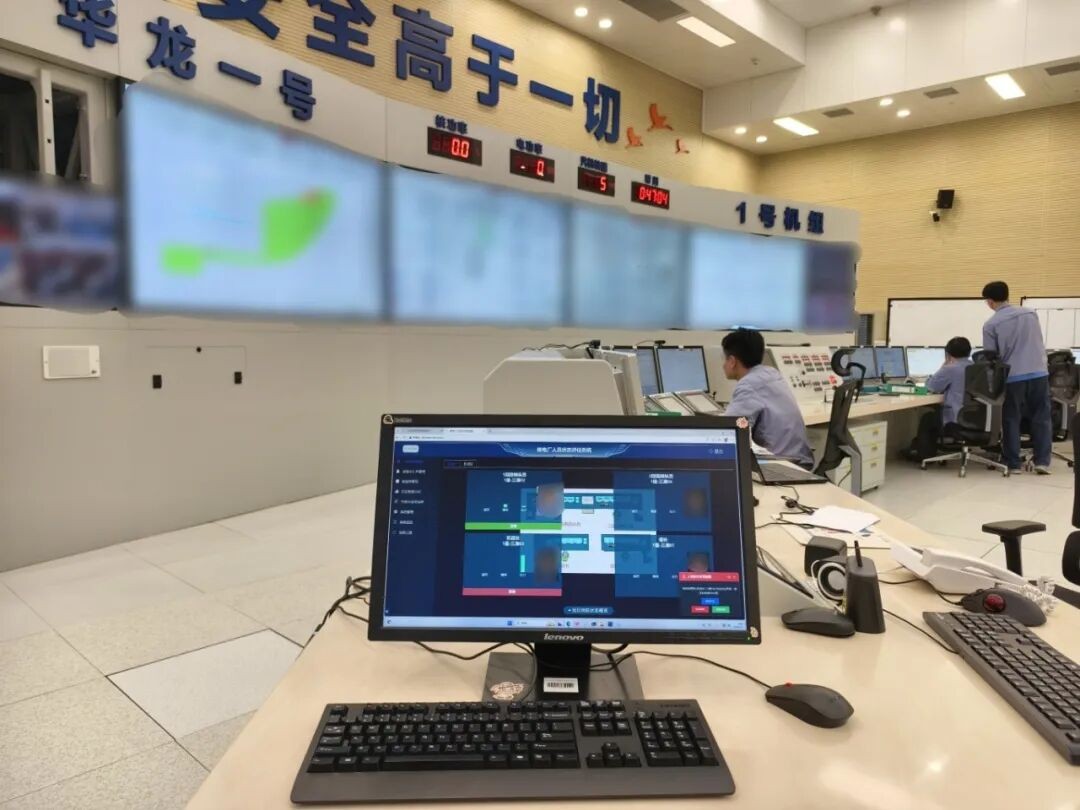
First Application and Verification of Intelligent Monitoring and Adjustment System for Nuclear Power Plant Personnel Status at "Hualong One" Nuclear Power Plant
On September 4, CGN Engineering, in collaboration with Cangnan Nuclear Power, successfully completed the testing, verification, and on-site data collection of the Intelligent Monitoring and Adjustment System for Nuclear Power Plant Personnel Status at the San'ao Nuclear Power Base. The CGN Engineering departments participating in this testing and verification included CGN Design Institute, the National Key Laboratory of Nuclear Power Safety Technology and Equipment (hereinafter referred to as the National Key Laboratory), CGN Engineering Cangnan Project Department, and Huasheng Technology. This joint test marks an important milestone in the project's transition from technology research and development to engineering application, providing key technical support for the quantitative analysis transformation of human factors safety management in China's nuclear power industry. The system, built upon the personnel fatigue status monitoring principle prototype developed under the Intelligent Nuclear Power strategic special project, has been iteratively improved with continuous support from the Yangjiang Chuangbao High-tech Research Project and the National Key Laboratory research projects, and has now evolved into a mature product suitable for engineering and large-scale application. Previously, relevant functional modules of the system had been deployed and data collected in applications such as human factors verification in the main control room of Yangjiang Nuclear Power Base and simulator training at Taishan Nuclear Power Base. The on-site testing and data collection at the San'ao Nuclear Power Base further verified the system's environmental adaptability and reliability across multiple nuclear power base scenarios, laying a solid foundation for subsequent industry-wide promotion and application.
2026-09-05
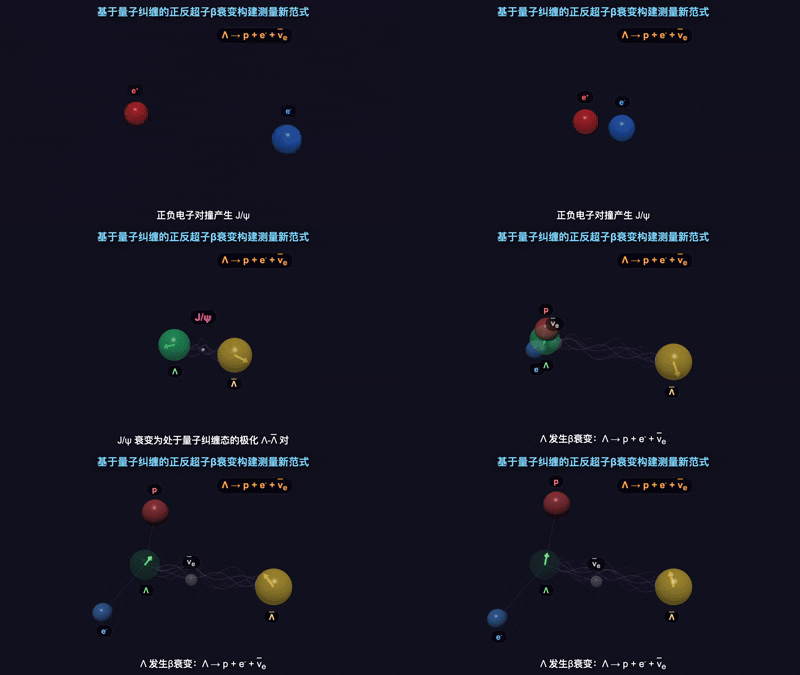
Fudan team extracts CKM matrix element |Vus| via quantum entanglement in collider experiment for the first time
On the evening of September 2, 2026, Beijing time, the team led by Luo Tao from the Institute of Modern Physics at Fudan University, together with collaborators, published a research achievement titled "Exploring baryon semileptonic decays through polarization and entanglement" in Nature. This study, for the first time in a collider experiment, utilized quantum entanglement and polarization information to extract the Cabibbo-Kobayashi-Maskawa (CKM) matrix element |Vus|, providing a new experimental pathway for precisely testing the Standard Model of particle physics. The CKM matrix describes the strength of transitions between different quarks under the weak interaction. Among them, |Vus| corresponds to the transition from the strange quark to the up quark, and its numerical precision is related to the test of the three-generation quark mixing mechanism in the Standard Model. Currently, results for |Vus| obtained from different decay processes still show discrepancies, and the unitarity test of the first row of the CKM matrix also exhibits some tension, necessitating more independent measurement methods for verification.
2026-09-04

Sweden's First New Nuclear Reactor Could Be Operational by Mid-2030s
Sweden's Minister for Energy and Industry, Ebba Busch, who also leads the Christian Democrats (KD), stated at a public hearing on September 3 that the country's first newly built nuclear reactor could be operational by the mid-2030s. When asked when the new nuclear unit could be connected to the grid, Busch indicated the mid-2030s. She also noted that the new nuclear project would not rely on direct state funding. However, the Swedish government has previously prepared a support framework for new nuclear construction. The arrangements could involve financial support amounting to hundreds of billions of Swedish kronor, including loans and electricity price guarantees totaling approximately 400 billion Swedish kronor. Busch stated that this is indeed a substantial sum, but its nature is that of loans and price hedging arrangements targeting critical infrastructure.
2026-09-04

BWXT Selected for Conceptual Design of First Module of U.S. NNSA Lithium Processing Facility
BWX Technologies, Inc. (BWXT) has announced that it has been awarded a contract by the U.S. Department of Energy's National Nuclear Security Administration (DOE/NNSA) to perform conceptual design work for the first module of a new lithium processing facility planned for the Y-12 National Security Complex. According to available information, lithium post-processing operations are currently still being conducted in some aging facilities. To continue supporting missions such as direct reuse of lithium materials, purification, component production, and recycling, NNSA plans to modernize related facilities to meet its national security mission requirements. Heatherly Dukes, President of BWXT Technical Services Group, stated that this project represents a significant investment in the modernization of U.S. nuclear security infrastructure, aimed at...
2026-09-04