
Search Results
Keyword:French nuclear power
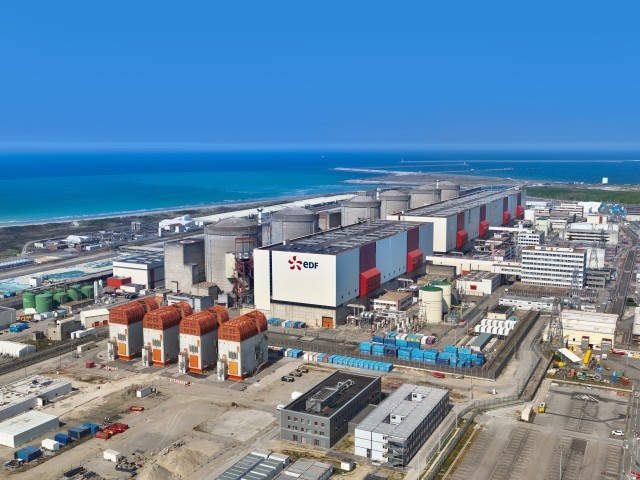
Unit 3 of France's Gravelines Nuclear Power Plant Reconnected to Grid, Unit 4 Remains Shut Down
According to EDF on August 18, Unit 3 of the Gravelines Nuclear Power Plant in northern France was reconnected to the national grid at 3:55 a.m. local time on August 18. The unit had been automatically shut down at 7:43 p.m. on August 10 in accordance with established safety protection procedures due to a large influx of jellyfish into the seawater pump station filtration system. The Gravelines Nuclear Power Plant has a total of six units. On August 10, a large number of jellyfish entered the pump station used to draw seawater for cooling nuclear facilities, affecting equipment such as pre-filters and filter drums. In accordance with operating procedures, Units 3 and 4 were automatically shut down; the operating team also shut down Unit 2 and reduced Unit 1's power to 50% to adapt to changing site conditions. Unit 5 was...
2026-08-20
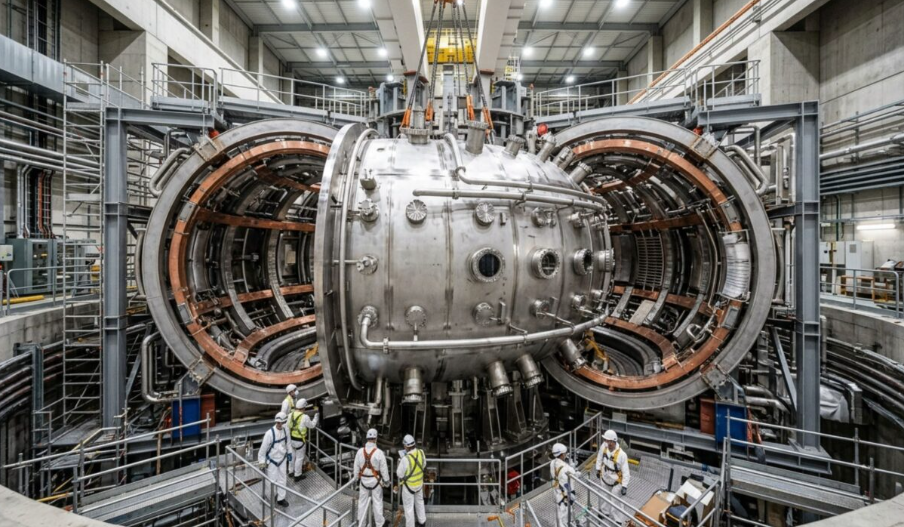
ITER Tokamak Advances Assembly in France, Fusion Experiment Targets 150 Million Degree Celsius Plasma
The ITER tokamak being assembled in southern France is one of the most closely watched large-scale experimental devices in global nuclear fusion research. The machine weighs approximately 23,000 tonnes in total and adopts a donut-shaped toroidal structure, using strong magnetic fields to confine high-temperature plasma, with the goal of replicating on Earth the conditions for fusion reactions that occur inside stars. Its plasma volume is approximately 830 cubic meters, far exceeding previous tokamak devices, and it is therefore expected to validate the key physics and engineering technologies required for future commercial fusion reactors. ITER adopts the toroidal tokamak structure because charged particles can move along toroidal paths under strong magnetic fields, thereby minimizing direct contact with the device's inner walls...
2026-08-14
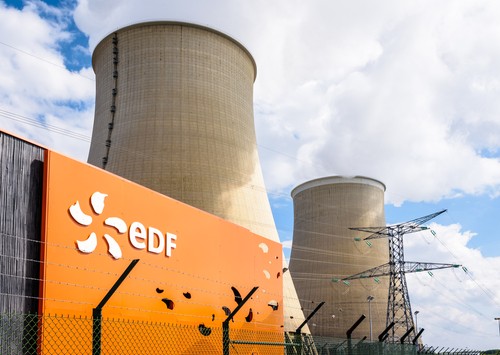
French heatwave to cut nuclear output by about 15% on Friday
Data from Electricite de France (EDF) shows that due to the fifth heatwave of the European summer, French nuclear power output is expected to fall by about 15% this Friday. At that time, nine reactors are expected to be affected, with total nuclear output reductions reaching 9.4 gigawatts during peak hours, of which six reactors will be completely shut down. This summer, many parts of Europe have experienced sustained high temperatures, with some regions seeing temperatures rise to abnormal levels, triggering issues such as water shortages and wildfires. French meteorological authorities predict that this heatwave will peak on Thursday, with temperatures across most of the country ranging between 35 and 40 degrees Celsius. From Friday, cold air from the west will first affect the Atlantic coast and the English Channel region...
2026-08-14
Heatwave and jellyfish influx into pump stations push French nuclear unit unavailability to 20.4%
The heatwave sweeping across multiple regions of France is impacting the country's electricity production. Several nuclear reactors operated by Électricité de France (EDF) have been shut down or derated due to environmental restrictions or external environmental factors, with the unavailability rate of affected units rising to 20.4% before 10:00 AM on August 12, marking a recent high. Of France's 57 nuclear reactors, 13 are currently affected. Among them, 8 units are fully shut down: Bugey Unit 3, Cattenom Unit 1, Chooz Units 1 and 2, Golfech Unit 2, and Gravelines Units 2, 3, and 4; another 5 units are operating below rated power, including Saint-Alban Unit 2, Tricastin Units 1 and 4...
2026-08-13
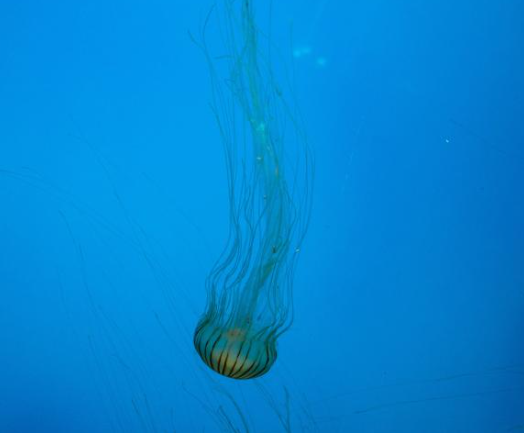
Jellyfish Blockage Forces Shutdown of French Nuclear Units; Experts Say Shutdown Demonstrates Effectiveness of Safety Systems
France's Gravelines Nuclear Power Plant recently shut down some of its units again after large numbers of jellyfish entered the water intake system. On August 11, reactors 2, 3, and 4 at the plant were forced to shut down due to blockage in the seawater cooling pump system, reactor 1 was reduced to half power operation, reactor 5 was under maintenance at the time, and only reactor 6 continued normal operation. EDF (Électricité de France) stated that the incident had no impact on nuclear safety, personnel, or the environment, and the affected units would be restarted in phases. Located in northern France, the Gravelines Nuclear Power Plant is one of the largest nuclear power plants in Western Europe. Similar situations have occurred before. In the 20...
2026-08-13
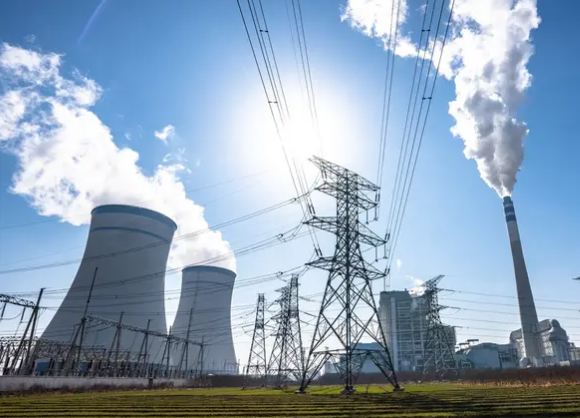
French nuclear fleet output drops to 59% of full capacity
On Wednesday, August 12, French nuclear reactors operated at 59% of full capacity, according to RTÉ grid data and Bloomberg calculations, down 1 percentage point from 60% on Tuesday, August 11. EDF, the world's largest nuclear power operator, currently has 34 reactors in operation with a total available capacity of 33,250 MW; France's 57 nuclear reactors normally supply more than two-thirds of the country's electricity. EDF recently halted power generation at the Gravelines 2 and Bugey 3 reactors, while extending the outage of the Gravelines 3 and 4 units and the Cattenom 4 reactor...
2026-08-13
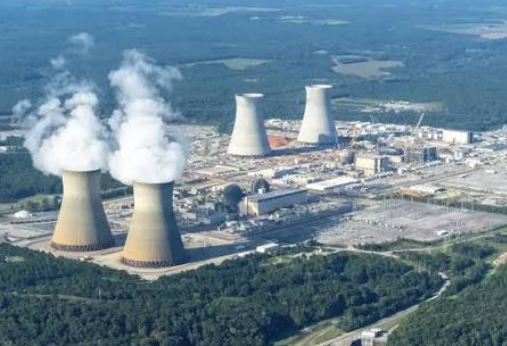
French heatwave cuts nuclear output, day-ahead power prices surge 22%
A new heatwave in France is hitting its nuclear power supply, with effects quickly transmitting to the electricity market. On Tuesday morning local time, LSEG data showed French day-ahead power prices rose as much as 21.8% to €142.5 per megawatt-hour, equivalent to approximately $164.39. The direct cause of the price surge is that operators expect nuclear output to be constrained during the midday peak demand period on Wednesday. Data from French utility EDF shows that due to this week's heatwave, France's nuclear generation capacity on Wednesday is expected to be reduced by 7.3 gigawatts, equivalent to 12% of total installed capacity. This marks at least the fifth time France has experienced extreme heat since June. For a country where about 70% of electricity comes from nuclear power, nuclear...
2026-08-12
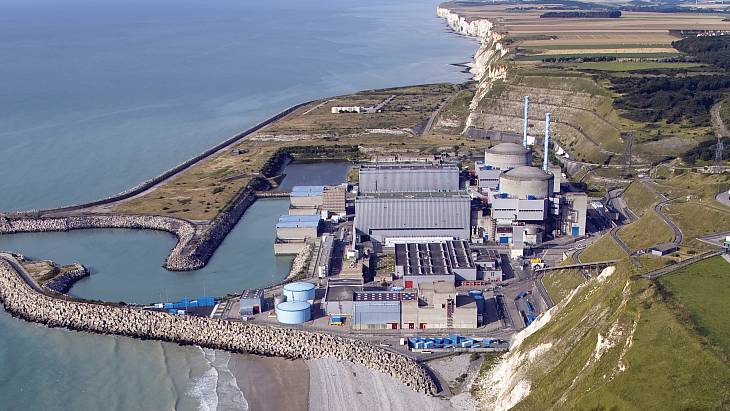
Three units at France's Gravelines nuclear power plant automatically shut down due to jellyfish intrusion
French utility EDF recently stated on its website that three units at the Gravelines nuclear power plant in northern France automatically shut down after a large influx of jellyfish clogged the filtration system, triggering safety measures. The statement indicated that the incident occurred on August 10, 2026. Due to the jellyfish intrusion, three units at the Gravelines plant automatically shut down, while a fourth unit reduced its power output. The plant has a total of six reactors, of which the fifth reactor had already been shut down for planned maintenance, and the sixth reactor remained in operation. The Gravelines plant experienced a similar situation a year earlier, when a large number of jellyfish entered the relevant water intake and filtration systems, causing four reactors to automatically shut down...
2026-08-12
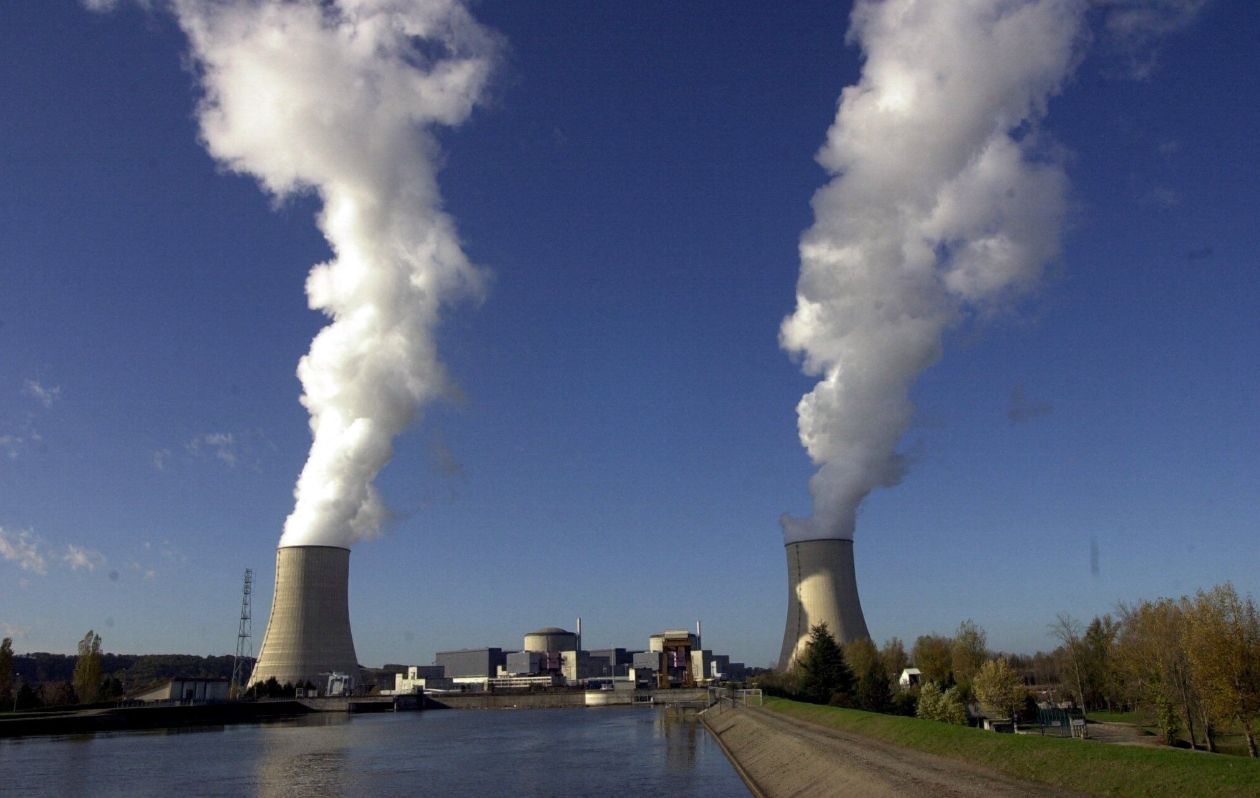
EDF plans to add cooling towers at Golfech nuclear plant to cope with repeated shutdowns due to high temperatures
French utility EDF is planning to adapt the Golfech nuclear power plant in Tarn-et-Garonne to cope with increasingly frequent heatwaves. Since June this year, the plant has been shut down multiple times due to high temperatures, with another outage in early August, highlighting the growing operational pressure on nuclear facilities that rely on river water for cooling in the context of climate change. The direct cause of the Golfech shutdowns is not that the reactors themselves cannot operate, but rather that the Garonne River water temperature is too high. Under regulations dating from 2006, when the daily average water temperature of the Garonne downstream of the plant exceeds 28 degrees Celsius, EDF may reduce unit output or temporarily shut down. This restriction is primarily intended to protect the river ecosystem...
2026-08-11
French nuclear power sets record unavailability rate due to high temperatures and drought, one-sixth of capacity constrained
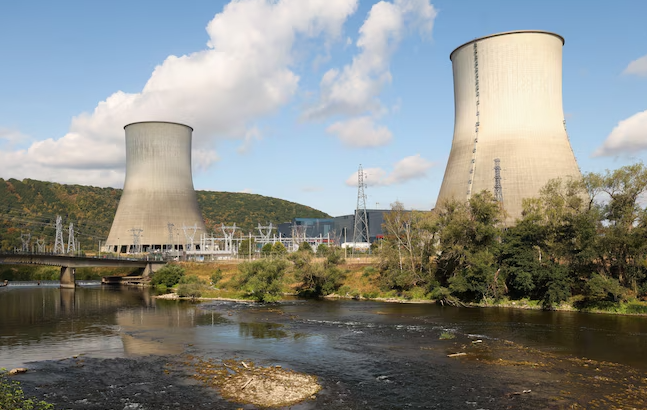
France's nuclear power system is under exceptional strain. Affected by persistent high temperatures and low river water levels, nuclear reactors operated by French utility EDF have recorded unprecedented unavailability. According to an AFP tally based on data published by EDF since 2015, on the afternoon of Sunday, August 9, 2026, the nuclear capacity shortfall caused by drought and extreme heat reached 15.6% of installed capacity, equivalent to roughly one-sixth of France's nuclear power capacity being temporarily unable to supply electricity normally. The cause of this disruption is not simply equipment failure, but is closely linked to the natural environment on which nuclear plant operations depend. Many nuclear plants draw water from rivers for cooling; when river levels are too low or water temperatures too high, the...
2026-08-11
After only 4 days of restart, Unit 2 of France's Golfech Nuclear Power Plant shut down again due to Garonne River water temperature approaching limit
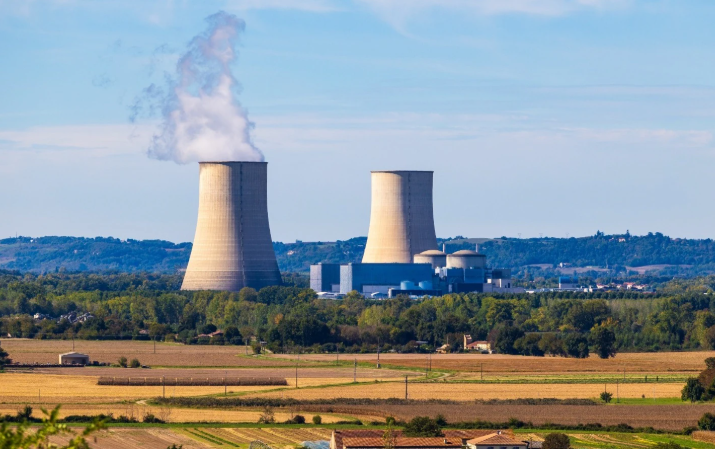
On the evening of August 8, French utility EDF (Électricité de France) once again shut down Unit 2 of the Golfech Nuclear Power Plant, just four days after the unit had been restarted. The direct cause of this shutdown was that the water temperature of the Garonne River was expected to reach 28°C on August 9, hitting the local operational limit. Since Unit 1 had already been taken offline for maintenance and fuel replacement, the closure of Unit 2 left both reactors at the Golfech plant simultaneously out of service, with the station temporarily ceasing power generation. Located in the Tarn-et-Garonne department of France, the Golfech Nuclear Power Plant was commissioned between 1991 and 1994, and features two 1,300 MW pressurized water reactor units. It draws cooling water from the Garonne River and dissipates heat through natural-draft cooling towers. According to EDF dat...
2026-08-10
Germany's renewable energy summer generation approaches French nuclear power, may overtake it before 2030
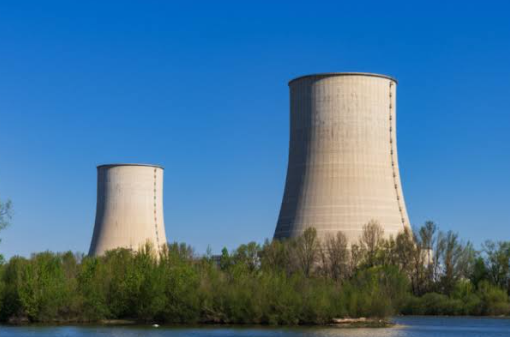
French nuclear power has long been regarded as a key pillar of Europe's low-carbon electricity system, but the latest data shows that Germany's renewable energy generation is rapidly closing in on French nuclear power. According to the data, in January this year, Germany's combined renewable energy generation from solar, wind, and other sources totaled 22,854 GWh, while French nuclear power generated 36,838 GWh, about 61% higher. By July, however, the gap had narrowed significantly: French nuclear power generated 29,689 GWh, while Germany's renewable energy generated 26,501 GWh, with French nuclear power leading by only about 12%. This change is closely linked to summer heat. Nuclear power plants require large amounts of cooling water and are therefore typically built near coastlines or rivers. When river water levels are insufficient, or when discharged water temperatures exceed environmental limits, nuclear plants must reduce output or even shut down. The data mentions that French nuclear plants such as Golfech, Bugey, and Nogent-sur-Seine have already been affected. As heatwaves become more frequent, the cooling constraints on nuclear power in summer may become more pronounced, challenging the stability advantage of French nuclear output.
2026-08-10
France's Golfech Nuclear Power Plant Reconnected to Grid After Shutdown Due to High Temperatures
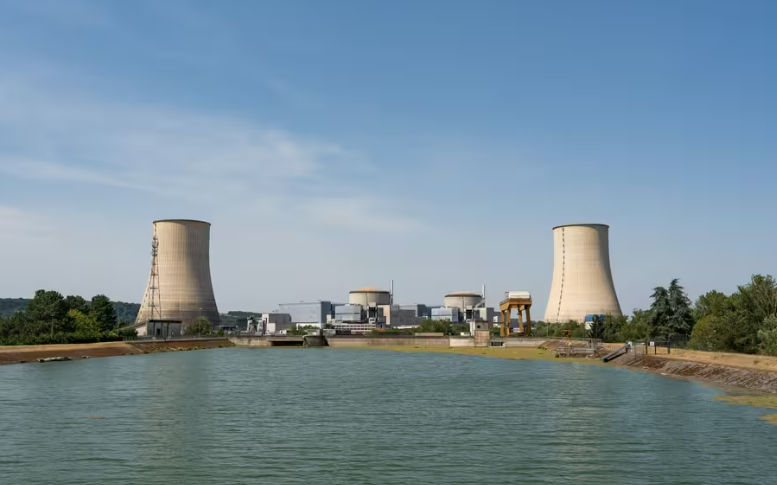
French utility EDF (Électricité de France) announced that the Golfech nuclear power plant, located in the Tarn-et-Garonne department, has been reconnected to the grid. Unit 2 of the plant was restarted around noon on August 7, following a forced shutdown on July 29 due to high-temperature weather. At the time of the shutdown, Unit 1 was in the maintenance and refueling phase, making the interruption of Unit 2 more impactful on plant operations. The direct cause of the shutdown at Golfech was that the water temperature of the Garonne River reached regulatory limits. According to relevant regulations, when the daily average water temperature of the Garonne River exceeds 28 degrees Celsius, the plant must reduce reactor power or temporarily cease operations. Since the nuclear plant needs to draw water from the river for...
2026-08-08
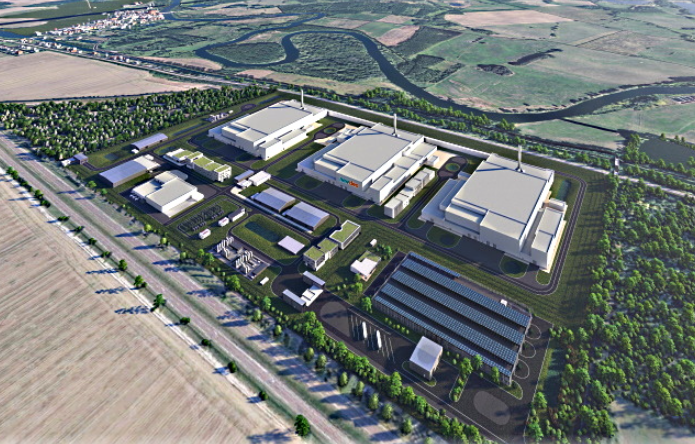
French innovative nuclear company Newcleo submits regulatory engagement plan to NRC for U.S. MOX fuel plant
On August 7, 2026, France-based innovative nuclear company Newcleo submitted a Regulatory Engagement Plan (REP) to the U.S. Nuclear Regulatory Commission (NRC), paving the way for its proposed mixed oxide (MOX) fuel fabrication facility in the United States. The REP defines the framework for the company's pre-application phase with the NRC, key regulatory and technical topics, technical document submittals, and an indicative schedule. Previously, Newcleo sent a letter to the NRC on February 23 expressing its intent, and initiated pre-application interactions in March, engaging with the NRC on the design and safety approach for the LFR-AS-200 lead-cooled fast reactor and the associated MOX plant; last month, it had already submitted the REP for the LFR-AS-200 (200 MWe commercial version). Newcleo stated that this submission is a step toward advanced...
2026-08-09
France's drought lowers river water levels, EDF shuts down three nuclear reactors
Affected by drought weather, water flows in France's Meuse and Moselle rivers have declined, and Électricité de France (EDF) has shut down three nuclear reactors in northeastern France. As of the afternoon of August 3, Units 1 and 2 at the Chooz Nuclear Power Plant in the Ardennes department, as well as one unit at the Cattenom Nuclear Power Plant in the Moselle department, remained offline. EDF shut down Unit 1 at the Chooz plant on Saturday evening to comply with the Meuse River management agreement signed between France and Belgium in 1998. Under the same agreement, Unit 2 at the Chooz plant has been offline since July 11. EDF stated that the agreement allows for adjustments to power generation arrangements based on hydrological conditions to safeguard water usage for users along the Meuse River in both France and Belgium.
2026-08-05