
Search Results
Keyword:HALF
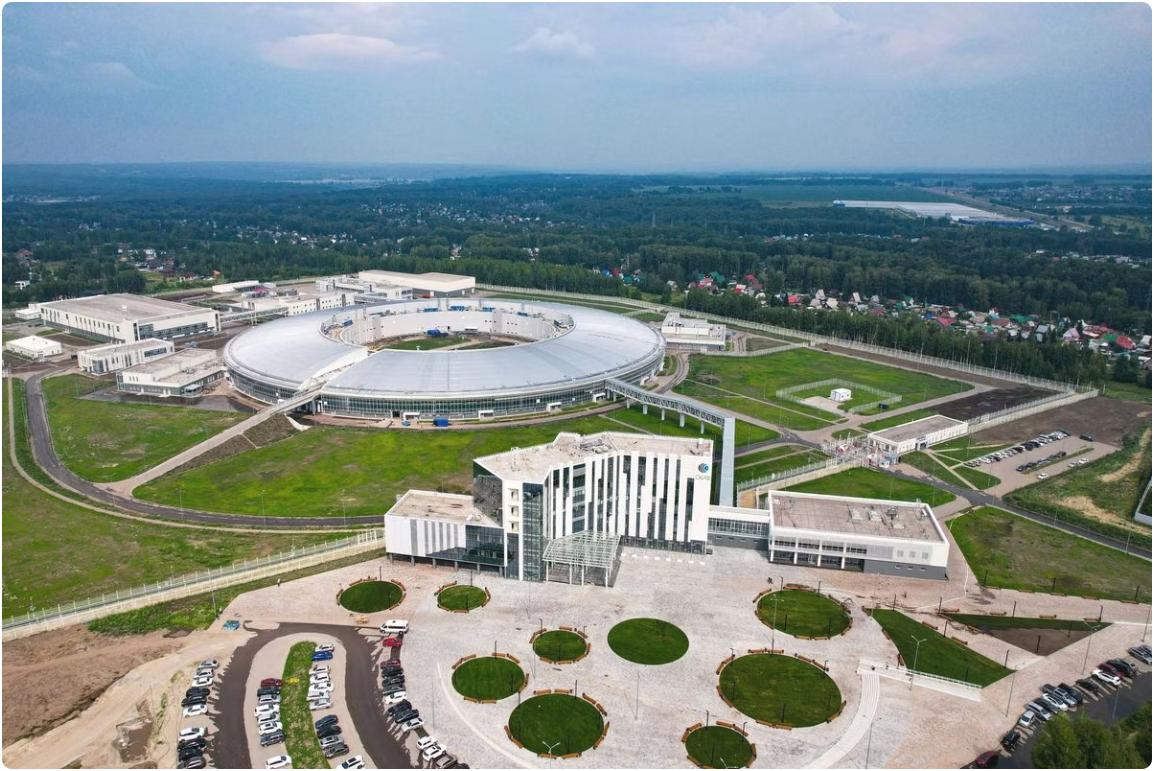
Russia's SKIF Synchrotron First Scientific User Competition Expected to Launch in Second Half of 2027
The competition to select the first research teams for the Siberian Circular Photon Source (SKIF) synchrotron in Russia is planned for the second half of 2027. Valery Bukhtiyarov, Director of the Boreskov Institute of Catalysis of the Siberian Branch of the Russian Academy of Sciences, stated at the Technoprom-2026 forum held in Novosibirsk that the first open competition will be launched in the second half of 2027. The institute is responsible for commissioning the construction of this large-scale scientific facility. Bukhtiyarov noted that SKIF is scheduled to receive synchrotron radiation and conduct its first experiments in the autumn. Construction of the facility was completed in June 2026, with an opening ceremony held in August 2026. Once operational, SKIF will use synchrotron radiation to help...
2026-08-27

Half of Turbines at Hungary's Paks Nuclear Power Plant Back in Operation
Hungarian Prime Minister Péter Magyar stated that the Paks Nuclear Power Plant has restored approximately half of its generating capacity, with full restoration expected to be completed earlier than originally planned. Four of the plant's eight turbines are currently in operation, and restoration efforts are ongoing. Magyar said on social media that operating conditions at the plant have improved as construction work near the Paks site progresses and the Danube River water level recovers. Based on the current pace, the Paks plant is expected to regain a generating capacity of 2,000 megawatts by Wednesday, which could meet about 35% of Hungary's electricity demand. Earlier, Unit 3 of the Paks plant was announced to resume power generation ahead of schedule on Saturday evening. Magyar noted that the unit's resumption of power generation is linked to on-site engineering measures and changes in the Danube water level.
2026-08-24

ASP Isotopes Plans Commercial Delivery of Multiple Stable Isotopes in Second Half of 2026
ASP Isotopes Inc. recently presented its expansion plans for isotope production, radiopharmaceuticals, and helium operations at Canaccord Genuity's 46th Annual Growth Conference. The company aims to begin commercial delivery of stable isotopes including silicon-28, carbon-14, and ytterbium-176 in the second half of 2026. Victor Petkov, the company's Chief Commercial Officer, stated that ASP Isotopes is leveraging its proprietary enrichment technology to serve electronics, nuclear medicine, and nuclear fuel-related markets. Currently, the company operates three production facilities in Pretoria, South Africa, primarily producing silicon-28 for semiconductor applications, as well as carbon-14 and ytterbium-176 for nuclear medicine-related uses. Regarding isotope supply...
2026-08-13
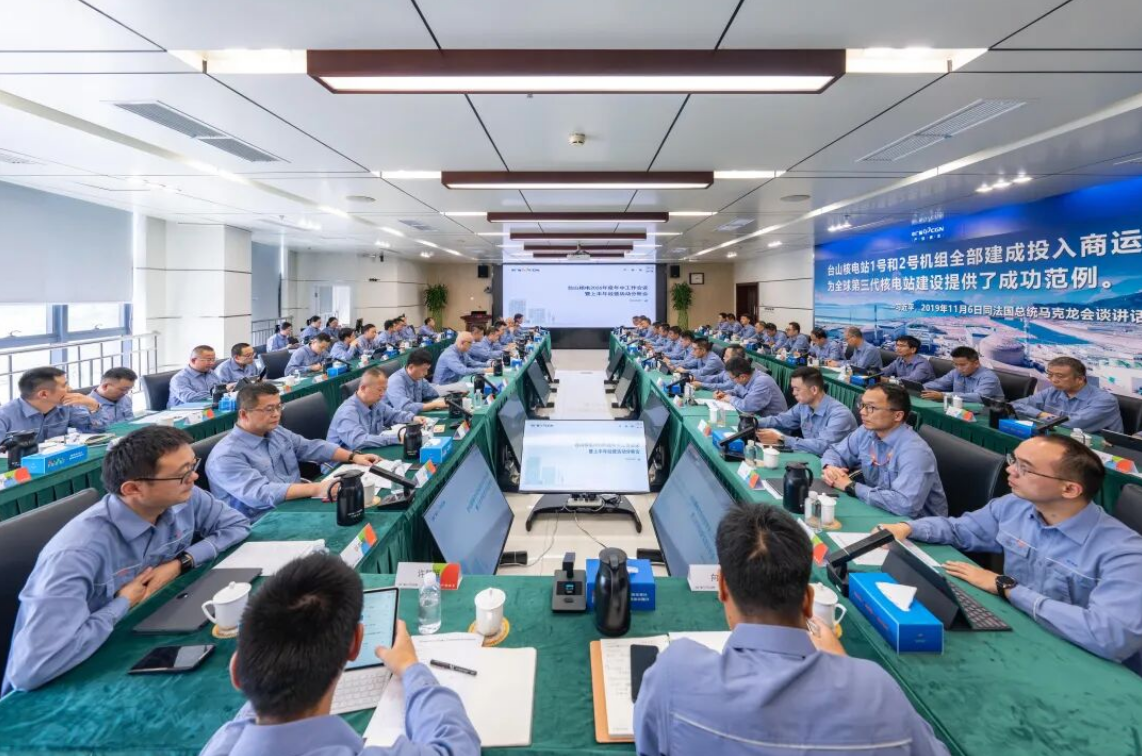
Taishan Nuclear Power Holds 2026 Mid-Year Work Conference and First-Half Business Operation Analysis Meeting
On August 5, Taishan Nuclear Power held its 2026 Mid-Year Work Conference and First-Half Business Operation Analysis Meeting to thoroughly study and implement the spirit of General Secretary Xi Jinping's important instructions, convey and implement the spirit of CGN Group's Mid-Year Work Conference and First-Half Business Operation Analysis Meeting, summarize the company's first-half business performance, analyze the current situation and challenges, and arrange key tasks for the second half of the year. Liu Dan, Secretary of the Company Party Committee and Chairman of the Board, attended and delivered a speech. Shu Liang, Deputy Secretary of the Company Party Committee, Director, and General Manager, presided over the meeting. Members of the company's leadership team reported on their progress in leading key initiatives. Shu Liang conveyed the spirit of the Group's Mid-Year Work Conference and First-Half Business Operation Analysis Meeting and reported on the first-half business performance...
2026-08-10

Low Danube Water Level Tests Bulgaria's Nuclear Operations, Energy Minister Says Kozloduy Plant Can Sustain Operations for About a Week and a Half
Bulgarian Energy Minister Iva Petrova said on August 7 that if the Danube River water level remains at its current level, the Kozloduy nuclear power plant can continue normal operations for about a week and a half. She described the situation facing the plant as difficult and dynamically changing, while emphasizing that the plant is currently operating stably with no direct failures affecting power generation. The Kozloduy nuclear power plant is a critical facility in Bulgaria's power system, and the high attention paid to Danube water level changes is mainly related to the cooling conditions required for plant operations. Persistently low water levels may increase operational dispatch pressure and require the energy sector to more frequently assess safety margins and subsequent response measures.
2026-08-08
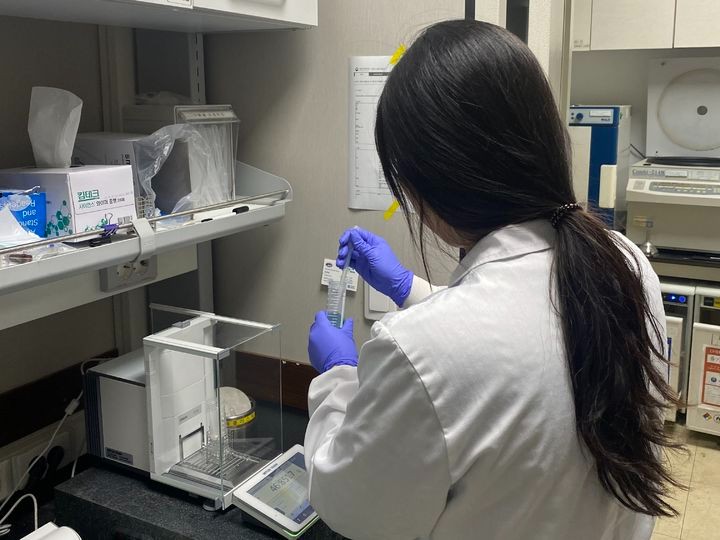
Radioactivity test results for agricultural and fishery products in North Chungcheong Province, South Korea, pass standards in first half of the year
The Chungcheongbuk-do Institute of Health and Environment announced on August 7 that it conducted radioactivity safety testing on agricultural and fishery products sold and used within the province in the first half of this year, and the results showed that all relevant samples met food radioactivity safety standards. The testing covered 119 types of agricultural products and 274 types of fishery products sold at large supermarkets, local food direct-sale stores, or used as ingredients for school meals. Testing items included indicators such as radioactive iodine, radioactive cesium, and tritium. The test results showed that the levels of radioactive iodine and radioactive cesium in the samples did not exceed the permissible limit of 100 Bq/kg for food radioactivity; tritium was not detected in any of the 80 seafood samples. The relevant test results can be found on the Chungcheongbuk-do Institute of Health and Environment website.
2026-08-07
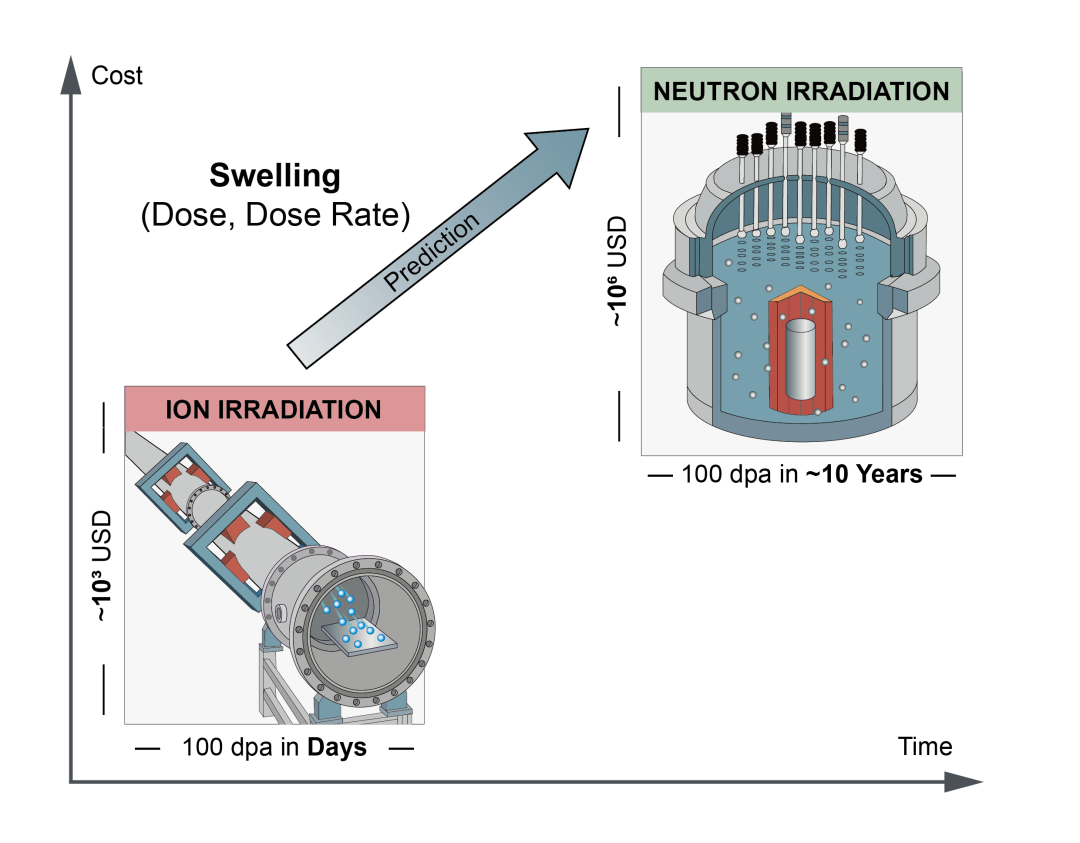
Basic research cracks an application challenge that has persisted for nearly half a century: quantitative prediction of neutron irradiation swelling via ion irradiation
Whether advanced nuclear energy systems can operate safely over the long term depends on the ability of structural materials to resist neutron irradiation damage. Neutrons create numerous atomic-scale defects in materials, which gradually aggregate into nanoscale cavities, ultimately causing material swelling, dimensional instability, and performance degradation. However, obtaining high-dose neutron irradiation data often requires years or even more than a decade, with high costs and post-irradiation sample radioactivity; in contrast, ion irradiation can simulate years of accumulated damage within days and is therefore widely adopted (approximately 95% of irradiation experimental data in existing literature come from ion irradiation). But the dose rate of ion irradiation is typically 3—4 orders of magnitude higher than that of neutron irradiation, making direct conversion between the two results difficult. Recently, the research team of Wang Chenxu and Wang Yugang from the Institute of Heavy Ion Physics, School of Physics, and the State Key Laboratory of Nuclear Physics and Nuclear Technology at Peking University, in collaboration with researchers from the University of Tennessee and other institutions, established a quantitative relationship between material swelling and irradiation dose and dose rate at fixed temperatures based on cluster dynamics simulations, theoretical derivations, and ion irradiation experiments, achieving prediction of neutron irradiation swelling using rapid ion irradiation and providing a new tool for rapid screening and lifetime evaluation of nuclear materials.
2026-08-07
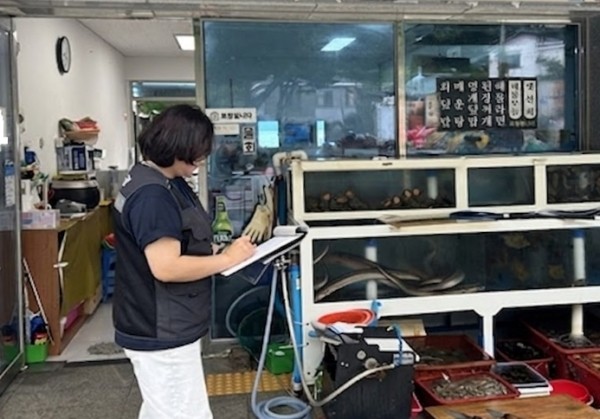
South Gyeongsang Province Completes 380 Food Radioactivity Tests in First Half of Year, All Meeting Standards
The Gyeongsangnam-do Institute of Health and Environment recently announced that in the first half of this year, it conducted radioactivity testing on agricultural products, aquatic products, and processed foods already in circulation, completing tests on 380 samples. Testing items included radioactive iodine, radioactive cesium, and tritium, with all results meeting food radiation-related standards. According to the institute, it continues to conduct radiation monitoring on foods with high market consumption to ensure the daily dietary safety of residents. Of the 380 tests completed in the first half of this year, 338 were for iodine and cesium, and 42 were for tritium, with no samples exceeding permissible levels. In terms of monitoring methods, the institute has established a...
2026-07-27
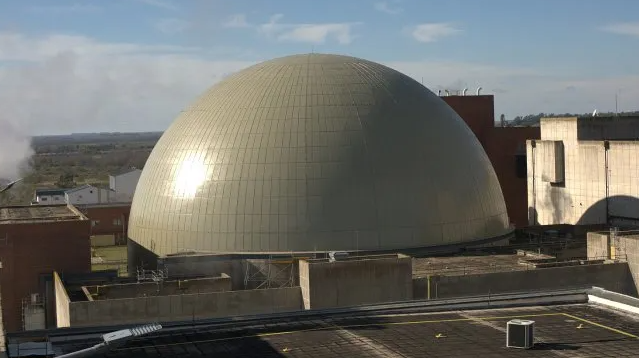
Argentina's nuclear power generates 4.45 million kWh in half a year, accounting for over 7% of national electricity and meeting the residential electricity needs of 6 million people
Operating data from Nucleoeléctrica Argentina for the first half of 2026 shows that the Atucha 2 and Embalse nuclear power plants generated a combined 4,450,355 kWh, accounting for over 7% of the country's total electricity generation during the period and covering 13% of national residential electricity demand. Notably, although Atucha 1 is temporarily out of service due to a life extension project, the nuclear plants are still able to supply electricity to approximately 6 million people. In addition to its operational breakthroughs, Nucleoeléctrica Argentina is also actively expanding its international business. The company has formally established a new business unit aimed at...
2026-08-06
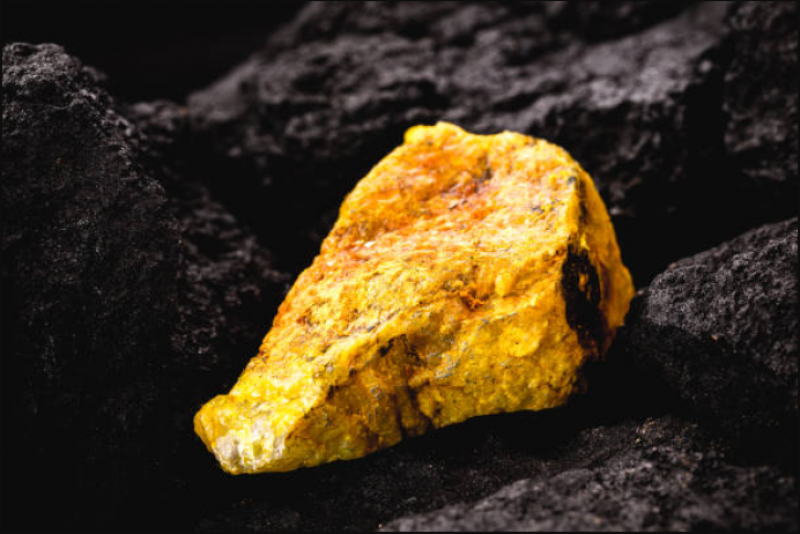
Kazakhstan's Uranium Output Up 9% Year-on-Year in First Half of 2026
Kazatomprom, Kazakhstan's largest uranium producer, reported on August 3 that the country's uranium output increased by 9% year-on-year in the first half of 2026. According to the report, on a 100% basis, uranium oxide (U3O8) production from entities in which the company holds stakes totaled 13,291 tonnes in the first half of this year, up from 12,242 tonnes in the same period of 2025. The 100% basis covers the full production of all entities in which Kazatomprom holds stakes, with a portion of that output potentially attributable to joint venture partners or other third-party shareholders. On an attributable basis, Kazatomprom's uranium production in the first half of 2026 stood at 7,054 tonnes, up 10% year-on-year. This basis only counts the portion of production attributable to Kazatomprom...
2026-08-05
ASP Isotopes PET Lab Revenue Grows Over 50% in First Half of Year, Isotope Enrichment Facilities Advance Toward Commercial Production
ASP Isotopes Inc. recently released a letter to shareholders outlining operational progress across its business segments ahead of the company's second-quarter 2026 financial results announcement. The company stated that its PET lab segment achieved organic revenue growth of more than 50% in the first half of 2026 compared to the same period in 2025. Based on current expectations, the segment's full-year 2026 revenue is projected to be approximately $14 million, up from $6 million in 2025. PET-related operations are typically closely associated with radiopharmaceutical preparation, molecular imaging, and nuclear medicine diagnostic applications. On the isotope front, ASP Isotopes stated that its silicon-28 and ytterbium-176 enrichment facilities have entered the final stage before commercial production, with first deliveries expected in the second half of 2026...
2026-08-05
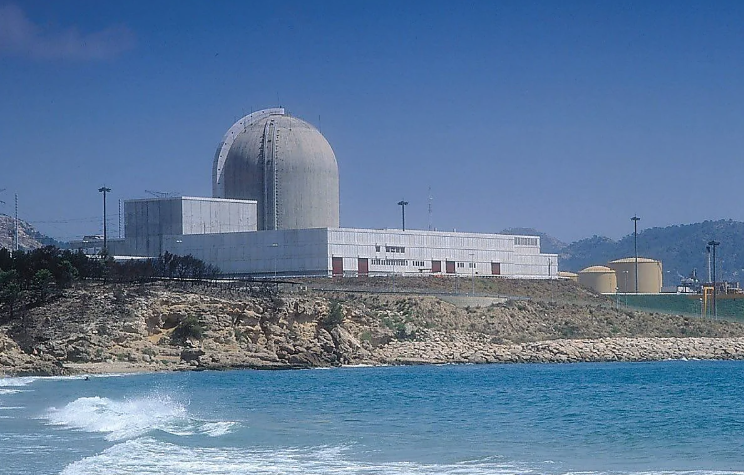
Spain's two major nuclear power holders, Iberdrola and Endesa, paid approximately €360 million in taxes and fees for nuclear power in the first half of the year
Spain's two major nuclear power holders disclosed to the CNMV: Iberdrola's expenditure on the "production tax on spent fuel and radioactive waste derived from power generation" in the first half of 2026 was €52 million (compared to €56 million in the same period last year), plus €117 million in Enresa radioactive waste management fees (levied based on each unit's monthly gross nuclear generation) (compared to €118 million in the same period last year), totaling €169 million. Endesa paid €56 million in nuclear tax items during the same period (up €3 million year-on-year), and €135 million in radioactive waste treatment fees (up €7 million year-on-year). Due to its controlling stake in Catalan nuclear units, it also paid €76 million in the Catalan environmental tax, totaling €267 million; the two companies' combined nuclear-related taxes and fees for the first half of the year amounted to approximately €336 million (text...
2026-08-03
UK Poll Shows Nearly Half of Public Support Nuclear Energy Development
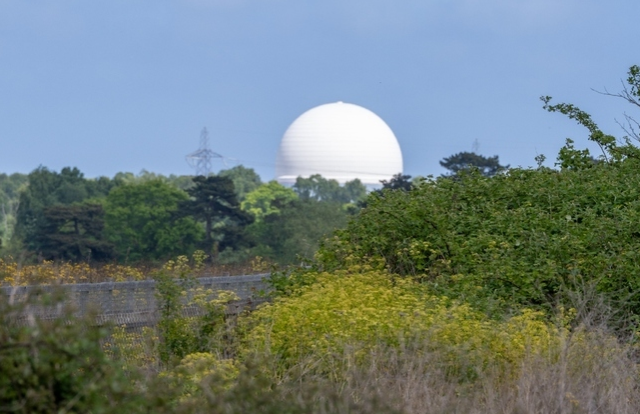
A new UK opinion poll shows that nearly half of respondents support the country's development of nuclear energy to address climate change and energy security challenges. Although public concerns over nuclear power plant safety persist, with growing awareness of the intermittency of renewable energy and rising calls to reduce dependence on fossil fuels, the role of nuclear energy in the UK's energy mix is attracting increasing attention. The survey results show that 48% of respondents consider nuclear energy an important component of achieving net-zero emission targets, while 29% hold opposing views. The main reasons for supporting nuclear energy include its reliability and low-carbon characteristics. Unlike renewable sources such as wind and solar, nuclear power plants...
2026-08-03
Ukraine's Nuclear Power Plants Generate 26.8 Billion kWh in First Half of Year
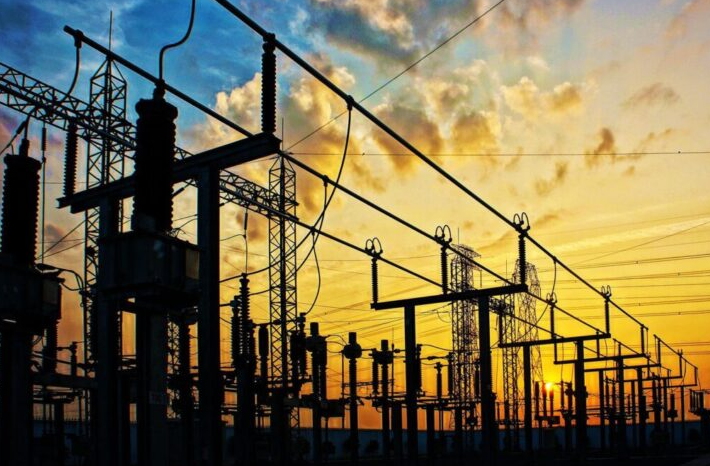
On July 29, Ukraine's national nuclear energy company Energoatom reported that from January to June 2026, the country's nuclear power plants generated a cumulative 26.8201 billion kWh (26.82 TWh), an increase of 163.1 million kWh compared to the same period in 2025. Nuclear power continues to serve as the backbone of Ukraine's electricity system baseload, with its share exceeding 67% during certain periods between 2019 and 2025 (according to data from Ukraine's National Energy and Utilities Regulatory Commission, NKREKP), supporting system stability amid repeated attacks on the power grid during wartime. Data shows that from 2019 to 2025, the share of electricity generated by Ukraine's nuclear power plants even exceeded 67% of the country's total energy output during certain periods. This stable power supply capability remains effective in maintaining the stable operation of the energy system even as Ukraine's energy sector faces persistent challenges...
2026-07-31