
Search Results
Keyword:High-level radioactive waste
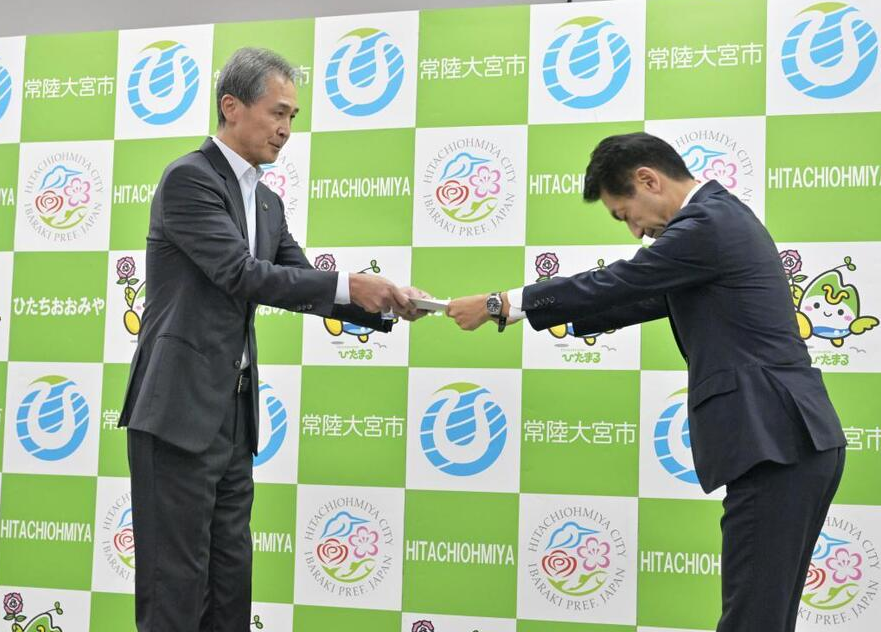
Japan Requests Hitachiomiya City in Ibaraki Prefecture to Conduct Literature Survey for High-Level Radioactive Waste Disposal Site
Japan's Ministry of Economy, Trade and Industry (METI) on August 31 requested Hitachiomiya City in Ibaraki Prefecture to conduct a literature survey, as the first step in siting a final disposal facility for high-level radioactive waste generated from nuclear power plant operations. If Hitachiomiya City agrees, it will become the fifth municipality in Japan to accept such a literature survey, and the second time the Japanese government has proactively requested a survey from a local government, following Minamitorishima in Ogasawara Village, Tokyo. On the same day, Takashi Kume, Vice Commissioner of Japan's Agency for Natural Resources and Energy, visited the Hitachiomiya City government and submitted the survey request to Mayor Sadanori Suzuki. Suzuki stated that he personally takes a positive stance toward accepting the literature survey, and noted that the city faces issues such as rapid population decline and a weak local economy, adding that if the area has favorable geological conditions, participating in the national geological disposal policy would be of "significant importance." He said he would make a decision after hearing the views of the city assembly, with the matter possibly being discussed at the regular assembly meeting as early as September.
2026-09-01
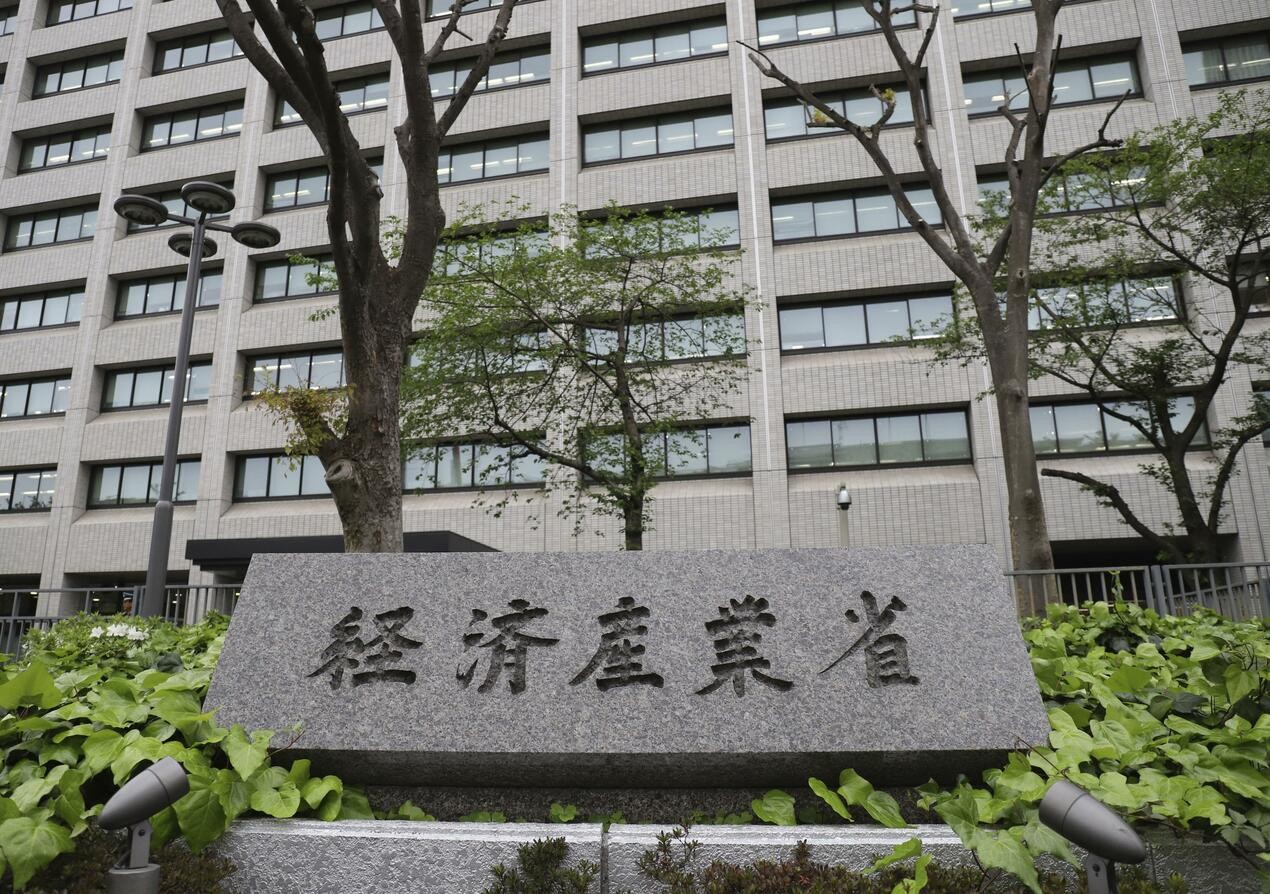
Japan Plans to Include Hitachiomiya, Ibaraki Prefecture, in Nuclear Waste Disposal Site Selection Survey
According to sources familiar with the matter on August 31, Japan's Ministry of Economy, Trade and Industry is considering conducting a preliminary survey in Hitachiomiya, Ibaraki Prefecture, to designate the city as one of the potential candidate sites for a final disposal facility for high-level radioactive waste. The relevant plan is expected to be submitted to the Hitachiomiya municipal government. If the local government accepts the plan, Hitachiomiya will become the fifth location in Japan to undergo such a preliminary survey. The site selection process for Japan's high-level radioactive waste disposal facility involves multiple stages, and the entire screening process typically takes several years. The proposed preliminary survey is an early step to determine whether the area meets the conditions for further evaluation...
2026-08-31
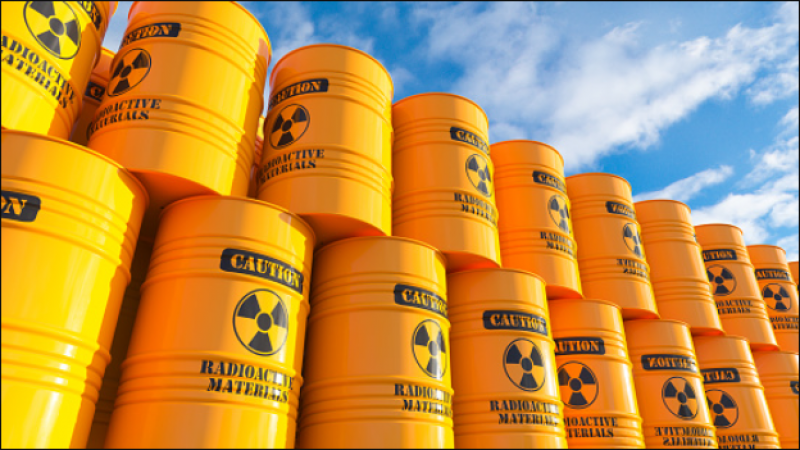
Japanese Nuclear Regulator Inspects Horonobe Geological Disposal Research Facility for High-Level Radioactive Waste
On August 28, Shinya Nagasaki and other members of Japan's Nuclear Regulation Authority (NRA) inspected an underground research facility in Horonobe Town, Japan. The facility, operated by the Japan Atomic Energy Agency (JAEA), conducts technical research on deep geological disposal of high-level radioactive waste. Geological disposal of high-level radioactive waste involves encapsulating the waste and burying it deep underground, achieving long-term isolation through engineered and natural geological barriers. During the inspection, Nagasaki and his delegation examined test facilities used to evaluate the corrosion resistance of iron containers. The tests simulate the environment of containers holding heat-generating radioactive waste after being buried underground...
2026-08-30
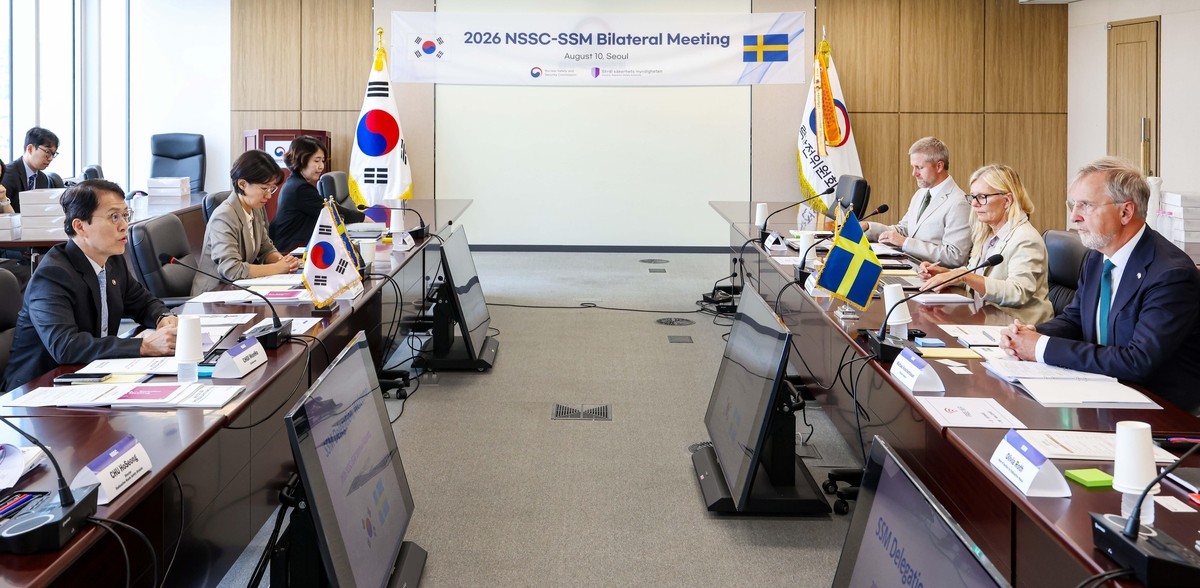
South Korea and Sweden Discuss Cooperation on High-Level Waste Disposal and SMR Regulation
The Nuclear Safety and Security Commission (NSSC) of South Korea announced on August 10 that it held a bilateral meeting with the Swedish Radiation Safety Authority (SSM) in Seoul, during which the two sides exchanged views on topics including high-level radioactive waste management, nuclear safety regulation, and the development of small modular reactors (SMRs). Sweden has accumulated strong technical expertise in the field of radioactive waste management and has developed a relatively mature technical system for high-level radioactive waste disposal. Currently, Sweden has 6 operating nuclear power units and 7 permanently shut down units, 6 of which are in the decommissioning phase. Following Finland, Sweden is constructing the world's second deep geological disposal facility for high-level radioactive waste. The NSSC of South Korea...
2026-08-10
Finland's Onkalo Repository to Be Commissioned, Experts Say 100,000-Year Safety Assessment Still Faces Uncertainties
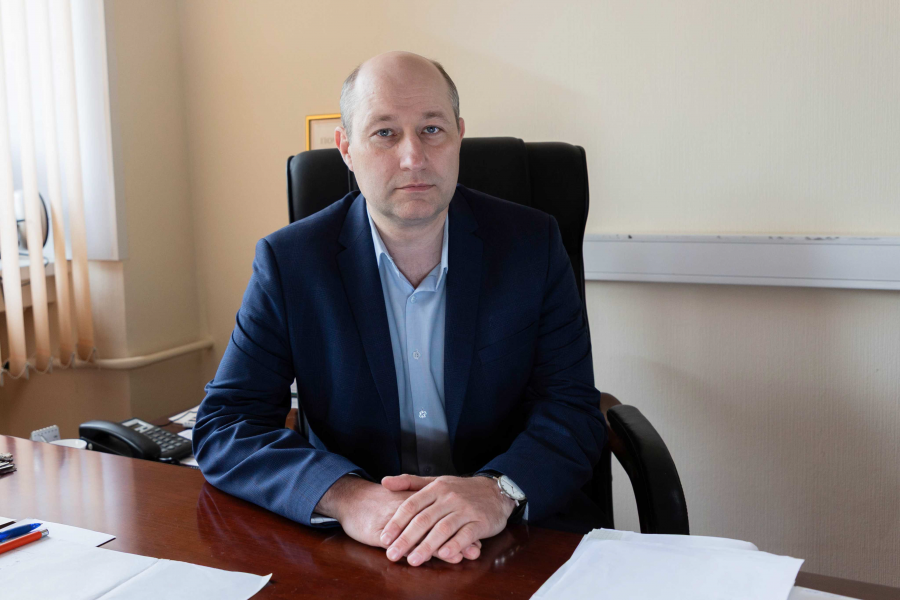
Finland's Olkiluoto is about to commission the world's first permanent deep geological repository for spent nuclear fuel — Onkalo. The facility is designed for long-term underground containment of spent fuel, with a design safety period of up to 100,000 years. There remains debate within the nuclear industry over whether such facilities can remain safe over such an immense timescale. Dmitry Pripachkin, head of the Department of Radiation Physics and Nuclear Technology Safety at the National Research Nuclear University MEPhI (Moscow Engineering Physics Institute), stated that modern science does not yet possess tools capable of reliably predicting the state of such facilities after 100,000 years. Science can study the evolution of geological formations over long historical periods, but...
2026-08-09
Newcleo Initiates U.S. Regulatory Pre-Application Engagement for MOX Fuel Facility, Accelerating Advanced Reactor Fuel Supply Chain Development
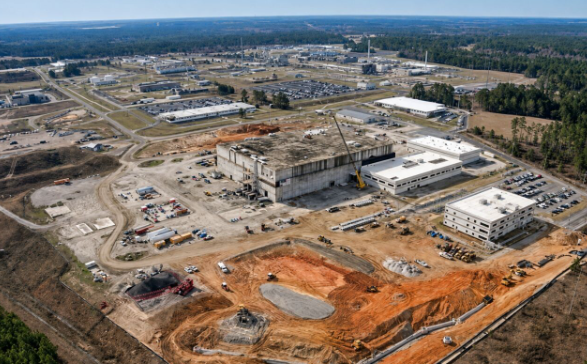
Advanced reactor and nuclear fuel company Newcleo has initiated regulatory pre-application engagement with the U.S. Nuclear Regulatory Commission (NRC) for a mixed oxide (MOX) fuel fabrication facility, with plans to advance construction at the Savannah River Site in South Carolina. This move indicates that the company is not only advancing the licensing of its advanced reactor itself but also seeking to establish supporting fuel supply capabilities in parallel, aiming to mitigate fuel bottlenecks in future commercial deployment. The submitted regulatory engagement plan represents a key step prior to formal license application, with the core objective of communicating with regulators in advance on facility design, safety standards, review scope, and key technical issues. Newcleo previously submitted its regulatory engagement plan for the LFR-AS-200 lead-cooled fast reactor to the NRC in July...
2026-08-07