
Search Results
Keyword:Isotopes
ASP Isotopes Plans Commercial Delivery of Multiple Stable Isotopes in Second Half of 2026
ASP Isotopes Inc. recently presented its expansion plans for isotope production, radiopharmaceuticals, and helium operations at Canaccord Genuity's 46th Annual Growth Conference. The company aims to begin commercial delivery of stable isotopes including silicon-28, carbon-14, and ytterbium-176 in the second half of 2026. Victor Petkov, the company's Chief Commercial Officer, stated that ASP Isotopes is leveraging its proprietary enrichment technology to serve electronics, nuclear medicine, and nuclear fuel-related markets. Currently, the company operates three production facilities in Pretoria, South Africa, primarily producing silicon-28 for semiconductor applications, as well as carbon-14 and ytterbium-176 for nuclear medicine-related uses. Regarding isotope supply...
2026-08-13
Full-Process Commissioning of Major Marine Isotope Separation Pilot Facility
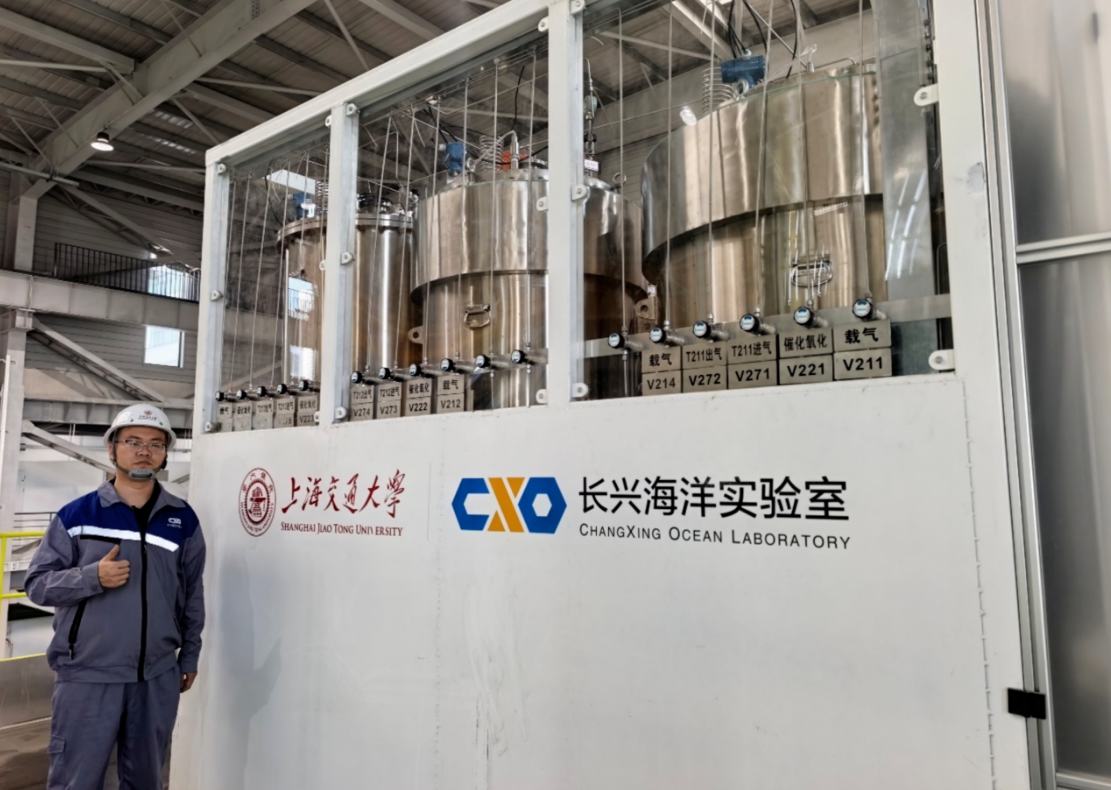
Shanghai Jiao Tong University's Changxing Ocean Laboratory is dedicated to building a quasi-industrial research platform for high-end marine equipment. The Marine Isotope Separation Applied Research Center, focusing on the industrial context of isotope production, separation, and application, and supported by the ministerial-level Isotope Separation Science and Technology Center, conducts research and development of key isotope separation technologies and engineering equipment for Generation III reactors, Generation IV reactors, and fusion reactors, establishing an innovative platform integrating R&D, testing, validation, data, and technical services. Major research facility: Recently, the construction of the hundred-ton-per-year light water hydrogen isotope separation pilot platform has achieved phased results, with the system facility undergoing full-process commissioning. The platform adopts a self-developed water distillation coupled with cryogenic hydrogen isotope separation process, achieving large-scale efficient separation and enrichment of hydrogen isotopes from light water. The platform's outcomes hold broad engineering application value in fields such as pressurized water reactor wastewater treatment, deuterium-tritium isotope separation, fusion tritium plant operation, and heavy water/heavy hydrogen production. At 18:00 on August 4, 2026, at the Marine Isotope Separation Applied Research Center of Changxing Ocean Laboratory, the hundred-ton-per-year light water hydrogen isotope separation pilot facility was commissioned through its full process! The commissioning and operation of this pilot facility was undertaken by the Marine Isotope Separation Applied Research Center, with all departments coordinating collaboratively, making meticulous arrangements, and dedicating full efforts. During the operation, the team successively overcame multiple challenges including tight schedules, heavy workloads, and persistent high temperatures. This achievement not only fully validated the stability and reliability of the process platform but also demonstrated the researchers' responsibility and commitment in rising to challenges and persevering diligently. In the next phase, the project technical team will continue to deepen process optimization based on existing achievements, focus on advancing continuous and stable facility operation, accelerate engineering application, and provide strong support for breakthroughs in key core technologies in China's hydrogen isotope separation field.
2026-08-13
Leshan Accelerates Construction of Medical Isotope Production Base to Promote Domestic Substitution of "Anti-Cancer Nuclear Drugs"
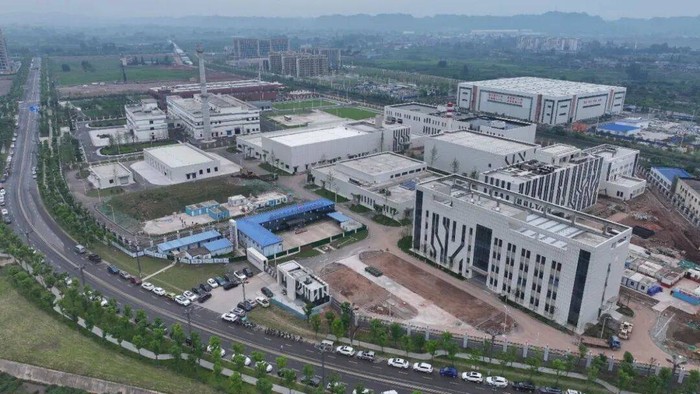
On August 11, at the Leshan special press conference of "Myriad Scenes in Sichuan · Embarking on the '15th Five-Year Plan'", Leshan Mayor Zhao Yingchun stated that Leshan is accelerating the construction of the largest and most comprehensive medical isotope production base in China. Upon completion, the project will help break the foreign monopoly and import dependence on related products, promote the domestic substitution of anti-cancer nuclear drugs, and enable more patients to access domestically produced drugs with lower prices and better efficacy. Zhao Yingchun noted that during the "14th Five-Year Plan" period, Leshan has focused on building the "China Green Silicon Valley", a world-class tourist destination, and a major regional transportation and logistics hub in the province, continuously promoting high-quality development, with its economic output surpassing 250 billion yuan...
2026-08-12
Brookhaven National Laboratory Pilots Training Program for Nuclear Technology and Radiochemistry Talent
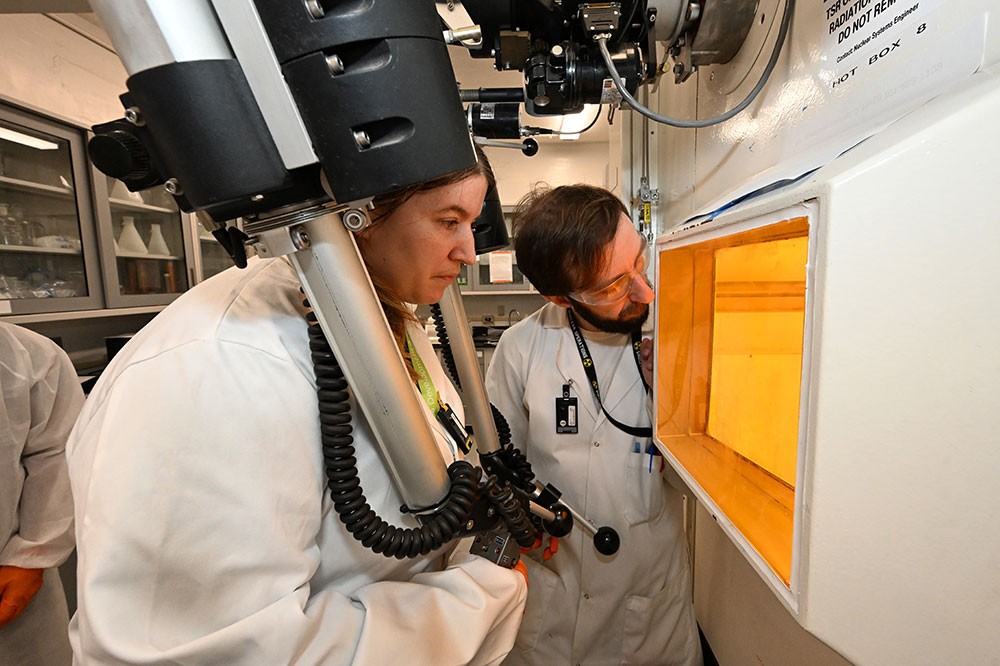
The U.S. Department of Energy's Brookhaven National Laboratory and Suffolk County Community College (SUNY Suffolk) recently completed a pilot program to train talent in nuclear technology and radiochemistry. Eleven students and recent graduates completed one semester of coursework and three weeks of intensive laboratory training, becoming the first cohort to complete the Nuclear Technology and Radiochemistry Technician Pathway (NTRTP) program. SUNY Suffolk student Arin Morton (left) works under the guidance of mentor Michael Chimes at Brookhaven National Laboratory's Isotope Research and Production Division...
2026-08-11
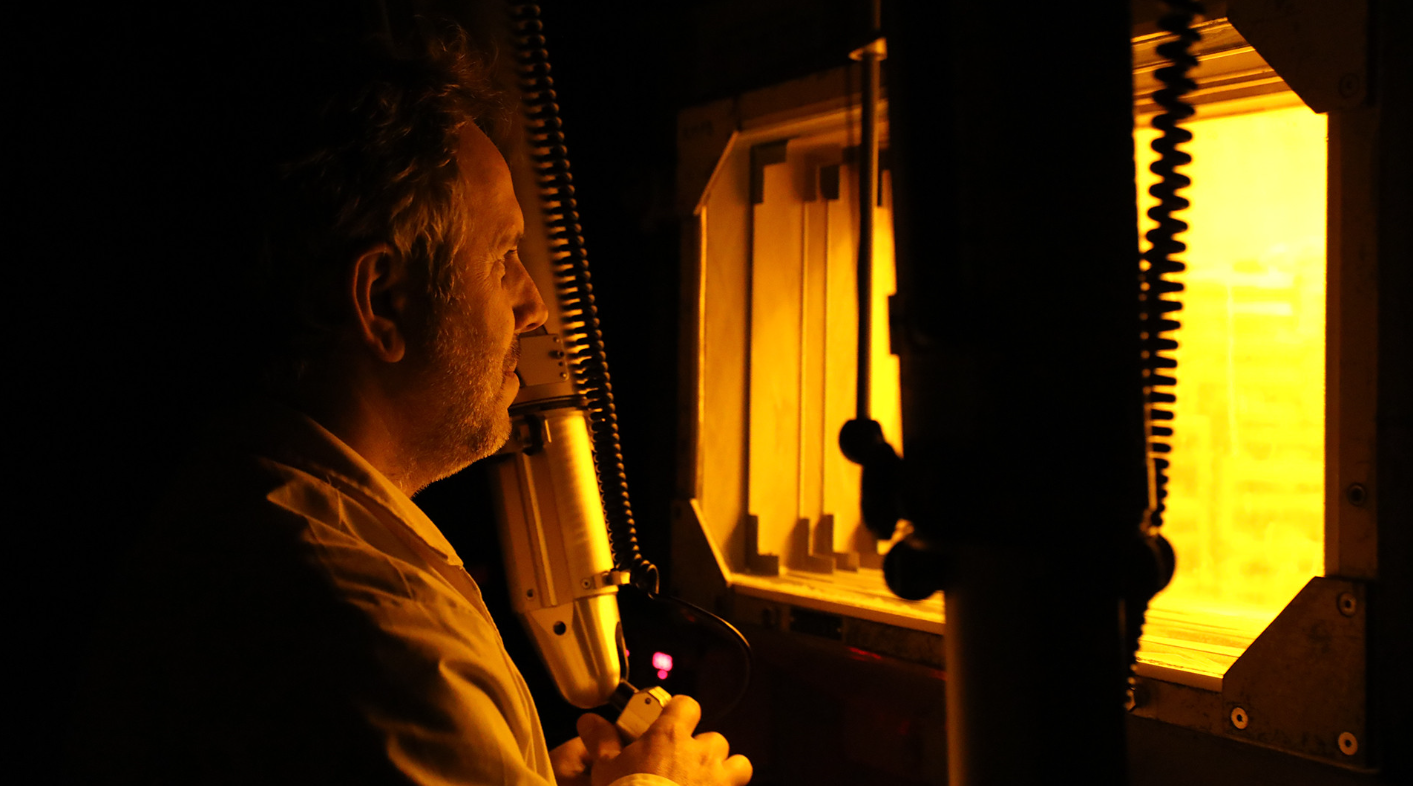
Argentine CNEA Expert Appointed Vice Chair of European Working Group on Nuclear Medicine Isotope Supply Security
The Argentine National Atomic Energy Commission (CNEA) recently announced that Daniel Sestao, an engineer and the institution's radioisotope production manager, has been appointed Vice Chair of the Supply Security Working Group of the European Association of Nuclear Medicine. CNEA, which operates under the Nuclear Affairs Secretariat of Argentina's Ministry of Economy, views this appointment as recognition of its technical capabilities in nuclear medicine and its role in international collaboration. The Supply Security Working Group is composed of international experts and focuses on the continuity and sustainability of the medical radioisotope supply chain, covering strategic isotopes such as molybdenum-99, technetium-99m, and lutetium-177. These radioisotopes are widely used in the diagnosis and treatment of tumors and complex diseases, forming a critical component of the nuclear medicine system...
2026-08-11
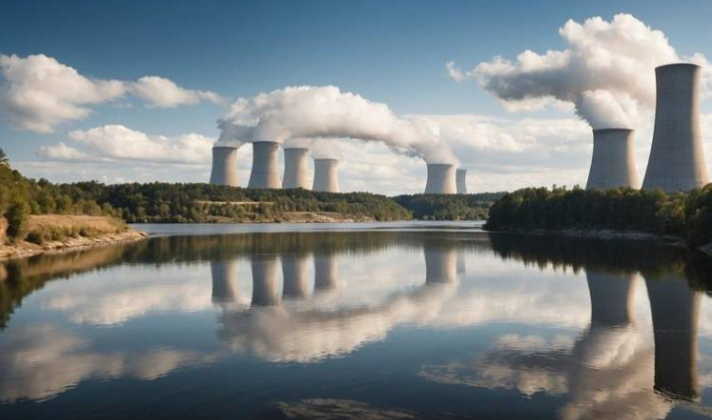
Russian Ambassador Says Willing to Transfer Civilian Nuclear Technology to Morocco, Covering Power Generation, Seawater Desalination, Nuclear Medicine, and Agriculture
New directions are emerging in Morocco-Russia economic and technical cooperation, with both sides intending to expand the scope of collaboration from traditional energy sectors to strategic industries such as civilian nuclear technology, seawater desalination, medicine, and agriculture. Russia's Ambassador to Morocco, Igor Belyaev, stated that Russia is willing to share civilian nuclear technology expertise with Morocco, a remark indicating that bilateral cooperation may extend from equipment supply and energy projects to more technology-intensive comprehensive partnerships. This development is closely linked to Morocco's current needs. In recent years, Morocco has continuously promoted the diversification of energy sources and accelerated efforts to address water scarcity, with seawater desalination having become a...
2026-08-10
228 Research Reactors Worldwide in Operation, Supporting Medical Isotope Production and Neutron Science Innovation
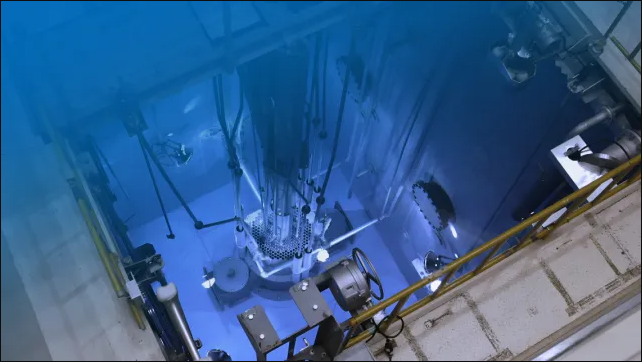
According to the International Atomic Energy Agency on August 7, research reactors continue to drive innovation in science, medicine, and industry worldwide. Currently, 228 research reactors are in operation across 54 countries, with another 23 under construction or in the planning stage. Unlike nuclear reactors used for power generation, these reactors primarily produce neutrons to support medical, industrial, agricultural, geological, forensic, and nuclear science research. A research reactor pool photographed from above. (Photo: IAEA) In the medical field, research reactors are a vital source of medical radioisotopes. Among them, technetium-99m is widely used for diagnosing cancer and diseases of the heart, brain, and bones; a large number of medical diagnostic and therapeutic procedures worldwide rely on this isotope. Other radioisotopes such as iodine-131 are also used in the treatment of cancer and thyroid diseases. The IAEA states that radioisotopes produced by research reactors serve millions of patients globally and are an essential component of modern nuclear medicine systems.
2026-08-09
FAO and IAEA: Nuclear Technologies Are Enhancing Agricultural Production and Food Security
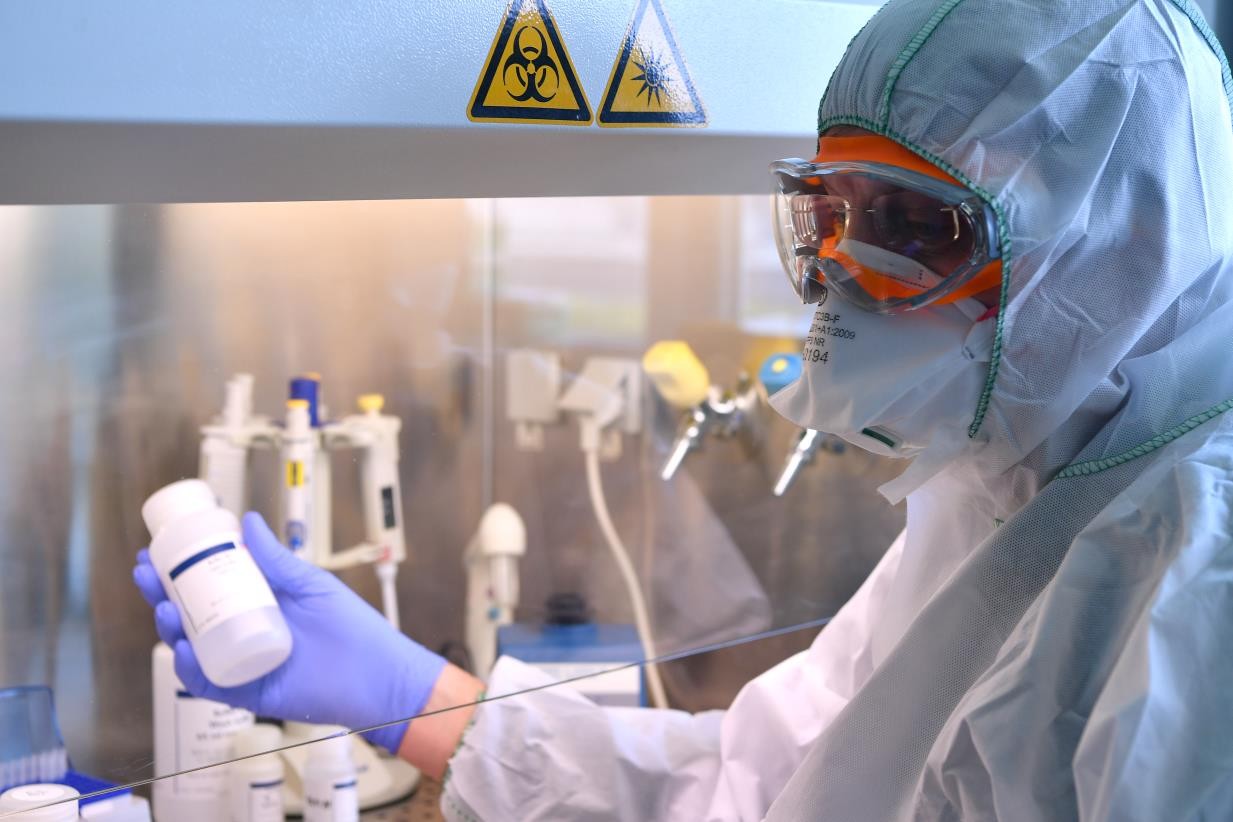
On March 30, 2021, the Food and Agriculture Organization of the United Nations and the International Atomic Energy Agency presented multiple applications of nuclear technologies in agriculture and food security. The two organizations have collaborated for over 50 years in knowledge sharing and capacity building, further strengthening their partnership through the establishment of the Joint FAO/IAEA Centre of Nuclear Techniques in Food and Agriculture. In the field of animal health, nuclear technologies are used for the detection, control, and prevention of transboundary animal diseases and zoonoses. Belize previously had to send animal disease testing samples to overseas laboratories; with support from the Joint FAO/IAEA Centre, the Belize Agricultural Health Authority established a molecular diagnostic laboratory for animal health and adopted real-time polymerase chain reaction (PCR) testing technology. This method can detect animal diseases within 24 hours, helping frontline personnel take rapid prevention and control measures. Recently, the laboratory has also been used to assist in human COVID-19 testing, reflecting the "One Health" concept that animal, human, plant, and environmental health are interconnected.
2021-03-30
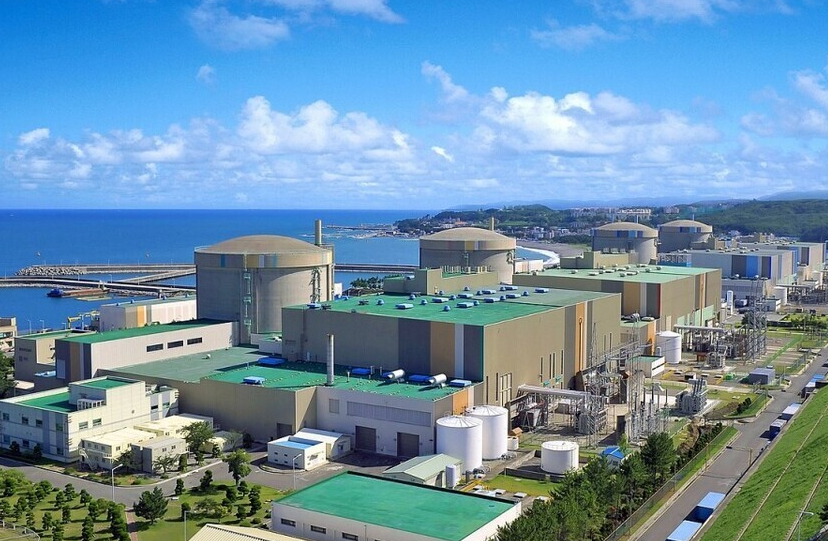
South Korea advances plan to produce medical isotopes using nuclear power plants, with lutetium-177 targeted for commercial production in 2031
South Korea is advancing plans to industrialize the production of radioisotopes using nuclear power plants, with the medical isotope lutetium-177 (Lu-177) designated as the first commercial target product. Korea Hydro & Nuclear Power stated that it plans to prioritize the commercialization of Lu-177 production, with the potential to later expand the product range to include isotopes such as cobalt-60, tritium-3, and helium-3. Lu-177 is a therapeutic radioisotope widely used in the global radiopharmaceutical market, applicable in radiopharmaceuticals for diseases such as prostate cancer and neuroendocrine tumors. Previously, South Korea relied entirely on imports for its Lu-177 supply. Due to its half-life of approximately 6.6 days, the entire process from production and transportation to drug preparation and patient administration...
2026-08-06
ASP Isotopes PET Lab Revenue Grows Over 50% in First Half of Year, Isotope Enrichment Facilities Advance Toward Commercial Production
ASP Isotopes Inc. recently released a letter to shareholders outlining operational progress across its business segments ahead of the company's second-quarter 2026 financial results announcement. The company stated that its PET lab segment achieved organic revenue growth of more than 50% in the first half of 2026 compared to the same period in 2025. Based on current expectations, the segment's full-year 2026 revenue is projected to be approximately $14 million, up from $6 million in 2025. PET-related operations are typically closely associated with radiopharmaceutical preparation, molecular imaging, and nuclear medicine diagnostic applications. On the isotope front, ASP Isotopes stated that its silicon-28 and ytterbium-176 enrichment facilities have entered the final stage before commercial production, with first deliveries expected in the second half of 2026...
2026-08-05

BWXT to Sell Medical Business to Nordic Capital for Up to $800 Million
On August 3, BWX Technologies, Inc. announced that it has reached a definitive agreement to sell its medical business to healthcare investment company Nordic Capital. The transaction is valued at up to $800 million and includes BWXT Medical and the stable medical isotope business of Kinectrics. BWXT stated that the divestiture will help the company concentrate resources and capital to drive growth in its core nuclear national security business and commercial nuclear power market operations. The company believes these areas are its long-term strategic priorities. Under Nordic Capital's ownership, the medical business is expected to further expand its scale, enhance capabilities, and strengthen its position in the radiopharmaceutical field...
2026-08-04
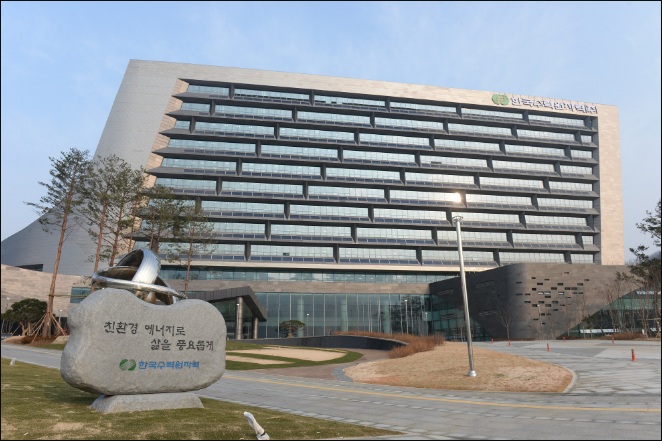
South Korea Plans to Establish Radioisotope Commercialization Company, Targeting Trial Production in 2028
According to sources inside and outside the South Korean government on July 31, Korea Hydro & Nuclear Power (KHNP) and relevant departments including the Ministry of Economy and Finance plan to discuss the establishment of a special purpose company (SPC) for radioisotope commercialization. The company is proposed to be set up as a subsidiary of KHNP, with domestic private enterprises, including pharmaceutical companies, expected to participate in investment. Under the current plan, the South Korean government will determine the specific investment structure and business plan through inter-departmental consultations this year, and strive to complete the company's establishment by 2027. Subsequently, the relevant parties will push forward facility construction to produce radioisotopes using nuclear power plants, with the goal of commencing trial production in 2028. Radioisot...
2026-08-01

U.S. Research Team Tracks Main Drivers of Global Methane Rise Using Stable Isotope Analysis
A research team from the U.S. National Oceanic and Atmospheric Administration Global Monitoring Laboratory and the University of Colorado has recently traced the sources of the rapid rise in global atmospheric methane since 2007 through high-precision methane concentration measurements and carbon and hydrogen stable isotope analysis. The findings show that over the past two decades, microbial emissions have been the primary factor driving the increase in methane concentrations, while fossil fuel-related methane emissions may have remained relatively stable overall. A methane molecule consists of one carbon atom and four hydrogen atoms, and methane from different sources differs in its carbon and hydrogen isotope composition. Researchers used this chemical fingerprint to distinguish methane sources: fossil fuel methane such as natural gas typically contains a relatively higher proportion of carbon-13, while methane produced by microbial processes in wetlands, landfills, livestock, and agricultural environments has a lower carbon-13 proportion, exhibiting a "lighter" isotopic signature. The proportion of deuterium in hydrogen isotopes also varies with the way methane is formed, providing a further basis for source identification.
2026-07-31
TerraPower Isotopes to Donate Actinium-225 via Oncidium Foundation to Support Cancer Treatment Accessibility
TerraPower Isotopes (TPI), a subsidiary of U.S. nuclear innovation company TerraPower, announced on July 29 that it will coordinate the donation of the rare medical isotope actinium-225 (Ac-225) through the Oncidium Foundation to support economically disadvantaged cancer patients in accessing targeted radionuclide therapy. The Oncidium Foundation is a non-profit organization dedicated to promoting global access to targeted radionuclide cancer treatments. Its RLT-Connect program aims to help financially challenged patients access relevant therapies, reducing treatment disparities caused by geographic and economic conditions. This donation also marks TPI's entry into Oncidium's collaborative ecosystem of radioisotope suppliers, medical practitioners...
2026-07-30
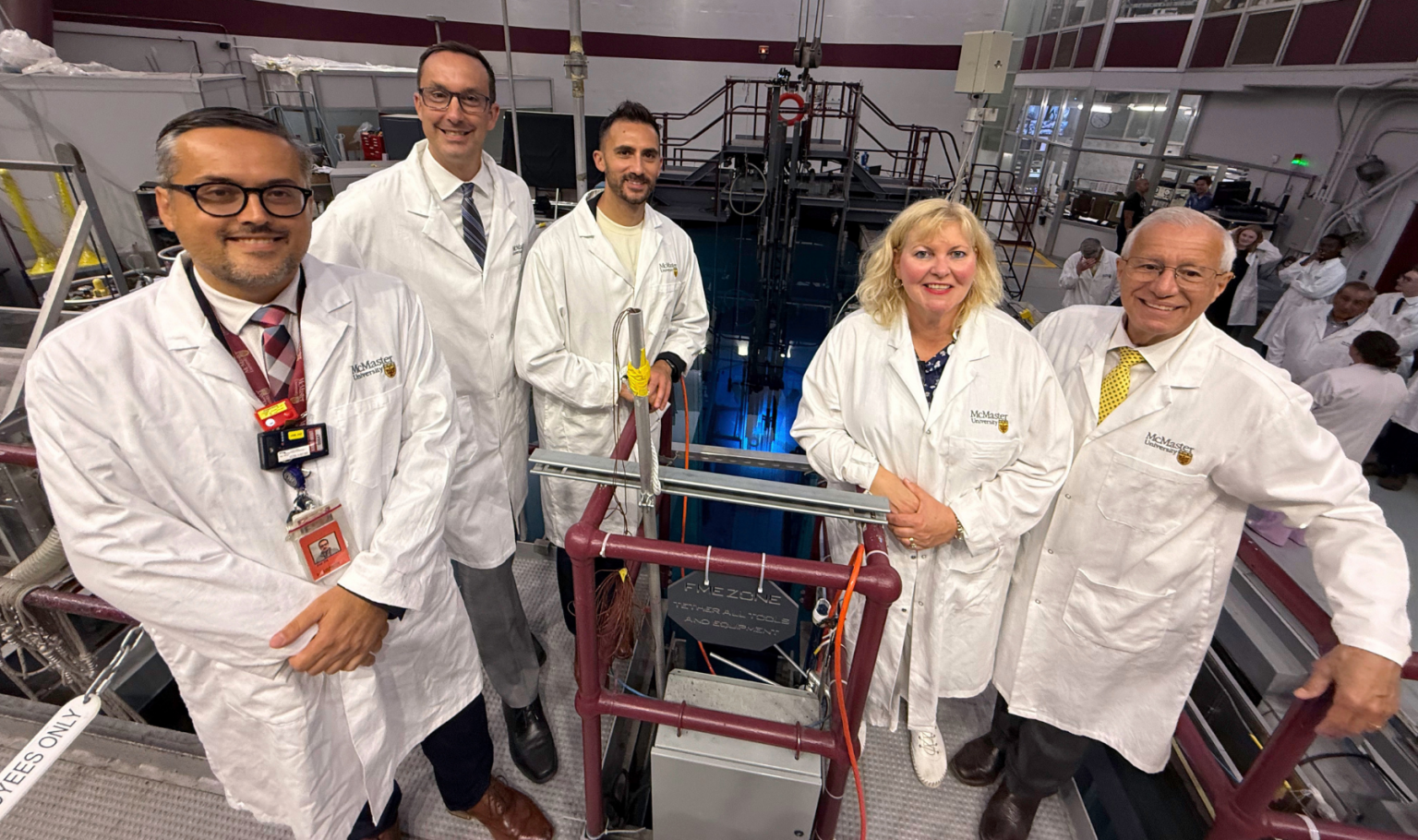
Ontario Invests Additional $4.6 Million in McMaster Nuclear Reactor to Expand Medical Isotope Production Capacity
The Government of Ontario, Canada, recently announced an additional investment of $4.6 million in the McMaster Nuclear Reactor to expand the production capacity of life-saving medical isotopes, supporting more cancer patients in accessing the critical radioisotopes needed for diagnosis and treatment. From left to right: Josip Zikic, Chief Nuclear Officer at McMaster University; Nolan Quinn, Minister of Colleges and Universities, Research Excellence and Security; Stephen Lecce, Minister of Energy and Mining; Susan Tighe, President and Vice-Chancellor of McMaster University; and Victor Fedeli, Minister of Economic Development, Job Creation and Trade. (Georgia Kirkos/McMaster University) This investment builds on a previous $18 million...
2026-07-30