
Search Results
Keyword:KIT
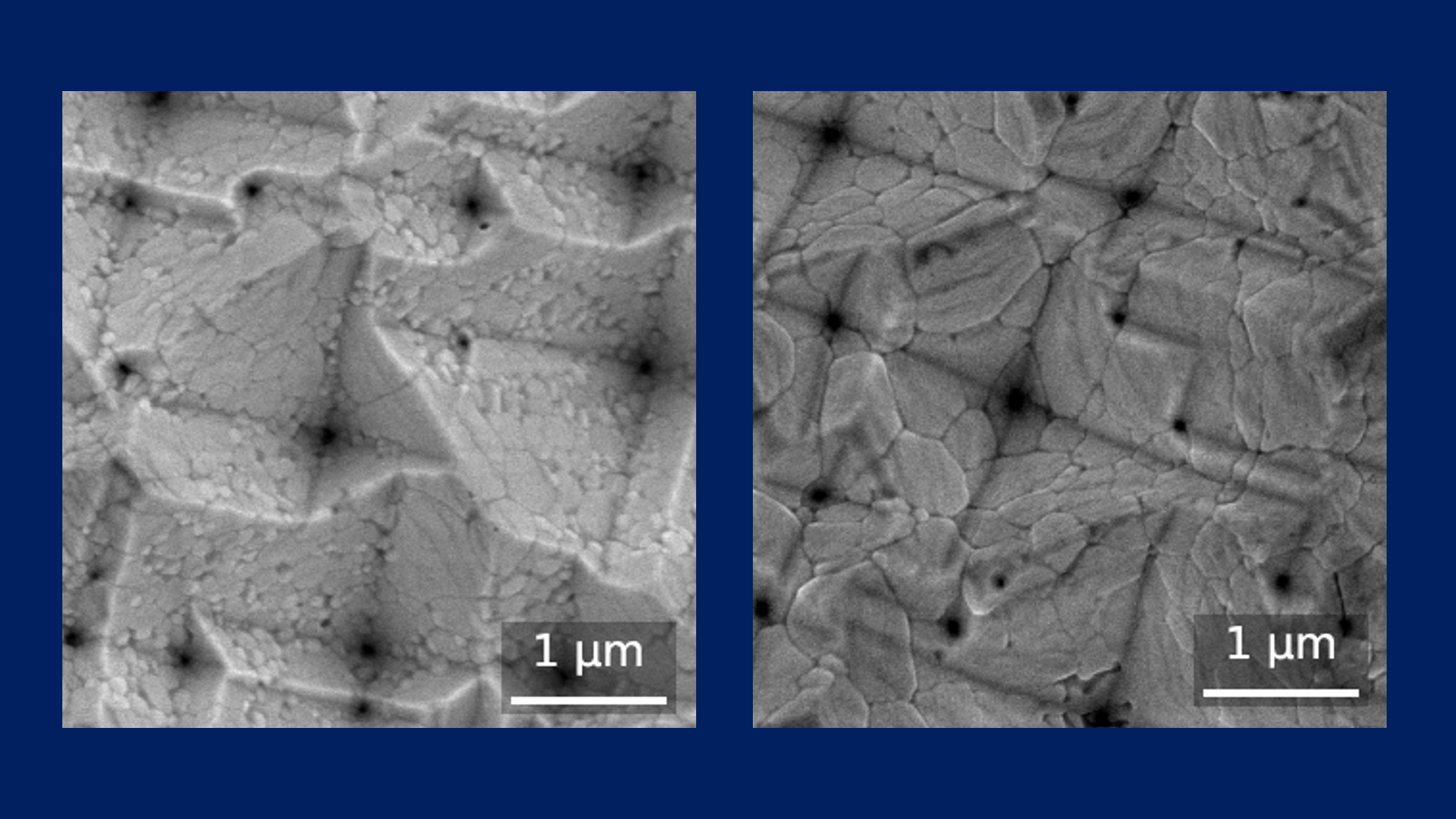
German BESSY II Research Reveals: Cesium Chloride Seed Layer Can Improve Quality of Perovskite-Silicon Tandem Solar Cells
A team from the Helmholtz-Zentrum Berlin (HZB) in Germany used the BESSY II synchrotron radiation facility to conduct nanoscale analysis of perovskite-silicon tandem solar cells fabricated by evaporation methods, and proposed a new approach to improve the quality of perovskite thin films. The study shows that introducing a thin cesium chloride (CsCl) seed layer between the two sub-cells promotes uniform growth of the perovskite layer while reducing undesirable lead iodide deposition at the interface. The research demonstrates that the cesium chloride seed layer improves the growth of the evaporated perovskite layer and reduces the formation of lead iodide. Scanning electron microscopy images show that the perovskite layer grown without a seed layer (left image) consists of extremely fine crystallites...
2026-08-27

U.S. Navy Decommissions Nuclear Submarine USS San Juan; Kittery Shipyard in Maine Helped Extend Its Service Life
The U.S. Navy recently held a decommissioning ceremony for the USS San Juan, as the Los Angeles-class fast attack nuclear submarine officially departed the fleet at Naval Base Kitsap in Washington State after nearly four decades of service. Named after the capital of Puerto Rico, a U.S. territory, the San Juan was commissioned on August 6, 1988, and its decommissioning coinciding with its commissioning anniversary carries notable symbolic significance. The San Juan had an important connection with Portsmouth Naval Shipyard in Kittery, Maine. Approximately 15 years ago, the submarine entered the shipyard for a major engineering overhaul, completing critical overhaul work between 2010 and 2012. Photographs released by the U.S. Navy in 2011 showed shipyard workers completing the submarine's undocking one day ahead of schedule, reflecting the maintenance progress and shipyard support capabilities at the time.
2026-08-10

UK Office for Nuclear Regulation contributes to IAEA regulatory cooperation toolkit for advanced reactors
The International Atomic Energy Agency (IAEA) recently published the Nuclear Harmonization and Standardization Initiative (NHSI) Regulatory Cooperation Toolkit. The UK Office for Nuclear Regulation (ONR) played a significant role in the development of this toolkit, which is designed to support cooperation among national nuclear regulators in the review of advanced reactor technologies. The toolkit is one of the key outputs of Phase 2 of the NHSI (2025–2026), developed jointly by multiple regulators participating in the NHSI Regulatory Track and the Small Modular Reactor (SMR) Regulators' Forum. The toolkit provides practical guidance, templates, and methodologies to help regulators conduct collaborative reviews, leverage existing regulatory assessment outcomes, and address...
2026-08-05
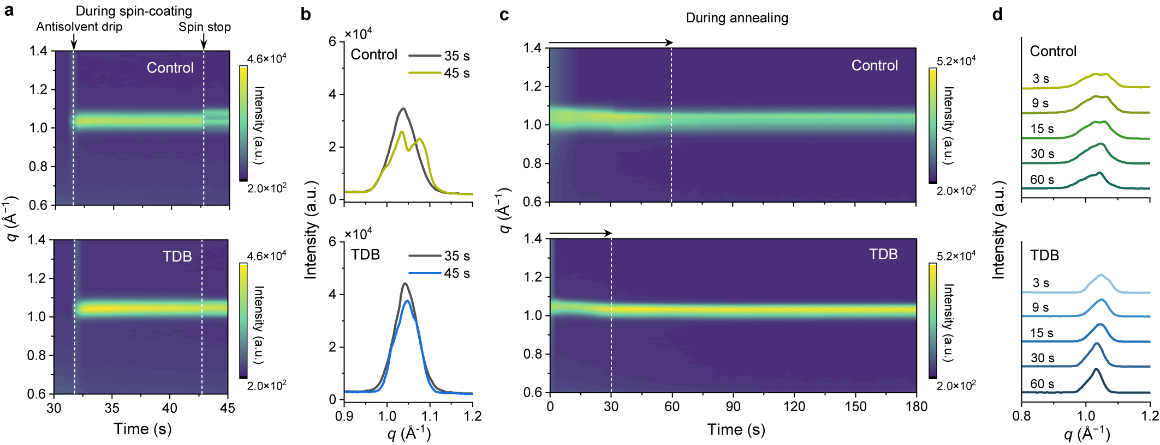
n situ GIWAXS characterization using synchrotron radiation helps overcome challenges in wide-bandgap perovskites
Wide bandgap perovskites are key light-absorbing materials for preparing high-efficiency perovskite/organic tandem solar cells. To achieve spectral matching with the narrow bandgap organic rear cell, a higher proportion of bromine is usually introduced into the perovskite composition. However, due to the different crystallization rates of iodine and bromine components during film formation, the ph...
2026-07-30
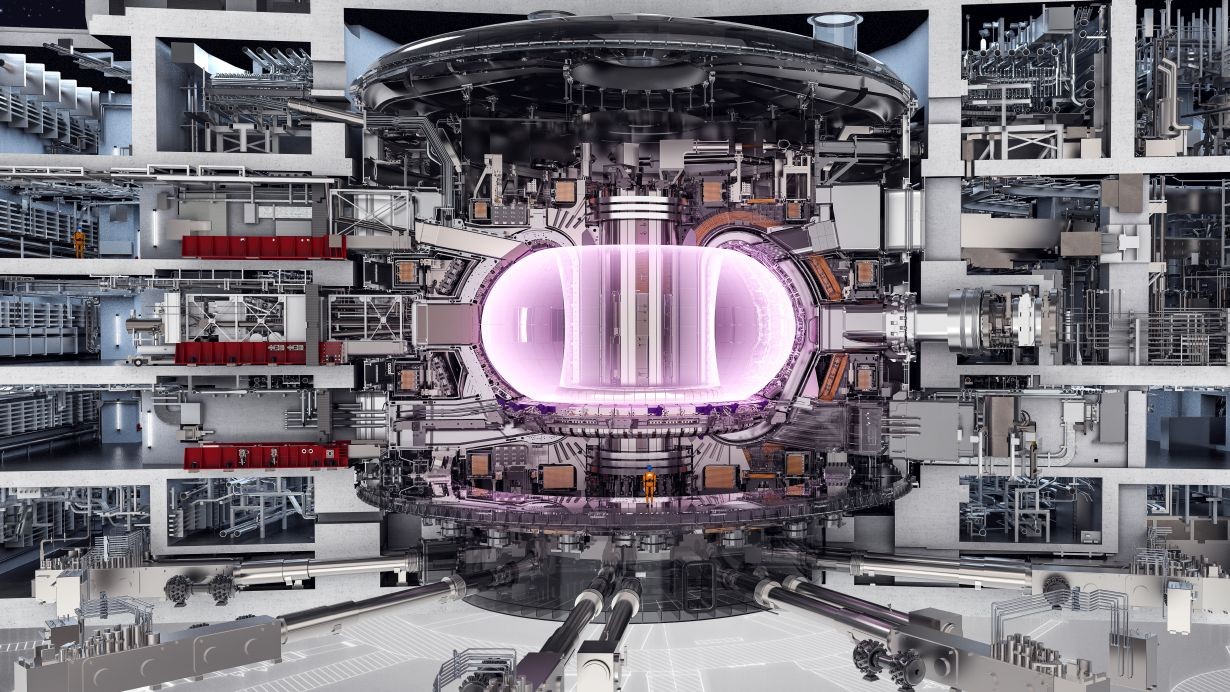
Germany to Establish Fusion Technology Research Center at Karlsruhe Institute of Technology
The German federal government is advancing the layout for the country's first fusion reactor. According to a decision announced on July 29, 2026, by the German Federal Ministry of Research, Technology and Space (BMFTR), one of three newly established fusion research centers will be located at the Karlsruhe Institute of Technology (KIT), focusing on fuel cycles, new materials, and engineering technology research for fusion power plants. In line with Germany's Fusion Action Plan, the new research centers will integrate the efforts of scientific institutions and industry to concentrate on solving key technical challenges before the application of fusion energy. The center at KIT will leverage the institute's expertise in fusion fuel cycles, high-performance materials, and core reactor components to advance related achievements...
2026-07-30