
Search Results
Keyword:Korea Atomic Energy Research Institute
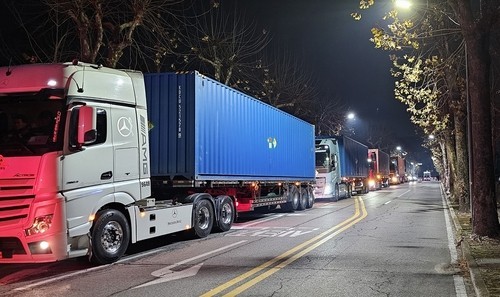
Daejeon, South Korea Ranks Second Nationwide in Low- and Intermediate-Level Radioactive Waste Storage, Spent Fuel Transfer Plan Still Not Implemented
According to data released on September 12 by South Korea's Integrated Radioactive Waste Safety Management Information System, two nuclear-related facilities in Daejeon——the Korea Atomic Energy Research Institute and Korea Hydro & Nuclear Power's Nuclear Fuel Company——currently store a total of 29,587 drums of low- and intermediate-level radioactive waste, with each drum having a capacity of 200 liters. This storage volume ranks second in South Korea, surpassed only by the Gori Nuclear Power Plant's 40,087 drums. Transportation of low- and intermediate-level radioactive waste Daejeon provides The low- and intermediate-level radioactive waste stored by the Korea Atomic Energy Research Institute mainly comes from the operation of the Hanaro research reactor, as well as waste generated during the decommissioning of an experimental reactor in Seoul in the mid-2000s. Nuclear-related facilities in Daejeon...
2026-09-13
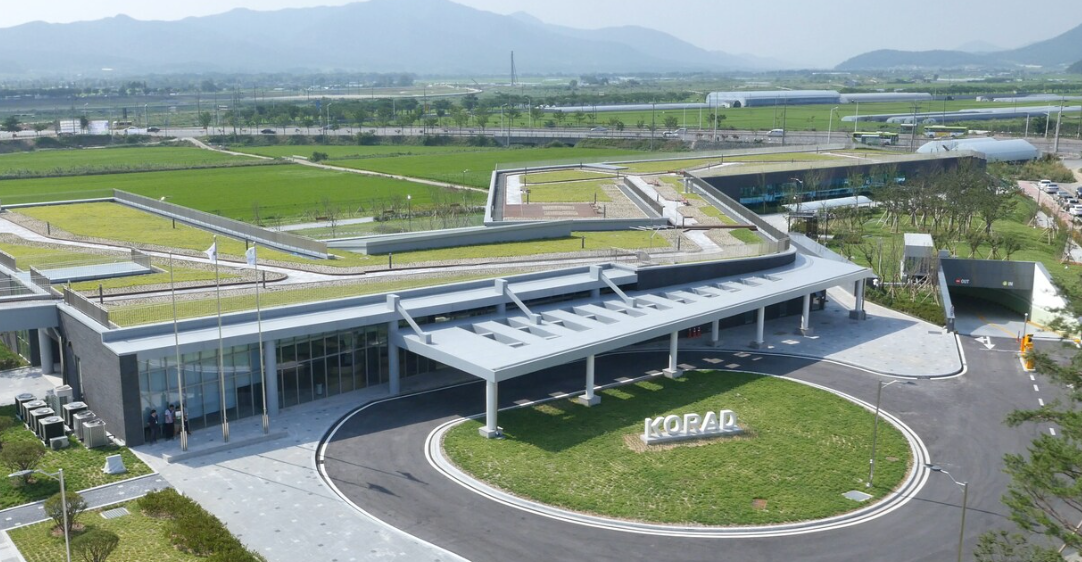
A batch of radioactive waste from the Korea Atomic Energy Research Institute deemed unsuitable for disposal due to documentation discrepancies
According to disclosures by relevant parties on August 5, a batch of radioactive waste shipped last year by the Korea Atomic Energy Research Institute (KAERI) to the low- and intermediate-level radioactive waste disposal facility (RWDF) in Gyeongju, North Gyeongsang Province, was deemed unsuitable for batch disposal due to inconsistencies between the declared documentation and actual contents. The Korea Radioactive Waste Agency (KORAD) conducted inspections after receiving the waste. KAERI shipped a total of 694 drums of radioactive waste to the disposal facility last year, of which 69 drums were inspected, and 32 were found to be non-compliant. The primary reason for non-compliance was discrepancies between the contents of the documents submitted by the institute and the actual inspection results after receipt. As a result, this batch of waste from the Korea Atomic Energy Research Institute...
2026-08-06
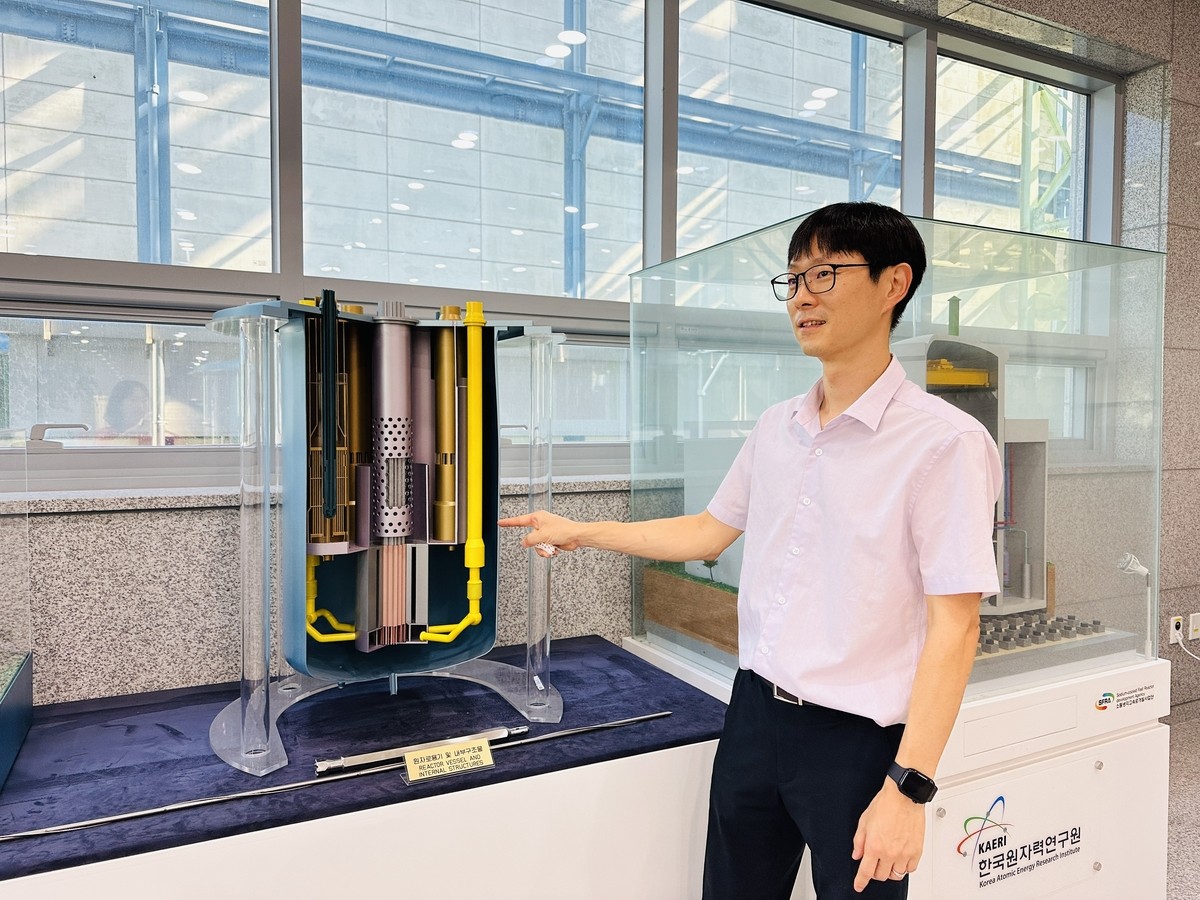
South Korea launches design of 250 MWe sodium-cooled fast reactor Helios
The Korea Atomic Energy Research Institute (KAERI), in collaboration with Hyundai Engineering & Construction and KEPCO E&C, has initiated the design of the next-generation sodium-cooled fast reactor Helios. The reactor is planned to have an electrical output of 250 MWe, based on the existing 100 MWe-class sodium-cooled fast reactor Salus-100 design, targeting large-scale power consumption applications such as AI data centers and industrial parks. Lee Je-hwan, head of the Fourth Generation Reactor Technology Development Department at KAERI, stated that future demand for large-scale carbon-free electricity around AI data centers and industrial parks...
2026-07-30
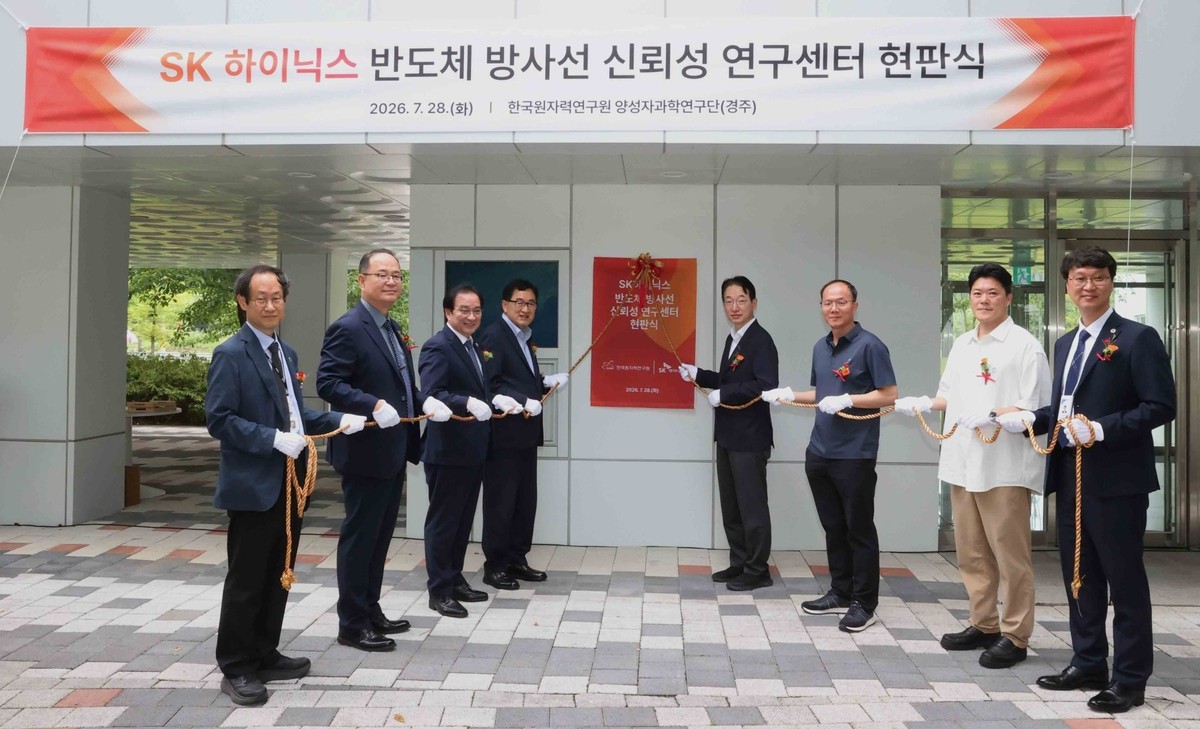
Korea Atomic Energy Research Institute and SK Hynix to Jointly Use Proton Accelerator and Other Facilities for Semiconductor Radiation Reliability Research
The Korea Atomic Energy Research Institute announced on July 29 that its Proton Science Research Group has signed a mutual cooperation agreement with SK Hynix to jointly utilize research facilities such as the proton accelerator to advance research on semiconductor radiation reliability. According to the agreement, the two parties will conduct joint research on proton beams and neutron beams generated by the proton accelerator and the HANARO research reactor, and explore methods to simulate real atmospheric and cosmic radiation environments using high-energy proton beams, gamma-ray beams, and neutron beams for radiation impact assessment of semiconductors and other products. In outer space and high-altitude aircraft flight environments, the shielding effect of the atmosphere and magnetic field against cosmic radiation is relatively weakened. After being exposed to cosmic radiation, semiconductors may experience malfunctions or damage. Therefore, semiconductors used in mobile devices such as automobiles and satellites need to have their radiation resistance verified before being put into use.
2026-07-29