
Search Results
Keyword:NPP
Uzbekistan Prepares for Second Nuclear Power Plant Project
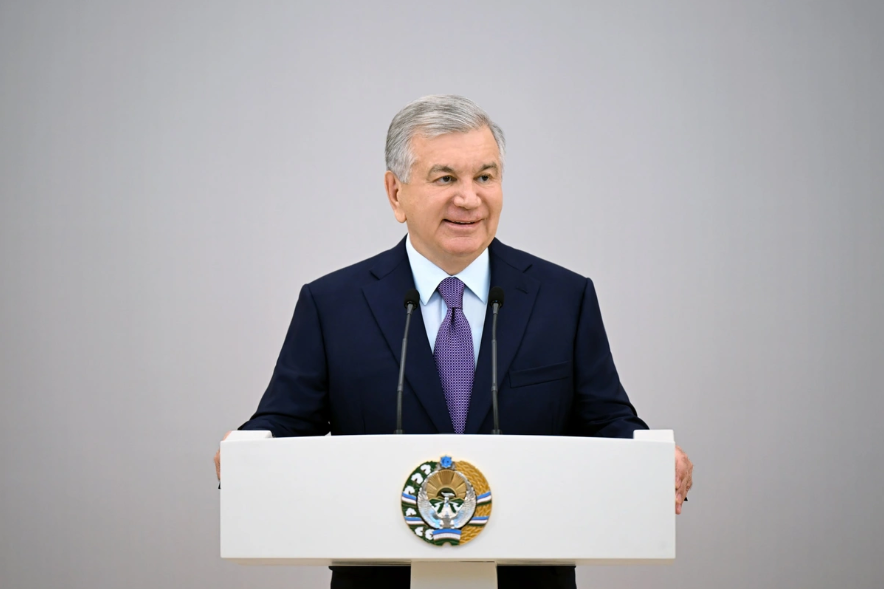
Uzbek President Shavkat Mirziyoyev said on August 17 at a ceremony launching investment projects in the Khorezm region that Uzbekistan is carrying out large-scale preparatory work for the construction of a second nuclear power plant. This marks the first time the country has publicly mentioned the second NPP project. Mirziyoyev said Uzbekistan has advanced a number of energy and infrastructure projects in recent years, with the nuclear power plant under construction in the Jizzakh region being one of them. He noted that the second NPP is still in the preparation stage, with the project site, installed capacity, construction timeline, and potential contractors yet to be announced. At the same event, U...
2026-08-21
Organizational Diagnostic Assessment Completed at Russia's Smolensk Nuclear Power Plant
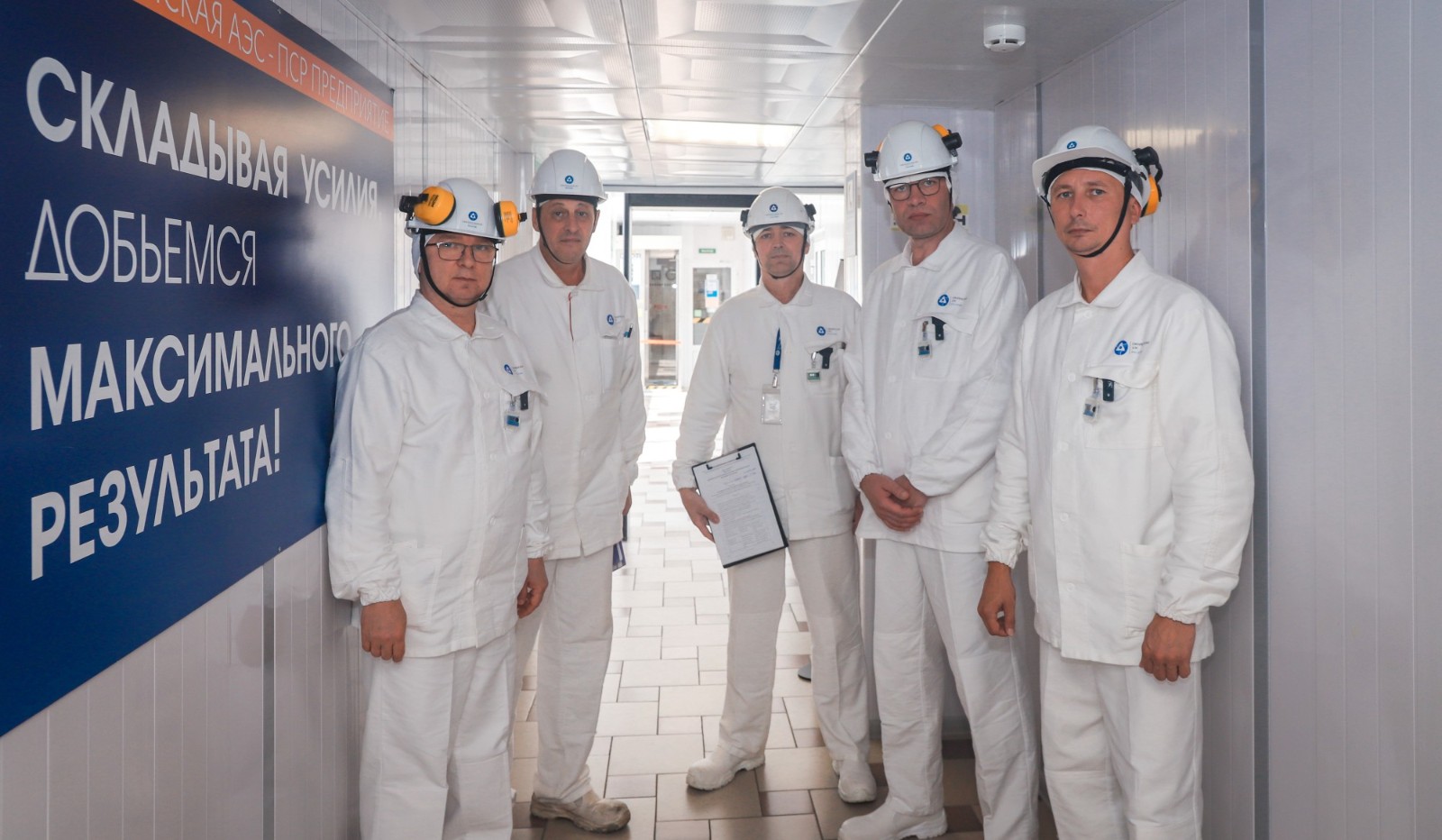
Russia's Smolensk Nuclear Power Plant has recently completed an organizational diagnostic assessment under a support mission of the WANO Moscow Centre. The assessment was carried out by a team of eight experts from the WANO Moscow Centre, Rosenergoatom, Beloyarsk Nuclear Power Plant, and Atomflot, among other organizations. Organizational diagnostics is a type of assessment that WANO has been conducting in recent years, focusing not on a single topic but on a comprehensive review of the plant from the organizational and operational perspective. The assessment covered areas including employee...
2026-08-21
Bulgaria's Kozloduy NPP Reduces Power Output Due to Falling Danube River Levels
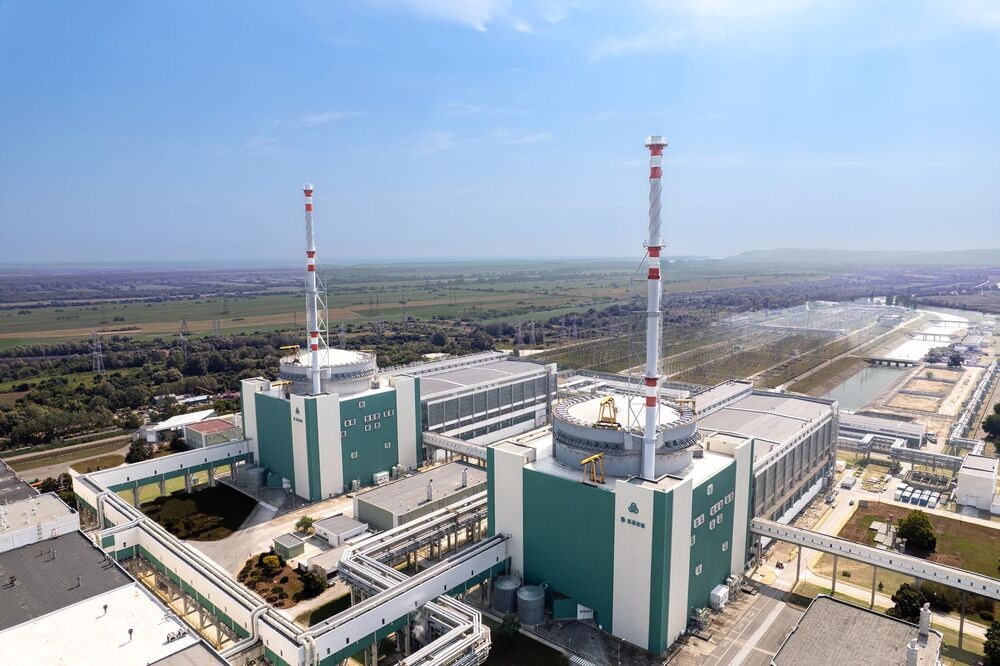
Bulgaria's Ministry of Energy stated that due to the sustained decline in the Danube River water level, Unit 5 of the Kozloduy NPP will reduce its power output by 120 megawatts starting August 21 to mitigate potential operational risks. The Ministry said in a statement that reducing reactor power is one of the measures to ensure the safe operation of the Kozloduy NPP, citing a sustained, abnormal, and rapid decline in the Danube River water level. The Danube River water level within Bulgaria is currently still on a downward trend. It is noted that this is the first time in the 52 years since the Kozloduy NPP was commissioned that its generating capacity has been reduced for such reasons. The plant uses Danube River water to cool the steam in the condensers of the conventional island, with water intake completed by dedicated pump stations located on the riverbank.
2026-08-21
West Engineering Delivers 30 Relay Protection and Automation Cabinets for Unit 2 of Akkuyu NPP
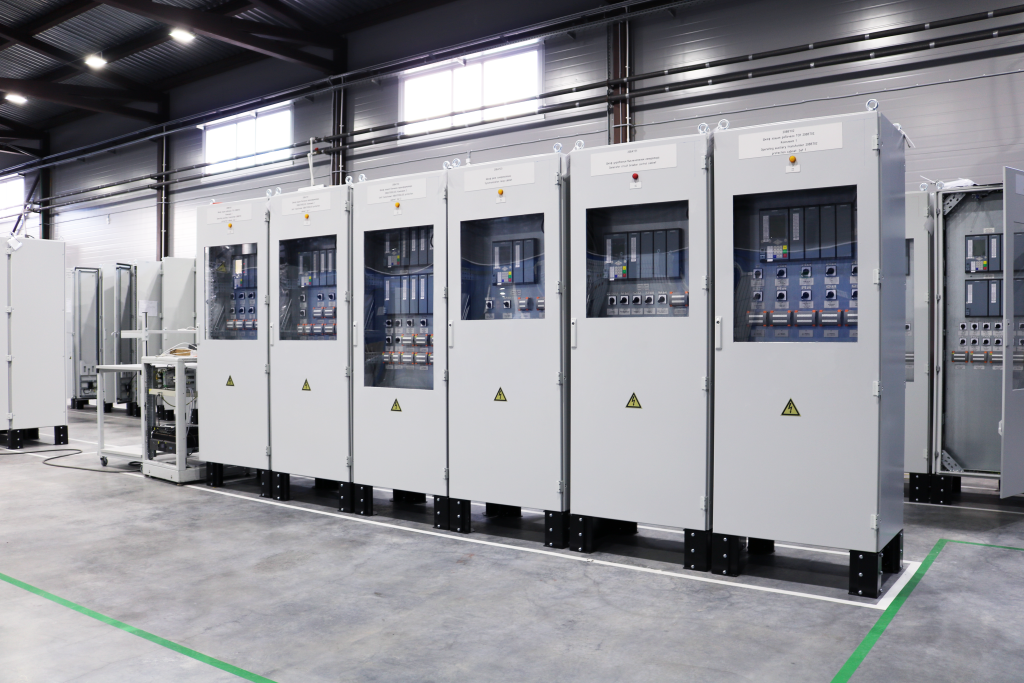
West Engineering has completed the next stage of equipment delivery for Unit 2 of the Akkuyu Nuclear Power Plant in Türkiye, shipping 30 relay protection and automation cabinets to the project site. The equipment will be used for the protection, monitoring, and control of critical electrical components of the power unit. The delivered equipment includes AZ-PZ cabinets for generating analog and discrete information, power supply unit protection device cabinets, power unit measurement device cabinets, synchronizing relay cabinets, generator switch control cabinets, electrical process recording cabinets, and control current distribution cabinets, among others. According to reports, this batch of nuclear facility equipment has been designed with high safety margins and fault tolerance in mind. The supplied relay protection and automation systems comply with relevant international standards, with a safety class of 3H/N, meeting the NP-001-15 standard; the quality assurance category is QA3, and the equipment has undergone multi-stage quality control from material and component selection to acceptance testing.
2026-08-20
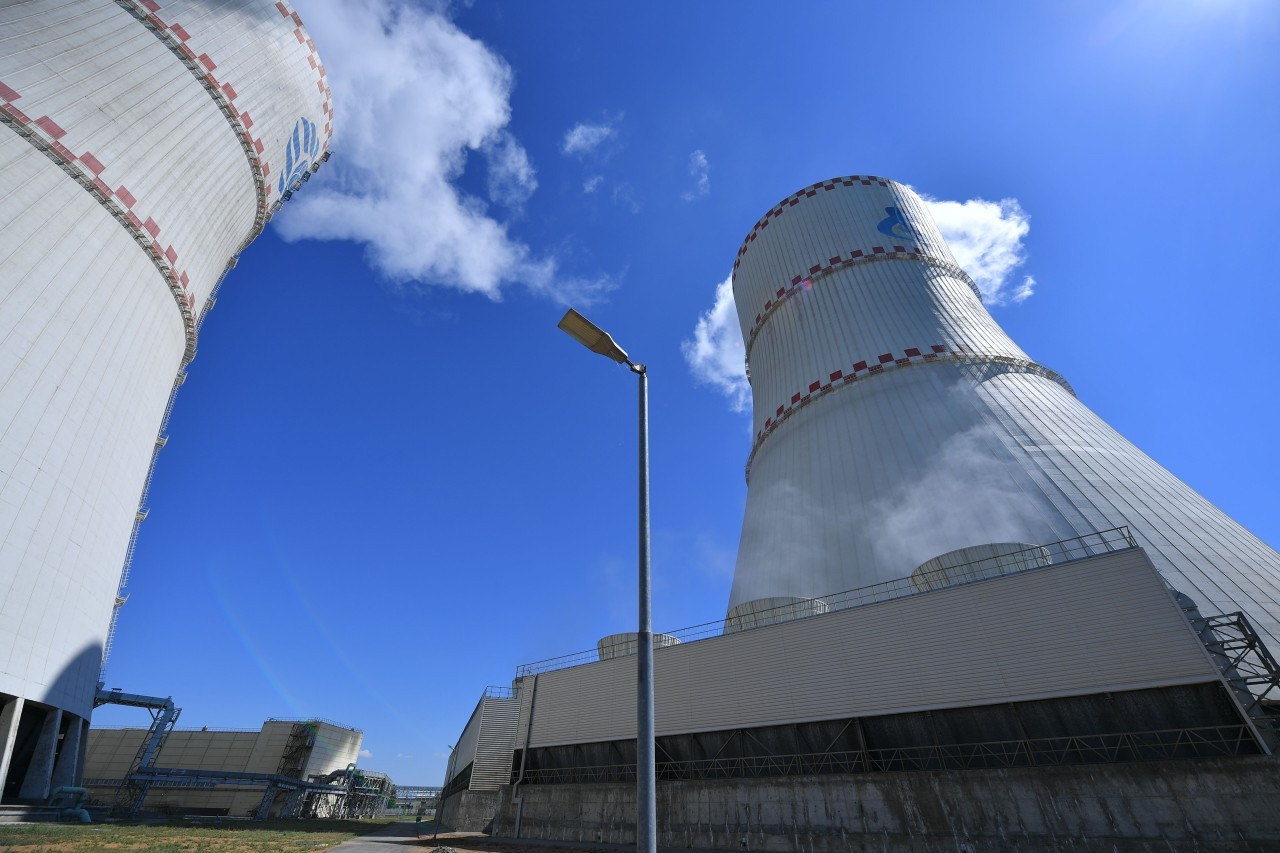
Installation of Cooling Tower Basins Completed at Rostov NPP Unit 4
The mechanical draft cooling tower project at Unit 4 of Russia's Rostov Nuclear Power Plant has recently completed the installation of all four basins, bringing the overall civil and installation readiness of the project to 80%. The facility will provide supplementary cooling capacity for Unit 4 during summer high temperatures and peak electricity demand in southern Russia. Rostov NPP is part of Rosenergoatom, the operator of Russian nuclear power plants, which is a member of the electric power division of Rosatom, Russia's state atomic energy corporation. Under the project plan, the new mechanical draft cooling tower will operate in conjunction with the existing natural draft evaporative cooling towers to enhance the unit's operational stability under high-temperature conditions. Rostov NPP's capital construction...
2026-08-20
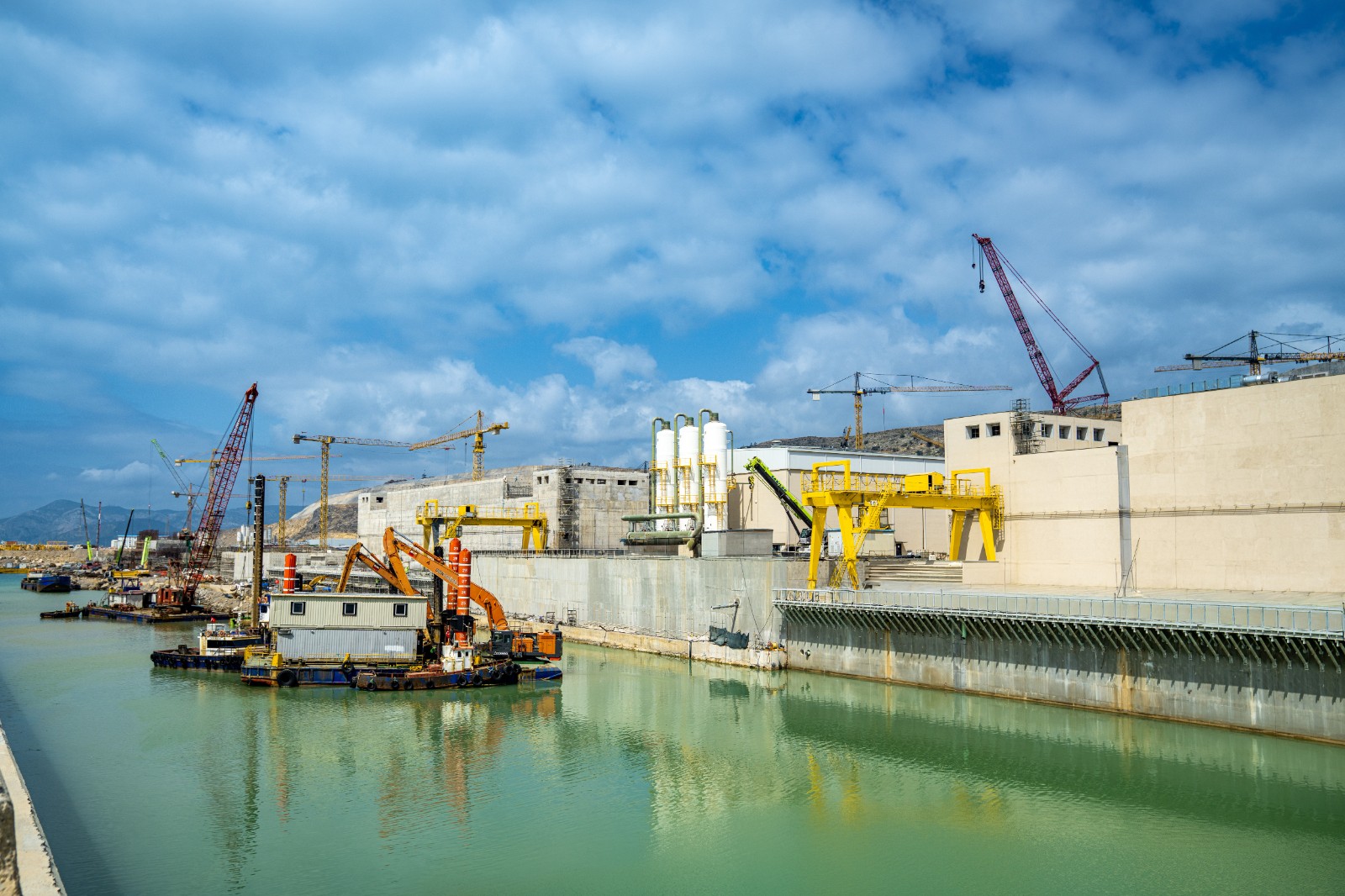
Akkuyu NPP Unit 2 Completes Installation of Four Main Pump Sets
The four main pump sets of the technical water supply system at the onshore pumping station of Unit 2 at Turkey's Akkuyu Nuclear Power Plant have been installed. Specialists from TITAN-2 Holding completed the installation, marking new progress in the construction of the turbine island cooling system for this unit. These large centrifugal pumps will be used to deliver seawater to the condenser cooling system of the turbine units. Once the unit is in operation, the continuous and stable operation of the pump sets will directly affect the cooling efficiency of the turbine hall equipment and influence the operational stability of the turbine units. According to reports, these pump sets are among the larger pump equipment at the nuclear power plant, with each pump standing as tall as a five-story building. The equipment is arranged in a tiered layout, with the pump bodies...
2026-08-19
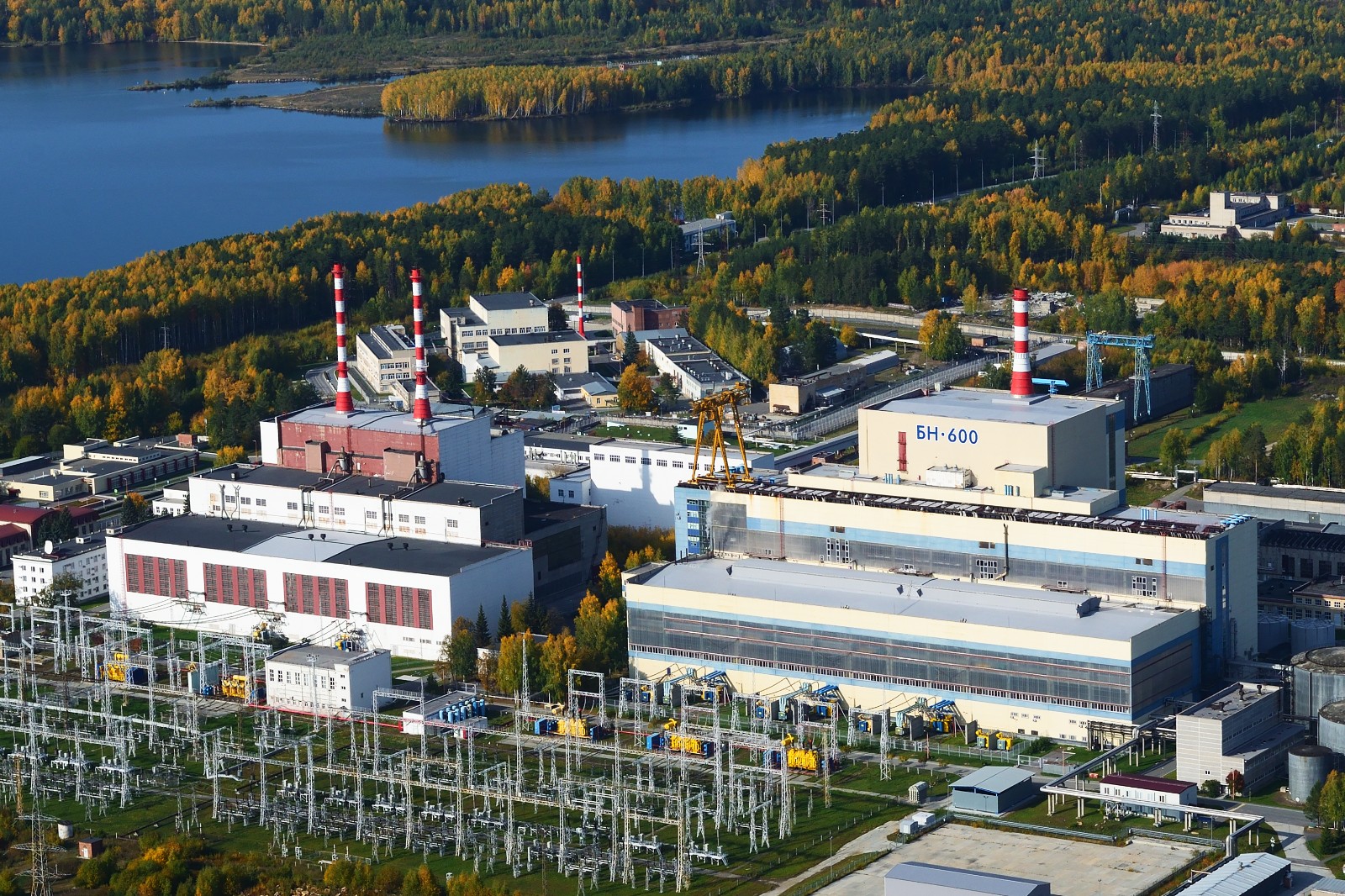
Unit 3 of Beloyarsk NPP begins scheduled maintenance and equipment modernization
Unit 3 of Russia's Beloyarsk NPP entered scheduled preventive maintenance on August 18. This outage maintenance will be used for fuel reloading, equipment maintenance, and preventive repairs, along with partial modernization efforts to maintain reliable unit operation and improve equipment performance. The unit features a BN-600 sodium-cooled fast neutron reactor. During the maintenance period, the plant will carry out major repairs on the BN-600 reactor facility and replace 9 guide tubes in the control and protection system. Such operations are uncommon and are typically performed approximately once every 10 years. According to the maintenance schedule, the plant will also repair the unloading lift device and conduct operational monitoring inspections of the reactor pressure vessel metal...
2026-08-19
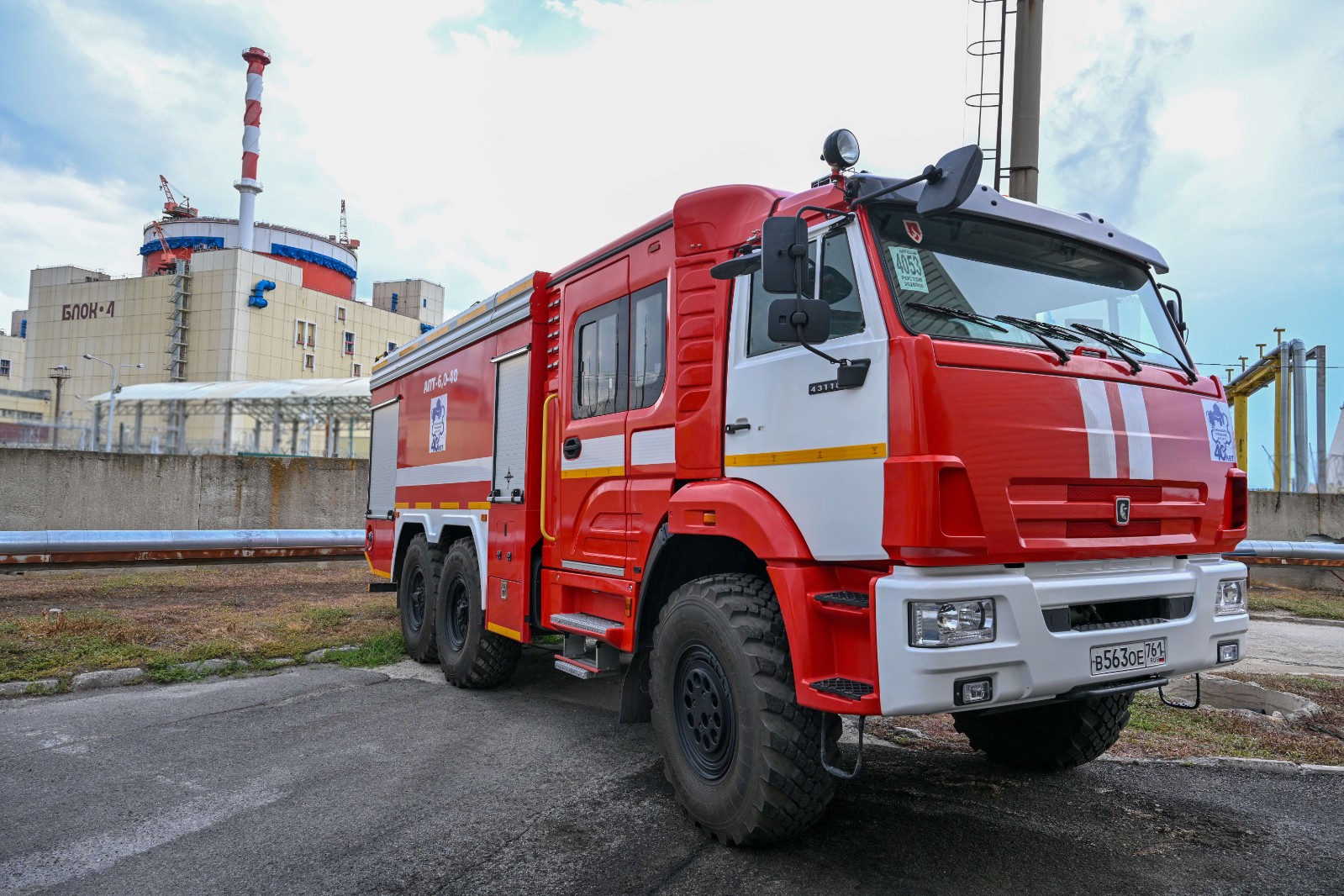
Rostov NPP Transfers New Specialized Firefighting Vehicle to Fire Department
On August 17, local time, the Rostov Nuclear Power Plant handed over a new specialized firefighting vehicle to the 9th Special Department responsible for fire protection at the plant site. The vehicle was delivered as donated equipment to commemorate the 40th anniversary of the 72nd Special Directorate of the Federal Fire Service of the Russian Emergency Situations Ministry. This directorate is tasked with fire protection for Russian nuclear power plants. The professional firefighting force at the Rostov NPP has been on duty at the plant site since June 1984. At that time, the fire brigade was equipped with only four fire engines. Over the years, the relevant firefighting force has been outfitted with modern vehicles, specialized equipment, and communications gear for fire protection and emergency response at nuclear power plant facilities. The 9th Special Department...
2026-08-18
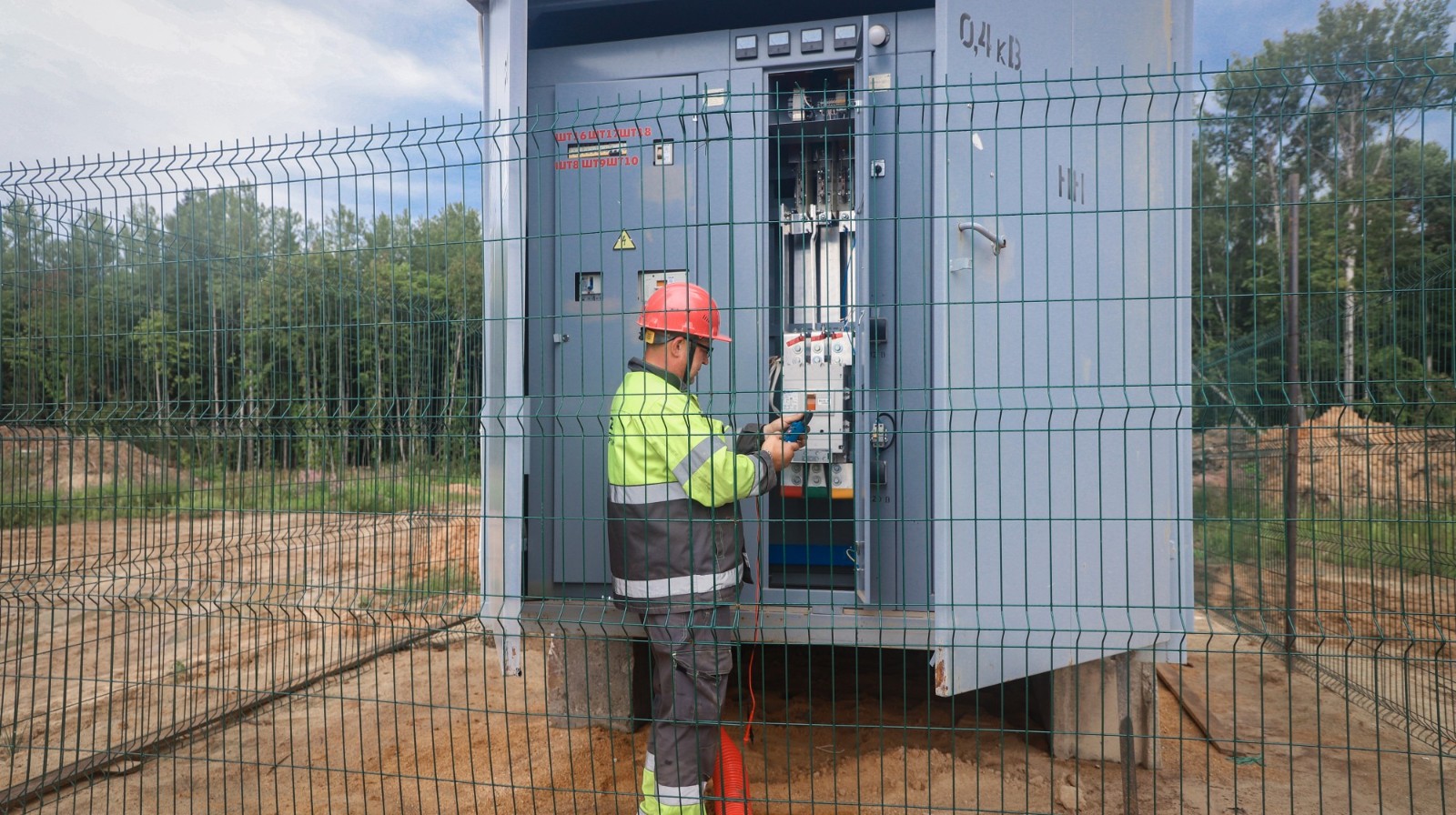
First Power Transmission Line Commissioned at Smolensk NPP-2 Construction Site
The first power transmission line has been commissioned at the construction site of Russia's Smolensk NPP-2. The line will provide stable power supply and round-the-clock lighting for the construction and installation base, freeing on-site work from natural daylight constraints. According to the project schedule, the construction site is currently connected to the 10 kV grid via a temporary scheme, with a switch to the permanent power supply system planned after the 110/10 kV permanent substation is put into operation. During construction, the contractor laid over 3 kilometers of cable and installed more than 60 transmission line towers under challenging weather conditions. During the construction phase of the installation base, stable power supply plays a fundamental role in project progress. The site needs to complete the construction of rebar module and rebar cage fabrication workshops on schedule, establishing a complete preparation flow from metal processing to finished component delivery. These components will be used directly in the subsequent construction of the main structures of the nuclear power units.
2026-08-18
Bulgaria's Kozloduy NPP Addresses Challenges of Low Danube River Water Levels
Bulgaria's Ministry of Energy stated on August 16 that the Kozloduy NPP is currently operating as planned. In response to the persistently rare low water levels in the Danube River, the plant has further studied and implemented preventive arrangements based on existing technical and organizational measures to ensure stable unit operation under complex hydrological conditions. The Bulgarian Ministry of Energy stated that the Kozloduy NPP has established a dedicated working group to evaluate various options for ensuring the plant's normal operation, with a focus on facilities related to the riverbank pumping station. The working group is continuously optimizing the riverbank pumps, reactor unit cooling systems, spent fuel storage facilities, and the overall water...
2026-08-17
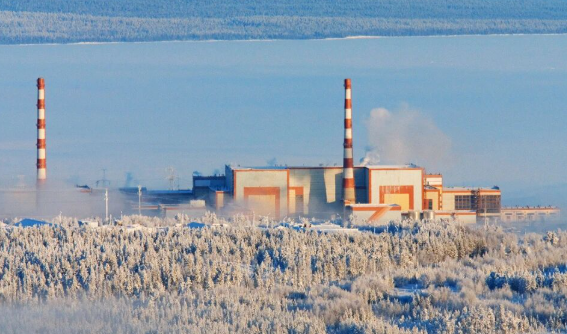
Long-term radiation environment at Kola NPP remains under control: gamma dose rates within natural background levels, 15 permanent observation stations operating since 1972
Long-term monitoring results from the external radiation monitoring group at Russia's Kola Nuclear Power Plant show that gamma radiation dose rates around the plant site have consistently remained within natural background radiation levels, with radionuclide concentrations matching background values, indicating a sound radiation environment with no differences from surrounding areas. The station's radiation safety department collects surface water samples from the discharge canal monthly, with monitoring coverage encompassing all elements including the atmosphere, snow cover, bottom sediments, food products, algae, berries, mushrooms, and caged fish. The monitoring architecture consists of two tiers: 15 permanent environmental observation stations have been in continuous operation since before the commissioning of the first reactor unit in 1972; 13 ASKRO automated radiation environment monitoring system stations provide real-time ground-level gamma dose rate data, which is transmitted directly to the Rosenergoatom crisis center and integrated into the national unified radiation monitoring network. Approximately 200,000 cubic meters of air are drawn weekly through air filtration units to capture radionuclides, with volumetric activity of radioactive iodine also measured. A mobile radiological laboratory performs on-site spectrometric analysis. Annually, about 1,200 environmental samples are collected from around the plant site and delivered to the Polyarnye Zori laboratory, where well water samples analyzed by Canberra spectrometers yield "zero nuclide" results, with samples retained for one year for potential re-analysis. Biological samples are processed using the ashing method, and instrument sensitivity is sometimes insufficient to even detect any signal from the plant's impact.
2026-08-14
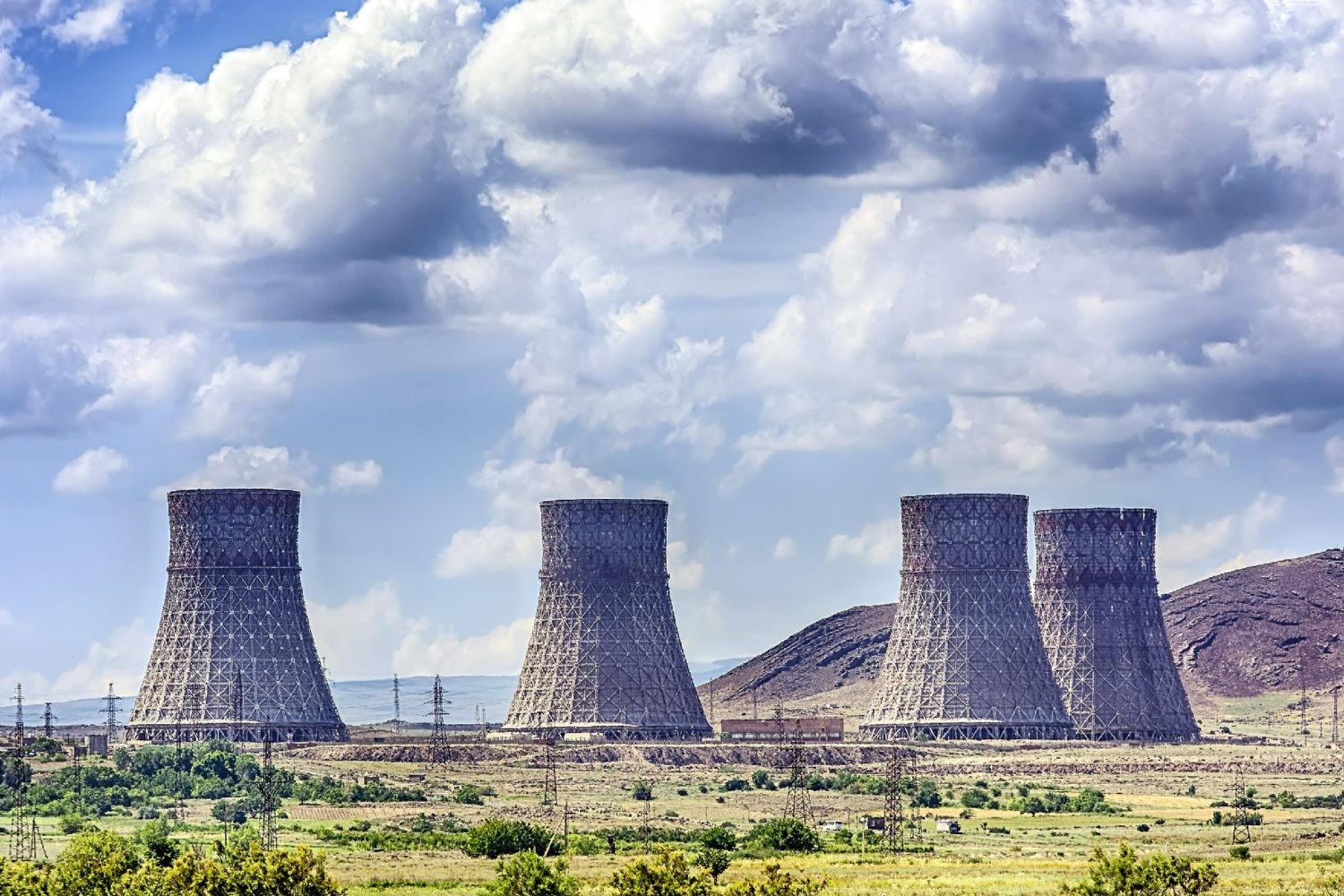
Armenia Responds to Claims of Metsamor NPP Closure: Operating License Valid Until 2036
In response to Azerbaijani President Ilham Aliyev's claims that the Metsamor Nuclear Power Plant is outdated and could pose a potential threat to the region, Arman Yeghoyan, a lawmaker from Armenia's ruling Civil Contract party, stated that the operating lifetime of a nuclear power plant is not unilaterally determined by the governments of neighboring countries. Yeghoyan noted that every nuclear power plant has an established operating period, and the Metsamor NPP is currently authorized to operate for a maximum term extending to 2036, information that has long been public. He also stated that the Armenian side has announced it is studying options for building a new nuclear power plant...
2026-08-14
Rosatom Starts Preparations for Long-Lead Equipment Contracts at Primorskaya NPP
The engineering division of Rosatom recently announced that preparations for signing long-lead equipment manufacturing contracts for the Primorskaya Nuclear Power Plant have commenced, covering the reactor building, turbine hall, core catcher, and other major system components. According to the announcement, the scope of contract preparation includes key equipment such as main reactor building equipment, turbine hall equipment, the Automated Process Control System (APCS) for the units, and the core catcher. Long-lead equipment typically has extended manufacturing cycles and represents a critical element that must be secured early in the pre-construction phase of a nuclear power project. Currently, the project is also advancing multiple public tender preparation efforts, including site vertical layout planning,...
2026-08-13
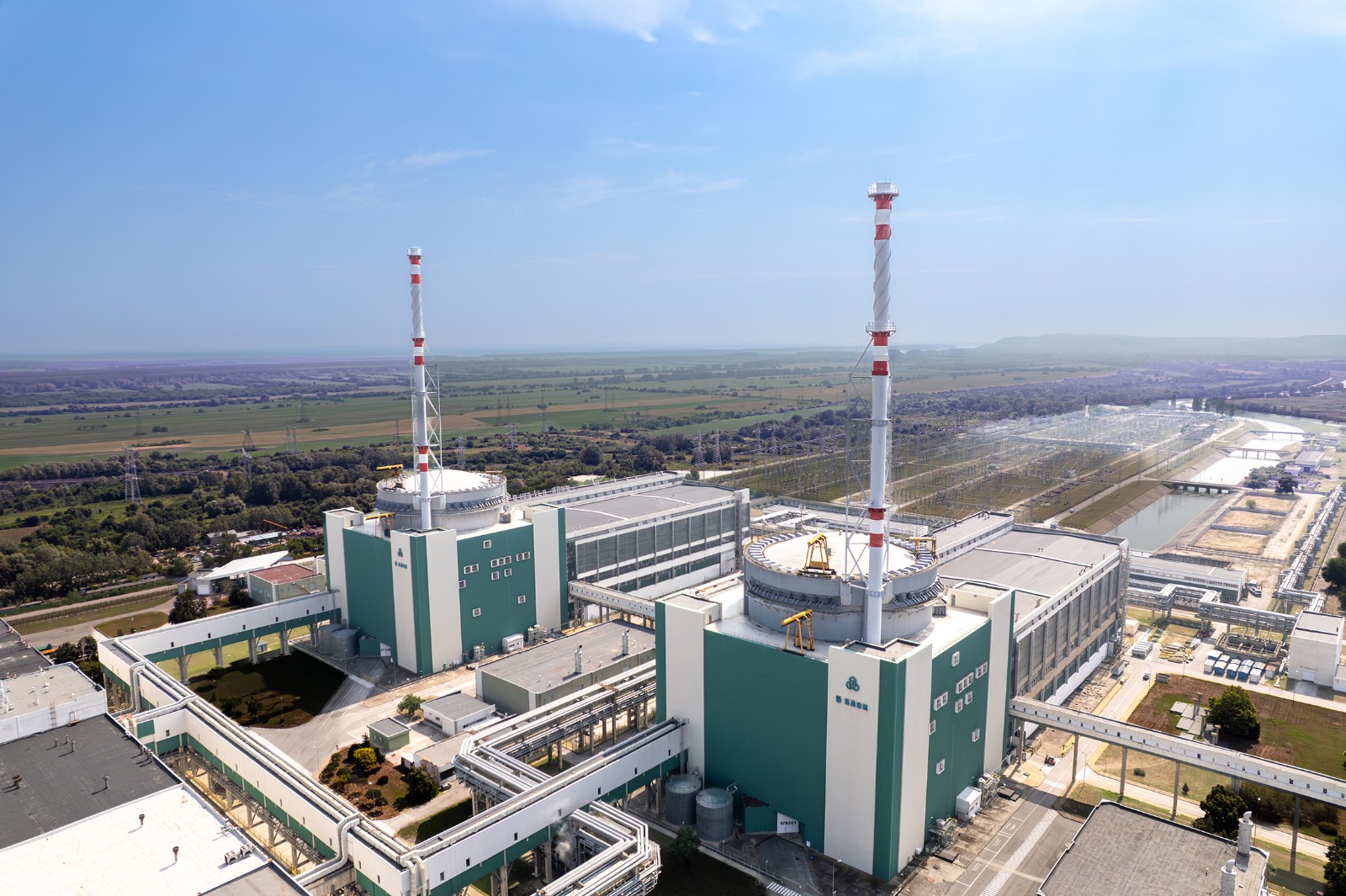
Two Units of Kozloduy NPP Operating at Full Capacity as Scheduled
As of 13:00 on August 11, 2026, the two units of Kozloduy Nuclear Power Plant continue to operate at full capacity in accordance with the power generation schedule. The plant's operating team maintains continuous watch to ensure the safe and stable operation of the relevant facilities. To guarantee the water volume required for the circulating pump station and the technical water cooling system, the plant has implemented technical and organizational measures under existing conditions to maintain the operation of the shore pump station. The technical condition of the relevant facilities requires ongoing attention, and operational parameters are being continuously monitored on site. To optimize water intake conditions, the plant needs to clean the riverbed between the Danube River and the shore pump station. The operation of the shore pumps is being monitored, with flow regulated by adjusting the blade angles; if necessary, further...
2026-08-12
Rosatom Technical Academy Launches Development of Training Programs for Uzbekistan NPP Personnel
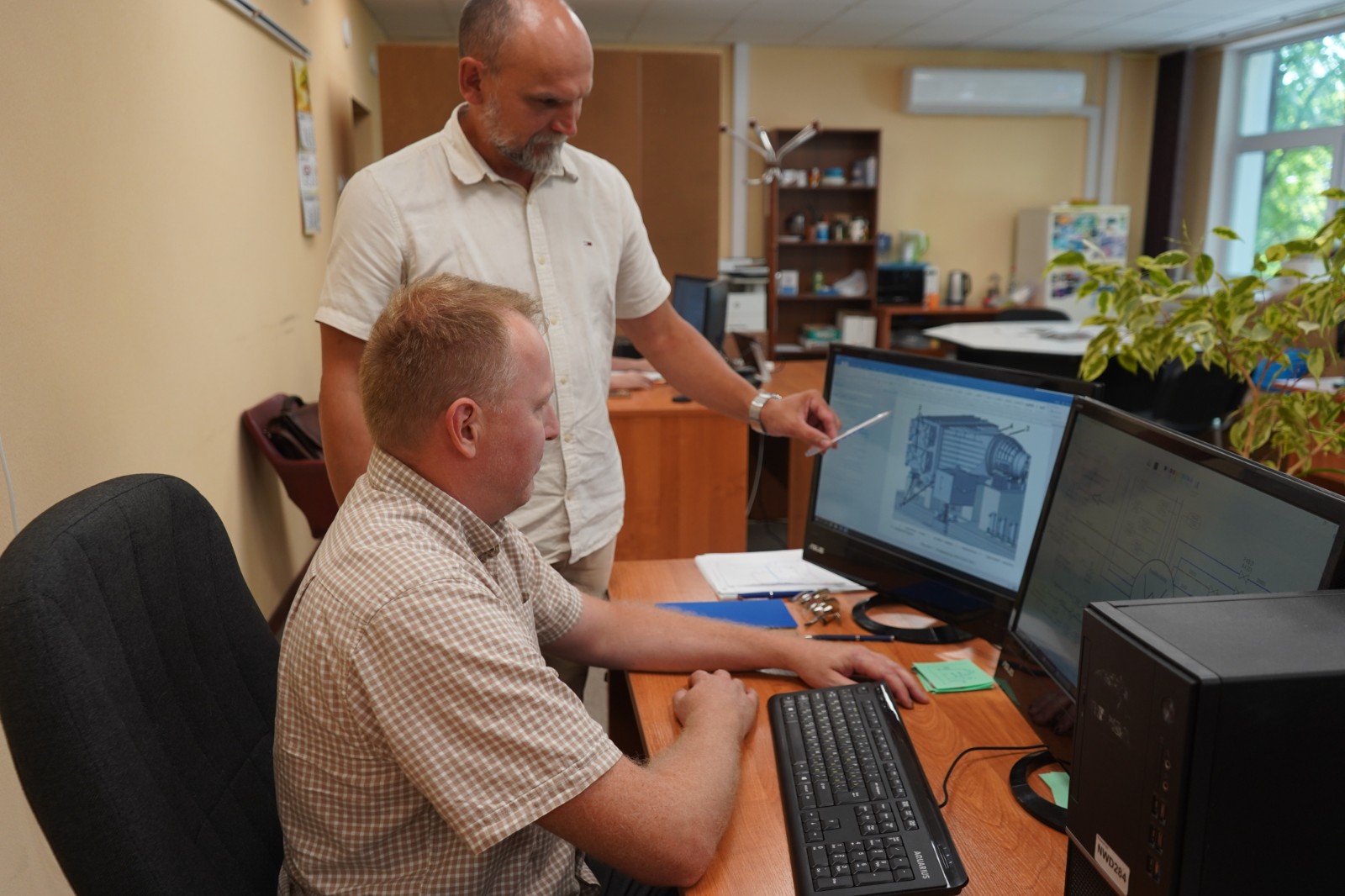
Rosatom Technical Academy has launched the development of training programs for personnel of the planned nuclear power plant in Uzbekistan. The foundation ceremony for this project was held in June this year, and training preparations will be aligned with the NPP construction schedule and subsequent operational requirements. Currently, Academy experts are developing teaching materials, refining training methodologies, and formulating course plans coordinated with the NPP construction phases for this new project. The training content will also be adapted to the characteristics of the small modular reactor technology adopted for the project to meet new technical requirements. At the Novovoronezh branch alone, about 50 experts are already involved in developing training programs for Uzbek personnel...
2026-08-12