
Search Results
Keyword:NPP

Russia Says Balkhash NPP Construction Will Boost Kazakhstan's Nuclear Energy Industry
Russian Deputy Foreign Minister Mikhail Galuzin recently stated that the construction of Kazakhstan's first nuclear power plant, the Balkhash NPP, will help the country establish a modern nuclear energy industry. Rosatom, Russia's state atomic energy corporation, is participating in the project as the lead party. Speaking at the plenary session of the Third Russia-Kazakhstan Media Forum, Galuzin said that Russia and Kazakhstan cooperate in multiple areas, with the Balkhash NPP being one of the recent collaborative projects. He noted that the plant will be built to a Russian design and, once completed, will provide a foundation for the development of Kazakhstan's nuclear energy industry. According to current plans, the Balkhash NPP project is scheduled to begin construction in 2027...
2026-08-04
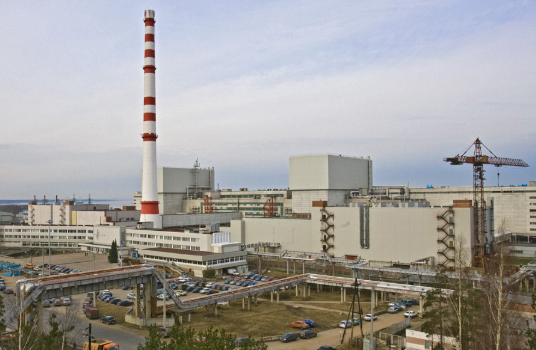
Moscow Cable Company Shield to Supply 4 km of Busbar Trunking for Units 3 and 4 of Leningrad NPP Phase II
Moscow Cable Company (Shield) will supply four kilometers of transmission lines for the Leningrad Nuclear Power Plant. The company will manufacture 10 kV and 24 kV generator voltage transmission lines for Units 3 and 4 of Leningrad NPP Phase II. These transmission lines meet the highest reliability and safety requirements of the nuclear industry and are equipped with current transformers and voltage transformers produced by Cable Shield Company. The transmission lines will be manufactured at the enterprise in the city of Kovrov, where new production capacity for cable trays was built last year. Currently, the plant's annual production capacity reaches 12,000 meters of cable trays. According to statistics, over 400,000 meters of transmission lines produced by the company have been put into operation...
2026-08-04
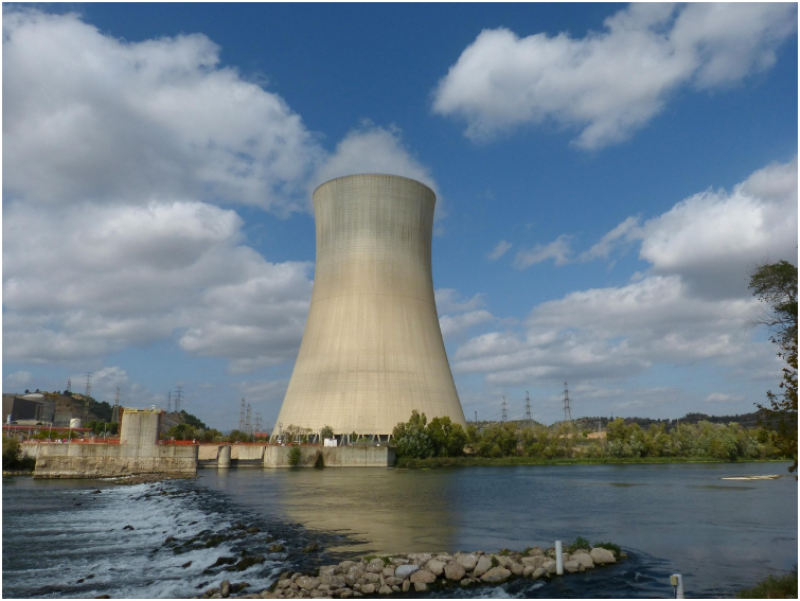
Uzbekistan Updates Licensing Rules for Nuclear Energy and Ionizing Radiation Sources
The Uzbek government recently approved new licensing procedures for nuclear energy utilization and activities involving ionizing radiation sources, establishing updated safety, radiation monitoring, personnel qualification, and technical requirements as the country advances its nuclear energy industry. According to a resolution adopted by the Cabinet of Ministers of Uzbekistan on July 30, the regulations apply to licensing of nuclear energy utilization activities and matters related to the handling of ionizing radiation sources. The framework was developed pursuant to a presidential decree issued on January 9, 2024, with the aim of reducing mandatory requirements on enterprises and simplifying licensing and approval processes. The new rules will take effect on January 1, 2027. Existing license holders must...
2026-08-03
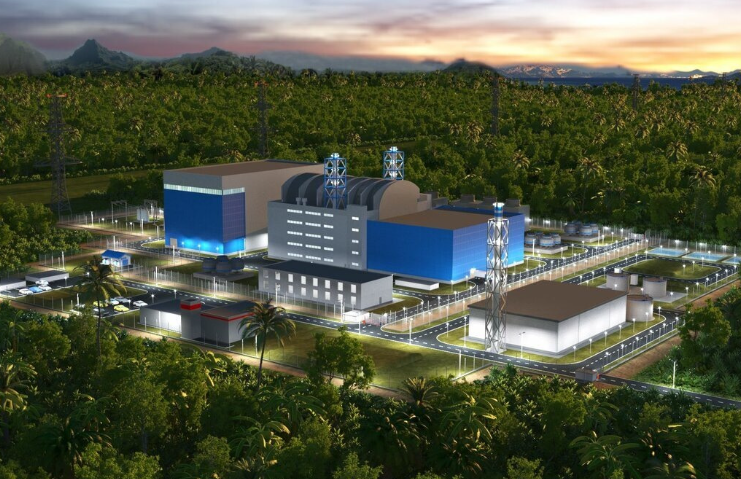
Russia-Brazil Uranium Conversion Cooperation Upgraded, Uranium Processing at Angra NPP Increased by 25%
In June 2026, Russia and Brazil signed an agreement to increase uranium conversion volumes for the Angra nuclear power plant in the South American country by 25%. This move is of strategic significance, as Russian fuel fully guarantees the operation of the country's only nuclear power plant. Russia is a key economic partner of Brazil, a Latin American nation, and one of the five historical founding members of the BRICS group. Brazil accounts for more than 50% of Russia's trade with the region, with bilateral trade volume reaching $10.9 billion by the end of 2025. The two countries are developing technical cooperation, particularly in the nuclear field. In December 2022, they signed a five-year contract to supply...
2026-08-01
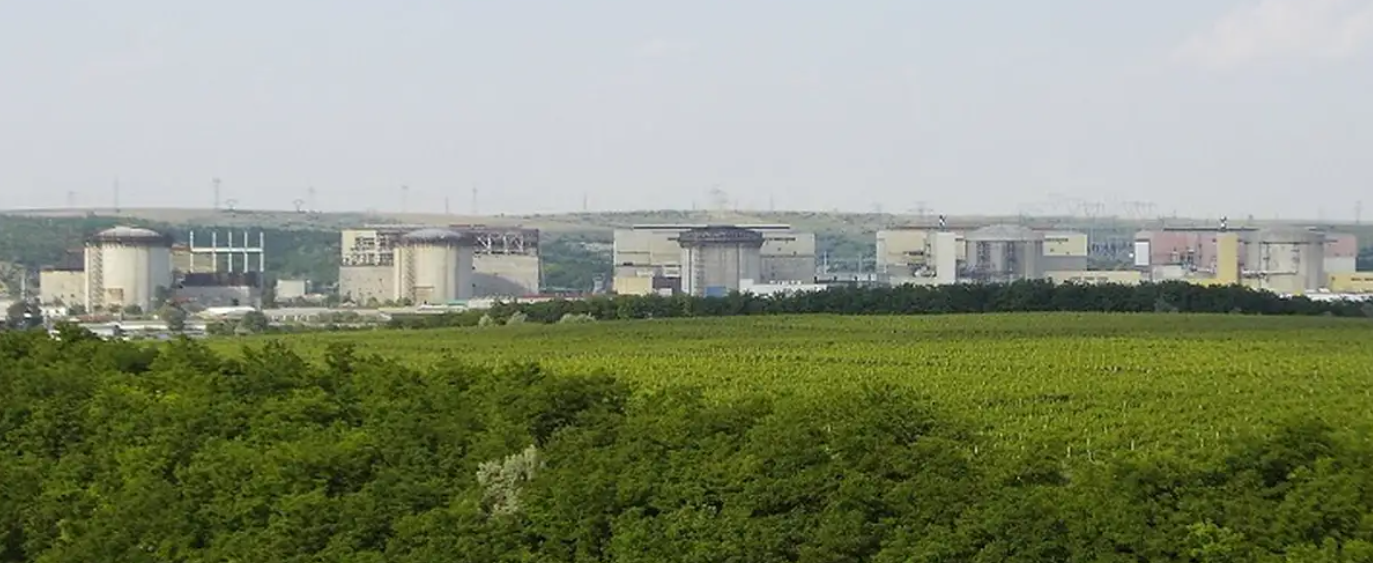
Romania Declares National State of Emergency for August Amid Decline in Power Generation
Romania's Acting Prime Minister and Energy Minister Ilie Bolojan announced on July 31 after a cabinet meeting that Romania would enter a national state of emergency in August due to a decline in power generation caused by drought. Bolojan stated that the drought has reduced water levels in rivers, with a notable decrease in the flow of the Danube River. The flow has dropped from over 4,000 cubic meters per second to 1,600 cubic meters per second. He said that as a result, the water level in the intake basin of the Cernavodă NPP has fallen, and Unit 1 of the plant had to be shut down recently. He also noted that Unit 2 of the Cernavodă NPP faces a high risk of shutdown. Should Unit 2 go offline, Romania's total...
2026-08-01
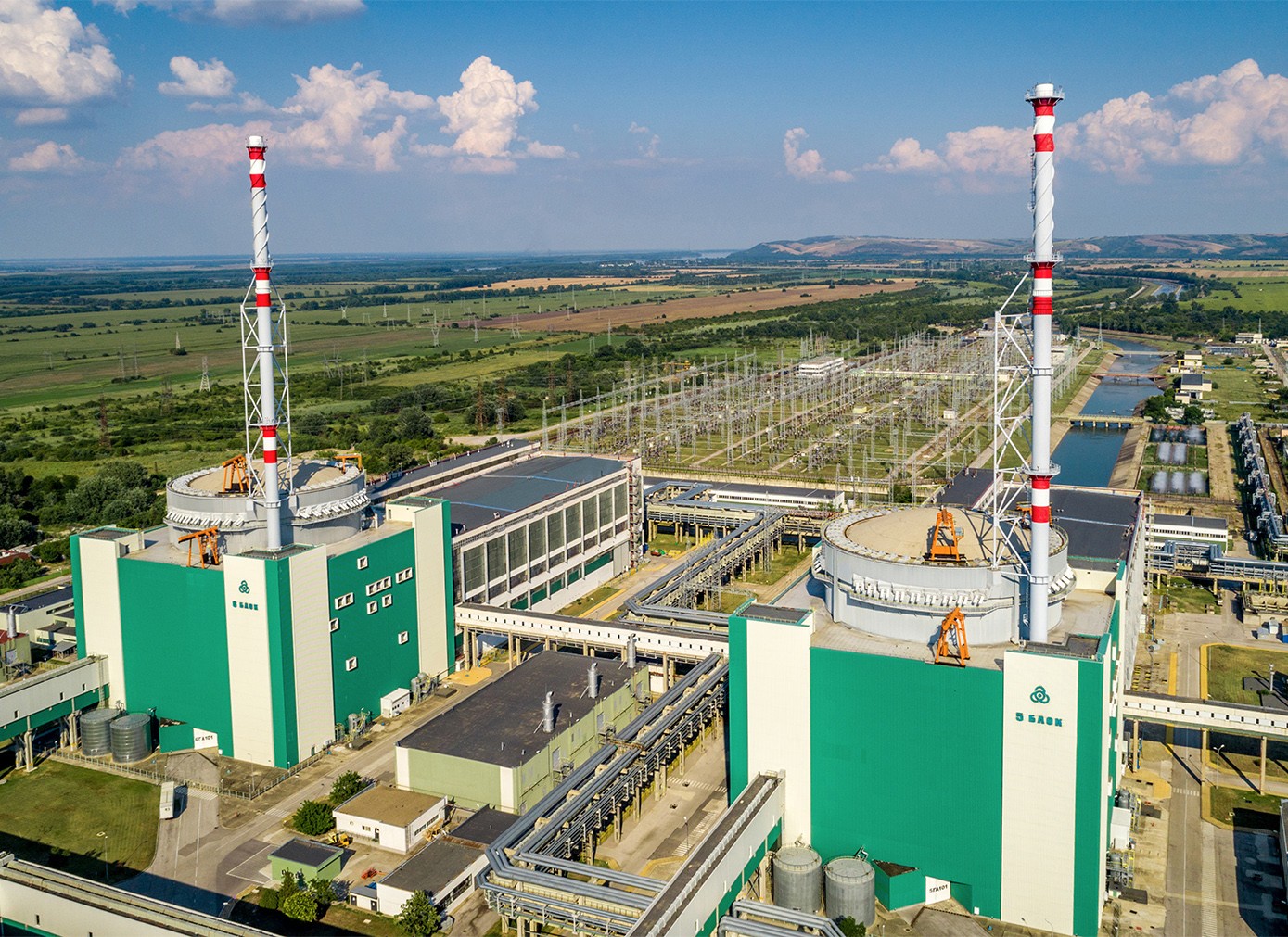
Two Units of Kozloduy NPP Operating at Full Capacity as Scheduled
On July 30, Kozloduy NPP stated that its two units are currently operating at full capacity in accordance with the power generation plan. Affected by the persistently low water level of the Danube River, the plant established a special working group in early July and activated relevant response measures to ensure the safe and reliable operation of the units under conditions of prolonged river water level decline. Kozloduy NPP is maintaining close communication with the Executive Agency for Exploration and Maintenance of the Danube River to continuously track water level trends. Monitoring data from recent days show that the Danube River water level has dropped to its lowest in recent decades...
2026-07-31
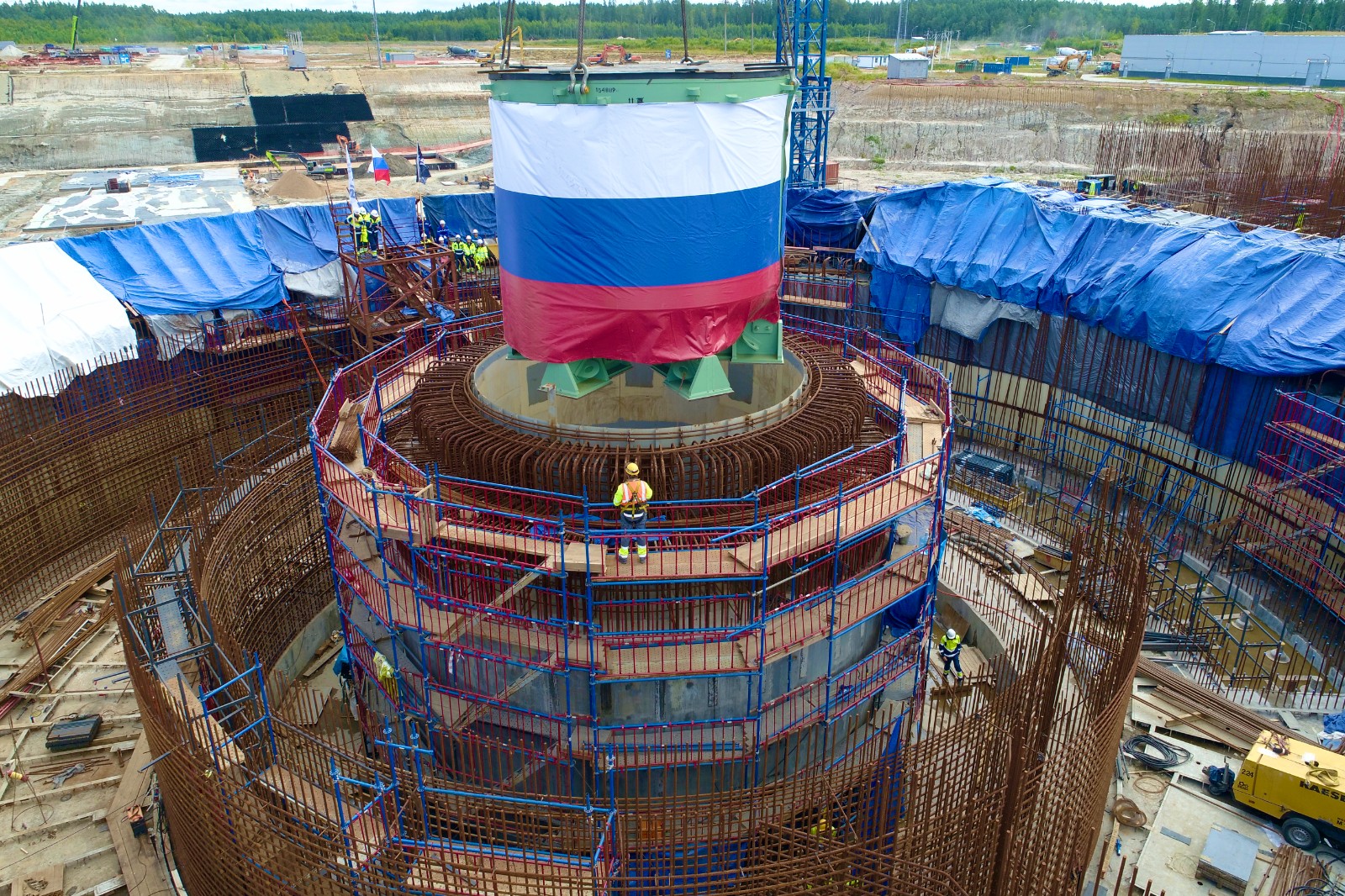
Unit 4 of Leningrad NPP Phase II completes installation of first major equipment
Unit 4 of Russia's Leningrad NPP Phase II recently completed the installation of the core melt catcher vessel. This is the first major equipment of the unit to enter the installation stage, and also the first passive safety system equipment to be installed. The steel structure weighs 157 tonnes, and the installation was carried out using a heavy crawler crane, taking about one work shift of approximately 8 hours, nearly 3 months ahead of the original schedule. Valery Zhemchugov, Acting Director of Leningrad NPP, stated that the installation of the core melt catcher vessel is a key milestone in the construction of Unit 4, a VVER-1200 pressurized water reactor unit, and that the relevant work was completed in accordance with quality requirements, providing more time for subsequent reactor building civil and installation works.
2026-07-31
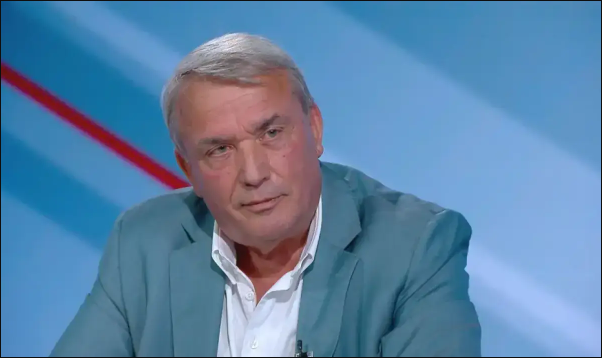
Bulgarian Expert Says Belene NPP Restart Technically Feasible
Bulgarian energy expert Bogomil Manchev recently stated that the long-dormant Belene NPP project remains technically viable for restart. If Bulgaria and Ukraine jointly participate in financing and establish a co-ownership mechanism, the project could become a new nuclear power project built through bilateral cooperation. Manchev believes that Ukraine will still face significant electricity demand for a long period in the future. If funding can be secured for the project, Bulgaria could proceed with nuclear power plant construction at the original Belene site. His proposed options include joint financing and co-ownership by both countries, or Ukraine signing a long-term power purchase agreement to support project financing...
2026-07-23
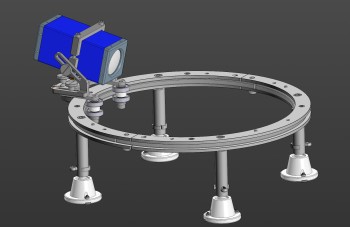
Russian flaw detection robots to be deployed for the first time at Egypt's El Dabaa NPP
Engineers from Russia's Ural Atomenergo and the Atomic Energy Non-Destructive Testing Center (NDTC) have developed an automated metal non-destructive testing system, which includes specialized inspection devices for reactor pressure vessel equipment. The system will be sent to Egypt's El Dabaa Nuclear Power Plant for related equipment inspection. This is also the first deployment of such a standardized system at a nuclear power project outside Russia. The system consists of multiple robotic arms and a magnetic wheeled robot, capable of delivering ultrasonic flaw detection sensors and measuring devices to positions that are difficult for humans to access. The developer stated that the main goal of the system is to replace manual operations in high-radiation areas, reducing the risk of personnel entering hazardous zones for inspection tasks.
2026-07-30
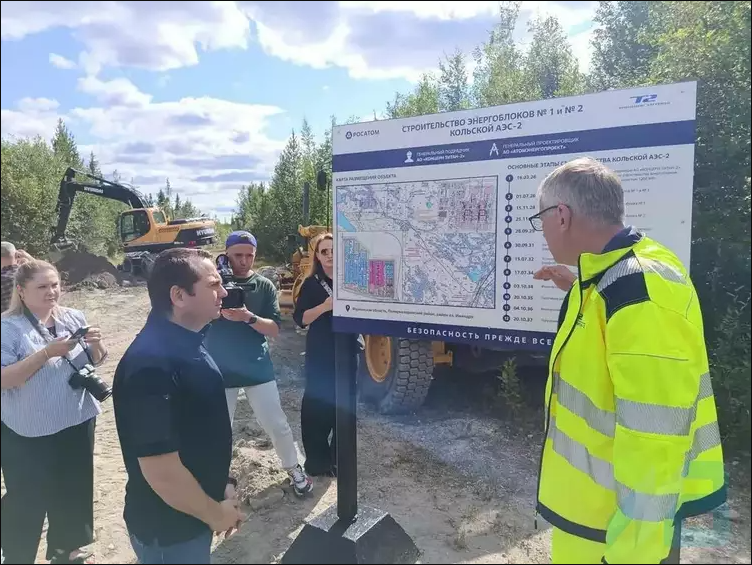
Construction of Kola Nuclear Power Plant Phase II Starts in Murmansk Region
On July 29, Murmansk Region Governor Andrey Chibis announced the start of construction of the Kola Nuclear Power Plant Phase II, located near the town of Polyarnye Zori in the region. Chibis stated that the Kola NPP is the most powerful nuclear power plant north of the Arctic Circle, having supplied energy to the Arctic region for over half a century. The newly launched Phase II project is situated adjacent to the existing plant, with a planned installed capacity of 1,200 megawatts. He noted that the Kola NPP Phase II is the second major energy facility built in the Murmansk Region in the past seven years, and will provide energy support for key regional projects over the coming decades, including the construction of new production facilities, mining projects, and the development of the trans-Arctic transport corridor and the resource base of the Northern Sea Route.
2026-07-30