
Search Results
Keyword:NPP

Unit 1 of Russia's Kalinin NPP completes scheduled maintenance ahead of schedule
Unit 1 of Russia's Kalinin Nuclear Power Plant has been restored to rated power operation after completing equipment modernization and planned major overhaul. The unit was connected to the grid on August 27, 2026, with maintenance work completed two days ahead of the original schedule. Kalinin NPP is a nuclear power plant under Rosenergoatom, located in Udomlya, Tver Oblast, Russia. During this maintenance period, plant personnel and experts from Atomenergoremont completed nuclear fuel reloading, preventive maintenance of the reactor plant and turbine-generator unit, metal condition inspection of major equipment, and diagnostic testing of heat exchange tubes in 2 of the 4 steam generators, among other tasks...
2026-09-02

Russia's Smolensk NPP begins loading improved nuclear fuel
On September 1, 2026, local time, Unit 1 of Russia's Smolensk Nuclear Power Plant began gradually loading improved nuclear fuel. The fuel assemblies feature adjusted uranium-235 enrichment and erbium oxide content, as part of the RBMK-1000 reactor modernization program aimed at enhancing unit operational safety and efficiency. The Smolensk NPP is part of the electric power division of Rosatom and is operated by Rosenergoatom. The fuel assemblies loaded into the core this time use lower uranium-235 enrichment and lower erbium oxide content. According to relevant calculations, the new fuel can compensate for changes in core neutronics parameters following graphite stack repair...
2026-09-02
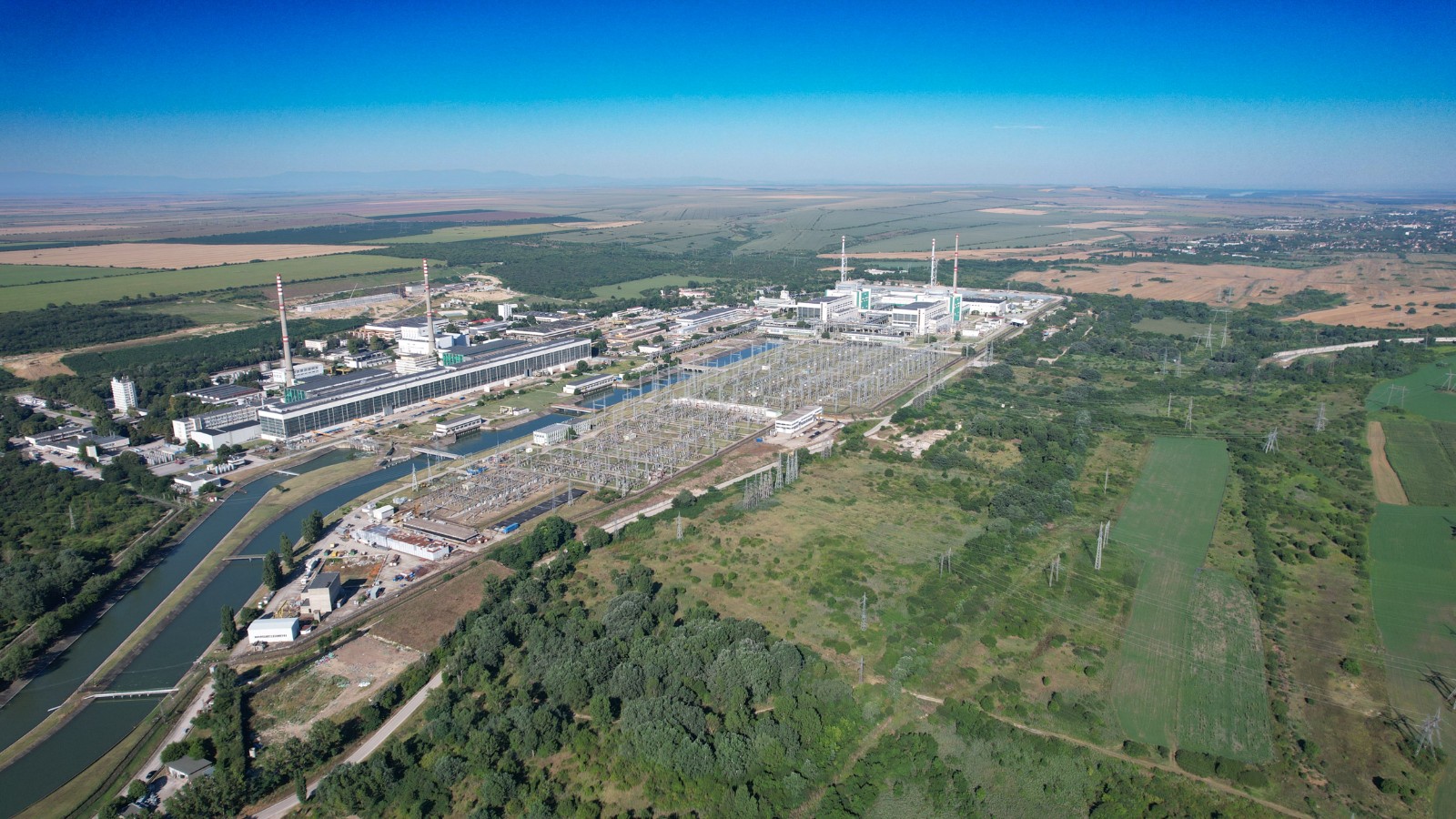
Unit 5 of Bulgaria's Kozloduy NPP Raises Power Output to 950 MW
At 10:00 on August 31, 2026, Unit 5 of Bulgaria's Kozloduy NPP (Kozloduy Nuclear Power Plant) began a phased increase in power output as scheduled. By 17:00 that day, the unit's power output had risen to 950 MW. In the preceding days, the Danube River water level in Bulgaria had recovered, and the plant proceeded accordingly to resume normal unit operation. Kozloduy NPP stated that the operating team continues to carry out relevant work to ensure the safe and reliable operation of the nuclear unit. In response to changes in river water levels, the plant continuously monitors the Danube River water level and maintains communication with the Danube Research and Maintenance Executive Agency to promptly track water level trends. At the same time, the plant strictly implements long-term low-water emergency procedures, conducts continuous monitoring of hydraulic structures in the technical water supply area, and takes necessary measures to ensure the effective operation of relevant facilities.
2026-09-01
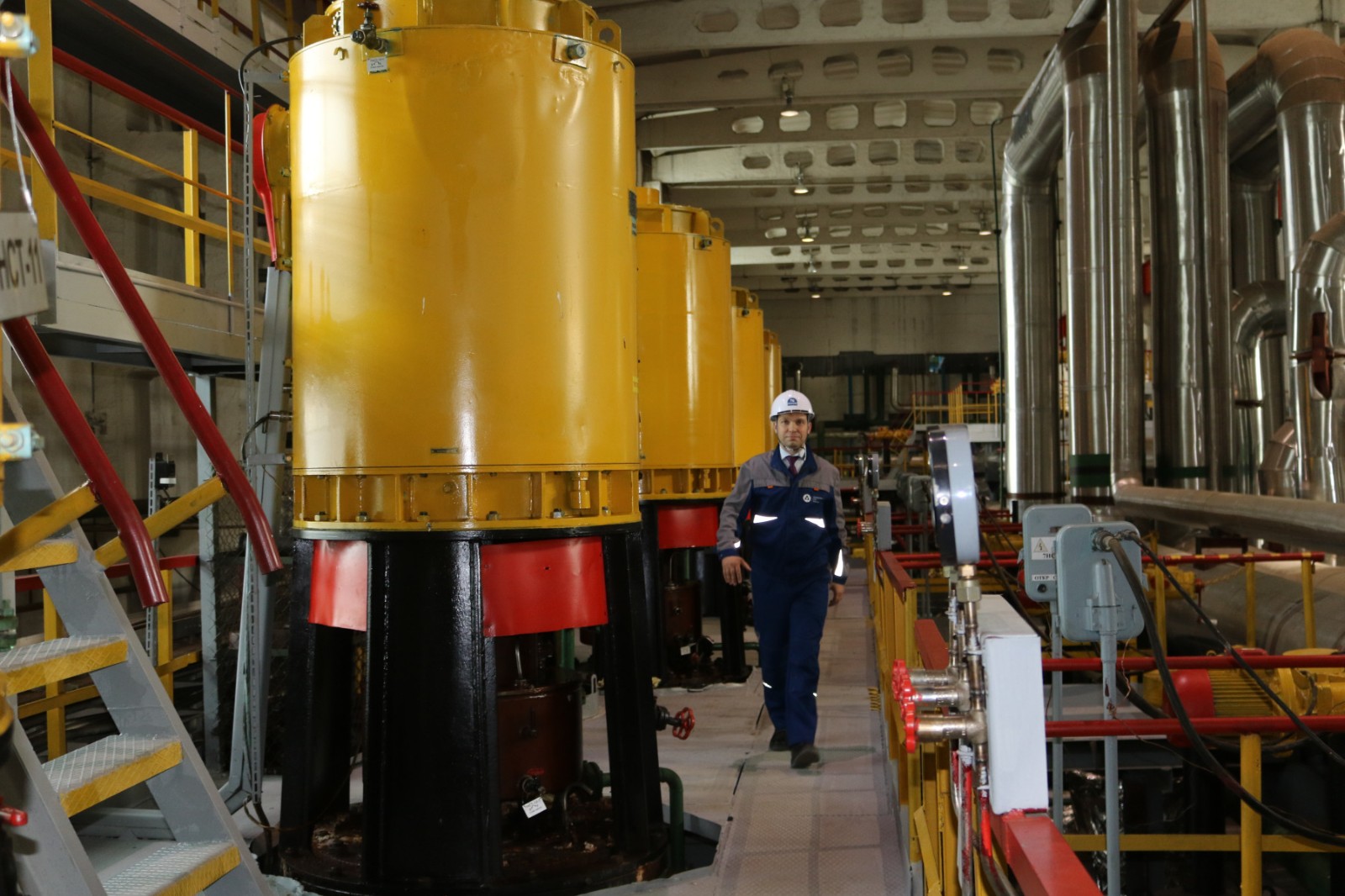
Russia's Leningrad NPP resumes hot water supply to Sosnovy Bor
On August 31, 2026, Russia's Leningrad NPP resumed hot water supply to the city of Sosnovy Bor via the district heating station (BRT) after completing scheduled maintenance. Dmitry Tsygankov, workshop manager of the turbine department at Leningrad NPP, stated that the plant had successfully completed BRT-related maintenance work in August, including chemical cleaning of heat exchange equipment, overhaul of pumping equipment, industrial safety assessments, and the necessary hydraulic pressure tests of pipelines. He said that the BRT is now supplying hot water to the city and industrial zone as planned, and the plant is preparing for the scheduled start of the Sosnovy Bor heating system; the heating system will be put into operation once outdoor temperatures drop to the appropriate level.
2026-09-01
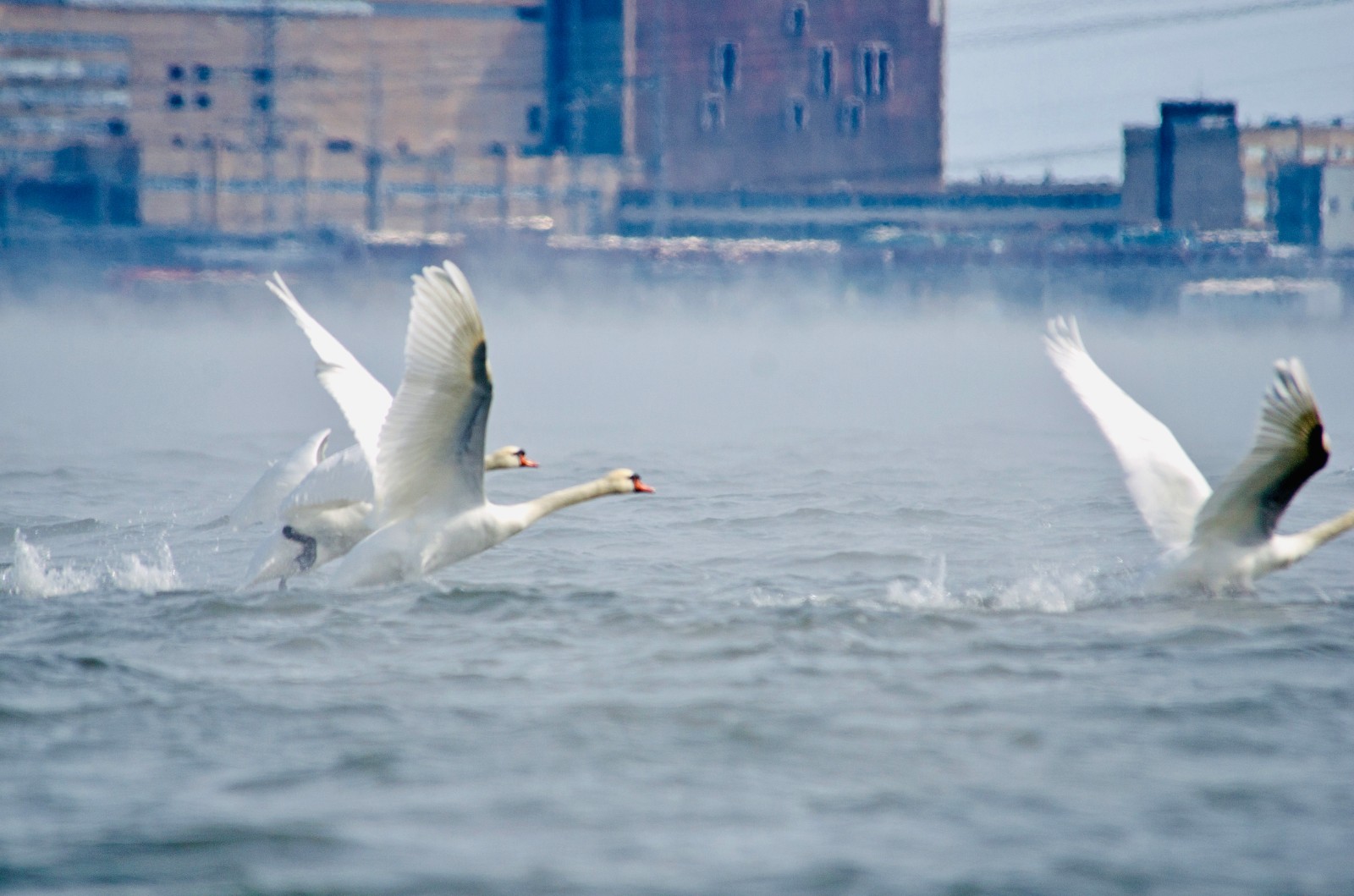
Balakovo NPP Publishes 2025 Ecological Safety Report
Russia's Balakovo NPP released its 2025 ecological safety report on August 31, 2026. The report data show that the plant's operational activities comply with the requirements of sanitary, epidemiological, and environmental protection regulations. The report was presented in a roundtable format. Participants learned about the plant's ecological policy and the results of environmental monitoring studies, and exchanged views on relevant issues. Alexander Kurlov, head of the external radiation safety laboratory at Balakovo NPP, stated that before the plant's construction, the natural gamma background of the local area had to be measured and its upper and lower limits determined. Since the plant was put into operation, no exceedances of these limits have been recorded at the industrial site or in the surrounding areas.
2026-09-01
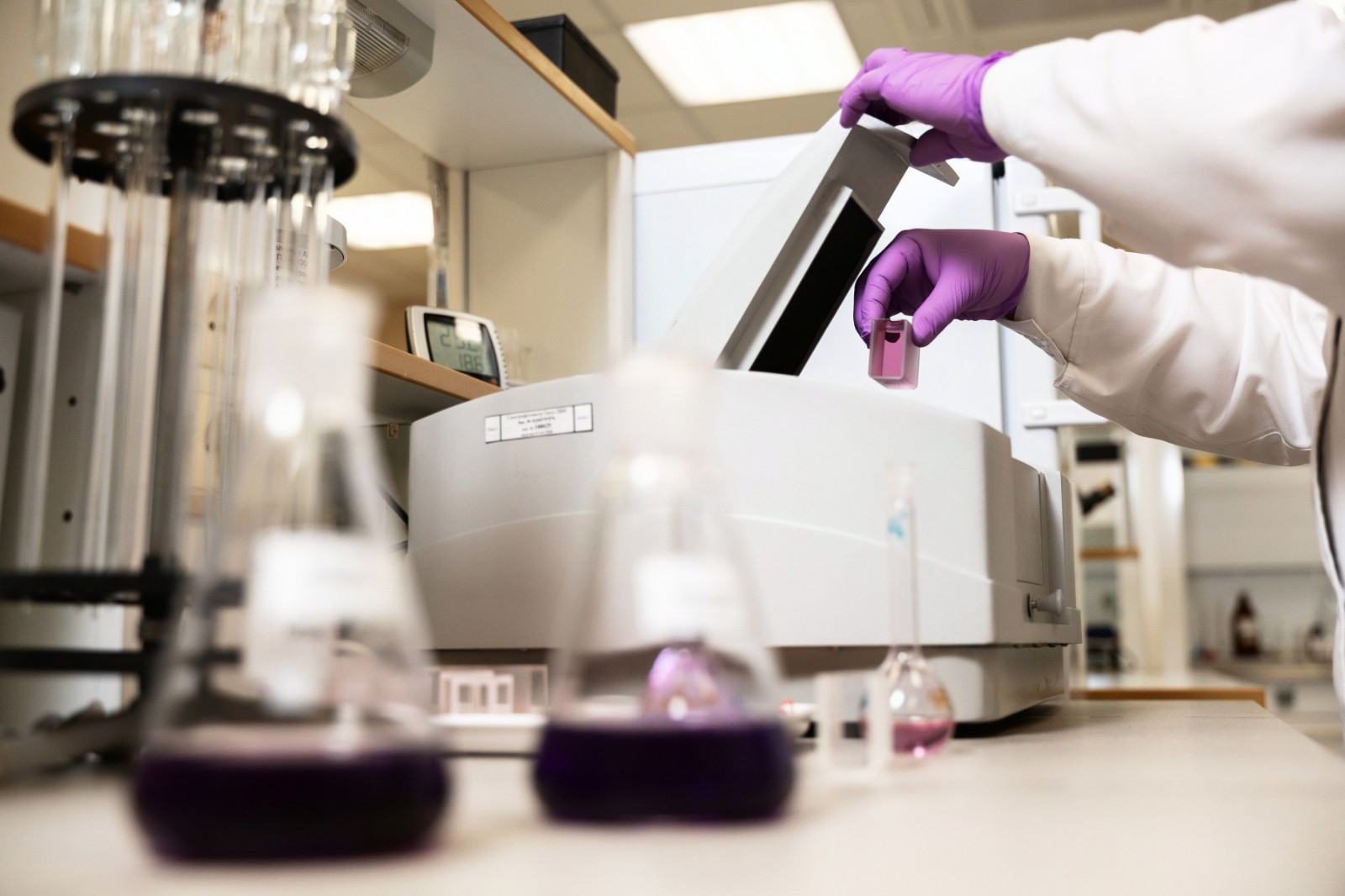
Environmental Monitoring Laboratory of Russia's Kola NPP Completes Interlaboratory Comparison Tests
The production environmental monitoring laboratory of the environmental protection department at Russia's Kola Nuclear Power Plant (Kola NPP) has recently completed interlaboratory comparison tests and received the corresponding certificate and conclusion documents for participation in the proficiency testing program. The comparison tests demonstrated that the laboratory's chemical analysis results meet the requirements and that the relevant measurement data are reliable. In June 2026, the Kola NPP production environmental monitoring laboratory received wastewater and natural water samples. Laboratory personnel were required to determine the concentrations of 8 target indicators within permissible error limits. The test results showed that the laboratory completed the specified tasks and the measurement results met the requirements. Natalya Smirnova, head of the Kola NPP production environmental monitoring laboratory...
2026-08-30
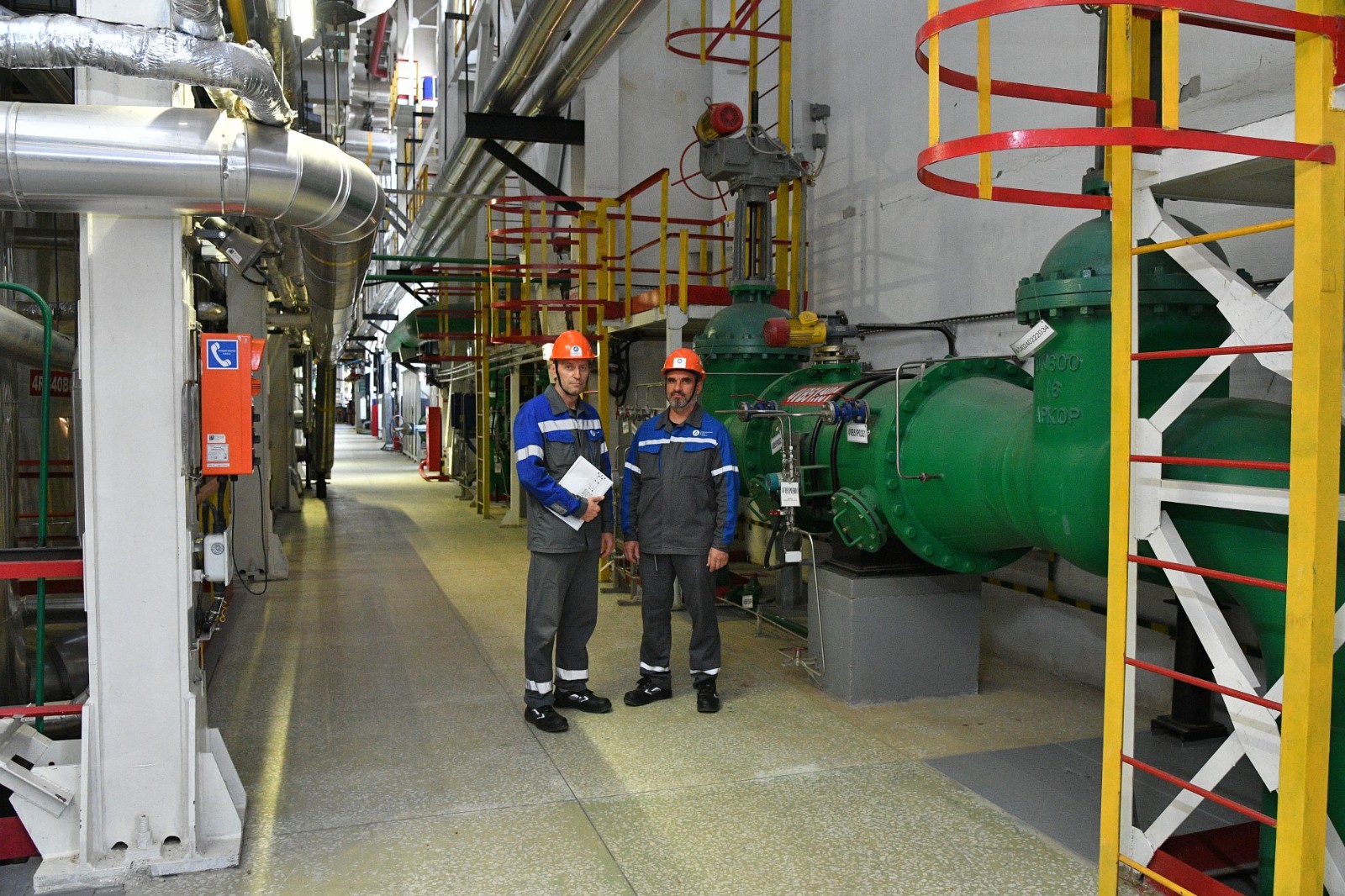
New tooling at Russia's Rostov NPP cuts filter maintenance time to two days
On August 28, local time, Russia's Rostov Nuclear Power Plant announced that its engineering and technical personnel have developed and put into operation a set of specialized tooling for the maintenance of filters in the ball-type pre-filter system (SShO) of the turbine hall, significantly reducing the time required for equipment maintenance preparation and overhaul. Rostov NPP is part of Rosenergoatom, the electric power division of Russia's State Atomic Energy Corporation (Rosatom). The filters targeted by this improvement weigh over one ton each and require crane assistance for movement, but the existing fixed cranes on site cannot directly cover the equipment locations. To address this issue, the maintenance preparation and implementation department...
2026-08-30

Welding of main circulation pipeline completed for Unit 2 of Turkey's Akkuyu NPP
On August 27, welding of the main circulation pipeline was completed for Unit 2 of Turkey's Akkuyu Nuclear Power Plant. The pipeline connects the reactor, steam generators, and main circulation pumps, and is one of the key components forming the primary circuit system of the reactor facility. The welding work lasted 73 days and involved welding 32 pipe joints. Engineering technicians, welders, fitters, pipe cutters, non-destructive testing personnel, heat treatment personnel, and quality inspection personnel participated in the relevant operations. During construction, each process step proceeded according to the established technological workflow, and welded joints had to pass inspection before moving to the next stage. According to reports, all welded joints underwent high-temperature heat treatment to relieve internal stress in the metal and ensure compliance with design performance requirements.
2026-08-28
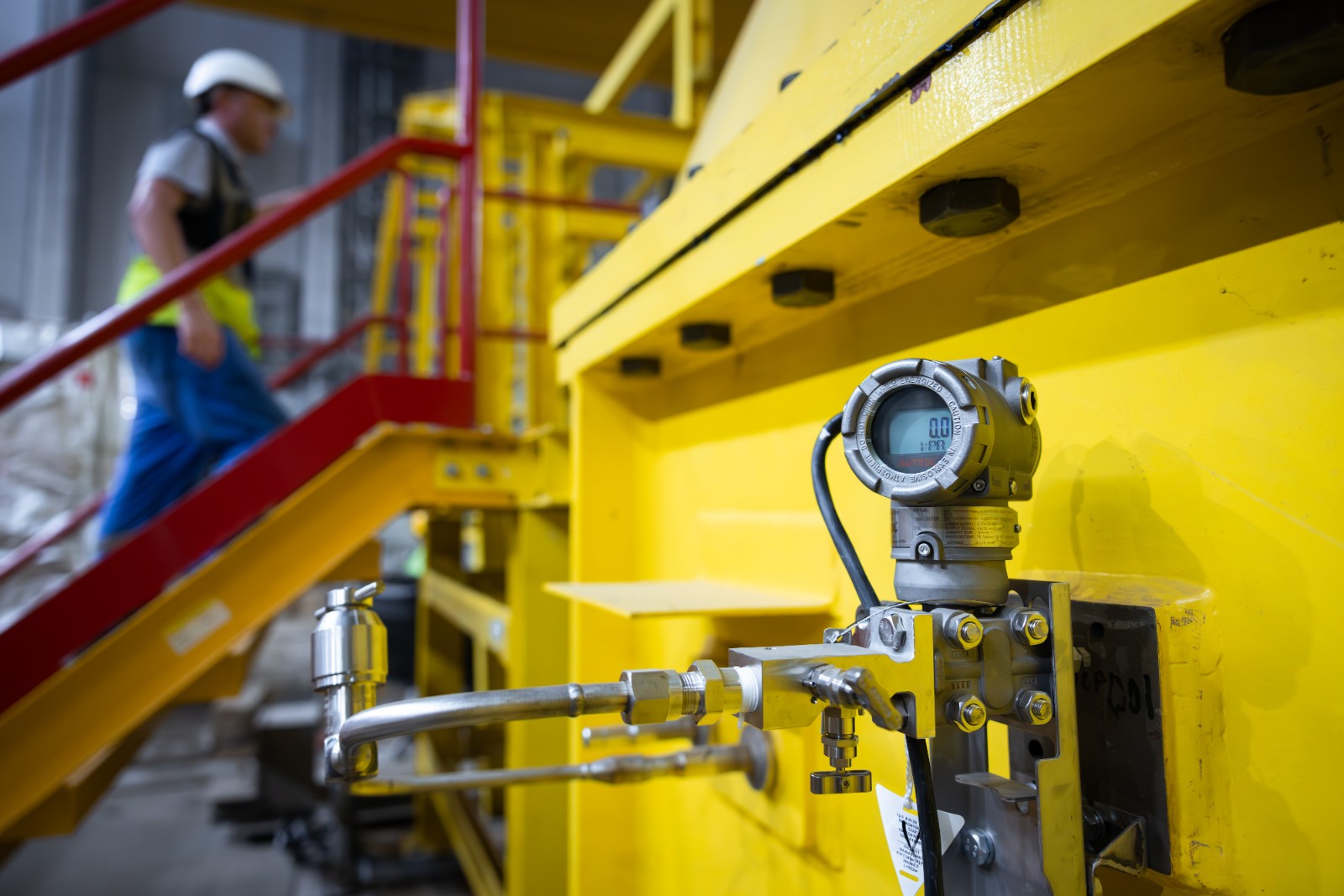
Test vacuum established in turbine condenser of Unit 1 at Turkey's Akkuyu NPP
On August 25, test vacuum was established in the turbine condenser of Unit 1 at Turkey's Akkuyu Nuclear Power Plant. This operation verified the readiness of the main systems of the turbine unit, creating conditions for subsequent commissioning work. Specialists from TITAN-2 Holding (TITAN-2) established the required vacuum in the condenser and checked the tightness of the vacuum system as well as the thermal and mechanical condition of the turbine. During the test, technical personnel continuously monitored key parameters such as steam pressure, bearing temperatures, thermal expansion of cylinders and rotors, and condenser vacuum level. While the turbine was rotated by the turning gear, experts also verified the operational condition of the turbine flow path. This...
2026-08-27
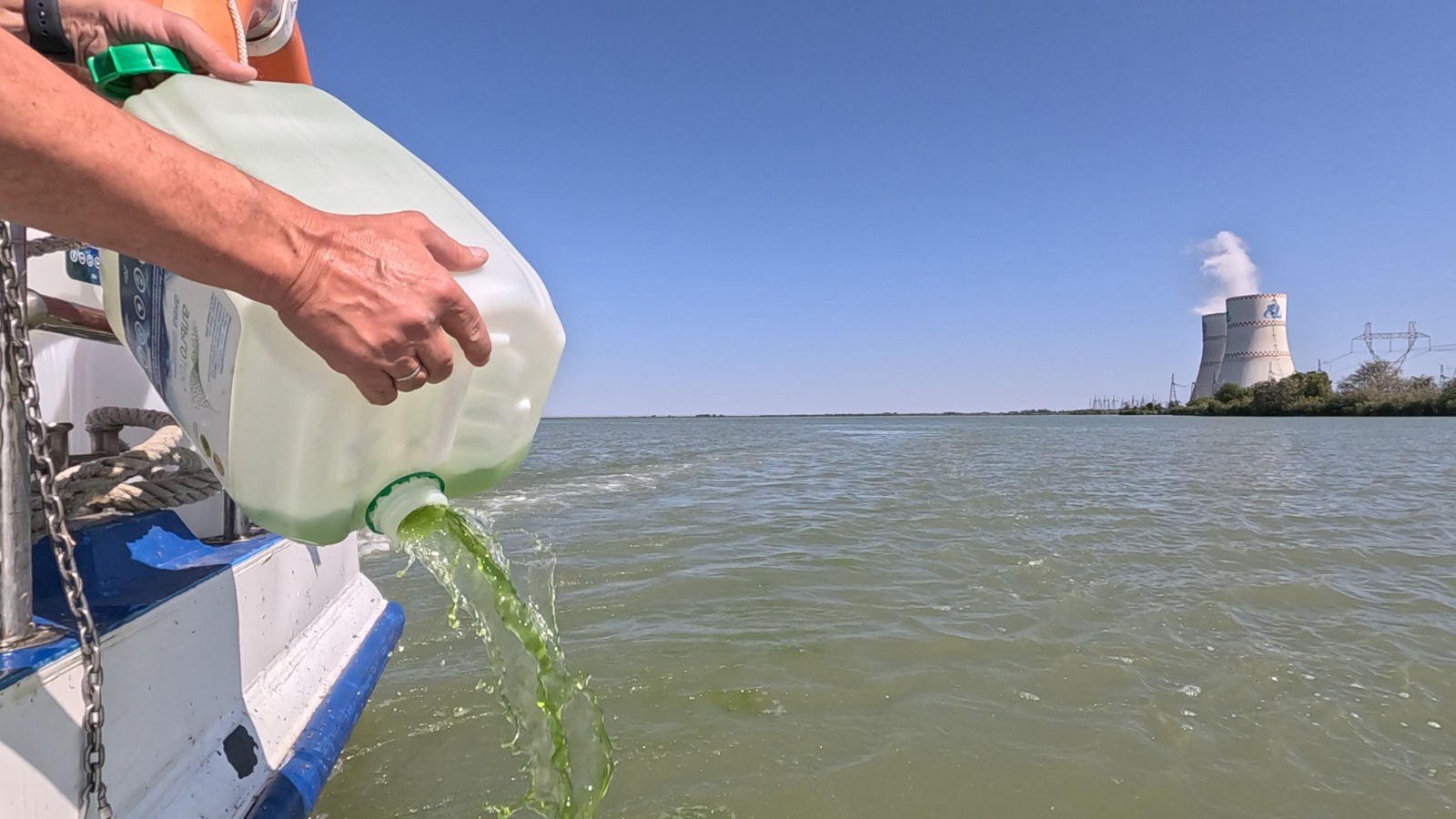
Russia's Rostov NPP Releases Chlorella into Cooling Pond to Strengthen Ecological Control
Russia's Rostov NPP recently carried out its annual ecological control operation at the plant's technical reservoir, releasing 3.6 tonnes of a bioactivator based on the planktonic algae chlorella into the water to suppress the risk of algal blooms and maintain the ecological balance of the cooling pond. Rostov NPP is part of Rosenergoatom, the power generation division of Russia's State Atomic Energy Corporation (Rosatom). The operation is part of the plant's long-standing algae management measures, primarily aimed at stabilizing water conditions under climate change and abnormally high temperatures, ensuring the smooth operation of related equipment. Chlorella acts as a natural biofilter, capable of suppressing...
2026-08-26
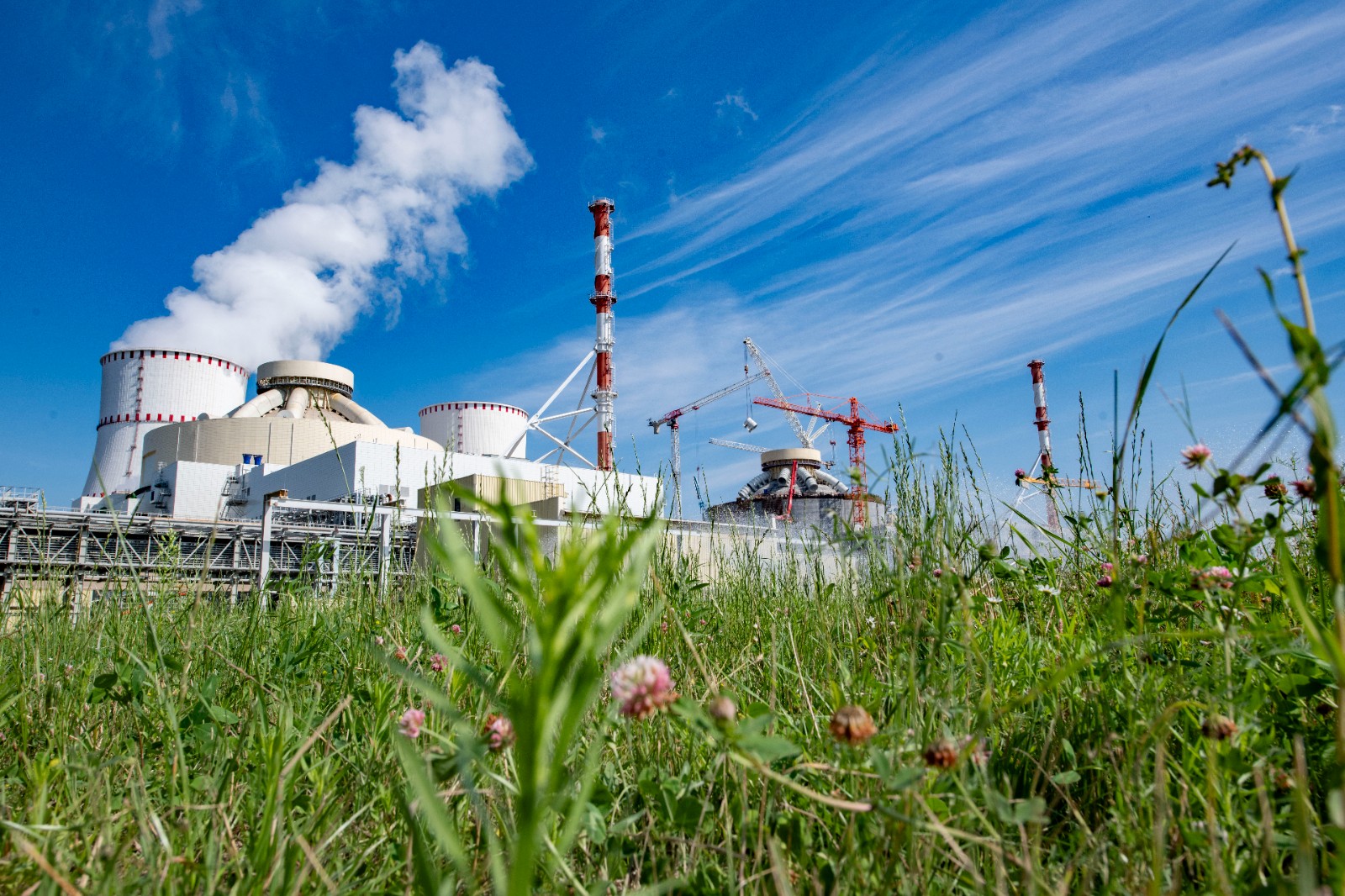
Russian Kursk NPP VVER-TOI Unit Completes Annual Power Generation Plan Ahead of Schedule
The new VVER-TOI unit at Russia's Kursk Nuclear Power Plant has completed its annual power generation plan four months ahead of schedule. As of August 25, the unit had delivered over 4.46 billion kWh to Russia's Unified Energy System, bringing the plant's total generation nearly 50% above the national plan target. The unit is the most powerful innovative VVER-TOI unit under Rosatom, and is a Generation III+ nuclear power unit. According to Kursk NPP, its output is equivalent to approximately two years of electricity demand for the residents of the city of Kursk. The new unit was first connected to the grid on December 31, 2025, and entered the electricity and capacity market on May 1, 2026...
2026-08-26

Preventive Power Reduction of Unit 5 at Bulgaria's Kozloduy NPP
Bulgarian Energy Minister Iva Petrova stated in Sofia on August 21 that due to the persistently low water level of the Danube River, Unit 5 of the Kozloduy Nuclear Power Plant (Kozloduy NPP) has undergone a preventive reduction in power generation of approximately 120 MW, but the plant is currently not in a crisis situation. The unit has an installed capacity of slightly over 1,000 MW. Petrova said that the power reduction is a preventive measure within the plant's action plan for responding to the declining Danube water level, and the current situation is under control. She noted that if the water level continues to drop, Unit 5 may require further power reduction. At present, the plant has established an internal working group to continuously monitor hydrological changes. The situation is...
2026-08-22
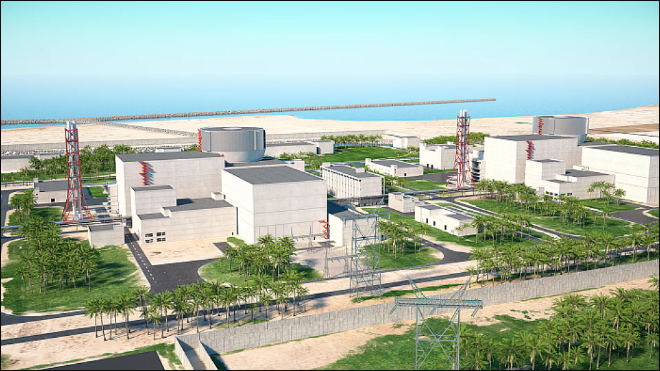
Automated Radiation Monitoring System to Be Built at Egypt's El Dabaa Nuclear Power Plant
On August 21, 2026, NPP Doza is advancing the construction project of an automated radiation monitoring system at Egypt's El Dabaa Nuclear Power Plant. The system will serve Egypt's first nuclear power plant and, as an important component of the plant's radiation safety infrastructure, will be used for continuous radiation monitoring of the plant site and surrounding areas. According to the project schedule, the construction of a complete automated radiation monitoring system for the four units of the El Dabaa Nuclear Power Plant typically takes two to three years, with work scope including technical solution development, technical documentation coordination, equipment manufacturing, staged testing, on-site deployment, and phased commissioning. NPP Doza...
2026-08-22
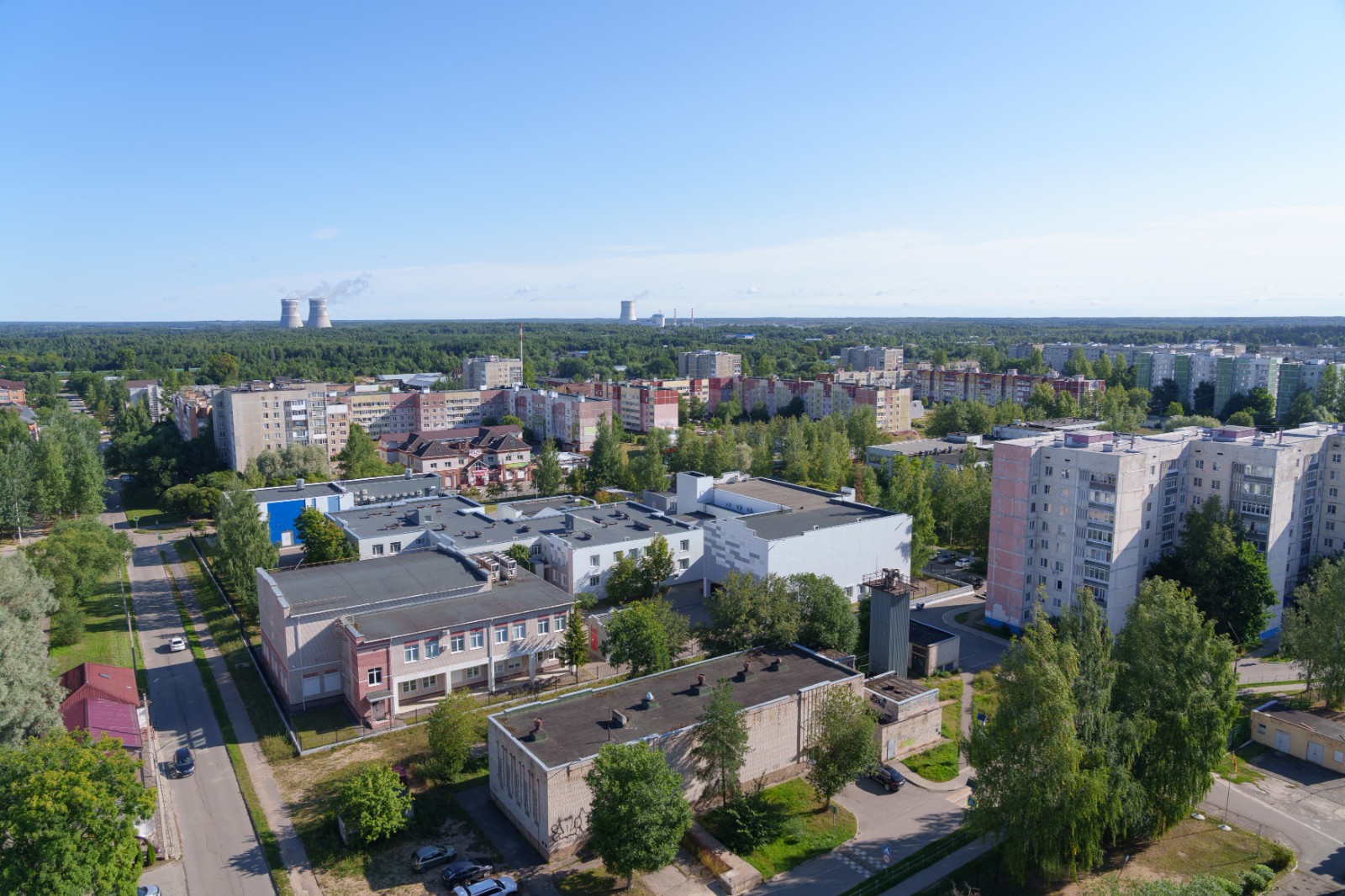
Kalinin NPP Participates in Development of Udomlya Master Plan
On August 19, the government of Russia's Tver Region held a meeting to present and discuss the first-stage results of the master development plan for the city of Udomlya. The plan will define priority directions for Udomlya's future integrated development, taking into account residents' needs, local economic development, and the role of Kalinin NPP in the area. Participants included the Tver Region government and relevant departments, the Udomlya municipal district administration, Rosenergoatom, Kalinin NPP, and the planning organization. The master plan was commissioned jointly by the Tver Region government, the Udomlya municipal district administration, Rosatom, and Rosenergoatom...
2026-08-23
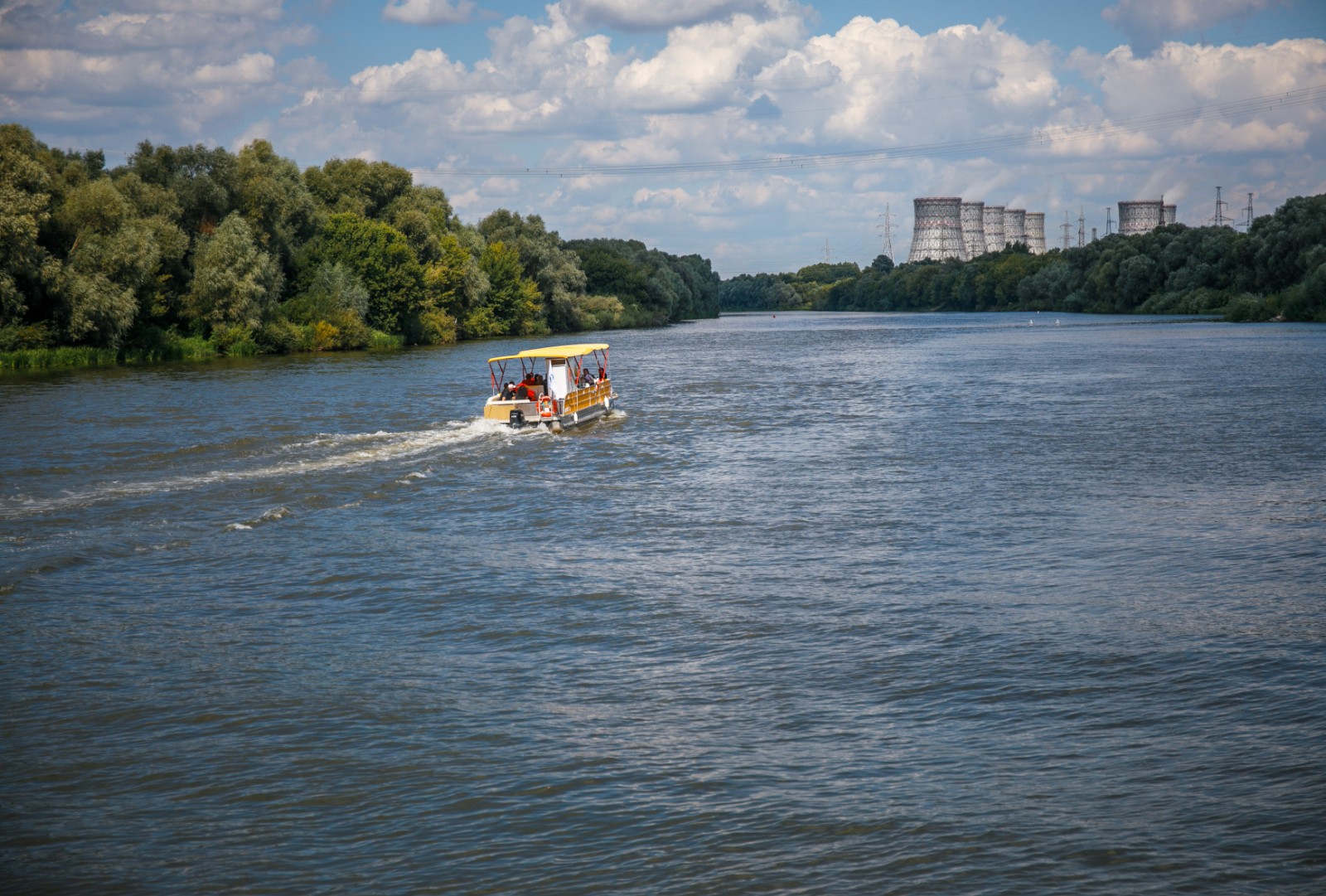
Russia's Novovoronezh NPP Publishes 2025 Environmental Safety Report
Russia's Novovoronezh Nuclear Power Plant recently released its 2025 environmental safety report to the public. The presentation of the report was arranged during navigation activities on the Don River, with participation from plant representatives, representatives of the Russian Ecological Society, personnel from relevant public institutions of Voronezh Oblast, environmental experts, journalists, and bloggers. The report focuses on the plant's impact on the surrounding environment and monitoring activities. According to Novovoronezh NPP, the plant conducts monthly water quality inspections at 24 control points along the Don River, most of which are located within urban areas. During the event, staff also demonstrated the water sampling process from the Don River at the plant's dedicated pier...
2026-08-23