
Search Results
Keyword:Nuclear Power
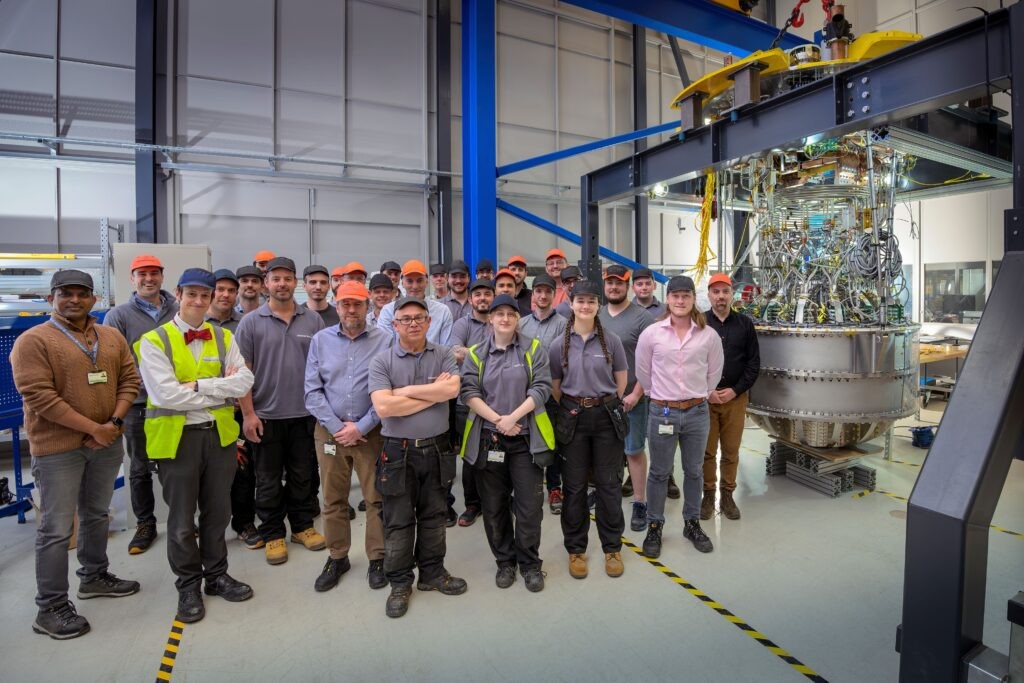
UK Tokamak Energy completes testing of Demo4 fusion high-temperature superconducting magnet system
On September 9, 2026, Tokamak Energy of the UK announced the completion of a 14-month testing campaign for its Demo4 fusion magnet system, validating the company's capabilities in the design, manufacture, integration, and operation of complete high-temperature superconducting (HTS) magnet systems. The technical experience gained from Demo4 testing is now being applied to the collaboration between Tokamak Energy and UK Fusion Energy (UKFE), supporting the development of HTS magnet systems for the Spherical Tokamak for Energy Production (STEP) fusion program. The results also target HTS commercial applications beyond fusion, and...
2026-09-09
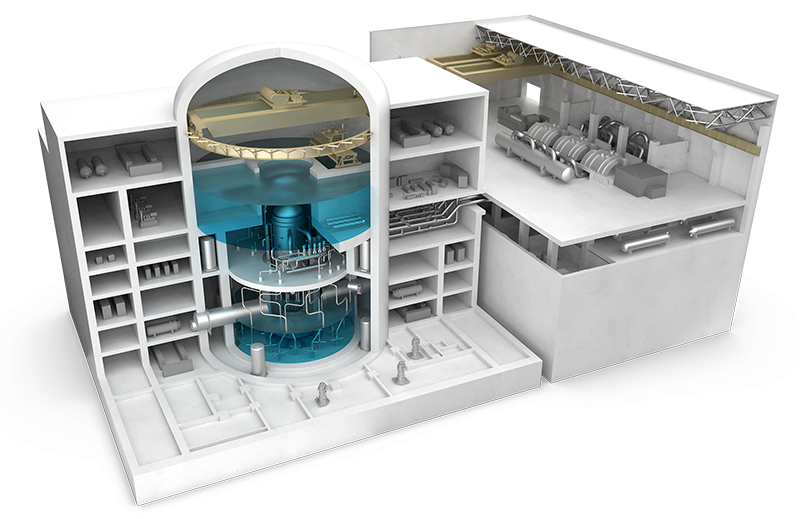
Toshiba Energy Systems Selected for Next-Generation Innovative Reactor Core Structure R&D and Demonstration Project
On September 9, 2026, Toshiba Energy Systems & Solutions Corporation (Toshiba ESS) announced that it has been selected for the second round of public solicitation under the Japanese Ministry of Economy, Trade and Industry's FY2025 supplementary budget project "Support Program for Technology Development and Supply Chain Construction for Next-Generation Innovative Reactor Development and Construction," undertaking the "Next-Generation Innovative Reactor Core Structure R&D and Manufacturing Demonstration Project (Phase 2)." Figure: Image of iBR internal structure Following this selection, Toshiba Energy Systems will further expand its R&D efforts in reactor internal structures, building on the six projects previously selected in the first round. The company plans to collaborate with suppliers to...
2026-09-09
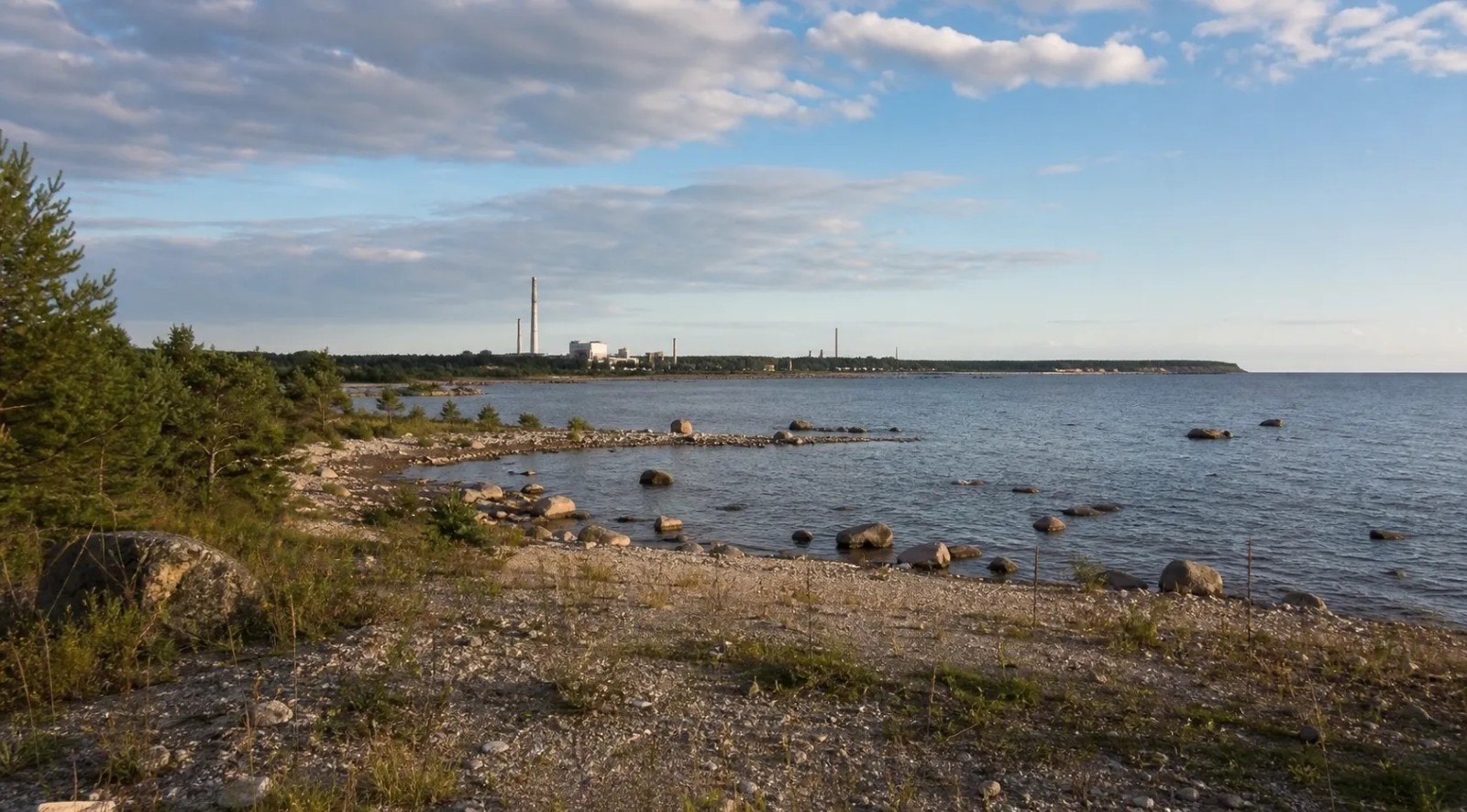
Estonia expects to identify preliminary nuclear power plant site by spring
Estonia's Ministry of Economic Affairs and Communications expects that by spring, the site selection analysis for a nuclear power plant will have progressed sufficiently to identify preliminary candidate sites. Currently, authorities are evaluating six potential locations in the coastal areas of Kunda and Lüganuse-Toila, with three candidate sites in each area. Agnes Lihtsa, adviser to the ministry's Land and Spatial Policy Department, stated that relevant authorities have developed a site evaluation framework containing 40 indicators, drawing on recommendations from the International Atomic Energy Agency. The evaluation covers nuclear safety requirements, geological and hydrological conditions, cooling water availability, potential impacts on the natural environment, and socio-economic factors. Lihtsa said that cooling water conditions are a key factor in site selection.
2026-09-09
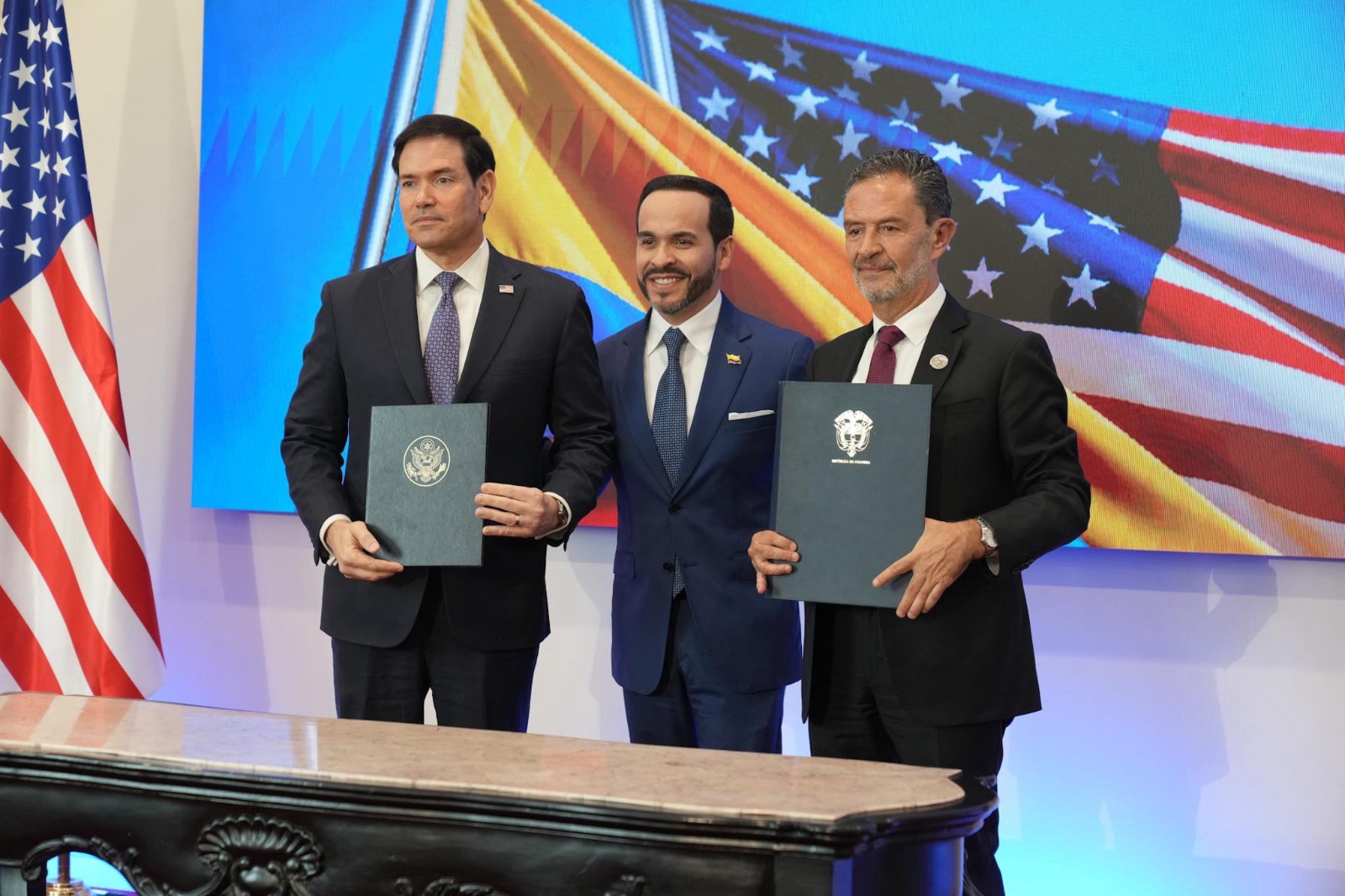
United States and Colombia Sign Strategic Civil Nuclear Cooperation Memorandum of Understanding
On September 8, 2026, U.S. Secretary of State Marco Rubio, Colombian President Abelardo de la Espriella, and Colombian Foreign Minister Omar Blas Escobar attended the signing ceremony of two memoranda of understanding in Barranquilla, Colombia. The related report was published and updated on September 9, 2026. Under the signing arrangement, the first document is a framework memorandum of understanding between the U.S. government and the Colombian government on securing the mining and processing supply of critical minerals and rare earth elements; the second document is a memorandum of understanding between the U.S. government and the Government of the Republic of Colombia on strategic civil nuclear cooperation. Following the signing ceremony, Rubio stated that the United States and Colombia...
2026-09-09
West Virginia Joins Nuclear Lifecycle Innovation Center Program
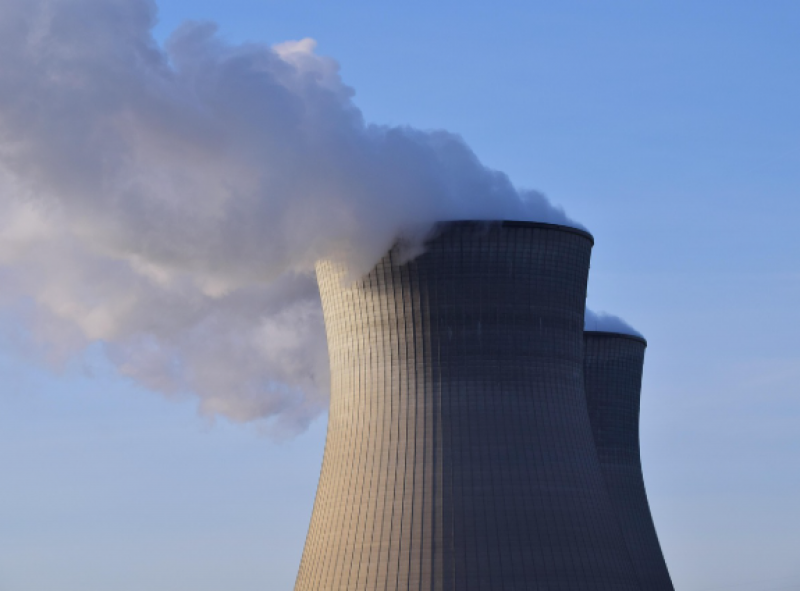
On September 9, 2026, West Virginia Governor Patrick Morrisey announced that the state has signed a Memorandum of Understanding with the U.S. Department of Energy (DOE) to join the Nuclear Lifecycle Innovation Center (NLIC) program, becoming the sixth participating state. Earlier this year, the DOE had identified Idaho, Tennessee, Utah, Oklahoma, and Louisiana as potential host states. With West Virginia's addition, the state will work with the DOE to evaluate potential sites and advance possible host agreements. According to reports, the NLIC program aims to support activities across the full nuclear fuel lifecycle...
2026-09-09
Indian, Russian Leaders to Meet Ahead of BRICS Summit; Talks on New Nuclear Power Plants on Agenda
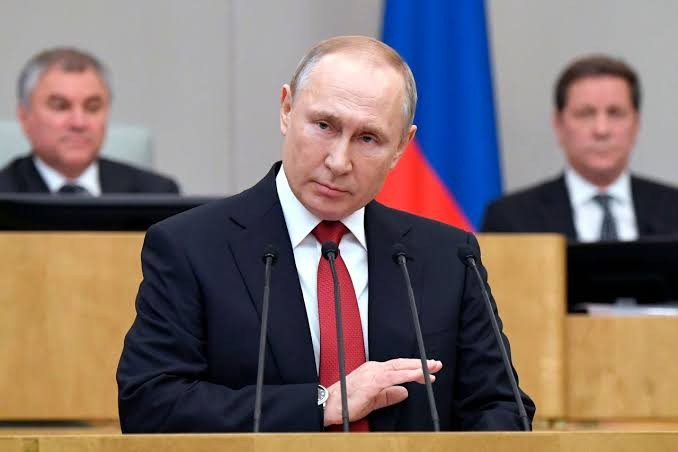
Kremlin spokesman Dmitry Peskov confirmed on September 8 that Indian Prime Minister Narendra Modi and Russian President Vladimir Putin will meet this Friday, ahead of the 18th BRICS Leaders' Summit scheduled for September 12-13 in New Delhi. Peskov stated that Russia is awaiting negotiations with India on new nuclear power plants. He also noted that the two leaders maintain close contact and are able to discuss sensitive issues in bilateral relations in an open and constructive manner. The Indian side has not yet issued an official statement regarding the bilateral meeting between Modi and Putin. India holds the presidency of the 2026 BRICS Summit. This year's summit will be held at the India Exposition Centre in New Delhi under the theme "Building Resilience, Innovation, Cooperation, and Sustainable Development." During the summit, participants will exchange views on shared priorities and related global and regional issues.
2026-09-09
IAEA Hosts Nuclear Energy Financing Capacity-Building Workshop
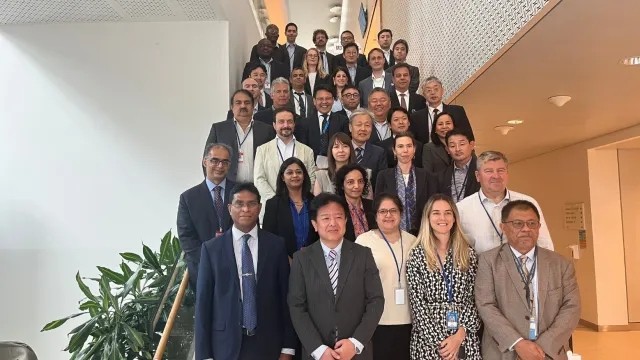
The International Atomic Energy Agency (IAEA) recently held a capacity-building workshop on nuclear energy for international financial institutions at its headquarters in Vienna, Austria, attended by approximately 50 senior experts from the Asian Development Bank (ADB), the World Bank Group (WBG), the European Bank for Reconstruction and Development (EBRD), the OPEC Fund for International Development, the Asian Infrastructure Investment Bank (AIIB), and the African Development Bank (AfDB). Approximately 50 senior experts from the Asian Development Bank, the World Bank Group, the European Bank for Reconstruction and Development, the OPEC Fund, the Asian Infrastructure Investment Bank, and the African Development Bank attended the IAEA's nuclear energy capacity-building workshop for international financial institutions. (Photo: J. Fri...
2026-09-09
Five Korean Local Governments Discuss Improvements to On-Site Storage Facilities at Nuclear Power Plants
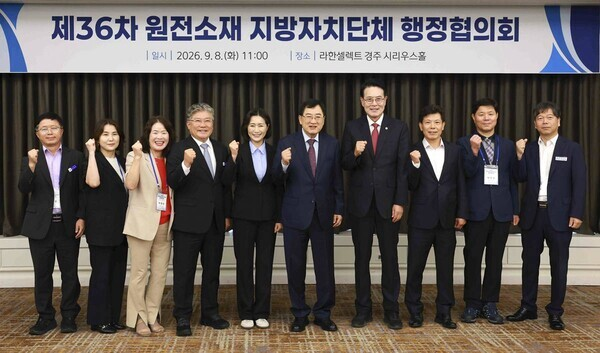
On September 8, 2026, Gyeongju City announced that the 36th Administrative Meeting of Local Governments Hosting Nuclear Power Plants was held in Gyeongju that day. Heads of local governments from five regions hosting nuclear power plants—Gyeongju City, Gijang County in Busan, Ulju County in Ulsan, Yeonggwang County in South Jeolla Province, and Uljin County in North Gyeongsang Province—attended the meeting. Photo of the administrative meeting of local governments hosting nuclear power plants held in Gyeongju on the 8th. Photo provided by Gyeongju City Government. The meeting discussed topics including current issues with on-site storage facilities within nuclear power plant premises, improvement of support systems for areas surrounding nuclear power plants, and joint response mechanisms among local governments. Participants noted that some issues faced by nuclear power plant host regions share common characteristics, requiring collaboration among local governments to ensure relevant opinions are reflected in government policies and systems.
2026-09-09
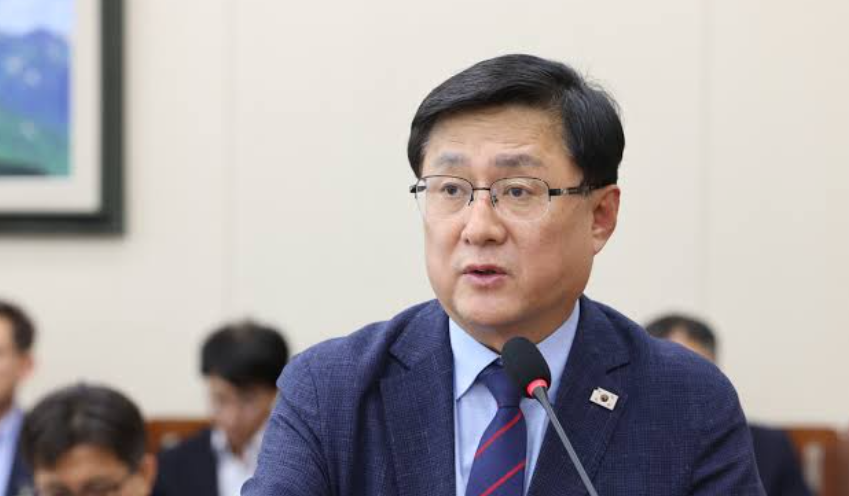
South Korea Reassesses New Nuclear Power Plant Construction Amid Rising AI Electricity Demand
On September 8, South Korea's Minister of Climate and Energy Environment, Kim Sung-hwan, stated in an interview that due to the expansion of the artificial intelligence industry, South Korea's future electricity demand is expected to increase by 25 to 30 gigawatts. The government is reassessing the possibility of constructing new nuclear power plants and plans to announce the 12th Basic Plan for Electricity Supply and Demand next month. Kim Sung-hwan said the aforementioned additional demand mainly stems from Samsung Electronics and SK hynix expanding semiconductor production, as well as the construction of new AI data centers. As internal combustion engine vehicles transition to electric vehicles and the scope of electric heating replacing gas heating expands, South Korea's overall electricity demand will continue to grow. The South Korean government...
2026-09-09
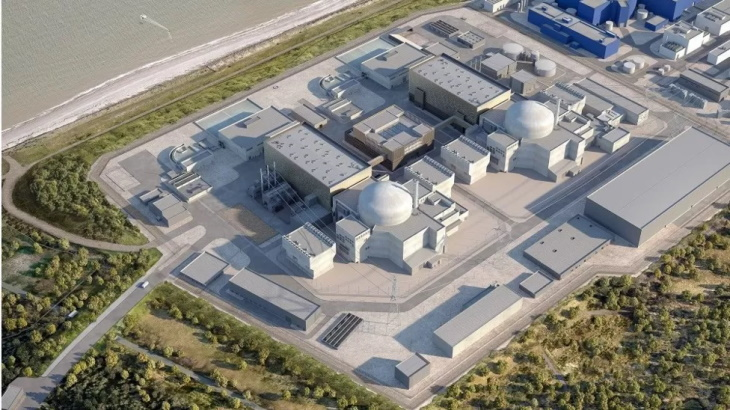
UK think tank calls for clear nuclear reactor technology roadmap to support nuclear expansion
On September 8, 2026, UK think tank Policy Exchange released a white paper stating that the UK government needs to more clearly articulate which nuclear reactor technologies it will rely on to advance the so-called nuclear golden age, and to strengthen the supply chain and achieve economies of scale through batch construction. Policy Exchange's Nuclear Enterprise Committee is composed of experts from government, industry, and academia. The committee believes that the UK's civil nuclear strategy is at a critical stage, and related decisions will affect the country's energy system for decades to come. The white paper points out that given that new small modular reactor technologies are still in the early stages of development, the UK government should retain the option of building another large-scale nuclear...
2026-09-09
Global nuclear power generation hits record high; World Nuclear Association says 2050 capacity target still requires project support
On September 8, 2026, the World Nuclear Association (WNA) stated in its newly released World Nuclear Outlook Report 2026 that global nuclear power generation reached 2,702 TWh in 2025, a record high. The Association said that if national nuclear expansion plans are implemented, global nuclear installed capacity could exceed the level corresponding to the nuclear tripling target by 2050. The report shows that global nuclear power generation in 2025 increased by 35 TWh compared with the previous record set in 2024. The average capacity factor of operating nuclear units worldwide was 83.7%, continuing the strong operational performance seen since 2000. The World Nuclear Association stated that with national targets achieved, identified...
2026-09-09
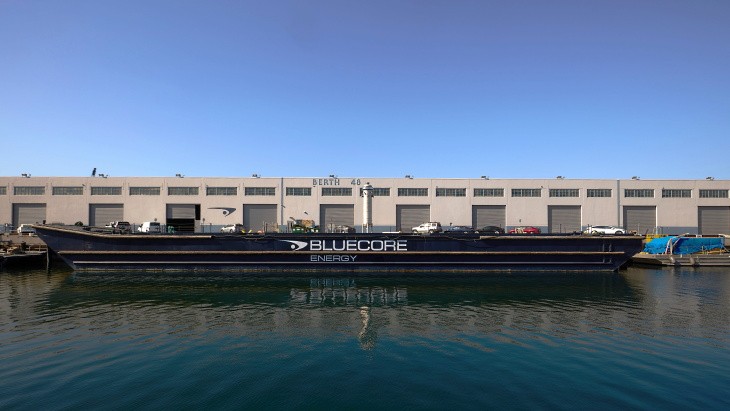
U.S. Bluecore Energy Raises $50 Million to Advance Floating Small Modular Reactors
On September 8, 2026, U.S.-based Bluecore Energy announced the completion of a $50 million seed financing round to accelerate the development, testing, and deployment of its floating nuclear energy systems. Bluecore Energy is developing small modular water-cooled reactors that can operate on floating barges, with target applications including ports, utilities, data centers, offshore infrastructure, and communities facing energy shortages. The round was led by Silverton Partners, with existing investor Slauson & Co continuing its participation, alongside Harlem Capital, Precursor Ventures, LMNT, Visible Hands VC, Karman Ventures, and others. Bluecore ...
2026-09-09
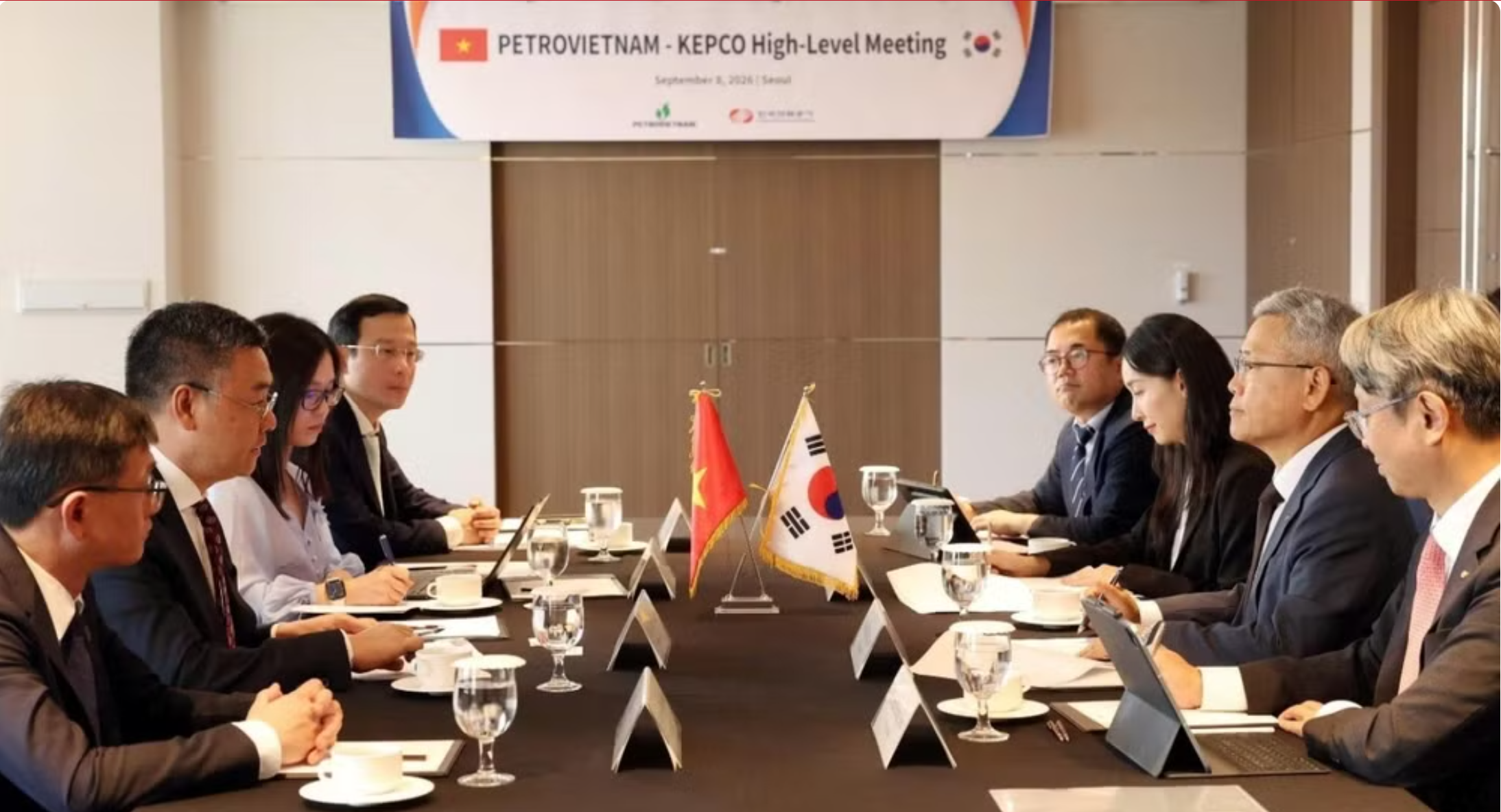
Vietnam's Petrovietnam and Korea Electric Power Corporation Advance Cooperation on Ninh Thuan 2 Nuclear Power Project
On September 7, 2026, Vietnam's National Industry and Energy Group (Petrovietnam) and Korea Electric Power Corporation (KEPCO) are accelerating cooperation in nuclear power research and development. On September 8, a delegation led by Petrovietnam General Director Le Manh Cuong held a working meeting in Seoul, South Korea with a delegation led by KEPCO Chairman and CEO Kim Dong-cheol, with both sides focusing on the implementation of the cooperation agreement in the nuclear power sector. Le Manh Cuong stated that Vietnam is taking measures to create conditions for the implementation of nuclear power projects. Previously, Petrovietnam and KEPCO signed a cooperation agreement witnessed by high-level leaders of both countries, demonstrating that nuclear power has become a key area of Vietnam-Korea cooperation...
2026-09-09
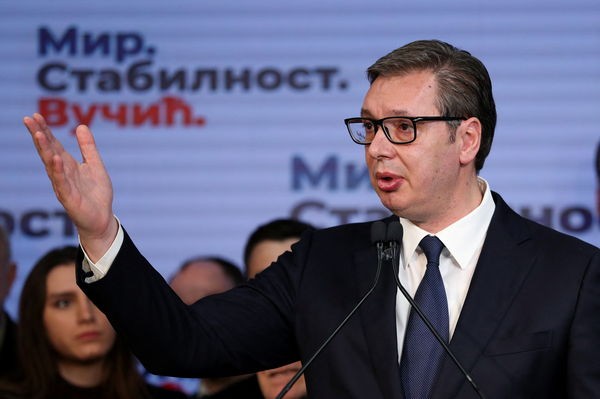
Serbian President Says China to Participate in Uzbekistan's Second Nuclear Power Plant Project
Serbian President Aleksandar Vučić stated on September 8 at the Uzbekistan-Serbia Business Forum held in Belgrade that China will participate in Uzbekistan's second nuclear power plant project. He said the information came from a private conversation with Uzbek President Shavkat Mirziyoyev earlier that morning. Vučić relayed that Mirziyoyev briefed him on two nuclear energy projects in Uzbekistan, one implemented in cooperation with Russia and the other planned to advance with China. Vučić quoted Mirziyoyev as saying: One nuclear power plant is being built in cooperation with the Russians, and another is being built in cooperation with the Chinese...
2026-09-09
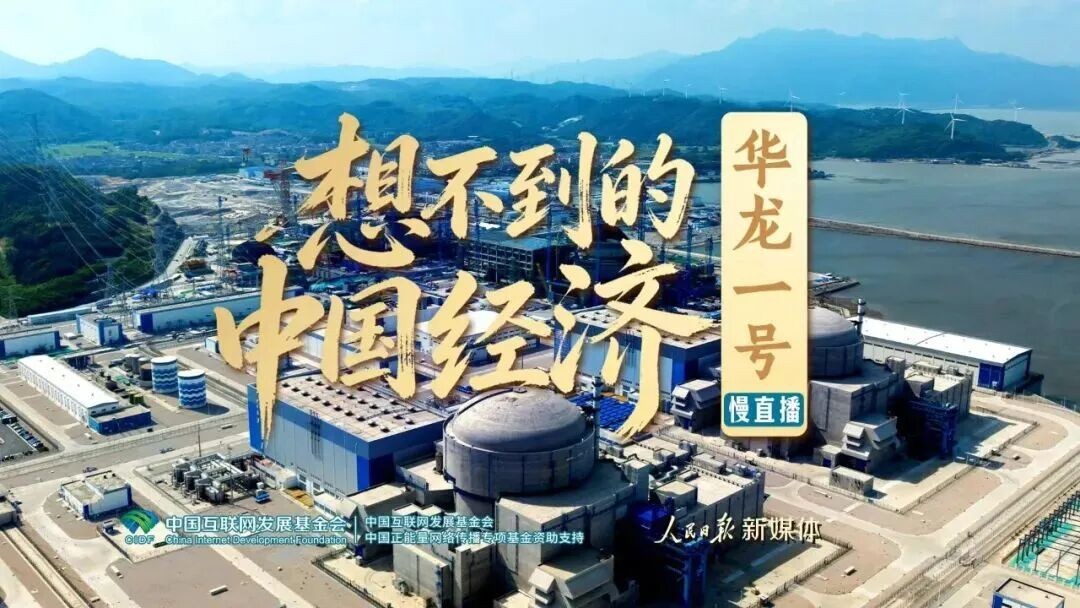
People's Daily Focuses on "Hualong One" Zhangzhou Nuclear Power
On September 8, the People's Daily client and the Vision client turned their lenses to Hualong One Zhangzhou Nuclear Power, presenting the entire process of the nuclear island polar crane bridge lifting at Unit 4 of Zhangzhou Nuclear Power in an 8-hour slow live broadcast. This was not only a visual feast of a national heavyweight project, but also a cloud-based review of Hualong One's solid strength. With over one million viewers witnessing online, it showcased Hualong One's millimeter-level engineering precision and the resolute pace of its batch construction, conveying to the world China's confidence and strength in independent innovation in nuclear power through the lens. Documentary of Unit 4 Nuclear Island Polar Crane Bridge Lifting. This slow live broadcast focused on the lifting site of the nuclear island polar crane bridge at Unit 4 of Zhangzhou Nuclear Power...
2026-09-09