
Search Results
Keyword:Nuclear Power
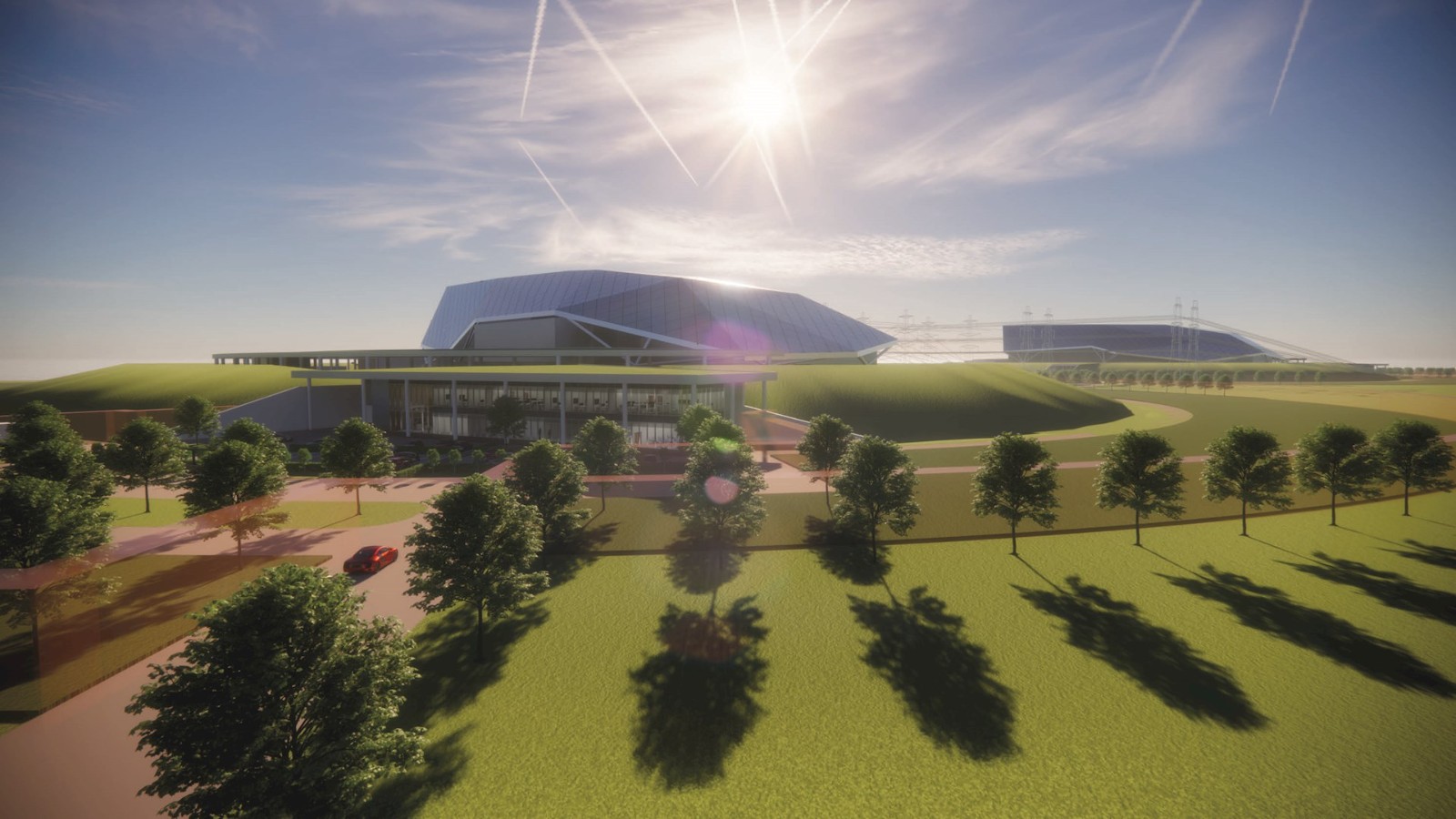
UK Rolls-Royce SMR Signs Memorandum of Understanding with ABB on Small Modular Reactors
On September 8, 2026, ABB and Rolls-Royce Small Modular Reactors (Rolls-Royce SMR) signed a Memorandum of Understanding to explore collaboration on small modular reactor projects. Under the MoU, ABB will study how its automation, electrification, instrumentation, and communications solutions can be applied to the scaled deployment of related projects. Rolls-Royce SMR is developing standardized, factory-prefabricated small modular reactor technology aimed at reducing nuclear project risks, improving delivery certainty, and providing low-carbon electricity in global markets. The company plans to develop a fleet of units, each with an electrical output of 470 megawatts, capable of meeting the electricity needs of one million UK households...
2026-09-09
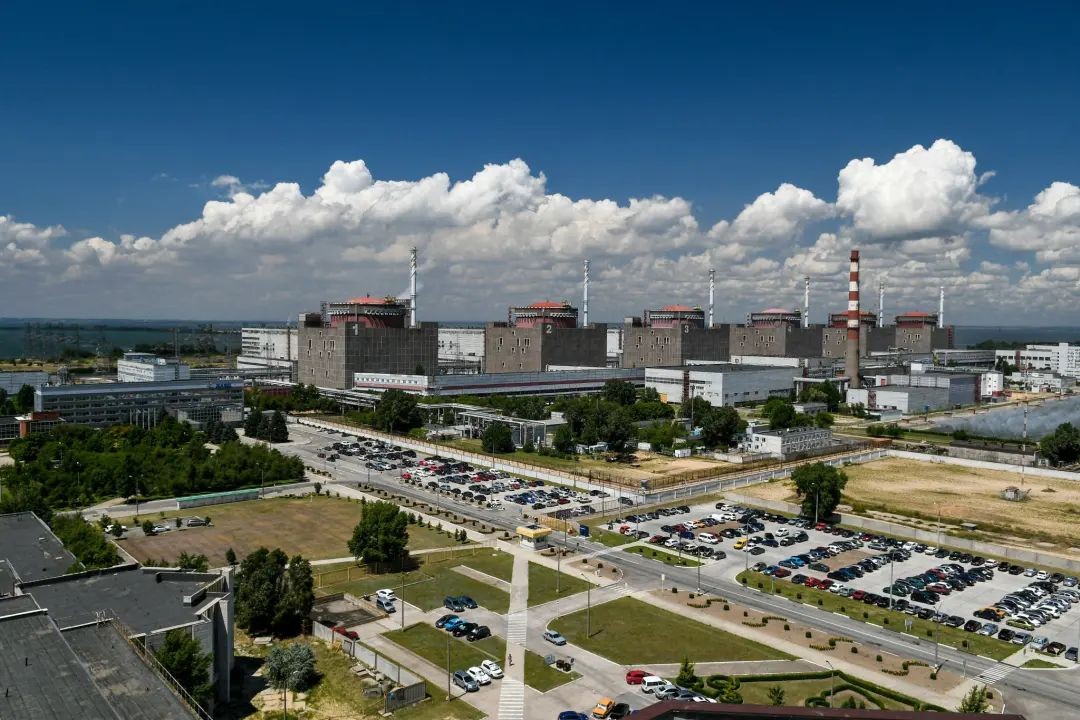
Ukraine's Zaporizhzhia Nuclear Power Plant says restoring second external power line is critical to nuclear safety
On September 7, the Zaporizhzhia Nuclear Power Plant stated that restoring and commissioning the second external power transmission line—the 750 kV Dniprovska line—is critical to improving the reliability of the plant's power supply and enhancing nuclear and radiation safety levels. The plant also proposed that a systematic supply of fuel for backup diesel generators needs to be ensured. The Zaporizhzhia Nuclear Power Plant stated that after the 330 kV Ferrospravnaya-1 transmission line restored external power supply, the radiation conditions at the plant and surrounding areas remained stable, within the range of natural background levels. The plant also stated that following the restoration of external power supply, the backup diesel generators have been switched to standby mode. In its statement, the plant said that the Ferrospravnaya-1...
2026-09-09
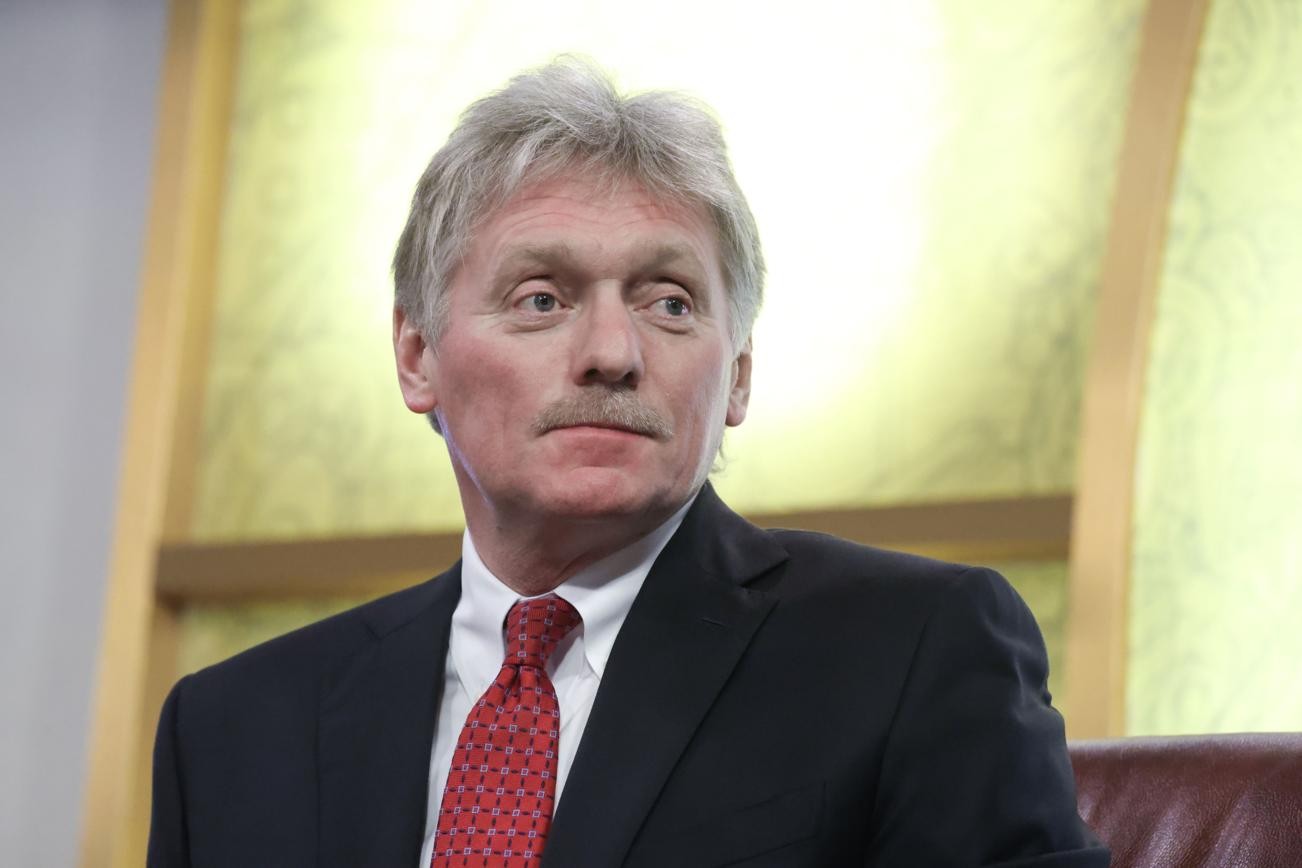
Russia Says India's Kudankulam Nuclear Power Plant Project Progressing Smoothly
On September 8, Russian Presidential Press Secretary Dmitry Peskov stated at a briefing for Indian media that the Kudankulam Nuclear Power Plant project in India is progressing smoothly, and Russia looks forward to negotiations with India on new nuclear power plant projects. Peskov said: "The Kudankulam Nuclear Power Plant project is progressing well, and we look forward to further developing cooperation in this area while awaiting negotiations on the construction of new nuclear power plants in India." The report noted that these remarks were made on the eve of the BRICS summit in New Delhi...
2026-09-09
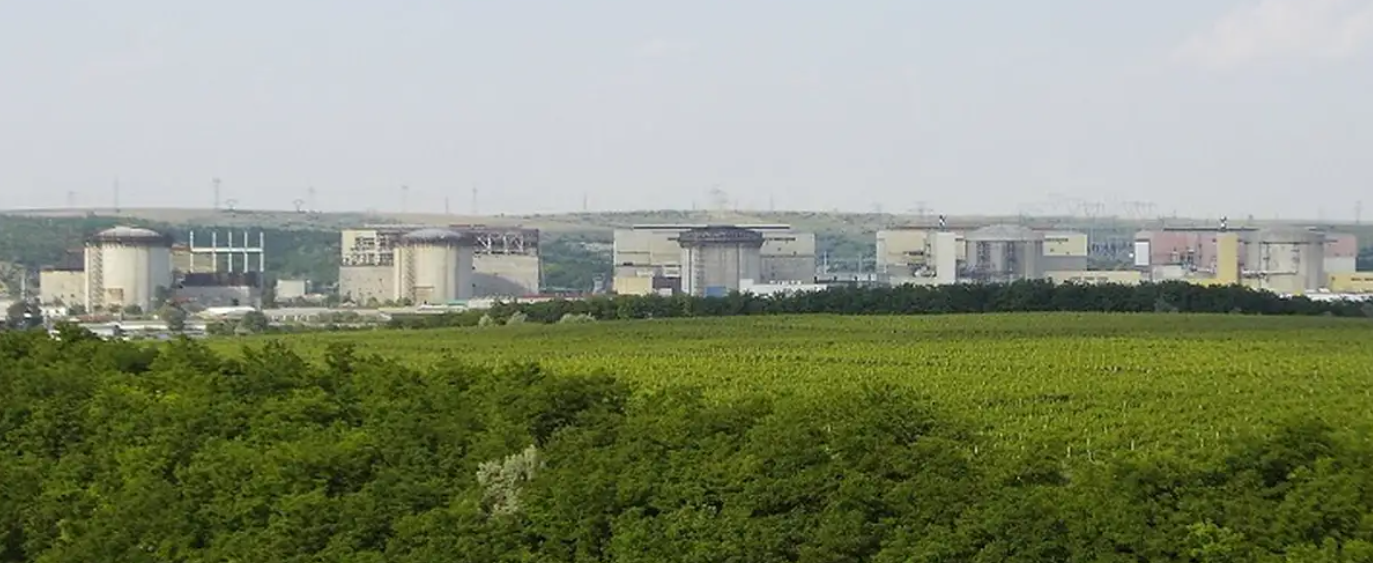
Romania's Cernavoda Nuclear Power Plant to Remain Offline Until at Least September 18 Due to Low Danube River Levels
On September 8, Romania's Cernavoda Nuclear Power Plant was expected to remain offline until at least September 18 due to low water levels in the Danube River. Emil Macovei, Technical Director of Nuclearelectrica, the operator of the Cernavoda plant, stated that over the next 10 days, the Danube's water volume would still be insufficient to support the restart of either of the plant's two units. Romania's Antena 3 television channel quoted him as saying that current hydrological conditions do not yet meet the requirements for unit operation. Cristian Busoi, Secretary of State at Romania's Ministry of Energy, said that predictions regarding the plant's restart timeline were "rather optimistic," and the ministry is currently unable to provide a definitive date for resuming operations. He confirmed that...
2026-09-09

South Korea's Naver Introduces Nuclear Power-Specialized AI Hy-NuRI Cooperation Experience in France
According to South Korean media reports on September 9, Naver, a South Korean internet service company, introduced its case of developing the nuclear power-specialized AI "Hy-NuRI" in cooperation with Korea Hydro & Nuclear Power while seeking to expand AI cooperation in France. Reports indicate that Naver CEO Choi Soo-yeon and Naver Cloud CEO Kim Yoo-won recently met with heads of French companies and institutions in media, information technology, energy, transportation, and finance sectors to discuss cooperation directions such as AI infrastructure and industry-specialized AI. At the Korea-France Business Roundtable held in France on the 8th, Choi Soo-yeon stated that Naver hopes to cooperate around global AI infrastructure and industry-specialized AI with data sovereignty and security guarantees.
2026-09-09
South Korea and Westinghouse Electric Plan to Advance Cooperation on 8 Nuclear Power Plants in the U.S.
According to a September 9 report by South Korean media, South Korea and the United States are coordinating an investment cooperation plan to build up to 8 large-scale nuclear power plants in the U.S., with a total project scale of approximately $120 billion, equivalent to about 161 trillion Korean won. Korea Hydro & Nuclear Power (KHNP) and U.S.-based Westinghouse Electric Company (WEC) are expected to collaborate on the project. The report said the preliminary plans under discussion include: at least 2 of the 8 nuclear power plants using the Korean-designed APR1400 reactor, with the remaining units likely adopting Westinghouse AP1000 technology. Specific site selection, construction entities, operational arrangements, final reactor types...
2026-09-09
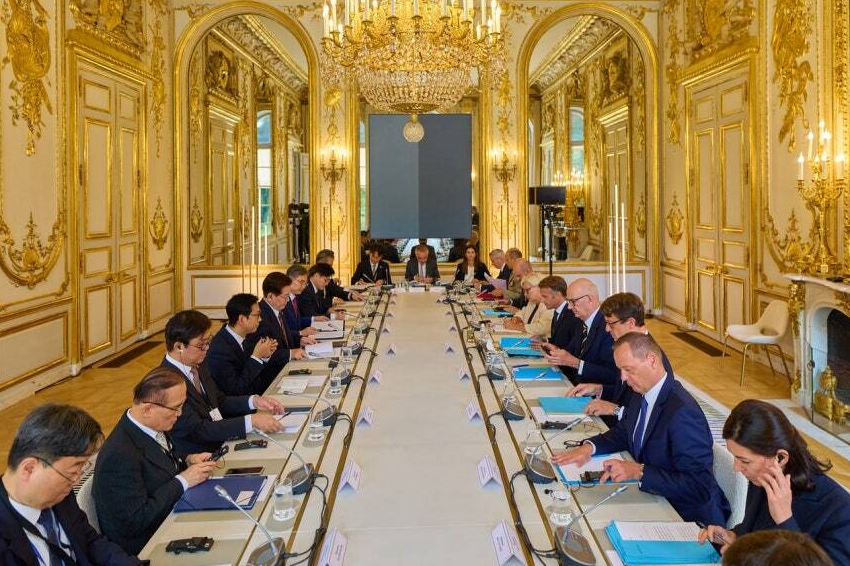
South Korea and France Agree to Deepen Nuclear Energy R&D and Nuclear Fuel Supply Cooperation
South Korean President Lee Jae-myung, on a state visit to France, held a summit with French President Emmanuel Macron at the Élysée Palace in Paris on September 8. The two sides stated after the meeting that they would further expand cooperation in the nuclear energy sector, with a focus on nuclear energy R&D, nuclear fuel supply, next-generation reactor development, and mid- to long-term supply chain diversification. Lee Jae-myung said at a joint press conference that the two countries had signed supplementary documents on cooperation in nuclear energy R&D and nuclear fuel supply to deepen the nuclear energy cooperation agreement reached between the two nations in April. Both sides confirmed that they would continue to advance cooperation in next-generation reactor development and mid- to long-term supply chain diversification. According to related reports, the two countries also decided to establish a new...
2026-09-09
KHNP and France's Orano Expand Nuclear Fuel Supply Chain Cooperation
On September 8, Korea Hydro & Nuclear Power (KHNP) and France's Orano SA (Orano) signed a letter of intent for long-term cooperation in uranium enrichment at the Élysée Palace in Paris. The signing ceremony was witnessed by the leaders of both South Korea and France. This letter of intent represents a further extension of the existing cooperation between the two parties. In April this year, during French President Emmanuel Macron's visit to South Korea, KHNP and Orano had signed a memorandum of understanding on global, mutually beneficial cooperation in the nuclear fuel cycle sector. Under the letter of intent, the two parties plan to deepen cooperation in the front-end of the nuclear fuel cycle. KHNP...
2026-09-09
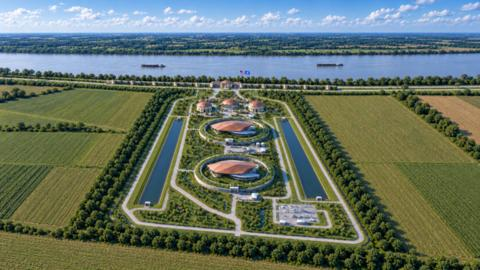
US ONE Nuclear Advances 1 GW SMR Project in Louisiana
ONE Nuclear Energy LLC (referred to as "ONE Nuclear") recently announced that its Amberjack small modular reactor (SMR) project in Louisiana, USA, has entered the technical and environmental assessment phase. The project is planned as a standalone, scalable multi-unit SMR campus targeting an advanced nuclear power generation capacity of up to approximately 1 GW. ONE Nuclear stated that the final installed capacity, reactor technology pathway, and plant configuration for the Amberjack project have not yet been determined and will depend on subsequent technology down-selection, detailed engineering design, environmental assessment, transmission studies, commercial arrangements, financing, and federal licensing processes. The company previously also announced...
2026-09-09

US Lightbridge Aims to Accelerate Advanced Nuclear Fuel Commercialization via INL Project
Lightbridge Corporation, a US advanced nuclear fuel technology company, announced on September 8 that it has been selected for the "Launchpad" program advanced by the US Department of Energy (DOE) at Idaho National Laboratory (INL), and plans to leverage this opportunity to accelerate the deployment of Lightbridge Fuel™ in commercial reactors. According to a shareholder letter from Lightbridge Chairman and CEO Seth Grae, the company will pursue a two-track commercialization strategy: on one track, under DOE authorization, it will build the Specialized High-Assay Low-Enriched Uranium Extrusion Demonstration (SHED) facility to produce Lead Test Assemblies (LTAs); on the other...
2026-09-09
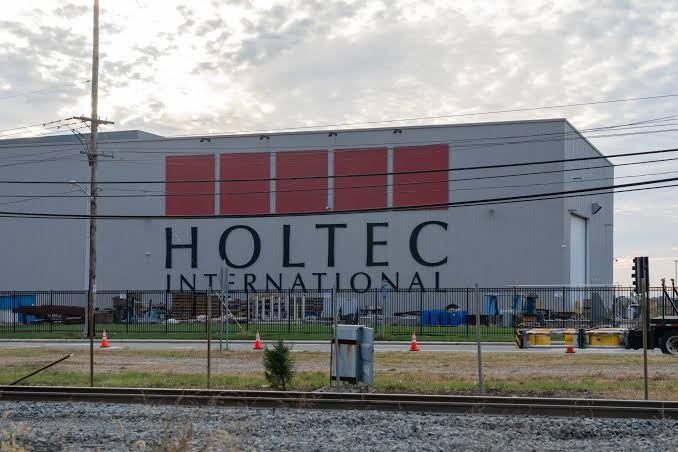
Ukraine's Energoatom purchases additional 41 VVER Spent Fuel Dry Storage Systems
Holtec Nuclear recently announced that Ukraine's national nuclear energy company Energoatom has awarded it a new contract to supply an additional 41 spent fuel safe transport and storage systems for VVER reactors at Ukraine's Khmelnytskyi, Rivne, and South Ukraine nuclear power plants. The contract was signed on August 26, 2026. Energoatom's acting CEO Pavlo Kovtonyuk signed the contract in Kyiv, while Holtec Nuclear's CEO and Board Chairman Kris Singh signed in Camden, New Jersey, USA...
2026-09-09
U.S. Department of Energy Provides $1.9 Billion Loan to Support Restart of Duane Arnold Nuclear Power Plant
NextEra Energy announced on September 8 that it has completed a loan arrangement of up to $1.9 billion with the U.S. Department of Energy (DOE) to support the restart of the Duane Arnold Energy Center in Iowa. The project will help restore operations at Iowa's only nuclear power plant and add stable electricity supply to the regional grid. Located in Linn County, Iowa, the Duane Arnold Energy Center has a generating capacity of 615 megawatts. NextEra Energy has previously stated that, subject to regulatory approvals, it plans to restart the facility no later than the first quarter of 2029. The DOE loan will support related restoration efforts, including...
2026-09-09
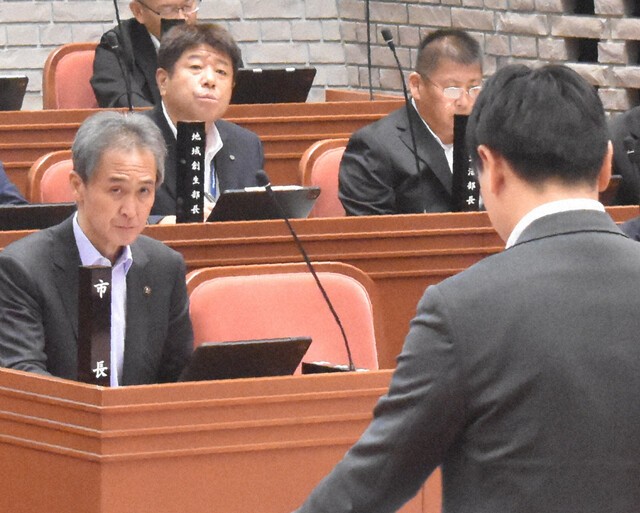
Hitachioomiya City Assembly in Ibaraki Prefecture, Japan, discusses literature survey request for nuclear waste disposal site
Hitachioomiya City in Ibaraki Prefecture, Japan, received a request from Japan's Ministry of Economy, Trade and Industry (METI) asking the city to accept a literature survey for the siting of a final disposal facility for high-level radioactive waste. On September 8, the Hitachioomiya City Assembly held a general question-and-answer session, during which multiple city assembly members expressed their views on whether to accept the survey. Of the five assembly members who filed questions that day, two expressed opposition to accepting the request and one expressed support. The assembly plans to hold a closed-door meeting on September 9, at which each assembly member will state their position, and the relevant content will subsequently be conveyed to Mayor Sadayuki Suzuki for his consideration in formulating the city government's response. Assembly member Toshiyuki Kurata stated that if the literature survey proceeds, it would impact the policies and projects currently being implemented by the city...
2026-09-09
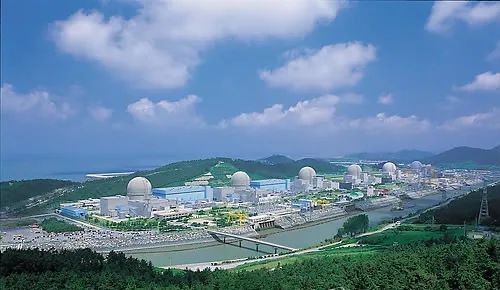
South Korea's Hanbit Nuclear Power Plant Unit 2 Shut Down Upon Expiration of Design Lifespan
South Korea's Hanbit Nuclear Power Plant Unit 2 will cease operation upon the expiration of its 40-year design lifespan. Following the shutdown of this unit, two of the six units at the Hanbit plant will have been taken offline due to reaching the end of their design lifespans. Unit 2 of the Hanbit plant received its operating license on September 12, 1986, and commenced commercial operation on June 10, 1987. Based on a 40-year design lifespan, the unit's operating license remains valid until September 11, 2026. The operator plans to conduct periodic inspections and planned preventive maintenance after the unit is shut down. In accordance with relevant regulations, once a unit reaches the end of its design lifespan, it may not resume operation until its application for continued operation is approved, and it must undergo legally required inspections and maintenance, and...
2026-09-09
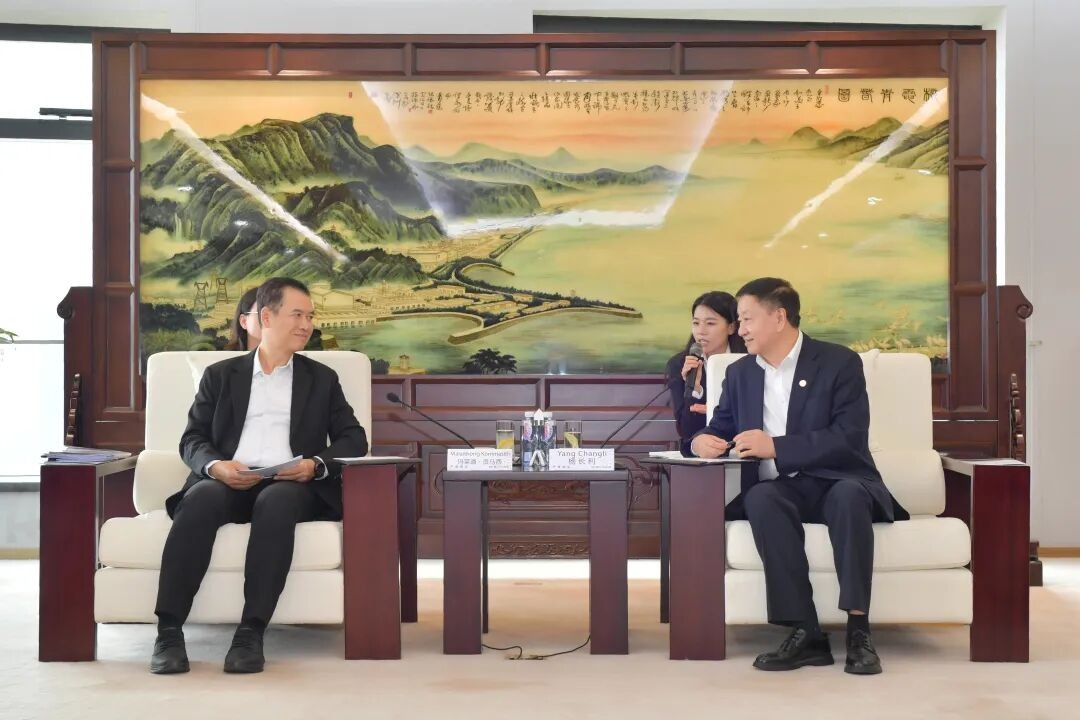
Yang Changli, Chairman of China General Nuclear Power Group, Meets with Lao Minister of Industry and Commerce Malaythong Kommasith and Standing Vice Chairman of the Lao-China Cooperation Committee Sengsadeth Sayasone
On September 7, Yang Changli, Chairman of China General Nuclear Power Group Co., Ltd., met separately with Lao Minister of Industry and Commerce Malaythong Kommasith and Sengsadeth Sayasone, Standing Vice Chairman of the Lao-China Cooperation Committee, at the CGN Tower in Shenzhen, conducting in-depth exchanges on deepening practical cooperation in energy, industry, agriculture, and people's livelihood. Prior to the meetings, Malaythong Kommasith and his delegation also visited and inspected the Daya Bay Nuclear Power Base. He Haibin, Chief Accountant of the Group, and Li Yilun, Vice President, attended relevant activities respectively. ▲Yang Changli meets with Lao Minister of Industry and Commerce Malaythong Kommasith ▲Yang Changli meets with Standing Vice Chairman of the Lao-China Cooperation Committee Sengsadeth Sayasone...
2026-09-09