
Search Results
Keyword:Nuclear Power
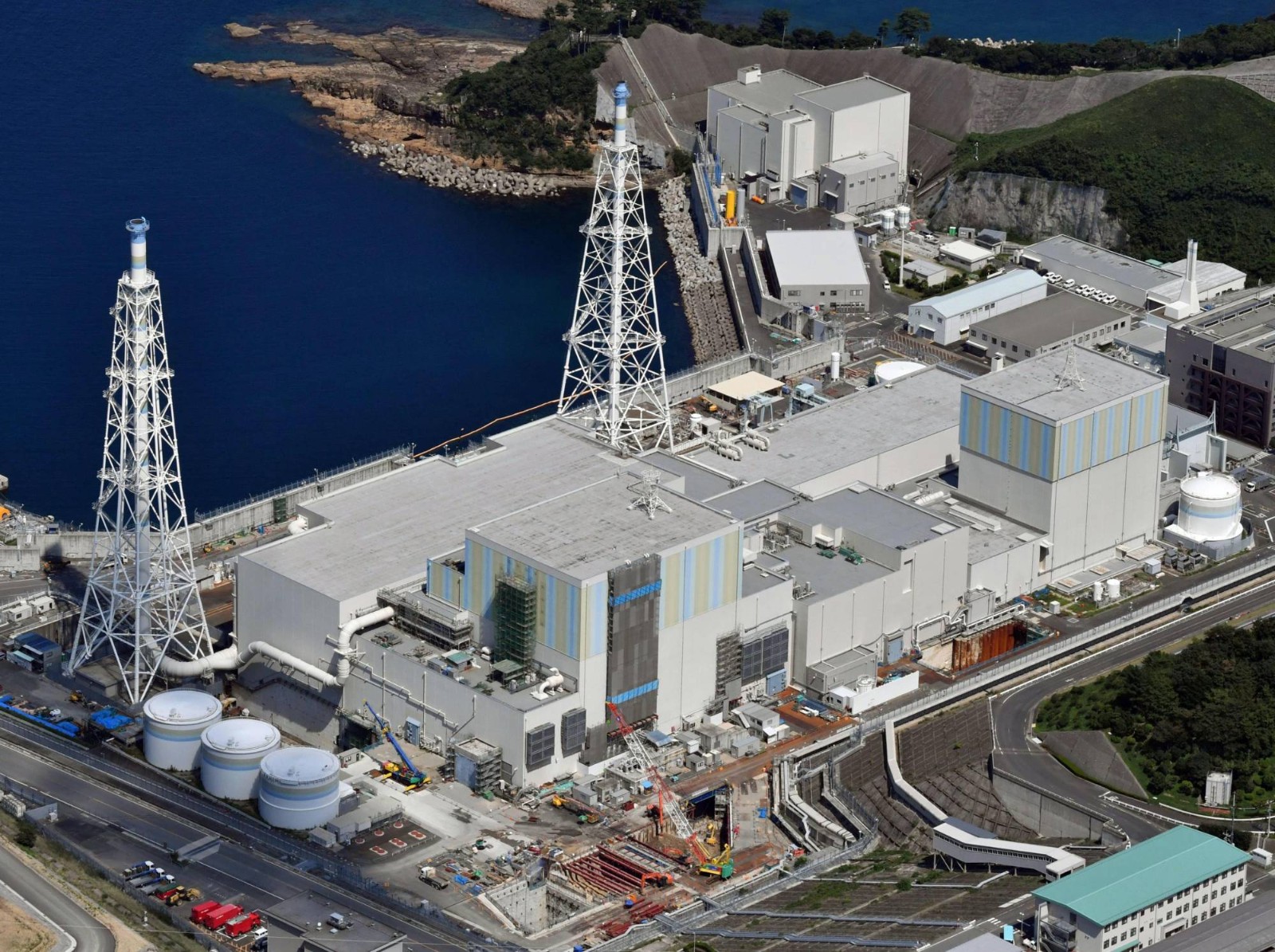
Unit 2 of Japan's Shimane Nuclear Power Plant Completes Periodic Inspection and Resumes Commercial Operation After About 7 Months
The Chugoku Electric Power Company (Japanese: 中国電力株式会社), a large integrated electric power company responsible for supplying electricity to 5 prefectures in the Chugoku region of western Honshu, Japan, announced on September 16 that Unit 2 of the Shimane Nuclear Power Plant has successfully completed the periodic inspection that began in February this year and officially resumed commercial operation on the 16th, returning to power supply after about 7 months. According to Chugoku Electric Power's estimate, in the overall power source mix, nuclear power generation will account for about 15% of the company's total power generation for this fiscal year, and this level of generation is expected to meet about 60% of the electricity demand of the two San'in prefectures. In addition, since Unit 2 of the Shimane Nuclear Power Plant has reached 37 years since it began commercial operation, Chugoku Electric Power also collected, during this periodic inspection, data used as the basis for assessing the "special inspection" required for future extended operation beyond the standard service period (exceeding the 40-year operating limit).
2026-09-17
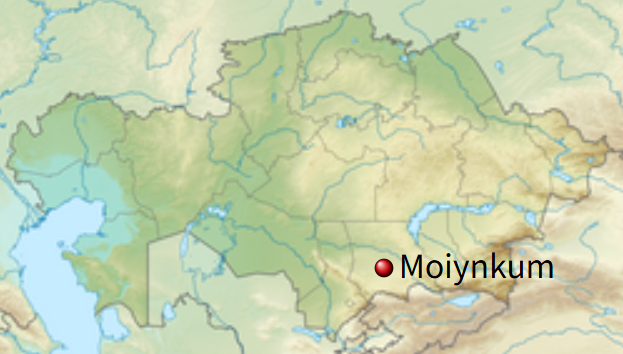
Kazakhstan is negotiating with potential suppliers on the construction of a second nuclear power plant
Gumar Sergazin, Vice Chairman of the Atomic Energy Agency of Kazakhstan, stated at the 70th General Conference of the International Atomic Energy Agency (IAEA) that Kazakhstan is currently engaged in active negotiations with potential suppliers regarding the construction of the country's second nuclear power plant. In his remarks, Sergazin emphasized that within the framework of implementing the national nuclear energy program, Kazakhstan is not only preparing for the construction of its first nuclear power plant, but is also consulting with potential partners on preparations for a second nuclear power plant. Sergazin noted that Kazakh President Kassym-Jomart Tokayev approved in April 2026 the...
2026-09-17
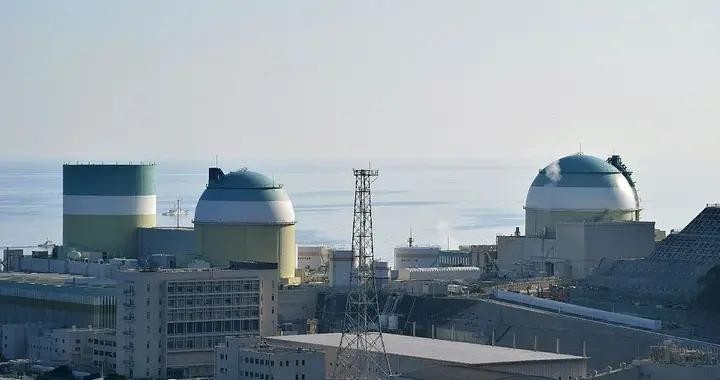
Unit 1 of Japan's Ikata Nuclear Power Plant Enters the Second Phase of Decommissioning
The Ikata Town Assembly formally passed a resolution on September 17, determining that the plan to advance the decommissioning work of Unit 1 to the next phase starting from the next fiscal year is "appropriate." It is understood that Shikoku Electric Power Company has divided the decommissioning work of Unit 1 at the Ikata Nuclear Power Plant into four phased processes to be carried out in an orderly manner. In July of this year, the company obtained official approval from Japan's Nuclear Regulation Authority to commence the second-phase decommissioning plan, which includes the dismantling of equipment surrounding the reactor. According to relevant regulatory and local agreement requirements, the transition of decommissioning work to the second phase must obtain the understanding and consent of the local autonomous body. To this end, the Ikata Town Assembly specifically established a Special Committee on Nuclear Power Generation Countermeasures...
2026-09-17

The "Weaponized" Nuclear Power Plant: Dual Narratives and Governance Dilemmas of the Zaporizhzhia Nuclear Crisis
As the Ukrainian Armed Forces continue to carry out drone attacks and shelling on the Zaporizhzhia Nuclear Power Plant, senior Russian officials have adopted an increasingly tough tone. On September 16, Yuri Chernichuk, director of the Zaporizhzhia Nuclear Power Plant, claimed to TASS that Ukraine "lacks highly qualified personnel capable of operating the plant," and used the argument that "if Russian personnel stop their services, an irreversible process will ultimately lead to a nuclear accident," in an attempt to strengthen accusations against Ukraine in public opinion. This statement once again pushed the most dangerous nuclear facility on the European continent to the center of public discourse. This article attempts to break away from a single narrative and, from the four dimensions of technology, jurisprudence, geopolitics, and international governance, analyze...
2026-09-17
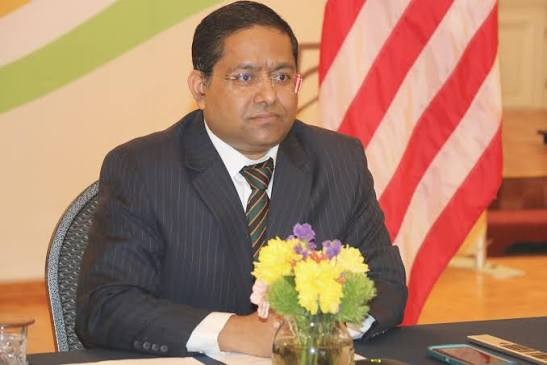
India's Ministry of External Affairs: Will continue to deepen strategic cooperation with Russia in nuclear energy and continue to advance the subsequent construction of the Kudankulam Nuclear Power Plant
Randhir Jaiswal, official spokesperson of India's Ministry of External Affairs, stated clearly at a press conference that India is committed to continuing to deepen strategic cooperation with Russia in the field of nuclear energy. Jaiswal pointed out that cooperation between India and Russia in the field of nuclear energy has a long history, among which the Kudankulam Nuclear Power Plant project is a model of successful cooperation between the two countries in the energy industry. He emphasized that India intends to further expand its cooperative relationship with Russia in this field, and that the two sides currently maintain regular dialogue and communication, with relevant technical experts conducting professional discussions on specific matters. Jaiswal also promised that once new cooperation projects are established in the future,...
2026-09-17
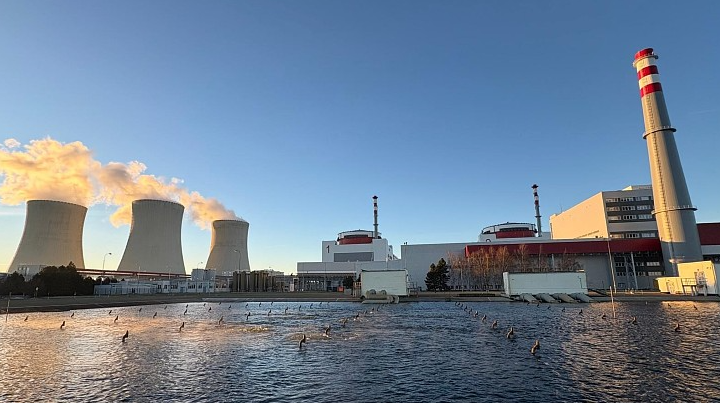
Unit 2 of the Czech Temelín Nuclear Power Plant shut down due to a control system fault
Unit 2 of the Temelín Nuclear Power Plant in the south of the Czech Republic has been taken out of service due to a fault in the control system of its non-nuclear portion. Marek Sviták, spokesperson for the Temelín Nuclear Power Plant, said that power engineers shut down Unit 2 of the Temelín Nuclear Power Plant that day because of a fault in the control system of the non-nuclear portion. After the necessary inspection and maintenance work is completed, the unit is expected to resume operation and return to power generation on Thursday of this week. At the same time, Unit 1 of the Temelín Nuclear Power Plant is currently operating normally at full power and has not been affected. In addition to the Temelín Nuclear Power Plant, the...
2026-09-17
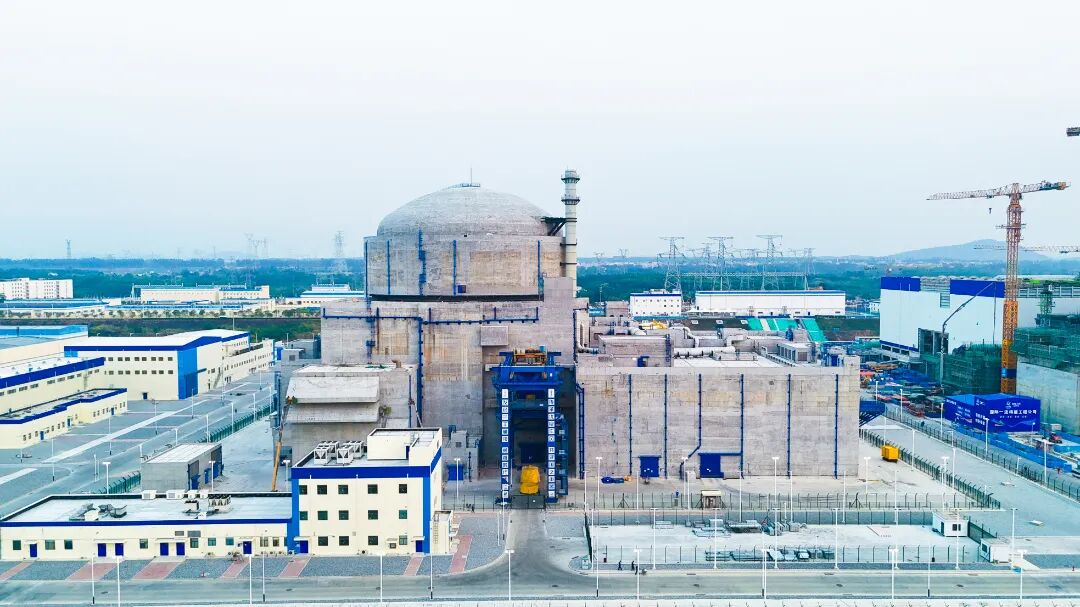
Hainan Free Trade Port's first "Hualong One", Huaneng Changjiang Nuclear Power Phase II Unit 3 is about to be officially put into operation
The first Hualong One nuclear power unit in the Hainan Free Trade Port, Huaneng Changjiang Nuclear Power Phase II Unit 3, is about to officially enter commercial operation. Huaneng Changjiang Nuclear Power Phase II is equipped with China's independently developed third-generation Hualong One nuclear power technology and adopts the country's first fully independently controllable group-level nuclear power production management system. It can deliver more than 9 billion kWh of clean electricity to the Hainan power grid each year. The Huaneng Changjiang Nuclear Power Phase II project plans to build Unit 3 and Unit 4, two units with a single-unit capacity of 1.2 million kilowatts. After the two units are fully completed, the annual power generation can reach 18 billion kWh, enough to meet the electricity demand of one-third of Hainan Province's population. Huaneng Changjiang Nuclear Power Phase II Unit 3 is about to be officially put...
2026-09-17
South Korea Plans to Open Up "Direct Purchase" of Nuclear Power: A Low-Cost Pathway for Industrial Decarbonization, or a New Challenge for the Electricity Market?
2026-09-17
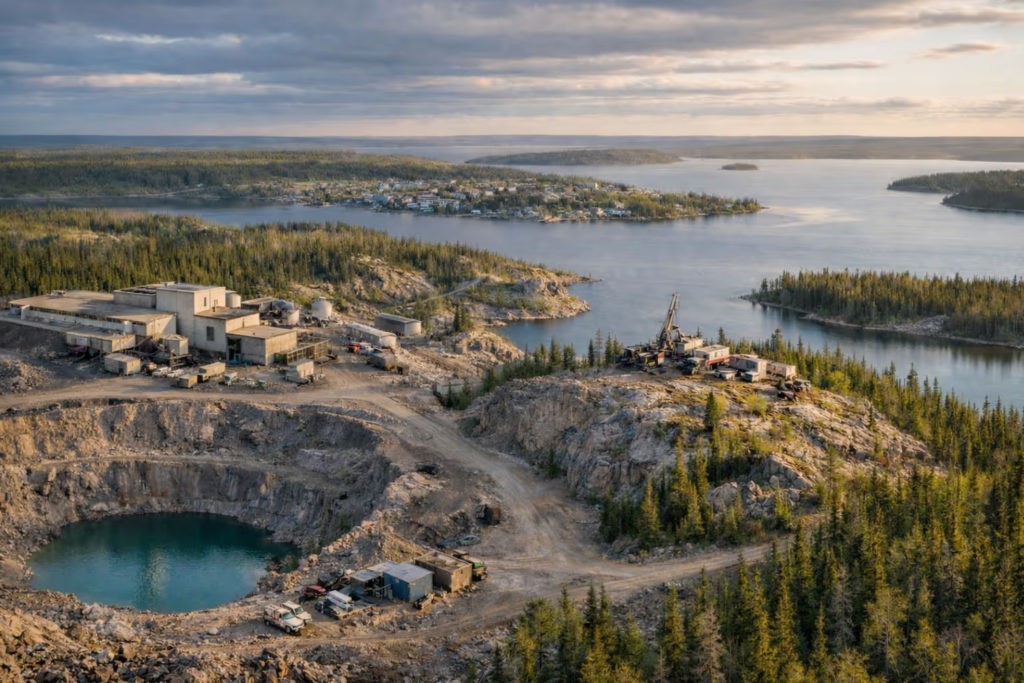
Canadian uranium exploration company Triton Uranium advances Atlas project, identifies 46.56 million pounds of potential uranium resources
Canadian uranium exploration company Triton Uranium recently announced that it has completed four technical reports compliant with NI 43-101 and S-K 1300 standards for its Atlas project located in Saskatchewan. The reports indicate that satellite mineralized occurrences and exploration target areas within the project area exhibit low-grade open-pit potential resources of up to 46.56 million pounds of triuranium octoxide (U₃O₈). This major technical breakthrough comes as the United States and Canada accelerate the construction of a continent-wide critical minerals supply chain under the U.S.-Canada Critical Minerals Action Plan. Meanwhile, Canada is fully advancing its nuclear energy strategy, with new reactor construction, small modular reactor (SMR) development, and the refurbishment of existing units...
2026-09-17
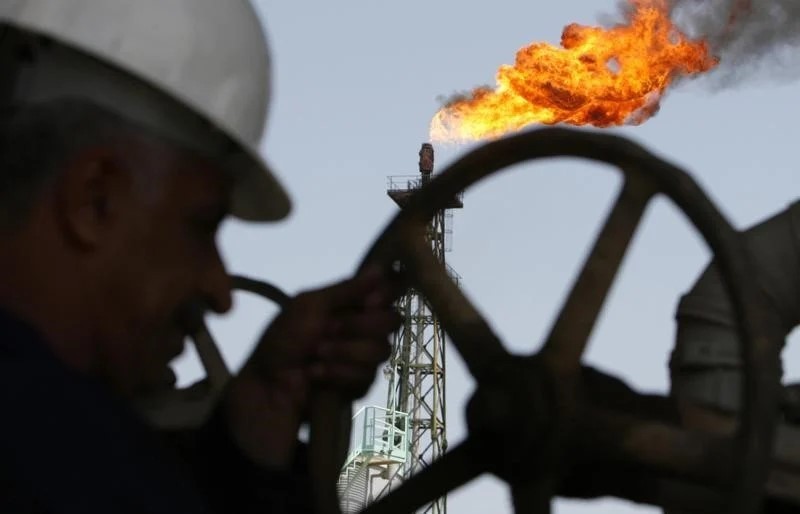
Blue Energy Submits Construction Permit Application to U.S. Nuclear Regulatory Commission to Advance Texas Gas-to-Nuclear Project
Blue Energy announced that it has submitted Part One of its construction permit application to the U.S. Nuclear Regulatory Commission (NRC) for its first gas-to-nuclear project at Port Victoria, Texas. This milestone move makes Blue Energy one of only five nuclear energy companies to have submitted a construction permit application to the NRC in the current new wave of nuclear power development. Blue Energy employs the Blue Way of prefabricated and standardized construction, transport, and assembly of nuclear power plants. Compared with traditional nuclear power projects, this model can shorten project commissioning time by more than a decade and significantly reduce costs and construction risks. With the final investment decision expected to be made in 2027, the project plans to deploy GE Vernova 7HA.02 gas turbines and GE Vernova Hitachi BWRX-300 small modular reactors (SMRs) to create a first-of-its-kind gas-to-nuclear hybrid power plant.
2026-09-17
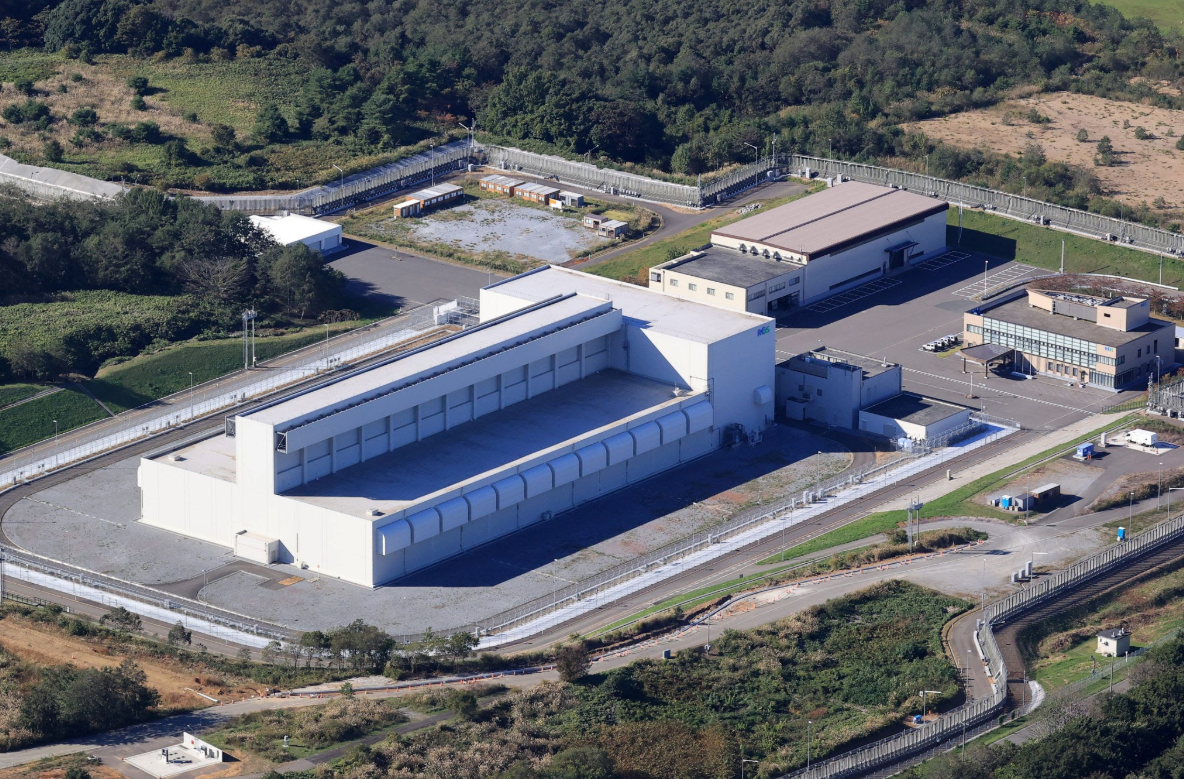
Kansai Electric Power and Tohoku Electric Power Plan to Participate in Spent Fuel Interim Storage Facility in Mutsu, Aomori Prefecture, Japan
Kansai Electric Power Co. and Tohoku Electric Power Co. have expressed their intention to participate in the use of the spent fuel interim storage facility located in Mutsu, Aomori Prefecture, northeastern Japan. Currently, the interim storage facility only accepts spent fuel from nuclear power plants of Tokyo Electric Power Company Holdings (TEPCO) and Japan Atomic Power Co. After the mayor of Mutsu agreed to consider allowing the facility to accept spent fuel from other electric power companies, the situation underwent a major shift. Subsequently, Tokyo Electric Power Company and Japan Atomic Power Co. reached out to the other eight electric power companies in Japan that operate nuclear power plants to solicit their interest in jointly participating in the use of the interim storage facility.
2026-09-16

Ontario Power Generation Nuclear Waste Management Facility Second Quarter Performance Report Released
Ontario Power Generation (OPG) recently released its second quarter performance report for its nuclear waste management facilities, providing a detailed assessment of the facilities' performance in terms of safety, operations, and environment. This report emphasizes OPG's commitment to continuously improving nuclear waste management practices and providing transparent information to the public. The report shows that the Total Reportable Incident Frequency (TRIF) for the second quarter was 0.0, far below the target value, indicating significant achievements in ensuring employee safety. In terms of transportation, vehicles used for waste transport safely traveled over 82,000 kilometers, with cumulative mileage exceeding 7 million kilometers, demonstrating the professionalism and responsible attitude of the transportation team. In terms of environment, no reportable environmental spill events occurred in the second quarter...
2026-09-16
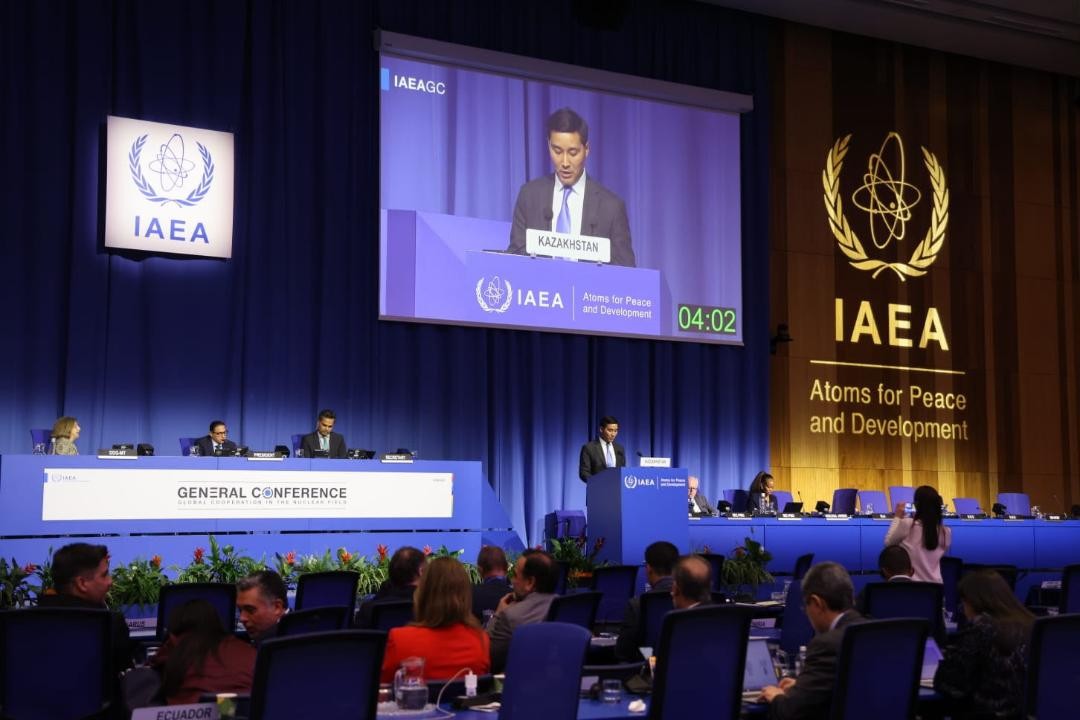
Kazakhstan Delivers National Statement at the 70th IAEA General Conference, Outlining Nuclear Energy Development Strategy
On September 15, 2026, during the 70th General Conference of the International Atomic Energy Agency (IAEA) held in Vienna, Gumar Sergazin, Head of the Kazakh Delegation and Vice Chairman of the Atomic Energy Agency of the Republic of Kazakhstan, delivered an official national statement on behalf of the country. In his remarks, Gumar Sergazin highlighted Kazakhstan's core priorities in the nuclear industry, including advancing nuclear energy and nuclear industry development, promoting nuclear science and nuclear medicine research, and deepening international cooperation, among other key topics. The statement particularly emphasized the important historical significance of the 35th anniversary of the closure of the Semipalatinsk Nuclear Test Site. Kazakhstan reaffirmed its commitment to disarmament and nuclear non-proliferation...
2026-09-16
Eagle Nuclear Energy Corp. Expands Government Affairs and Uranium Advisory Capabilities to Support the U.S. Domestic Nuclear Fuel Supply Chain
On September 9, Eagle Nuclear Energy Corp., a next-generation nuclear energy company that owns one of the largest measured and indicated conventional uranium deposits in the United States, announced in Reno, Nevada, that it has engaged LSN Partners (LSN) to provide government affairs, strategic advisory, and stakeholder communications services. The company also announced the appointment of Blake Steele as a strategic advisor. As a government affairs consulting firm, LSN will assist Eagle in advancing its public-sector development objectives at the federal and state levels. The collaboration will focus on U.S. domestic uranium production, advanced nuclear technology, critical minerals policy, energy...
2026-09-16
Terrestrial Energy Submits Graphite Topical Report to U.S. Nuclear Regulatory Commission, Advancing Integrated Molten Salt Reactor Licensing Process
Terrestrial Energy, a leading company in fourth-generation molten salt reactor technology, announced on September 10 that it has submitted the Graphite Topical Report to the U.S. Nuclear Regulatory Commission (NRC). The submission of this report is intended to establish a solid regulatory certification basis for the application of nuclear-grade graphite—a core component of the IMSR core unit—in commercial power plants, marking an important step in the company's commercialization process. The IMSR reactor is a graphite-moderated molten salt reactor. Although graphite has a relatively long history of application in the nuclear power field, regulators require independent performance verification for each specific reactor design to ensure safety and reliability. This submission...
2026-09-16