
Search Results
Keyword:ONE

Rosatom Plans to Discuss Floating Nuclear Power Plant Project with Indonesia
Alexey Likhachev, CEO of Rosatom, said on September 2 that the company will continue talks with the Indonesian side on the construction of small-scale nuclear power plants during the Eastern Economic Forum, with a key focus on cooperation in floating nuclear power plants. Likhachev noted that Indonesia's economy is growing rapidly, its population continues to expand, and electricity demand is rising accordingly, while the country has shown strong interest in developing nuclear energy. He believes that Indonesia's geography, consisting of numerous islands with a long coastline, makes floating nuclear power plants practically applicable. According to him, floating nuclear power plants are a key area of international cooperation that Rosatom is advancing...
2026-09-03
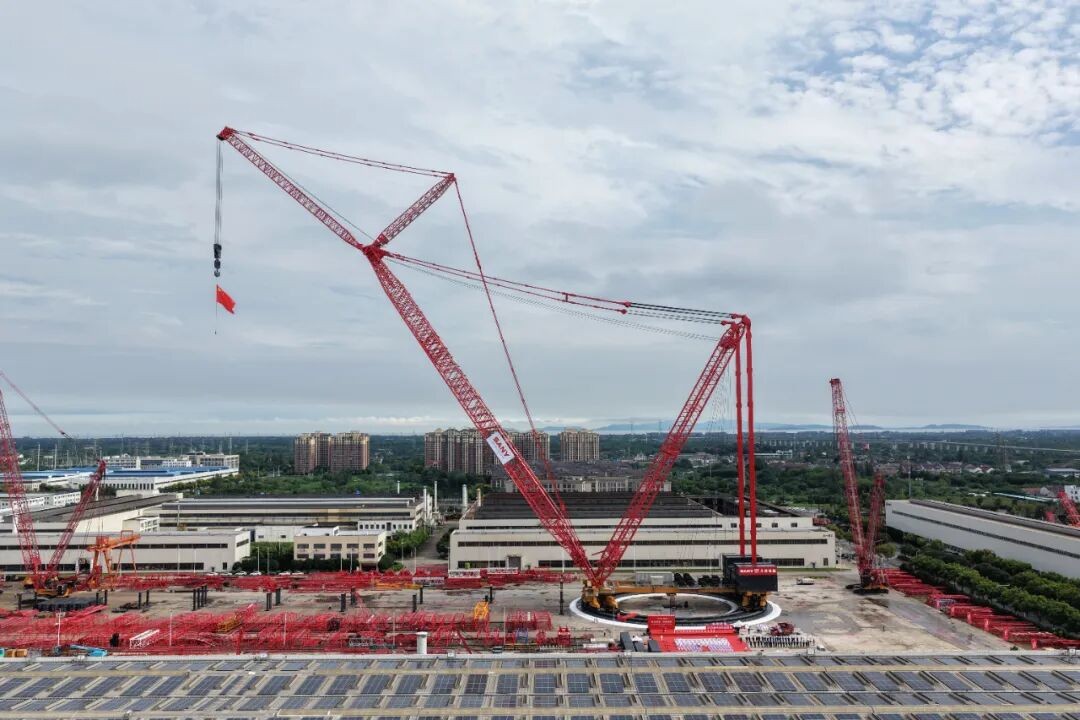
World's First 250,000 Tonne-Meter Ring Crane Rolls Off Production Line, Supporting Hualong One 2.0 Nuclear Power Construction
On August 31, the world's first 250,000 tonne-meter ring crane, jointly developed by SANY Heavy Lift and China Energy Engineering Group Guangdong Thermal Power & Litte Company, rolled off the production line at SANY's Huzhou Industrial Park in Zhejiang. Designed for the "one crane, two islands" construction requirements of Hualong One 2.0, the equipment can address the engineering challenge of covering module hoisting for two nuclear islands with a single unit, marking a key domestic localization breakthrough in China's ultra-large-tonnage nuclear power hoisting equipment. With the advancement of the Hualong One 2.0 "one crane, two islands" construction method, nuclear power projects have imposed higher requirements on the working radius, load capacity, and hoisting precision of heavy lifting equipment. In the past, related high-end equipment technology was long controlled by a few overseas companies. The 250,000 tonne-meter ring crane rolled off the production line this time has undergone seven years of technical research, achieving breakthroughs in structural design, manufacturing processes, and assembly control.
2026-09-02

NuScale Completes First Manufacturing of Boron Carbide Pellets for SMR Safety Component in the U.S.
NuScale Power and MillenniTEK recently announced that they have successfully manufactured the first batch of boron carbide pellets for NuScale's passive emergency core cooling system (ECCS). This component will be used in NuScale's small modular reactor (SMR) technology and is one of the dedicated components in its reactor safety system. According to reports, in nuclear power plants employing NuScale technology, when the emergency core cooling system is activated, the boron carbide pellets dissolve into the reactor coolant, helping to control and maintain core reactivity at safe levels without operator intervention. This manufacturing effort is considered a key advancement in NuScale's preparation for commercial deployment, involving the validation of dedicated safety components and associated manufacturing processes.
2026-09-02

Ionetix begins routine supply of astatine-211 in North America, expanding sources of isotopes for targeted alpha therapy
Ionetix, a U.S. medical isotope producer, recently announced that it has begun routine supply of astatine-211 (At-211) in North America. The company stated that this development expands the supply sources of At-211 and is expected to support its further application in preclinical research and clinical development. Ionetix noted that it believes it is the first non-academic commercial supplier of At-211 in the United States. Ionetix produces At-211 at its facility in Lansing, Michigan, leveraging its proprietary cyclotron technology. The company currently operates a 30 MeV cyclotron equipped with optimized target technology, aiming to support the production of clinical-grade At-211. The company stated that its production ca...
2026-09-02

Lightbridge Multi-Zone Fuel Element Granted Japanese Patent, Covering Fuel Assemblies and 3D Printing Manufacturing Methods
Advanced nuclear fuel technology company Lightbridge Corporation recently announced that its Japanese patent application for a multi-zone fuel element has been granted by the Japan Patent Office. The patent covers the fuel element design, fuel assemblies incorporating the design, and methods of producing the element via additive manufacturing, i.e., 3D printing. According to the disclosure, the patent involves a fuel rod composed of three layers of different materials. The thickness of the three layers can vary along the length of the fuel rod, thereby regulating fuel performance at different positions in the reactor to enhance reactor operating performance and safety margins. In addition to the fuel rod itself, the patent also covers fuel assemblies for mounting these fuel rods.
2026-09-02
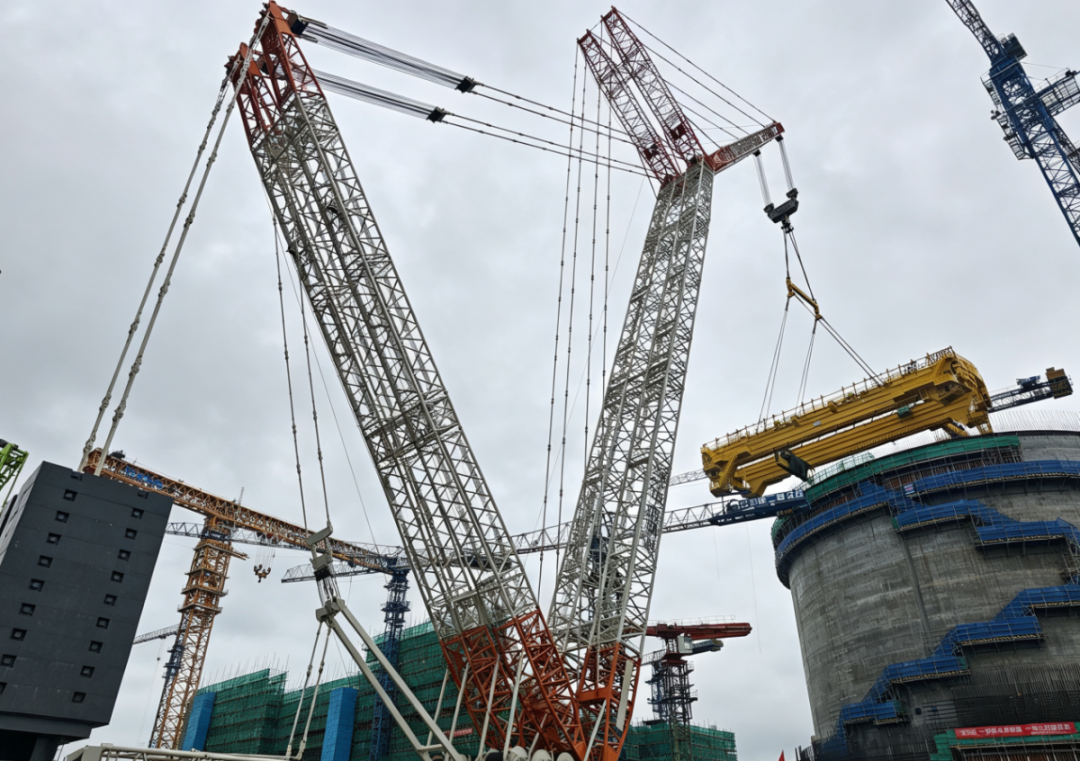
Completion of Polar Crane Bridge Lifting for Unit 4 of Zhangzhou Nuclear Power Plant
On September 1, the lifting operation of the polar crane bridge for Unit 4 of the Zhangzhou Nuclear Power Project was successfully completed. The equipment was smoothly positioned under the traction of a 3200-ton crawler crane, with the entire process lasting 2 hours and 5 minutes, creating conditions for subsequent nuclear island plant construction and equipment installation. The polar crane bridge is a core component of the polar crane, installed at the top of the nuclear island plant, and serves as an important structure of the key lifting equipment within the nuclear island plant. Once put into operation, it will provide support for various lifting operations during the installation and operation phases of the nuclear power plant. The total weight of this lifting exceeded 420 tons, with a lifting height of over 100 meters. The project team selected a 3200-ton crawler crane and used a dedicated spreader beam for the operation. In response to challenges such as wind disturbance during high-altitude slewing, limited clearance between the bridge and plant structures, and high load-bearing requirements for the large crawler crane positioning, the construction team conducted simulation rehearsals in advance, optimized lifting condition parameters, verified the stress conditions of the crane, spreader beam, and lifting points, and refined control requirements for key operations.
2026-09-02
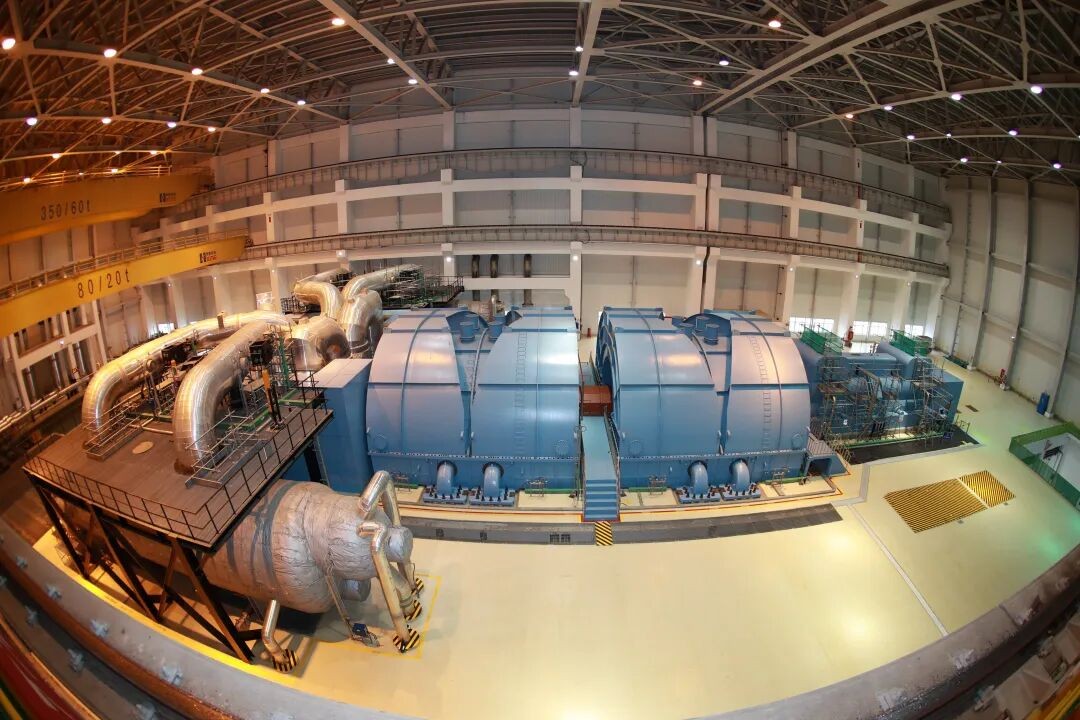
Dongfang Electric's Nuclear Generator Sealing Patent Wins China Patent Excellence Award
The China National Intellectual Property Administration recently announced the award decision for the 26th China Patent Award. Dongfang Electric Group won the China Patent Excellence Award for three patents, among which "a full-path sealing structure for turbine generators and its assembly method" has been applied to nuclear power generating unit-related projects, demonstrating its innovative achievements in key technologies for nuclear power equipment. The patent, applied to the world's first Hualong One nuclear power generating unit, proposes a full-path sealing structure that breaks through the traditional intermittent sealing approach, constructing a continuous, uninterrupted sealing surface. By proactively preventing hydrogen leakage in generators, it reduces the risk of hydrogen explosion at the source. The related technology has achieved large-scale application and has been successfully used in the national major science and technology project Guohé One...
2026-09-02
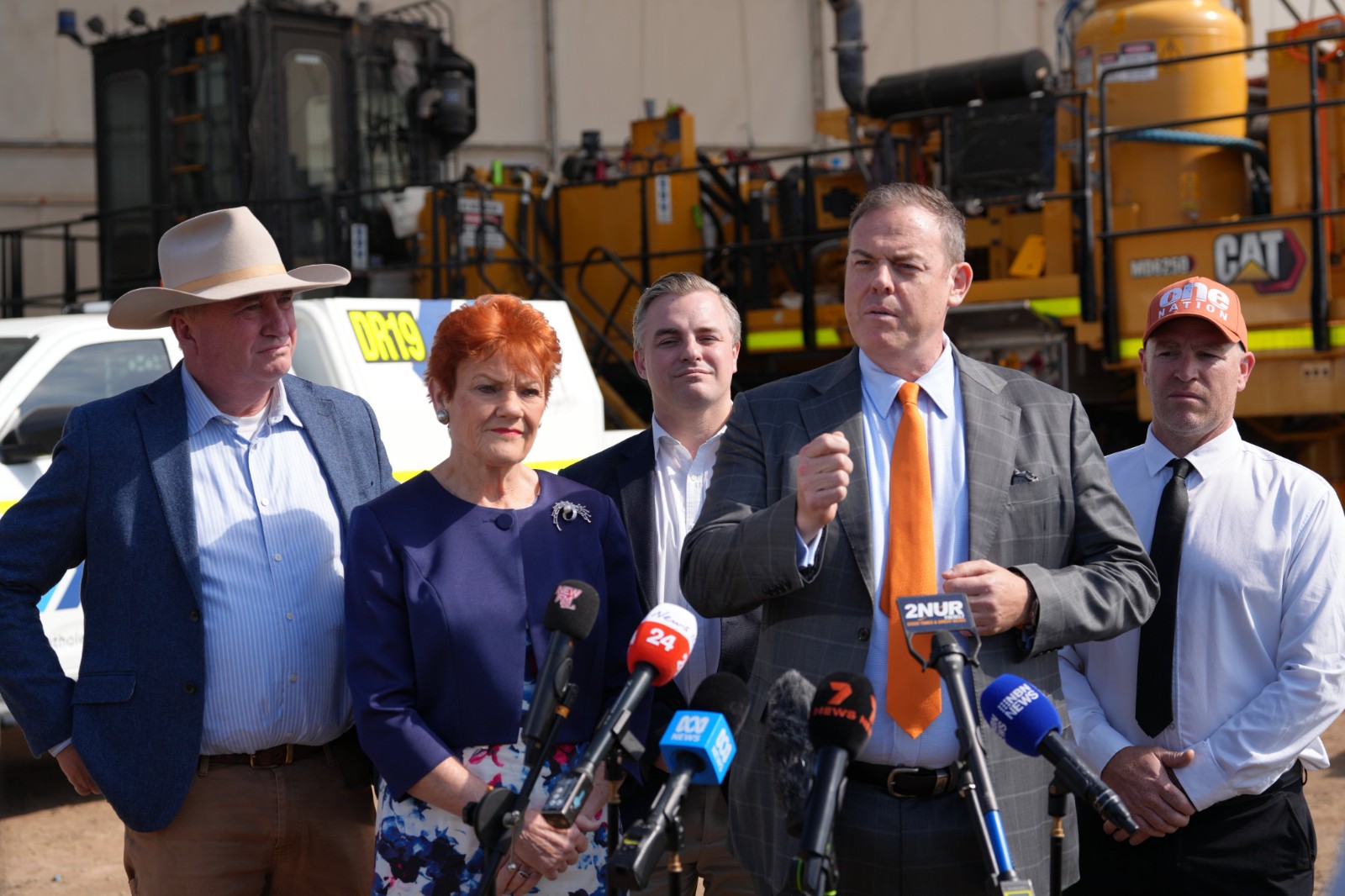
Australian One Nation leader calls for two nuclear reactors in Victoria
Australian One Nation leader Pauline Hanson recently stated that two nuclear reactors should be built on Australia's east coast. She also emphasized that the party's proposal differs from the nuclear power plan previously put forward by Liberal Party leader Peter Dutton. Hanson made these remarks while campaigning in Victoria for the November state election. Her statements go beyond the party's existing public policy. Under the party's published policy, Australia should build one reactor at a site supported by community consultation. Hanson said nuclear reactors are necessary, but the energy mix also needs to remain diverse, and she advocated for continuing to operate coal-fired power stations.
2026-09-01
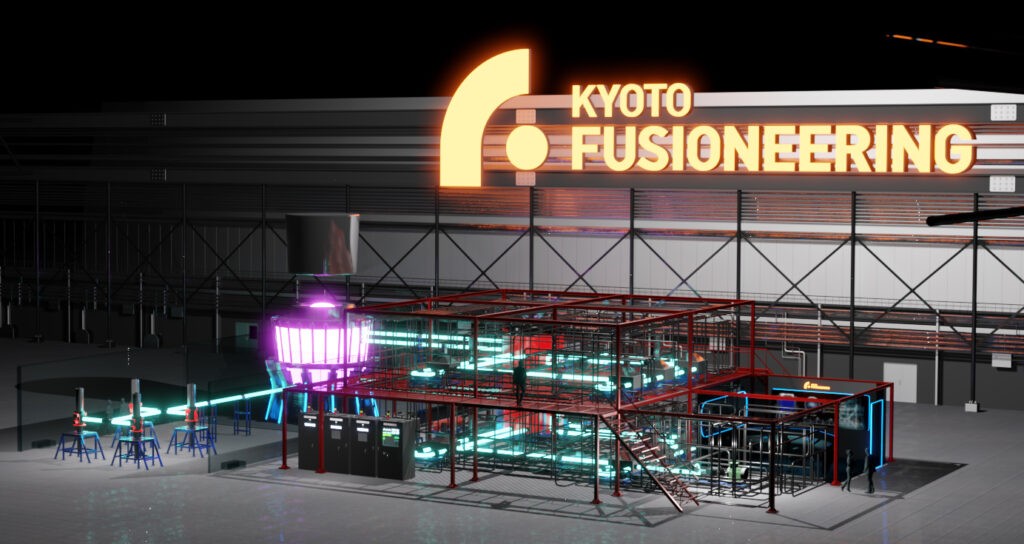
Japan's Kyoto Fusioneering Secures Series D Funding Led by Korea-Japan Fusion Fund
IMM Investment Japan (IMMJ) announced on September 1 that it has led the Series D funding round for Kyoto Fusioneering, a Japanese fusion energy company. The investment was made through the Korea-Japan Fusion Fund, established jointly by Korean and Japanese investors. The fund, initiated by IMMJ, is positioned as a cross-border project fund designed to connect the capital and industrial networks of major Korean corporations with Japan's cutting-edge technology companies. Investors participating in the fund include POSCO Holdings, POSCO International, Doosan, Hyundai Motor, and GS...
2026-09-01
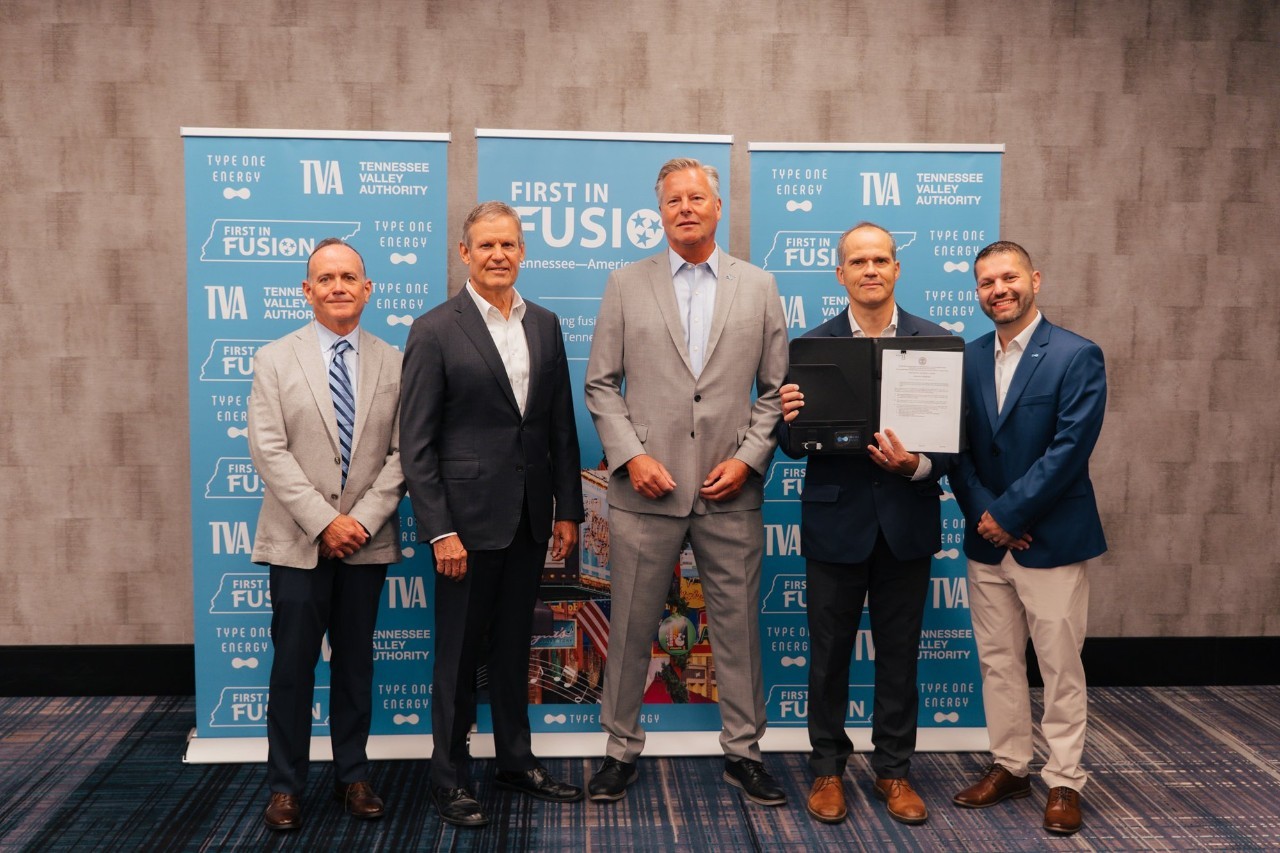
Tennessee Issues First-Ever Commercial Fusion-Specific Permit in the U.S. to Type One Energy
The Tennessee Department of Environment and Conservation (TDEC) has issued Type One Energy the state's first permit specifically for a fusion energy facility, allowing the company to advance fusion-related projects at the Tennessee Valley Authority's (TVA) Bull Run Energy Complex in Clinton. Tennessee officials stated this is the first permit of its kind in the United States issued under a new state-level fusion regulatory framework. Tennessee Governor Bill Lee, alongside fusion energy partners, presented the first U.S. permit specifically for a commercial fusion facility on Monday at the Organization of American States (OAS) annual meeting in Nashville. (LR) TVA Interim...
2026-09-01
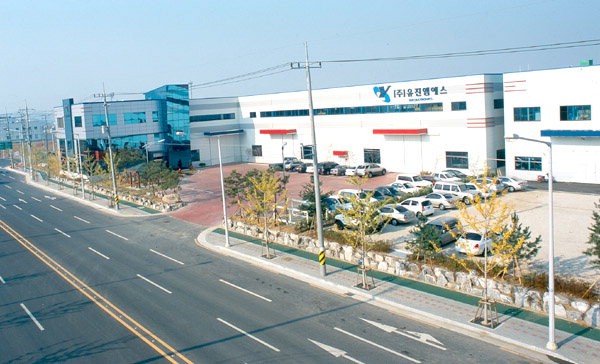
Korea's Eugene MS Wins KRW 11.4 Billion Order for ITER Core Components
Korea's Eugene MS announced on August 31 that it has signed a contract with the Korea Institute of Fusion Energy (KFE) to produce and supply the second batch of vacuum vessel port sealing flanges for the International Thermonuclear Experimental Reactor (ITER). The contract is valued at approximately KRW 11.4 billion, equivalent to about 44% of Eugene MS's 2025 revenue of KRW 25.9 billion. The contract period runs through December 2030. Under the arrangement, the sealing flanges will be delivered to the ITER Organization in three batches, with final inspection and related procedures scheduled for completion by June 30, 2031. The ITER vacuum vessel port sealing flanges consist of large fasteners and other components...
2026-08-31
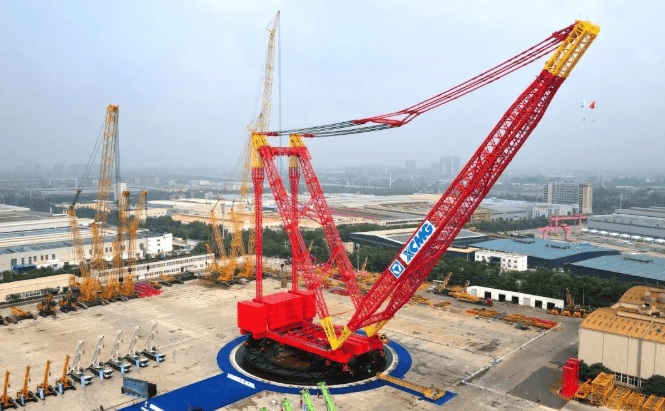
World's First 14,000-Ton-Class Ring Crane Rolls Off Production Line, Capable of Supporting Full-Module Lifting for HPR1000 2.0
Recently, XCMG's world's first 14,000-ton-class ring crane officially rolled off the production line. Su Zimeng, President of China Construction Machinery Association; Wang Guohua, Member of the Party Committee and Vice President of Sinopec Engineering (Group) Co., Ltd., as well as Party Secretary and General Manager of its Lifting and Transportation Company; and Yang Dongsheng, Chairman of XCMG Group and XCMG Machinery and Party Secretary, attended the launch ceremony. Xia Dechang, General Manager and Party Secretary of XCMG Crane Machinery Division, announced the successful rollout of the equipment. According to reports, the 14,000-ton-class ring crane was developed to meet the lifting needs of ultra-large and ultra-heavy equipment in major projects such as nuclear power, petrochemical, and marine engineering, with a focus on serving integrated lifting scenarios for large modules. The equipment achieves full-industry-chain...
2026-08-29
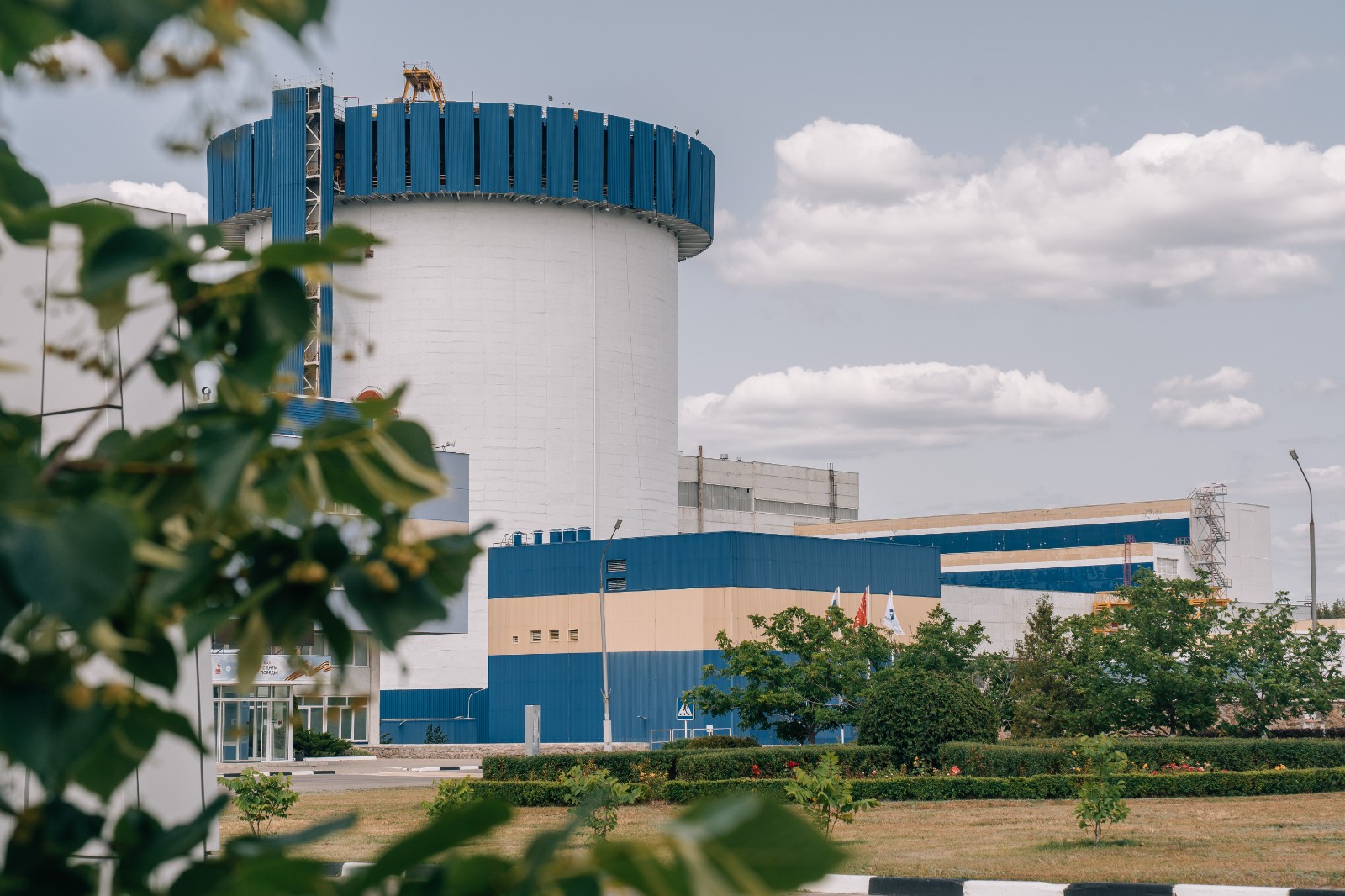
Unit 5 of Russia's Novovoronezh Nuclear Power Plant Enters Scheduled Maintenance
At 4:22 a.m. local time on August 28, Unit 5 of Russia's Novovoronezh Nuclear Power Plant was disconnected from the grid in accordance with the annual plan, entering scheduled preventive maintenance. The maintenance period is expected to last 35 days, after which the unit will be reconnected to the grid. Novovoronezh Nuclear Power Plant is a branch of Rosenergoatom, the Russian nuclear power plant operator, which is part of the Rosatom state corporation. During the maintenance period, the plant and the contractor Atomenergoremont will carry out minor, medium, and major repairs on main and auxiliary equipment, as well as implement modernization of some equipment. Key tasks of this maintenance include cleaning the turbine generator...
2026-08-29
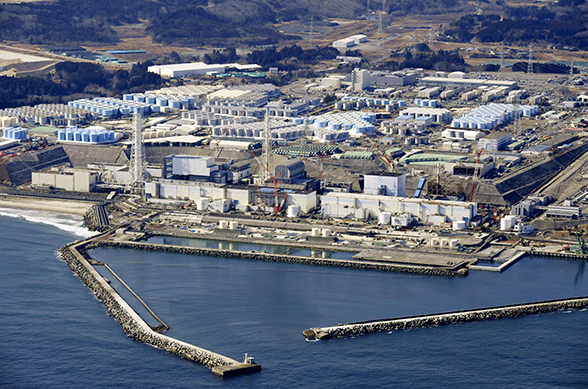
Japan to Establish New Decontamination Base in Okuma, Fukushima
Japan's Ministry of the Environment has decided to establish a new work base in Okuma Town, Fukushima Prefecture, in the next fiscal year to coordinate decontamination and house demolition work in difficult-to-return zones following the accident at Tokyo Electric Power Company (TEPCO)'s Fukushima Daiichi Nuclear Power Station, aiming to accelerate environmental recovery in the affected areas. Within seven municipalities surrounding the Fukushima Daiichi Nuclear Power Station, approximately 309 square kilometers have been designated as difficult-to-return zones. These areas remain under strict control, with restrictions on residential habitation and entry, and evacuation orders remain in effect. Within the difficult-to-return zones, the Japanese government has established "specified return residential areas" and plans to advance decontamination, house demolition, and other measures based on residents' intentions to return. The proposed new base in Okuma Town will be responsible for on-site management and project coordination, with approximately 30 staff members expected to be assigned, and the relevant branch office currently located in Hirono Town will be relocated to Okuma Town.
2026-08-30
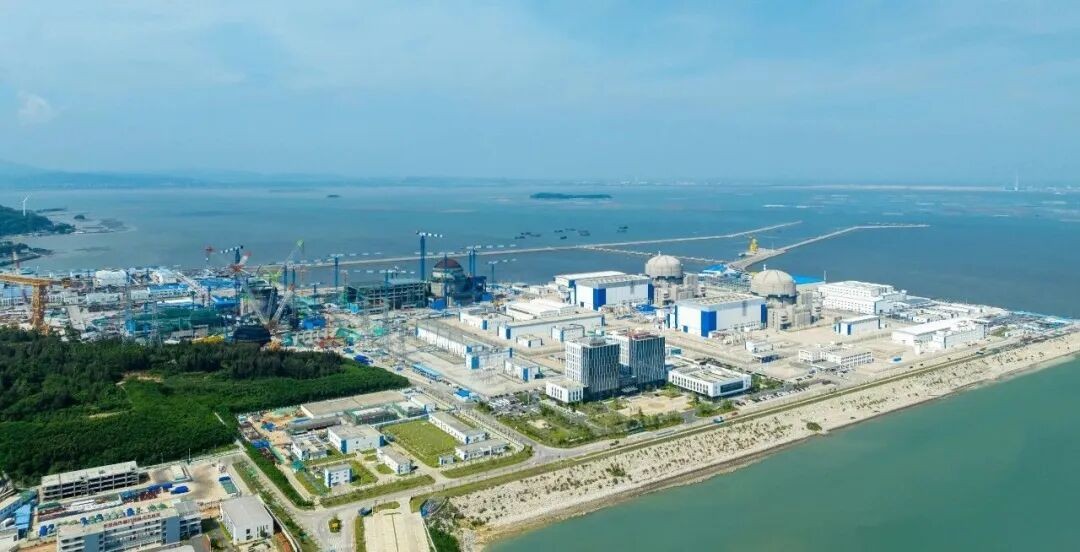
Zhangzhou Nuclear Power Units 3 and 4 Trench Civil Engineering Completes Milestone Phase
On August 27, with the final cubic meter of concrete poured into place, the B1 and B6 sections of the GS and GB trench civil engineering works for Zhangzhou Nuclear Power Units 3 and 4, undertaken by CNNC Huachen, along with the No. 4 overflow well, successfully completed their milestone phase. This phase involved multi-disciplinary cross-operations spanning civil works, installation, electrical, and piping, characterized by complex construction conditions and significant coordination challenges. Among these, Section B1, as the project's main critical path, featured narrow working areas, difficult access for large equipment, and intensive vertical and horizontal cross-operations among multiple units. Seven days before commencement, the project department established a dedicated planning team to verify site conditions, material routes, and cross-operation scopes drawing by drawing, identifying key difficulties such as foundation pouring, equipment positioning, and material supply, and conducting multiple rounds of discussions to optimize the construction plan. The construction period coincided with the rainy season, and Section B1, situated in a low-lying area, faced a high risk of rainwater backflow. The project department implemented measures including full-coverage rain shelters over the base slab, water-retaining curbs at passage openings, and round-the-clock pumping in two shifts, securing dry working areas amid accumulated water; simultaneously, discarded waterproof membranes were collected and reused to cover rebar cages and scaffolding, preventing corrosion and slippery conditions. On-site daily meetings were held, management personnel maintained 24-hour duty, and verbal confirmation with signed handovers was practiced, ensuring issues were resolved the same day, with no plan failures, rain-related stoppages, or process disconnections throughout the period. Facing the immense scheduling pressure from multi-process cross-operations, the project department established a dynamic scheduling system. In terms of manpower loading, fixed posts and personnel quotas were implemented, with zonal responsibility and flexible reinforcement; during peak periods, core work crews were consolidated and work areas were precisely delineated. For machinery, a dynamic scheduling ledger was established, with tower cranes, excavators, and lifting equipment staggered and cross-utilized. Material coordination was also optimized through advance stocking, zoned storage, dedicated management, and emergency replenishment. During the campaign, when the transport of main materials was obstructed, the project department organized management staff and labor crews to manually carry rebar, pipes, and auxiliary materials point-to-point to the working areas, effectively safeguarding project progress. Currently, the main structure construction of the GS and GB trenches by the Zhangzhou Nuclear Power Project Department has achieved phased results, with the GB trench completing 74 sections cumulatively, an 82% completion rate, and the GS trench exceeding 1,160 meters, accounting for 72% of the total length. The company will further strengthen construction organization, optimize construction logic, and continue to advance the remaining sections of the Zhangzhou Nuclear Power Project Department, fully ensuring high-quality performance of the contracted projects.
2026-08-29