
Search Results
Keyword:RI
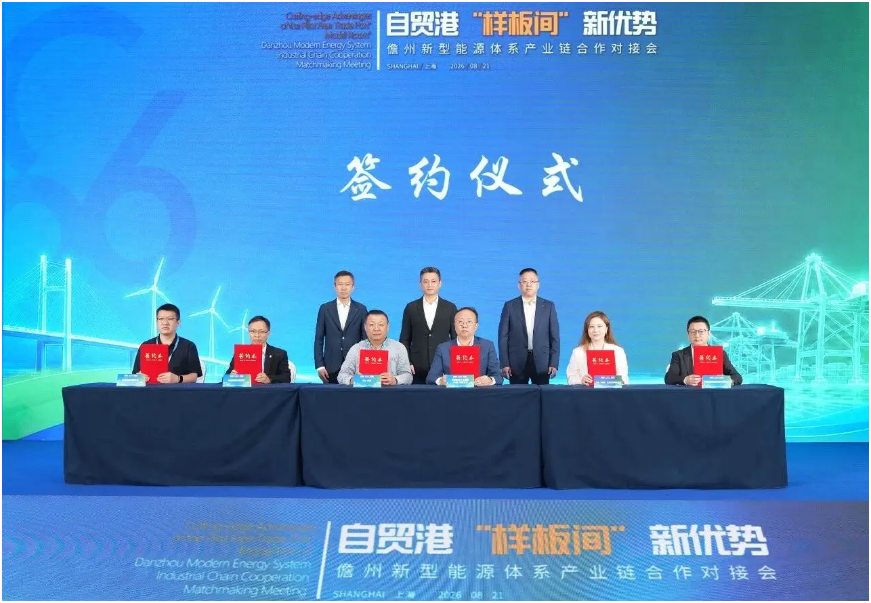
Hainan Danzhou Plans to Integrate Nuclear Power into Yangpu 220kV Power Grid
On August 21, the "New Advantages of the Free Trade Port 'Showcase' — Danzhou New Energy System Industrial Chain Cooperation Matchmaking Conference" was held in Shanghai. Representatives from nearly a hundred enterprises, investment and financing institutions, industry associations, and professional service organizations attended the event to exchange views on topics such as new energy system development and green, low-carbon industrial transformation, and signed a batch of cooperation agreements on site. Regarding nuclear power-related planning, Hainan Power Grid Co., Ltd. stated that it is accelerating the construction of a new-type power system featuring zoned power supply and tiered operation in Danzhou. According to the plan, by 2030, a relatively independent new-type power grid will take shape across Danzhou, with nuclear power directly connected to the 220kV power grid in the Danzhou-Yangpu area. By then...
2026-08-24

Kyoto Fusioneering Completes 25.72 Billion Yen Series D Funding Round
Japanese fusion startup Kyoto Fusioneering announced on August 24 that it has completed the first closing of its Series D funding round, with total financing of 25.72 billion yen. Of this amount, equity financing totaled 16.72 billion yen and debt financing totaled 9 billion yen, with the debt portion comprising credit lines and loan facilities. With this, the company's cumulative equity financing has reached 32.98 billion yen. Following this funding round, Kyoto Fusioneering is valued at approximately 120 billion yen, a significant increase from its pre-funding valuation, making it the first startup in Japan's fusion sector to exceed a valuation of 100 billion yen. The company has previously secured contracts exceeding 14 billion yen cumulatively in markets such as North America and Europe, and has set a short-term sales target of approximately 10 billion yen.
2026-08-24
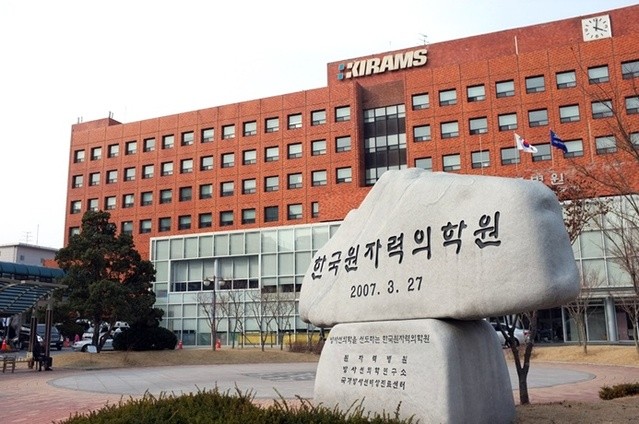
South Korea Clarifies Statutory Functions of KAERI Radiation Injury Treatment Hospital
The Korea Atomic Energy Research Institute (KAERI) announced on August 24 that the National Assembly had passed a partial amendment to the Act on the Promotion of Radiation and Radioisotope Utilization at its plenary session on August 20, incorporating the functions of a radiation injury treatment hospital, along with supporting research and technology development, into the institute's statutory scope of business. Under the amendment, relevant institutions will provide specialized medical services to individuals who have sustained radiation injuries or are at risk of such injuries. Radiation injury generally refers to health abnormalities in the human body resulting from excessive exposure to radiation. Such injuries may not manifest immediately after exposure; even when early symptoms appear only as skin redness, they can later progress to ulceration, necrosis, and affect the blood or bone marrow systems. Some individuals also require long-term follow-up to monitor for delayed health risks such as cancer.
2026-08-24
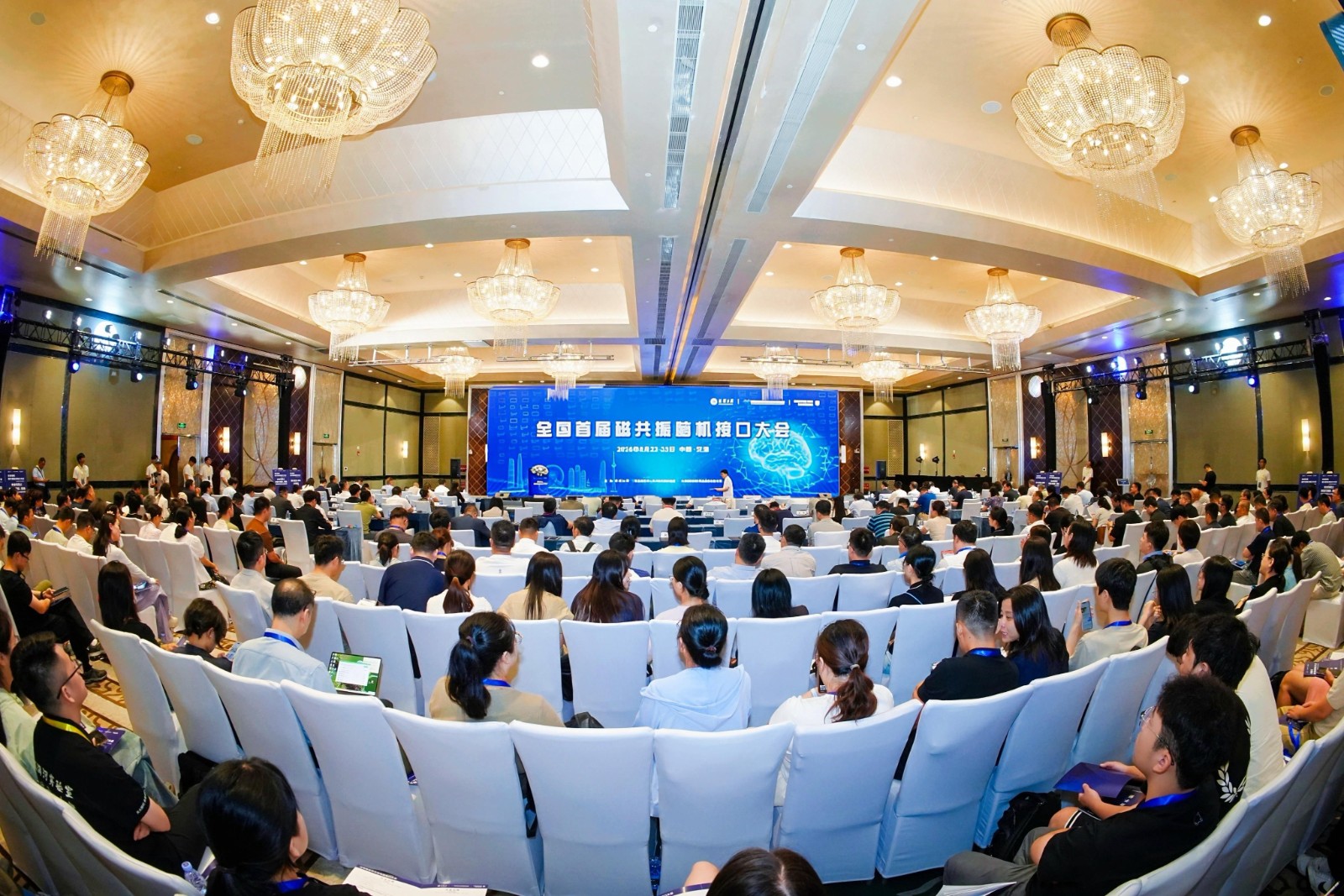
World's First Full-Stack MRI Brain-Computer Interface Solution "uMR Shenguan" Officially Released
On August 23, the first National MRI Brain-Computer Interface Conference, themed "Integration · Decoding · Modulation — Ushering in a New Era of Brain-Computer Interaction," was held in Tianjin. At the conference, United Imaging Healthcare and Tianjin University jointly released the world's first full-stack MRI brain-computer interface solution, "uMR Shenguan." uMR Shenguan spans the entire translational chain of brain-computer interfaces from fundamental research to clinical application, advancing the realization of "understanding the brain, precise modulation, and making neural plasticity measurable and controllable." It is understood that uMR Shenguan is built on United Imaging's uMR series equipment as its hardware foundation, addressing key technical challenges in the closed loop of "reading the brain — writing the brain — verification" in brain-computer interfaces, providing a complete technical system that upgrades MRI equipment from a mere "imaging tool for structure" to a "central platform" participating in the entire brain-computer interaction process.
2026-08-24
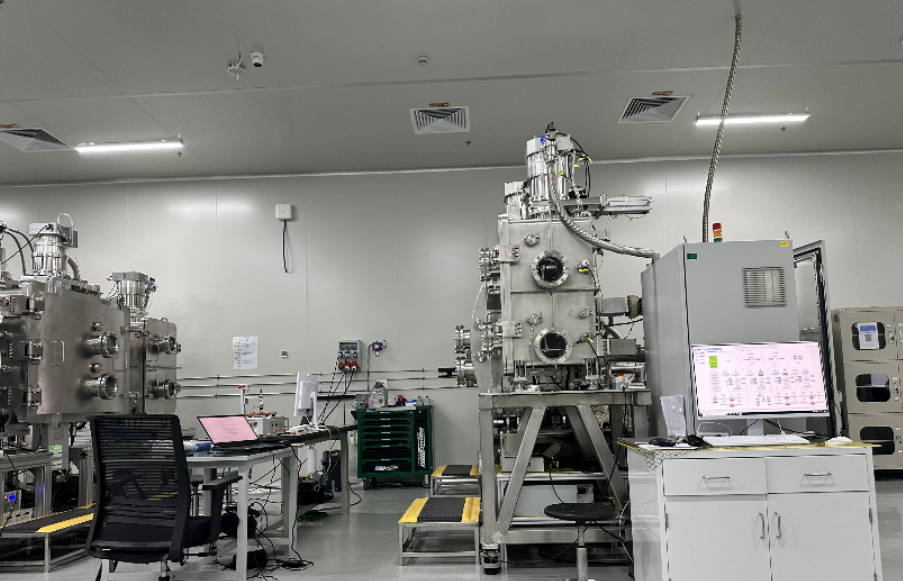
Beijing's First Second-Generation High-Temperature Superconducting Tape Mass Production Line Project Approved
Recently, the second-generation high-temperature superconducting tape R&D and production project invested in by Energy Singularity Superconducting Technology (Beijing) Co., Ltd., a wholly-owned subsidiary of Energy Singularity, was officially approved for project initiation in the Daxing section of the Airport Economic Zone. Once completed and put into operation, the project will establish Beijing's first mass production line for second-generation high-temperature superconducting tape. According to reports, the project plans to build three production lines for rare-earth barium copper oxide (ReBCO) high-temperature superconducting tape based on the pulsed laser deposition (PLD) process route, achieving an annual output of 1,200 kilometers of high-temperature superconducting tape in the 12 mm width specification. High-temperature superconducting tape is a key raw material for manufacturing high-temperature superconducting magnets. In tokamak devices, high-temperature superconducting tape accounts for approximately...
2026-08-24

Ghana Says Nuclear Energy Key to Meeting Future Electricity Demand
Ghana's Minister of Energy and Green Transition, John Abdulai Jinapor, stated that Ghana will diversify its energy mix through nuclear power development, providing affordable, reliable, and low-carbon electricity for industrialization and economic growth. Speaking recently at the opening ceremony of the third U.S.-Africa Nuclear Energy Summit in Accra, Jinapor said that Ghana's electricity demand continues to grow, hydropower development potential is becoming limited, and thermal power generation costs are relatively high, prompting the country to explore other affordable energy options, including nuclear energy. The summit's theme was "Building and Sustaining Africa's Nuclear Workforce." He noted that when the Akosombo Dam was first completed, Ghana's peak electricity demand was approximately 300 megawatts, while the dam's generating capacity exceeded 1,000 megawatts; currently, Ghana's peak electricity demand has risen to about 4,500 megawatts. Rising thermal power generation costs have pushed up overall energy costs, making energy mix diversification a practical necessity.
2026-08-24

Ukrainian Foreign Minister and IAEA Director General Discuss Zaporizhzhia Nuclear Power Plant Safety in Phone Call
Ukrainian Foreign Minister Andrii Sybiha said on August 22 that he had a phone call with International Atomic Energy Agency (IAEA) Director General Rafael Grossi, during which the two sides focused on the current nuclear safety situation in Ukraine, particularly the safety status of the Zaporizhzhia Nuclear Power Plant. Sybiha stated that the Zaporizhzhia Nuclear Power Plant is currently under Russian control, and the related military presence remains a major source of nuclear safety risk. The two sides exchanged views on issues related to the plant and emphasized the need for close coordination based on respect for Ukraine's sovereignty and international law. Sybiha also noted that he values Grossi's personal engagement in relevant matters, as well as...
2026-08-24

UK Wylfa SMR project early works package valued at up to £1.1 billion
Great British Energy–Nuclear (GBE-N) has launched market engagement for an early works package, with the proposed scope covering civil engineering, infrastructure, building and mechanical & electrical engineering, and earthworks. According to the prior information notice published on 20 August, the contract is estimated to be worth between £730 million and £1.1 billion. The notice states that the package falls within GBE-N's owner's scope of work, primarily intended to prepare the site for subsequent main construction and support technology partners in installing and commissioning small modular reactor (SMR) technology. Related preparatory activities include planning, permitting, design, and construction. ...
2026-08-24
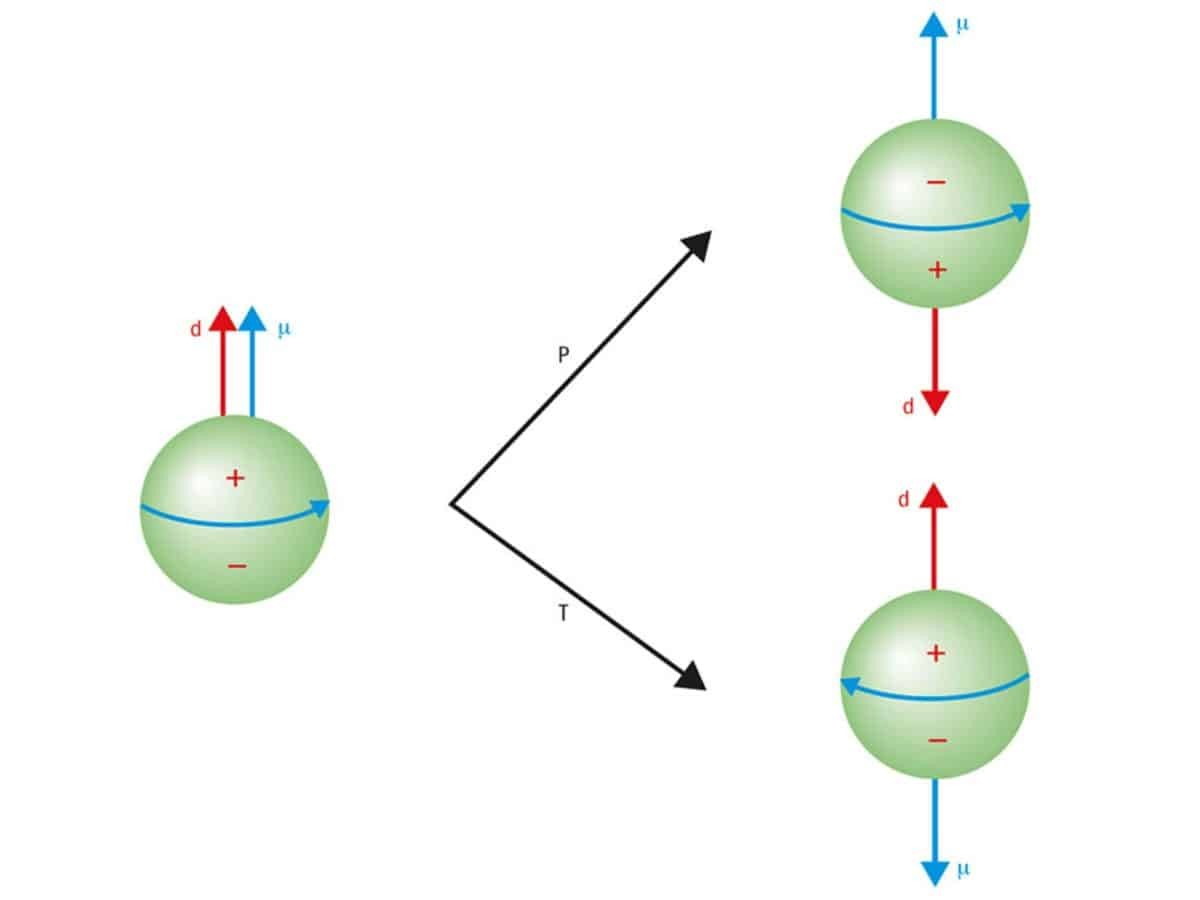
Russian Scientists Propose New Scheme for Measuring Proton and Deuteron Electric Dipole Moments in a Single Storage Ring
August 21 news, researchers from the Moscow Institute of Physics and Technology, the Institute for Nuclear Research of the Russian Academy of Sciences, the National Research Nuclear University MEPhI, and the Landau Institute for Theoretical Physics of the Russian Academy of Sciences have proposed a new experimental scheme to study the electric dipole moments of protons and deuterons in a single storage ring. The scheme can be implemented both in specially constructed new facilities and, potentially, in upgraded existing accelerator complexes. The electric dipole moments of protons and deuterons reflect the asymmetry of the internal charge distribution relative to the spin direction. According to Standard Model predictions, their values are non-zero but extremely small, on the order of 10⁻³¹ e·cm, far below current experimental sensitivity...
2026-08-24
Magnitude 3.1 Earthquake in South Korea Does Not Affect Safety of Nuclear Facilities
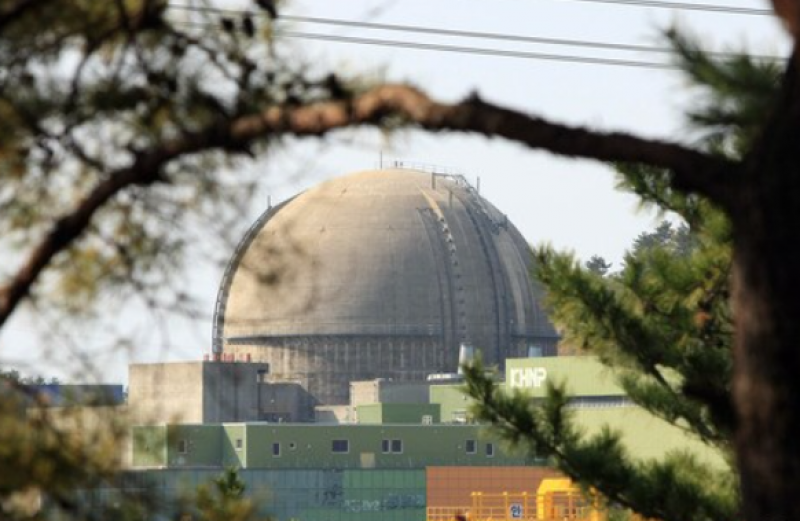
On August 23, the Nuclear Safety and Security Commission (NSSC) of South Korea reported that at 6:43 a.m. that day, a magnitude 3.1 earthquake occurred approximately 21 kilometers northwest of Haenam County, South Jeolla Province, South Korea. It was confirmed that all nuclear reactors and related nuclear facilities in South Korea were operating stably, with no abnormalities detected. The nuclear facility closest to the epicenter was the Hanbit Nuclear Power Plant, approximately 83.2 kilometers away. The peak ground acceleration recorded at this plant during the earthquake was 0.0032g, far below its seismic design basis of 0.2g, and it is expected that the safety of the facility will not be affected. The Hanbit Regional Office of the NSSC has conducted emergency safety inspections at the Hanbit Nuclear Power Plant site...
2026-08-24
Japan's GX Promotion Organization Invests in Nuclear Fusion Startups
Japan's Green Transformation Promotion Organization (GX Promotion Organization) has invested in two startups, focusing on nuclear fusion-related technology and plastic recycling businesses respectively. The public funds invested are expected to be approximately 3 billion yen; when private sector funds are included, the total related investment is expected to reach approximately 20 billion yen. The two companies are Kyoto Fusioneering and JEPLAN. Among them, Kyoto Fusioneering is primarily engaged in the development of nuclear fusion engineering technology, while JEPLAN is involved in circular economy businesses such as plastic recycling. Details of the investment are expected to be officially announced by the relevant parties. This investment is seen as part of Japan's push to industrialize its green transformation.
2026-08-24
Collective Radiation Dose of Workers at Japan's Fukushima Daiichi Nuclear Power Station Ranks Highest Nationwide
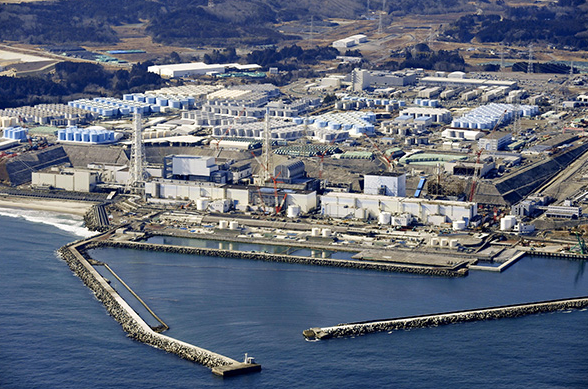
Japanese nuclear power plant operators are required to submit radiation management reports to the Nuclear Regulation Authority (NRA) annually, detailing the exposure status of plant workers. According to the relevant 2025 reports, the collective radiation dose of workers at Tokyo Electric Power Company (TEPCO)'s Fukushima Daiichi Nuclear Power Station remains significantly higher than at other Japanese nuclear plants, indicating that the radiological impact from post-accident on-site decommissioning and management work is still ongoing. By collective dose per plant, Fukushima Daiichi recorded 20.97 person-sieverts, the highest in Japan. This figure is nine times the 2.22 person-sieverts reported at Kansai Electric Power's Takahama Nuclear Power Station...
2026-08-24
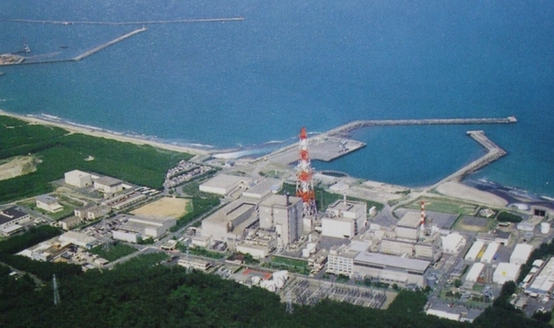
No abnormalities detected at multiple nuclear power plants after earthquake in Ibaraki Prefecture, Japan
At around 2 a.m. on August 23, an earthquake struck the southern part of Ibaraki Prefecture, Japan, with a maximum seismic intensity of 5-lower observed in parts of Ibaraki Prefecture, Tokyo Metropolis, Saitama Prefecture, and Chiba Prefecture. The Japanese government subsequently established a liaison office at the Crisis Management Center of the Prime Minister's Official Residence. Japanese Prime Minister Sanae Takaichi stated that relevant departments have been instructed to verify the damage situation and promptly release accurate information to the public. The earthquake posed no risk of tsunami. Japan Atomic Power Company (JAPC) stated that a seismic intensity of 3 was observed in the area where the Tokai Daini Nuclear Power Plant is located in Tokai Village, Ibaraki Prefecture. The unit is currently shut down, and as of now...
2026-08-24

Russia Advances Development of Nuclear-Powered Underwater Natural Gas Carriers
Mikhail Kovalchuk, Director of the National Research Center Kurchatov Institute and Chairman of the Scientific Expert Council of the Russian Federation Maritime Board, recently stated that nuclear-powered underwater natural gas carriers could help Russia secure energy exports via the Northern Sea Route. Speaking at a joint meeting of the Ministry of Industry and Trade and the Ministry of Transport, Kovalchuk reported on the project's progress, noting that the first phase of development for this type of gas carrier has been completed, with the second phase currently underway. Gazprom has allocated dedicated funding for the project. Kovalchuk indicated that the development of such vessels holds significant...
2026-08-24
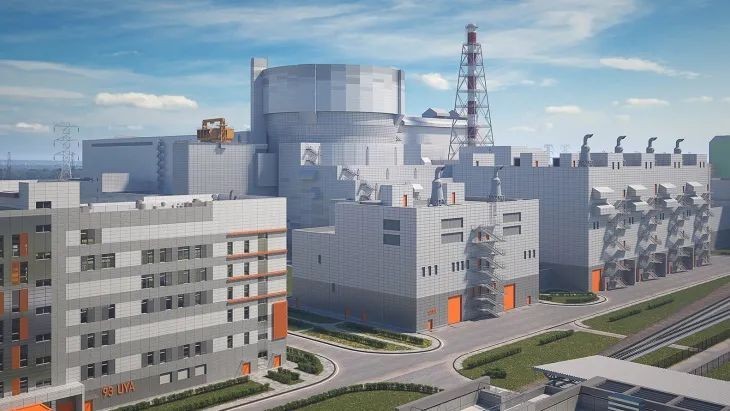
Half of Turbines at Hungary's Paks Nuclear Power Plant Back in Operation
Hungarian Prime Minister Péter Magyar stated that the Paks Nuclear Power Plant has restored approximately half of its generating capacity, with full restoration expected to be completed earlier than originally planned. Four of the plant's eight turbines are currently in operation, and restoration efforts are ongoing. Magyar said on social media that operating conditions at the plant have improved as construction work near the Paks site progresses and the Danube River water level recovers. Based on the current pace, the Paks plant is expected to regain a generating capacity of 2,000 megawatts by Wednesday, which could meet about 35% of Hungary's electricity demand. Earlier, Unit 3 of the Paks plant was announced to resume power generation ahead of schedule on Saturday evening. Magyar noted that the unit's resumption of power generation is linked to on-site engineering measures and changes in the Danube water level.
2026-08-24