
Search Results
Keyword:RI

Aegis to Develop Digital Twin Control Platform for Marine Nuclear Hybrid Energy with Ontario Tech University
Aegis Critical Energy Defence Corp. announced on August 12 that it will undertake a multi-year research collaboration with Ontario Tech University through the Mitacs Accelerate program. The project, valued at CAD 480,000, aims to develop and test a digital twin-based control platform to support the safe, reliable, and robust operation of small modular reactor and micro modular reactor (SMR/MMR) hybrid energy systems in marine environments. Under the project arrangement, the research team will simulate changing loads, system faults, and...
2026-08-13
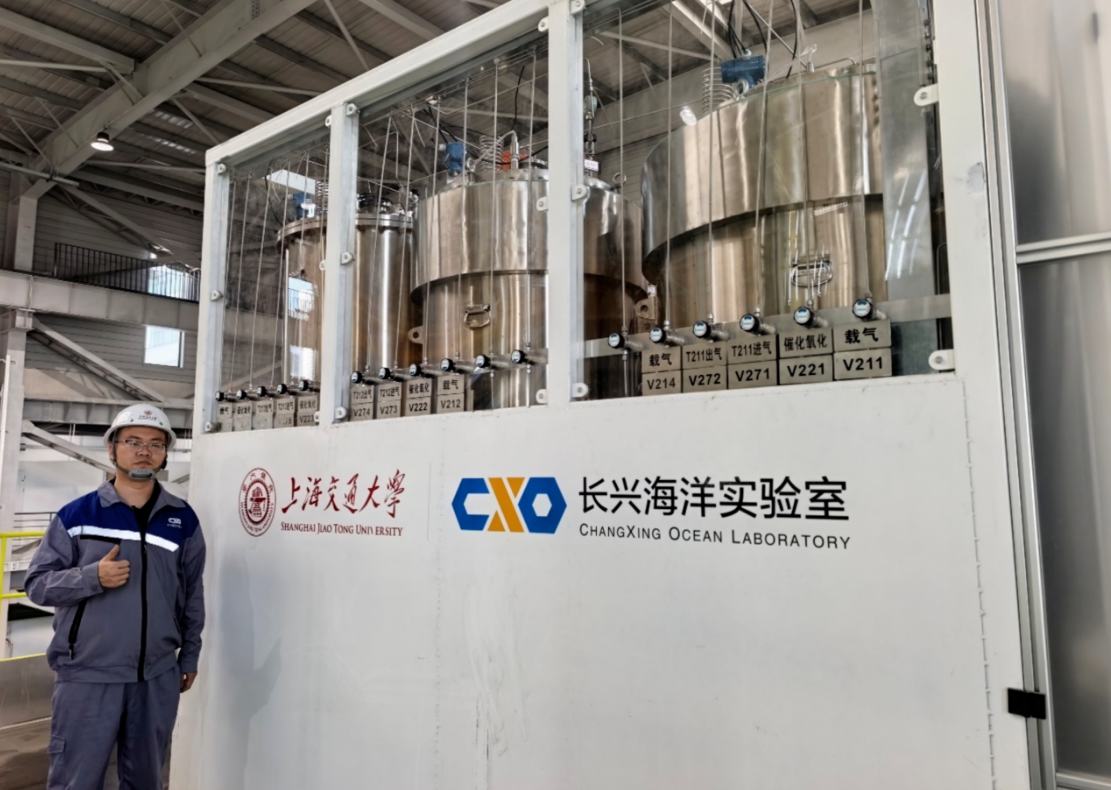
Full-Process Commissioning of Major Marine Isotope Separation Pilot Facility
Shanghai Jiao Tong University's Changxing Ocean Laboratory is dedicated to building a quasi-industrial research platform for high-end marine equipment. The Marine Isotope Separation Applied Research Center, focusing on the industrial context of isotope production, separation, and application, and supported by the ministerial-level Isotope Separation Science and Technology Center, conducts research and development of key isotope separation technologies and engineering equipment for Generation III reactors, Generation IV reactors, and fusion reactors, establishing an innovative platform integrating R&D, testing, validation, data, and technical services. Major research facility: Recently, the construction of the hundred-ton-per-year light water hydrogen isotope separation pilot platform has achieved phased results, with the system facility undergoing full-process commissioning. The platform adopts a self-developed water distillation coupled with cryogenic hydrogen isotope separation process, achieving large-scale efficient separation and enrichment of hydrogen isotopes from light water. The platform's outcomes hold broad engineering application value in fields such as pressurized water reactor wastewater treatment, deuterium-tritium isotope separation, fusion tritium plant operation, and heavy water/heavy hydrogen production. At 18:00 on August 4, 2026, at the Marine Isotope Separation Applied Research Center of Changxing Ocean Laboratory, the hundred-ton-per-year light water hydrogen isotope separation pilot facility was commissioned through its full process! The commissioning and operation of this pilot facility was undertaken by the Marine Isotope Separation Applied Research Center, with all departments coordinating collaboratively, making meticulous arrangements, and dedicating full efforts. During the operation, the team successively overcame multiple challenges including tight schedules, heavy workloads, and persistent high temperatures. This achievement not only fully validated the stability and reliability of the process platform but also demonstrated the researchers' responsibility and commitment in rising to challenges and persevering diligently. In the next phase, the project technical team will continue to deepen process optimization based on existing achievements, focus on advancing continuous and stable facility operation, accelerate engineering application, and provide strong support for breakthroughs in key core technologies in China's hydrogen isotope separation field.
2026-08-13
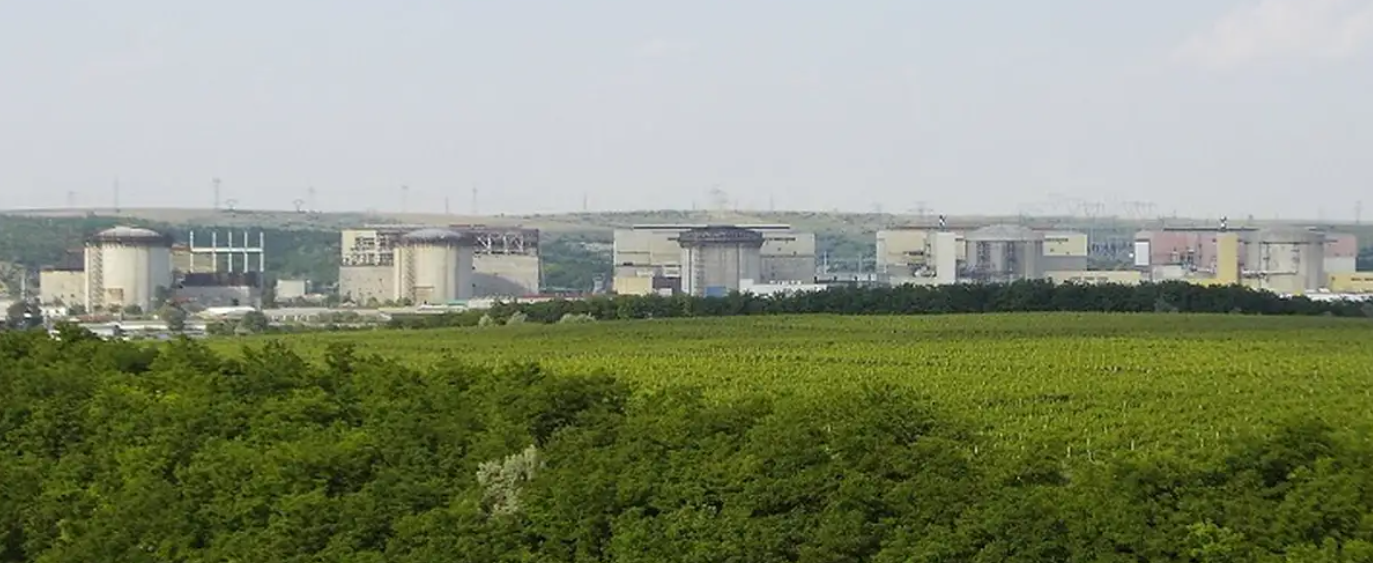
Romania's Cernavoda Nuclear Power Plant to Shut Down Due to Falling Danube River Levels
Romania's Ministry of Energy announced on the 12th local time that, due to current hydrological conditions, Unit 2 of the Cernavoda Nuclear Power Plant will undergo a controlled shutdown starting on the 13th. Cernavoda is Romania's only nuclear power plant, and this shutdown will mark the first time the plant has been completely taken offline since 2003. The Cernavoda plant has two units, with Unit 1 already shut down at the end of last month. The plant accounts for approximately one-fifth of Romania's electricity generation. Romanian authorities had previously taken engineering measures to delay the shutdown of Unit 2, including dredging relevant sections of the Danube River, blasting and removing underwater rock obstacles, clearing the riverbed, and sinking barges loaded with crushed stone into the river channel to adjust water flow conditions. These operations involved an investment of over 2 million euros.
2026-08-13
Rosatom Starts Preparations for Long-Lead Equipment Contracts at Primorskaya NPP
The engineering division of Rosatom recently announced that preparations for signing long-lead equipment manufacturing contracts for the Primorskaya Nuclear Power Plant have commenced, covering the reactor building, turbine hall, core catcher, and other major system components. According to the announcement, the scope of contract preparation includes key equipment such as main reactor building equipment, turbine hall equipment, the Automated Process Control System (APCS) for the units, and the core catcher. Long-lead equipment typically has extended manufacturing cycles and represents a critical element that must be secured early in the pre-construction phase of a nuclear power project. Currently, the project is also advancing multiple public tender preparation efforts, including site vertical layout planning,...
2026-08-13

TEPCO and JAPC invite eight power companies to participate in spent fuel transport
August 12 news, Tokyo Electric Power Company (TEPCO) and Japan Atomic Power Company (JAPC) invited eight other Japanese power companies that own nuclear power plants on the 10th to consider participating in the transport of spent fuel to the Mutsu City interim storage facility in Aomori Prefecture. Mutsu City has agreed to expand the scope of operating entities involved in the transport. The interim storage facility is operated by Recyclable-Fuel Storage Company (RFS), jointly established by TEPCO and JAPC, and is primarily used for temporary storage of spent fuel generated from nuclear power plants before reprocessing. The eight invited companies are Hokkaido Electric Power Company (Hokkai...
2026-08-13

South Korea's Two Ministries Sign MOU to Promote Regulatory Cooperation for Nuclear Power Exports
South Korea's Ministry of Trade, Industry and Energy (MOTIE) and the Nuclear Safety and Security Commission (NSSC) signed a memorandum of understanding on the successful overseas expansion of Korean-style nuclear power plants at the Korea Trade Insurance Corporation in Jongno-gu, Seoul on August 13, planning to strengthen regulatory coordination in the nuclear power export process and provide more systematic nuclear safety regulatory cooperation support to countries hosting potential projects. Under the agreement, the two sides will jointly support export target countries in establishing nuclear safety regulatory frameworks, improving licensing procedures and technical standards, and enhancing the professional capabilities of regulatory bodies, based on the regulatory cooperation needs raised by these countries. The South Korean government is promoting nuclear power plant exports with a focus on potential markets in Southeast Asia such as Vietnam, and the relevant countries are in the process of planning and...
2026-08-13

Hungary Plans to Build Bottom Sills on the Danube to Ensure Cooling Water for Paks Nuclear Power Plant
Hungarian authorities stated that the government has decided to construct bottom sills in the Danube section near the Paks Nuclear Power Plant to raise local water levels and ensure water intake conditions for reactor cooling. In a video address, Péter Magyar said that the relevant works will commence immediately, with bottom sills to be built between the two banks of the Danube. He noted that if the Paks Nuclear Power Plant were to suspend operations, Hungary would incur costs of approximately 137 million euros per month; in contrast, the measures to raise water levels involve a one-time investment, with an estimated cost of 16.5 million euros. The Paks Nuclear Power Plant is a key source of electricity for Hungary. According to currently disclosed information, among the plant's 8 turbines, the second one was started on the evening of August 10, with current power generation at 480 MWh, compared to a planned output of 2000 MWh...
2026-08-13

New National Standard GB/T 18525.1-2026 — The Red Beans and Mung Beans You Eat May Have Been
Starting December 1, 2026, a new national standard concerning food safety on your dining table will officially take effect — Recently, the State Administration for Market Regulation and the Standardization Administration of China issued the 2026 No. 23 National Standard Announcement, among which the "Irradiation Technology for Agricultural Products — Part 1: Legumes and Their Products" (GB/T 18525.1-2026) is particularly noteworthy. This standard, led by the Institute of Food Science and Technology, Chinese Academy of Agricultural Sciences, will officially take effect on December 1, 2026, replacing the old standard (GB/T 18525.1-2001) that has been in use for over 20 years. When hearing the word "irradiation," many people's first reaction is: "Is it safe?" "Will food become radioactive after being irradiated..."
2026-08-13
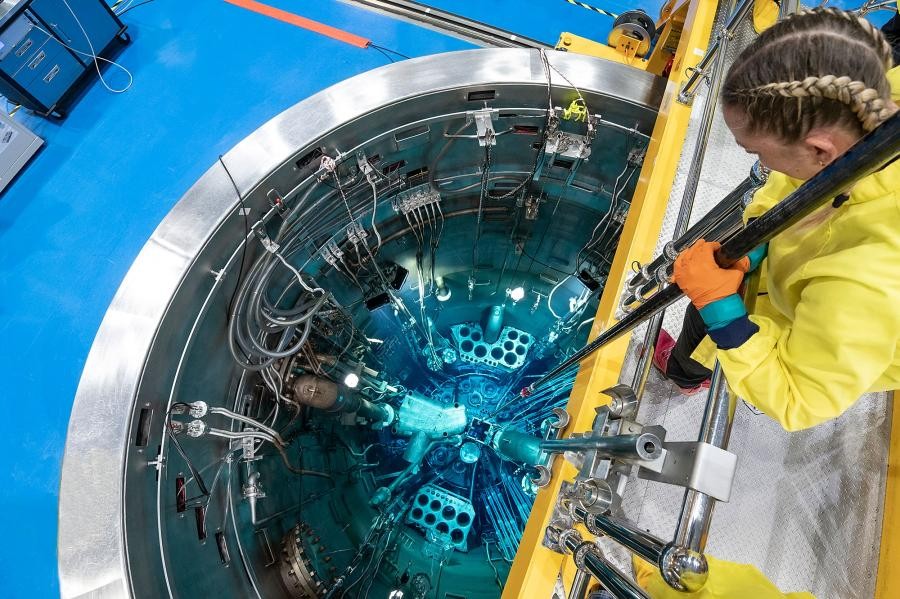
Australia's OPAL Multipurpose Reactor Marks 20 Years of Operation: Supporting Nuclear Medicine, Industrial Silicon Irradiation, and Neutron Science
The OPAL multipurpose reactor at the Lucas Heights campus of the Australian Nuclear Science and Technology Organisation (ANSTO), located south of Sydney, has marked the 20th anniversary of achieving first criticality. On August 12, 2006, OPAL achieved a self-sustaining controlled nuclear chain reaction, marking the facility's transition from the construction phase to the scientific operations phase. ANSTO stated that over the past 20 years, OPAL has become one of Australia's key nuclear science infrastructures, serving multiple fields including medicine, industry, and scientific research. OPAL is not a power reactor and is not used for electricity generation. According to available information, Australian federal law and relevant state and territory legislation prohibit the construction of nuclear power reactors, fuel fabrication, and waste disposal facilities. Unlike power reactors used for...
2026-08-12
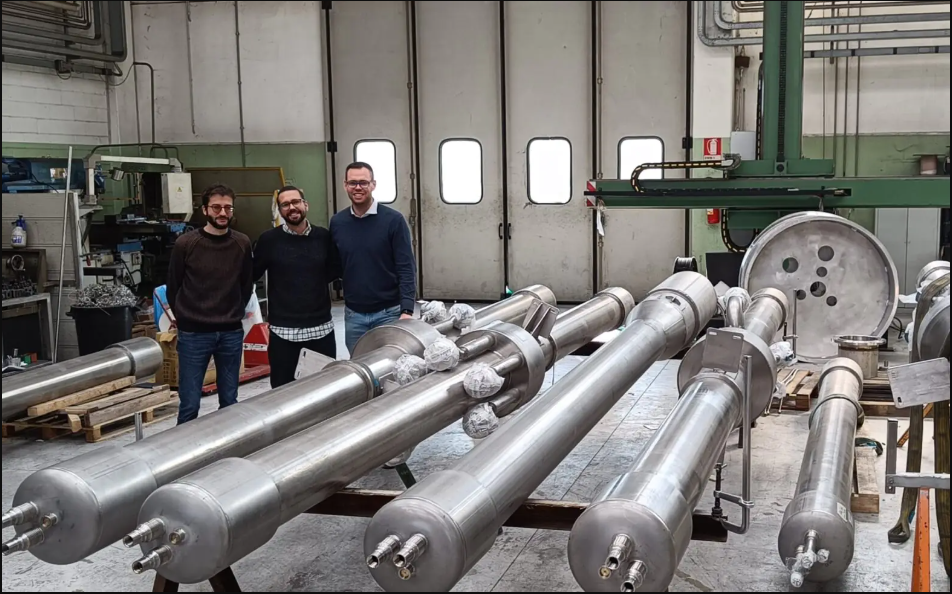
Fusion for Energy completes full delivery of ITER cryopump distribution system
The International Thermonuclear Experimental Reactor (ITER) will operate in an ultra-high vacuum environment. To prevent contamination inside the device, a set of cryopumps supplied by Europe will extract gas particles and alternate operation before and after plasma discharges, maintaining the vacuum vessel pressure at approximately one millionth of Earth's atmospheric pressure. The core of cryopump operation lies in the extremely low-temperature environment. Its internal panels will be cooled to 4 K, approximately minus 269 degrees Celsius, close to absolute zero, to capture gas particles; they are then warmed to release and expel the particles. To precisely control this process, Europe is also supplying ITER with the Front-End Cryopump Distribution System (FECDS), which delivers helium at specific doses and temperatures to the cryopumps...
2026-08-12

UK Low-Level Waste Repository Advances Capping Project, Rail-Transported Aggregate Exceeds 285,000 Tonnes
Nuclear Waste Services (NWS) is advancing capping-related works at the Low-Level Waste Repository on the west coast of Cumbria, UK, to strengthen long-term protection of existing disposal trenches and vaults. Since the repository began operations in 1959, it has supported the safe disposal of approximately 1 million cubic metres of low-level radioactive waste, making it a key facility in the UK's radioactive waste management system. NWS, part of the Nuclear Decommissioning Authority (NDA), is primarily responsible for consolidating the UK's radioactive waste management capabilities, providing management solutions for legacy wastes from civil and defence sectors as well as wastes arising from future new-build nuclear projects...
2026-08-12

Kazakhstan's National Nuclear Center Advances Material Testing Research for Future Reactors
On August 11, the National Nuclear Center of the Republic of Kazakhstan presented its progress in research on structural materials for advanced reactors. Yerzhan Ernatuly Sapataev, head of the Radiation Materials Science Laboratory at the center's Institute of Atomic Energy, stated that the development of next-generation reactors and fusion technologies has imposed higher requirements on structural materials in terms of high-temperature resistance, radiation tolerance, and corrosion resistance, and that material reliability will directly determine the safety and service life of future nuclear energy systems. Materials inside future reactors typically need to...
2026-08-12
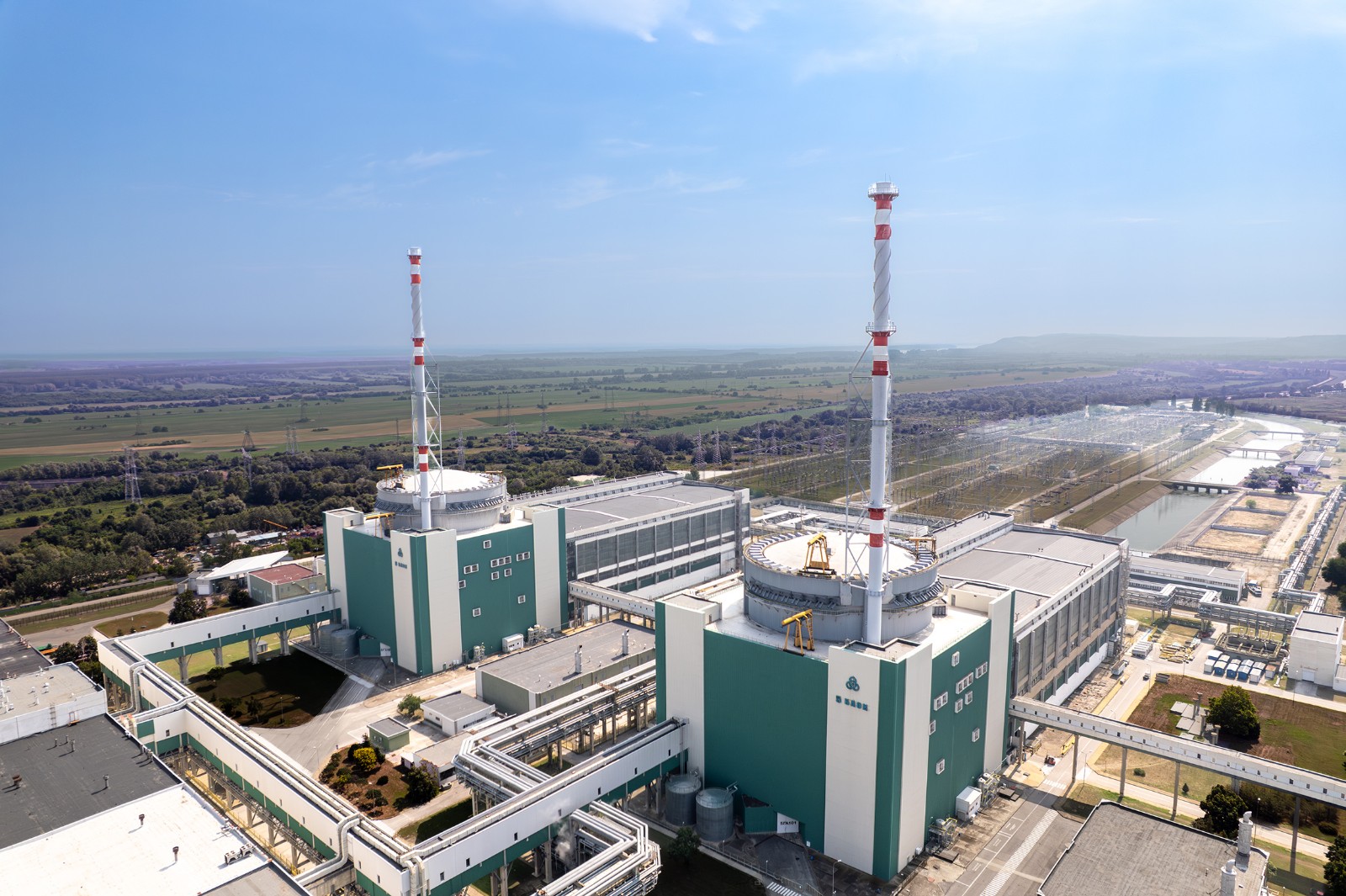
Two Units of Kozloduy NPP Operating at Full Capacity as Scheduled
As of 13:00 on August 11, 2026, the two units of Kozloduy Nuclear Power Plant continue to operate at full capacity in accordance with the power generation schedule. The plant's operating team maintains continuous watch to ensure the safe and stable operation of the relevant facilities. To guarantee the water volume required for the circulating pump station and the technical water cooling system, the plant has implemented technical and organizational measures under existing conditions to maintain the operation of the shore pump station. The technical condition of the relevant facilities requires ongoing attention, and operational parameters are being continuously monitored on site. To optimize water intake conditions, the plant needs to clean the riverbed between the Danube River and the shore pump station. The operation of the shore pumps is being monitored, with flow regulated by adjusting the blade angles; if necessary, further...
2026-08-12

TRISO-X and Oak Ridge National Laboratory Extend Advanced Nuclear Fuel R&D Collaboration
TRISO-X announced on August 11 that it has extended its Collaborative Research and Development Agreement with the U.S. Department of Energy's Oak Ridge National Laboratory (ORNL). The newly signed agreement has a term of 30 months and will continue to advance commercial-scale development of TRISO fuel, manufacturing process optimization, and technology transfer, building on the collaboration established since 2016. TRISO-X is a wholly-owned subsidiary of X-energy, primarily engaged in advanced nuclear fuel manufacturing. Under the agreement, TRISO-X will continue to operate its existing pilot-scale facilities at Oak Ridge National Laboratory, with a focus on transitioning TRISO fuel from laboratory R&D to commercial-scale manufacturing. The collaboration includes optimizing fuel...
2026-08-12
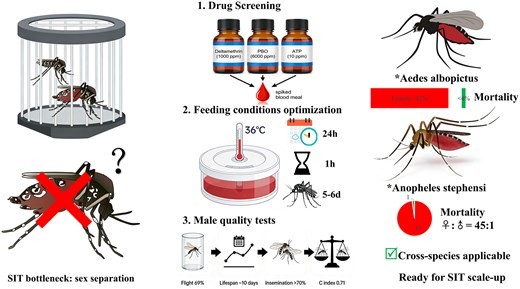
Chinese Team Proposes "Toxic Blood Meal" Pre-Treatment Approach to Boost Sterile Insect Technique for Mosquitoes
Chinese researchers have recently proposed a novel sex-sorting approach for the Sterile Insect Technique (SIT) in mosquitoes: adding a specific agent to the blood meal ingested by female mosquitoes, leveraging the biological difference that female mosquitoes feed on blood while males do not, to substantially reduce the number of females before release. The study was published in the June issue of the Journal of Medical Entomology. The Sterile Insect Technique is a pest population control method centered on radiation-induced sterility. Its basic process involves mass-rearing male target insects in the laboratory, sterilizing them through radiation exposure to render them reproductively incapable, and then releasing them into the field, where they mate with wild females to produce non-viable eggs, thereby suppressing target population growth. This technique has been incorporated into integrated pest management systems and is regarded as a relatively environmentally friendly pest control approach.
2026-08-12