
Search Results
Keyword:RI

Spain plans renewable energy innovation center to address industrial transition after Vandellòs nuclear plant closure
The municipality of Vandellòs i l'Hospitalet de l'Infant in Catalonia, Spain, is promoting the construction of a research, training, and innovation center for renewable energy to address the potential industrial gap left by the future closure of the Vandellòs II nuclear power plant. The project, named the Innovation, Research, and Training Center for Efficiency and Renewable Energy (CIRFER), will be located on municipal land in the Les Tàpies industrial estate, aiming to sustain the technical foundation and employment ecosystem that has long developed around the energy industry in the area. According to the plan, the first phase of the project is expected to launch in 2028, with a budget of 3.9 million...
2026-08-11
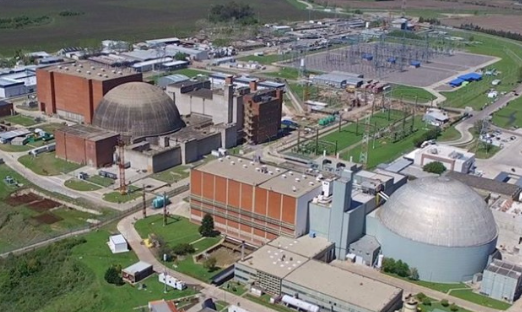
Argentina Advances Private Capital Introduction in Nuclear Sector, Plans Life Extension for Atucha I Nuclear Power Plant
The Argentine government is pushing forward a new round of adjustments in the nuclear energy industry, with the core measure being the allowance of private capital into the state-owned nuclear power operator Nucleoeléctrica Argentina. Under the new regulatory framework, the state will retain 51% of shares and maintain control over strategic decisions, while up to 44% of equity can be offered to investors through public tenders, aiming to attract capital into this key industry of energy sovereignty significance. Government officials stated that proceeds from the partial equity sale will be directed toward projects considered energy infrastructure priorities, including the life extension project for Atucha I Nuclear Power Plant and fuel storage at Atucha II Nuclear Power Plant...
2026-08-11
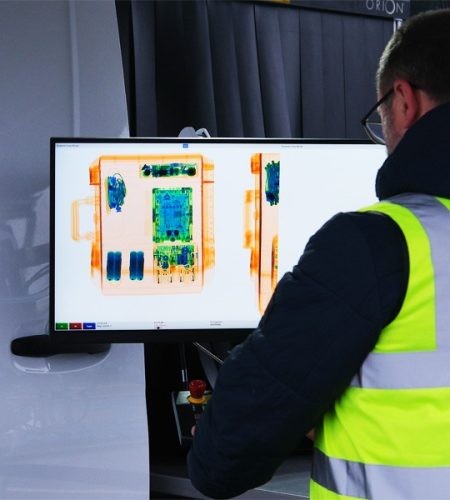
OSI Systems Secures Approximately $11 Million Order to Supply Eagle M60 Mobile Cargo and Vehicle Inspection Systems
OSI Systems, Inc. announced on August 10 that its Security division has received an order worth approximately $11 million to supply Rapiscan® Eagle® M60 mobile cargo and vehicle inspection systems to an international customer, along with related operator training and maintenance training support. Ajay Mehra, President and CEO of OSI Systems, stated that the customer selected the Eagle M60 to enhance its cargo and vehicle inspection capabilities. The system offers advantages in mobile deployment and imaging performance, helping security and customs authorities conduct inspections at ports, border crossings, roadside checkpoints, and other scenarios while maintaining traffic flow efficiency. According to the company, the Rapiscan® Eagle®...
2026-08-11
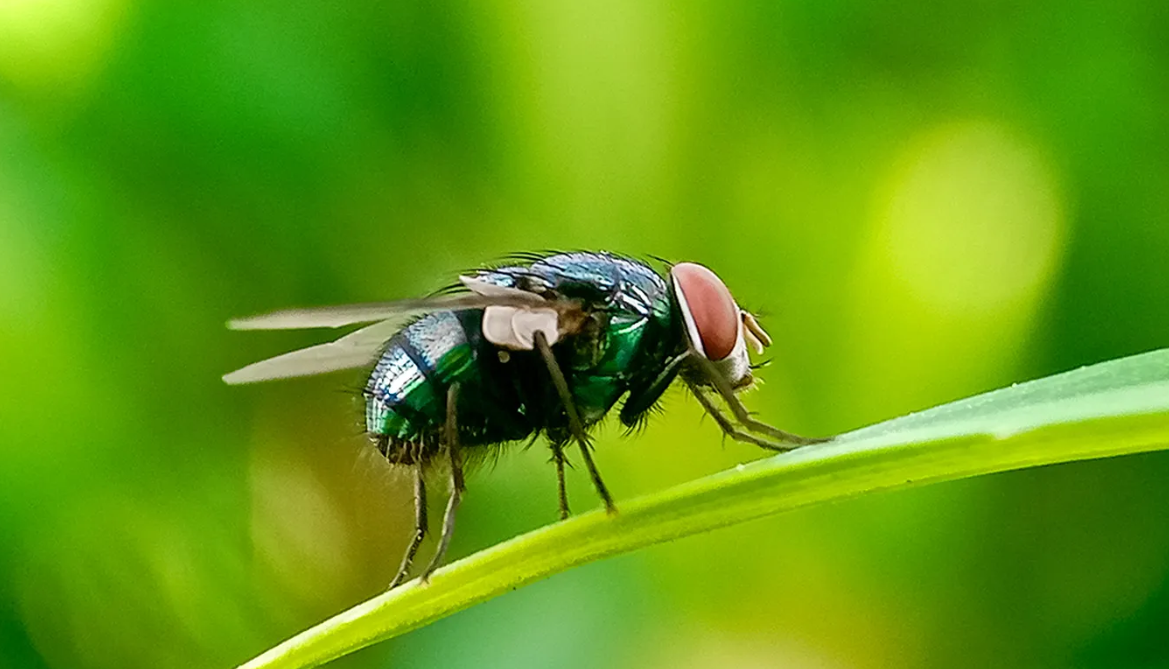
Texas A&M University Leads Development of Novel Wound Treatment for New World Screwworm
On August 10, 2026, the Texas A&M Engineering Experiment Station is leading the development of fast-acting, low-residue wound treatments for livestock infected with New World screwworm. The project, funded at $1.86 million, is led by Dr. Mustafa E. S. Akbulut, Associate Professor in the Artie McFerrin Department of Chemical Engineering at Texas A&M University, with the goal of providing ranchers and veterinarians with immediately deployable field treatment tools after infection occurs in animals. New World screwworm is a parasite that feeds on living tissue. According to available data, the pest is currently spreading in Central America and Mexico, with over 150,000 animal infection cases reported. Recently, cases have also emerged in Texas and New Mexico. Federal models predict that a large-scale outbreak in Texas could result in livestock losses exceeding $1.8 billion. If left untreated, these pests can cause severe harm to livestock, companion animals, and wildlife.
2026-08-11
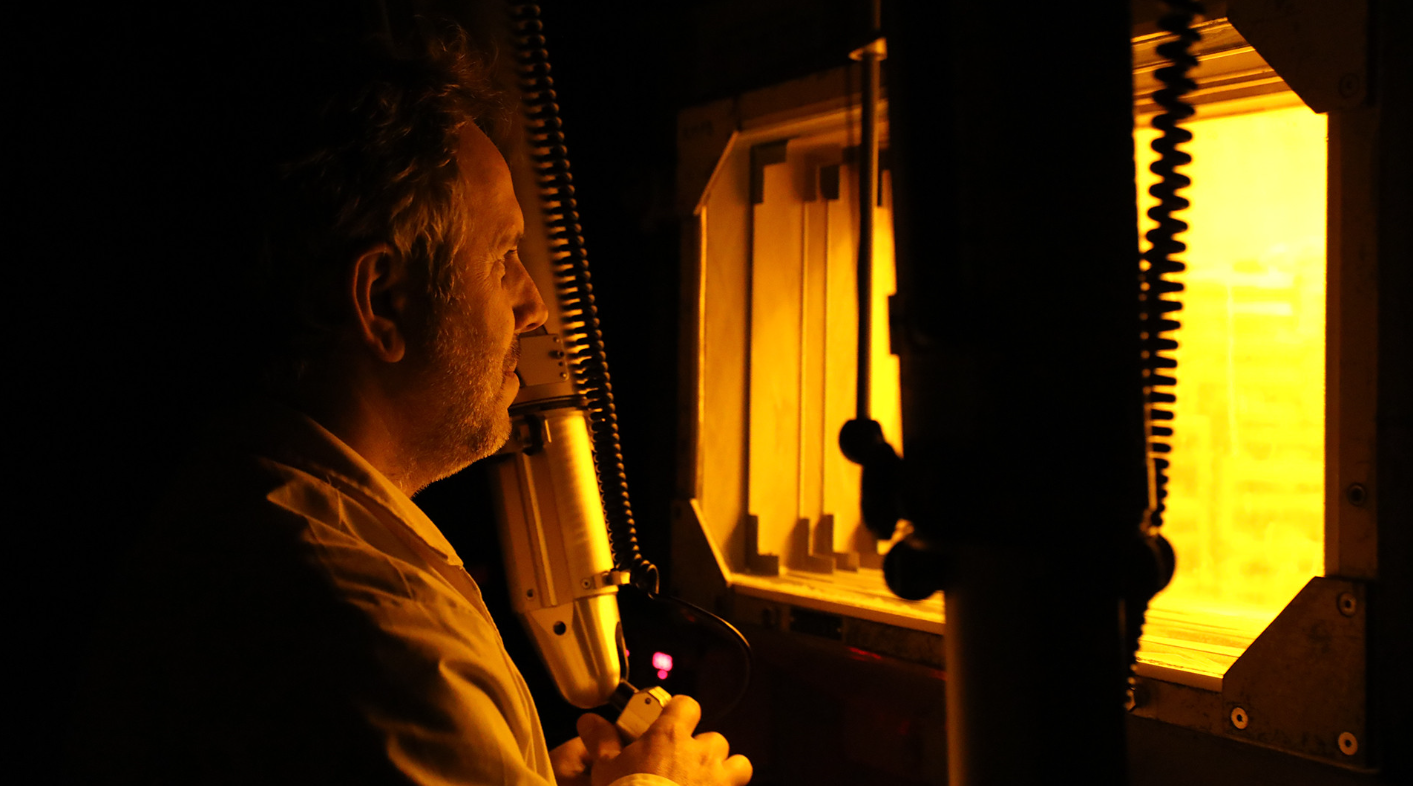
Argentine CNEA Expert Appointed Vice Chair of European Working Group on Nuclear Medicine Isotope Supply Security
The Argentine National Atomic Energy Commission (CNEA) recently announced that Daniel Sestao, an engineer and the institution's radioisotope production manager, has been appointed Vice Chair of the Supply Security Working Group of the European Association of Nuclear Medicine. CNEA, which operates under the Nuclear Affairs Secretariat of Argentina's Ministry of Economy, views this appointment as recognition of its technical capabilities in nuclear medicine and its role in international collaboration. The Supply Security Working Group is composed of international experts and focuses on the continuity and sustainability of the medical radioisotope supply chain, covering strategic isotopes such as molybdenum-99, technetium-99m, and lutetium-177. These radioisotopes are widely used in the diagnosis and treatment of tumors and complex diseases, forming a critical component of the nuclear medicine system...
2026-08-11
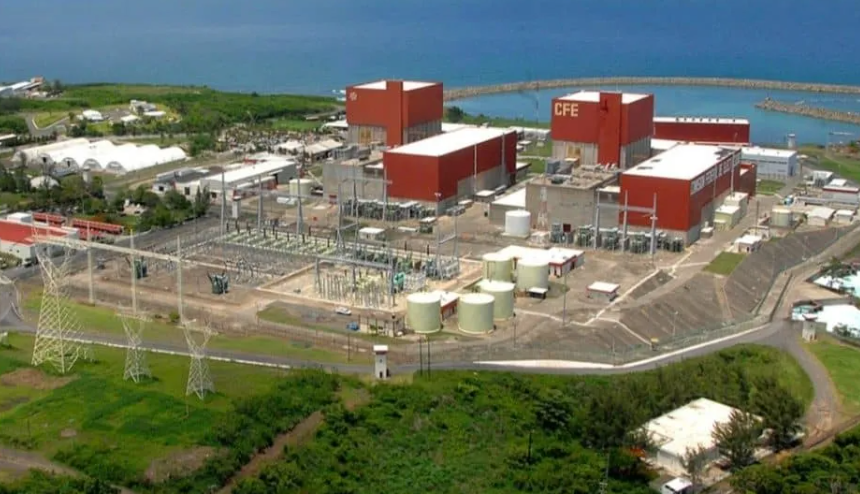
Mexico's Nuclear Power Planning Enters Critical Window, Pre-2035 Decisions Become Watershed for Energy Transition
Against the backdrop of major global economies reassessing the value of nuclear energy, Mexico's nuclear power policy is at a critical juncture of hesitation. The country currently operates only the Laguna Verde Nuclear Power Plant in Veracruz state, with two reactors totaling 1,552 megawatts of installed capacity, contributing approximately 3% of the nation's electricity. Despite its modest share, the plant's unit utilization rate approaches 88%, making it one of the most stable power generation sources in Mexico's electricity system and significant for ensuring baseload power supply. The operating licenses for Laguna Verde have been extended to 2050 and 2055 respectively, providing Mexico with a buffer period of roughly two decades. However, the issue lies in the fact that life extension does not equate to replacement planning...
2026-08-11
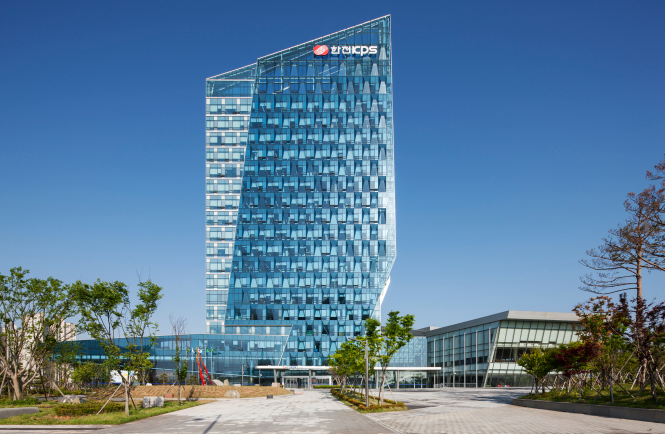
KEPCO KPS Q2 Results Miss Expectations; Nuclear Maintenance Demand Expected to Drive Recovery in H2
KEPCO KPS's Q2 results significantly missed market expectations, mainly due to factors such as extended long-term planned preventive maintenance cycles for nuclear power plants and a reduction in external and overseas variable works. Data shows that the company's preliminary Q2 sales stood at KRW 437.9 billion, down 3.5% year-on-year; operating profit was KRW 43.6 billion, down 33.6% year-on-year, approximately 30.1% below market consensus; net profit attributable to controlling shareholders was KRW 38.3 billion, down 24.8% year-on-year. The operating margin fell to 10.0%, down 4.5 percentage points from the same period last year, indicating pressure on both the revenue side and, to some extent, the cost side. The nuclear maintenance business was one of the key factors dragging down Q2 performance. In Q2...
2026-08-11
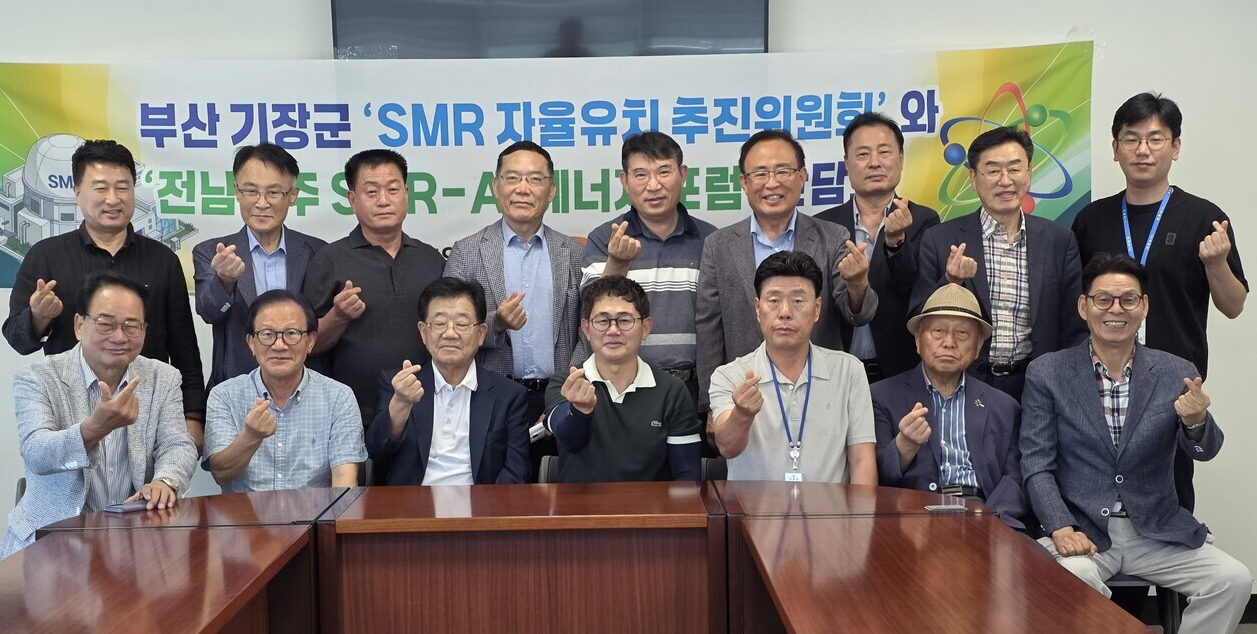
South Korea's Honam Region Visits Busan Gijang for SMR Experience, Seeking New Solutions for Stable Semiconductor Power Supply
South Korea's South Jeolla Province and Gwangju region are paying attention to Small Modular Reactors (SMR) as a potential alternative for semiconductor industry power supply. On August 7, members of the "South Jeolla-Gwangju SMR-AI Energy Forum" visited the Gijang-gun Jangan-eup Gilcheon-ri Village Hall in Busan to hold discussions with the local nuclear safety consultative body, village representatives, the Gori headquarters of Korea Hydro & Nuclear Power, and relevant Gijang-gun departments, focusing on understanding Gijang's autonomous pursuit process and resident communication experience in the siting of the innovative Small Modular Reactor (i-SMR). The direct background of this visit is the potential stable power supply challenge that the semiconductor industry in the Honam region may face in the future. Semiconductor manufacturing relies heavily on continuous, reliable large-scale...
2026-08-11
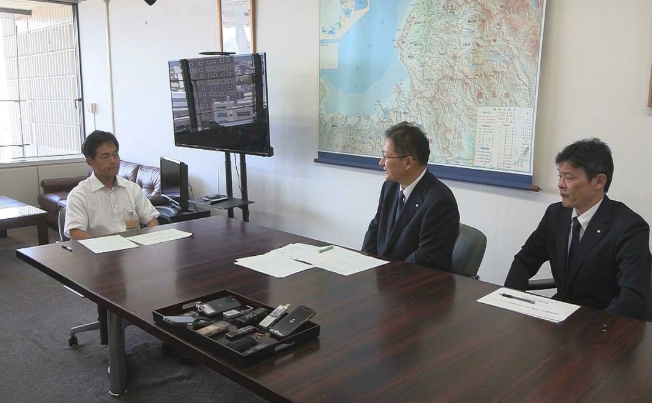
Automatic Shutdown of Unit 3 at Oi Nuclear Power Plant During Operation; Kansai Electric Power to Investigate Cause from the 12th
Unit 3 of the Oi Nuclear Power Plant in Fukui Prefecture, Japan, experienced an automatic shutdown during operation in the early hours of the 9th. Operator Kansai Electric Power stated that the fault is related to an internal abnormality in the generator and plans to formally begin a cause investigation from the 12th. Currently, there is no clear timeline for when the unit can resume operation. According to reports, an alarm related to loss of magnetic field occurred inside the generator used for power generation at the time of the incident, after which the generator stopped, and the reactor in operation also automatically shut down. On the 10th, Kansai Electric Power visited the Fukui Prefectural Government to apologize for the fault and report on subsequent response measures. Yuichiro Sakamoto, head of the Fukui Prefecture Disaster Prevention and Safety Division, pointed out that following a steam leak fault at Mihama Nuclear Power Plant Unit 3 in May this year, an unexpected emergency shutdown of a reactor in operation occurring within a short period may undermine public trust in nuclear safety. Local government authorities have demanded that the operator promptly identify the cause and implement measures to prevent similar issues from recurring.
2026-08-11
South Korea to Launch Real-Time Query System for CT and MRI Records in December to Reduce Duplicate Tests for Patients Transferring Hospitals
The Health Insurance Review and Assessment Service (HIRA) of South Korea announced on August 10 that it has established the "Appropriate Medical Utilization Review Committee" and, at its first meeting, included computed tomography (CT) and magnetic resonance imaging (MRI) examinations in the review scope of the real-time medical utilization management program. According to the plan, the program will be managed through the "Medical Care Benefit Details Confirmation System" following approval by the Minister of Health and Welfare. The system, built pursuant to Article 41-6 of the revised National Health Insurance Act, is expected to officially operate starting December 24. Once the system is in place, medical personnel will be able to query in real time the timing and relevant records of patients' CT and MRI examinations at other medical institutions before the patients undergo examinations, thereby reducing...
2026-08-11
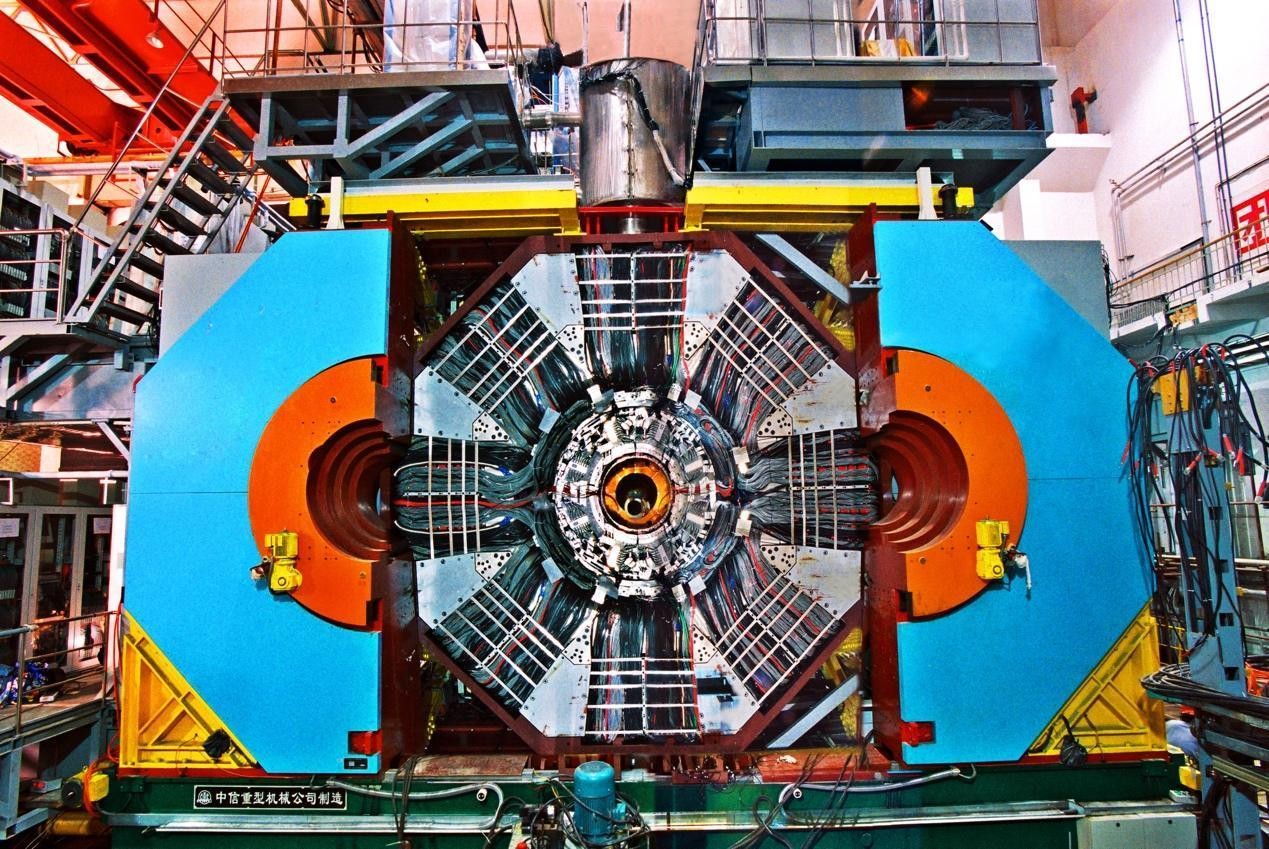
"Smashing Out" More New Particles Unknown to Humanity — Exploring the Upgraded Beijing Electron-Positron Collider After Its Second Renovation
Beside Yuquan Road in Beijing, beneath an ancient courtyard surrounded by lush greenery, lies a giant scientific facility shaped like a badminton racket — the Beijing Electron-Positron Collider. Inside this 240-meter-circumference ring-shaped device, electrons and positrons can be accelerated to near the speed of light and smashed head-on into each other. By studying the microscopic particles produced in these collisions, scientists explore the fundamental laws governing the microscopic world, verify existing physical theories, and search for unknown new particles. Recently, a reporter visited this facility to uncover the secrets of this national heavyweight that has just completed its second major upgrade. After this renovation, key indicators such as collision energy and collision luminosity have been significantly improved, achieving a historic breakthrough in core performance. Since its completion...
2026-08-11
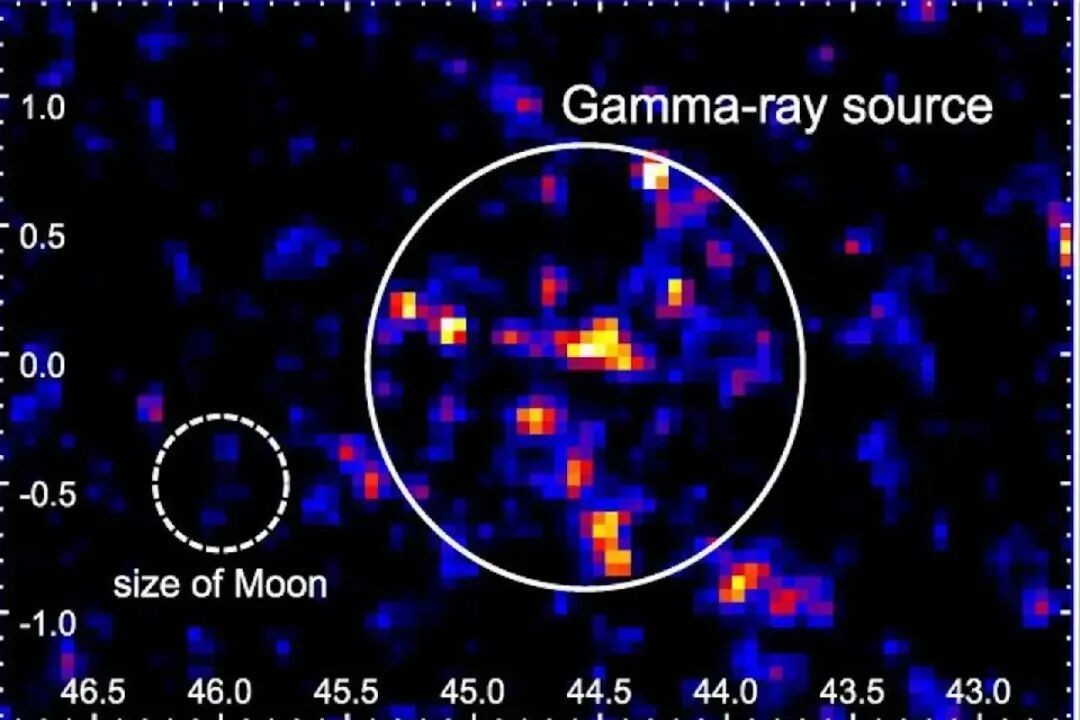
"Triple-Arrow Assault" Confirms a Cosmic "Natural Accelerator" Ejecting Protons at Energies 100 Times That of the Large Hadron Collider
Astronomers, using three observation facilities operating in different wavelength bands, have confirmed a mysterious celestial body in the direction of the Aquila constellation in the Milky Way as a natural cosmic accelerator. This object is continuously ejecting high-speed particles with energies far exceeding any man-made accelerator on Earth, equivalent to 100 times that of the Large Hadron Collider (LHC). This discovery provides key clues for tracing the origin of the highest-energy cosmic rays in the Milky Way, and the research findings were published in the latest issue of The Astrophysical Journal. A size comparison between the gamma-ray source (large circle) and the Moon (small circle). Image credit: The Astrophysical Journal. PeV (peta-electronvolt) energy cosmic rays are high-energy diffuse gamma-ray radiation, and...
2026-08-11
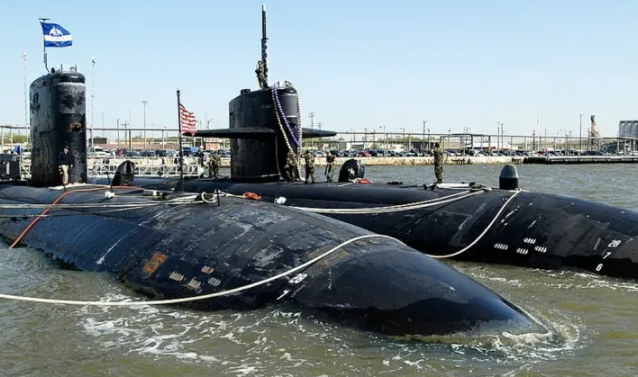
Lockheed Martin Australia Authorized to Integrate Virginia-Class Nuclear Submarine Combat Systems, Marking a Key Step in AUKUS Technology Transfer
Lockheed Martin Australia has signed a multi-year A$29.3 million contract with the Australian Submarine Agency and has been officially designated as the combat systems integration partner for Australia's Virginia-class nuclear submarines. What makes this arrangement unique is that Australia will become the first national-level partner outside the United States authorized to integrate, maintain, and upgrade the classified combat systems of Virginia-class nuclear submarines. The relevant authorization covers approximately 40 classified subsystems, including critical capabilities such as sensors, target identification, weapon control, and underwater communications, marking a deepening of technology sharing under the AUKUS framework from platform procurement to the core combat systems level. The Virginia-class nucle...
2026-08-11
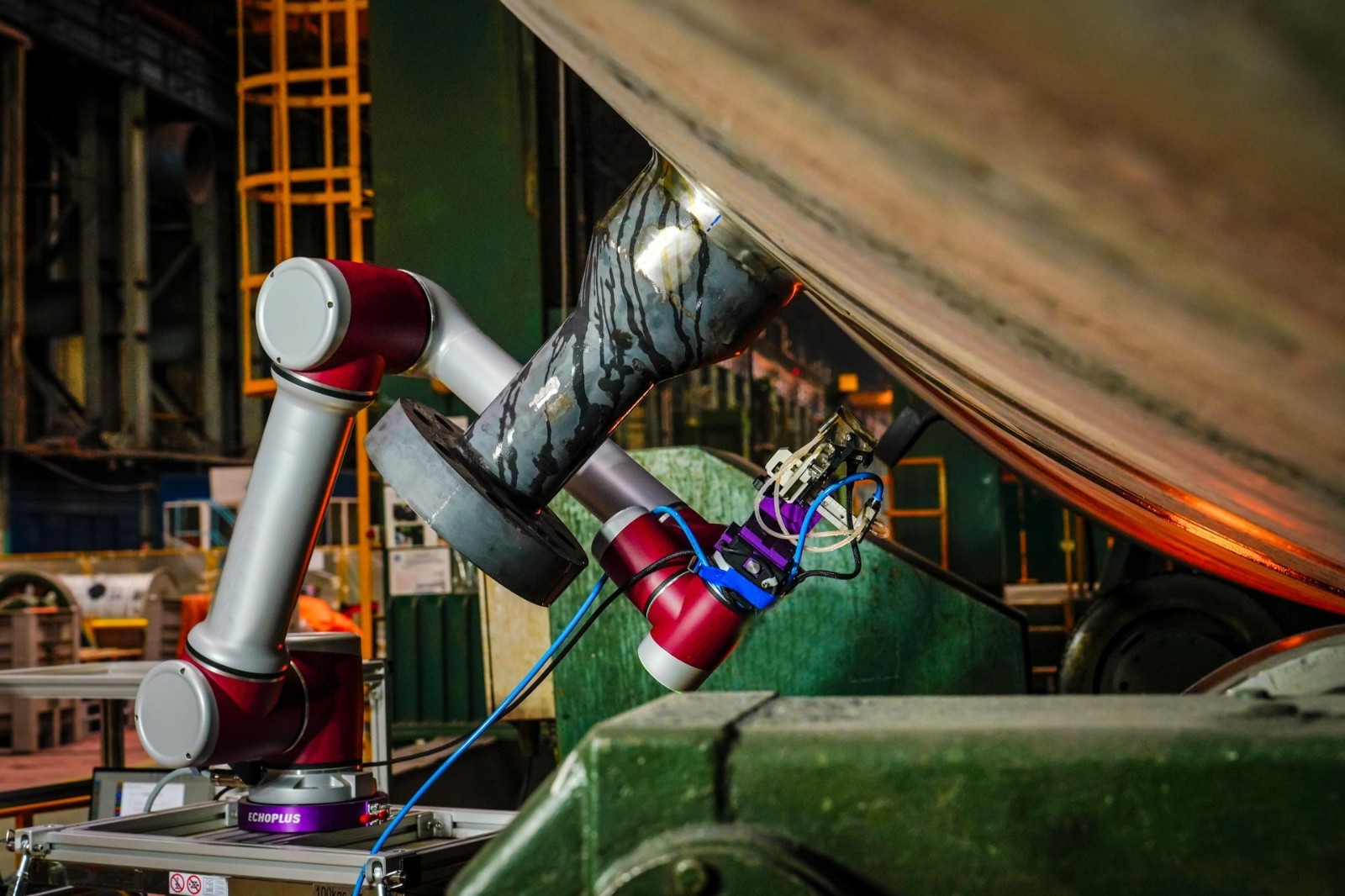
Russia's Atommash Commissions Ultrasonic Weld Inspection Robot to Boost NPP Equipment Testing Efficiency
Atommash, a plant under the mechanical engineering division of Russia's State Atomic Energy Corporation (Rosatom), has recently commissioned a new ultrasonic inspection robot for welded joints, used for weld quality checks on large nuclear power equipment such as nuclear reactors and steam generators. The plant is located in Rostov Oblast, Russia. The new equipment employs two scanning modes and can identify weld defect types and locate defect coordinates. Compared with traditional inspection methods involving manual probe movement, the robot can automatically perform scanning on components with complex geometries, increasing inspection speed by approximately 30% while reducing the need for manual work in hard-to-reach areas. At present, Atommash already operates...
2026-08-11
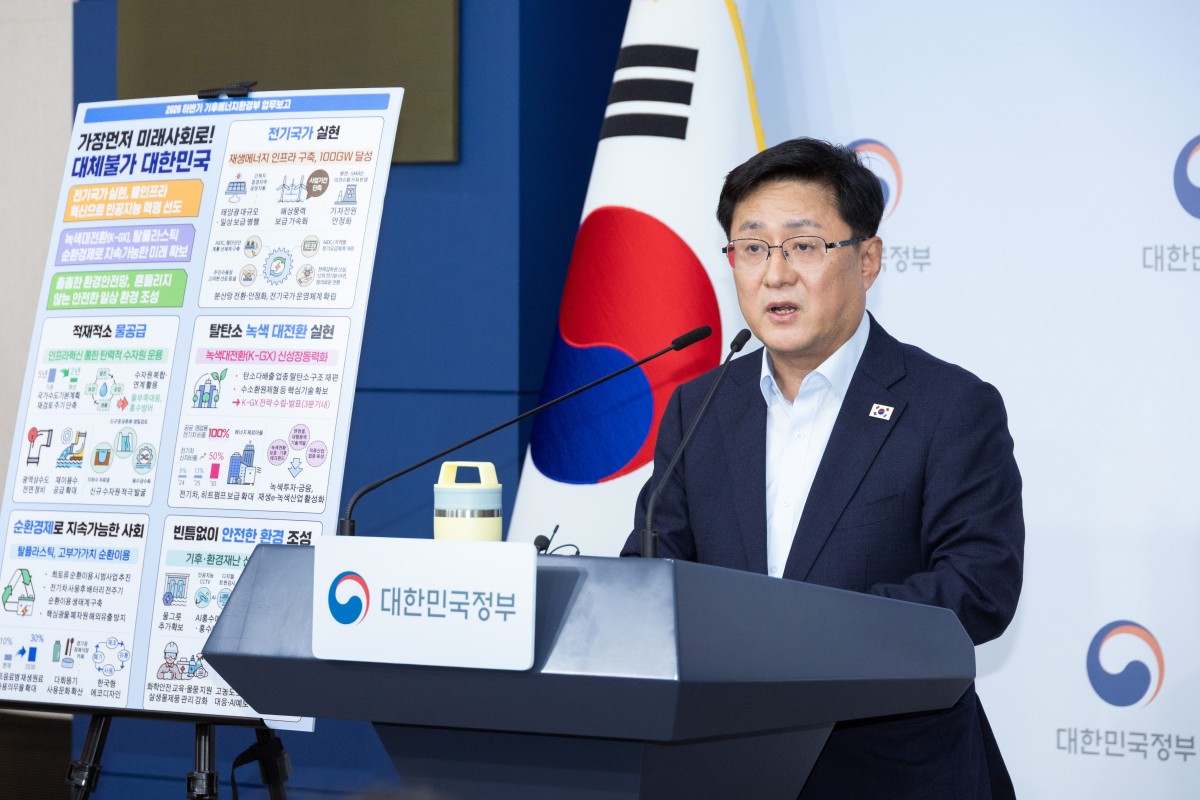
South Korea's semiconductor cluster adds about 21 GW of new power demand; government to study whether to build new nuclear units
South Korea's Minister of Climate, Energy and Environment, Kim Sung-hwan, said on the 10th that the new electricity demand from the Yongin—Hoseon semiconductor industry cluster is approximately 21 GW, equivalent to the power supply capacity of about 15 nuclear units based on an estimate of 1.4 GW per unit. The Ministry of Climate, Energy and Environment plans to seek expert and public opinions before announcing the 12th Basic Plan for Electricity Supply and Demand in October, and will decide accordingly whether to push for the construction of new nuclear units. Kim Sung-hwan stated that the electricity demand of the semiconductor industry has increased significantly compared to the past. The South Korean government has decided to raise renewable energy capacity from 78 GW to 100 GW by 2030, but whether the increase in renewable energy alone can meet the new demand still requires further assessment.
2026-08-11