
Search Results
Keyword:Radiation Safety

Director of the Division of Radiation, Transport and Waste Safety, Department of Nuclear Safety and Security, IAEA, Van den Howe, Visits the Nuclear and Radiation Safety Center of the Ministry of Ecology and Environment
On September 8, 2026, Ms. Hildegard Van den Howe, Director of the Division of Radiation, Transport and Waste Safety, Department of Nuclear Safety and Security, International Atomic Energy Agency (IAEA), visited the Nuclear and Radiation Safety Center of the Ministry of Ecology and Environment (hereinafter referred to as the Center). Chai Guohan, Director of the Center, and heads of relevant departments participated in the exchange activities. At present, cooperation between the Center and the IAEA is continuously deepening. Since being designated by the IAEA in May 2023 as the world's first Collaborating Center for Nuclear and Radiation Safety, the Center has, relying on this platform, successfully hosted high-level activities such as the Nuclear and Radiation Safety Leadership Workshop, the ANSN Regional Workshop, and multiple international training sessions, with the platform's clustering and radiation effects becoming increasingly prominent. The Center has always been a trusted partner of the IAEA.
2026-09-11
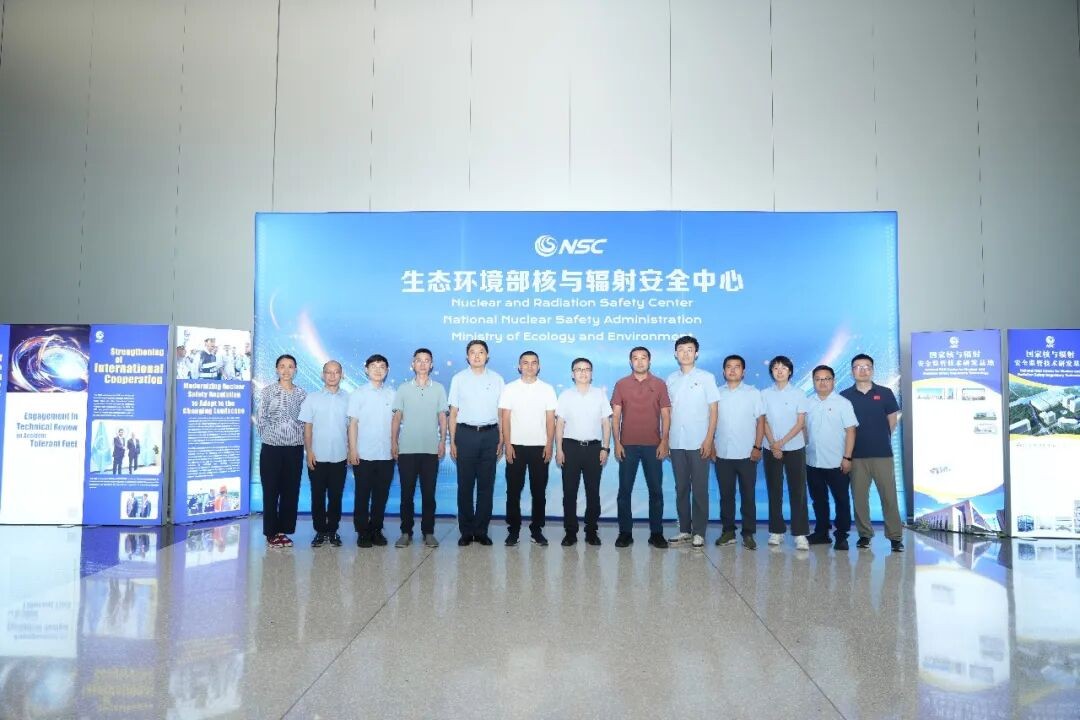
China and Uzbekistan Deepen Cooperation in Nuclear Safety Regulatory Training
Since the National Nuclear Safety Administration and the Industrial, Radiation and Nuclear Safety Committee of Uzbekistan signed a Memorandum of Understanding (MoU) on nuclear safety cooperation at the beginning of the year, the two sides have continued to deepen their cooperation in the field of nuclear and radiation safety regulation. As an important measure to implement the MoU, the Nuclear and Radiation Safety Center of the Ministry of Ecology and Environment has successively organized two special training sessions for Uzbek nuclear safety regulators and convened China-Uzbekistan technical exchange activities on nuclear safety regulation. In June, the first training session focused on China's regulatory oversight of civil nuclear safety equipment. Experts from the Nuclear and Radiation Safety Center and the Northeast Regional Office of Nuclear and Radiation Safety Supervision delivered a four-week special training program for Uzbek trainees based on regulatory practices, covering China's...
2026-09-05
West Physics Acquires U.S. Medical Physics Services Provider RTS, Expanding Nuclear Medicine and Radiation Safety Service Network
West Physics Consulting, LLC, a U.S. provider of medical and health physics consulting services, announced on September 2, 2026, that it has acquired Radiographic Testing Services, Inc. (RTS). Headquartered in Albany, New York, RTS primarily provides medical physics services covering nuclear medicine, diagnostic radiology, radiation oncology, and Certified Radiological Equipment Safety Officer (CRESO)-related services. West Physics stated that this acquisition will integrate the strengths of both companies in customer service, quality management, and technical capabilities. Upon completion of the transaction, the company will add a new office in Albany, New York, and further expand its presence in Albany, New York...
2026-09-03
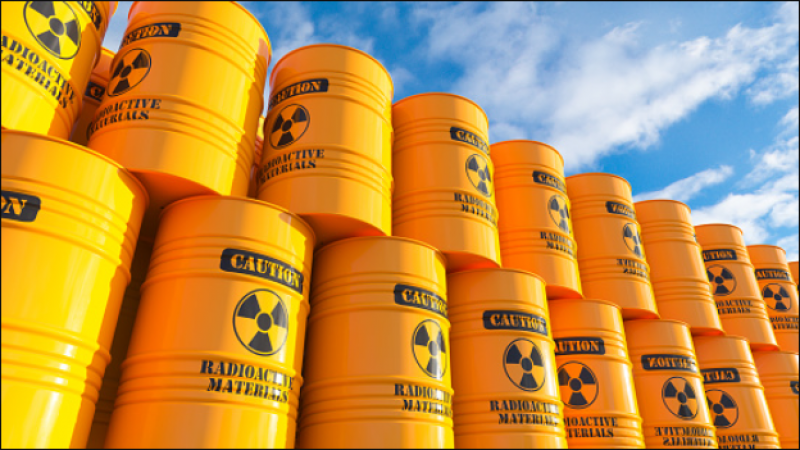
Belarusian Radioactive Waste Disposal Facility Site Selection May Be Determined by Year-End
Belarusian Energy Minister Denis Moroz recently stated that the site selection for Belarus's radioactive waste disposal facility is expected to be determined by the end of this year. The relevant announcement was made during events marking the 25th anniversary of the Belarusian Ministry of Energy. Moroz noted that Belarus began studying radioactive waste management issues before the final commissioning of its nuclear power plant. Following feasibility studies, Belarus decided to construct a radioactive waste disposal facility and established a dedicated Belarusian radioactive waste management organization to oversee the relevant work. Preliminary work on the disposal facility is currently underway. Moroz stated that radiation safety is of paramount importance to Belarus, and International Atomic Energy Agency (IAEA) documents have already...
2026-09-03

Northeast Regional Office of the Ministry of Ecology and Environment Conducts Research on Radiation Risk Prevention and Control in the Scrap Metal Recycling and Smelting Industry
To strengthen radiation risk prevention and control across the entire chain of the scrap metal recycling and smelting industry and guide young cadres to conduct research and tackle challenges at the grassroots level, the Northeast Regional Office of Nuclear and Radiation Safety Supervision of the Ministry of Ecology and Environment (hereinafter referred to as the Northeast Regional Office) recently conducted special research at scrap metal resource recycling and steel smelting enterprises as well as customs ports. This research comprehensively mapped out the sources of scrap metal recycling, supply destinations, and the current status of radioactive monitoring management in the processing and sorting stages; focused on verifying the effectiveness of radiation monitoring requirements implementation at steel smelting enterprises, and meticulously examined the monitoring point deployment and control measures at key stages such as raw material entry, production process connection, and product shipment; further clarified the import and export radioactive monitoring management procedures, coordination and linkage working mechanisms, and the response and handling of abnormal events; and conducted in-depth exchanges and discussions with relevant units on some issues identified during the research.
2026-09-01
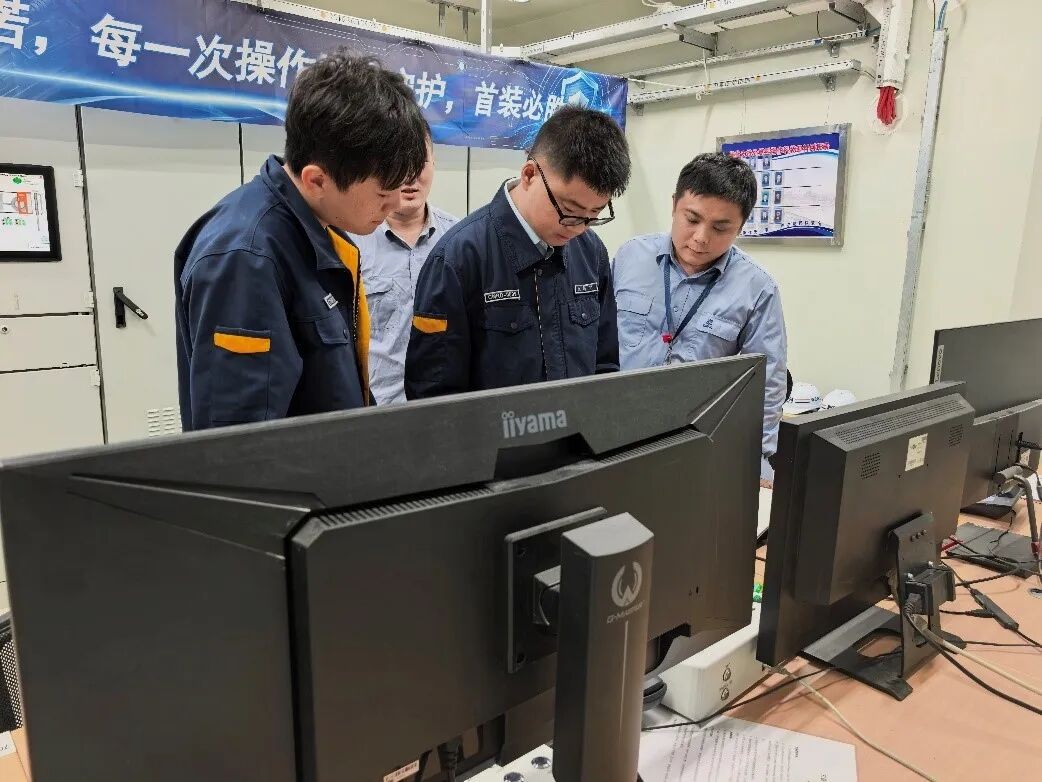
Ministry of Ecology and Environment North China Regional Office of Nuclear and Radiation Safety Supervision Conducts Supervision of First Fuel Loading at Tianwan Nuclear Power Plant Unit 7
Recently, the first fuel loading of Unit 7 at Tianwan Nuclear Power Plant was officially initiated, with the first fuel assembly successfully loaded into the reactor core, marking the unit's formal transition into the commissioning phase with nuclear operation. This unit is a key cooperative project witnessed by the heads of state of China and Russia via video link at its groundbreaking ceremony. This fuel loading marks a significant milestone achievement in the largest strategic cooperation project in China-Russia nuclear energy cooperation. As a core and critical procedure in nuclear power engineering, the first fuel loading serves as a comprehensive and holistic verification of the unit's engineering construction quality, system commissioning effectiveness, and safety control capabilities, and is of decisive significance to the subsequent safe and stable operation of the unit. The Ministry of Ecology and Environment North China Regional Office of Nuclear and Radiation Safety Supervision (hereinafter referred to as the North China Regional Office) has consistently upheld the nuclear safety regulatory work style of "rigorous, prudent, meticulous, and practical," closely focusing on the core and critical aspects of the first fuel loading, and implementing full-coverage, full-chain, and whole-process supervision and control over this fuel loading operation, effectively safeguarding the safety and quality defense line of the loading operation.
2026-08-26
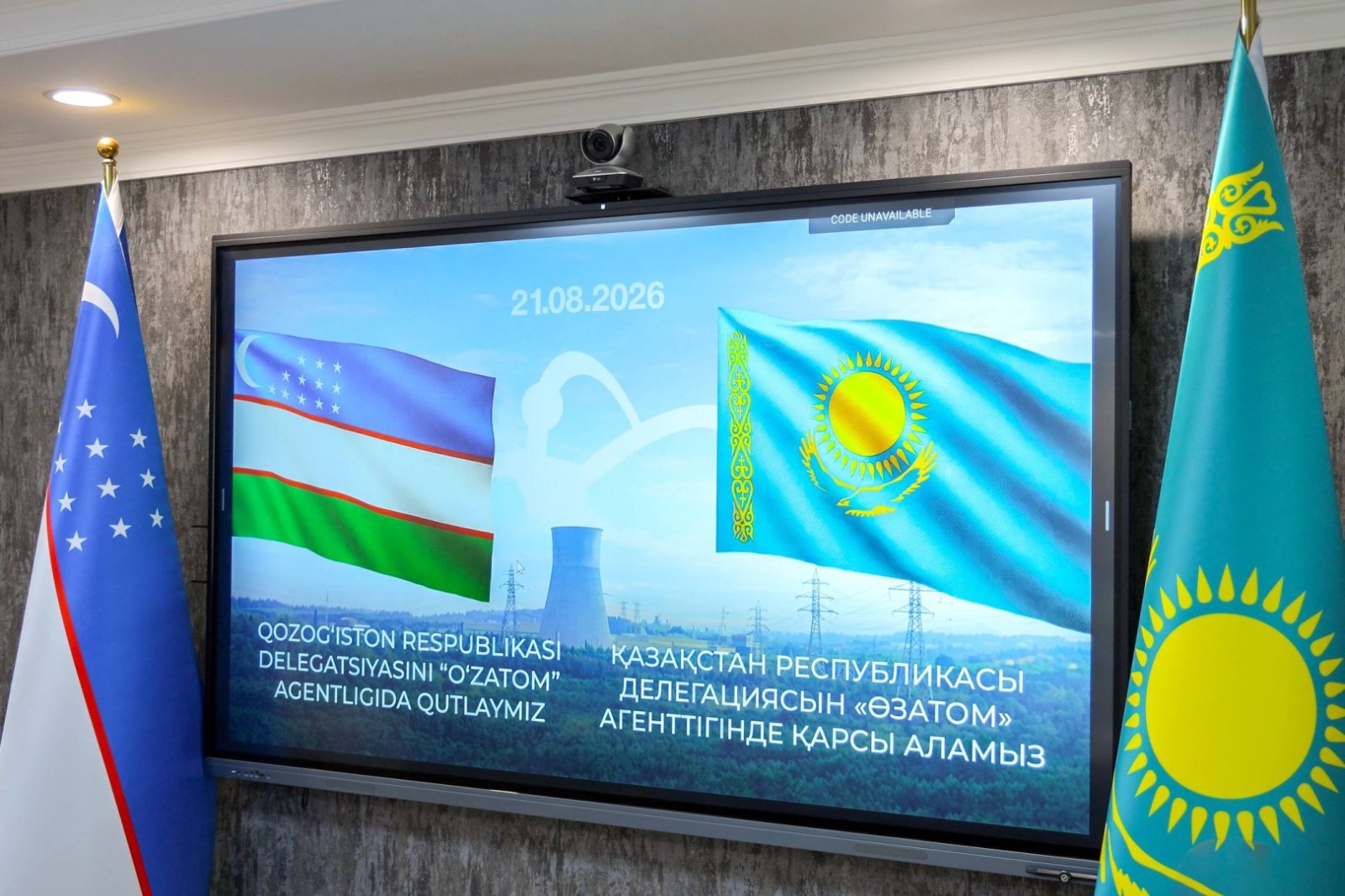
Uzbekistan and Kazakhstan Strengthen Nuclear Safety Cooperation Dialogue
Uzbekistan and Kazakhstan recently held working talks on nuclear safety, radiation safety, and environmental safety, during which the two sides exchanged views on technical and environmental issues related to the construction and future operation of Uzbekistan's nuclear power plant, and discussed strengthening cooperation on the peaceful use of nuclear energy in Central Asia. The talks were attended jointly by representatives of relevant Uzbek ministries and agencies and a Kazakh delegation. The Kazakh delegation was led by Mansur Oshurbayev, Deputy Minister of the Ministry of Ecology and Natural Resources of Kazakhstan. Uzbekistan's atomic energy agency...
2026-08-22
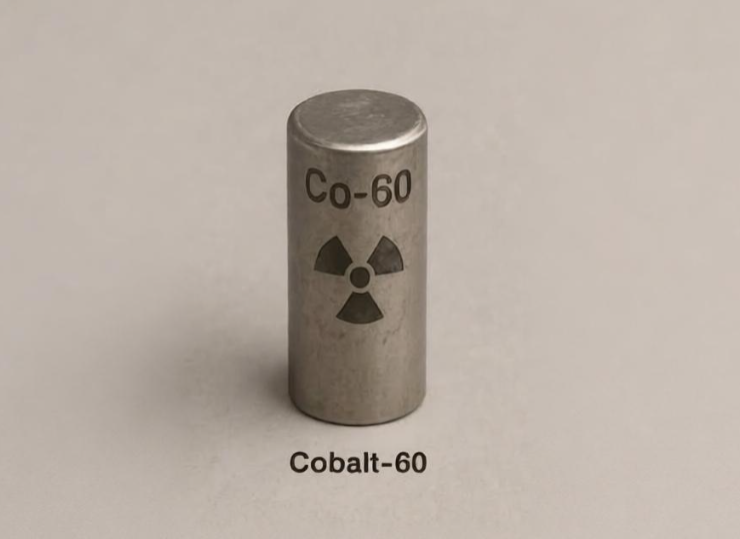
A Category IV Cobalt-60 (Co-60) radioactive source retired in Huangshi
Recently, under the coordinated deployment and on-site supervision of the Huangshi Municipal Ecological Environment Bureau in Hubei Province, a retired Category IV Cobalt-60 (Co-60) radioactive source was transported in a closed loop by a professionally qualified vehicle and safely delivered to the Hubei Provincial Urban Radioactive Waste Repository, where it was permanently sealed in a standardized manner. The collection and storage process for this waste source followed standard procedures with meticulous control, and no readings exceeding limits, equipment loosening, or other safety anomalies occurred throughout the entire transport process. It is understood that this Cobalt-60 radioactive source was originally the core component of a level gauge supporting an enterprise's kiln production line. As the production line was dismantled and scrapped, the related equipment ceased operation, increasing the safety management pressure of the idle radioactive source. Upon receiving the enterprise's disposal application, the Huangshi Municipal Ecological Environment Bureau...
2026-08-21
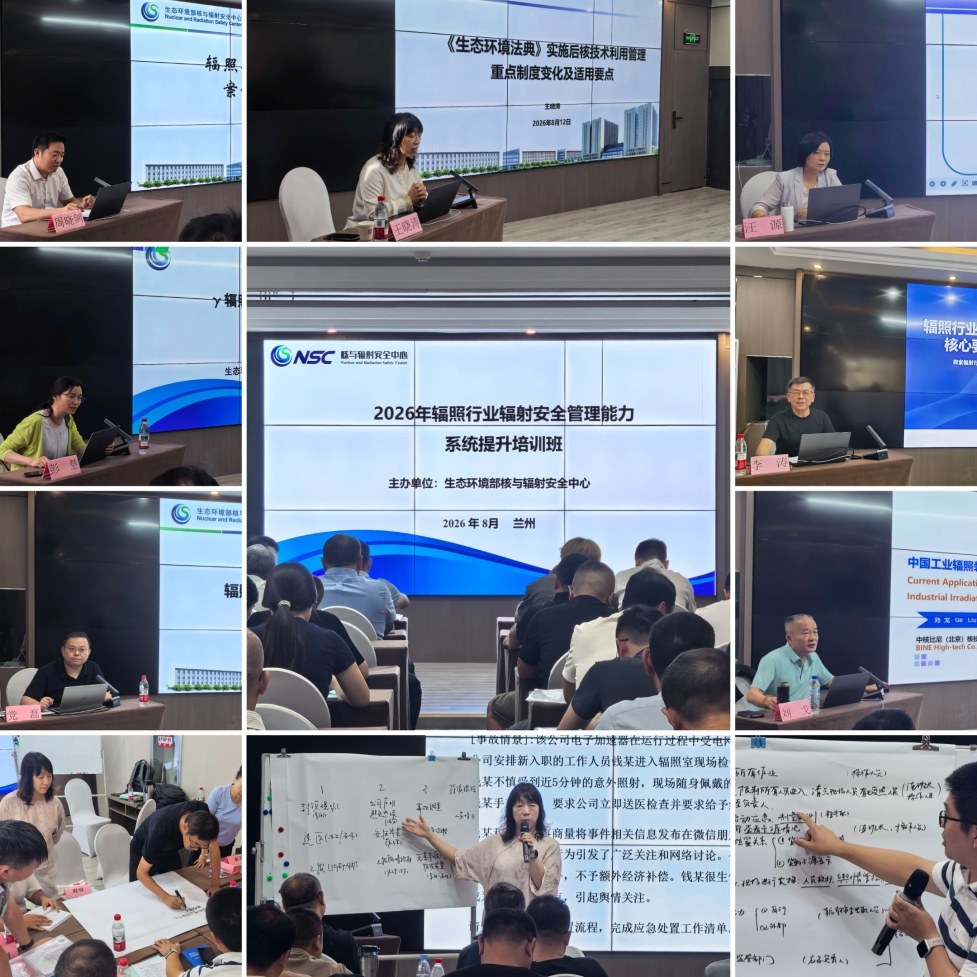
2026 Systematic Training Course on Radiation Safety Management Capability for the Irradiation Industry Successfully Held in Lanzhou
To thoroughly implement the Ecological Environment Code and continuously improve the standardized radiation safety management level of the irradiation industry, the 2026 Systematic Training Course on Radiation Safety Management Capability for the Irradiation Industry, hosted by the Nuclear and Radiation Safety Center of the Ministry of Ecology and Environment (hereinafter referred to as "the Center"), was successfully held in Lanzhou, Gansu Province, from August 11 to 13. More than 80 trainees from over 60 irradiation operation, design and manufacturing, and regulatory departments across the country gathered together to study laws, regulations, and standards and share safety experience. This training closely focused on the new regulatory situation of the irradiation industry and industrial development needs, emphasizing both professionalism and practicality. The courses systematically covered the development status and trends of industrial irradiation facilities,...
2026-08-18
Bac Ninh Province, Vietnam, Issues Plan for Peaceful Use of Atomic Energy
The People's Committee of Bac Ninh Province, Vietnam, recently issued Plan No. 299/KH-UBND, deploying the implementation of the province's strategy for the peaceful use of atomic energy through 2035, with a vision toward 2050. Signed by Mai Son, Standing Vice Chairman of the Bac Ninh Provincial People's Committee, the plan aims to implement national strategic tasks in line with local conditions, enhance management efficiency in the atomic energy sector, and promote atomic energy in serving socioeconomic development while ensuring radiation safety, nuclear safety, and nuclear security. Under the plan, Bac Ninh Province will focus on advancing research and applications of radiation technology and radioisotopes in fields such as healthcare, agriculture, natural resources and environment, and industry, while strengthening the safety management of radiation sources. Relevant applications will serve...
2026-08-15

The Ecological Environment Code of the People's Republic of China Officially Takes Effect Today
On August 15, 2026, coinciding with the fourth National Ecology Day, the Ecological Environment Code of the People's Republic of China officially took effect. The promulgation and implementation of this Code marks the formal entry of China's ecological environment protection legal system into a new stage of codification, representing a major milestone in the rule of law for advancing ecological civilization construction and the building of a Beautiful China. The Code's promulgation: A historic leap in the rule of law for ecological civilization construction. The Ecological Environment Code of the People's Republic of China is the second foundational law named as a "Code" after the Civil Code. The Code systematically integrates existing effective laws and regulations in areas including environmental protection, air pollution prevention and control, water pollution prevention and control, soil pollution prevention and control, solid waste pollution prevention and control, radioactive pollution prevention and control, and noise pollution prevention and control. It abolishes 10 separate laws, incorporates the essential provisions of more than 20 laws into the Code system, and makes comprehensive provisions on basic principles of ecological environment protection, supervision and management systems, pollution prevention and control, ecological protection and restoration, green and low-carbon development, and climate change response, establishing a complete and logically rigorous legal norm system. The Code also makes comprehensive provisions on radioactive pollution prevention and control...
2026-08-15
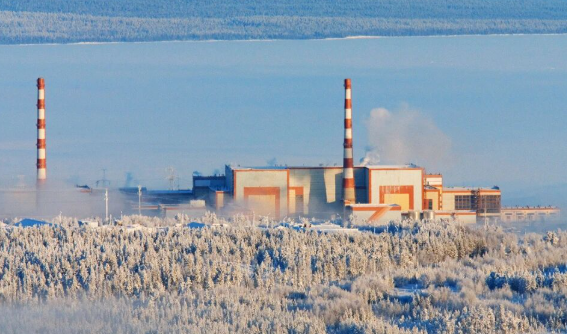
Long-term radiation environment at Kola NPP remains under control: gamma dose rates within natural background levels, 15 permanent observation stations operating since 1972
Long-term monitoring results from the external radiation monitoring group at Russia's Kola Nuclear Power Plant show that gamma radiation dose rates around the plant site have consistently remained within natural background radiation levels, with radionuclide concentrations matching background values, indicating a sound radiation environment with no differences from surrounding areas. The station's radiation safety department collects surface water samples from the discharge canal monthly, with monitoring coverage encompassing all elements including the atmosphere, snow cover, bottom sediments, food products, algae, berries, mushrooms, and caged fish. The monitoring architecture consists of two tiers: 15 permanent environmental observation stations have been in continuous operation since before the commissioning of the first reactor unit in 1972; 13 ASKRO automated radiation environment monitoring system stations provide real-time ground-level gamma dose rate data, which is transmitted directly to the Rosenergoatom crisis center and integrated into the national unified radiation monitoring network. Approximately 200,000 cubic meters of air are drawn weekly through air filtration units to capture radionuclides, with volumetric activity of radioactive iodine also measured. A mobile radiological laboratory performs on-site spectrometric analysis. Annually, about 1,200 environmental samples are collected from around the plant site and delivered to the Polyarnye Zori laboratory, where well water samples analyzed by Canberra spectrometers yield "zero nuclide" results, with samples retained for one year for potential re-analysis. Biological samples are processed using the ashing method, and instrument sensitivity is sometimes insufficient to even detect any signal from the plant's impact.
2026-08-14
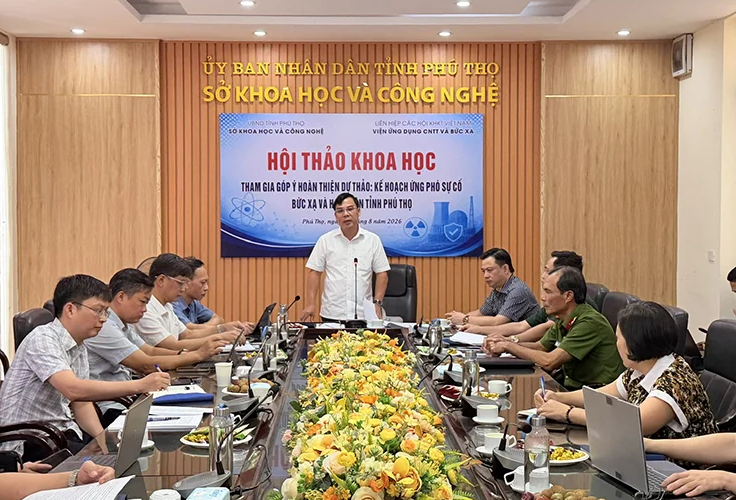
Phu Tho Province, Vietnam Advances Improvement of Radiation and Nuclear Accident Emergency Response Plan
On the morning of August 13, the Department of Science and Technology of Phu Tho Province, in coordination with the Vietnam Union of Science and Technology Associations and the Institute for Technology and Radiation Application, held a scientific seminar to solicit opinions on the draft of the "Radiation and Nuclear Accident Emergency Response Plan of Phu Tho Province." Experts, scientists, and representatives from relevant provincial and municipal departments were invited to attend, aiming to ensure the plan's feasibility, alignment with local conditions, and compliance with national requirements for atomic energy management and radiation safety. The core purpose of this seminar was to improve the emergency response plan through multi-party input, making it more suitable for local realities and meeting the requirements of atomic energy application, radiation safety, and nuclear safety management. From the local perspective, the application of radiation technology in Phu Tho Province has already reached a certain scale. Currently, the province has more than 270 institutions using radiation, equipped with over 417 X-ray machines, 2 linear accelerators, more than 500 radiation devices, and 45 radioactive sources, widely applied in fields such as medicine, industry, technical inspection, and scientific research. These technologies have played an active role in enhancing diagnostic and treatment capabilities, improving labor productivity, upgrading product quality, and serving economic and social development.
2026-08-14
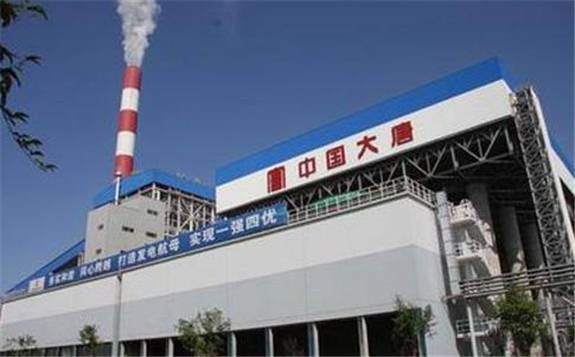
Liaoning Zhuanghe Nuclear Power Phase I Project Approved, Zhuanghe Goes All Out to Accelerate Project Implementation
Recently, the State Council held an executive meeting and decided to approve the Liaoning Zhuanghe Nuclear Power Phase I Project. Located in Lizifang Town, Zhuanghe City, Liaoning Province, the Liaoning Zhuanghe Nuclear Power Project is the first nuclear power project in Northeast China to adopt China's self-developed third-generation nuclear power technology, the Hualong One, injecting core momentum into the high-quality development of regional clean energy. The overall plan for the Liaoning Zhuanghe Nuclear Power Project includes the construction of six million-kilowatt-class Hualong One third-generation pressurized water reactor nuclear power units, with unified planning and construction in three phases. The Phase I project approved this time will build two new nuclear power units with a total installed capacity of 2.5 million kilowatts. Upon completion and commissioning, the project will deliver outstanding comprehensive benefits and strong driving effects. In terms of clean energy supply security, each...
2026-08-14
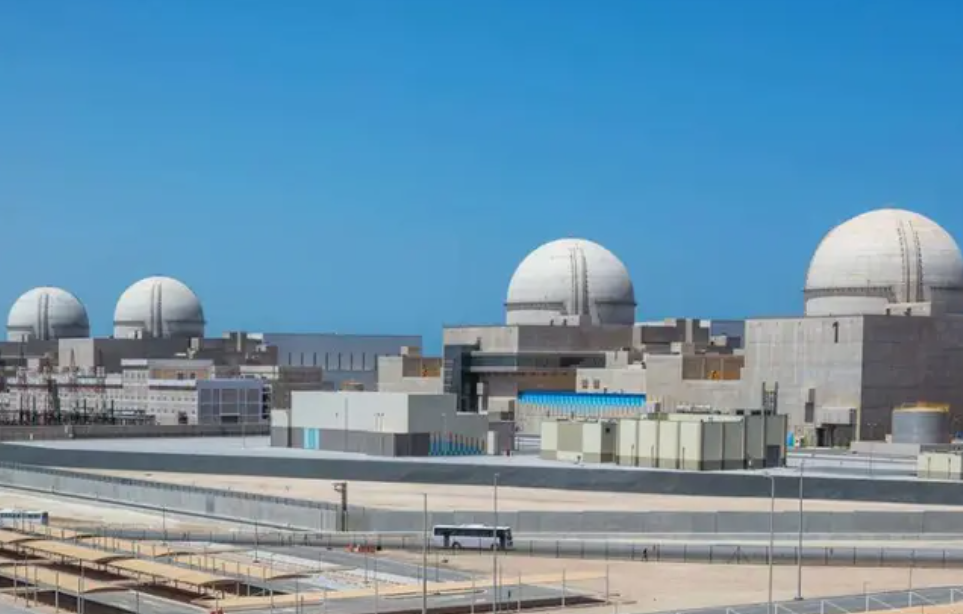
UAE Releases 2025 Annual Nuclear Regulatory Report, Highlighting Nuclear Safety and Peaceful Use Achievements
The UAE Federal Authority for Nuclear Regulation (FANR) has released its "2025 Annual Report," showcasing regulatory progress over the past year in nuclear safety, radiation protection, and nuclear non-proliferation. The report indicates that the UAE continues to advance its nuclear governance framework in line with the "We the UAE 2031" vision, enhancing regulatory efficiency while emphasizing that nuclear technology and nuclear materials must serve peaceful purposes. The report specifically highlights FANR's launch of a unified import and export system. This digital platform is designed to streamline the regulatory processes for the import and export of nuclear and radioactive materials, while strengthening regulatory transparency and traceability. The development of this system demonstrates that the UAE is focused not only on the safety of nuclear facilities themselves...
2026-08-13