
Search Results
Keyword:SPAC
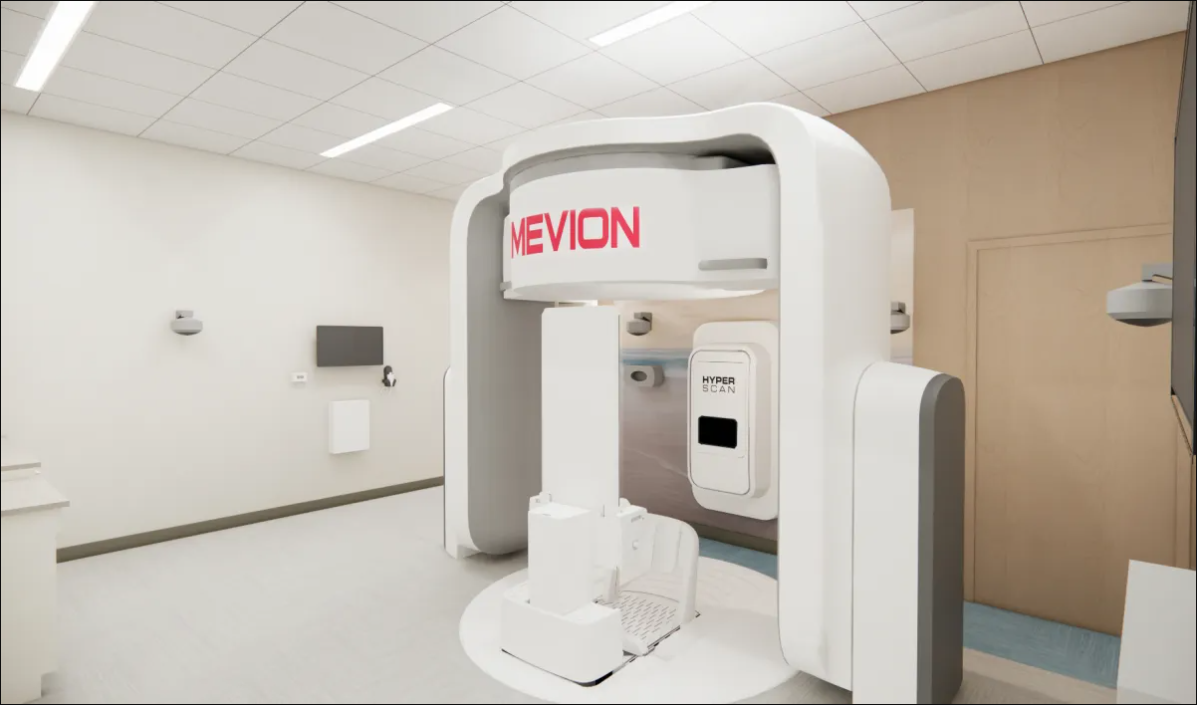
Auburn University Installs 200 MeV Superconducting Proton Accelerator to Build First University-Led Space Electronics Radiation Testing Facility in the U.S.
Auburn University's Applied Research Institute has announced the installation of a new 200 MeV superconducting proton accelerator, advancing the construction of the nation's first university-led proton testing facility dedicated to space electronics qualification. The system, a RAD-FX-200 superconducting synchrocyclotron manufactured and installed by Mevion Medical Systems, serves as the core component of Auburn University's new radiation-hardening facility. According to reports, the facility will help address gaps in U.S. space qualification testing capacity, providing radiation testing services for microelectronics to government agencies, aerospace, and defense-related industries. Systems such as satellites, missile defense interceptors, spacecraft, and launch vehicles rely on microelectronics, which may be affected by proton radiation in orbital environments. A single radiation-induced failure can cause system loss, and such failures are typically difficult to repair once in orbit...
2026-08-28

Europe Advances Space Nuclear Power Research, Targeting Lunar and Mars Missions
The European Space Agency (ESA) is accelerating its assessment of nuclear energy applications in deep-space missions, focusing on using small nuclear reactors to power spacecraft electric propulsion systems, as well as providing stable energy for future fixed lunar surface facilities and subsequent Mars missions. Existing space missions primarily rely on chemical fuels and solar panels. The former is limited by the amount of propellant that can be carried, while the latter suffers from declining power generation efficiency as spacecraft move farther from the Sun. ESA believes that nuclear power systems could compensate for the shortcomings of both approaches, particularly in long-duration lunar operations and deeper space exploration. ESA completed a nuclear thermal propulsion study last year. In March this year, the agency...
2026-08-27
U.S. Plans to Launch Nuclear Fission-Powered Spacecraft to Fly by Mars by End of 2028
The National Aeronautics and Space Administration (NASA) is advancing the Space Reactor-1 "Freedom" (SR-1 Freedom) mission, with the goal of launching a nuclear fission-powered spacecraft by the end of 2028 to validate deep-space nuclear electric propulsion technology. According to existing mission documentation, the mission plans to fly by Mars in 2029 and deploy the SkyFall payload. The SR-1 Freedom is neither a fusion spacecraft nor a crewed Mars vehicle. Its core experiment is to operate a small uranium fission reactor, an energy conversion system, and Hall-effect thrusters in coordination beyond Earth orbit, accumulating engineering data for future higher-power deep-space missions...
2026-08-24
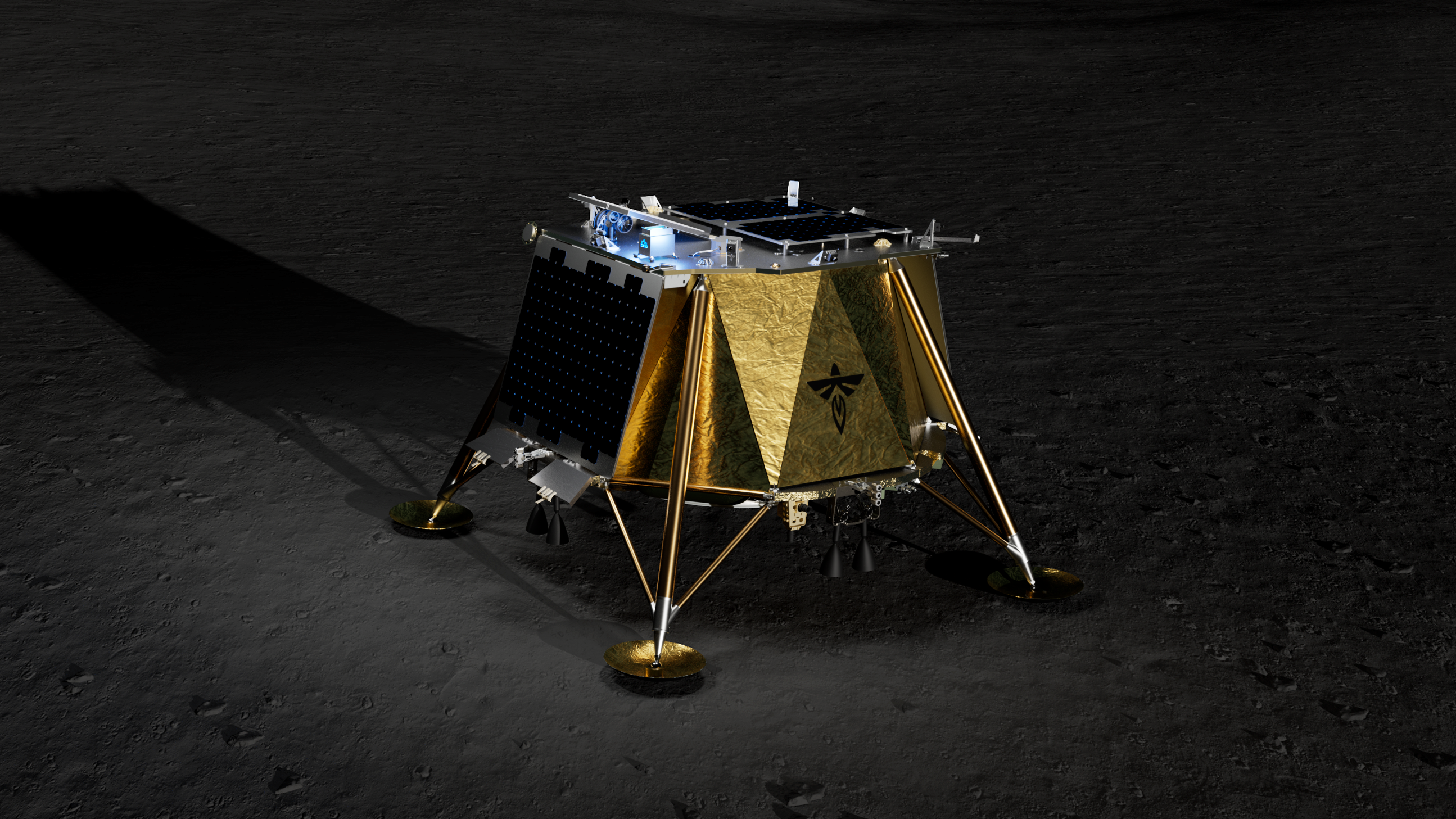
Firefly Aerospace to Fly Zeno Power Radioisotope Heater to Validate Lunar Night Survival Capability
Firefly Aerospace announced on August 19 that it has reached a commercial payload agreement with Zeno Power Systems to carry Zeno's Lunar Night Survival Package and radioisotope heater unit on a Blue Ghost lunar lander mission. The mission is scheduled to launch no earlier than 2028 and aims to verify whether the relevant nuclear power technologies can help spacecraft, lunar infrastructure, and future lunar base systems continue operating through the long, extremely cold lunar night environment. *Rendering of Firefly's Blue Ghost lunar lander with Zeno Power's Lunar Night Survival Package on its top deck. Under the plan, Zeno's payload will travel with Blue Ghost to the lunar nearside...
2026-08-20
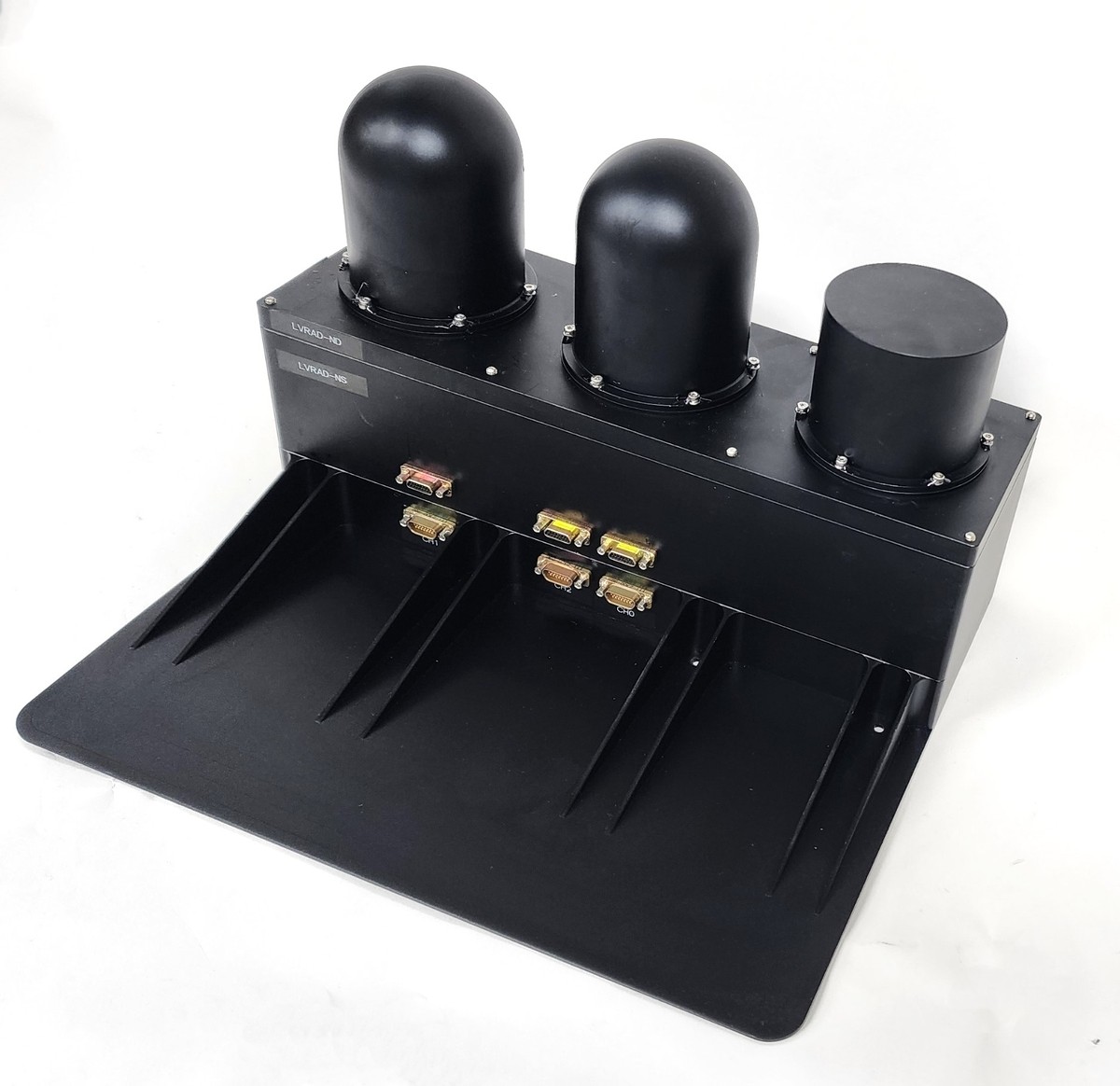
South Korea's domestically developed lunar radiation detector to travel to the Moon aboard NASA commercial lunar lander
The Korea AeroSpace Administration (KASA) announced on August 17 that the Lunar Space Radiation Detector (LVRAD), independently developed by South Korea, will be mounted on a lander under NASA's Commercial Lunar Payload Services (CLPS) program to conduct observations of the radiation environment on the lunar south pole surface. The two sides signed the relevant implementation agreement on August 14. Under the agreement, KASA plans to complete the development of the flight model of the detector by next year and deliver the equipment to the United States in accordance with the NASA lunar lander mission schedule. NASA will be responsible for integrating the Korean-developed detector onto the commercial lunar lander and supporting its operation and data transmission on the lunar surface after launch. LVRAD consists of...
2026-08-17
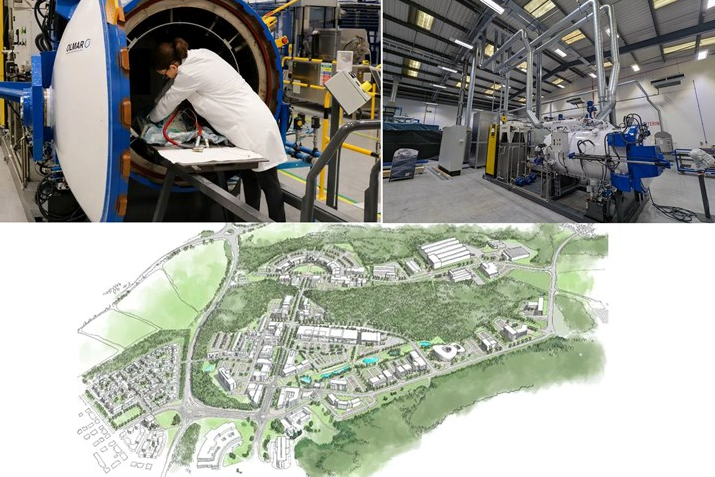
Lucideon Plans £500 Million UK CMC Manufacturing Facility to Strengthen Aerospace, Defense, and Nuclear Supply Chains
UK materials science consultancy Lucideon plans to build a manufacturing and R&D facility for ceramic matrix composites (CMCs) at Keele University Science Park, with total project investment expected to exceed £500 million over the next 7 to 10 years. The plan aims to address the UK's capability gap in high-temperature ceramics and industrial-scale CMC manufacturing, serving key industries such as aerospace, defense, and nuclear energy, while enhancing the UK's autonomy and competitiveness in the global advanced materials supply chain. Ceramic matrix composites, consisting of ceramic fibers reinforcing a ceramic matrix, can withstand ultra-high temperatures, thermal shock, and mechanical impact, while offering weight reduction advantages over metallic materials, driving growing demand in high-performance engines, thermal protection...
2026-08-16
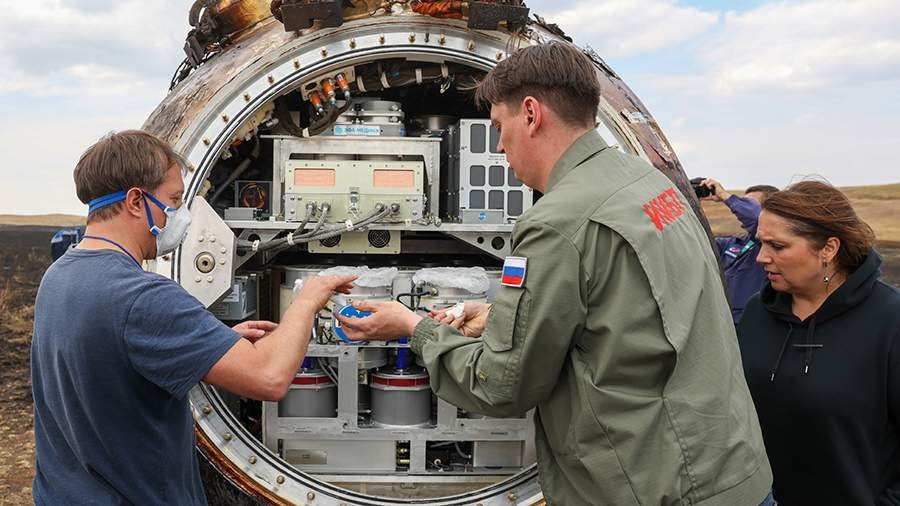
Russia's Bion-M 3 spacecraft planned for launch in 2030 to study effects of cosmic radiation on living organisms
Russia plans to launch the new Bion-M 3 spacecraft in 2030 to study the effects of cosmic radiation on living organisms under conditions similar to deep space. Vladimir Sychev, a senior official at the Institute of Biomedical Problems of the Russian Academy of Sciences, presented the plan at a meeting of the Presidium of the Russian Academy of Sciences' Space Council on August 4. Sychev stated that cosmic rays, solar proton events, and their effects on the human body are critical issues that must be understood when planning long-term interplanetary crewed missions. Participants have endorsed the draft scientific research program for the spacecraft's flight testing. According to the plan, Bion-M 3 will be placed into a polar orbit at an altitude of approximately 800 kilometers...
2026-08-14

U.S. Company Proposes Americium-241 Radioisotope Heating Solution for Spacesuits, Receives Early NASA Research Support
U.S.-based Zeno Power Systems has proposed a radioisotope heating concept for lunar extravehicular activities, planning to use Americium-241 (Am-241) to provide continuous passive warmth for astronauts during lunar nights and in permanently shadowed regions. The proposal has been selected for this year's NASA Innovative Advanced Concepts (NIAC) program, with the potential to receive up to $175,000 in early-stage research funding. The lunar surface environment is one of the key challenges for long-duration crewed missions. Data shows that lunar nights can last approximately two weeks, and extreme low temperatures will limit the duration of astronaut extravehicular activities in shadowed areas and at night. Even with new-generation spacesuits, their cold resistance remains limited...
2026-08-13
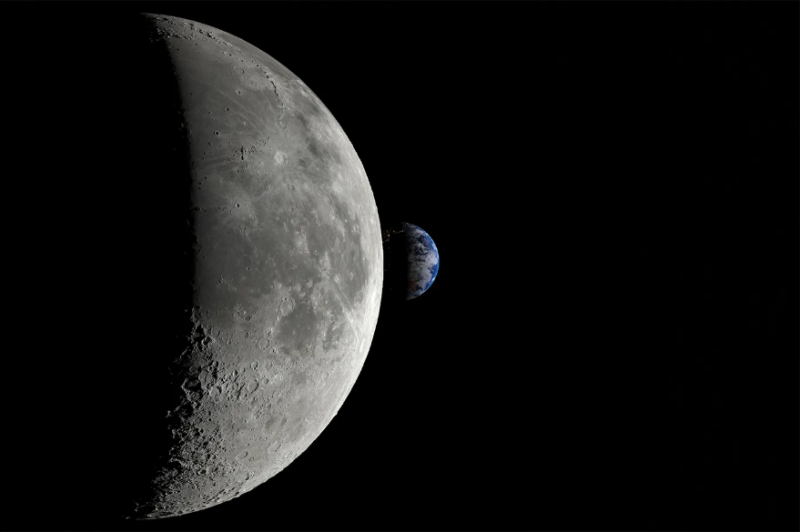
UK's Harlette Capital seeks partners to develop lunar micro nuclear reactor
UK-based innovative company Harlette Capital has recently issued a Request for Information (RFI), seeking support from industry and research institutions for the development of a micro nuclear reactor for lunar missions. The company stated that the project aims to provide continuous power for long-term scientific research, communications, infrastructure construction, and future crewed exploration on the lunar surface. Harlette Capital is previously better known for its luxury fashion brand Harlette. The company also operates a separate innovation business segment, which is positioning itself in space and energy assets and advancing a small modular reactor (SMR) project named Alpha Moon. According to the company, the RFI has been sent to...
2026-08-11
South Korea Advances K-Moonshot Initiative, Nuclear Fusion and SMR Spacecraft Listed as Key Missions
The South Korean government is accelerating the K-Moonshot initiative, seeking to tackle critical technologies that are difficult to break through via traditional research pathways through a national-level R&D organizational approach. Among these, nuclear fusion and small modular reactor (SMR) spacecraft have been included in 12 key missions, alongside new drug development, quantum technology, and artificial intelligence, all under the government's coordinated promotion. On August 10, Vice Minister Goo Hyuk-chae of the Ministry of Science and ICT (MSIT) met with the heads of the 12 mission projects and representatives of related institutions at the K-Moonshot Project Support Office in Sejong City to discuss next-stage implementation arrangements. The meeting focused on detailing...
2026-08-10
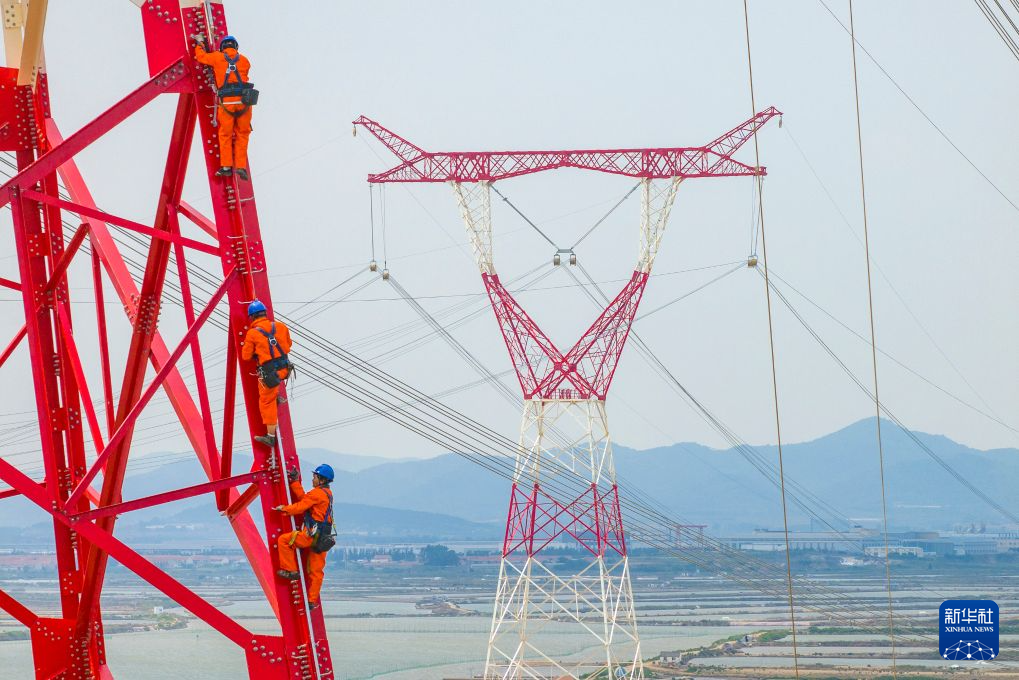
Installation of Spacer Dampers Begins on Offshore Section of Haiyang Xin'an Nuclear Power Transmission UHV Project
On July 28, the installation of spacer dampers was fully initiated on the offshore section of the 1000 kV Haiyang Xin'an Nuclear Power Transmission UHV Project, marking the final critical phase of the world's first UHV project dedicated to nuclear power transmission. This project is China's first UHV project involving offshore construction. It starts from Xin'an Town, Haiyang City, Yantai, and ends at Tuanwang Town, Laiyang City, Yantai, with a total length of 80.36 km. It is constructed with double-circuit lines and a total of 161 towers. The project commenced in June 2025 and is scheduled for completion and commissioning in October 2026. Prior to this, the Yanwei UHV Project had successfully achieved loop closure, connecting the nation's first provincial-level UHV double-ring network in Shandong. The Haiyang Xin'an Nuclear Power Transmission Project is a key node of this double-ring network...
2026-07-30

SNPDRI's Comprehensive Surveying and Mapping Capabilities in Air, Space, Ground, and Sea Fully Upgraded
Recently, approved by the competent natural resources authority, the State Power Investment Corporation's State Nuclear Electric Power Planning, Design & Research Institute (SNPDRI) has completed an expansion of its Class A surveying and mapping qualifications, adding two new Class A professional categories: Aerial Photogrammetry and Photogrammetry & Remote Sensing. With this, SNPDRI has now obtained all five Class A surveying and mapping qualifications: Engineering Surveying, Marine Surveying, Geographic Information System Engineering, Aerial Photogrammetry, and Photogrammetry & Remote Sensing. Its integrated surveying and mapping capabilities across air, space, ground, and sea have achieved a leapfrog upgrade, and the enterprise's comprehensive geographic information service strength has reached a new height. The Class A surveying and mapping qualification is the highest industry entry permit. The simultaneous acquisition of these two qualifications is an authoritative recognition by the competent authority of SNPDRI's technological R&D, professional talent, quality management, and performance capability in major projects.
2026-07-29