
Search Results
Keyword:Turkey

Welding of main circulation pipeline completed for Unit 2 of Turkey's Akkuyu NPP
On August 27, welding of the main circulation pipeline was completed for Unit 2 of Turkey's Akkuyu Nuclear Power Plant. The pipeline connects the reactor, steam generators, and main circulation pumps, and is one of the key components forming the primary circuit system of the reactor facility. The welding work lasted 73 days and involved welding 32 pipe joints. Engineering technicians, welders, fitters, pipe cutters, non-destructive testing personnel, heat treatment personnel, and quality inspection personnel participated in the relevant operations. During construction, each process step proceeded according to the established technological workflow, and welded joints had to pass inspection before moving to the next stage. According to reports, all welded joints underwent high-temperature heat treatment to relieve internal stress in the metal and ensure compliance with design performance requirements.
2026-08-28
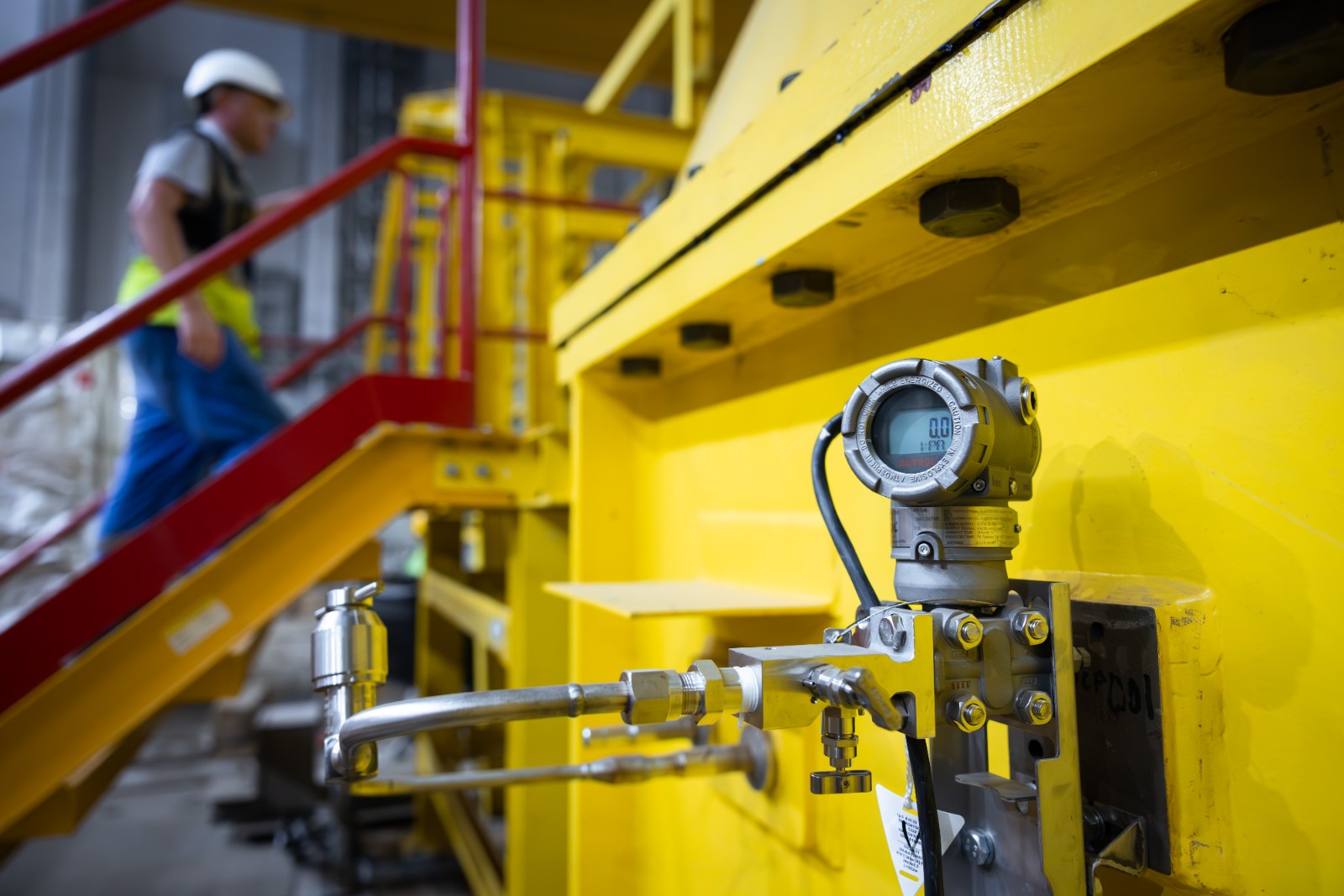
Test vacuum established in turbine condenser of Unit 1 at Turkey's Akkuyu NPP
On August 25, test vacuum was established in the turbine condenser of Unit 1 at Turkey's Akkuyu Nuclear Power Plant. This operation verified the readiness of the main systems of the turbine unit, creating conditions for subsequent commissioning work. Specialists from TITAN-2 Holding (TITAN-2) established the required vacuum in the condenser and checked the tightness of the vacuum system as well as the thermal and mechanical condition of the turbine. During the test, technical personnel continuously monitored key parameters such as steam pressure, bearing temperatures, thermal expansion of cylinders and rotors, and condenser vacuum level. While the turbine was rotated by the turning gear, experts also verified the operational condition of the turbine flow path. This...
2026-08-27

Electron Beam Processing Can Reduce Poultry Pathogens, Study Shows Turkey Meat Quality Remains Well Preserved
A study on electron beam treatment of poultry meat products shows that electron beam irradiation has the potential to reduce the risk of foodborne pathogens in poultry while preserving meat quality as much as possible. The paper, titled "Effects of Electron Beam (eBeam) Treatment on the Texture and Sensory Attributes of Chicken and Turkey Meat Batters," was published in the journal Poultry Science. Electron beam is a non-thermal processing technology that uses high-energy electrons to cause irreversible damage to pathogen DNA or RNA, making it difficult for bacteria to replicate. Like X-rays and gamma rays, electron beam has been approved by the U.S. Food and Drug Administration for cold pasteurization that does not rely on heating. The research team used the electron beam irradiation facility at Texas A&M University...
2026-08-26
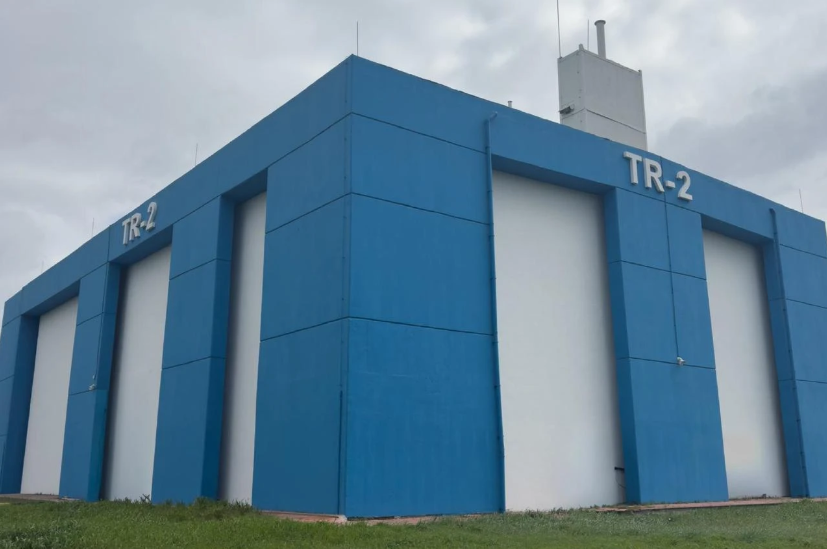
Turkey's TR-2 Research Reactor Receives Operating License
The Turkish Nuclear Regulatory Authority has issued an operating license for the TR-2 research reactor at the Istanbul campus of the Nuclear Energy Institute under the Turkish Energy, Nuclear and Mineral Research Agency (TENMAK). The license was issued pursuant to the Authority's Decision No. 2026-34/3 dated August 6, 2026. Following the review and evaluation of TENMAK's application documents, the Turkish Nuclear Regulatory Authority authorized the agency to carry out the activities required for the transition of the TR-2 research reactor from its current status to the operational phase. TR-2 is located at the Istanbul campus of TENMAK's Nuclear Energy Institute, with an approved thermal power of 5 megawatts. The facility is a research reactor and is not a nuclear facility primarily intended for power generation. According to...
2026-08-17
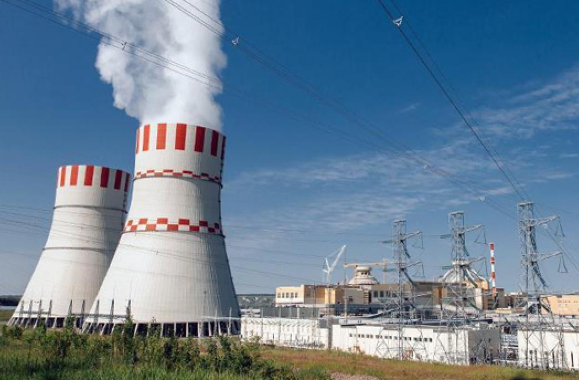
Turkey's Nuclear Regulatory Authority (NDK) Relaxes Certification Requirements for Testing of Short-Cycle Equipment
Turkey's Nuclear Regulatory Authority (NDK) has recently adjusted testing requirements for equipment related to nuclear facilities, providing flexibility for equipment with a production cycle of less than 15 days. According to the decision published in the Official Gazette, under specific conditions, when such equipment undergoes certain tests, testing laboratories will no longer be required to hold specific accreditation for the corresponding test methods. This adjustment applies to the supply chain under the framework of the Regulation on Authorization of Nuclear Facilities. When the NDK, suppliers, or subcontractors are unable to provide a laboratory accredited for the relevant test methods, the original accreditation prerequisite may be waived for the testing of such equipment. This indicates that the regulatory authority, while ensuring quality control of nuclear facility equipment, has also left operational leeway for the testing process of short-cycle production equipment.
2026-08-14
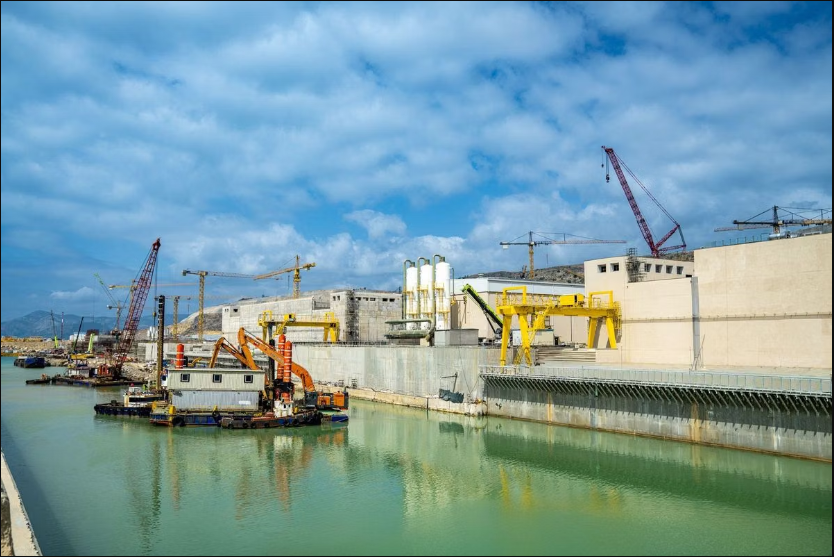
Installation of Passive Heat Removal System Completed for Unit 1 of Turkey's Akkuyu Nuclear Power Plant
Rosatom recently announced that the installation of the Passive Heat Removal System (PHRS) for Unit 1 of Turkey's Akkuyu Nuclear Power Plant has been completed. This means the unit is now equipped with a critical safety system and is ready for the commissioning phase. According to reports, the installed equipment includes approximately 90 components such as heat exchangers, guide vanes, air ducts, and electromagnetic devices, which were installed in stages in the reactor building dome area. The Passive Heat Removal System is one of the key safety systems of a nuclear power unit, designed to remove residual heat from the reactor core under specific operating conditions. The system consists of four independent channels, each corresponding to one steam generator...
2026-08-10
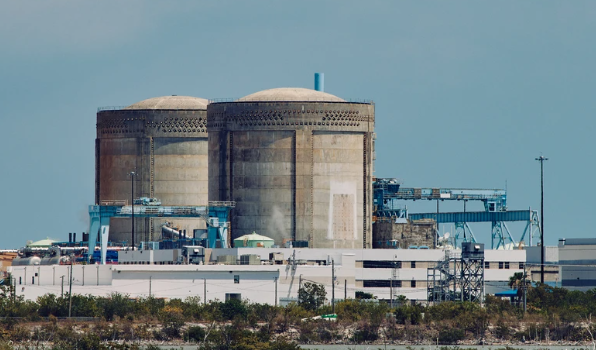
U.S. Environmental Groups Sue, Claiming Turkey Point Nuclear Plant License Renewal Requires Additional Environmental Review
The U.S. Nuclear Regulatory Commission (NRC) faces a legal challenge over its renewal of operating licenses for Units 3 and 4 at the Turkey Point nuclear power plant near Miami, Florida. Florida environmental group Miami Waterkeeper Inc. has petitioned the U.S. Court of Appeals for the District of Columbia Circuit, arguing that the agency failed to follow proper procedures during the license renewal process and overlooked significant environmental concerns. At the heart of the lawsuit is Miami Waterkeeper's assertion that the NRC should not have proceeded with the license renewal after denying the group's hearing request. The organization had participated in the related administrative proceedings and raised objections concerning the plant's environmental impact review, but the NRC concluded those proceedings in March of this year...
2026-08-07
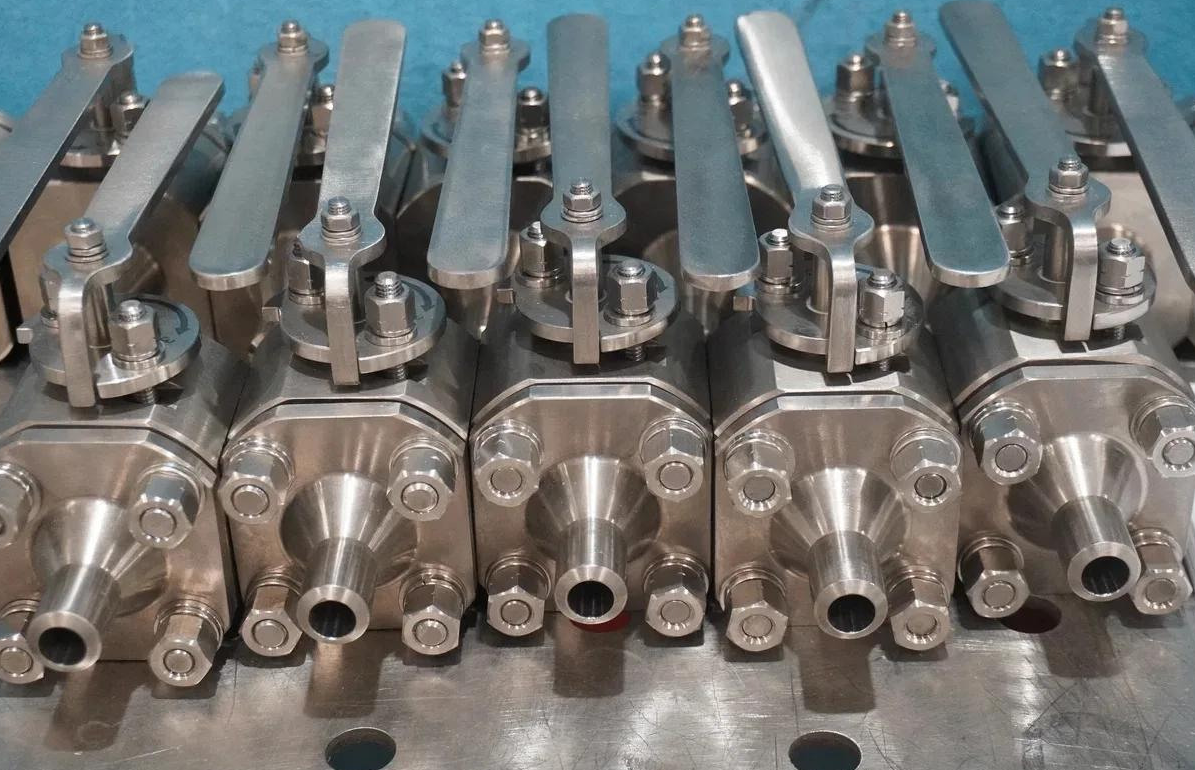
Russia's InterPolyaris Company Supplies Ball Valves for Nuclear Power Plants to Turkey
Russia's InterPolyaris Company is preparing a batch of equipment for overseas nuclear power plant projects, including various types of valves used for deep evaporation in liquid radioactive waste concentration systems and a type of steam disperser. This shipment is about to be delivered, aiming to ensure the safe operation and maintenance of nuclear power plants. Among the goods to be shipped to customers, ball valves are an important component. The main function of this type of valve is to partially or completely shut off pipelines, thereby achieving precise control and conveyance of the working medium flow. They will be used in a nuclear power plant project in the coastal region of Turkey as key components for regulating processes within the system. These ball...
2026-08-05

Turkey's Akkuyu Nuclear Power Plant Unit 1 Expected to Begin Power Generation by End of Year
Turkish Energy Minister Alparslan Bayraktar stated on August 4 that Unit 1 of the Akkuyu Nuclear Power Plant is planned to begin power generation by the end of this year. Bayraktar said that the startup process for the plant's first reactor is being accelerated, with Turkish and Russian sides concentrating efforts to advance related work, aiming to complete preparations and initiate trial power generation before year-end. He also noted that approximately 2,000 tests need to be completed before the plant goes into operation. Currently, these testing activities are underway...
2026-08-05